A cheap promotional bag can save budget today. It can also damage brand trust tomorrow. I see this sourcing problem more often than buyers expect.
I choose promotional bags by starting with the campaign goal, audience, quantity, budget, logo method, packaging, and delivery date. The right bag is not always the cheapest one. It is the bag that people reuse, arrives on time, and supports the brand message.
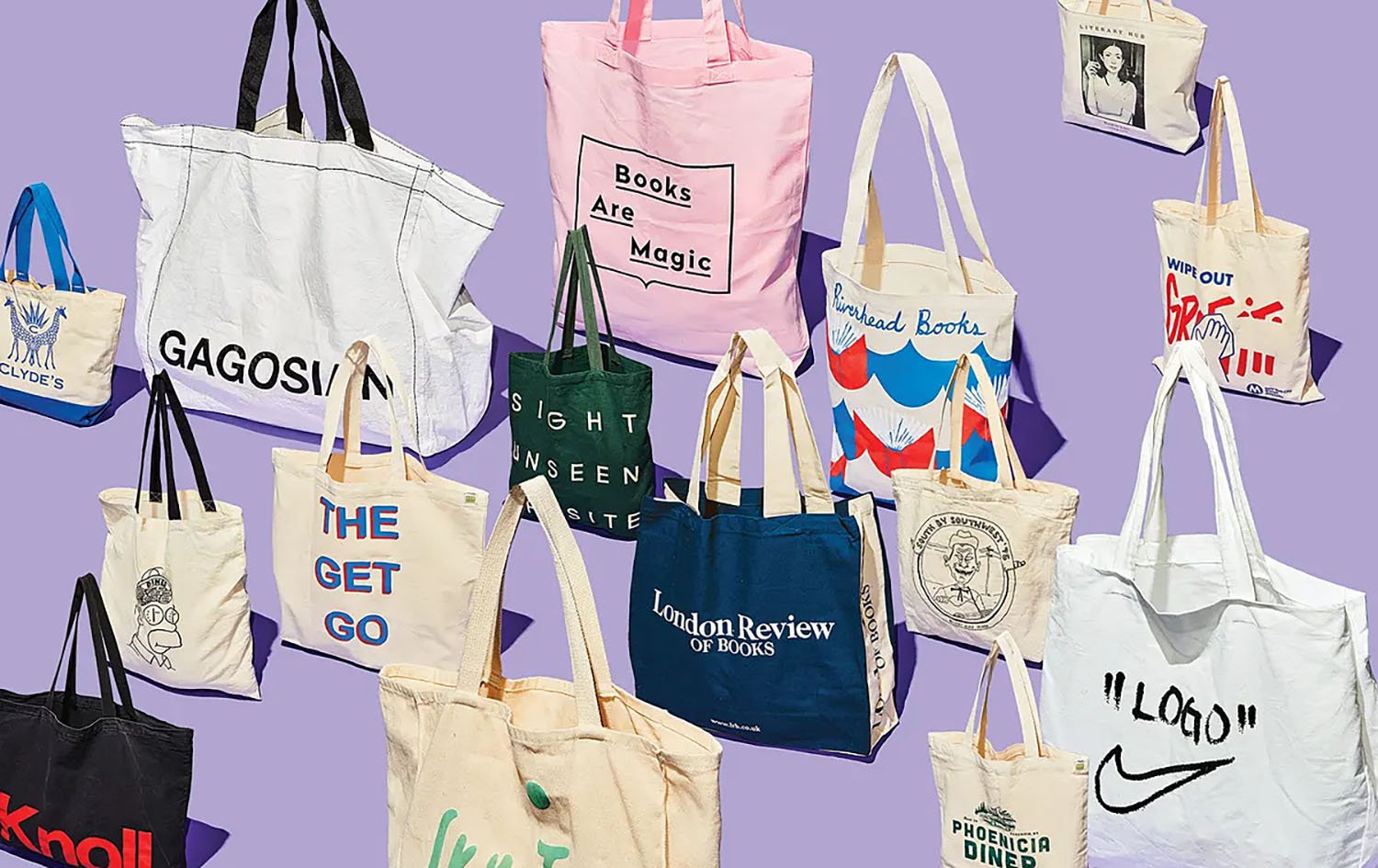
I have supported many OEM and ODM promotional bag projects1 from the factory side. I usually do not begin by asking, “Which bag do you want?” I begin by asking what the campaign must achieve. A trade show bag has a different job from an employee welcome gift. A supermarket gift bag has a different job from a member reward. When I understand the task, I can help reduce wrong choices, wasted samples, poor logo results, and late delivery risk.
Why are corporate buyers choosing quality over quantity?
A large order can look successful on a spreadsheet. Yet a weak bag can break quickly, look cheap, and make the brand feel careless.
Corporate buyers choose quality over quantity because reusable bags create longer brand exposure and better brand feeling2. A smaller quantity of better bags can bring more value than a larger quantity of bags that recipients throw away after one use.
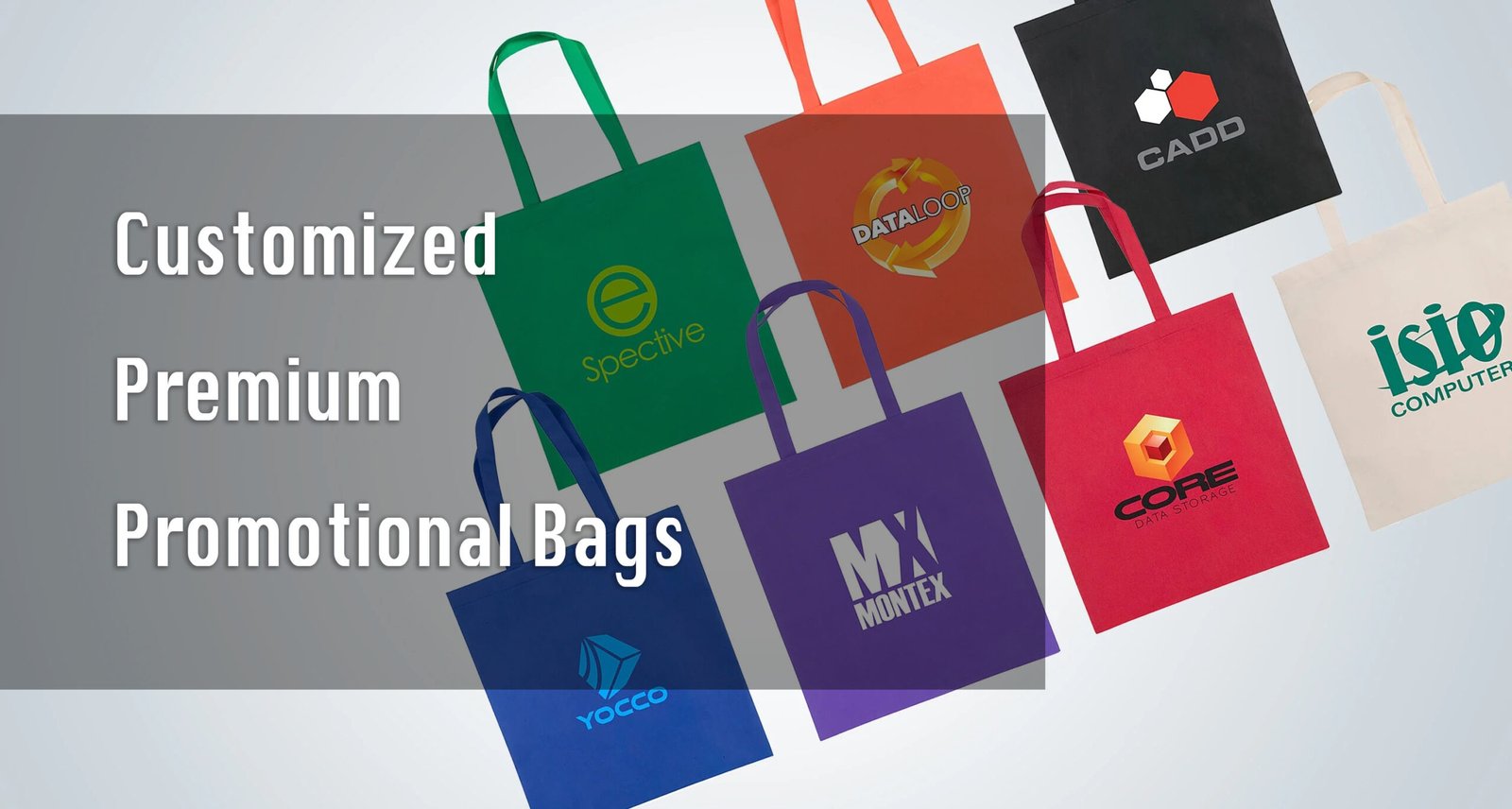
I often see buyers compare only unit price at the start. I understand that pressure. Corporate campaigns have fixed budgets. Procurement teams must control cost. Still, I have learned that the cheapest bag is not always the lowest-risk choice. A promotional bag carries the brand in public. If the fabric feels too thin, the handle stitching is weak, or the logo looks rough, the buyer may save money but lose trust.
I usually break “quality” into simple points. This helps buyers make a better decision without needing deep technical knowledge.
What quality means in a promotional bag
| Quality point | What I check | Why it matters |
|---|---|---|
| Fabric feel | Thickness, touch, and strength | The bag feels useful, not disposable |
| Stitching | Handle area, seams, corners | These parts carry weight and fail first |
| Structure | Shape, gusset, zipper, lining | The bag looks better and works better |
| Logo result | Print clarity, color match, position | The brand looks more professional |
| Packing | Flat packing, carton quality, label | The campaign team receives usable goods |
I do not suggest overbuilding every bag. A simple tote for a one-day event does not need the same structure as a backpack gift. I suggest matching quality level to user expectation. If the audience is senior clients, staff, or paid members, the bag should feel more durable. If the audience is passing visitors at a booth, the bag still needs clean printing and safe stitching. Quality should fit the campaign, not only the price target.
Which promotional bag styles are most useful in 2026?
A trendy bag can attract attention. Yet a bag that sits unused in a closet gives the brand almost no real exposure.
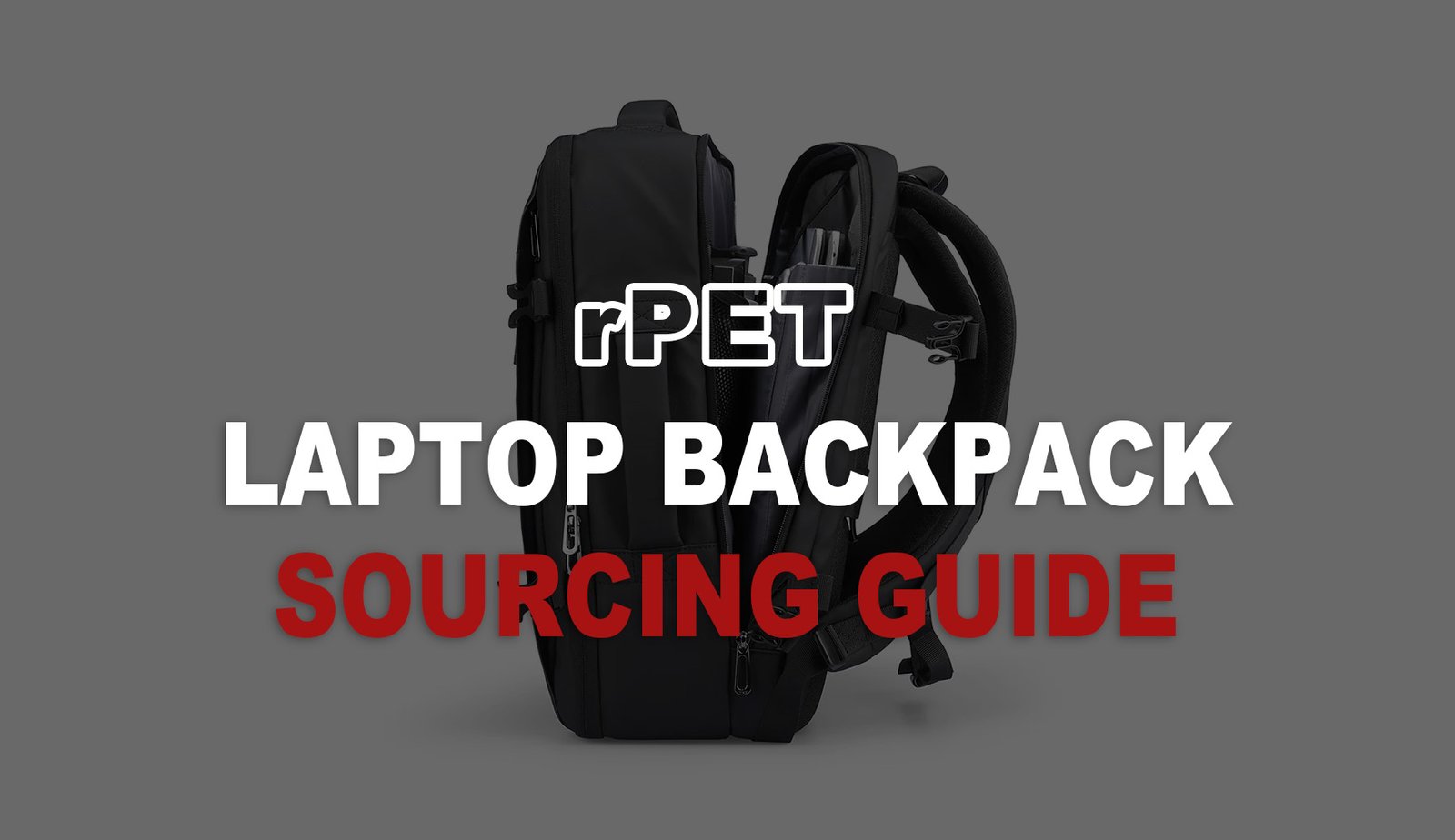
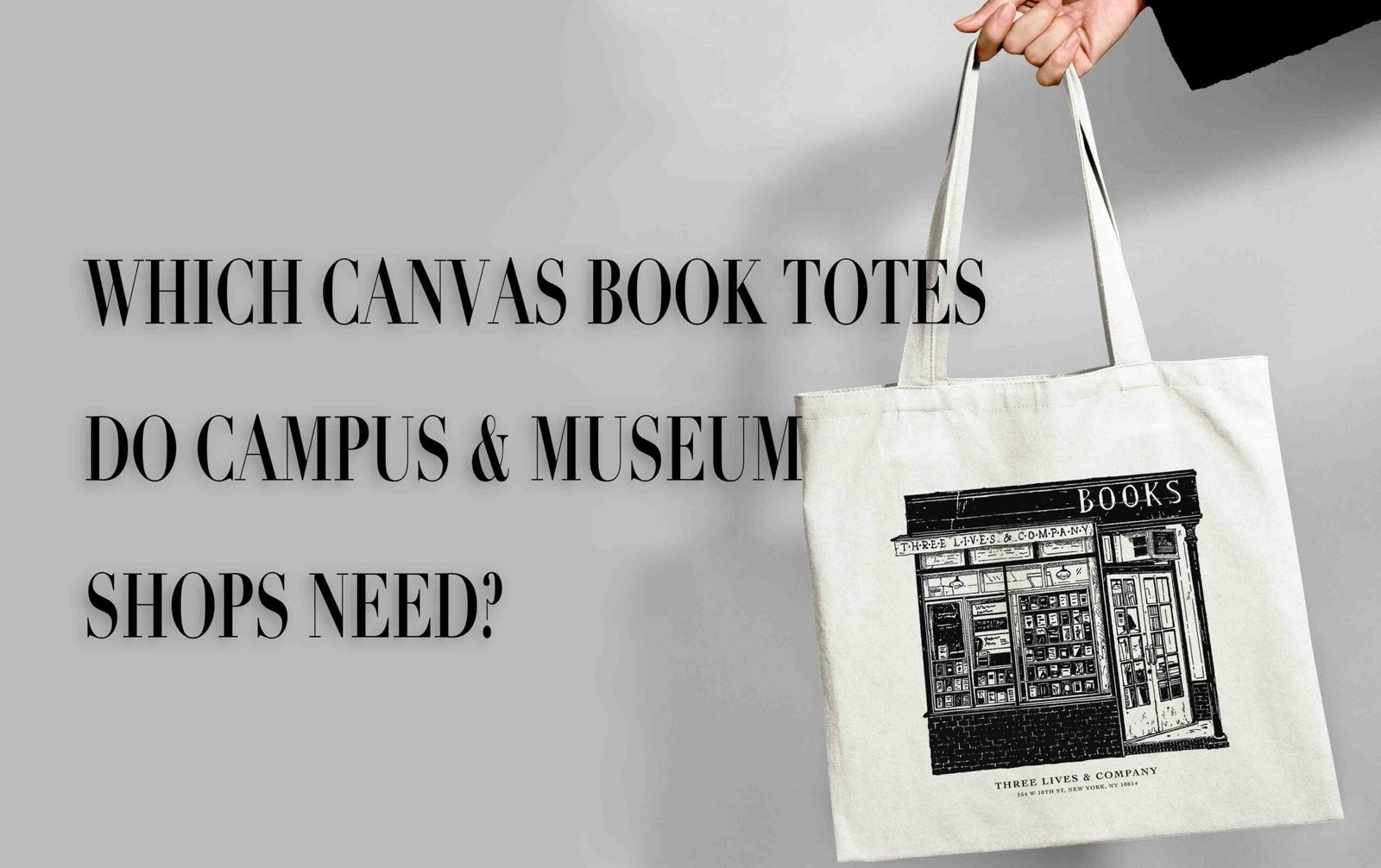
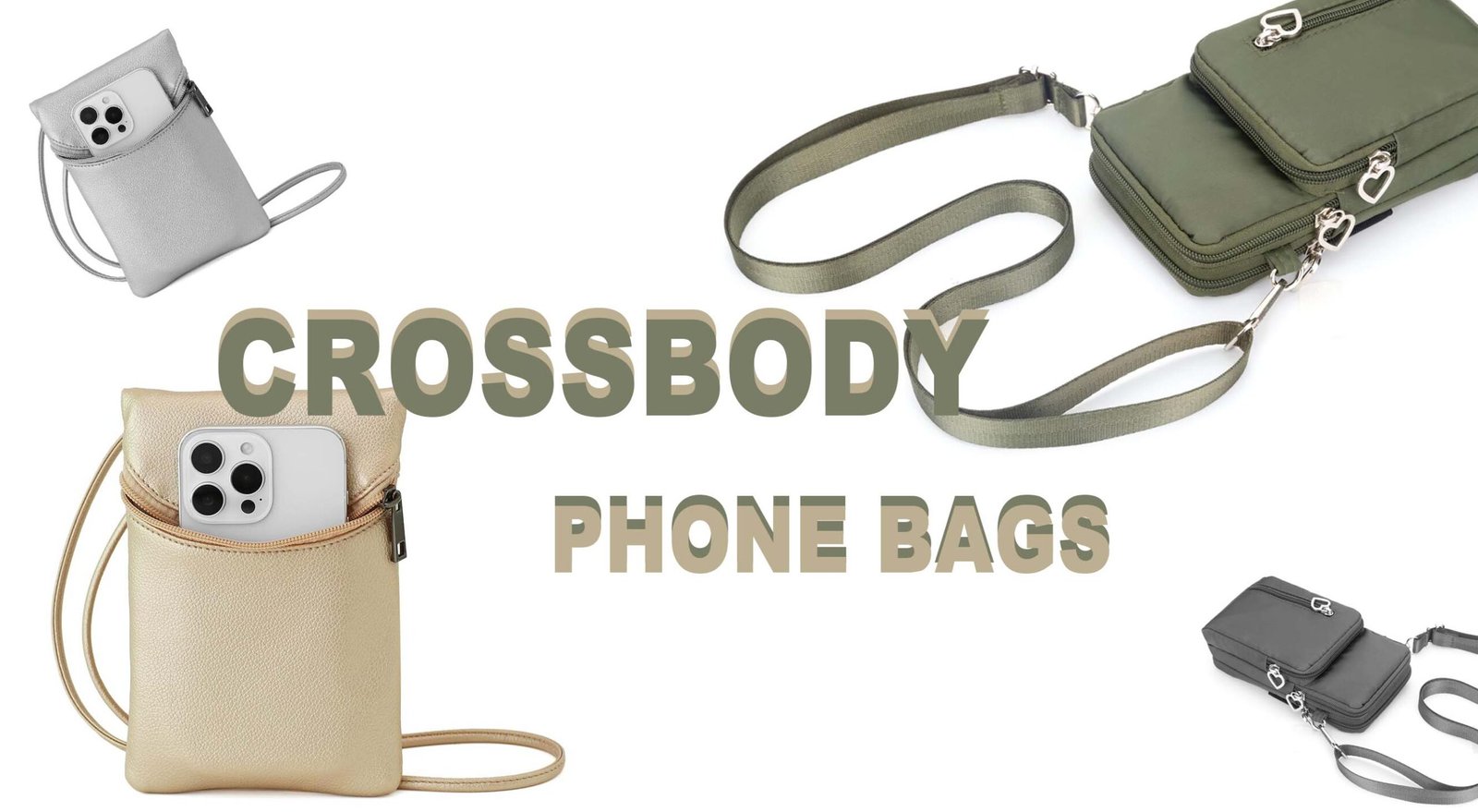
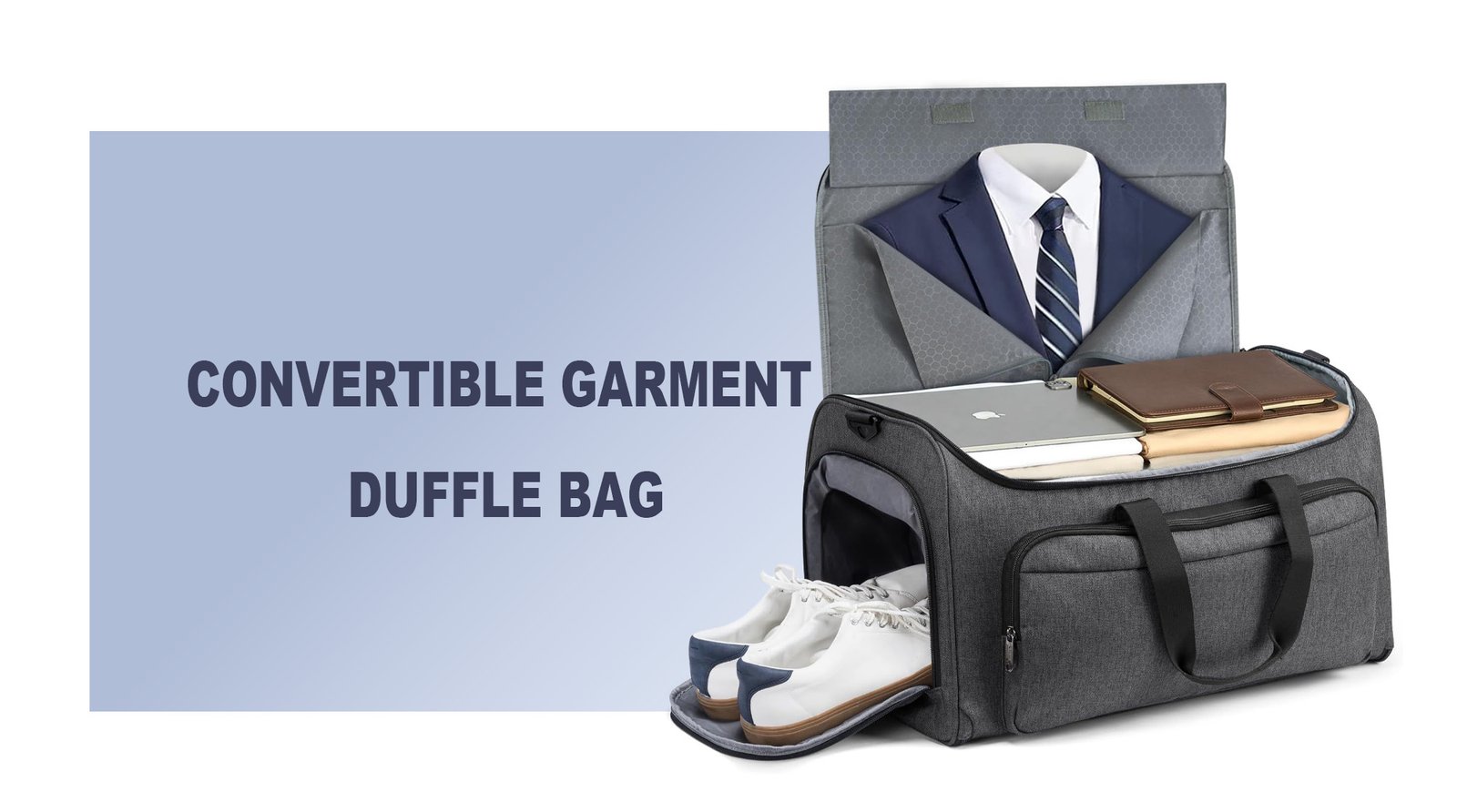
The most useful promotional bag styles in 2026 are reusable tote bags, foldable shopping bags, cooler bags, backpacks, laptop bags, cosmetic bags, and duffle bags3. The best choice depends on daily use, audience type, and campaign purpose.
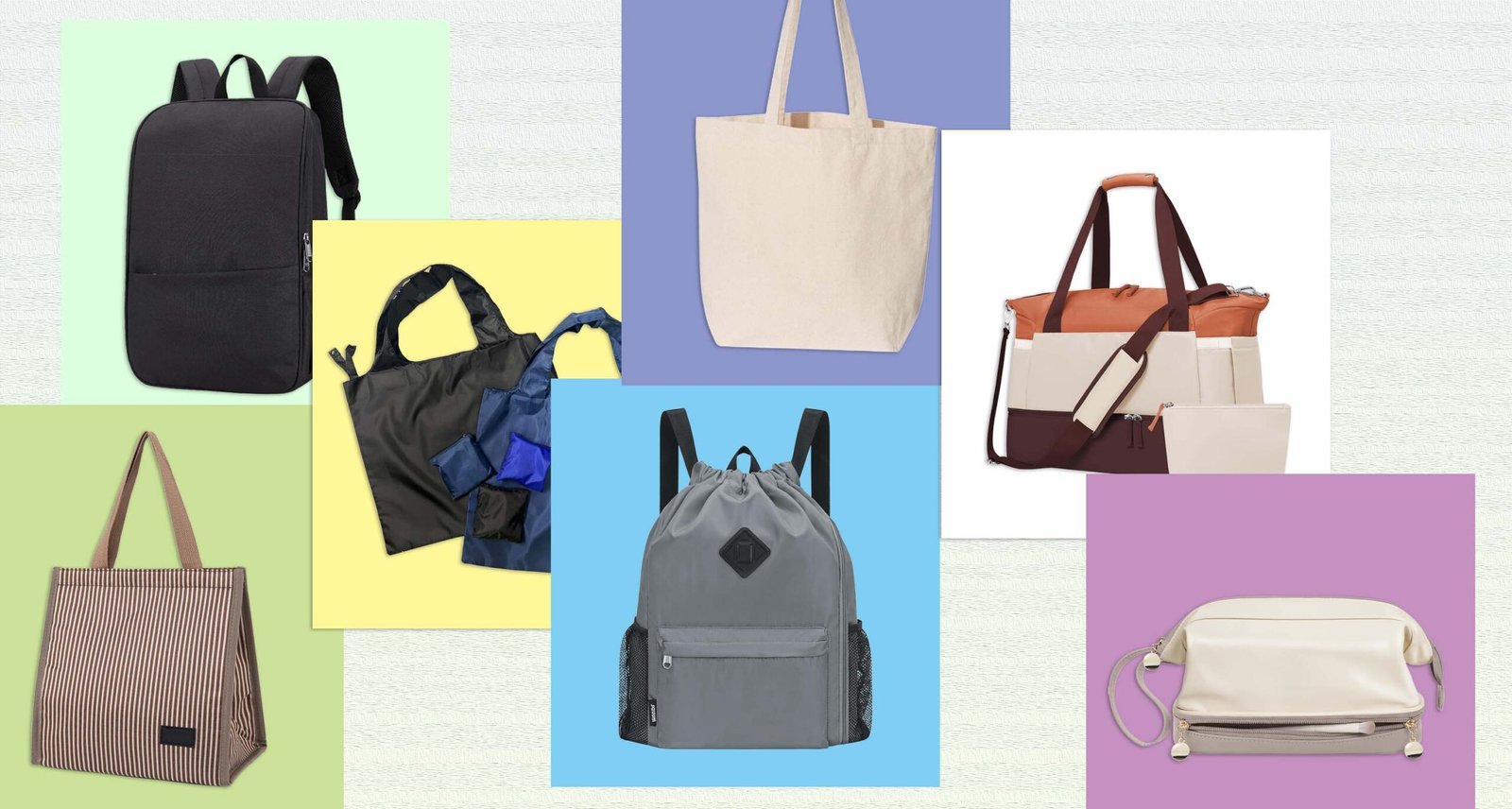
I do not like to give buyers a product list without context. A bag style is only useful when the recipient has a reason to use it. I have seen simple tote bags perform well at exhibitions because visitors need to carry catalogs and samples. I have also seen cooler bags work well for supermarket campaigns because people connect them with food, family, and weekend use. A backpack can be a stronger choice for staff onboarding or member rewards because it feels more personal and has a higher daily use value.
How I compare common promotional bag styles
| Bag style | Best campaign use | Main buyer concern |
|---|---|---|
| Tote bag | Trade shows, conferences, retail gifts | Fabric weight and handle strength |
| Foldable bag | Supermarket gifts, mail campaigns | Folding method and logo position |
| Cooler bag | Food, grocery, outdoor campaigns | Insulation, zipper, and lining |
| Backpack | Employee gifts, student programs | Comfort, structure, and zipper quality |
| Duffle bag | Travel rewards, sports campaigns | Capacity and reinforced stitching |
| Cosmetic bag | Beauty gifts, small product bundles | Shape, lining, and logo method |
I also think about shipping volume. A bulky bag may look great, but it can increase freight cost4. A flat tote or foldable bag can be more efficient for large campaigns. A structured backpack may need more space, yet it can feel more premium. I usually ask buyers how the bag will be distributed. If the bag must be packed into a gift box, the size and folding method matter early. If the bag will be handed out at an event, carton handling and quick access also matter.
How should buyers match bags to events, onboarding or client gifts?
One bag cannot serve every corporate purpose. A mismatch can waste budget, even when the product itself is not bad.
I match promotional bags to the use scene first. Events need practical carry bags. Onboarding needs durable daily bags. Client gifts need better materials, cleaner branding, and stronger packaging.
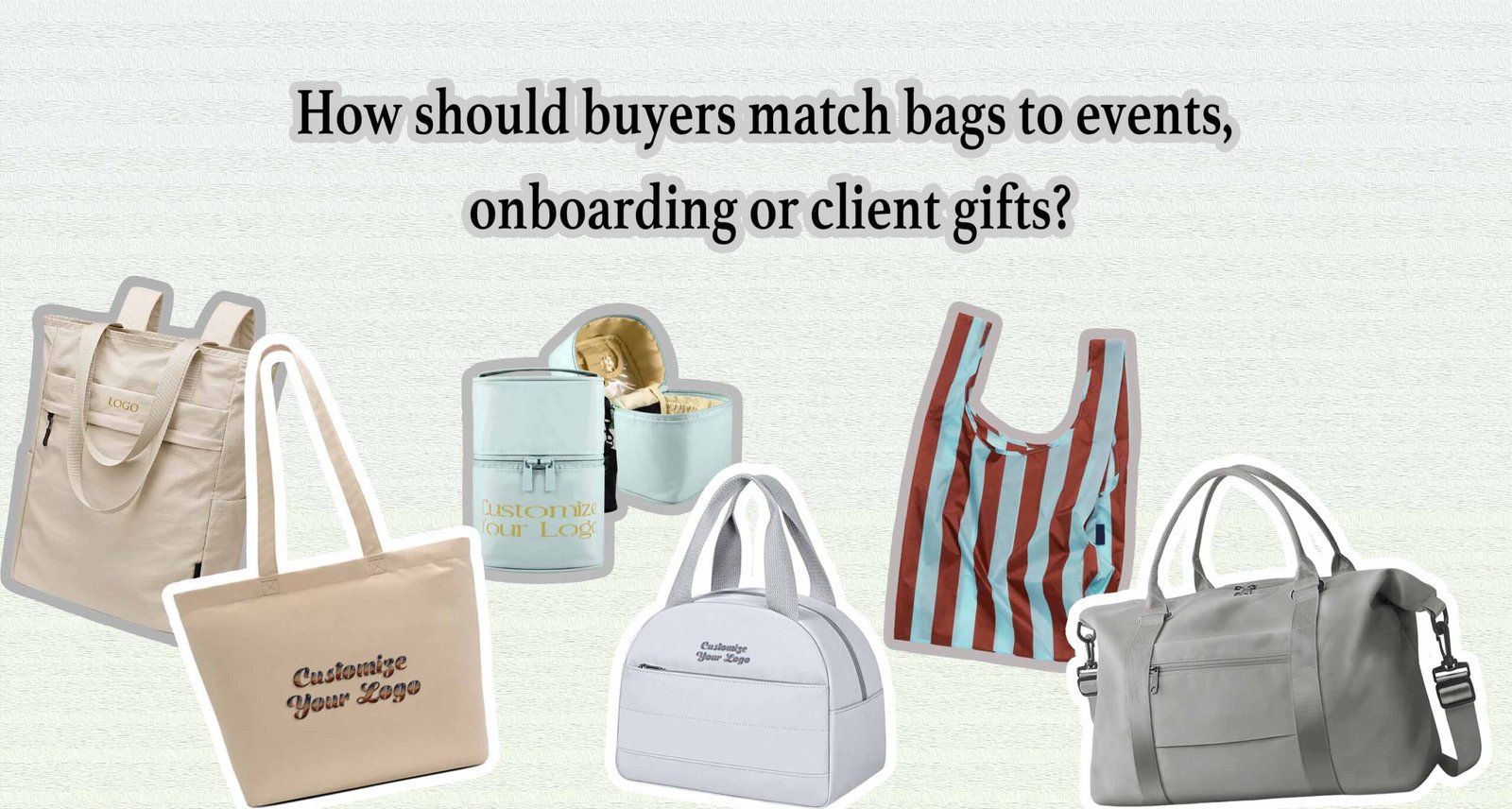
When a buyer contacts me, I like to know where the bag will appear. This one question changes many decisions. A conference bag must carry papers, gifts, water bottles, and small items. It should be light, simple, and cost controlled. An onboarding bag for employees should feel like part of company culture. It may need laptop space, inner pockets, or better fabric. A client gift bag should not feel like a free throwaway item. It should feel selected with care.
Matching campaign type with bag choice
| Campaign type | Better bag direction | What I focus on |
|---|---|---|
| Trade show | Tote bag or lightweight carry bag | Low weight, fast packing, clear logo |
| Conference | Tote, laptop tote, simple backpack | Capacity, comfort, clean design |
| Product launch | Custom tote or gift set bag | Brand color, special packaging |
| Employee onboarding | Backpack, laptop bag, duffle | Daily use, durability, brand culture |
| Client gift | Premium tote, cooler, duffle | Material feel, logo control, packaging |
| Supermarket promotion | Foldable bag, cooler bag | Cost control, reusability, carton volume |
I try to keep the design tied to the audience. A young tech team may use a laptop backpack more than a cotton tote. A grocery customer may value a cooler bag more than a formal document bag. A gym or sports campaign may need a duffle bag. If the user will not reuse the bag, the brand exposure becomes short. I also ask about distribution timing. If a campaign has a fixed event date, a safe production plan is more important than adding too many custom features at the last minute.
A large logo can be visible. It can also make a good bag look like a cheap advertisement.
Premium branding usually comes from clean logo size, correct placement, suitable color, and the right logo method. Screen printing, embroidery, woven labels, rubber patches, and heat transfer5 can all look premium when used with control.
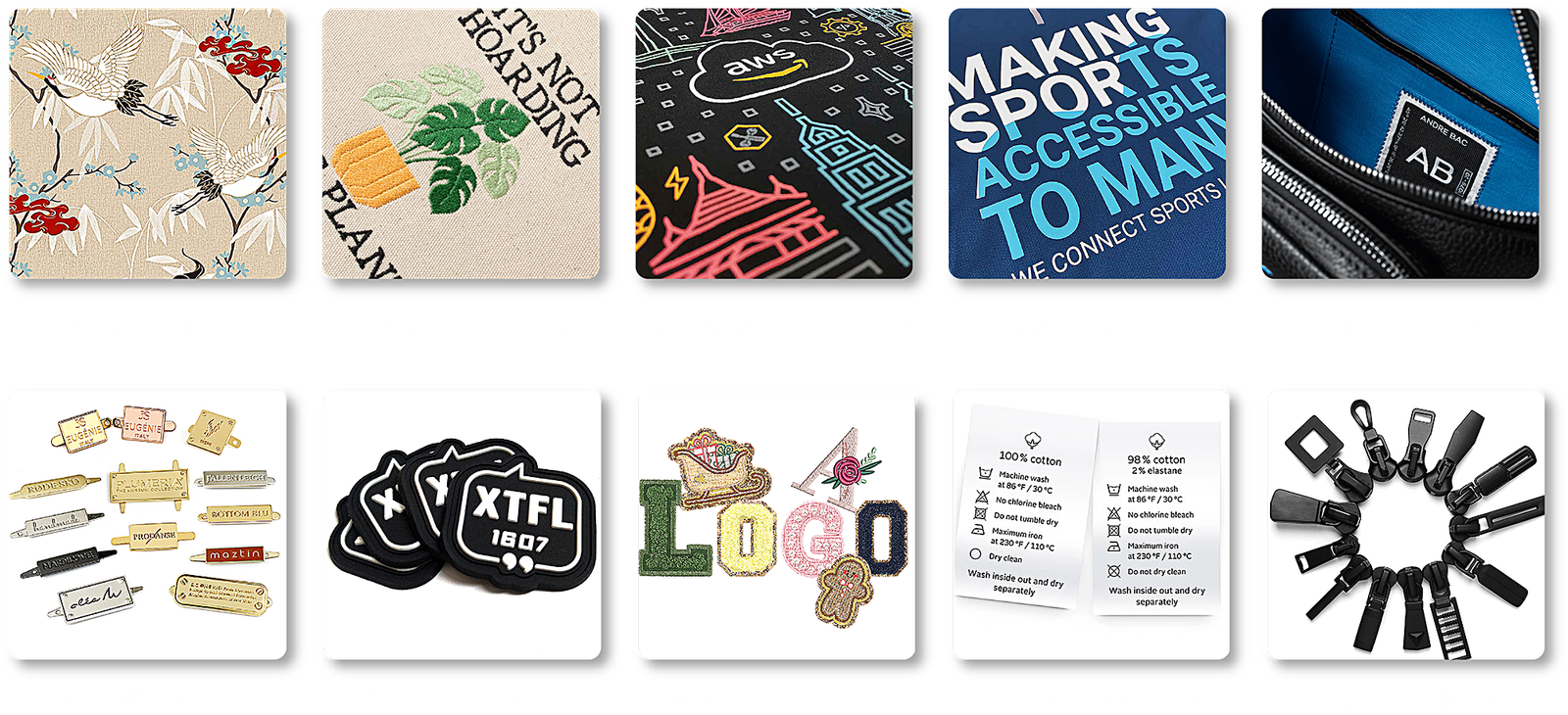
I often tell buyers that logo design is not only a graphic decision. It is also a production decision. A detailed logo may not print well on rough fabric. A small logo may not work well with thick embroidery. A large heat transfer may change the hand feel of the bag. When branding is planned early, the factory can suggest a better process before sampling. When branding is added late, it can cause delays, higher cost, or poor results.
Logo methods I usually discuss
| Logo method | Good for | What I watch |
|---|---|---|
| Screen printing | Simple logos, large quantities | Color accuracy and fabric surface |
| Heat transfer | Detailed artwork, gradients | Film feel and wash resistance limits |
| Embroidery | Premium look, small logo areas | Stitch density and fabric thickness |
| Woven label | Subtle branding | Label size and sewing position |
| Rubber patch | Outdoor or sporty style | Mold cost and patch thickness |
| Metal plate | High-end gift bags | Weight, rust risk, and fixing method |
I prefer controlled branding for corporate buyers. A small logo on the front pocket can look better than a huge logo across the whole panel. Tone-on-tone printing can look refined. A woven label on the side seam can make the bag feel retail-ready. Packaging also supports the premium feeling. A simple polybag, hangtag, barcode label, or gift box can change how the final item is received. I always ask for the logo file, Pantone color6 if needed, artwork size, and logo position before confirming price. These details affect quotation, sample time, and production risk.
What sustainable materials should promotional buyers ask for?
Many buyers want eco-friendly bags. The risk is that vague “green” claims can confuse sourcing and create wrong expectations.
Promotional buyers can ask for recycled polyester, organic cotton, recycled cotton, RPET, non-woven fabric, jute, washable kraft paper7, or other lower-impact options. They should also ask about certificates, material limits, price, MOQ8, and lead time.
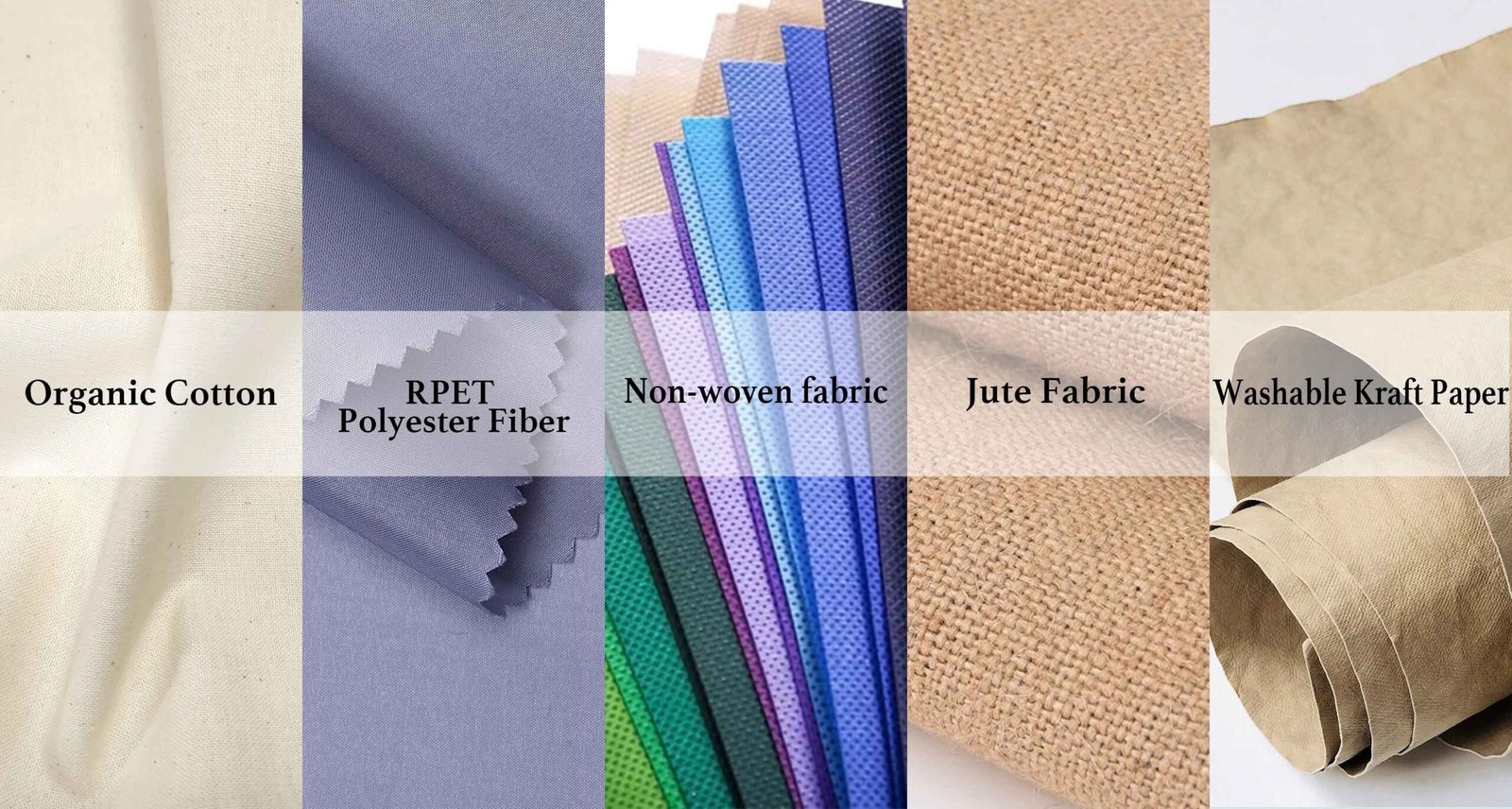
I support buyers who want more responsible materials, but I also try to keep the discussion practical. Not every material fits every bag type. Not every sustainable option fits every budget or deadline. A recycled polyester backpack may work well for a durable gift. A cotton tote may be right for a natural brand style9. A jute bag may feel good for food or grocery campaigns. A non-woven bag may fit cost-sensitive volume campaigns, but the buyer should still check quality and reuse value.
Material options buyers often ask about
| Material | Common use | Points to confirm |
|---|---|---|
| RPET10 polyester | Tote, backpack, cooler outer fabric | Certificate need, color, fabric weight |
| Organic cotton | Tote, drawstring, gift bag | Shrinkage, dye color, certification |
| Recycled cotton | Tote, pouch | Texture, color consistency, strength |
| Jute | Grocery bag, wine bag, gift bag | Smell, shedding, print method |
| Non-woven fabric | Large volume promotions | GSM, lamination, handle strength |
| Washable kraft paper | Fashion pouch, light tote | Water resistance limits and sewing |
I avoid promising that every product is fully eco-friendly. I think buyers should ask clear questions. They should ask what the material is, what proof is available, what logo method fits it, and whether the material can meet the campaign deadline. Some materials have longer purchasing time11. Some materials have higher MOQ. Some colors need custom dyeing, which can add time and cost. I also remind buyers that durability is part of responsible sourcing. A reusable bag with a longer service life may support a better campaign than a weak bag with a nice environmental claim. Clear material planning helps protect both the brand and the procurement team.
How do MOQs affect promotional bag pricing?
A low unit price can hide a real problem. If the MOQ is wrong, the project may become too expensive or too slow.
MOQs affect promotional bag pricing because fabric purchasing, logo setup, printing, labor, packaging, and machine time all have minimum costs. Higher quantities usually spread these costs better, while small orders need simpler designs or ready materials.
MOQ is one of the first points I discuss with buyers. Many buyers ask for a target price before they know the quantity. I can give a rough direction, but the final price depends on order volume, material, logo method, packing, sampling, and delivery time. A custom fabric color may need a higher MOQ. A special logo patch may need mold cost. A private label package may add setup time. If the order is small, these costs cannot spread across many pieces.
How MOQ changes the cost structure
| Cost item | Small order effect | Larger order effect |
|---|---|---|
| Fabric | Ready stock may be needed | Custom fabric becomes easier |
| Logo setup | Setup cost feels high per piece | Setup cost spreads better |
| Sampling | Sample cost affects budget more | Sample cost becomes smaller per piece |
| Labor | More manual handling per unit | Process becomes more efficient |
| Packaging | Custom packing may be costly | Custom packing is more practical |
| Freight | Air shipping may be used for rush | Sea shipping may reduce unit freight |
I suggest that buyers share a realistic order quantity and target budget early. This helps me suggest the right bag level. If the quantity is limited, I may suggest a stock fabric, simple logo, and standard packing. If the quantity is large, I may suggest custom fabric color, special zipper pulls, private label tags, or retail packaging. I also ask about the final delivery date. A low price is not useful if the goods arrive after the campaign. MOQ, lead time, and customization must be discussed together. This is how buyers reduce surprise costs and avoid choosing a supplier that cannot fit the project.
Conclusion
I choose promotional bags by matching purpose, user value, quality, branding, material, MOQ, and timing before price becomes the only decision.
"Original equipment manufacturer - Wikipedia", https://en.wikipedia.org/wiki/Original_equipment_manufacturer. Standard references on contract manufacturing define OEM as production to the buyer's specification and ODM as supplier-originated design subsequently branded by the buyer, supporting the distinction used in the article. Evidence role: definition; source type: encyclopedia. Supports: OEM (Original Equipment Manufacturer) and ODM (Original Design Manufacturer) refer to distinct sourcing arrangements where the buyer either supplies the design or relies on the supplier's design.. Scope note: Definitional only; does not characterize the promotional bag market specifically. ↩
"Does Marketing with Promotional Bags Work? | Factory Direct Promos", https://www.factorydirectpromos.com/blog/does-marketing-with-promotional-bags-work/. Industry impressions research from the Advertising Specialty Institute reports that bags generate among the highest number of impressions per item across promotional product categories, supporting the argument that reusable bags extend brand exposure. Evidence role: statistic; source type: research. Supports: Reusable tote and promotional bags deliver more impressions over time than other promotional items.. Scope note: Industry-sponsored data may overstate effectiveness; independent academic validation is limited. ↩
"Promotional Products Market Size, Share & Trends Report, 2033", https://metastatinsight.com/report/promotional-products-market. Annual sales-volume data from promotional industry associations such as PPAI and ASI consistently list bags among the top promotional product categories by revenue, supporting the relevance of these styles. Evidence role: general_support; source type: institution. Supports: Bags remain one of the top-selling promotional product categories with tote, cooler, and backpack styles consistently ranked highly.. Scope note: Trade-association data reflects sales volume rather than recipient utility or 2026-specific forecasts. ↩
"What is Dimensional Weight & How is it Calculated? [+ DIM Calculator]", https://dclcorp.com/blog/shipping/dimensional-weight/. International freight standards from bodies such as IATA define volumetric (dimensional) weight as the chargeable weight when cargo density is low, supporting the claim that bulky bags increase per-unit freight cost. Evidence role: mechanism; source type: institution. Supports: Freight pricing for both air and ocean shipping incorporates volumetric or dimensional weight calculations, so bulky low-density goods cost more to ship per unit.. Scope note: Exact rate impact depends on carrier, lane, and packaging configuration. ↩
"Fashion design - Wikipedia", https://en.wikipedia.org/wiki/Fashion_design. Standard references on textile printing and garment decoration describe screen printing, embroidery, heat transfer, and woven labeling as the principal commercial methods for applying logos to fabric products. Evidence role: definition; source type: encyclopedia. Supports: Screen printing, embroidery, heat transfer, and woven labels are widely recognized textile decoration methods with distinct technical characteristics.. Scope note: General encyclopedia entries do not assess the suitability of each method for promotional bag substrates. ↩
"Pantone - Wikipedia", https://en.wikipedia.org/wiki/Pantone. Reference entries on the Pantone Matching System describe it as a standardized color reproduction system used across printing, packaging, and textile industries to ensure consistent brand color rendering. Evidence role: definition; source type: encyclopedia. Supports: The Pantone Matching System is a proprietary color-standardization system widely used in printing and manufacturing to specify and reproduce colors consistently.. Scope note: Pantone is a commercial standard; the reference is definitional rather than evaluative. ↩
"Exploring the synergistic effect of fly ash and jute fiber on the fresh ...", https://pmc.ncbi.nlm.nih.gov/articles/PMC10643492/. Textile Exchange's Preferred Fiber & Materials Market Report and related life-cycle assessments document the relative environmental performance of recycled polyester, organic cotton, and natural fibers, providing context for these material choices. Evidence role: general_support; source type: research. Supports: Recycled polyester, organic cotton, and natural fibers like jute have measurable lower environmental impacts in some categories compared to conventional polyester or cotton.. Scope note: Impacts vary by indicator (water, carbon, land use) and no single fiber is universally 'sustainable.' ↩
"MOQ - Wikipedia", https://en.wikipedia.org/wiki/MOQ. Supply chain and operations management references define minimum order quantity as the smallest order a supplier is willing to fulfill, set to recover fixed setup and procurement costs over a production run. Evidence role: definition; source type: encyclopedia. Supports: MOQ is a standard supplier-side constraint reflecting fixed setup, material, and labor costs that must be amortized across an order.. Scope note: Definitional reference; does not provide quantitative MOQ benchmarks for the promotional bag sector. ↩
"Cotton Tote Bags – Waste, Politics, and the Environmental ...", https://sites.hampshire.edu/waste2022/2022/11/20/cotton-tote-bags/. A life-cycle assessment by the Danish Ministry of Environment and Food (2018) on carrier bags found that organic cotton totes need to be reused thousands of times to match the environmental impact of single-use plastic bags, qualifying claims that cotton totes are inherently 'natural' or low-impact. Evidence role: case_reference; source type: government. Supports: Cotton totes require many reuses to offset their production footprint compared to other bag materials.. Scope note: The Danish LCA emphasizes climate metrics; results differ when considering litter, marine pollution, or end-of-life. ↩
"PET bottle recycling", https://en.wikipedia.org/wiki/PET_bottle_recycling. Encyclopedic references on PET recycling describe rPET as polyethylene terephthalate fiber produced by mechanically or chemically recycling post-consumer PET containers, supporting the definition used in the article. Evidence role: definition; source type: encyclopedia. Supports: RPET refers to polyester fiber made from post-consumer recycled PET, typically from beverage bottles.. Scope note: Encyclopedia entries provide general definition rather than supplier-specific quality data. ↩
"Closing the Gap in Organic Cotton Supply Chain Transparency", https://www.linkedin.com/posts/textilegenesis_organic-cotton-is-one-of-the-most-claimed-activity-7450457244023926784-doen. Textile Exchange and similar industry analyses document that certified materials such as GOTS organic cotton and traceable recycled polyester face constrained supply and longer procurement cycles compared to conventional fibers. Evidence role: general_support; source type: research. Supports: Certified sustainable textiles often have longer procurement lead times due to limited supply, traceability requirements, and certification processes.. Scope note: Lead-time variation is supplier- and region-specific; cited reports offer aggregate market context rather than project-level figures. ↩