Finding a trustworthy supplier in China is often stressful and risky. You worry about poor quality, lost money, and late deliveries that ruin your reputation. This guide solves that problem.
To find reliable cosmetic bag suppliers, search using "product + B2B" keywords like "Cosmetic bag manufacturer." Verify their physical address on Google Maps. Check their social media for recent activity. Confirm certifications like ISO9001. Finally, test their communication skills via email before comparing quotes.
Many buyers stop after the first page of search results, but that is a mistake. You need to dig deeper to verify if a company is real or just a middleman. I have spent 15 years in this industry, and I know the tricks. If you follow the steps below, you will avoid scammers and find a partner who helps your business grow.
What Are the Best Keywords for Finding Cosmetic Bag Manufacturers?
Searching for just "cosmetic bags" will give you thousands of retail shops, which is useless for a B2B1 buyer. You need to use specific words to find a real factory.
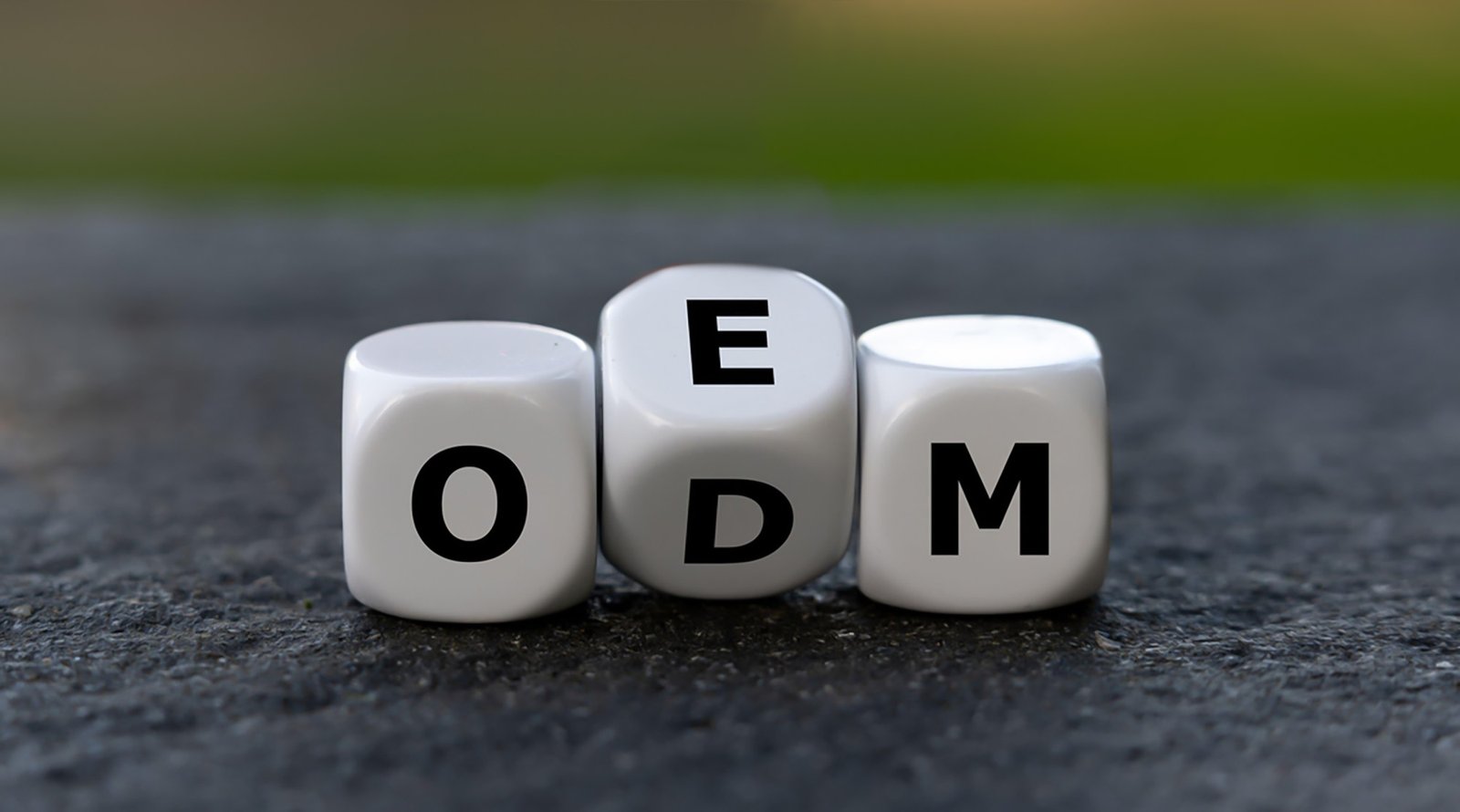
The secret is combining your product name with industry terms. This filters out the retailers and dropshippers. You want a factory that does OEM2 (Original Equipment Manufacturer) or ODM3 (Original Design Manufacturer).
You must be precise. In my 15 years running Coraggio, I see many buyers waste time on the wrong websites. If you type "cute makeup bags," you get Amazon links. If you type "custom cosmetic bag manufacturer China," you get factories like mine. Google is a robot. You have to speak its language to get what you want.
When you search, try different combinations. Here is a breakdown of how different keywords yield different results:
| Keyword Combination | Result Type | Target Audience |
|---|---|---|
| "Cosmetic Bag Wholesale" | Distributors or Factories | Small shops, Boutiques |
| "Cosmetic Bag Manufacturer" | Real Factories | Large Buyers, Brands |
| "Custom Makeup Bag OEM" | Factories accepting design | Brands requiring customization |
| "Toiletry Bag Supplier China4" | Broad range of suppliers | Importers, Wholesalers |
You should also include the material if you know it. For example, "Eco-friendly cosmetic bag manufacturer5" or "Canvas makeup bag factory." This helps you find a specialist. At Coraggio, we focus on eco-friendly materials because we know buyers in Europe and Canada value sustainability. Using these specific words saves you hours of filtering through irrelevant results.
How Do You Verify a Supplier’s Website and Physical Location?
A beautiful website does not always mean a big factory. Scammers can hire good web designers to make a small office look like a huge manufacturing plant.
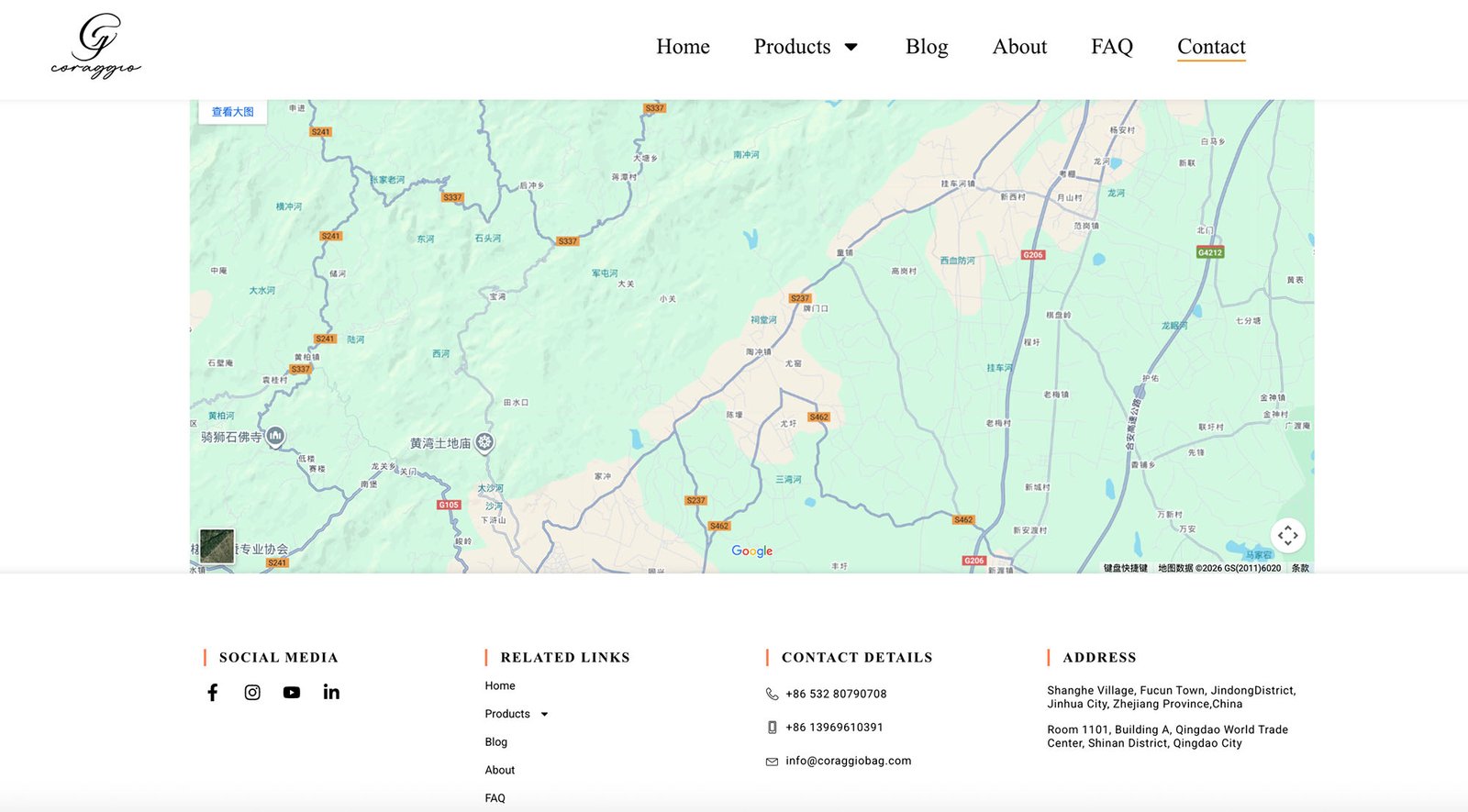
You must look at their product range to see if they specialize in bags. Then, use Google Maps6 to check if their address is a real factory or just a residential building.
I always tell my clients to look closely at the "About Us" page. Does it show photos of real workers and machines? Or does it use stock photos that look fake? A real factory is proud of its production lines. For example, my factory covers 3,000 square meters and has 8 production lines. We show this on our site because it proves we have capacity.
The most powerful tool you have is Google Maps. Take the address from the "Contact Us" page. Paste it into Google Maps and switch to "Satellite View."
- What to look for: Does the building look like a factory? Is it in an industrial zone?
- Red Flags: Is the address in a residential apartment? Is it a shared office in a city center skyscraper?
Factories need space. We need room for raw materials, cutting machines, and 120 workers. We are usually located in industrial districts, not downtown shopping centers. If a supplier claims to be a manufacturer but their address is a virtual office, they are likely a trading company. Trading companies are not bad, but they add a margin to the price. If you want the lowest price and direct control, you need the real factory.
Why Should You Check a Supplier’s Social Media Presence?
A website can stay the same for five years, but social media shows you what is happening today. It proves the company is active and alive.
Check their LinkedIn, Facebook, or Instagram pages. Look for photos of recent shipments, exhibition booths, or team building events to confirm they are a real, operating business.
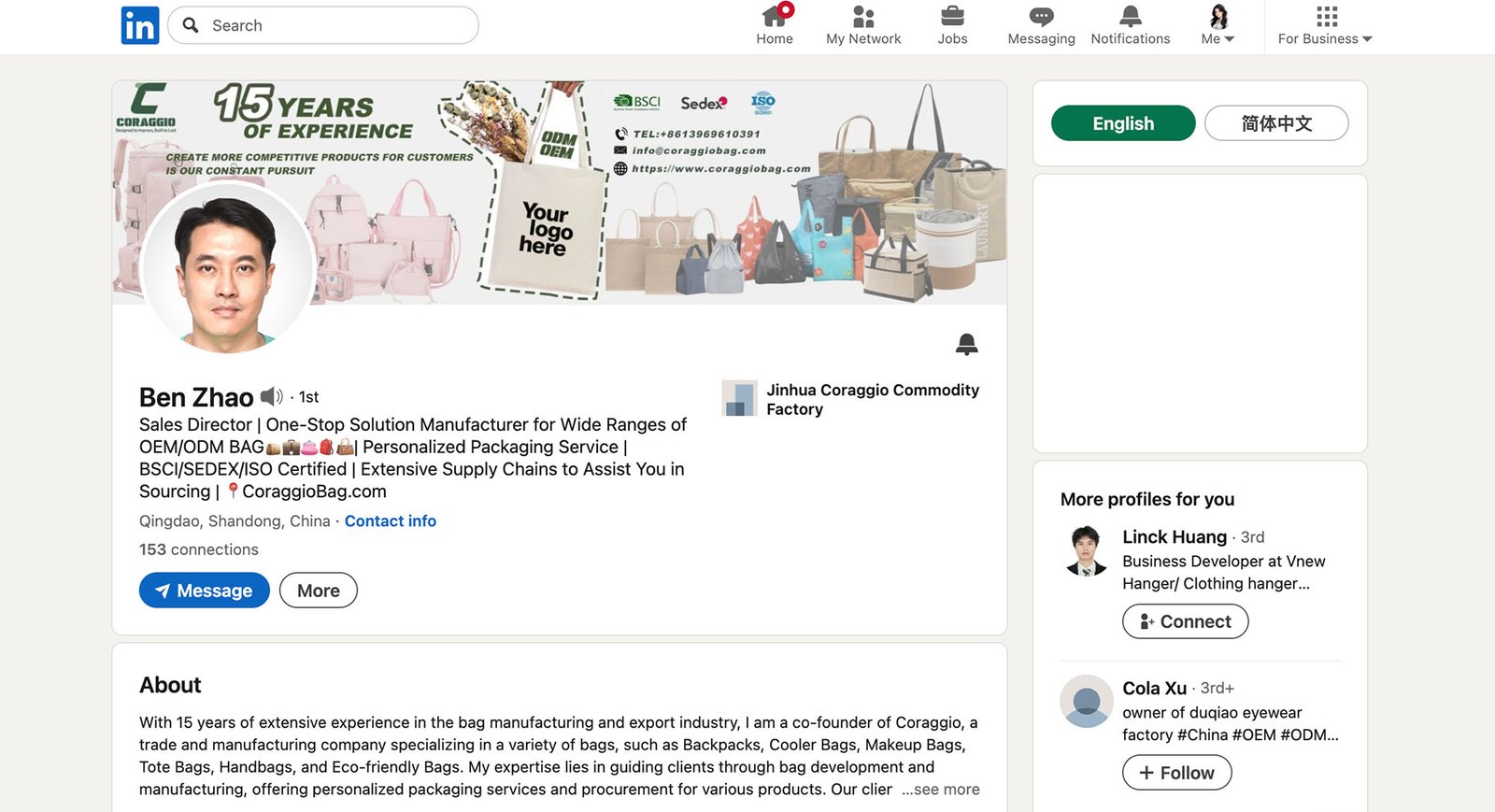
Social media is where a company shows its personality. In the B2B world, we use LinkedIn a lot. I use it to connect with buyers like you. If a supplier has a LinkedIn page, look at their employees. Do they have a sales team? Do they have designers? If the only person listed is the "CEO" and no one else, that is suspicious.
On Facebook or Instagram, look for "behind the scenes" content.
- Exhibitions: Do they post photos from Canton Fair or shows in Las Vegas? This shows they have the budget to travel and meet clients.
- Production: Do they post videos of bags being sewn? This is hard to fake.
- Shipping: Do you see photos of containers being loaded? This proves they have active customers.
At Coraggio, we post about our new designs and our team. It builds trust. If a company has not posted anything since 2019, they might be out of business or very disorganized. You want a partner who is active and engaging with the market. It shows they care about their brand image.
Which Certifications Prove a Supplier Is Legitimate?
Certifications are not just pieces of paper. They are proof that a factory follows international rules for quality and safety.
Look for ISO9001 for quality management and SEDEX or BSCI for social responsibility. These certificates ensure your goods are made ethically and correctly.
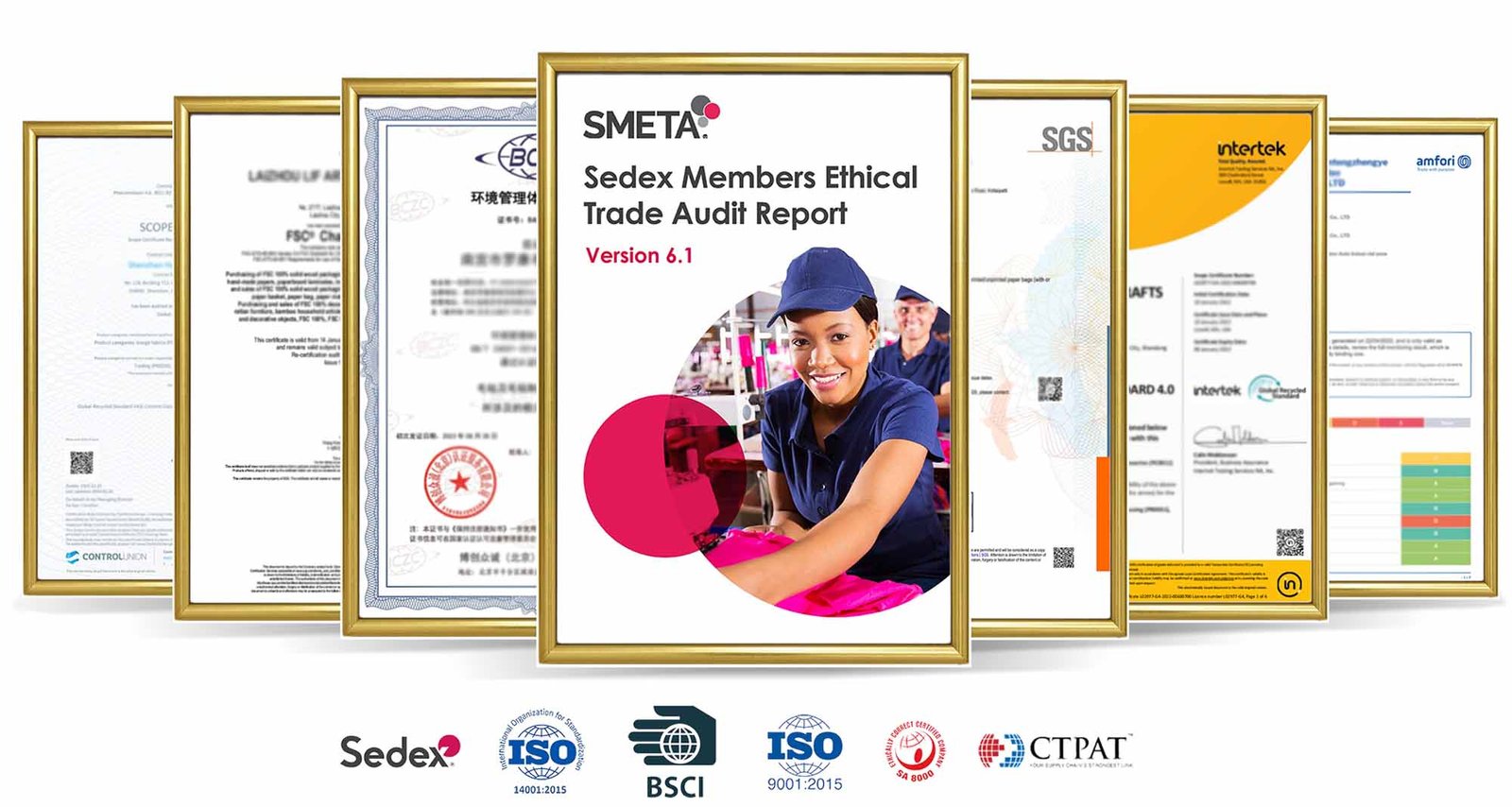
For a buyer from a large company or supermarket, certificates are mandatory. You cannot risk your brand reputation on a factory that uses child labor or produces unsafe products. When you look at a supplier's website, look for the logos of these organizations. But be careful—some bad suppliers use fake logos. You can ask them to send you the clear copy of the certificate so you can verify the number.
Here is why these matter to your business:
| Certification | What it Means | Why You Need It |
|---|---|---|
| ISO90017 | Quality Management System | Ensures consistent product quality for every order. |
| SEDEX8 / 4-Pillar | Ethical Trade Audit | Proves the factory treats workers fairly (human rights). |
| BSCI9 | Business Social Compliance | Required by many European retailers. |
| Material Reports10 | REACH / CA65 | Ensures materials are non-toxic and eco-friendly. |
I have 120 workers, and we treat them well. This is why we have low turnover and high quality. Experienced buyers know that a happy worker sews a better bag. If a factory has no certifications, it is a huge risk. If you import bags into Canada or Europe, customs might ask for material testing reports. A professional supplier like us will have these ready.
How Can You Test a Supplier’s Professionalism via Email?
The way a salesperson answers your email tells you everything about their factory's management. You need fast, clear answers.
Send a specific inquiry and measure how long they take to reply. A professional supplier will ask clarifying questions about materials and design, not just give a random price.

When you find a potential supplier, do not just say "How much for this bag?" That is too vague. Send a detailed email. Introduce yourself, your company, and ask for a quote on a specific quantity, for example, 1,000 cosmetic bags.
Pay attention to these three things in their reply:
- Speed: Did they reply within 24 hours? We work in different time zones, but a good sales team checks email every morning. If they take 4 days to reply to a new customer, imagine how slow they will be when you have a problem with an order.
- English Level: Misunderstandings cost money. If they cannot understand "zipper puller" or "lining fabric," you will get the wrong product.
- Questions: This is the most important one. A professional will look at your request and ask technical questions. They might ask, "Do you want 600D polyester or canvas?" or "Do you need a silk-screen logo or embroidery?"
If they just give you a cheap price without asking details, they are guessing. They might raise the price later. I train my team to ask every detail before quoting. This ensures the price we give you is accurate. Good communication saves you from headaches later.
How Should You Compare Price Quotes Effectively?
The lowest price is often a trap that leads to poor quality or delayed shipment. You must compare "apples to apples."
Look at the Incoterms11, the material specifications, and the packaging details in the quote. A higher price might include better service or higher quality materials.
When you get three or four quotes, put them in a spreadsheet. You will see a range of prices. Do not automatically pick the cheapest one. You need to understand why it is cheap.
Here is a checklist for comparing quotes:
- Incoterms: Is the price EXW (Ex-Works) or FOB (Free on Board)? EXW means you pay for transport from the factory to the port. FOB includes that cost. A $2.00 EXW price might be more expensive than a $2.10 FOB price in the end.
- Material Thickness: One supplier might use thin, cheap fabric that tears easily. Another might use durable, eco-friendly fabric. Ask for the weight of the fabric.
- Accessories: Look at the zippers. A branded YKK zipper costs more than a generic one, but it lasts longer.
- Packaging: Does the price include individual polybags and export cartons?
I often see competitors offer a very low price to get the order. Then, they use bad glue that smells, or they delay the shipment because they cannot afford overtime pay for workers. At Coraggio, our annual turnover is $10 million because we are honest about costs. We give you a fair price for good quality. If the price seems too good to be true, it usually is.
Conclusion
Finding a reliable partner takes effort, but using the right keywords, verifying their factory, and testing their communication reduces your risk. If you want a safe, experienced partner for your bag business, contact me at Coraggio today.
Understanding B2B can help you navigate supplier relationships effectively. ↩
Learn about OEM to understand how it can benefit your product customization. ↩
Discover the differences between ODM and OEM to make informed sourcing decisions. ↩
Explore this link for reliable suppliers specializing in toiletry bags. ↩
Find manufacturers committed to sustainability and eco-friendly practices. ↩
Learn how to effectively use Google Maps to confirm supplier addresses. ↩
Learn about ISO9001 to ensure your supplier meets quality management standards. ↩
Understanding SEDEX can help you choose suppliers that prioritize ethical practices. ↩
Explore BSCI to ensure your supplier adheres to social compliance standards. ↩
Understanding Material Reports can help ensure the safety and compliance of your products. ↩
Understanding Incoterms is crucial for managing shipping costs and responsibilities. ↩