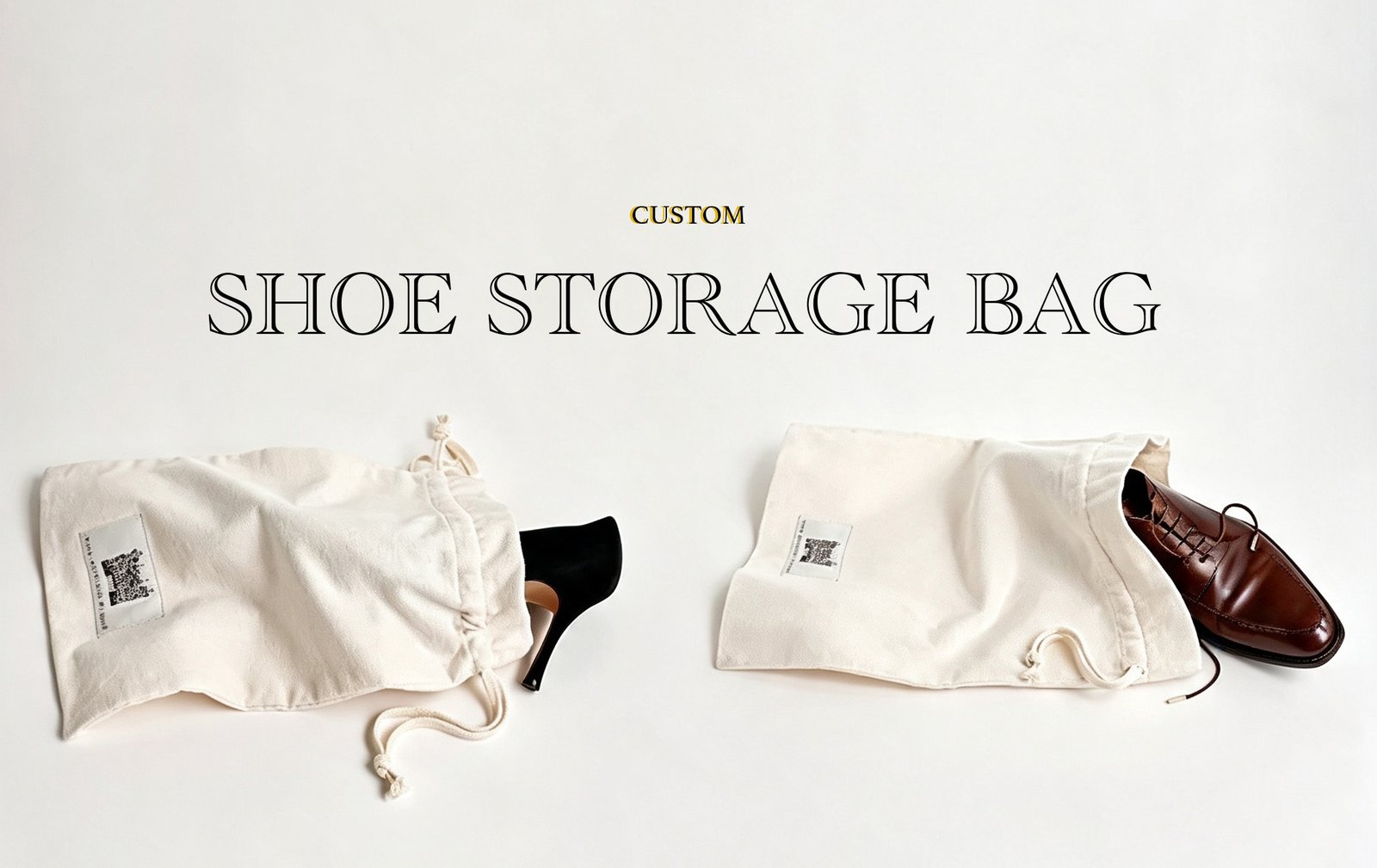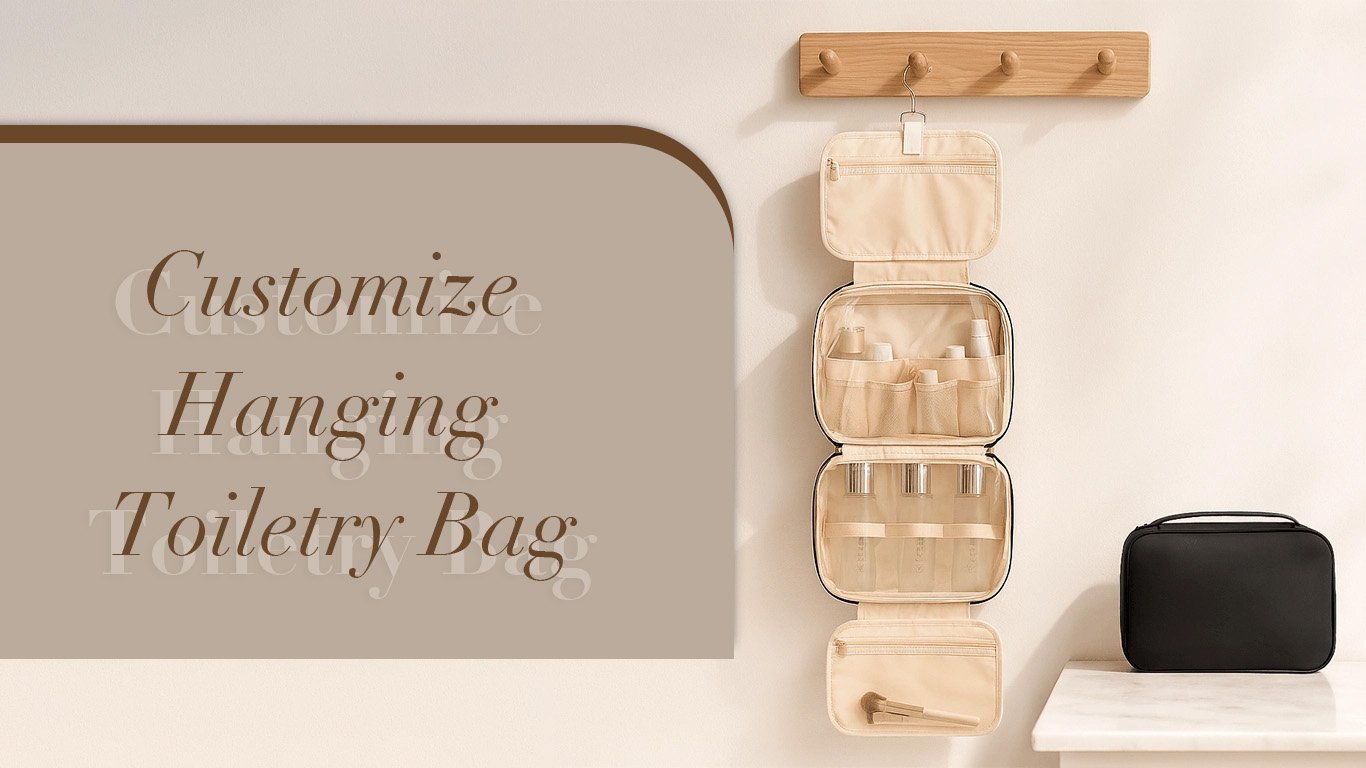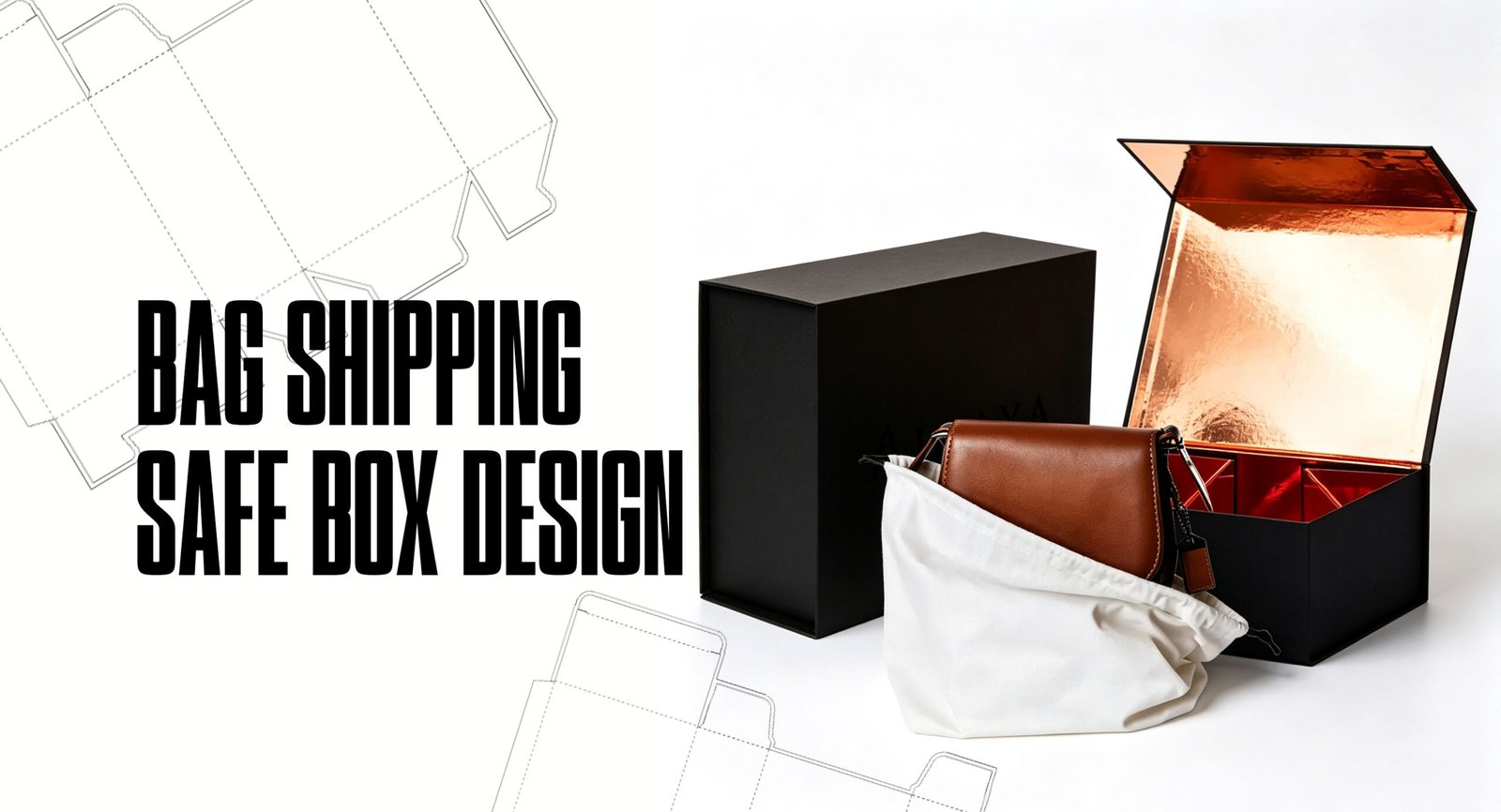
Custom amenity bags look simple, but buyers often run into trouble after sample approval. A sample may look polished, while bulk production shows color drift, weak zippers, or uneven stitching1. I always tell buyers to solve the real problem early: choose a supplier that can reproduce the same bag consistently at scale.
Custom amenity bags for hotels and airlines should be sourced by checking bulk production capability, not only sample appearance or unit price. The right supplier must match the bag to the use case, control materials and workmanship, keep logo and color consistent, and deliver large orders without quality drift or delays.
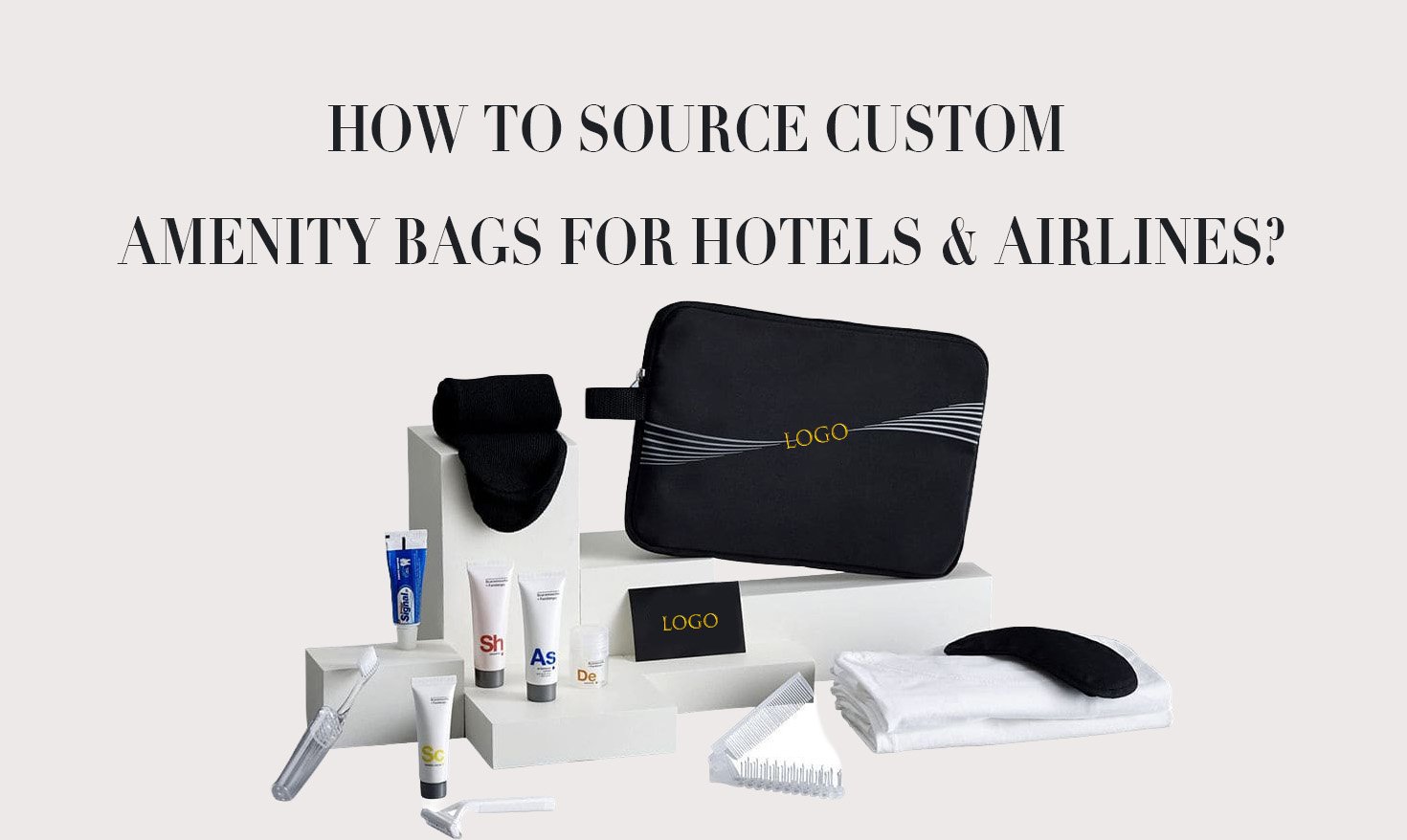
When I discuss projects with procurement teams, I usually find the same gap. Buyers compare quotes and samples first, but the bigger risk starts later, when production moves from one approved piece to thousands of units. That is where supplier judgment, process control, and communication start to matter much more.
What Are Amenity Storage Bags Used For?
Custom amenity bags are often treated like simple packaging, so buyers may underestimate their job. That creates problems. If the bag does not fit the product, brand positioning, or transport conditions, it can look fine in the office but fail in actual use.
Amenity storage bags are used to hold and present guest essentials in hotels, airlines, and resorts. They protect contents, support brand image, improve guest experience, and in many cases become a reusable item that extends brand visibility2 after the trip or stay.
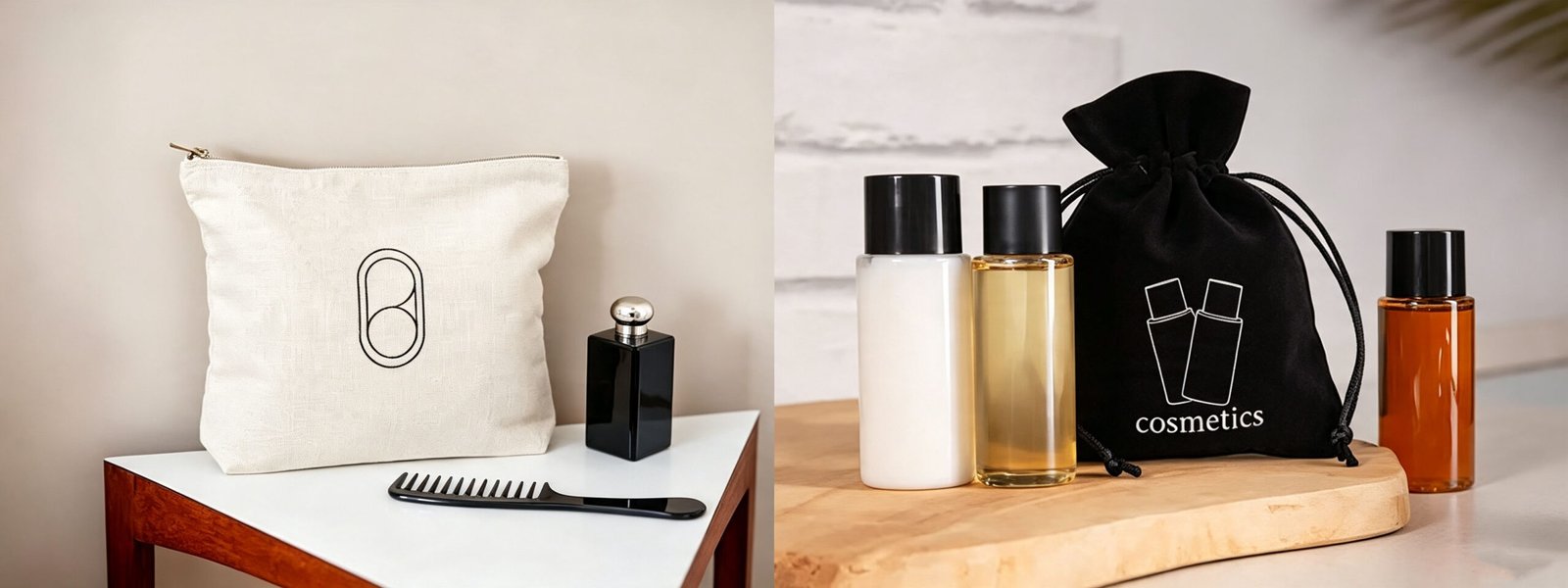
From what I have seen, buyers sometimes ask, “Can you make this pouch?” I think the better question is, “What job must this bag do?” That one change improves sourcing decisions immediately.
Different use cases create different requirements
A hotel amenity pouch may sit on a vanity, in a welcome gift set, or inside a premium room package. An airline amenity bag may be packed tightly, handled in large quantities, and judged partly by weight and packing efficiency. A resort bag may need a stronger lifestyle feel, especially if the property wants guests to reuse it later.
Here is how the use scenario changes the sourcing checklist:
| Use scenario | Main priority | Common risk |
|---|---|---|
| Hotel room amenity bag | Presentation and brand feel | Cheap-looking finish |
| Airline amenity bag | Weight, packing, consistency | Bulk variation |
| Resort guest pouch | Reusability and style | Material wear |
| Promotional gift amenity bag | Brand visibility and cost | Weak printing |
Why this matters in sourcing
I have seen very nice samples fail during production because the original material was too unstable for long runs. I have also seen bags that looked ordinary in development perform much better in bulk because the structure, fabric, and trim were easier to control.
Procurement teams should ask:
- Will the bag hold the actual amenity set securely?
- Will it survive packing, shipping, and handling?
- Will the logo stay clean and centered in mass production?
- Will the bag still represent the brand at scale, not just in one sample?
A good amenity bag is not only a container. It is part of the guest experience and part of the brand promise.
That is why I never separate design from execution. For custom amenity bags, end use always comes first.
Which Bag Styles Work for Hotels, Airlines, and Resorts?
Many buyers start with reference photos. That is normal. Still, one bag style does not fit every hospitality setting. If the style looks attractive but does not match handling, storage, or budget needs, the project often becomes harder than expected.
The best custom amenity bag style depends on where and how it will be used. Hotels often prefer elegant pouches or cosmetic bags, airlines usually need compact and lightweight formats, and resorts may choose reusable tote-style or zip pouches with a stronger lifestyle look.
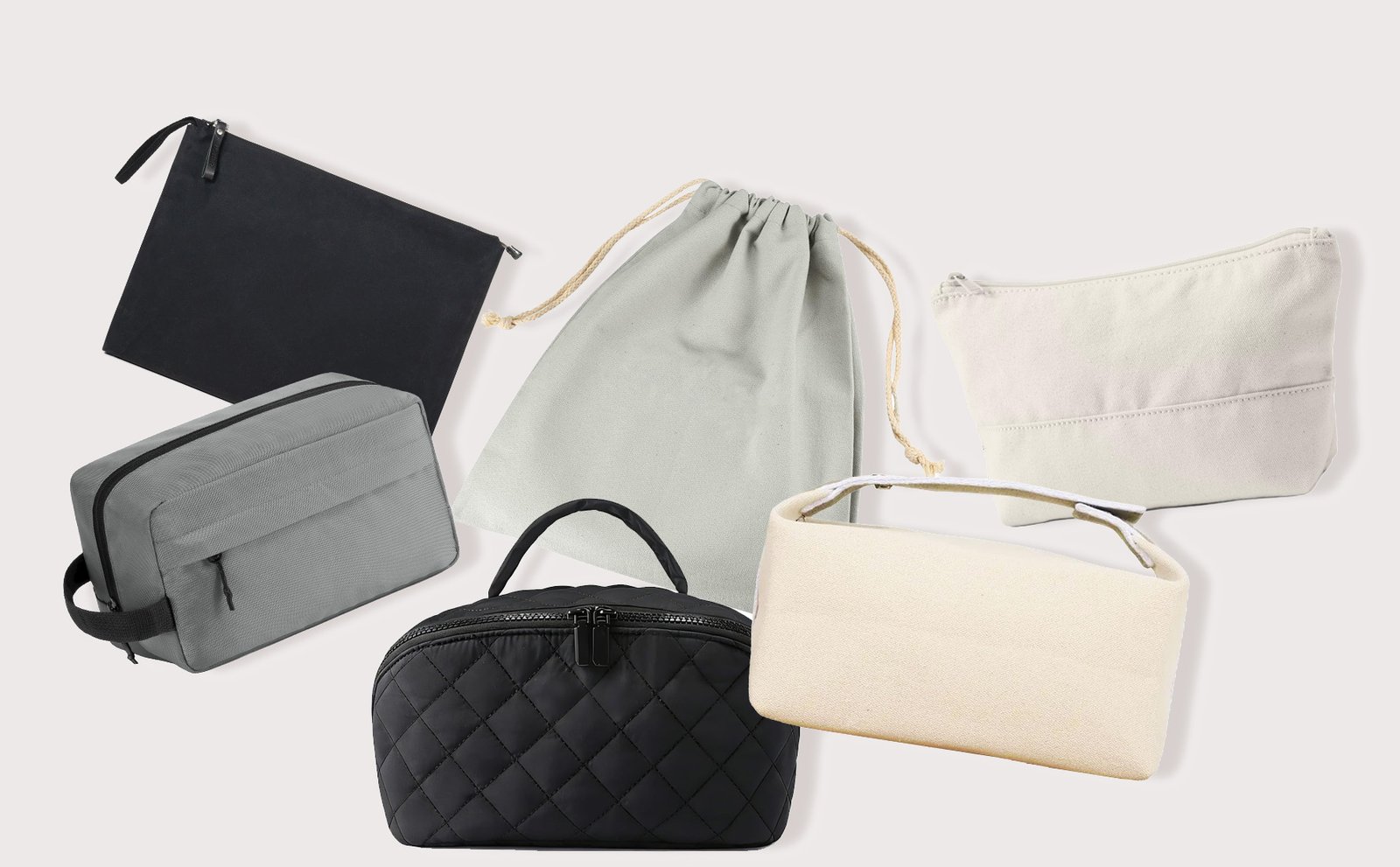
In real projects, I often help buyers reduce options before sampling. That saves time because not every shape is equally production-friendly.
Common styles buyers choose
1. Zip pouch
This is the most common option. It is simple, practical, and cost-effective.
Best for:
- Airlines
- Hotel room kits
- Gift-with-purchase packs
Pros:
- Easy to pack
- Easy to brand
- Good cost control
Watch out for:
- Poor zipper quality
- Uneven top line
- Shape distortion in bulk
2. Box cosmetic bag
This style feels more premium. It gives better structure and display value.
Best for:
- Premium hotels
- Spa and resort sets
Pros:
- Better presentation
- More storage volume
- Stronger perceived value
Watch out for:
- Higher shipping volume
- More sewing complexity
- Greater risk of shape inconsistency
3. Flat envelope pouch
This format works well for slim amenity sets and document-style kits.
Best for:
- Airline business class kits
- Lightweight promotional programs
Pros:
- Low weight
- Clean look
- Efficient packing
Watch out for:
- Limited capacity
- Easy corner deformation
How I suggest buyers choose
I usually narrow style choice with four practical questions:
- What exactly goes inside?
- How much packing pressure will the bag face?
- Does the brand want reuse or one-time presentation?
- How sensitive is the project to unit cost and shipping volume?
A hotel buyer and an airline buyer may show me the same reference picture, but I rarely recommend the same construction details. The reason is simple: the context is different. A style that works beautifully in a hotel room may not be the smartest option for aircraft loading, weight control, and high-volume packing3.
What Materials Balance Cost and Guest Experience?
Material choice causes more sourcing mistakes than many buyers expect. Some teams choose only by appearance. Some choose only by price. Both approaches can backfire when custom amenity bags move into real production.
The best materials for custom amenity bags balance budget, appearance, durability, print performance, and production stability. Common choices include polyester, nylon, canvas, cotton, RPET, and PU4, but the right option depends on the end use and how consistent the material is in bulk.
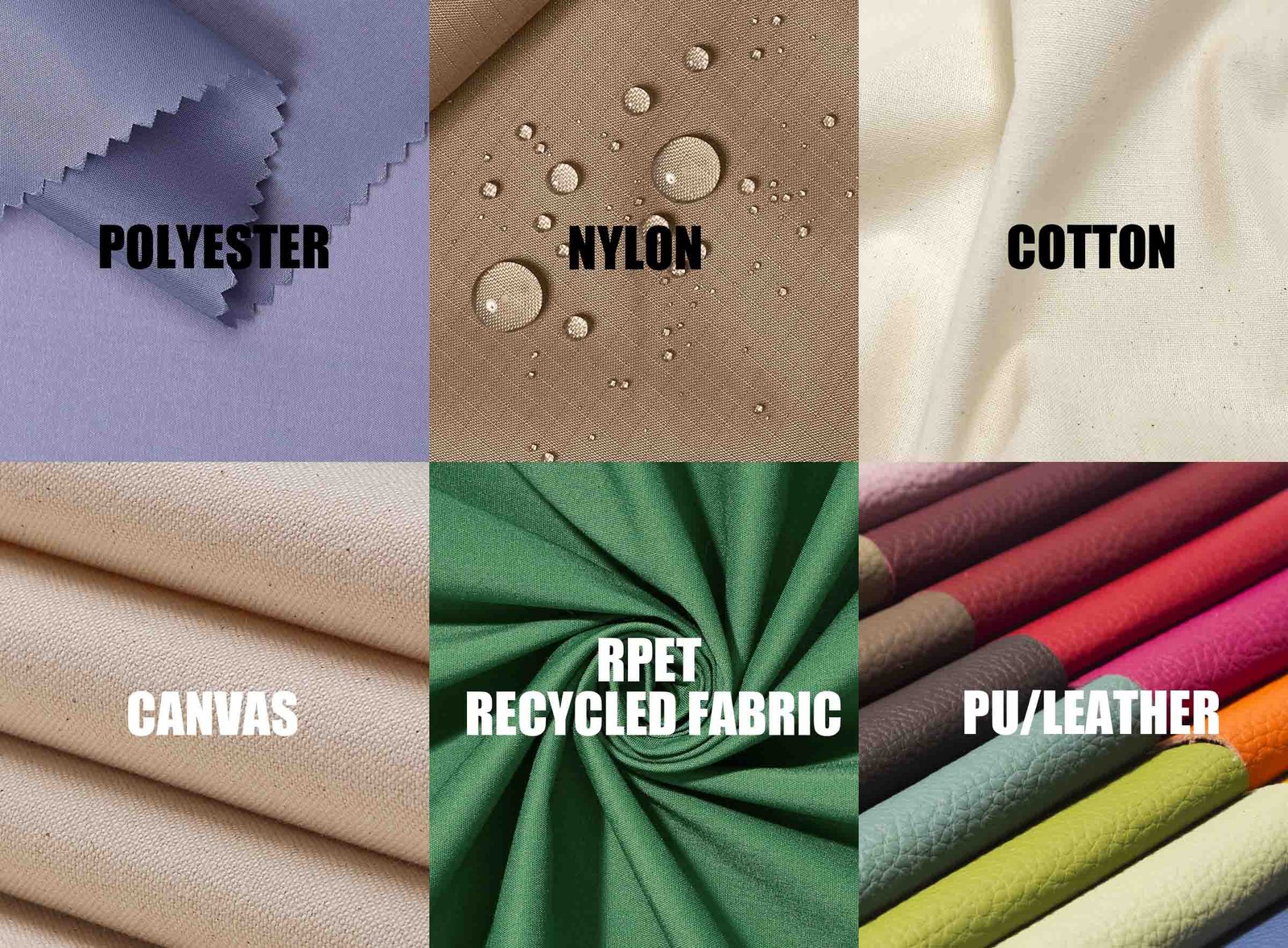
I have seen buyers approve a sample in a nice-looking fabric, then face trouble later because the same material lot was not stable enough for bulk cutting, printing, or stitching. That is why I always connect material discussion to mass production control.
Practical material comparison
| Material | Cost level | Guest feel | Common use |
|---|---|---|---|
| Polyester | Low | Clean, practical | Airline and budget hotel kits |
| Nylon | Medium | Smooth, durable | Travel-oriented amenity bags |
| Cotton/canvas | Medium | Natural, casual | Resorts and eco-themed hotels |
| RPET | Medium | Sustainable story | Eco-conscious hospitality brands |
| PU | Medium to high | Premium appearance | Premium hotel or gift sets |
What buyers often miss
Material stability matters more than sample beauty
A sample can be made from the best section of fabric. Bulk production does not work that way. In large runs, these issues become visible:
- Shade variation between dye lots5
- Thickness inconsistency
- Surface marks
- Print adhesion problems6
- Wrinkling after packing
“Eco-friendly” still needs practical judgment
Many buyers now prefer recycled or more sustainable materials7. That makes sense. But I always suggest checking whether the chosen material still fits the actual use case. A softer recycled fabric may support the brand story, but if it causes weak structure or unstable printing, the buyer may lose more through complaints and rework.
How I evaluate material choices with buyers
I usually focus on this balance:
- Cost target
- Visual expectation
- Touch and guest perception
- Production consistency
- Packing and logistics performance
For example, airline projects often need lighter and more compressible materials. Hotel projects may allow a richer texture if the presentation value matters more. Resort projects often benefit from materials that feel more reusable and lifestyle-driven.
In my experience, the right material is not the one that sounds best in a sales pitch. It is the one that keeps the approved look and function stable across the full order.
How Can Buyers Customize Logos and Colors?
Customization looks easy on paper. A logo goes here, a color goes there, and the sample gets approved. Then bulk production starts, and details begin to move. This is where many custom amenity bags disappoint buyers.
Buyers can customize custom amenity bags through printing, embroidery, patches, woven labels, zipper pulls, lining colors, and trim selection. However, they should confirm not only design options but also logo position tolerance, color matching method, and consistency controls for mass production.
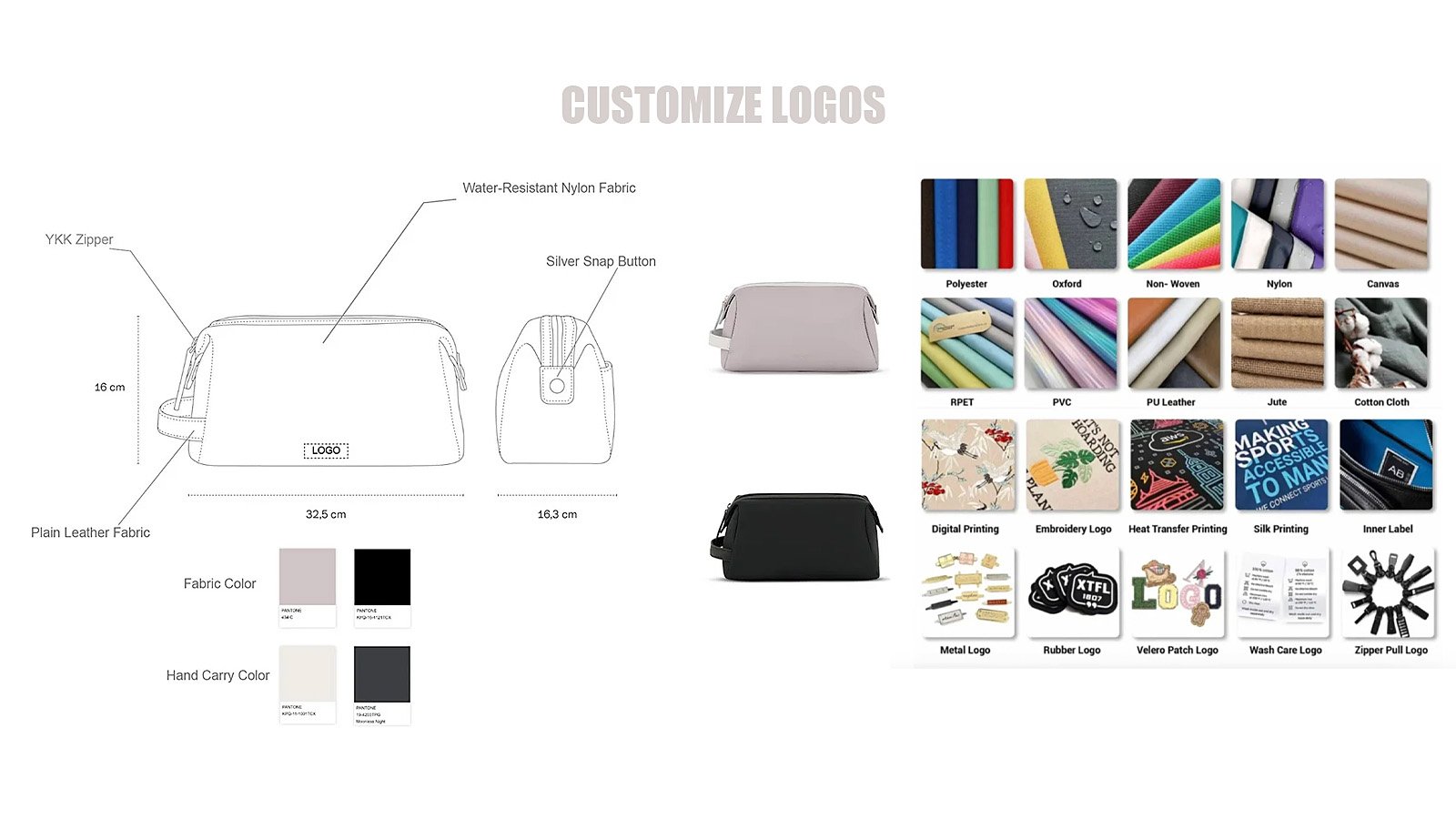
I have handled projects where the sample logo looked sharp, but the bulk run showed small shifts in placement or color tone. Those issues may sound minor in the factory, yet they matter a lot to hotel and airline brands.
Main customization methods
- Silk screen printing: cost-effective for simple graphics
- Heat transfer: useful for more detailed designs
- Embroidery: stronger texture, but not ideal for every fabric
- Metal plate or badge: premium look, but adds assembly complexity
- Woven label: subtle and consistent
- Deboss or emboss: often used on PU materials
Color control is a real production issue
Color is one of the most sensitive topics in hospitality sourcing. Buyers usually care about brand consistency, but fabric and printing are affected by multiple variables. I usually advise buyers to define color approval clearly before order confirmation.
Important checkpoints include:
- Pantone reference if applicable8
- Material-specific color tolerance
- Logo size and position standard
- Approval process for pre-production sample
- Inspection method during bulk production
Why samples can mislead buyers
A beautiful sample does not always prove strong execution. A factory can spend extra time on one prototype. Bulk production is different. Operators change. Material lots change. Production speed changes. Accessories come from multiple sources.9
That is why I suggest buyers ask questions like:
- How is logo placement controlled during cutting and sewing?
- How does the supplier handle color deviation between batches?
- What happens if zipper pulls or labels arrive with inconsistency?
- Is there a pre-production sample before full run?
Customization is not only about what can be added. It is about what can be repeated accurately, thousands of times. That is the standard procurement teams should use.
What Should Procurement Teams Confirm Before Bulk Orders?
This is the most important part of sourcing custom amenity bags. Many problems do not begin in design. They begin when the buyer assumes an approved sample guarantees a successful bulk order. In my experience, that assumption causes the biggest losses.
Before placing bulk orders for custom amenity bags, procurement teams should confirm production capacity, quality standards, material consistency, accessory quality, packaging method, lead time, inspection checkpoints, and communication responsibility from sample approval to shipment.

I always say that sample approval is only the halfway point. The real test starts after that.
The key question: can the supplier reproduce, not just create?
A supplier may be able to make one good sample with special attention. That does not prove they can deliver 10,000 or 50,000 pieces10 with the same result. Procurement teams should test execution logic, not just sales responsiveness.
My practical bulk-order checklist
1. Confirm the production handoff process
The factory should show how the approved sample is transferred to production.
Look for:
- Sample comments documented clearly
- Approved BOM or material list
- Construction details fixed before production
- Responsibility assigned to follow the order
2. Check critical workmanship points
Not every detail matters equally. Focus on the parts most likely to fail:
- Stitch density
- Zipper smoothness
- Binding or piping neatness
- Logo placement
- Edge finishing
- Lining attachment
3. Verify material and accessory consistency
I have seen bulk issues come from accessories more often than buyers expect.
Ask about:
- Fabric lot control
- Zipper brand or grade
- Puller consistency
- Label quality
- Print durability
4. Confirm packing and shipping details
This is especially important for airlines and large hotel groups.
Questions to settle:
- Flat packed or shape retained?
- Inner polybag needed or not?
- Carton quantity and carton size?
- Moisture protection?
- Shipping marks?
A simple risk view for buyers
| Area | If ignored | Likely result |
|---|---|---|
| Sample-to-production handoff | Factory guesses details | Bulk inconsistency |
| Material control | Shade and texture drift | Rejection risk |
| QC checkpoints | Problems found too late | Delay and rework |
| Packing standard | Shape damage in transit | Guest-facing defects |
My honest recommendation
If I were buying custom amenity bags, I would not choose based only on the lowest quote or the nicest first sample. I would choose the supplier that answers specific production questions clearly, flags potential risks early, and shows how they keep the bulk order aligned with the approved standard.
That approach usually saves more money than chasing the cheapest piece price.11
Frequently Asked Questions
Are custom amenity bags and cosmetic bags the same?
Not always. Many amenity bags use cosmetic-bag formats, but the sourcing criteria can differ. Amenity bags are often tied to hospitality presentation, packing efficiency, and brand consistency, while standard cosmetic bags may focus more on retail use.
What is the best material for airline amenity bags?
There is no single best material. Polyester and lightweight RPET are common because they balance cost, weight, and production efficiency.12 Still, the right choice depends on branding needs, print method, and how tightly the bag will be packed in bulk.
How do I test whether a supplier can handle bulk production?
I would check pre-production control, material consistency, workmanship standards, and communication during sample revision. A supplier should explain how they convert an approved sample into a repeatable production file, not just promise that they can do it.
Should hotel amenity bags and airline amenity bags use the same supplier checklist?
No. Some points overlap, but the priorities differ. Hotels often care more about presentation and tactile feel. Airlines usually care more about packing efficiency, weight, and tight batch consistency across large quantities.
Conclusion
Sourcing custom amenity bags well is really about reducing bulk-order risk. A strong sample helps, but it does not guarantee stable production. I believe buyers should focus on end use, material judgment, customization control, and the supplier’s ability to reproduce the approved bag without quality drift. If you are planning a hotel or airline project and want a practical OEM/ODM discussion about samples, materials, and bulk execution, you can reach out to me through Coraggio at https://coraggiobag.com/ or info@coraggiobag.com.
"Different Types of Defects in Garments", https://www.academia.edu/36629506/Types_of_defects_Different_Types_of_Defects_in_Garments. Quality-control literature on sewn textile products identifies recurrent bulk-production defects such as shade variation between lots, seam and stitch irregularities, and defects associated with closures and attachments, supporting the article’s examples of color drift, weak zippers, and uneven stitching. Evidence role: general_support; source type: research. Supports: That common quality defects in sewn textile goods include shade variation, seam irregularities, and fastener-related failures during production.. Scope note: This support is general to sewn textile manufacturing and may not be specific to amenity bags alone. ↩
"The Impact of Visual Elements of Packaging Design on ... - PMC", https://pmc.ncbi.nlm.nih.gov/articles/PMC11851823/. Research on brand experience and service cues indicates that tangible branded items can shape customer perceptions of service quality and brand image; when such items are reused, they also provide repeated brand exposure beyond the initial service encounter. Evidence role: mechanism; source type: paper. Supports: That branded physical items and service-environment cues can influence customer perceptions of brand image and experience, and that reuse of branded items can increase repeated brand exposure.. Scope note: The literature often addresses branded touchpoints and packaging more broadly rather than amenity bags specifically. ↩
"AC 120-27F - Aircraft Weight and Balance Control", https://www.faa.gov/documentLibrary/media/Advisory_Circular/AC_120-27F.pdf. Aviation guidance and airline-operations research show that aircraft weight and balance are operationally significant and that onboard weight affects efficiency, providing context for why airlines prioritize lightweight, compact items and efficient packing. Evidence role: mechanism; source type: government. Supports: That aircraft operations are sensitive to weight and balance and that reducing onboard weight can matter operationally, which contextualizes the article’s emphasis on compact, lightweight amenity bag formats.. Scope note: Such sources support the operational importance of weight and loading generally, not a direct rule specific to amenity bags. ↩
"Paper, Plastic, or Reusable?", https://extension.msstate.edu/sites/default/files/publications/P3520_web.pdf. Textile and product-design references describe polyester, nylon, cotton and canvas fabrics, recycled PET-derived textiles, and polyurethane-based synthetic materials as common inputs in bag and pouch manufacturing. Evidence role: general_support; source type: education. Supports: That polyester, nylon, cotton/canvas, recycled PET-based fabrics, and polyurethane-coated or synthetic-leather materials are standard materials used in bag and pouch manufacturing.. Scope note: The support is about bag and textile manufacturing generally rather than hotel and airline amenity bags specifically. ↩
"Analyzing different functional and dyeing performance ... - PMC", https://pmc.ncbi.nlm.nih.gov/articles/PMC11616555/. Textile research on coloration and quality control documents that fabrics from different dye lots can exhibit shade variation due to process and material differences, supporting the article’s warning about visible bulk inconsistencies. Evidence role: mechanism; source type: research. Supports: That textile dyeing can produce measurable shade differences between lots, which can become visible in finished goods.. ↩
"3D Printing onto Textiles: A Systematic Analysis of the Adhesion Studies", https://pmc.ncbi.nlm.nih.gov/articles/PMC11057686/. Studies of textile printing and transfer processes show that graphic adhesion depends on substrate composition, surface condition, and process parameters, and that inadequate control can lead to adhesion failure or reduced durability. Evidence role: mechanism; source type: paper. Supports: That adhesion of printed or transferred graphics on textile substrates depends on material properties and process conditions, and failures can occur when these are not well controlled.. Scope note: Support may be strongest for specific printing methods rather than every decoration process mentioned in the article. ↩
"Plastics recycled content requirements", https://one.oecd.org/document/ENV/WKP(2024)6/en/pdf. Institutional surveys and market research have found growing consumer and procurement interest in products using recycled or more sustainable materials, supporting the article’s statement that many buyers now prefer such options. Evidence role: general_support; source type: institution. Supports: That consumer and purchasing interest in sustainable and recycled materials has increased in recent years across product categories, including textiles and packaging-related goods.. Scope note: Much of the evidence concerns broader consumer goods or textiles markets rather than amenity bags specifically. ↩
"Innovation in Digital Color Management for Textiles", https://www.aatcc.org/news-read/insights/innovation-in-digital-color-management-for-textiles. Color-management references explain that standardized color systems are widely used to communicate target hues across design and production workflows, helping reduce ambiguity during matching and approval. Evidence role: mechanism; source type: education. Supports: That standardized color-reference systems are used in design, printing, and textiles to communicate target colors and improve consistency across production.. Scope note: The source may support the general value of standardized color references without endorsing one proprietary system in particular. ↩
"Evaluating sewing operation complexity and its influence on ...", https://pmc.ncbi.nlm.nih.gov/articles/PMC10006435/. Manufacturing quality research shows that product consistency is sensitive to variation in raw-material lots, process parameters, human operation, and supplied components, which supports the article’s explanation of why samples may not predict bulk output perfectly. Evidence role: mechanism; source type: research. Supports: That quality variation in manufacturing can arise from changes in incoming materials, process conditions, operators, and component suppliers.. Scope note: The evidence is general to manufacturing systems and may not isolate amenity-bag production. ↩
"Amenity Kits Market to Surpass Valuation of US$ 5.5 Bn by 2030", https://www.transparencymarketresearch.com/amenity-kits-market.html. Industry and airline procurement materials indicate that amenity and onboard service programs are often purchased at large scale, making order quantities in the tens of thousands plausible for hospitality groups or airline programs. Evidence role: historical_context; source type: institution. Supports: That hospitality and airline amenity programs can involve very large procurement volumes, making five-figure unit runs plausible.. Scope note: Such sources may establish scale context rather than documenting the exact order sizes used in a specific project. ↩
"Total cost of ownership: an analysis approach for purchasing", https://www.researchgate.net/publication/235292888_Total_cost_of_ownership_an_analysis_approach_for_purchasing. Procurement and operations research on total cost of ownership finds that suppliers chosen only on unit price can generate higher overall costs through defects, delays, inspection burdens, and rework, supporting the article’s caution against chasing the cheapest piece price. Evidence role: expert_consensus; source type: paper. Supports: That procurement decisions based solely on lowest purchase price can increase total cost when quality failures, delays, and rework are considered.. ↩
"Thermal and Mechanical Properties of the Recycled ... - PMC", https://pmc.ncbi.nlm.nih.gov/articles/PMC9003056/. Textile and product-material references describe polyester and recycled PET-based fabrics as lightweight, durable, and widely used in bag applications, which supports the article’s explanation for their common use in airline-style amenity pouches. Evidence role: general_support; source type: research. Supports: That polyester and recycled PET-based textiles are lightweight, widely used bag materials, and are commonly selected where durability, manufacturability, and cost efficiency matter.. Scope note: The evidence may support the material properties and general bag usage more directly than the exact prevalence within airline amenity programs. ↩