Cheap packaging ruins the unboxing experience for your customers. Your high-end leather goods deserve better protection than flimsy, thin covers that look like trash. You need sourcing secrets.
To source Gucci-quality dust bags, prioritize high-weight combed cotton1 or anti-static flannel fabrics above 300gsm2. Demand high-precision foil stamping for durable logos. Partner with OEM manufacturers like Coraggio who specialize in luxury standards to ensure strict quality control on stitching and color fastness3.
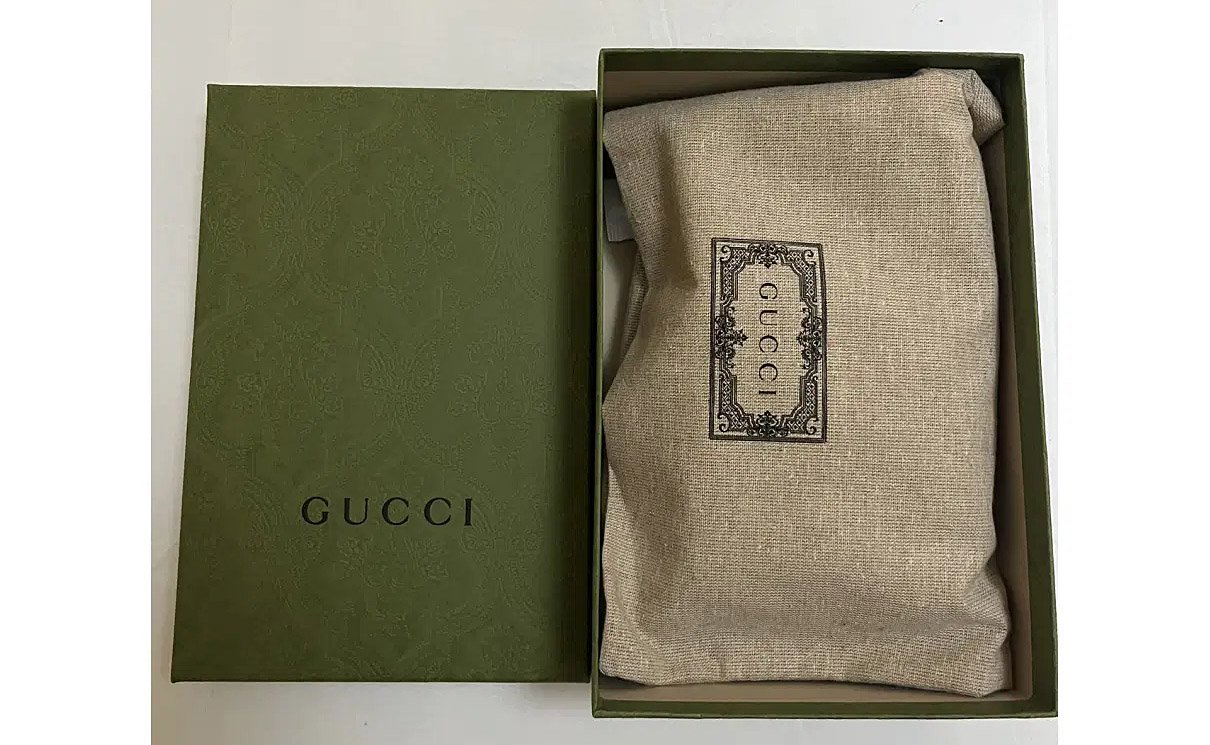
Finding the right supplier is hard. Many factories promise luxury quality but deliver cheap goods that hurt your brand image. I will show you exactly what to look for to avoid this mistake and secure the best packaging.
Which Premium Fabrics Define a "Gucci-Level" Luxury Dust Bag?
Buyers often choose the wrong fabric weight to save money. This makes the bag feel cheap and thin immediately. You must avoid this common error.
The standard for luxury is heavy combed cotton4 or microfiber flannel5. Look for fabrics exceeding 12oz or 300gsm. These materials offer a soft touch that protects leather and prevents scratches during transport.
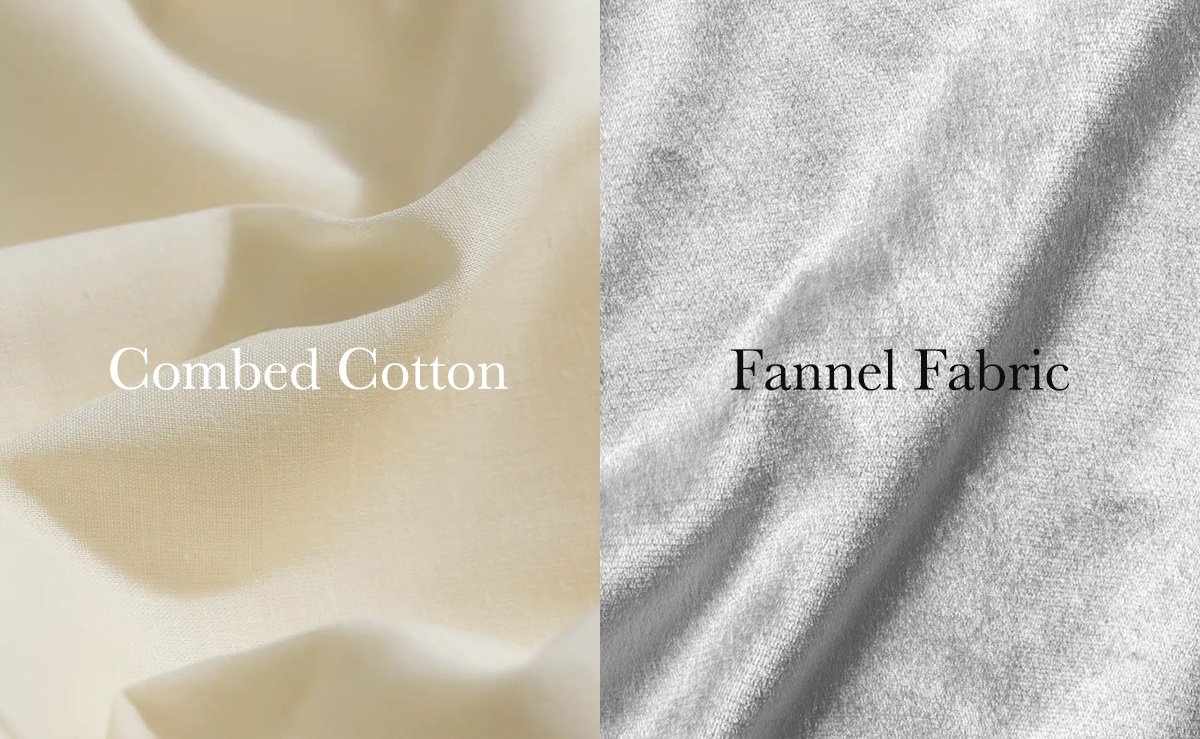
When I talk to buyers like you, I always emphasize that the fabric is the soul of the dust bag. "Gucci-level" quality is not about the logo alone; it starts with the touch. If the fabric is too thin, the customer feels cheated. In my 15 years of experience at Coraggio, I have seen that regular cotton is not enough. You need Combed Cotton.
Combed cotton is treated to remove short fibers. This leaves only long, straight fibers. The result is a fabric that is smoother and stronger than regular cotton. It does not pill or fuzz easily. For a true luxury feel, you should request a fabric weight between 300gsm and 400gsm6 (grams per square meter).
Another excellent option is high-density flannel7. This is often used for jewelry or very delicate leather. It has a velvet-like texture. It must be anti-static. Static attracts dust, which defeats the purpose of the bag.
Here is a comparison to help you choose:
| Fabric Type | Weight Specs | Feel | Best For |
|---|---|---|---|
| Standard Cotton | 100-150gsm | Rough, Thin | Budget items |
| Combed Cotton | 300-400gsm | Smooth, Dense | Luxury Handbags |
| Microfiber Flannel | 250-350gsm | Velvet, Soft | Small Leather Goods |
| Non-Woven | 60-80gsm | Paper-like | Low-end shoes |
Always ask your supplier for a swatch book. Touch the fabric yourself. If you can see light through the fabric when you hold it up, it is not good enough for your brand.
Why is Foil Stamping the Preferred Branding Method for Top Tier Brands?
A faded logo destroys brand value and looks old instantly. Your customer wants to see a sharp, shiny logo every time they open the box.
Foil stamping presses metallic film onto fabric using heat and pressure. This creates a luxurious, slightly raised texture that screen printing cannot match. It signals high value and durability to your end customer.
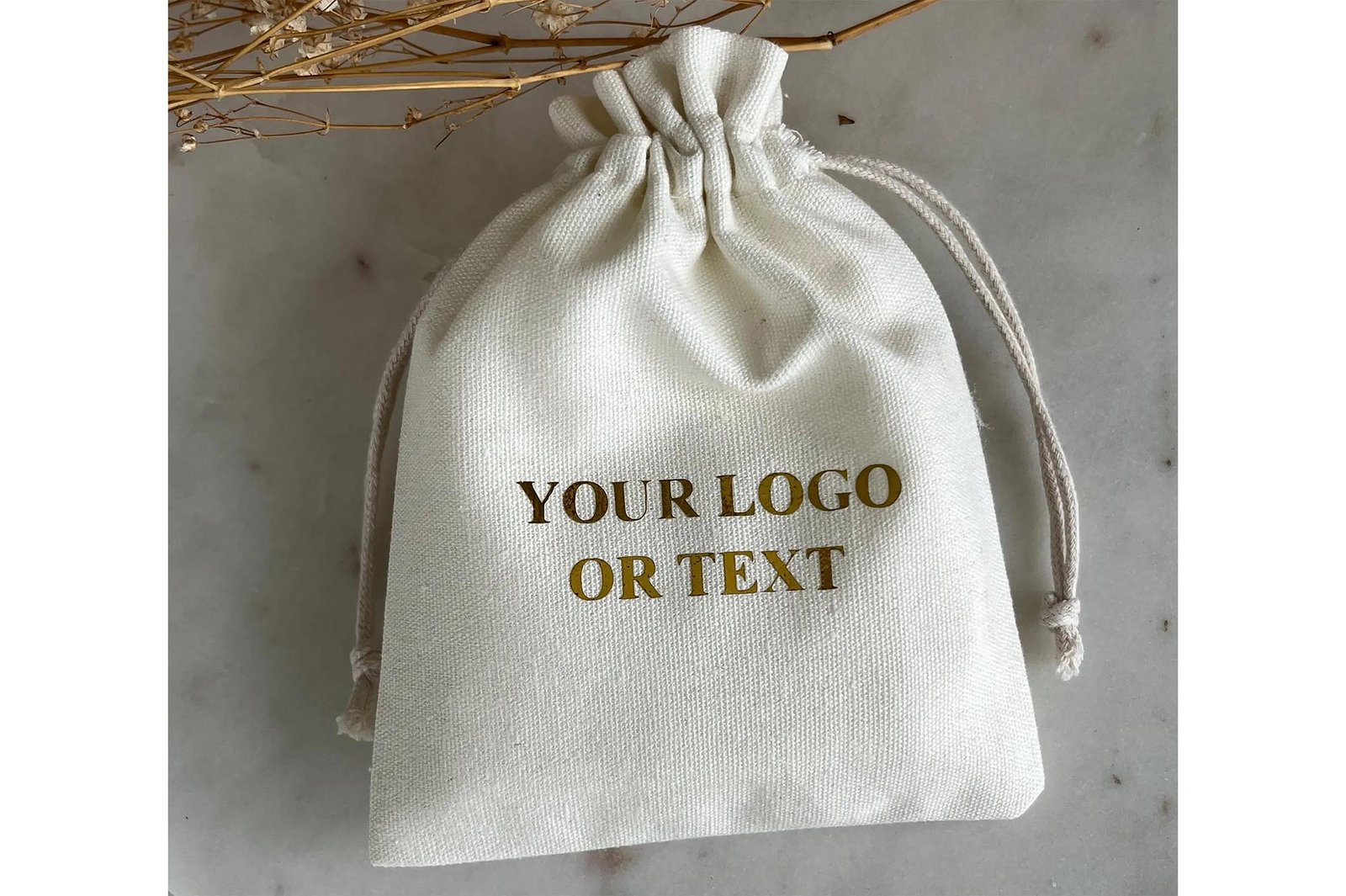
Printing is where many manufacturers fail. You might have seen logos that peel off after a few months. That is unacceptable for a luxury product. In our production lines, we use high-precision hot stamping machines8. This is the gold standard for branding.
Why is foil stamping better than ink for luxury bags?
- Texture: It adds a 3D effect9. You can feel the logo with your finger.
- Shine: Gold or silver foil catches the light. It looks expensive.
- Durability: The heat bonds the foil to the fibers. It does not crack like cheap rubber ink.
However, you must check the details. The edges of the logo must be sharp. There should be no "bleeding" or fuzzy lines. This requires a high-quality mold and precise temperature control.
When we do QC at Coraggio, we perform a friction test. We rub the logo to ensure it does not flake. If you are buying cheap bags, the factory might use low-quality foil glue. This saves them money but ruins your product.
Also, consider the color of the foil. Gold is classic, but black-on-black foil10 is becoming very popular for a modern, stealth-wealth look. Discuss these options with your design team. A good supplier will offer you many foil color options, not just standard gold.
How to Identify a Reliable Manufacturer for Bulk Luxury Packaging?
Most factories claim they can make luxury bags. But when the shipment arrives, the quality is often terrible and unusable for your market.
Look for manufacturers with specific OEM experience for high-end brands11. Ask for sample photos of past work showing stitching details. A good factory will offer custom samples to test fabric weight and logo durability before bulk production.
Finding a supplier in China or Vietnam is easy. Finding a good one is hard. You are a professional buyer, so you know that communication is often the biggest pain point. You need a partner, not just a seller.
Here is my advice on how to vet a factory for luxury goods:
- Ask for specific case studies: Do not just look at their catalog. Ask, "Have you made bags for brands in Europe or Canada?" At Coraggio, we openly share our experience with North American markets because we know the quality standards there are different.
- Check the Sample Policy: Never place a bulk order without a sample. A real manufacturer will be happy to make a pre-production sample. When you get the sample, check the color fastness3. Rub the fabric with a wet white cloth. If color transfers, reject it.
- Look at the Factory Size: You want stability. A factory with 120 workers and 8 production lines, like ours, has better processes than a small workshop. We have dedicated QC staff. Small workshops often skip QC to save time.
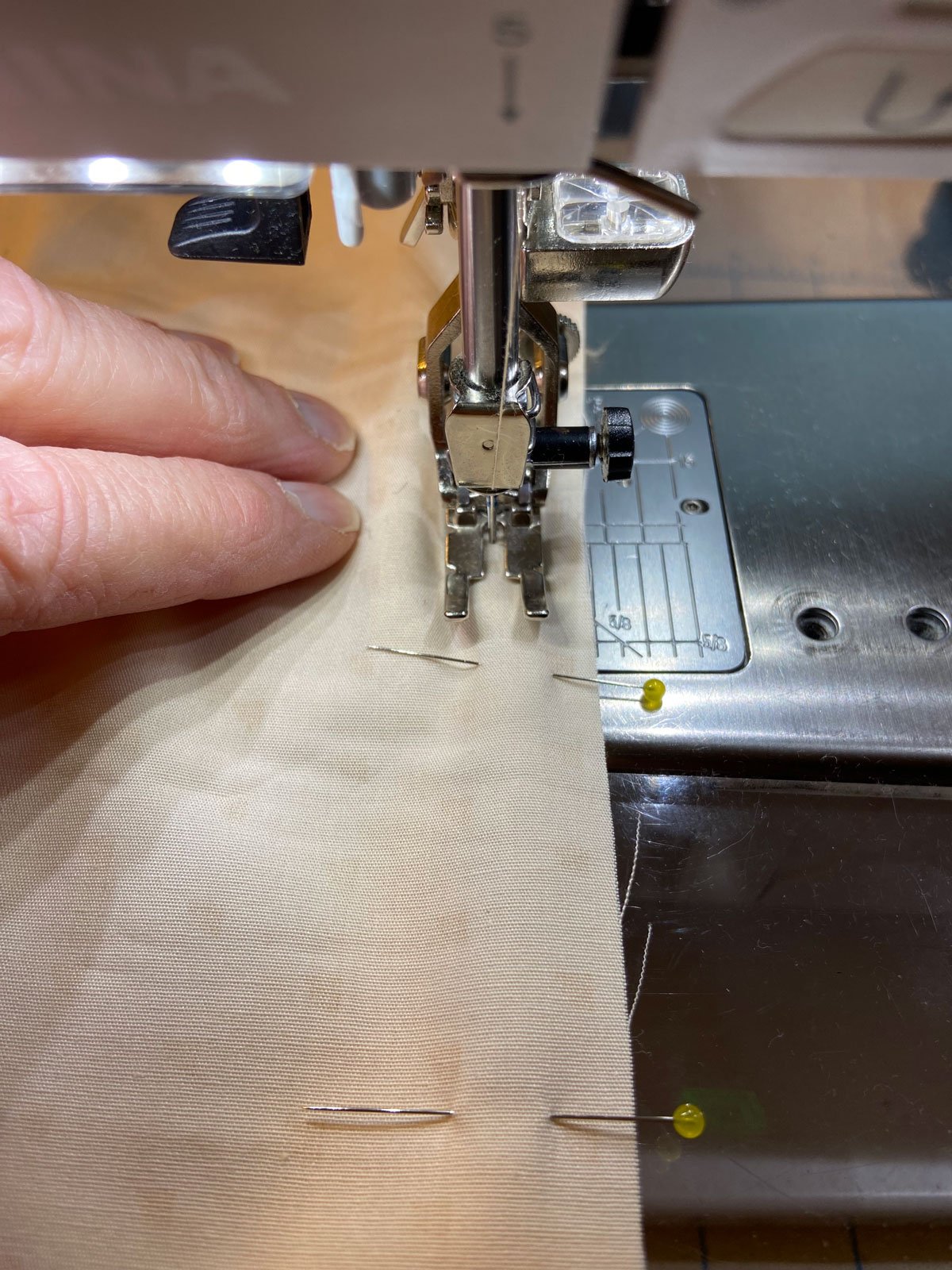
- Inspect the Stitching: This is a dead giveaway. Luxury bags must have flat stitching. No loose threads. No crooked lines. The inside of the bag should look almost as good as the outside.
We help businesses reduce sourcing risk. We do this by controlling the raw materials directly. If a supplier buys the cheapest fabric from the market, you lose consistency. We order custom fabrics. This is the difference between a trader and a serious OEM manufacturer.
What Technical Specifications Ensure Maximum Protection for Leather Goods?
Dust and moisture are the enemies of leather. If your dust bag breathes poorly, mold will destroy your expensive products during storage.
You need breathable fabrics that prevent moisture buildup12 while blocking fine dust particles. Ensure the drawstring closure is tight and the interior seams are finished to prevent loose threads from catching on zippers or hardware.
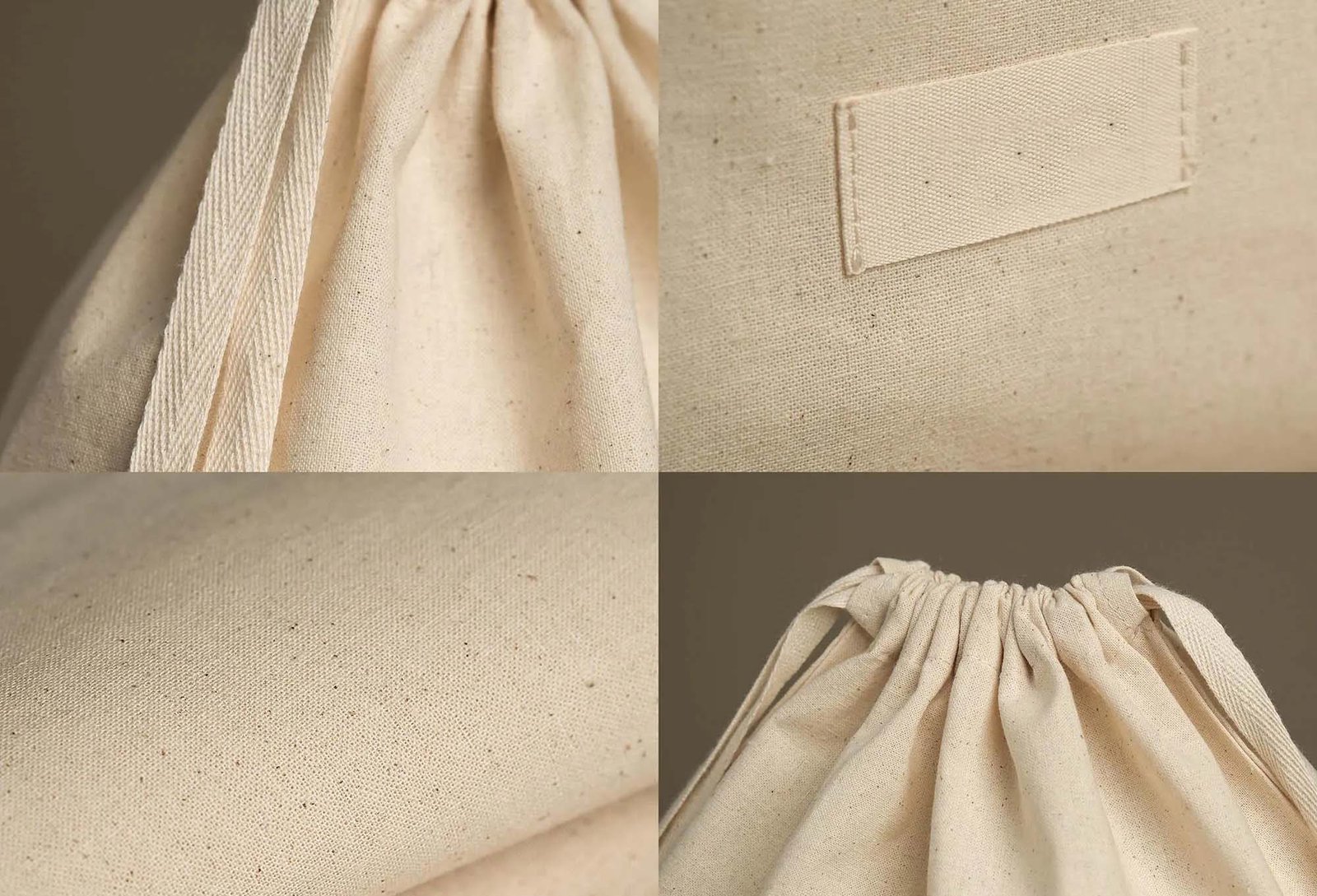
Let's get technical. A dust bag is not just a cover; it is a shield. When you define the specs for your order, you need to be very specific. If you leave it up to the factory, they will use the cheapest method.
Critical Technical Specs to Include in Your Tech Pack:
- Breathability: Leather needs air. Plastic or coated fabrics trap moisture. This leads to mold, especially during ocean freight shipping. Cotton is naturally breathable. This is non-negotiable.
- Interior Finish: This is often overlooked. If the inside seams have raw edges (Overlock stitch only), the loose threads can get caught in the zipper of the handbag. This damages the product. You should ask for French Seams or Bound Seams13. This hides the raw edges and makes the inside smooth.
- Drawstring Quality: The rope should be thick. A thin string cuts into the fabric and looks cheap. We often use twisted cotton rope14 or silk ribbon for luxury clients. The ends of the rope should be knotted or tipped with metal, not left to fray.
- Size Tolerance: The bag must be big enough. A tight dust bag crushes the structure of the handbag. Always add at least 5-8cm of extra space on all sides of the product dimensions.
| Feature | Cheap Standard | Luxury Standard |
|---|---|---|
| Seams | Raw / Overlock | French Seam / Piping |
| Drawstring | Thin Polyester | Thick Cotton / Silk Ribbon |
| Closure | Single Pull | Double Pull (Two strings) |
| Corners | Pointed | Rounded (Optional for style) |
By specifying these details, you force the factory to pay attention. It shows you know what you are doing.
Can Eco-Friendly Materials Achieve the Same Premium Feel as Traditional Options?
Sustainability often feels rough and cheap. Brands worry that "green" packaging will lower the perceived value of their luxury goods.
Yes, modern organic cotton and RPET (recycled polyester) blends now match the softness of traditional fabrics. High-quality organic cotton offers the same dense, smooth texture as standard luxury cotton but with a lower environmental footprint.
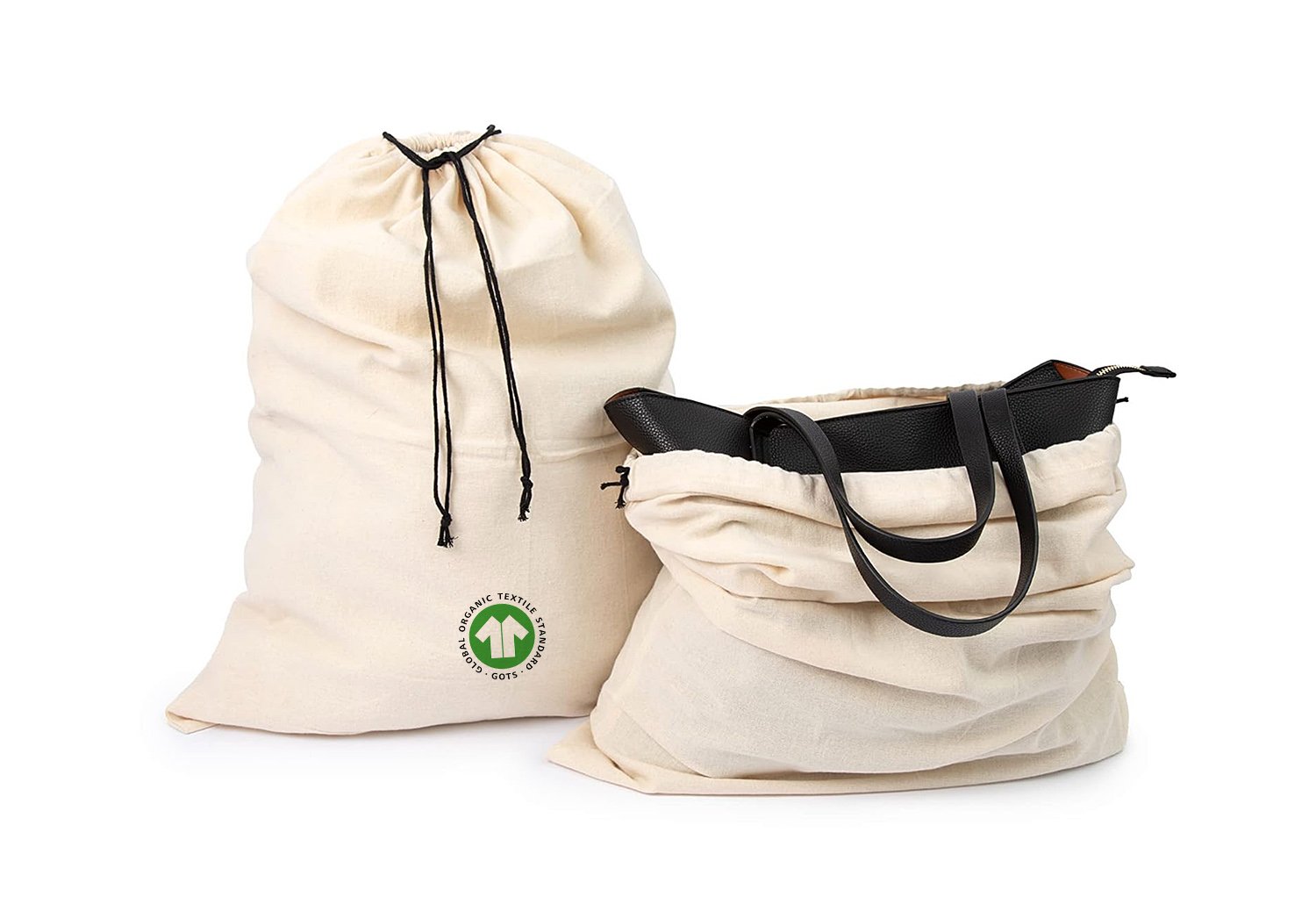
The market has changed. Five years ago, recycled materials felt like plastic. Today, technology is much better. Many of our clients in Europe now require eco-friendly certifications15.
Organic Cotton (GOTS Certified)16: This is the best choice for luxury. It is grown without toxic chemicals. The fiber quality is actually better than standard cotton because it is not damaged by harsh processing. It feels incredibly soft and thick. It costs slightly more, but it is a huge selling point for your brand.
RPET (Recycled Polyester)17: This is made from plastic bottles. It can be made into a satin-like fabric or a fleece. It is very durable. If you want a shiny, modern look, this is a great option. It tells a great story: "This bag saved 5 plastic bottles from the ocean."
Why switch to eco-materials?
- Customer Demand: Your end consumers care about the planet.
- Brand Image: It aligns with "Luxury." Modern luxury is responsible luxury.
- Quality: There is no longer a trade-off. You get the same premium feel.
At Coraggio, we offer these sustainable options because we know it helps you sell more. We can print "100% Organic Cotton" on the care label. This adds value to your product. Do not be afraid to ask for eco-samples. You will be surprised by how good they feel.
Conclusion
To source Gucci-quality dust bags, you must demand heavy combed cotton4, precise foil stamping, and flawless stitching from an experienced OEM partner like Coraggio.
Learn why this upgraded cotton dramatically improves handfeel, durability, and perceived value of your dust bags versus regular cotton. ↩
Discover how dense, anti-static flannel protects delicate leather from scratches and dust attraction during storage and shipping. ↩
Avoid disastrous color transfer onto leather by learning simple, reliable tests you can do on incoming samples. ↩
See fabric benchmarks top brands use so you can specify the same premium cotton in your own tech packs and purchase orders. ↩
Compare microfiber flannel’s softness, protection, and cost to other fabrics to decide when it’s the best option for your product line. ↩
Understand how specific GSM ranges affect thickness, drape, and quality perception so you don’t under-spec your bags. ↩
Learn why premium jewelers and accessories brands favor this material for maximum surface protection and tactile luxury. ↩
See how advanced stamping equipment impacts logo sharpness, consistency, and long-term durability on fabric. ↩
Explore psychological and visual reasons raised, tactile logos increase perceived exclusivity and price justification. ↩
Find design inspiration and see examples of subtle, ‘stealth wealth’ branding used by contemporary high-end labels. ↩
Learn what documents, references, and case studies to request so you don’t gamble on unproven factories. ↩
Protect inventory from mold by understanding which textiles balance airflow with effective dust blocking. ↩
See construction diagrams and benefits so you can accurately specify bound seams in your tech pack requirements. ↩
Compare different drawstring materials for feel, strength, and luxury appearance before choosing your standard. ↩
Identify key standards (GOTS, GRS, etc.) so you can select suppliers that meet global sustainability expectations. ↩
See certification criteria and sustainability benefits that strengthen both product story and compliance. ↩
Learn how recycled fibers can still achieve soft, satin or fleece-like textures suitable for luxury brands. ↩