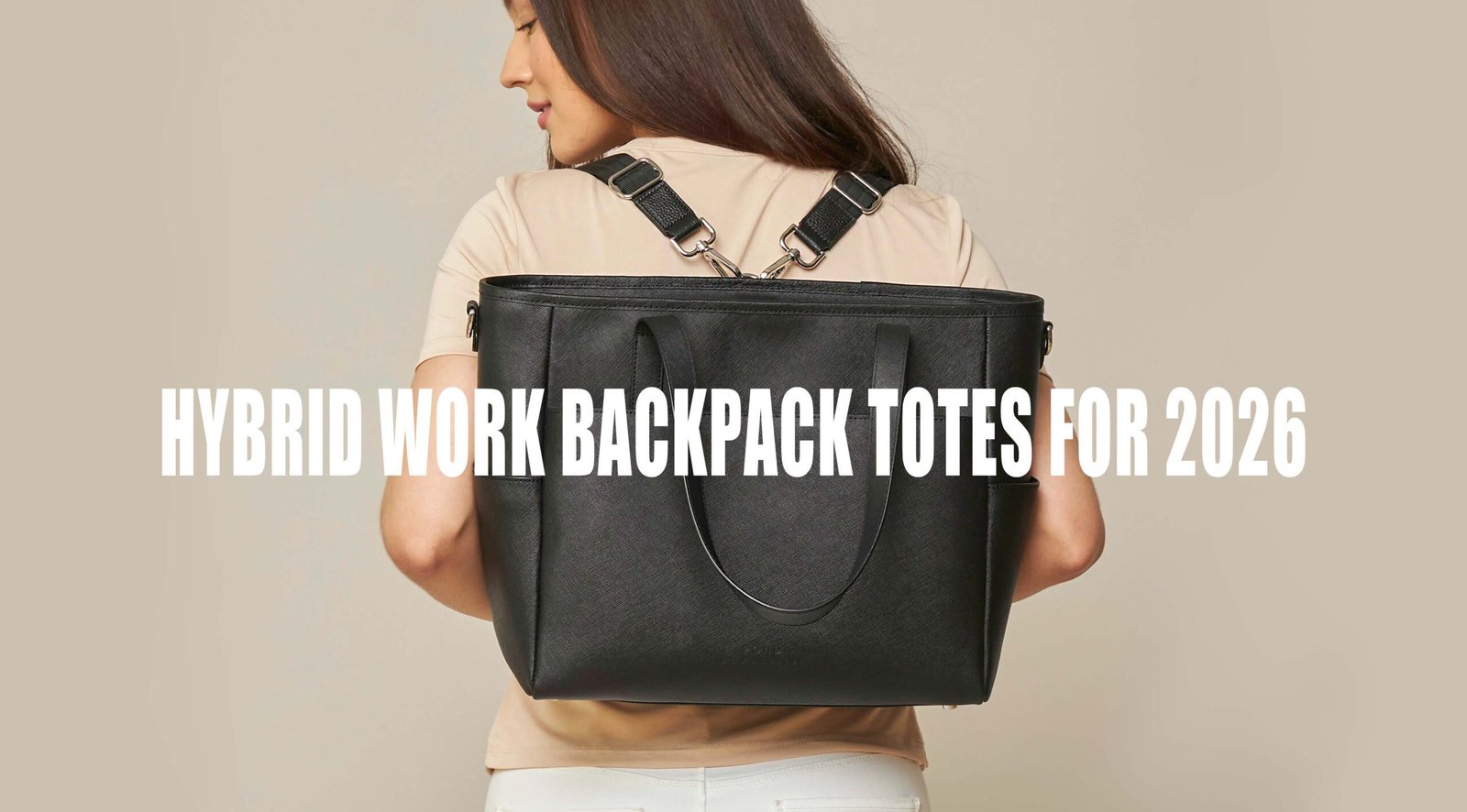
Most promo bags get taken once and forgotten fast. I have seen buyers spend hard-earned budget on volume, then feel stuck when the bags never appear again after the event.
To source promo bags customers will reuse, I start with the real carrying scenario, not the lowest unit price. I match bag type, size, comfort, look, and branding to daily use so the bag feels worth keeping after the event ends.
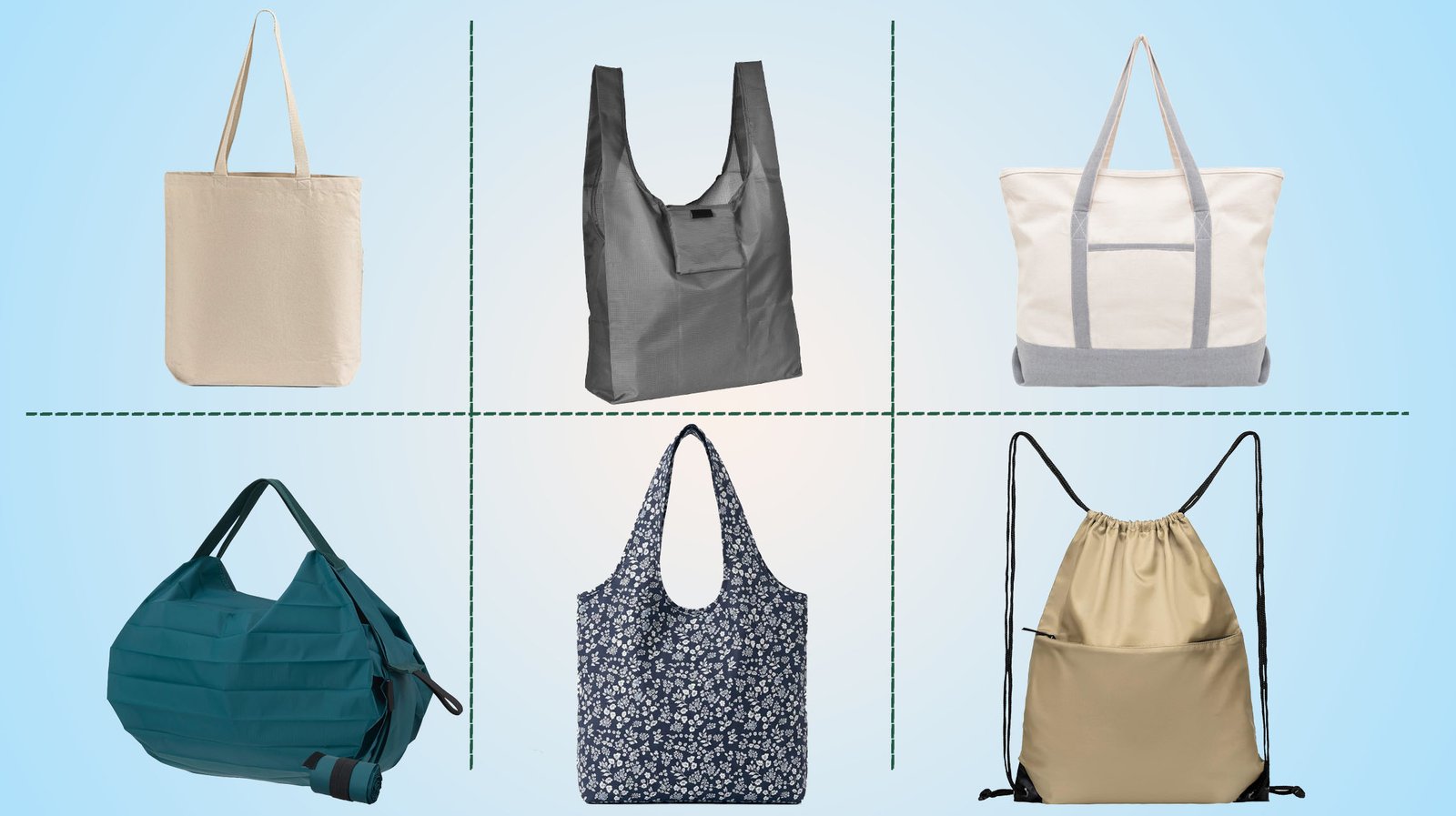
I have had many sourcing talks where a buyer first asked for the cheapest bag. Then, after samples and internal review, the real question came out. They did not want a bag people would accept for five seconds. They wanted a bag people would actually carry in public. That is where this topic really starts, and that is also where many promo bag projects go wrong.
Why Does Reuse Matter More Than the Lowest Unit Price?
A cheap bag can look good on a quotation sheet. But if nobody uses it again, the low price does not help the campaign much.
Reuse matters more than the lowest unit price because a reused bag gives repeated brand exposure and reduces wasted giveaway spend1. In my experience, a slightly better-fit bag often brings more value than a cheaper bag people leave at home.
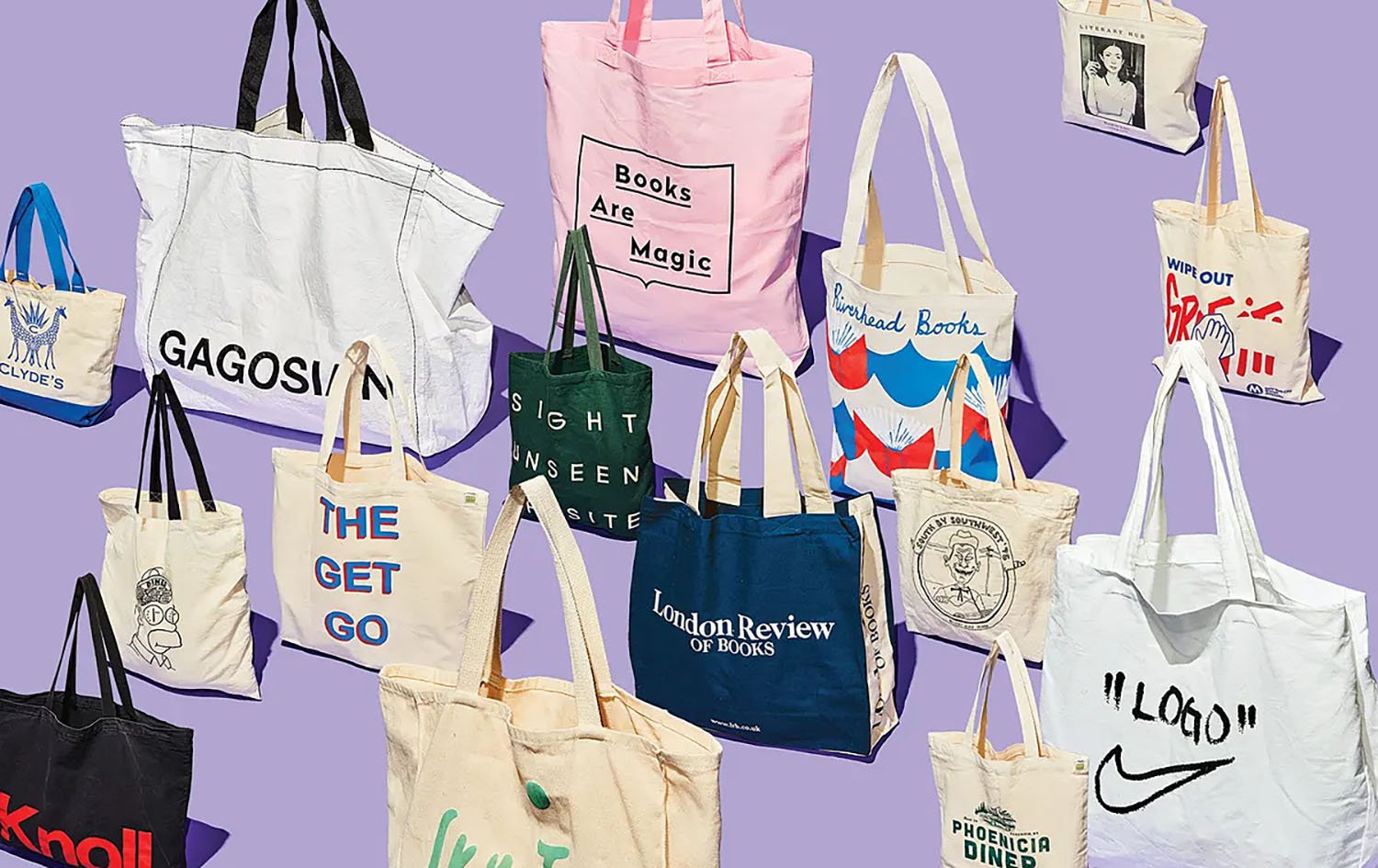
When I discuss promo bags with buyers, I often hear words like durable, eco-friendly, and cost-effective. These points matter. But they do not answer the biggest question: will the person actually carry the bag again? Based on customer discussions and project feedback, reuse is usually a scenario-fit problem. A bag gets reused when it fits daily habits, event context, and personal comfort. If the handle hurts the hand, the bag feels too thin, or the shape looks awkward, people stop using it2 even if the bag is technically strong enough.
I have also seen buyers choose very large logos because they want brand visibility. I understand that goal. But if the bag looks too much like a giveaway, many people will not want to carry it in normal life3. A useful promo bag needs public acceptability. It should do a job well and look normal enough to be carried again.
| Sourcing focus | Short-term result | Repeat-use result |
|---|---|---|
| Lowest unit price only | Easy to order volume | Often low reuse |
| Fit for daily use | Slightly higher cost | Better carry chance |
| Very large logo | Strong first impression | Lower public use in some cases |
| Balanced design and branding | Good event handout | Better long-term exposure |
So when I compare options, I do not ask only, “How much per piece?” I ask, “Why would someone keep this?”
Which Bag Types Fit Events, Employees, Customers, and VIP Gifts?
Many promo bag projects fail because the bag type does not match the recipient. A trade show visitor, an employee, a retail customer, and a VIP guest do not carry the same way.
The best bag type depends on who will carry it, where they will use it, and what they need it to hold4. I usually match simple totes to light events, backpacks or duffles to practical use, and premium styles to gift programs.
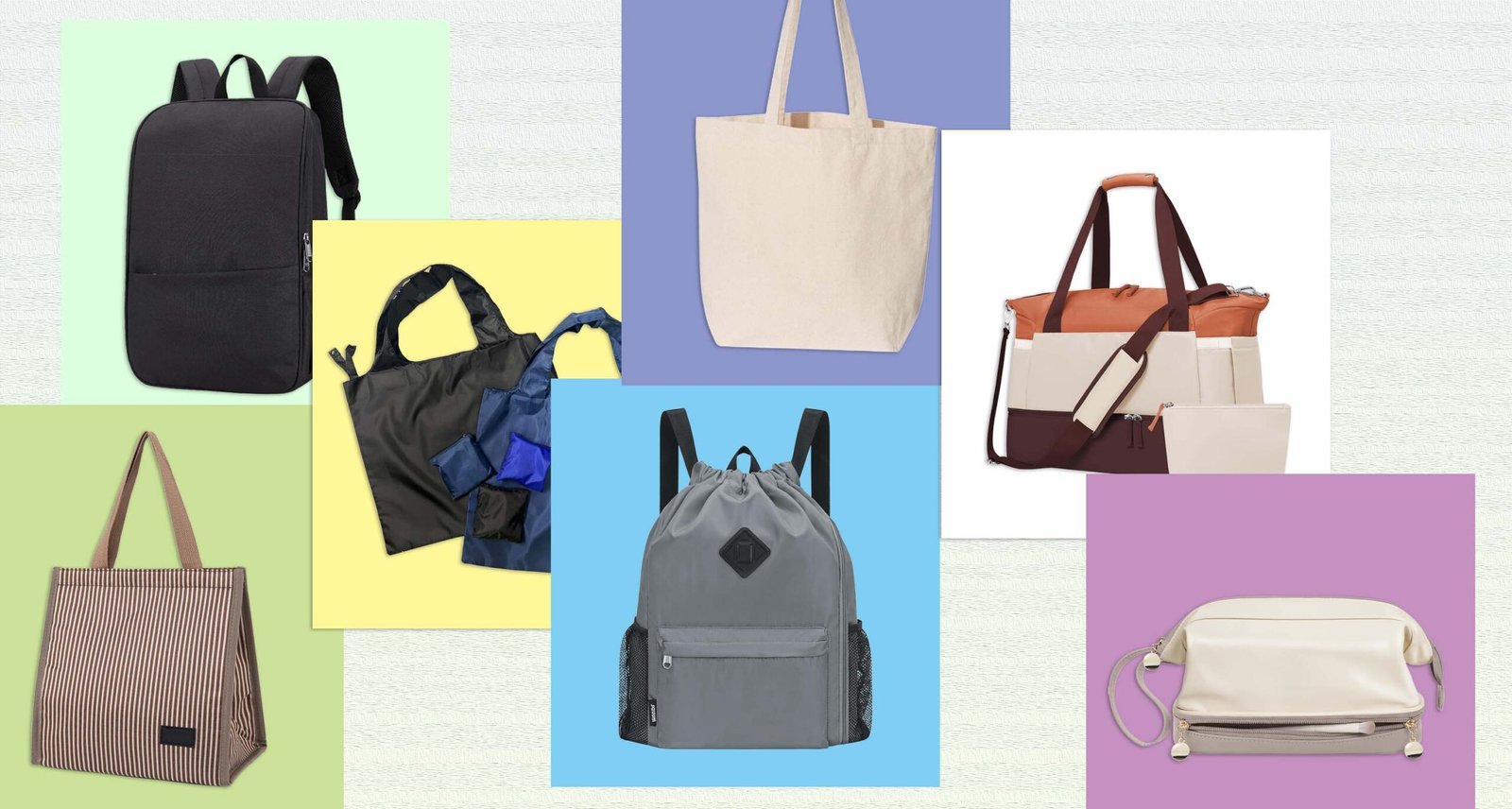
I always tell buyers to define the user first. If the bag is for a trade show, the person may carry brochures, samples, and a water bottle for a few hours. A tote or non-woven shopper may work if the event is short and the budget is tight. But if the bag is meant for employees who commute, the standard changes fast. They may need a laptop sleeve, a zipper, stronger straps, and a cleaner look5. A cheap event tote usually fails in that setting.
For retail customers, I often see success with simple tote bags, cosmetic bags, and cooler bags when the use is easy to understand. The clearer the task, the better the chance of reuse. A lunch cooler can stay in a car. A cosmetic pouch can go into daily travel. A foldable tote can stay in another bag for shopping. For VIP gifts, buyers usually need better fabric, better structure, and more subtle branding. If the gift should reflect brand image, appearance matters as much as function.
| Recipient | Main use | Suitable bag types | Key sourcing point |
|---|---|---|---|
| Event visitors | Carry materials on site | Tote, shopper, drawstring | Light, easy, low bulk |
| Employees | Daily commute or work use | Backpack, laptop tote, duffle | Comfort and structure |
| Customers | Practical repeat use | Tote, cosmetic, cooler | Clear everyday function |
| VIP guests | Gift and brand image | Premium tote, duffle, organizer | Better look and finish |
I have learned that bag type is not just a product choice. It is a behavior choice.
How Can Buyers Create Entry, Mid, and Premium Gift Tiers?
A single bag style does not fit every campaign budget. I have found that tiered planning helps buyers control cost without making every recipient feel the same.
Buyers can create entry, mid, and premium gift tiers by changing function, materials, details, and branding depth around one clear use scenario. I usually suggest keeping the purpose consistent while adjusting quality and presentation by audience value.
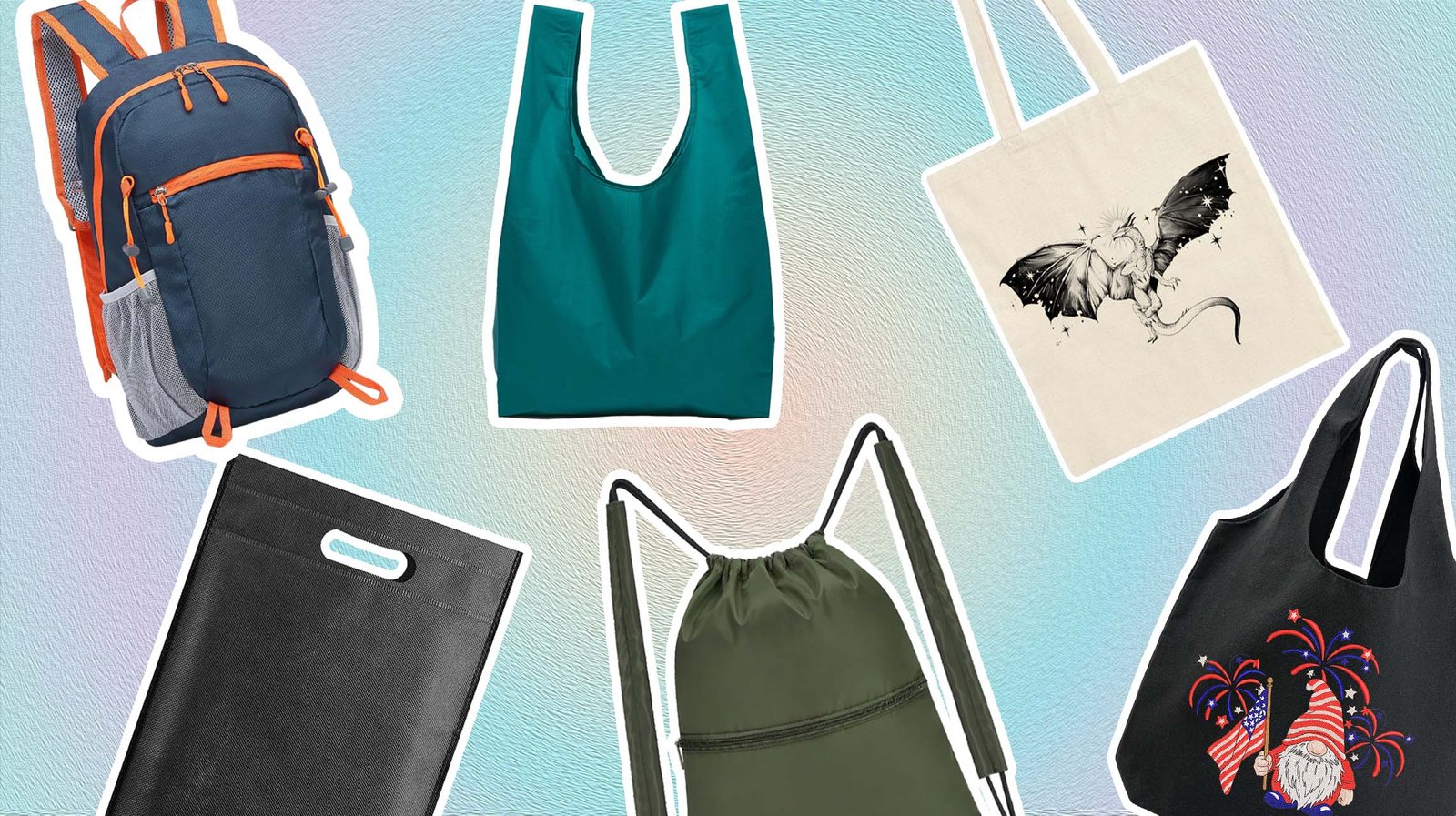
In many sourcing conversations, buyers first ask for one universal bag. Sometimes that works. But in many programs, the audience is mixed. Some recipients are casual event visitors. Some are key customers. Some are internal staff. A tiered approach can solve this without making the project messy6.
I like to build tiers from one use idea. For example, if the campaign is about daily carry, the entry tier might be a simple tote with clean printing. The mid tier might add a zipper, pocket, better fabric, or longer shoulder straps. The premium tier might become a structured tote or a light backpack with better lining and a woven label instead of a large print. The point is not to make the premium version look flashy. The point is to make each level feel right for the recipient.
This approach also helps internal approval. Procurement can see cost logic. Marketing can see brand logic. Sales teams can see audience logic. In my experience, this reduces random changes during sampling.
| Tier | Typical use | Common upgrades | Brand feel |
|---|---|---|---|
| Entry | Event giveaway | Basic fabric, print logo | Simple and useful |
| Mid | Customer gift | Zipper, pocket, stronger handle | Better daily use |
| Premium | VIP or key account gift | Structured shape, lining, subtle logo | More polished |
I often remind buyers that a premium gift does not need to be huge. It needs to feel easy to keep.
Which Branding Methods Match Different Budgets and Quantities?
Branding can help a bag look professional, or it can make the bag look disposable. I have seen both outcomes many times in sample review.
The right branding method depends on budget, order quantity, material, and desired appearance. I usually choose simpler printing for high-volume promotions, and more subtle methods like woven labels or small patches when public reuse matters more.
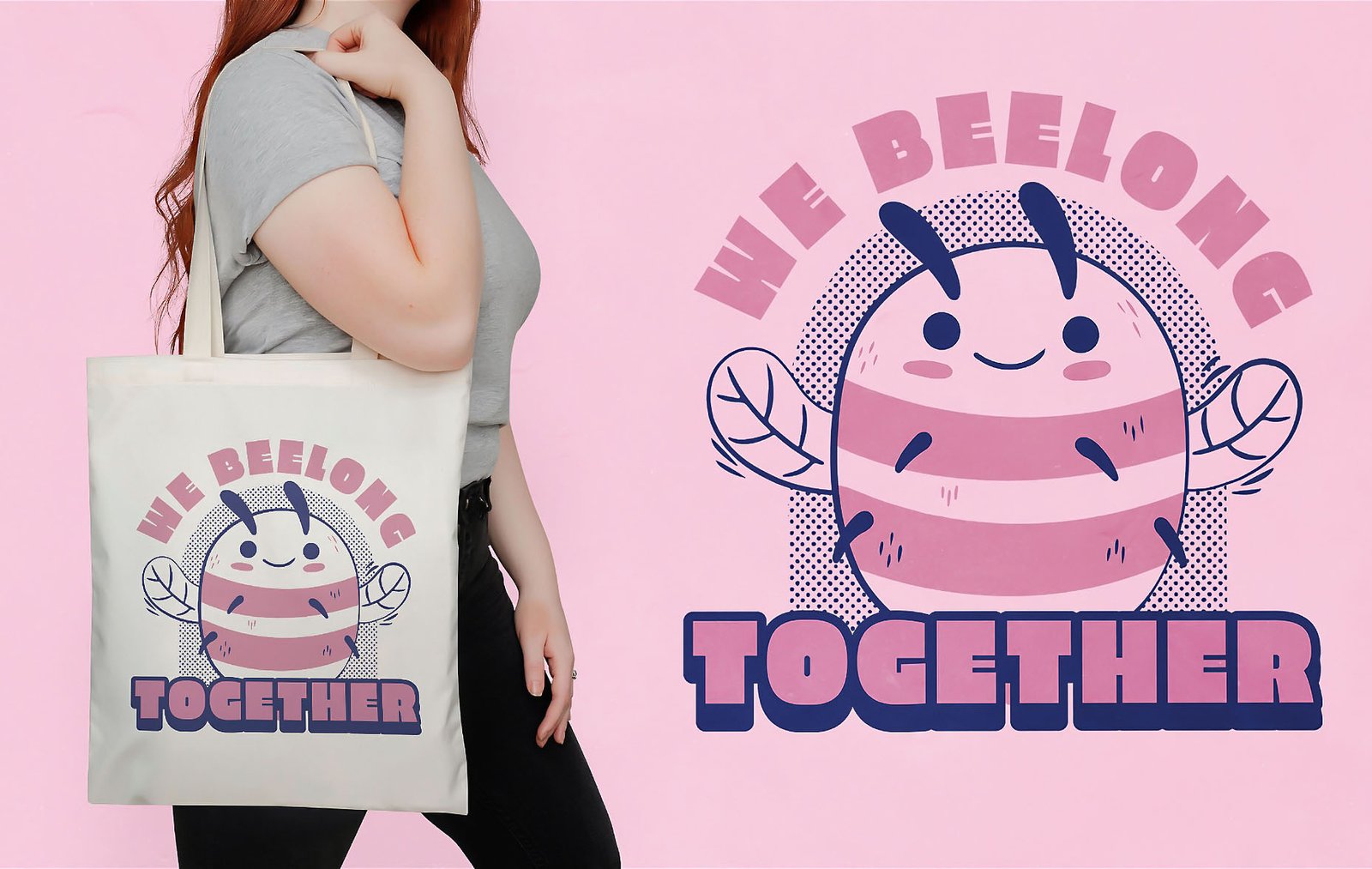
A lot of buyers still think bigger logos mean better exposure. I understand why. The logo is visible in a mockup, and the marketing purpose feels direct. But based on sourcing conversations and reorder feedback, the opposite can happen. If the bag looks too promotional, users may not want to carry it outside the event7. So the logo gets seen once, then disappears.
I usually ask buyers one simple question: should the bag announce the brand, or should it quietly stay in use? That answer changes the logo plan. For high-volume event distribution, screen printing can make sense8. It is clear, practical, and cost-friendly in many cases. For mid-level or premium gifts, a smaller logo, tonal print, woven label, rubber patch, or embroidery can make the bag feel more like a product and less like an ad.
Branding should also match the fabric and the bag role. A grocery-style tote can accept bold print more easily. A commuter tote or duffle usually works better with restraint.
| Branding method | Budget level | Quantity fit | Public reuse effect |
|---|---|---|---|
| Screen print | Low to mid | Good for volume | Best when balanced in size |
| Heat transfer | Mid | Flexible for detail | Good for graphic control |
| Embroidery | Mid to high | Lower to mid volume | More premium look |
| Woven label/patch | Mid to high | Good for private label feel | Often better for repeat use |
The logo should support use, not fight it.
What Sustainability Questions Should Buyers Ask Suppliers?
Many buyers now ask for eco-friendly bags. That is a good move. But I think the wrong questions can still lead to the wrong product.
Buyers should ask what material is used, what proof is available, how the bag is intended to be reused, and whether the design supports long-term use. A sustainability claim means more when the bag is practical enough to stay in service.
In my experience, sustainability gets discussed in two very different ways. One way is message-first. The buyer wants recycled fabric or a natural look because it supports campaign language. The other way is use-first. The buyer wants a bag that avoids waste because people will keep using it. I think the second way is stronger, and the best projects combine both.
I suggest buyers ask simple and direct questions. What material is this made from? Can the supplier provide the related proof or test documents if needed? What kind of weight and structure does the bag have? Will the handle and seams hold up in the real use case? Does the bag fold well, clean easily, or store easily? These questions connect eco claims to actual behavior.
A weak bag made from a better material can still become waste quickly9. A practical bag with reasonable branding and acceptable appearance may stay in use much longer. So I do not treat sustainability as only a fabric choice. I treat it as a product-use decision too.
| Question | Why I ask it |
|---|---|
| What is the exact material? | To avoid vague eco claims |
| What documents can support the claim?10 | To help buyer review and compliance |
| Is the bag designed for repeated use? | To link message with behavior |
| Where is the stress point reinforced? | To check real-life durability |
| Is the style easy to carry in public? | To improve reuse chance |
A greener bag still has to be a wanted bag.
How Should Buyers Plan Samples and Delivery Timelines?
A good promo bag project can still fail if the sample stage is rushed or the shipping plan is too tight. I have seen strong designs lose value because timing was handled badly.
Buyers should plan samples backward from the event date, leaving time for revisions, approval, production, and shipping11. I usually advise buyers to test comfort, look, and branding in the sample stage, not just size and color.
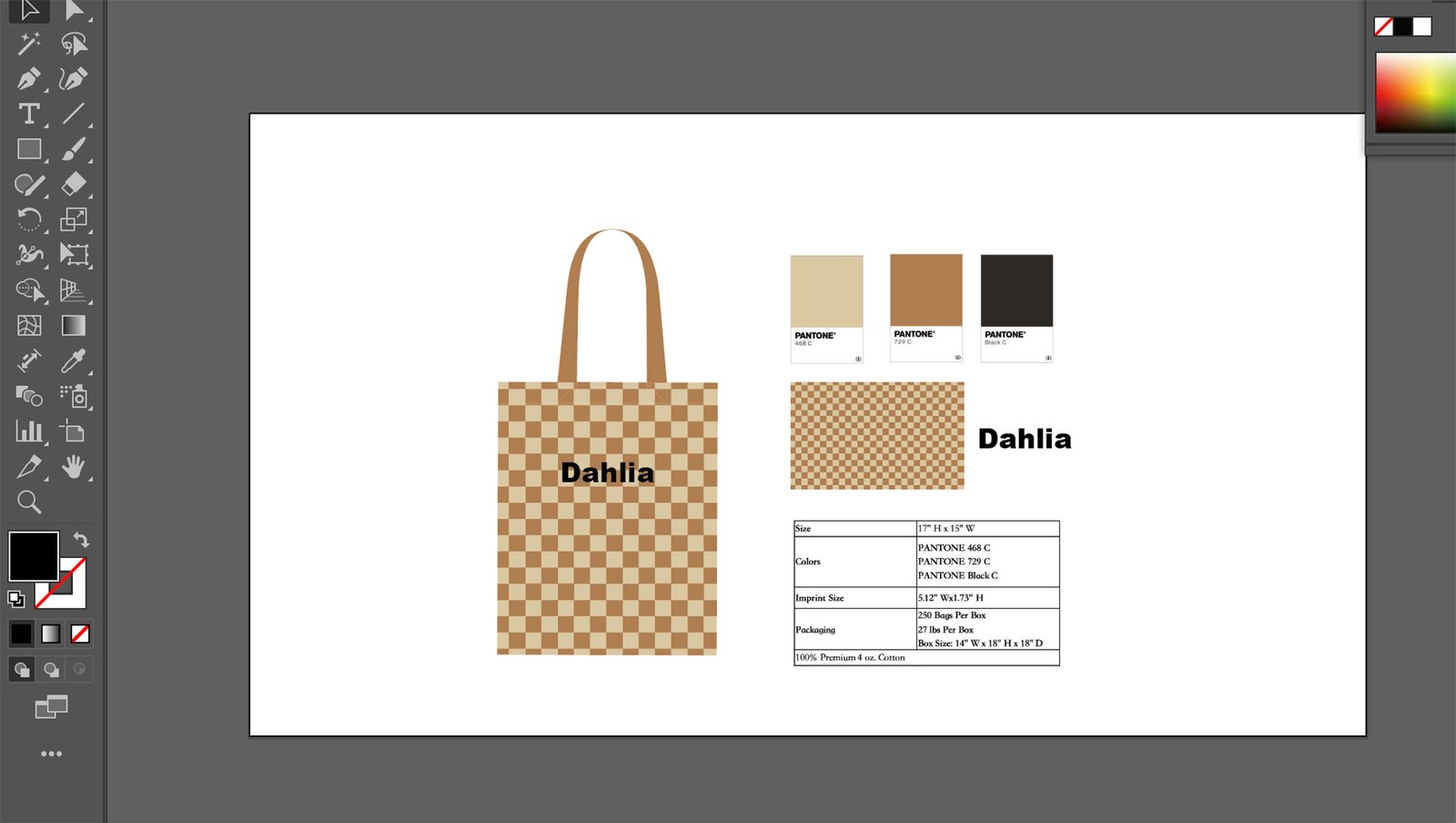
When buyers are late, they often simplify the wrong thing. They skip a second sample. They approve artwork without checking scale. They reduce packaging review. Then the goods arrive, but the bag is not as usable as expected. The handle drop is wrong. The zipper feels weak. The logo is too big. These are small sample-stage issues, but they can ruin repeat use.
I prefer to start from the final in-hand date and move backward step by step. First, define the event or campaign date. Then reserve shipping time. After that, reserve production time. Then leave room for sample revision and internal approval. If the project includes new materials, custom hardware, or detailed branding, I leave even more time.
I also tell buyers to use the sample like a real user. Put items inside. Carry it on the shoulder. Check if the opening is easy. Ask if someone would honestly take it to work, shopping, or travel. In many cases, this practical test gives better guidance than a factory sheet alone.
| Stage | What to confirm |
|---|---|
| Initial brief | Use scenario, budget, quantity, audience |
| First sample | Shape, size, comfort, fabric feel |
| Revised sample | Branding scale, details, function |
| Production approval | Final spec, packaging, marks |
| Shipping plan | Transit time, buffer, event date |
A promo bag should not be approved only by eye. It should be approved by use.
Conclusion
I source promo bags for real carry habits first, then cost, branding, and timing, because a bag creates better value when people keep using it after the giveaway.
"Frequency (marketing) - Wikipedia", https://en.wikipedia.org/wiki/Frequency_(marketing). Research on repeated advertising exposure indicates that repeated encounters with a brand can improve recall and recognition, supporting the rationale that a promotional bag used multiple times may generate more impressions than a bag used only once. Evidence role: general_support; source type: education. Supports: Marketing research on repeated exposure and advertising impressions can support the idea that items used multiple times create more opportunities for brand recall than one-time giveaways.. Scope note: Such sources typically address repeated exposure in advertising broadly rather than promotional bags specifically. ↩
"Efficacy of Ergonomic Interventions on Work-Related ... - PMC - NIH", https://pmc.ncbi.nlm.nih.gov/articles/PMC12073017/. Human-factors research shows that discomfort and poor usability reduce user acceptance and continued use, which is consistent with the claim that painful handles, weak-feeling materials, or awkward shapes discourage repeated carrying. Evidence role: mechanism; source type: paper. Supports: Ergonomics and user-experience literature can support the mechanism that discomfort and unattractive design features reduce willingness to continue using a product.. Scope note: The support is contextual unless the source examines bags or carried products directly. ↩
"Social class, social self-esteem, and conspicuous consumption - PMC", https://pmc.ncbi.nlm.nih.gov/articles/PMC7905187/. Studies in consumer behavior report that visible branding can affect social perception and product acceptance, supporting the claim that a bag perceived primarily as an advertisement may be less likely to be used in ordinary public settings. Evidence role: mechanism; source type: paper. Supports: Consumer-behavior studies on conspicuous branding and social acceptability can support the idea that heavily branded items may be less desirable for everyday public use.. Scope note: The evidence is indirect unless it specifically examines reusable bags or promotional merchandise. ↩
"The effectiveness of ergonomic interventions in material handling ...", https://pmc.ncbi.nlm.nih.gov/articles/PMC8669597/. User-centered design standards emphasize that product choices should reflect the intended users, tasks, and contexts of use, which supports matching bag type to the carrier, setting, and expected contents. Evidence role: expert_consensus; source type: institution. Supports: Standards and user-centered design guidance can support the principle that products should be selected or designed around users, tasks, and contexts of use.. Scope note: These standards provide general design guidance rather than direct empirical comparisons of bag categories. ↩
"Commuting (Journey to Work) - Census Bureau", https://www.census.gov/topics/employment/commuting.html. Research on everyday carrying and portable-device transport indicates that commuters value secure closures, protected storage, and comfortable load-bearing features, supporting the inclusion of laptop sleeves, zippers, and stronger straps for work-oriented bags. Evidence role: general_support; source type: research. Supports: Research on commuting and portable-device carrying can support the need for protective compartments, secure closures, and durable straps in work-use bags.. Scope note: Support is broader than promotional products unless the source specifically studies work bags. ↩
"Market Segmentation and Positioning - K-State Microcredentials", https://microcredentials.k-state.edu/microcredentials-directory/market-segmentation-and-positioning/. Marketing segmentation research supports tailoring offerings to distinct audience groups, which is consistent with the claim that tiered bag programs can better serve mixed recipients while preserving clearer program logic. Evidence role: general_support; source type: education. Supports: Marketing and segmentation literature can support the principle that differentiated offerings help address varied audience needs more effectively than a one-size-fits-all approach.. Scope note: Such sources usually support segmentation broadly rather than the administrative simplicity of a specific promotional-bag project. ↩
"Self-Presentation on Social Media - Illinois Experts", https://experts.illinois.edu/en/publications/self-presentation-on-social-media-when-self-enhancement-confronts/. Consumer-behavior literature suggests that visible branding influences self-presentation and public-use choices, supporting the claim that highly promotional-looking bags may be less likely to be carried after an event. Evidence role: mechanism; source type: paper. Supports: Consumer research on self-presentation and brand prominence can support the idea that people avoid using items whose branding is too conspicuous for their preferred identity in public.. Scope note: This evidence is contextual unless it directly measures promotional bag reuse. ↩
"Screen printing - Wikipedia", https://en.wikipedia.org/wiki/Screen_printing. Technical references on screen printing describe it as a process well suited to applying the same design repeatedly across many items, which supports its use in higher-volume promotional bag production. Evidence role: definition; source type: encyclopedia. Supports: Technical descriptions of screen printing can support that the process is widely used for repeated designs and larger production runs.. Scope note: The source may describe process suitability in general rather than cost-effectiveness for every bag material or order size. ↩
"[PDF] Circular Economy: A Product Life Cycle Perspective on Engineering ...", https://tsapps.nist.gov/publication/get_pdf.cfm?pub_id=933397. Circular economy and life-cycle assessment literature emphasizes that product longevity and repeated use are important determinants of environmental performance, supporting the claim that a nominally better material does not prevent waste if the bag fails quickly. Evidence role: mechanism; source type: institution. Supports: Circular economy and life-cycle sources can support that durability and longer service life are important factors in reducing waste and environmental impact.. Scope note: The source may address products generally rather than promotional bags specifically. ↩
"[PDF] Part 260 – Guides for the Use of Environmental Marketing Claims", https://www.ftc.gov/sites/default/files/attachments/press-releases/ftc-issues-revised-green-guides/greenguides.pdf. Regulatory guidance on environmental marketing claims states that marketers should possess competent and reliable evidence to substantiate claims, supporting the request for documents that verify stated material or sustainability attributes. Evidence role: expert_consensus; source type: government. Supports: Regulatory guidance can support the expectation that environmental and material claims should be substantiated with competent evidence or documentation.. ↩
"[PDF] Short-Term Scheduling - National Paralegal College", https://www.nationalparalegal.edu/uploads/185OM_Class14_new.pdf. Project-management and operations literature describes backward scheduling as planning from a required completion date to determine the timing of earlier tasks, which supports working back from the event date to samples, approvals, production, and shipping. Evidence role: definition; source type: education. Supports: Operations and project-management sources can support the use of backward scheduling from a fixed delivery date to allocate time for dependent stages.. ↩