Many buyers feel stuck when a customer asks for a greener bag. The price goes up, the material story gets complex, and one wrong choice can hurt margin and trust.
Recycled nylon can be worth it if your product needs a real sustainability story, your target customer values it, and your price range can absorb it without hurting the project. The right choice depends on positioning, use, budget, and supplier control.
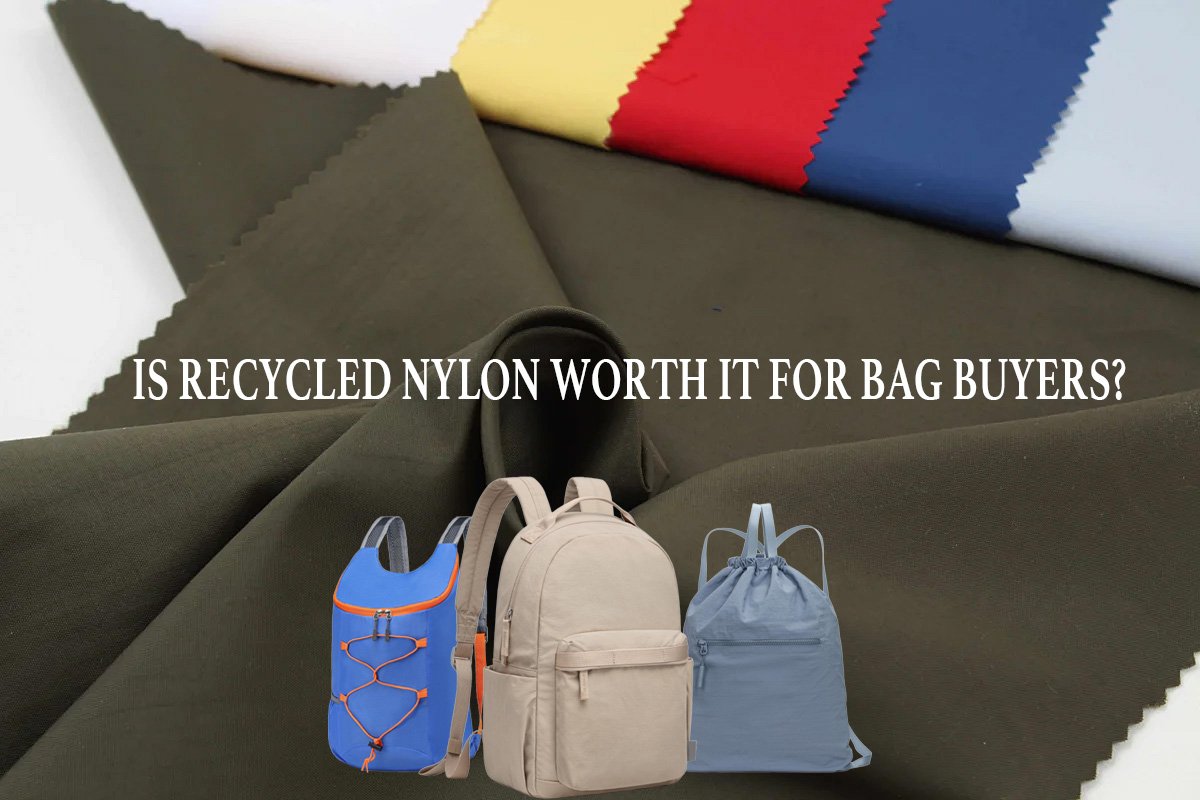
I have had many talks with buyers who started with one simple question: “Is recycled nylon better?” In real sourcing work, I have found that this is often the wrong first question. The better question is much more commercial. I ask whether the project truly needs the sustainability story, and whether the end customer will pay for it. That is where the real decision starts. If you miss that part, you can pay more for a feature that does not help sell the bag. Or you can reject a useful material because of old assumptions that do not fit the actual project.
What Is Recycled Nylon in Bag Manufacturing?
Buyers often hear “recycled nylon” and think it is one fixed material with one fixed result. That idea can lead to poor sourcing choices and wrong product expectations.
In bag manufacturing, recycled nylon usually means nylon fiber made from reused waste sources1, then woven into fabric for bags. It is not one single grade. Performance, feel, finish, and cost can vary by source, construction, coating, and supplier control.2
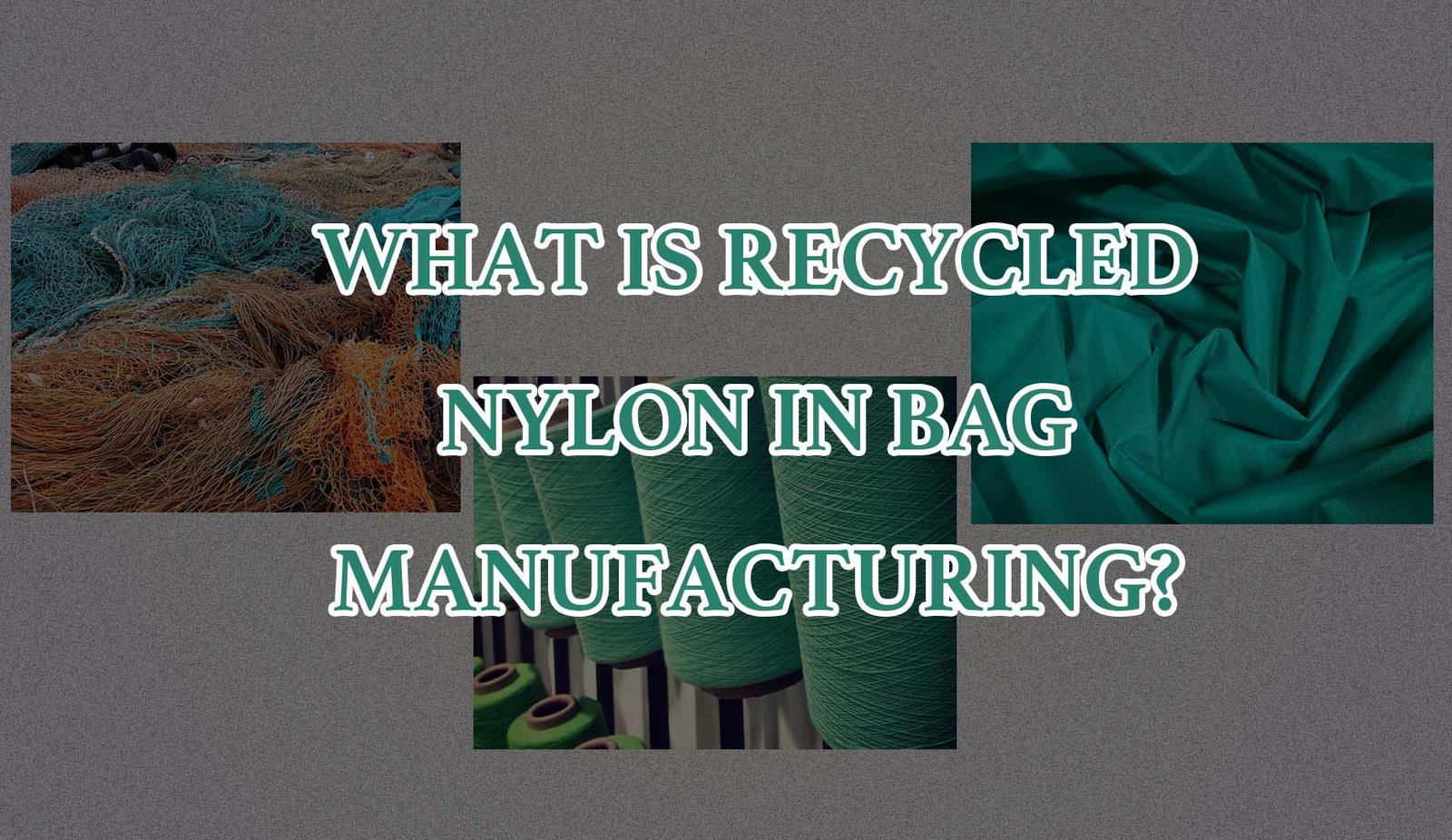
When I speak with buyers about recycled nylon, I usually start by slowing the conversation down. I do this because many people use the term as if it answers everything. It does not. Recycled nylon is still a broad material family. In real bag projects, the result depends on much more than the recycled claim alone. I look at denier, weave, finish, backing, coating, color fastness needs, logo method, and end use. A lightweight cosmetic bag project and a heavy-duty backpack project do not ask the same thing from the fabric.
Based on what I have seen in buyer discussions, this is where confusion begins. One buyer may compare a clean, well-finished recycled nylon with a low-grade conventional nylon and say recycled is better. Another buyer may compare a basic recycled option with a premium virgin nylon and say recycled is worse. Both may feel right in their own project. That is why I do not treat recycled nylon as a simple yes-or-no material label.
Here is the practical way I explain it:
| Factor | What Buyers Should Know | Why It Matters |
|---|---|---|
| Fiber source | Recycled nylon can come from different waste streams | Source can affect consistency, story, and cost |
| Fabric construction | Oxford, ripstop, twill, and others perform differently | Structure changes strength, look, and feel |
| Coating/finish | PU, TPU, water resistance, and hand feel vary | Final use depends on finishing, not fiber alone |
| Quality control | Supplier process matters a lot | Stable production reduces complaints |
| Certification | Claim support may be needed for brand programs | It helps buyers check the eco story |
In my own work, I have seen projects succeed with recycled nylon when the buyer understood the whole fabric package, not just the label. I have also seen trouble when the material was selected only because “eco sells,” without asking whether the fabric fit the actual bag.
Why Do Brands Use Recycled Nylon for Bags?
Many buyers assume brands use recycled nylon only because it is good for the planet. That view is too narrow, and it can hide the real business logic behind the choice.
Brands use recycled nylon for bags to support product positioning, answer retailer or consumer demand, strengthen brand image, and match internal sustainability goals.3 The choice is often commercial and strategic, not just technical or moral.
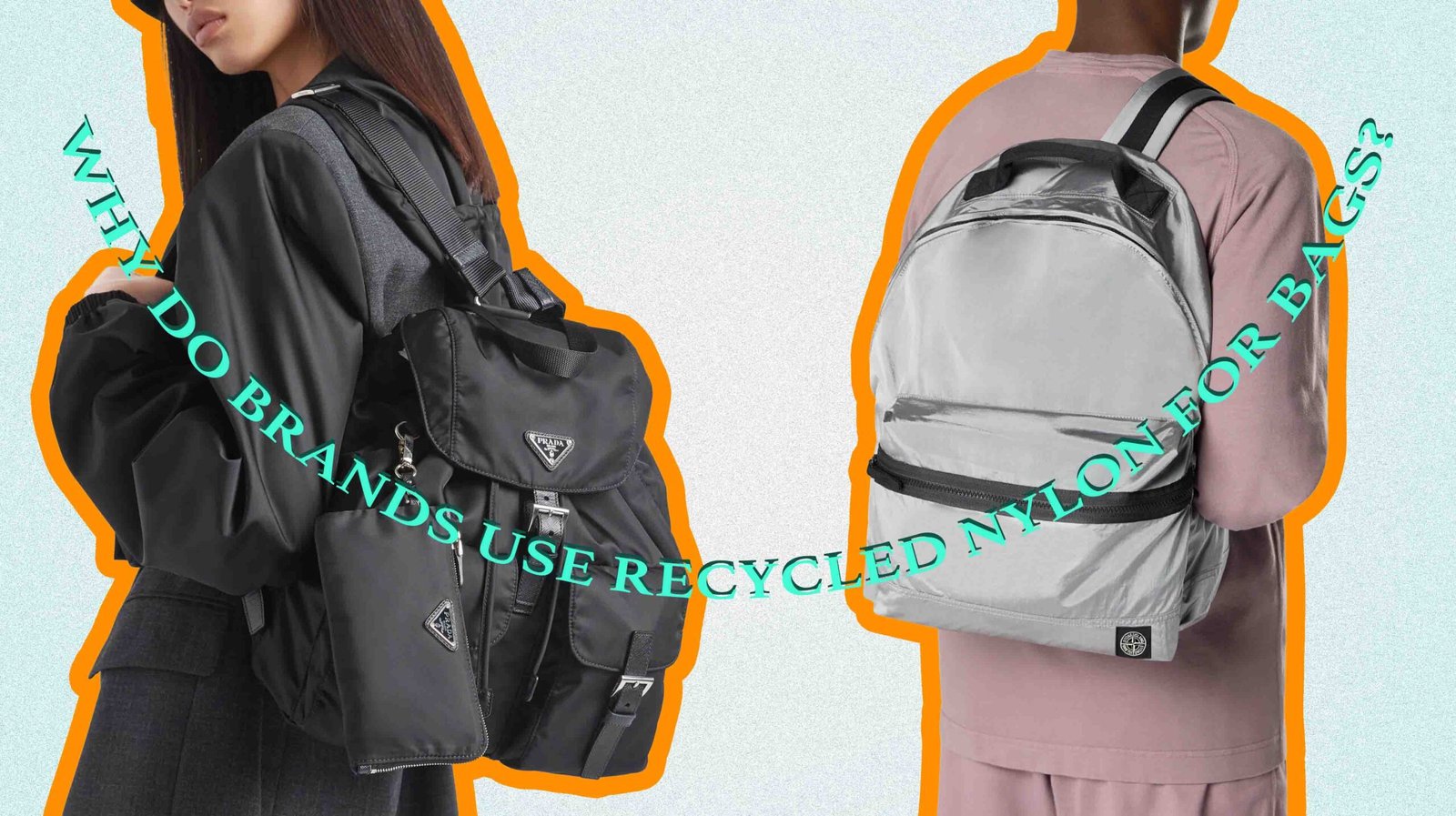
In real buyer conversations, I have noticed that brands rarely choose recycled nylon for one reason only. Most of the time, the material sits inside a bigger business plan. A brand may need a cleaner story for a retail launch. A supermarket buyer may want a simple shelf message that helps the product stand out. A gift buyer may want packaging and product claims to match a client’s campaign theme. In these cases, recycled nylon is not just fabric. It becomes part of how the product is sold.
Still, I have also seen buyers overestimate that value. They assume the eco claim will automatically raise conversion or support a higher price. That is where risk starts. The end customer may like the message, but not enough to pay more.4 Or the market may accept the claim only if the style, function, and price are already competitive. In other words, the sustainability story can help, but it usually cannot save a weak product.
I often ask buyers a few direct questions before we move ahead:
| Buyer Question | Why I Ask It | What It Reveals |
|---|---|---|
| Who is the final customer? | Different customers value eco claims differently | Market fit |
| Will the eco claim appear on packaging or product pages? | If not, the value may be hidden | Sales impact |
| Is there a price ceiling? | Recycled nylon may add cost pressure | Budget tolerance |
| Is the brand already using sustainability messaging? | The bag should match the brand story | Positioning fit |
| Does the customer need proof or certification? | Claims need support in some channels | Compliance and trust |
I have had one buyer compare two tote bag programs. One had a retail-facing eco message, hangtag support, and a clear marketing plan. Recycled nylon made sense there. The other was a pure price-driven promo order. The end user would not see or value the fabric story. In that case, recycled nylon added complexity with little return. That is why I say the first question is not “Is it better?” The first question is “Does this project need this story strongly enough?”
Are Recycled Nylon Bags Durable Enough for Daily Use?
Many buyers worry that recycled nylon means lower strength and more complaints. That fear is common, but it is often too broad to guide a good buying decision.
Recycled nylon bags can be durable enough for daily use5 when the fabric spec, construction, and factory control match the bag’s purpose. Buyers should judge performance by the full bag design and testing needs, not by the recycled label alone.6
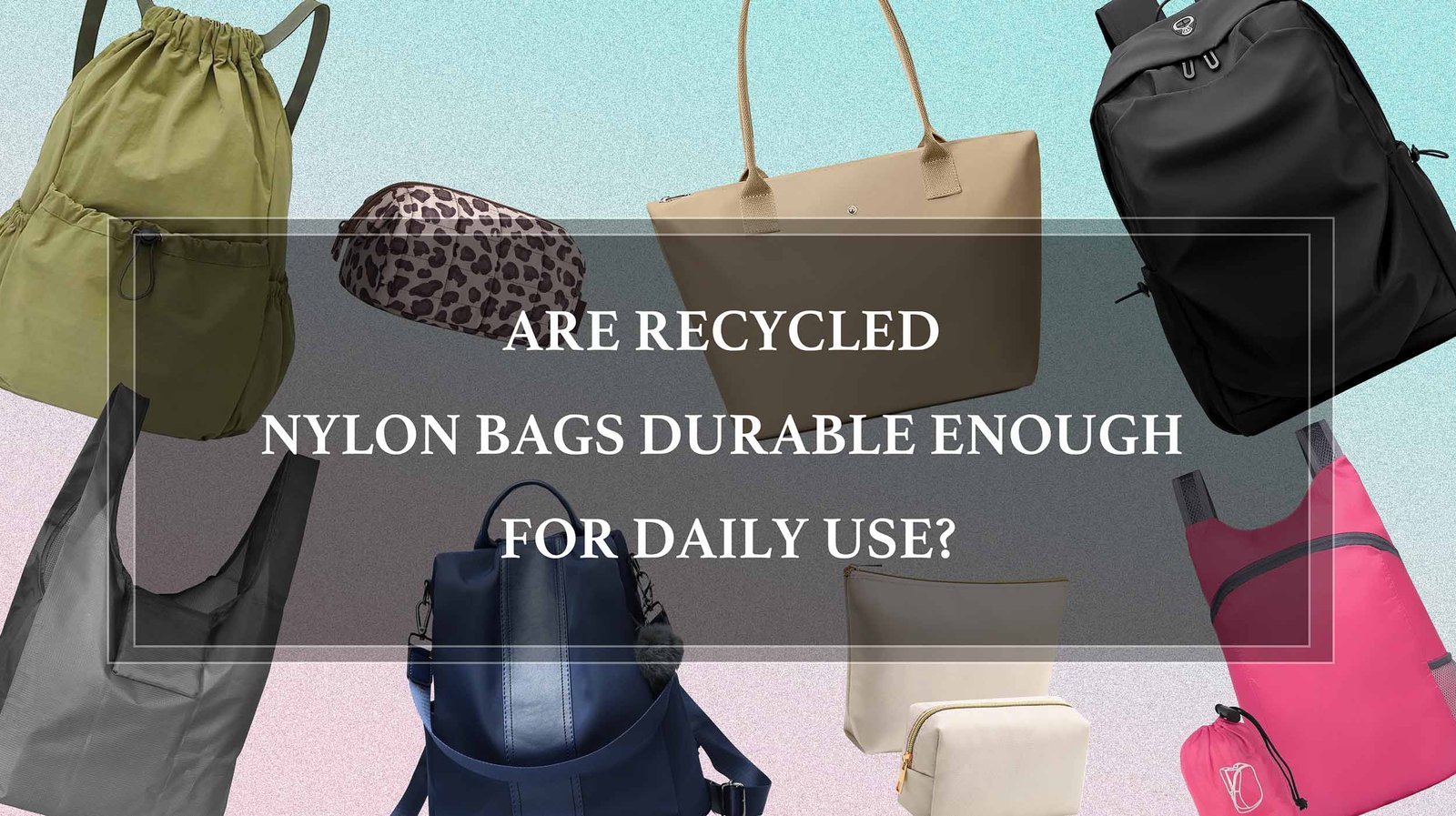
This is one of the most common questions I hear. A buyer wants the eco story, but fears returns, breakage, or customer complaints. I understand that concern. In B2B bag manufacturing, durability is not a marketing line. It affects repeat orders, brand trust, and after-sales cost. Still, I do not think it helps to ask whether recycled nylon is durable in general. That is too wide. I think the better question is whether this recycled nylon setup is durable enough for this exact bag.
A daily-use backpack, a foldable shopping bag, and a cosmetic pouch all face different stress points. The fabric matters, but so do stitching density, seam structure, zipper grade, webbing quality, reinforcement points, and loading expectation. I have seen a modest fabric perform well in a smart design. I have also seen a good fabric fail in a weak construction plan.
When buyers ask me for guidance, I usually break the review into parts:
| Durability Area | What to Check | Buyer Focus |
|---|---|---|
| Fabric weight and weave | Does it match the use case? | Avoid under-spec materials |
| Coating and backing | Is there enough support for shape and wear? | Daily handling performance |
| Stitching and reinforcement | Are stress points secured? | Strap and seam reliability |
| Hardware quality | Zippers, sliders, buckles, hooks | Failure often starts here |
| Use scenario | Light carry or heavy load? Indoor or outdoor? | Real-life fit |
Based on what we’ve seen in project comparisons, recycled nylon can work very well in many daily-use bags. But I do not present it as always equal to every conventional nylon option. I think buyers should ask for realistic samples, review target use, and match the material to the product promise. If your customer needs a fashion tote for light carry, the answer may be easy. If your customer needs a rugged duffle for rough travel use, the review should be stricter. The key is not assumption. The key is fit.
What Are the Main Challenges of Recycled Nylon Bags?
Buyers can get excited by the eco claim and miss the hidden sourcing risks. That can turn a good idea into margin pressure, delays, or market mismatch.
The main challenges of recycled nylon bags are higher or less stable cost7, material variation between suppliers, claim verification needs8, possible lead time pressure9, and weak market return when end customers do not value the sustainability message enough.
I think this is where the real buying work begins. In my experience, the biggest problem is not that recycled nylon is “bad.” The biggest problem is mismatch. A buyer pays more, adds sourcing steps, and accepts more limits, but the final market does not reward the effort enough. This can happen in promotional projects, mass retail price programs, and fast-turn gift orders. If the customer only cares about price and delivery, the eco claim may not create enough value.
Another challenge is control. Recycled nylon is not just one plug-in replacement for all nylon programs. Some suppliers handle it well. Some do not. Differences can appear in hand feel, color result, coating behavior, and consistency across batches.10 That does not mean recycled nylon is unreliable by nature. It means supplier management matters more than many buyers first expect.
I usually tell buyers to watch these risk points:
| Challenge | What It Looks Like in a Project | Why It Matters |
|---|---|---|
| Cost pressure | Material cost pushes the target price too high | Margin and order approval risk |
| Market mismatch | Eco story does not help sell-through | Added cost without return |
| Claim verification | Buyer needs documents or chain-of-custody support | Brand and compliance risk |
| Supply variation | Different lots or mills may behave differently | Product consistency risk |
| Longer development | More checks, approvals, and sample rounds | Delay risk |
I remember one project discussion where the buyer wanted recycled nylon because a competitor had started using eco language. But after we broke down the numbers and sales path, the buyer saw that the end client mainly compared unit price, color, and delivery speed. The sustainability message was nice, but weak in actual purchase power. In another case, the eco story was central to the launch, and recycled nylon gave the brand a strong reason to talk. The material challenge was worth managing there. So I do not treat the challenges as reasons to avoid recycled nylon. I treat them as checkpoints that must be honest from the start.
How Can Bag Buyers Choose the Right Recycled Nylon Supplier?
Many buyers focus on price and fabric claim first. That can be risky, because the real issue is whether the supplier can turn recycled nylon into a stable, sellable bag program.
Bag buyers should choose a recycled nylon supplier by checking project fit, material consistency, claim support, sampling ability, production control, communication speed11, and whether the supplier understands the buyer’s market, budget, and end-customer expectations.
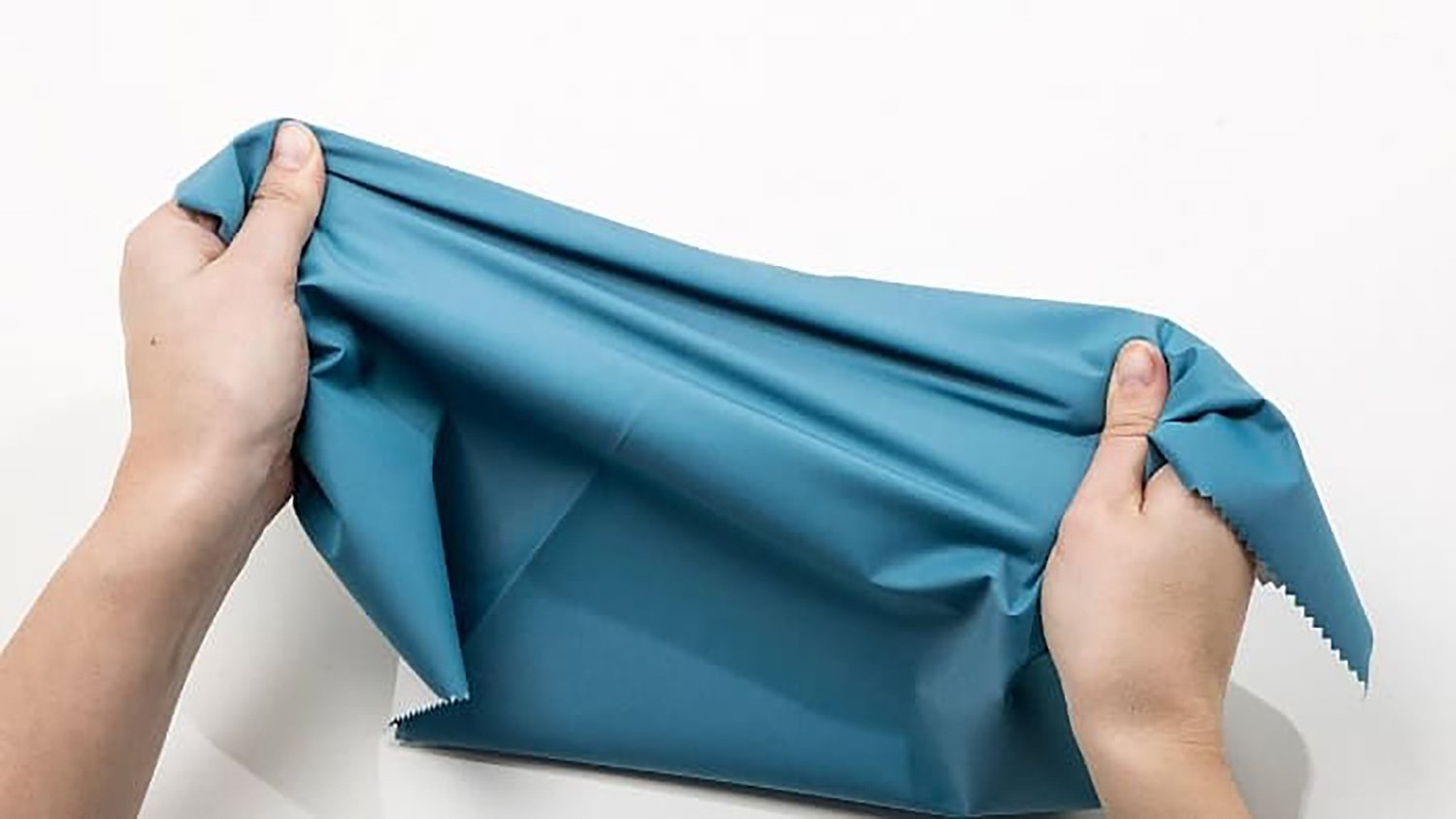
When I help buyers review recycled nylon projects, I find that the best supplier choice rarely comes from one sample alone. A nice sample is useful, but it is not enough. I think buyers need to know whether the supplier understands the full business target. Can the factory support the required look, feel, logo method, packaging, and delivery window? Can the team explain the trade-offs clearly? Can they tell you when recycled nylon is a good fit, and when it is not? I trust a supplier more when they do not force the material into every project.
Based on many sourcing talks, I believe buyers should use a simple checklist before they commit:
| Supplier Checkpoint | What to Ask | Good Sign |
|---|---|---|
| Project understanding | “Does this material fit my target market and price?” | Supplier gives a balanced answer |
| Material options | “What recycled nylon grades or constructions do you suggest?” | Supplier explains choices clearly |
| Claim support | “What documents or certifications can you provide?” | Supplier is open and organized |
| Sample quality | “Can you make a sample close to mass production?” | Sample matches real production intent |
| QC process | “How do you control fabric and finished bag consistency?” | Supplier has a clear system |
| Delivery planning | “What could delay this project?” | Supplier discusses risk early |
| Communication | “How fast and clearly do you reply?” | Team is direct and stable |
I also think buyers should ask one hard question that many people skip: “If I remove the recycled story, is this still a good bag program?” I like this question because it exposes weak projects quickly. If the bag only works because of the eco claim, then the design or commercial base may not be strong enough. A good supplier should help you test that logic.
At Coraggio, this is how I try to approach these talks. I do not think every buyer needs recycled nylon. I do think every buyer needs a supplier who can discuss the real use case, the target customer, the price line, the claim value, and the production details in one clear conversation. That is how sourcing risk goes down.
Conclusion
Recycled nylon is worth it when the market, budget, and product story align. For buyers, the best decision comes from project fit, not from material labels alone12.
"Plastic recycling - Wikipedia", https://en.wikipedia.org/wiki/Plastic_recycling. Recycled nylon is generally described as nylon polymer or fiber manufactured from recovered waste streams, such as post-industrial scraps or post-consumer materials, rather than from virgin raw materials. Evidence role: definition; source type: encyclopedia. Supports: that recycled nylon refers to nylon produced from recovered waste streams rather than virgin petrochemical feedstock. ↩
"Mechanical Properties of Polymer Coatings Applied to Fabric - PMC", https://pmc.ncbi.nlm.nih.gov/articles/PMC7696929/. Textile engineering literature shows that end-use properties of nylon fabrics depend on multiple variables, including yarn characteristics, fabric construction, and applied finishes or coatings, which can alter strength, handle, appearance, and cost; such studies generally address textiles broadly rather than bag fabrics alone. Evidence role: mechanism; source type: paper. Supports: that textile performance characteristics are influenced not only by polymer type but also by fabric construction and finishing processes. Scope note: Support is contextual from textile materials research and may not quantify variation for every bag-specific supplier setup. ↩
"Global Corporate Sustainability Report 2025", https://www.oecd.org/en/publications/2025/10/global-corporate-sustainability-report-2025_57b105f2.html. Industry and institutional reports on consumer goods and apparel indicate that companies often incorporate recycled materials to align with sustainability targets, respond to retailer or consumer expectations, and support brand positioning, although the strength of these motives varies by market segment and product category. Evidence role: general_support; source type: institution. Supports: that companies adopt recycled materials for strategic reasons including sustainability commitments, brand positioning, and responses to consumer or channel demand. Scope note: Evidence is typically sector-level and may not isolate bags as a standalone category. ↩
"[PDF] How Green is Household Behaviour? (EN) - OECD", https://www.oecd.org/content/dam/oecd/en/publications/reports/2023/06/how-green-is-household-behaviour_6017165e/2bbbb663-en.pdf. Behavioral and marketing research commonly finds an attitude-behavior gap in sustainable consumption: many consumers express support for environmentally preferable products, but fewer consistently pay a price premium or change purchasing behavior when cost and convenience remain primary factors. Evidence role: expert_consensus; source type: paper. Supports: that expressed consumer concern for sustainability does not always translate into higher willingness to pay or purchase behavior. ↩
"Recycling and Degradation Pathways of Synthetic Textile Fibers ...", https://pmc.ncbi.nlm.nih.gov/articles/PMC12003217/. Materials studies on recycled polyamide report that, under controlled processing conditions, recycled nylon can maintain mechanical performance within ranges suitable for textile applications, supporting its use where product durability depends on both material quality and design specification. Evidence role: general_support; source type: paper. Supports: that recycled nylon can retain mechanical properties suitable for practical textile applications when properly processed. Scope note: The evidence supports material feasibility rather than proving durability for every finished bag design. ↩
"The Effect of Selected Factors on the Strength of Stitches of ... - PMC", https://pmc.ncbi.nlm.nih.gov/articles/PMC9572404/. Product testing frameworks for luggage, packs, and sewn goods evaluate seam strength, strap attachment, closures, abrasion, and other construction features in addition to base fabric properties, indicating that finished-product performance cannot be inferred from fiber content alone. Evidence role: mechanism; source type: institution. Supports: that finished bag performance is determined by multiple components and should be verified through product-level testing. ↩
"[PDF] Improving Markets for Recycled Plastics | OECD", https://www.oecd.org/content/dam/oecd/en/publications/reports/2018/05/improving-markets-for-recycled-plastics_g1g8e16c/9789264301016-en.pdf. Market analyses of recycled material supply chains report that recycled inputs can involve price premiums or volatility linked to collection, sorting, processing capacity, and certification requirements, which may affect sourcing costs relative to virgin alternatives. Evidence role: general_support; source type: institution. Supports: that recycled material inputs may carry cost premiums or face supply-linked price variability relative to virgin materials. Scope note: Market conditions differ by region, polymer grade, and contract structure, so cost effects are not uniform. ↩
"Green Guides | Federal Trade Commission", https://www.ftc.gov/news-events/topics/truth-advertising/green-guides. Government guidance on environmental marketing claims states that recycled-content representations should be substantiated with competent evidence, and related standards commonly rely on traceability or chain-of-custody documentation to support such claims. Evidence role: historical_context; source type: government. Supports: that recycled-content and environmental marketing claims generally require substantiation and reliable documentation. ↩
"Textiles: Material-Specific Data | US EPA", https://www.epa.gov/facts-and-figures-about-materials-waste-and-recycling/textiles-material-specific-data. Supply-chain research on recycled and certified textiles notes that limited processing capacity, traceability requirements, and material availability can add coordination steps and, in some cases, lengthen sourcing or development timelines compared with standard commodity procurement. Evidence role: general_support; source type: research. Supports: that sourcing recycled or certified textile materials can introduce additional supply-chain coordination and capacity constraints that affect timelines. Scope note: The effect on lead time is conditional and depends on supplier maturity, region, and order scale. ↩
"Advancing Textile Waste Recycling: Challenges and Opportunities ...", https://pmc.ncbi.nlm.nih.gov/articles/PMC11902667/. Research on recycled polymers and textiles reports that variation in feedstock composition and processing history can affect consistency in dye uptake, mechanical properties, and finishing performance, providing a plausible basis for supplier- and batch-level differences in recycled nylon fabrics. Evidence role: mechanism; source type: paper. Supports: that variability in recycled feedstock and processing can influence downstream textile consistency and finishing behavior. Scope note: Published studies often address polymer or textile systems generally rather than commercial bag fabric lots specifically. ↩
"United Nations Industrial Development Organization - Wikipedia", https://en.wikipedia.org/wiki/United_Nations_Industrial_Development_Organization. Procurement and operations literature commonly recommends evaluating suppliers on capability fit, quality management, documentation, responsiveness, and process control in addition to price, which aligns with a structured review of recycled-material suppliers. Evidence role: general_support; source type: education. Supports: that supplier evaluation commonly includes capability, quality consistency, documentation, responsiveness, and process control rather than price alone. Scope note: These principles are general procurement guidance and are not specific to nylon bags. ↩
"[PDF] Sustainable Materials Selection in Manufactured Products", https://www.energy.gov/sites/default/files/2023-09/Materials%20Substitution%20Working%20Report_August%202023_final_compliant_v2_0.pdf. Sustainable design and life-cycle assessment frameworks emphasize that material selection should be evaluated in relation to product function, service life, and system context, rather than assuming that a single material label is universally preferable. Evidence role: expert_consensus; source type: institution. Supports: that environmentally preferable material choices should be assessed in relation to product function, lifecycle context, and use case rather than by label alone. ↩