Padel & racquet bags are often bought with the wrong goal in mind. Many buyers compare size, look, and price first, but that usually leads to slow sell-through, weak usability, or unnecessary cost. I have found that the better approach is to match the bag mix to the business model, usage pattern, and customization plan.
Clubs and retailers should buy padel & racquet bags based on use case, not just appearance or capacity. Clubs usually need durable, practical bags for repeated daily use, while retailers need a balanced assortment across entry, mid, and premium price bands. The right choice is rarely one model. It is usually a scenario-based mix of backpacks, duffles, and specialized racket bags.
When I discuss inquiries with club buyers and sporting goods retailers, I notice the same confusion again and again: similar-looking bags get treated as interchangeable. They are not. Once we look at structure, compartment layout, material cost, and actual end use, the right buying decision becomes much clearer.
Why Are Padel and Racquet Sports Creating New Bag Demand?
Padel & racquet bags are seeing more demand because buyer needs are changing faster than many sourcing plans. Clubs need bags that survive repeated handling. Retailers need products that match different customer budgets and style preferences. If buyers treat this category like a generic sports bag category, they miss real sales and usage differences.
Padel and racquet sports are creating new bag demand because more players, more club programs, and more product segmentation are expanding the market1. Buyers now need bags designed for racket protection, shoe separation, event branding, and daily carry convenience2, not just general gym storage.
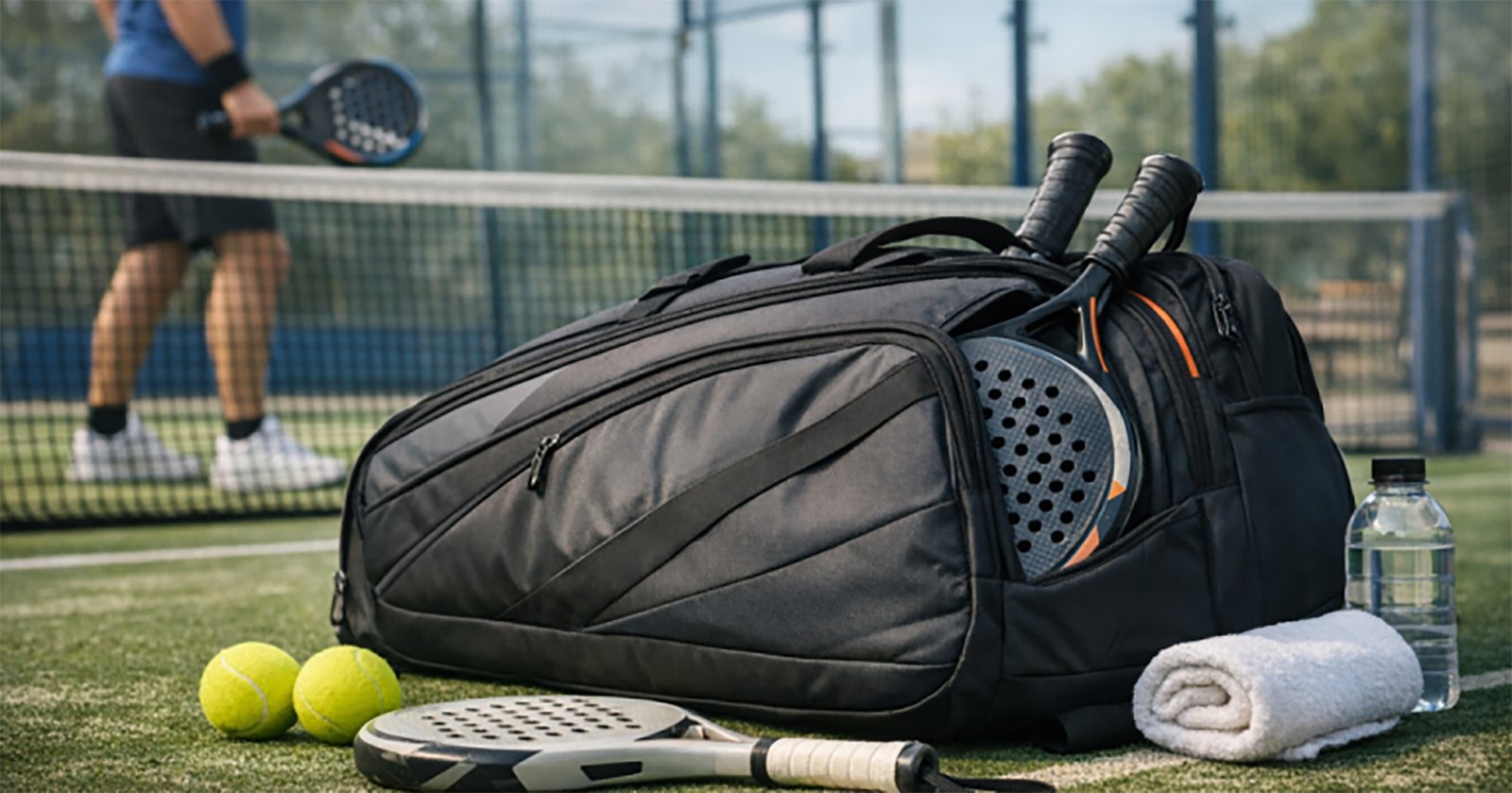
From the supplier side, I can say this demand is not only about more people playing. It is also about more specific purchasing scenarios. A club manager and a retail buyer may ask for “racket bags,” but after 10 minutes of discussion, their needs usually split apart.
What clubs usually ask first
Clubs often start with questions like:
- Can the bag handle frequent daily use?
- Can we add our logo for tournaments or academy programs?
- Can the bag hold rackets, shoes, towels, and water bottles together?
- Can you keep cost under control for larger quantity orders?
- Will the bag structure stay stable after repeated loading?
These are operational questions. Clubs are not usually chasing the most premium-looking trim. They care more about durability, easy storage, and fit-for-use.
What retailers usually ask first
Retailers tend to focus on a different set of issues:
- Which styles sell faster?
- What is the right mix by price point?
- Should we carry one professional-looking hero model or several simpler SKUs?
- Which colors and sizes reduce inventory risk?
- What level of features can justify a higher shelf price?
These are merchandising questions. Retailers need assortment logic, not just one impressive sample.
Why general racquet bags and padel bags get confused
This is one of the most common mistakes I see. A buyer assumes a general tennis or racquet bag can directly cover padel demand because the silhouette looks similar. But practical differences matter:
| Buying factor | General racquet bag | Padel-focused bag |
|---|---|---|
| Internal layout | Often racket-length led | More mixed-use layout |
| Daily carry style | Can be bulkier | Often better for club-to-court movement |
| Merchandising angle | Traditional racquet sports | More lifestyle-sport crossover |
| Accessory storage | Sometimes secondary | Often more integrated |
| End-use expectation | Performance transport | Hybrid sport + daily carry |
That does not mean one is better. It means they serve different buying logic.
Why feature inflation can hurt B2B buyers
I often tell buyers that more features do not automatically create more value. Extra zippers, molded panels, thermal layers, and oversized side pockets3 all sound attractive in a quotation sheet. But each addition changes:
- Material cost
- Sewing complexity
- Lead time
- Carton efficiency
- Final sell-through risk
If a club only needs practical team bags, overbuilding the product creates waste. If a retailer serves entry-level and mid-market channels, too much feature loading can make the price less competitive.
I have seen buyers reject a second quotation not because quality was poor, but because the first sample included too many details nobody truly needed.
That is why I always bring the conversation back to one question: Which bag setup fits this business model?
Should Buyers Choose a Backpack, Sling Bag, or Duffle?
Padel & racquet bags come in several common forms, but choosing only by appearance often causes buying mistakes. Clubs and retailers need to connect bag type to usage, carry habits, SKU strategy, and target price. The best-looking silhouette is not always the best commercial choice.
Buyers should choose a backpack, sling bag, or duffle based on how the bag will be used and sold. Backpacks work well for everyday convenience and mid-price retail4. Sling bags fit lighter carry needs and narrower assortments. Duffle-style bags suit clubs, team use, and buyers who need higher capacity with flexible storage5.
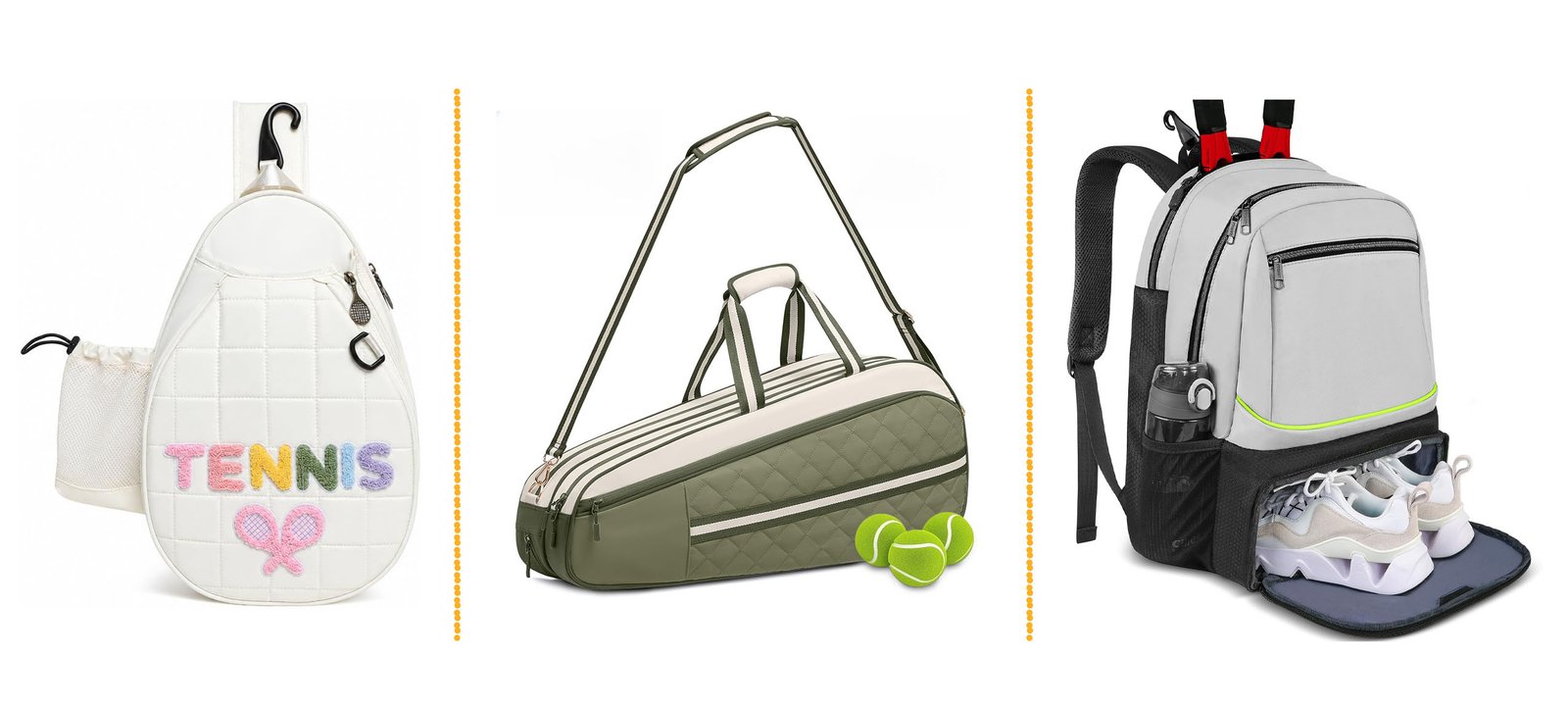
In real inquiries, this is often the point where the discussion becomes useful. A buyer may send one reference photo and ask for a quote, but the deeper issue is not whether we can copy the shape. The real issue is whether that shape supports the business case.
Backpack: strong for daily carry and broad retail appeal
Backpacks are often the safest choice when a retailer wants broad appeal. They are easy to display, easy to understand, and familiar to customers who already use backpacks for school, work, or gym.
Backpack strengths:
- Comfortable daily carry
- Good for entry to mid-price tiers
- Compact carton packing in many cases
- Easy to adapt with branded panels or color changes
- Suitable for mixed sport and lifestyle positioning
But backpacks also have limits. If the racket compartment is too shallow or the body is too narrow, the bag may look sporty but perform poorly in actual use.
Sling bag: niche but useful
Sling bags are not always the main volume item, but they can fit a specific role:
- Lightweight player use
- Event merchandise
- Add-on sales for clubs
- Smaller-format collections
Retailers should be careful here. Sling bags can be attractive, but they may not carry enough gear for some users6. So they often work better as a supporting SKU, not the core line.
Duffle: practical for clubs and team contexts
Duffle-style bags are often underestimated. For club programs, academy use, and tournament logistics, they offer practical flexibility:
- Larger main compartment
- Better separation for towels, clothing, and shoes
- Easier bulk loading
- Strong branding area
- Often better fit for repeated operational use
The trade-off is bulk. A duffle may cost more to ship and may not suit every retail shelf strategy.
Quick comparison for B2B buyers
| Bag type | Best for clubs | Best for retailers | Risk point |
|---|---|---|---|
| Backpack | Good | Very good | Can underperform if racket fit is poor |
| Sling bag | Limited | Selective | Too niche for broad assortment |
| Duffle | Very good | Good in targeted segments | Higher bulk and freight impact |
My practical advice is simple: do not choose one format just because it looks the most “professional.” For many buyers, a mix works better. For example:
- One entry backpack
- One upgraded backpack or compact racket bag
- One higher-capacity duffle for clubs or premium accounts
That kind of lineup often reduces cost-to-sell risk better than betting everything on one flagship model.
How Many Rackets Should a Padel Bag Hold?
Padel & racquet bags are often judged by capacity first, but that can mislead B2B buyers. Bigger is not always better. Capacity should reflect actual user habits, merchandising logic, and cost control. The right racket count depends on the business scenario.
A padel bag should usually hold 1 to 3 rackets for mainstream use7, while club-oriented or premium bags may support more. For most retailers, the safest commercial range is a practical 2-racket layout with room for accessories. For clubs, higher-capacity options make sense only when repeated operational use justifies the extra size and cost.
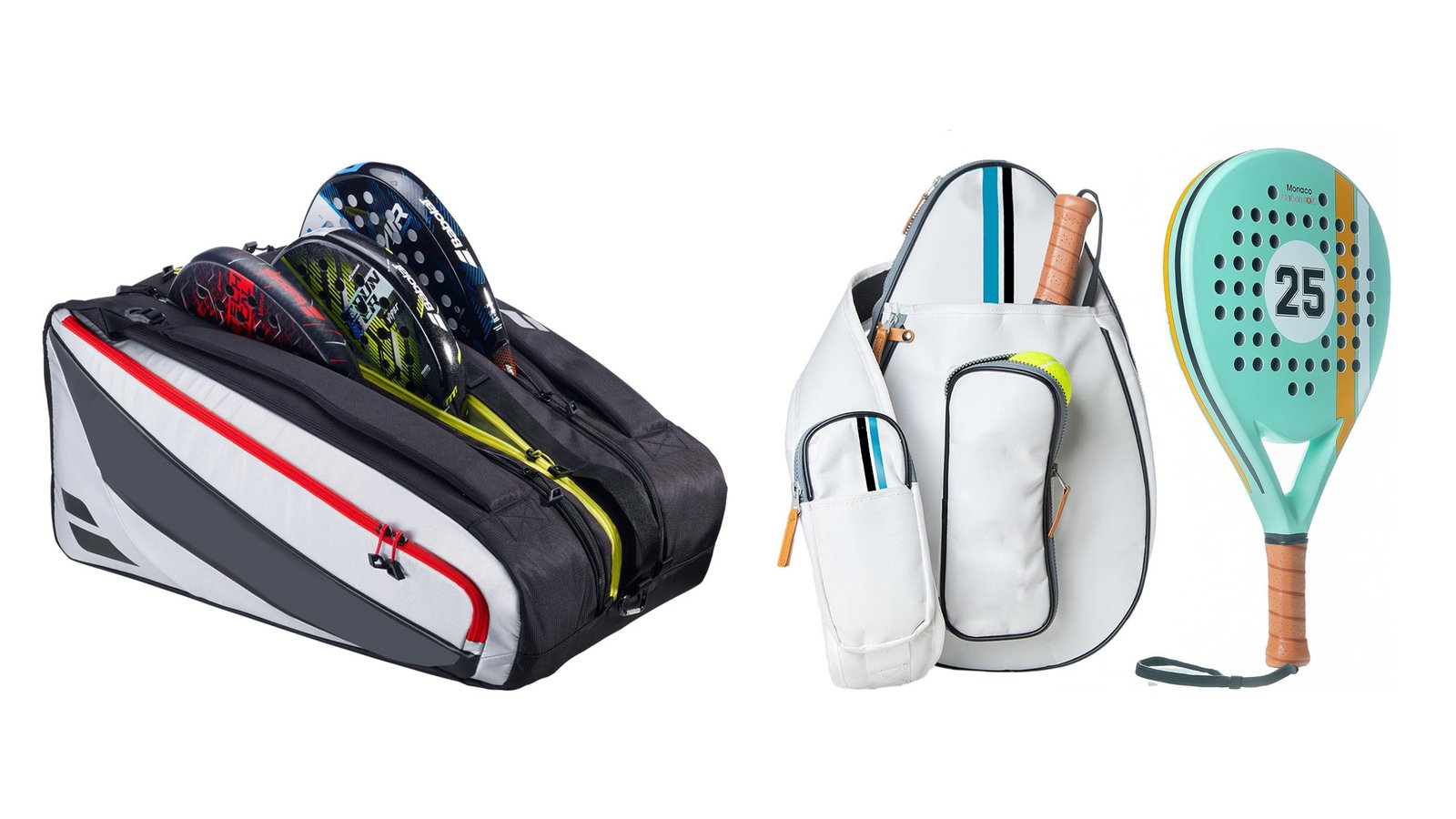
I often need to clarify this point with buyers. Many assume that a bag with the highest racket capacity must be the strongest offer. In reality, that logic can create dead stock or overbuilt products.
Why oversized capacity is not always valuable
A bag that holds more rackets usually needs:
- Larger body panels
- More reinforcement
- More structured shape
- Higher material usage
- More shipping volume
That increases cost. If the target user rarely carries that many rackets, the extra investment does not improve satisfaction.
Retail view: practical capacity sells better
For retailers, I usually see the best balance in bags designed around:
- 1 to 2 rackets for entry price bands
- 2 to 3 rackets for mid-tier bestsellers
- 3+ rackets only for selected premium or specialty SKUs
This is not a rule for all markets, but it is a useful framework. It matches what many buyers actually need: enough capacity without oversized visual bulk.
Club view: usage frequency matters more than maximum count
Clubs should look at a different question: how are the bags used?
If the bags are for:
- Team issue
- Coach use
- Tournament packs
- Academy daily operations
then higher capacity may be justified. But if the club is buying for resale, welcome kits, or lighter member use, a compact design may create better value.
Recommended capacity logic
| Buyer type | Safer capacity choice | When to go larger |
|---|---|---|
| Retailer | 2 rackets | Premium segment or specialist stores |
| Club operations | 2–3 rackets | Coach/team/tournament needs |
| Event merchandise | 1–2 rackets | Usually no need for oversized bags |
I have seen many quotations become more competitive once we reduce unnecessary size. The buyer gets better pricing, better carton efficiency, and often a cleaner design. That is why I always say capacity is only one part of the buying decision. The right capacity is the one that fits usage and turnover, not the one that sounds most impressive.
What Compartments Matter for Shoes, Towels, and Bottles?
Padel & racquet bags often look similar on the outside, but compartment layout changes the real value. Buyers who focus only on overall size can miss the details that affect user satisfaction, product returns, and cost. The right compartments depend on what the user actually carries.
The most important compartments in padel & racquet bags are a separated shoe section, an easy-access pocket for towels or clothing, and stable bottle storage. These features matter when they improve organization and hygiene without making the bag unnecessarily expensive, bulky, or difficult to manufacture.
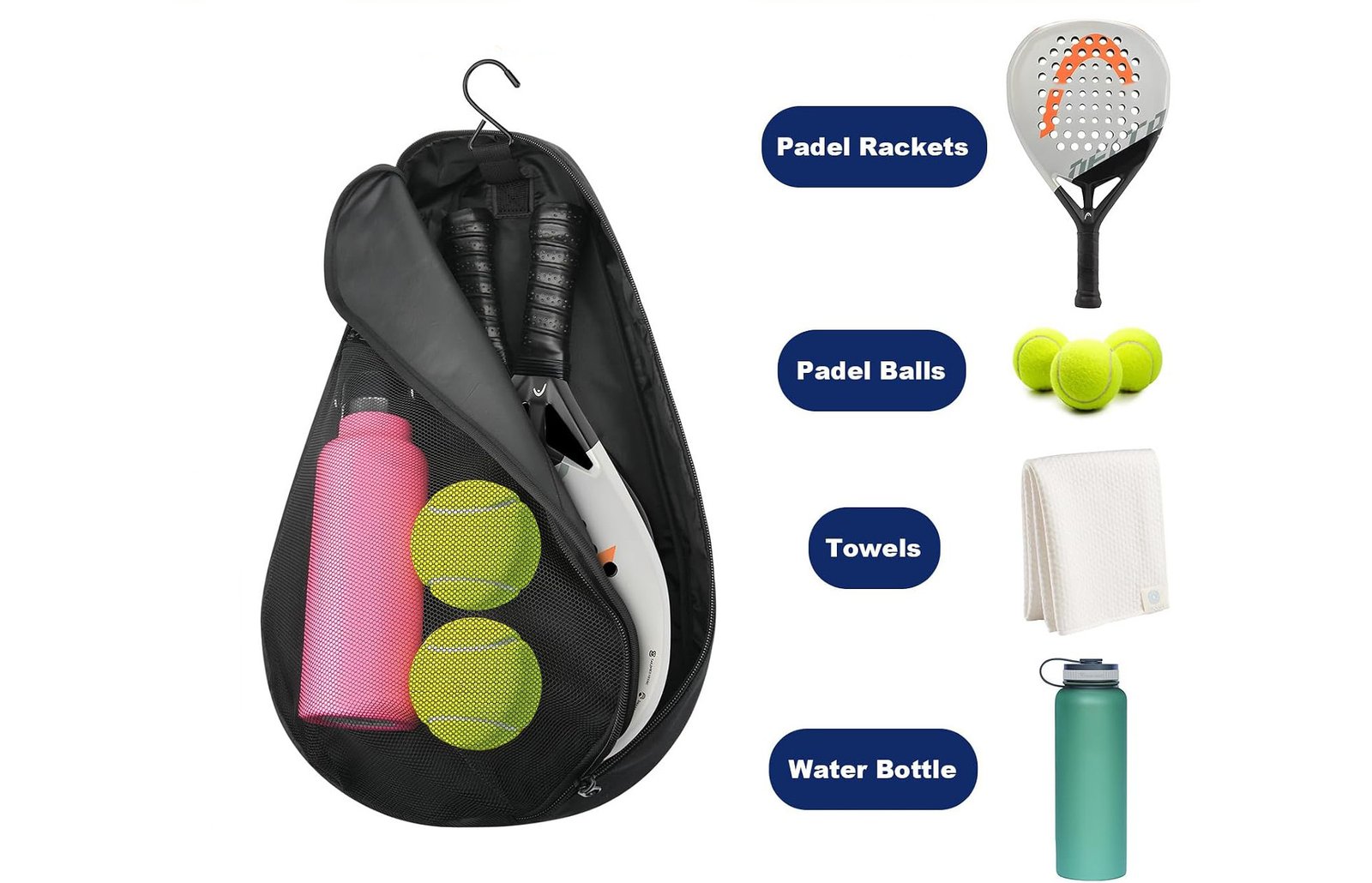
This is another area where buyers can overspecify. A feature list can become very long very quickly. But not every compartment adds real value.
The shoe compartment: useful, but not always essential
A separate shoe compartment is one of the most requested features, especially from clubs and higher-end retail accounts. It helps with:
- Hygiene
- Odor separation
- Cleaner storage for clothing and towels
- Better user perception of organization
Still, there is a trade-off. Shoe compartments often reduce usable main-compartment volume. If the bag is small, adding a rigid shoe section can make the rest of the bag less practical.
Towel and apparel storage: prioritize access
For towels and clothing, buyers often need simple, flexible space rather than heavy structure. I usually recommend:
- A wide-opening main compartment
- One internal mesh pocket or divider
- One front-access zip area for quick retrieval
That setup often works better than too many small internal pockets.
Bottle storage: simple and stable wins
Bottle storage matters because it affects convenience and leakage risk. In many cases, the best solution is still the simplest:
- Side bottle pocket with elastic hold
- Semi-enclosed pocket for cleaner appearance
- Inner upright sleeve if exterior design must stay sleek
A fancy bottle solution is rarely the deciding factor in B2B success. Stability and usability matter more than novelty.
Smart compartment planning by buyer type
| Feature | Clubs | Retailers |
|---|---|---|
| Separate shoe pocket | High value for repeated use | Good for mid/high tier |
| Towel compartment | Useful | Useful if easy to explain at shelf |
| Bottle holder | Practical | Good everyday appeal |
| Too many small pockets | Often unnecessary | Can confuse value perception |
A better way to evaluate compartments
I usually suggest buyers ask three questions before approving the layout:
- Does this compartment solve a real user problem?
- Does it justify the added cost?
- Does it improve sell-through or operational use?
If the answer is no, I would remove it.
In several development discussions, the final approved sample had fewer compartments than the first sketch. The result was lower cost, cleaner structure, and a better product.
That is why I never treat compartment count as a selling point by itself. Useful organization creates value. Complicated organization only creates cost.
How Can Clubs Customize Bags for Teams and Tournaments?
Padel & racquet bags give clubs a strong branding tool, but customization only works when the structure and order plan support it. Many clubs want team identity, sponsor exposure, and event consistency. The challenge is to customize without driving MOQ, cost, or lead time8 too high.
Clubs can customize padel & racquet bags through logo printing, embroidery, color matching, zipper pullers, lining details, and packaging. The best customization plan is usually a staged one: start with practical branding on a proven bag shape, then add deeper OEM or ODM elements only when volume and repeat orders justify them.
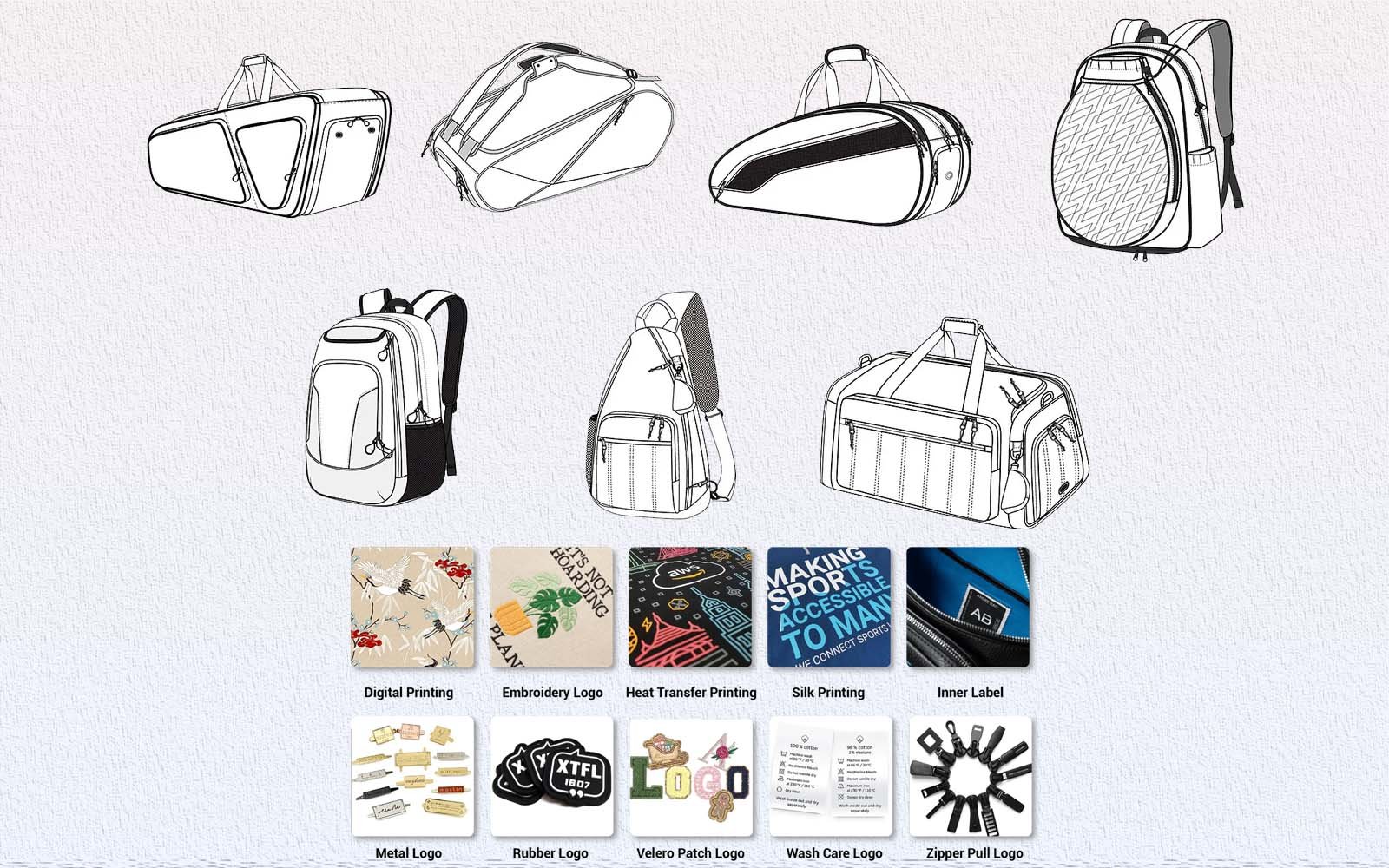
This is a very common discussion in my work. A club may begin by asking for “full custom,” but once we review quantity, delivery timing, and budget, a phased approach usually makes more sense.
Low-risk customization options
For many clubs, the safest starting points are:
- Screen print logo
- Heat transfer logo
- Embroidered badge
- Club color webbing or zipper puller
- Hangtag and packaging customization
These options create identity without rebuilding the whole bag.
Mid-level OEM customization
When the order volume is stronger, clubs can explore:
- Custom color panels
- Contrast lining
- Revised compartment layout
- Added team name section
- Sponsor branding zones
This level works well for academies, league teams, and recurring tournament programs.
Full ODM direction: only when justified
A fully new mold, shape, or structure can be valuable, but I usually caution buyers here. It makes sense when:
- The club group has repeated annual demand
- A distributor needs exclusive product
- The brand strategy is clear
- The quantity supports development cost
Otherwise, full customization can become expensive without creating enough practical return.
Customization decision table
| Custom level | Best for | Cost risk | Speed |
|---|---|---|---|
| Logo-only | Clubs testing demand | Low | Fast |
| Color and trim changes | Recurring programs | Medium | Moderate |
| Full OEM/ODM structure | Large-scale long-term projects | Higher | Slower |
My advice from real buyer conversations
Many buyers think full customization shows strength. Sometimes it does. But often the smarter move is to customize selectively:
- Put budget into visible branding
- Keep proven structure
- Control MOQ
- Protect delivery schedule
- Test repeat demand before deeper changes
That approach is especially useful for clubs managing tournament dates or seasonal enrollment cycles. A late delivery can damage the whole program9, even if the bag looks excellent.
I always prefer a bag that arrives on time, fits the real use case, and supports the club’s brand clearly over a highly customized bag that creates avoidable risk.
Frequently Asked Questions
Are padel bags and tennis racquet bags the same?
Not exactly. They can look similar, but layout, carry style, and storage priorities may differ. For B2B buyers, that difference matters because the wrong structure can reduce usability, increase cost, or weaken sell-through in the target market.
What is the best padel bag style for retailers?
There is no single best style. In most cases, retailers do better with a small assortment: one entry backpack, one mid-tier racket bag, and one larger premium or duffle option. That mix spreads price points and reduces inventory risk.
Only if those features match actual use. Clubs usually benefit more from durable materials, practical compartments, and reliable construction than from decorative trims or oversized premium styling that adds cost without improving daily operations.
How important is customization for club bag orders?
Customization is important when it supports team identity, sponsor visibility, or event branding. Still, I usually recommend starting with logo and color customization first. That keeps the project efficient and lowers cost and lead-time pressure.
What should buyers check before requesting a quotation?
Buyers should define usage scenario, target price, expected capacity, required compartments, branding level, and quantity. These points help suppliers quote accurately and avoid unnecessary revisions, delays, or overdesigned samples.
Conclusion
Padel & racquet bags are not a one-model category for serious B2B buyers. Clubs need dependable, fit-for-use bags for repeated operations. Retailers need a smart assortment that matches price bands and sell-through logic. In my experience, the best purchase decision comes from balancing structure, compartments, customization, and cost risk instead of chasing the biggest or most feature-heavy design. If you are planning your next bag program, contact Coraggio at info@coraggiobag.com and let me help you build a practical OEM or ODM bag range for your market.
"FIP World Padel Report 2025", https://www.padelfip.com/world-padel-report-2025/. International padel federation reports and related market analyses describe sustained growth in player participation and club infrastructure, conditions that generally increase demand for sport-specific accessories such as racket bags; however, such sources usually support the demand trend indirectly rather than measuring bag sales alone. Evidence role: general_support; source type: institution. Supports: Recent reports from international padel bodies and market analyses should document rising participation and club development, which plausibly increase demand for sport-specific bags and accessories.. Scope note: Support is contextual unless the source reports bag-category sales directly. ↩
"Increasing the Post-Use Cleaning of Gym Equipment Using Prompts and ...", https://pmc.ncbi.nlm.nih.gov/articles/PMC6269393/. Research on sports-bag use and product design commonly identifies compartmentalization for equipment protection, separation of footwear from clean items, and carrying convenience as salient user requirements, supporting the article's feature priorities for racket-sport bags. Evidence role: general_support; source type: research. Supports: Studies or design references on sports bag use should show that protective storage, separation of shoes from clothing, and convenient carry are recurrent user requirements in athletic bags.. Scope note: Such evidence may concern athletic bags broadly rather than padel bags specifically. ↩
"Relationship between manufacturing complexity, strategy, and ... - PMC", https://pmc.ncbi.nlm.nih.gov/articles/PMC8214087/. Manufacturing and operations studies on soft goods show that higher component counts and more complex constructions generally increase material consumption, sewing time, and packing inefficiency, which can raise unit cost and extend lead times. Evidence role: mechanism; source type: paper. Supports: Operations or product-development literature should explain that additional components and structural complexity increase assembly steps, material usage, and logistics burden.. Scope note: The exact effect size varies by factory process and bag design. ↩
"Effects of School-Based Educational Program on Backpack Carrying ...", https://pmc.ncbi.nlm.nih.gov/articles/PMC8969496/. Consumer-use and ergonomics research consistently treats the backpack as a common daily-carry format because it distributes load on the back and leaves the hands free, which supports its broad retail appeal for everyday use. Evidence role: general_support; source type: research. Supports: Consumer and ergonomics research should support the idea that backpacks are widely used for daily carry because of convenience and familiar form factor.. Scope note: This evidence supports general daily-carry suitability more directly than any specific mid-price merchandising outcome. ↩
"Durable Equipment Bags for Athletes Across the USA", https://www.athleticstuff.com/equipment-storage/equipment-bags/?srsltid=AfmBOorvq5VraoCI9ISquYBxbMzMDIw0AGvk-vVpinoK5PkjO-MVoNYg. Sports-equipment transport references commonly describe duffle bags as suitable for carrying bulky or mixed items because their large central compartments provide flexible storage, a characteristic consistent with club and team-use scenarios. Evidence role: general_support; source type: research. Supports: Sources on sports equipment transport should support that duffle bags are commonly used when larger, flexible main compartments are preferred for team or multi-item carrying.. Scope note: Such sources may discuss sports luggage generally rather than padel-specific purchasing. ↩
"Impact of Backpacks on Ergonomics: Biomechanical and Physiological ...", https://pmc.ncbi.nlm.nih.gov/articles/PMC9180465/. Ergonomics and product-design references generally describe sling bags as lower-volume, single-shoulder carry formats, which can limit their suitability for users who need to transport larger or more varied equipment loads. Evidence role: mechanism; source type: education. Supports: Ergonomic or product-design sources should show that sling bags typically have smaller volume and asymmetric load characteristics, limiting how much gear they comfortably carry.. Scope note: This is a general design principle and does not establish the capacity of every sling bag model. ↩
"Padel", https://en.wikipedia.org/wiki/Padel. General product-category references for padel bags commonly describe standard consumer models as carrying a small number of rackets, often in the one-to-three range, which supports the article's mainstream capacity framing. Evidence role: general_support; source type: other. Supports: Neutral product-category references should show that common padel bag designs are typically marketed for carrying a small number of rackets, often around one to three in standard-use formats.. Scope note: Category overviews may summarize common commercial practice rather than establish a formal standard. ↩
"Why Focusing on Lead Time—Not Just Efficiency—Drives Success", https://interpro.wisc.edu/lead-time-drives-manufacturing-success/. Operations and mass-customization research shows that greater product customization commonly increases setup complexity and sourcing variability, which can raise costs and extend lead times; minimum order constraints may also increase when custom materials or trims are required. Evidence role: mechanism; source type: paper. Supports: Operations-management literature should explain that customization increases setup complexity, supplier coordination, and procurement variation, often affecting MOQ, cost, and delivery time.. Scope note: The effect depends on supplier capabilities and the extent of customization. ↩
"(PDF) What is the value of delivering on time?", https://www.academia.edu/113673850/What_is_the_value_of_delivering_on_time. Supply-chain research consistently finds that on-time delivery is critical in seasonal and event-based programs because missed delivery windows can reduce product usefulness, sales opportunity, or program effectiveness once the relevant date has passed. Evidence role: general_support; source type: paper. Supports: Supply-chain and retail-operations studies should support that late deliveries are particularly damaging in seasonal or event-dependent programs because the selling or usage window is fixed.. Scope note: This evidence is general to time-sensitive programs and may not refer specifically to club bag orders. ↩