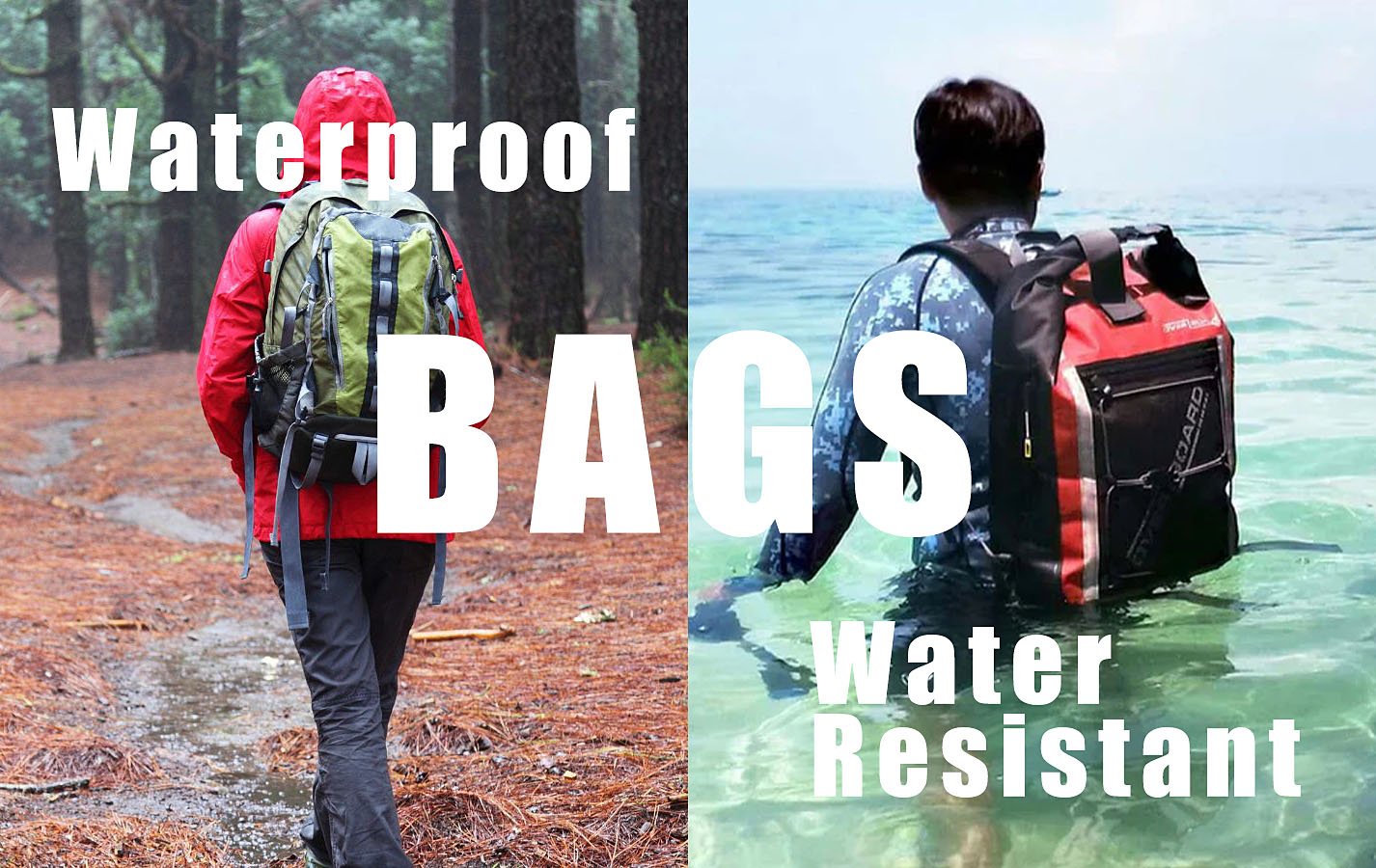
Choosing between waterproof and water-resistant bags1 confuses many buyers. If you pick the wrong spec, you risk high costs or angry customers. Let me clear this up for you.
Water-resistant bags resist light rain using coatings like DWR, making them cheaper to produce. Waterproof bags use heat-welded seams2 to stop water during full submersion. You should source water-resistant for urban use and waterproof for extreme outdoor sports to maximize your profit margins.
I have seen many buyers make mistakes here. They overpay for features they do not need. Or they sell "waterproof" bags that leak. I want to help you avoid these expensive errors. Read on to understand the technical details that save you money.
What Are the Technical Differences Between IPX Ratings and DWR Coatings?
You see terms like IPX and DWR on spec sheets often. Do you really know what they mean for your product quality?
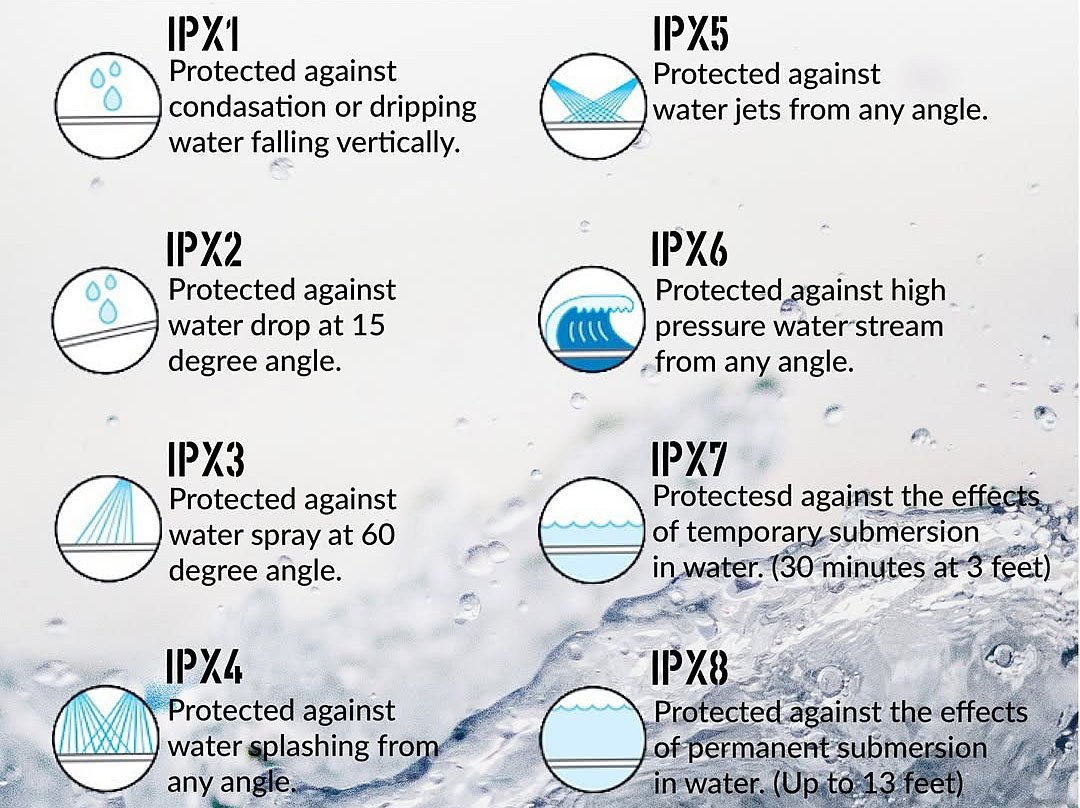
DWR is a chemical spray that makes water bead up on fabric. It is not permanent. IPX ratings3 measure how well a bag stops water under pressure. Higher IPX numbers mean better protection against submersion.
When we talk about bag manufacturing, the difference between these two standards is huge. It changes the materials we buy and the way we test the final product. I want you to understand this clearly so you can talk to your suppliers with confidence.
First, let's look at DWR (Durable Water Repellent4). This is a finish we apply to the outside of fabrics like Nylon or Polyester. It prevents the outer layer from soaking up water. You will see water form little beads and roll off. However, this is not a waterproof barrier. Heavy rain will push through it. Also, DWR wears off over time. It is good for school bags or cosmetic bags, but not for kayaking gear.
Second, we have IPX Ratings. This is an international standard. It tells you exactly how much water a bag can handle. If you want to sell a "Dry Bag," you need to look at IPX6 or IPX7.
Here is a simple breakdown of the ratings I use in my factory:
| Rating | What it means | Best Use Case |
|---|---|---|
| IPX3 | Spraying water (rain) | Commuting Backpacks |
| IPX4 | Splashing water | Hiking Daypacks |
| IPX6 | Powerful water jets | Boat Bags / Deck Bags |
| IPX7 | Immersion (1 meter for 30 min) | River Trekking / Kayaking |
If your customer just walks to work, DWR is enough. If your customer drops their bag in a lake, you need an IPX7 rating. Do not ask for IPX7 if you only need rain protection. It will cost you too much money.
How Do Heat-Welded Seams vs. Traditional Stitching Impact Your Production Costs?
Production methods change your final price significantly. Are you paying for expensive manufacturing that your market does not actually require?
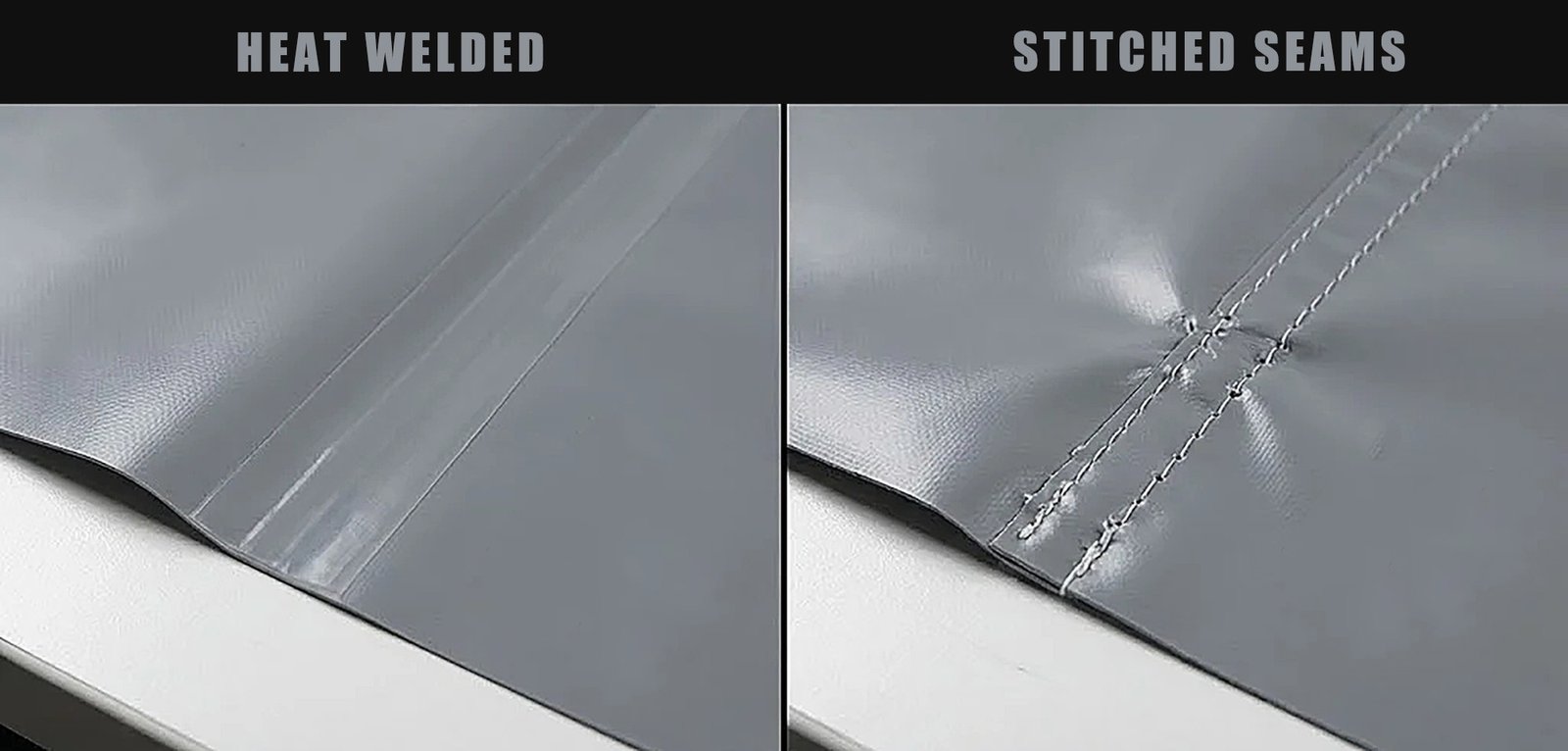
Traditional stitching punches holes in fabric, requiring tape to seal. This is cheaper. Heat-welding melts TPU materials together without holes. This requires expensive molds and machines, raising your unit cost but guaranteeing leak-proof performance.
The way we join two pieces of fabric defines the bag's performance and its price. In my 15 years of manufacturing, I have seen buyers request welded seams for simple tote bags. This is a waste of budget. You need to understand the mechanics behind these two methods.
Traditional Stitching is what you see on most clothes and backpacks. A needle punches a hole and pulls a thread through.
- Pros: It is fast. We can change designs quickly. It is cheap.
- Cons: Every needle hole is a place where water can enter.
- The Fix: We can use "seam taping5." We glue a waterproof tape over the stitches on the inside. This makes it water-resistant, but rarely 100% waterproof under pressure.
High-Frequency (HF) Welding6 is different. We do not use needles. We use a machine that uses electromagnetic energy to melt the material. The two pieces of fabric become one single piece.
- Pros: It is 100% airtight and waterproof. It is very strong.
- Cons: It is expensive. We need to make specific copper molds for every shape.
- The Cost Factor: If you want a welded bag, you must pay for the mold. This can cost hundreds of dollars per size. Also, the Minimum Order Quantity (MOQ)7 is usually higher because setting up the machine takes time.
Here is how the costs compare in a real production environment:
| Feature | Stitched Bag | Welded Bag |
|---|---|---|
| Machine Type | Sewing Machine | HF Welding Machine |
| Setup Cost | Low | High (Molds required) |
| Production Speed | Fast | Slower |
| Labor Skill | Medium | High |
| Waterproof Level | Low to Medium | High |
If you are sourcing a promotion bag with a low budget, choose stitching. If you are building a high-end outdoor brand, choose welding.
Should You Source Water-Resistant or Fully Waterproof Bags for Your Specific Niche?
Every niche has different expectations for performance. If you sell to the wrong crowd, your brand reputation will suffer quickly.
Source water-resistant bags1 for school, commuting, or light hiking markets where price matters most. Source fully waterproof bags8 for kayaking, fishing, or motorcycle markets where gear protection is vital and customers pay premium prices.
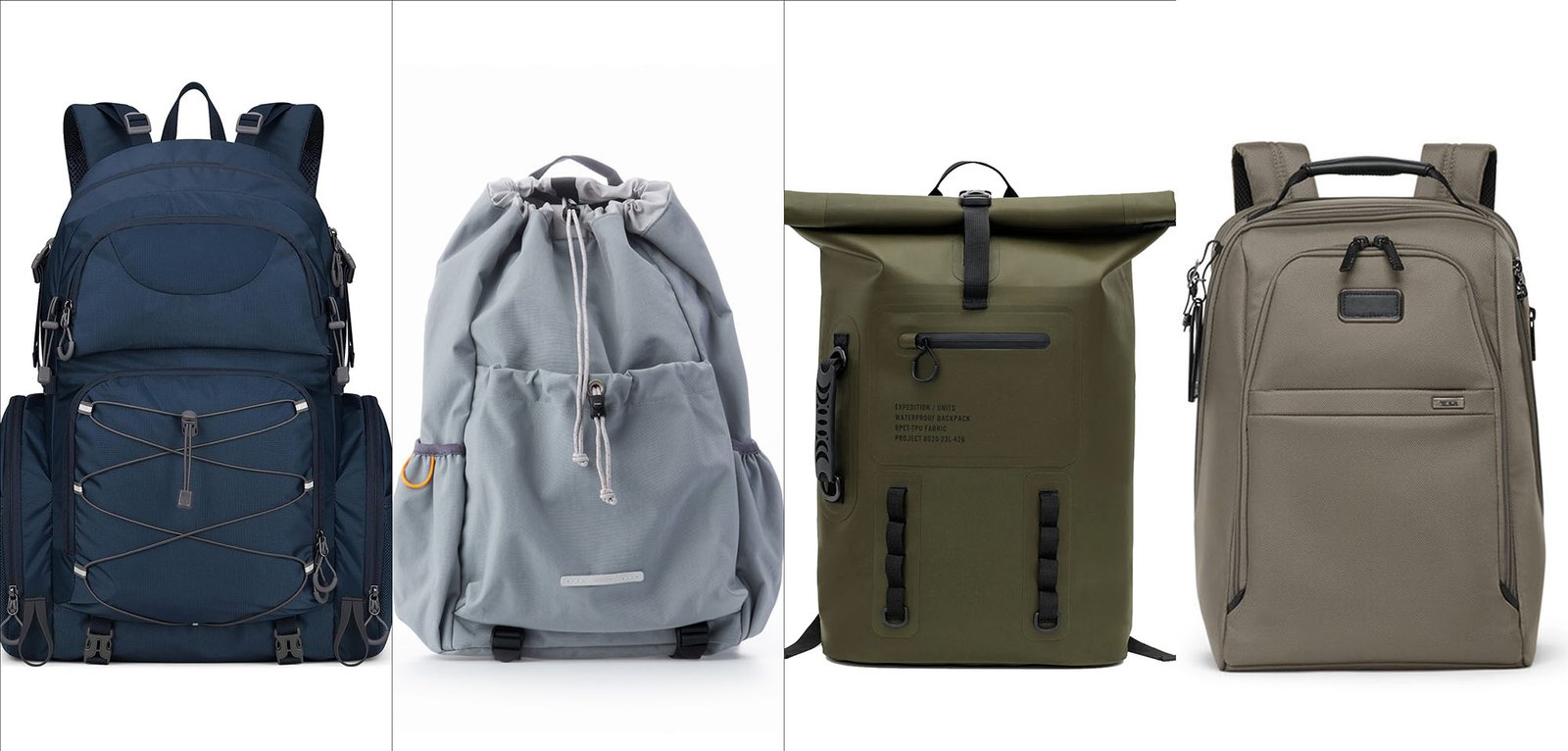
You must align your product specs with your customer's pain points. I often advise my clients to think about the "worst-case scenario" for their end-user. This critical thinking helps you decide on the right product.
Let's look at the Urban Commuter9. This person carries a laptop and papers. They might get caught in a rain shower for 10 minutes while walking to the bus.
- Requirement: The bag needs to shed rain.
- Recommendation: A Polyester backpack with a PU coating and DWR finish.
- Why: It is lightweight and looks like fabric. Welded bags often look like plastic and are too stiff for daily office use. The cost is low, allowing you a good retail margin.
Now, look at the Adventure Traveler10. This person goes kayaking or rides a motorcycle through a storm. Their gear might fall into the water.
- Requirement: The bag must stay dry even if submerged.
- Recommendation: A 500D PVC Tarpaulin Dry Bag11://www.dawnjoint.com/comprehensive-guide-waterproof-bag-materials/)12 Dry Bag with welded seams and a roll-top closure.
- Why: If their sleeping bag gets wet, their trip is ruined. They are willing to pay a premium price for this security. Stitching will fail here.
I once had a client who wanted to make a "Waterproof School Bag" for kids using heavy PVC tarpaulin. I told him no. It was too heavy for a child, and the material was too stiff to open easily. We switched to a water-resistant nylon with a rain cover. It sold very well.
Ask yourself these three questions:
- Will the user be fully submerged in water?
- Does the user care more about weight or protection?
- What is the target retail price?
If the answer to #1 is "No," stick to water-resistant. You will save money and offer a more comfortable product.
What Are the Crucial Testing Standards for Waterproof Bags Before Mass Production?
A factory might claim a bag is waterproof. How can you be sure before you ship thousands of units?
You must demand air-inflation testing13 for welded bags. We inflate the bag and check for leaks underwater. For stitched bags, use the spray test (AATCC 22) to check water repellency. Never skip these steps.
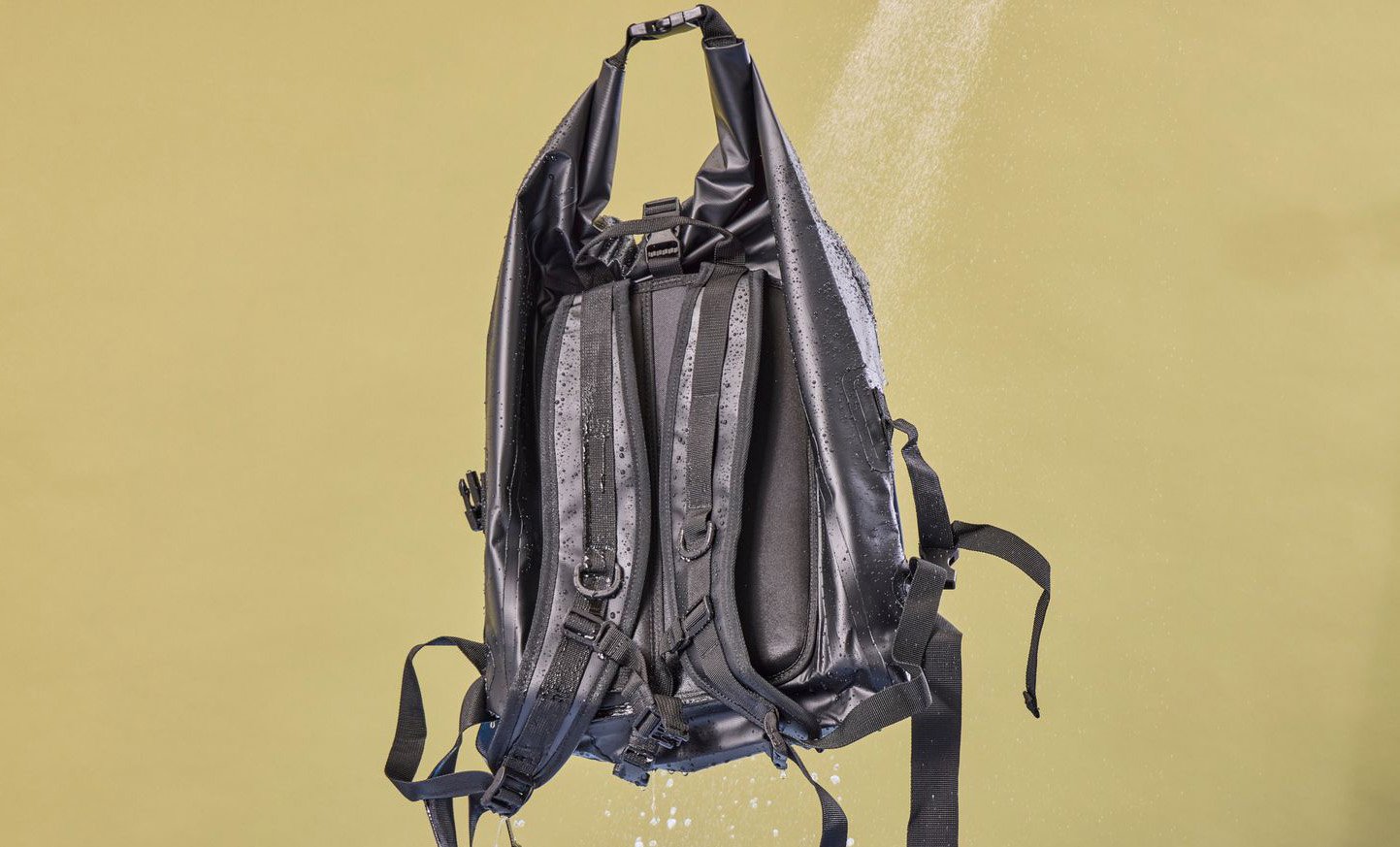
Quality control is where you protect your investment. In China, many factories say "waterproof," but their standards vary. As a buyer, you need to set the standard. You cannot just look at the bag; you have to test it.
For Welded Waterproof Bags, the most effective test is the Air Inflation Test. This is how we do it in my factory:
- We seal the bag and fill it with compressed air.
- We leave it for 24 hours.
- If the bag is soft the next day, it has a leak.
- For a faster test during production, we inflate the bag and submerge it in a water tank. If we see bubbles coming from a seam, that unit is defective.
I recommend you set an AQL (Acceptable Quality Limit) of 2.514 or even stricter for leakage. A leaking dry bag is a total failure for your customer.
For Water-Resistant Stitched Bags, we use the Spray Test (AATCC 22)15.
- We stretch the fabric sample on a ring.
- We spray a specific amount of water at a 45-degree angle.
- We compare the wet pattern to a standard chart.
- A score of 90 or 100 is good. A score below 80 means the DWR coating is poor.
Hydrostatic Head Test16 is another one for fabrics. This measures how much water pressure a fabric can take before water passes through.
- Raincoat level: 2,000mm.
- Tent floor level: 5,000mm+.
- Good Dry Bag: 10,000mm+.
When you hire a third-party inspector, give them these specific instructions. Do not just say "check quality." Say "Perform air retention test on 10% of units." This ensures you get what you paid for.
Which Bag Material Offers the Best Balance Between Performance and Profit Margin?
Material choice is the biggest factor in your unit price. Picking the right fabric protects your margins and your quality.
PVC tarpaulin is heavy but cheap and very waterproof. TPU is lighter, stronger, and eco-friendly, but costs more. Polyester with PU coating is the cheapest option for water resistance but cannot handle submersion.
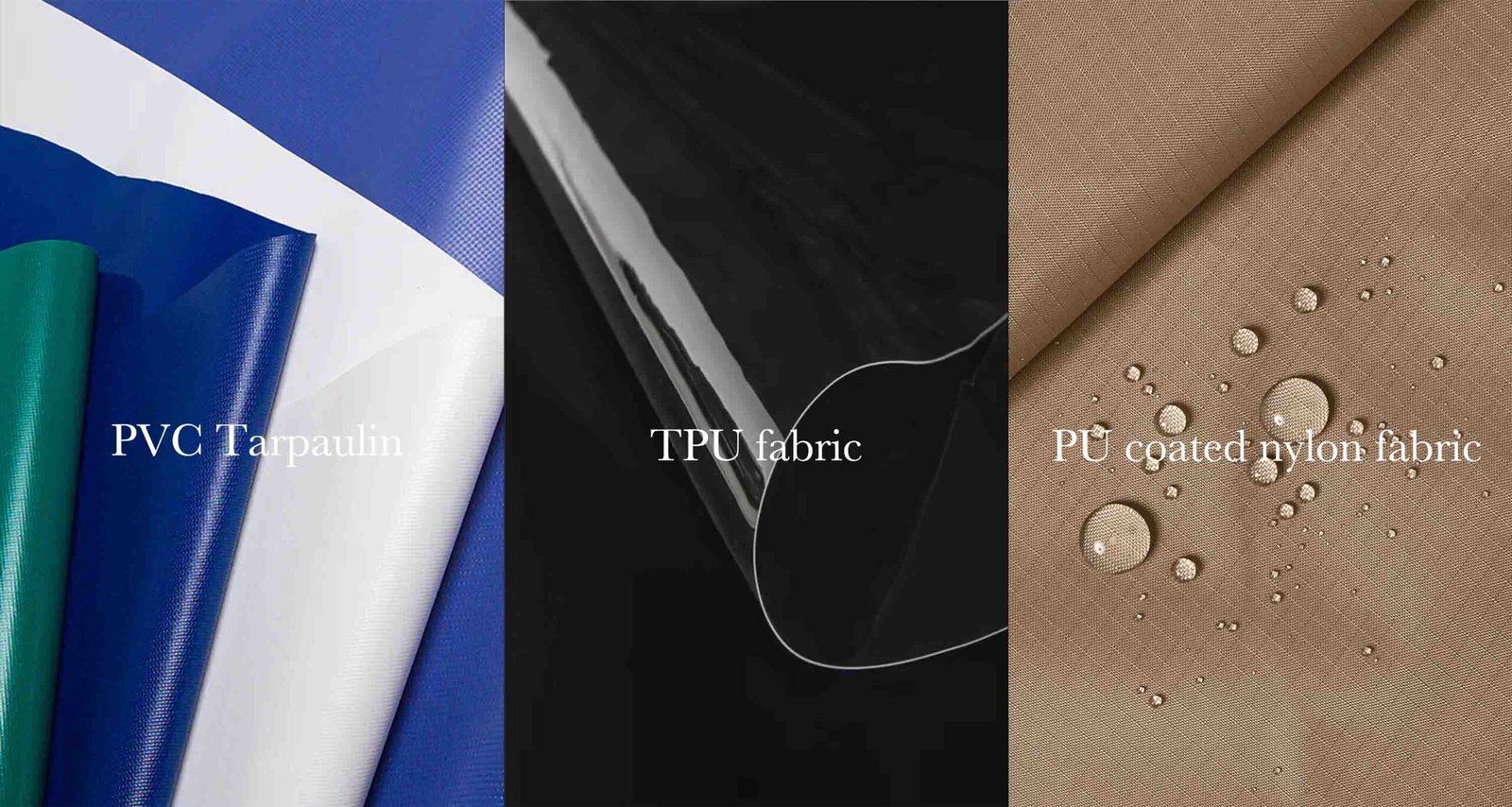
The raw material accounts for about 50% to 60% of the total bag cost. If you choose the wrong material, you might price yourself out of the market. Or, you might choose a cheap material that cracks in the cold.
Here are the three main contenders I work with every day:
1. PVC Tarpaulin12 (The Workhorse)
- Characteristics: It feels like rubberized plastic. It usually has a mesh in the middle for strength.
- Cost: Low.
- Performance: Excellent waterproofing. Very durable.
- Drawback: It contains Phthalates (unless you request REACH standard). It gets stiff in very cold weather.
- Verdict: Best for heavy-duty dry bags, industrial gear, and budget-friendly outdoor brands.
2. TPU (Thermoplastic Polyurethane)17 (The Premium Choice)
- Characteristics: Smooth, flexible, and soft to the touch.
- Cost: High (often double the price of PVC).
- Performance: Excellent waterproofing. Abrasion-resistant. Eco-friendly and biodegradable.
- Benefit: It stays flexible even in freezing temperatures.
- Verdict: Best for high-end medical bags, premium coolers, and food-grade bags. If you sell to Europe, this is often the preferred choice due to environmental regulations.
3. PU Coated Nylon/Polyester18 (The Lightweight Option)
- Characteristics: Looks like regular fabric but has a waterproof layer on the back.
- Cost: Medium.
- Performance: Good for rain, but less durable against rocks and sharp objects than tarpaulin.
- Verdict: Best for lightweight camping gear, waterproof backpacks, and cycling panniers.
Comparison Table for ROI:
| Material | Waterproofing | Durability | Cost | Eco-Friendly | Best ROI For |
|---|---|---|---|---|---|
| 500D PVC | High | High | $ | Low | Mass Market Dry Bags |
| 420D TPU | High | Very High | $$$ | High | Premium / Food / Medical |
| 600D Poly (PU) | Medium | Medium | $ | Medium | General Daily Use |
My advice? Start with PVC if you are testing a new market. It offers the safest entry point. Move to TPU if your brand focuses on sustainability or high performance.
Conclusion
Choose water-resistant bags1 for general use to save costs. Choose waterproof welded bags for water sports. Balance your material costs against the specific needs of your customer to maximize profit.
Helps you tailor bag specs to real-world use so you avoid overpaying for performance customers don’t need while protecting your profit margins. ↩
Shows how welded seams influence waterproof integrity and price, helping you decide when the extra cost is justified for your niche. ↩
Lets you match rating levels to your market’s worst-case scenarios, ensuring your product claims align with measurable standards. ↩
Gives you technical insight to discuss finishes with suppliers and specify the right treatments on your tech packs and POs. ↩
Helps you decide when to add taping, what performance gains to expect, and how it affects cost and quality claims. ↩
Deepens your understanding of HF welding so you can justify mold investments and MOQ requirements for premium waterproof lines. ↩
Prepares you for negotiation with factories by explaining setup costs and how MOQ impacts your launch budget and pricing. ↩
Clarifies which construction features actually deliver submersion-proof performance so you can confidently market bags as truly waterproof. ↩
Lets you design commuter bags that balance style, weight, and rain protection, leading to better adoption and fewer returns. ↩
Guides you in prioritizing submersion protection and durability for customers who demand reliable gear in harsh conditions. ↩
Reveals why this construction dominates kayaking and rafting markets, guiding your material and design choices for these niches. ↩
Clarifies performance, cost, and regulation issues so you can balance durability, price, and compliance in your sourcing. ↩
Shows you how to specify reliable leak tests so you catch failures before shipment and protect your brand reputation. ↩
Teaches you to set realistic yet strict acceptance levels so you control defect rates and maintain consistent product quality. ↩
Helps you standardize QC for water-resistant bags using a recognized test, reducing disputes with factories about performance. ↩
Gives you concrete pressure metrics to compare fabrics, ensuring you choose materials that match your product promise. ↩
Explains TPU’s eco and performance advantages so you can justify higher prices to sustainability-focused or high-end customers. ↩
Helps you understand where PU-coated fabrics excel and where they fail, avoiding misuse in high-submersion applications. ↩