A handbag can look complete in photos, yet feel unfinished in the box. I see this problem often when packaging is treated as an afterthought.
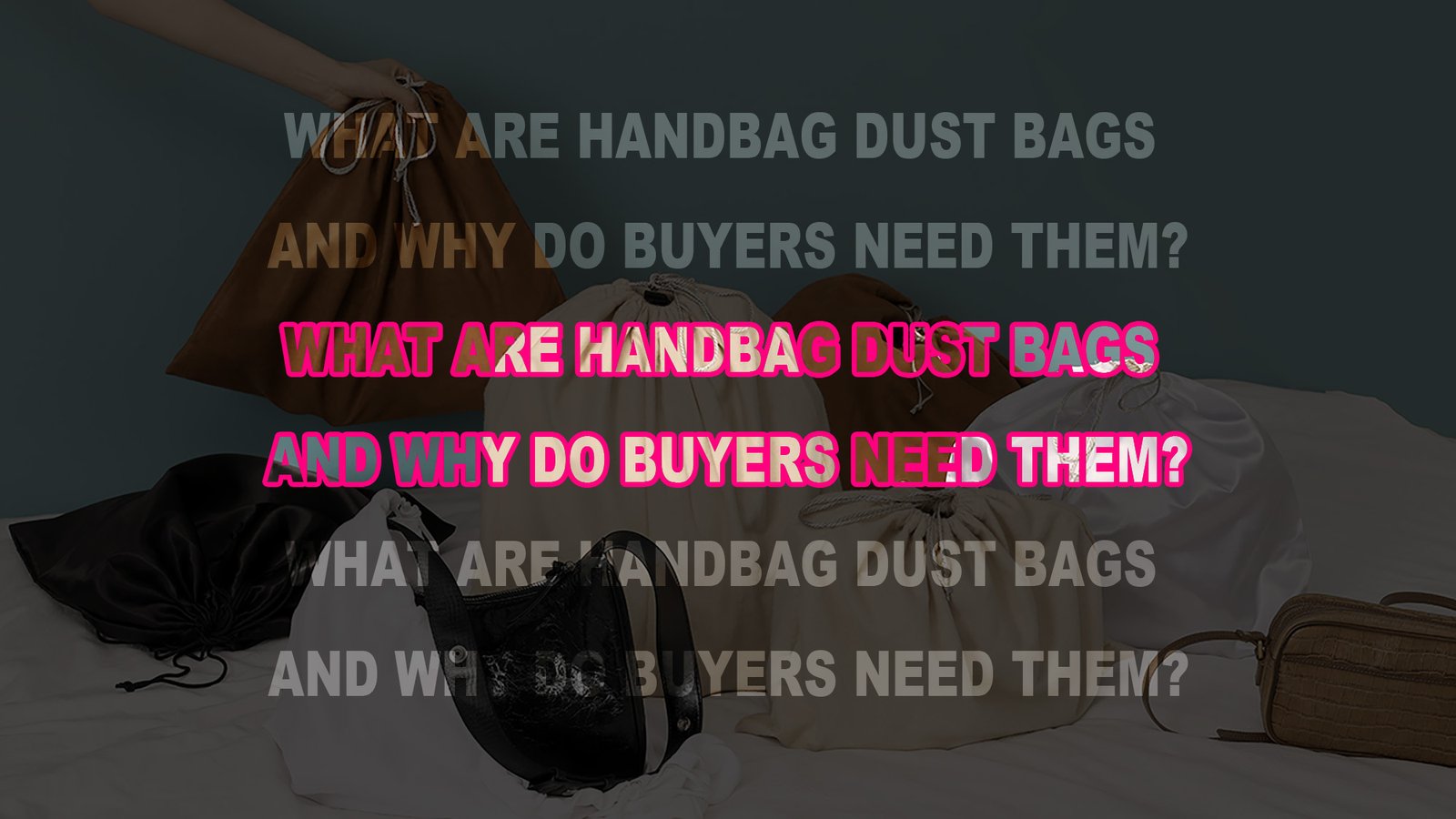
A handbag dust bag is a soft protective and presentation bag used to store, ship, and display a handbag.1 I see buyers need it when the product position, retail price, and brand image require better packaging completeness, not only basic dust protection.
I often hear one question first: “How much is the dust bag?” I understand why buyers ask this. Cost matters in every bulk handbag order. Still, I think the better question is different. I would ask, “Does this handbag project need a dust bag, and what dust bag specification fits the product positioning?” That question helps me look at the handbag, the customer group, the retail channel, the budget, the logo plan, and the delivery plan together. A dust bag is not just a free accessory. It is a packaging configuration choice.
What Is a Handbag Dust Bag Used For?
A handbag loses value fast when storage and packing look careless.2 I see dust bags used to make the product feel protected and complete.
A handbag dust bag is used to cover the handbag during storage, shipping, retail handling, and customer use. I usually see it added for mid-range, premium, gift, and private label handbag orders where packaging presentation matters.3
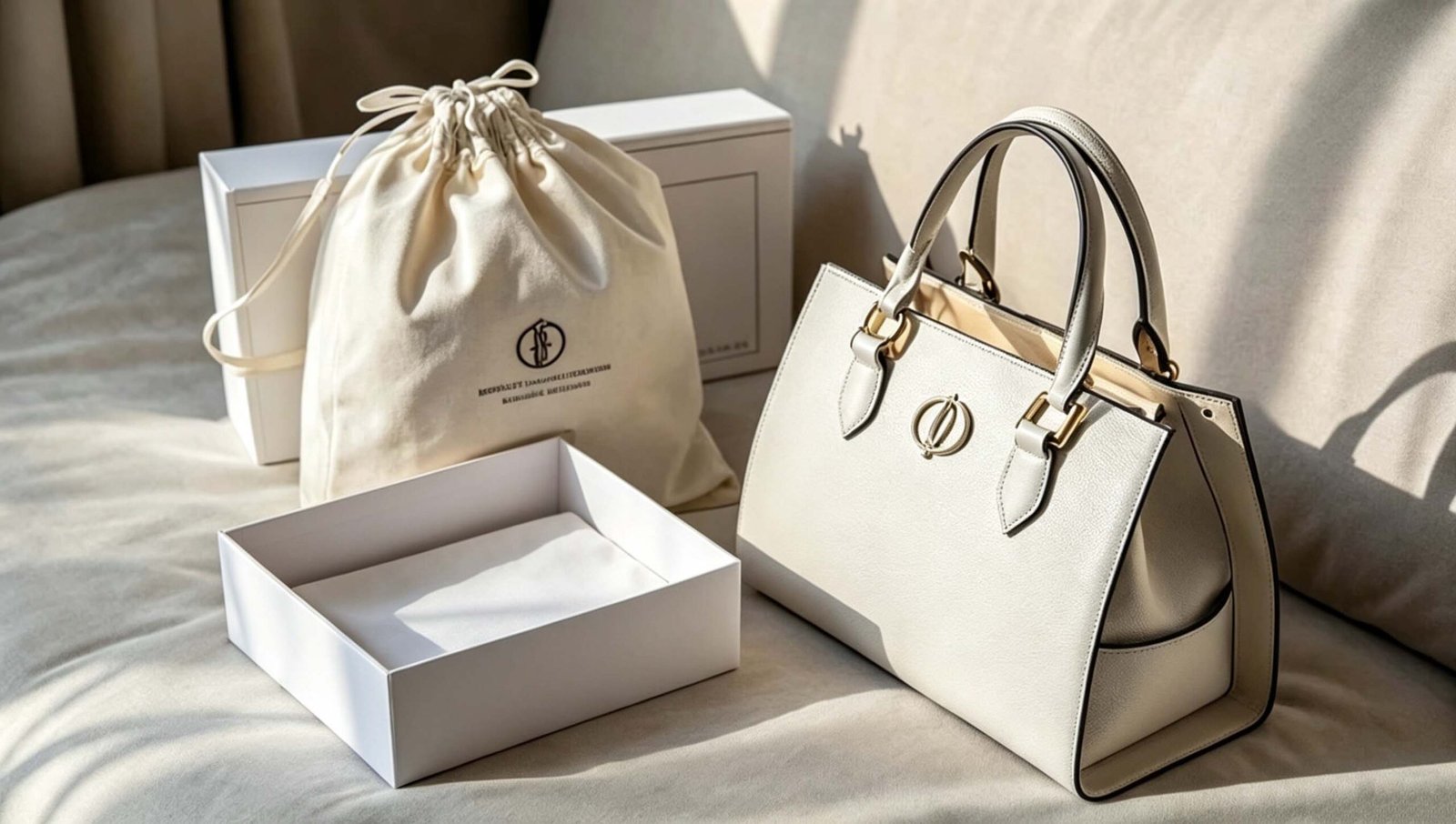
How do I define the real use in a bulk handbag order?
I do not see a dust bag as only a cloth cover. I see it as one part of the full handbag package. In my daily work with OEM and ODM orders, I check how the handbag will be sold before I suggest a dust bag. A handbag for a discount promotion may not need one. A handbag for a boutique, department store, online brand, or gift set may need one because the buyer wants a more complete customer experience. The dust bag also helps separate the handbag from cartons, paper, other bags, and packing materials during delivery. It can reduce direct contact, which is useful for surface protection.4 It also gives the customer a simple storage item after purchase. This use is practical, but it is also about feeling. When a customer opens a box and sees a clean dust bag with a logo, the handbag can feel more considered.5
| Use case | Why I may suggest a dust bag | When I may not suggest it |
|---|---|---|
| Mid-to-high-end handbag | It supports product presentation | If the buyer uses another premium package |
| Gift handbag | It makes the set feel more complete | If the gift box already covers the need |
| Online retail order | It helps the unboxing feel cleaner | If the price point is very low |
| Promotion handbag | It may add too much cost | If the main goal is only the lowest price |
| Private label handbag | It supports the brand image | If the buyer wants plain bulk packing only |
Why Are Dust Bags Important for Handbag Protection?
A handbag can be well made, but poor packing can create small marks before sale. I see this risk most in bulk shipping.
Dust bags are important because they add a soft layer between the handbag and the outside packing environment.6 I see them help with dust, surface contact, storage, and retail handling, while also improving the feeling of care around the product.
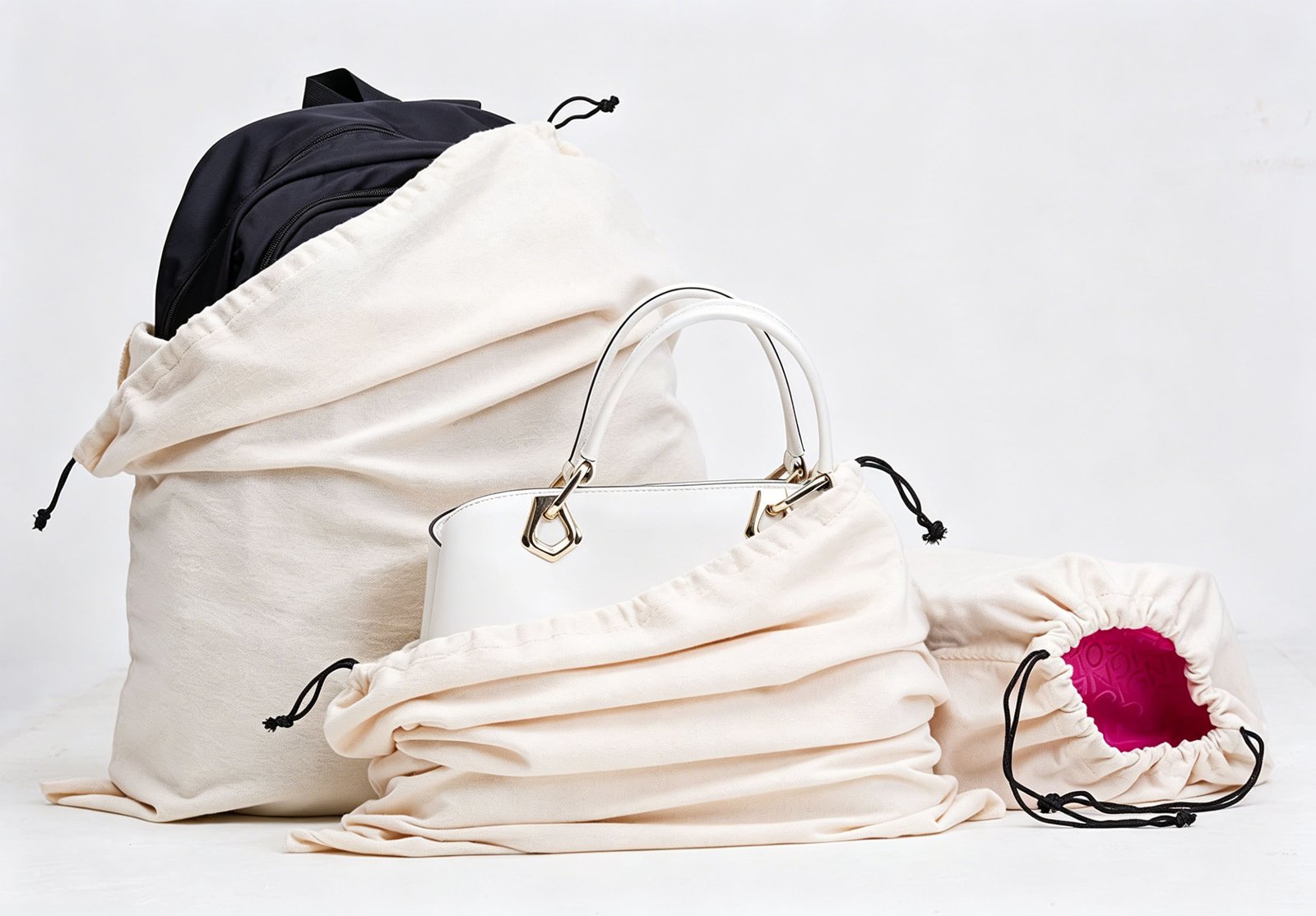
What protection value should I look at before adding cost?
I always separate physical protection from perceived protection. Physical protection means the dust bag helps reduce dust, light rubbing, and direct contact during packing and storage. It does not replace a carton, paper stuffing, shape support, corner protection, or moisture control. I do not tell buyers that a dust bag can solve every packing problem. That would not be honest. A dust bag is only one layer. Perceived protection means the customer feels the handbag has been handled with care. This matters when the handbag is sold under a brand name. I have seen buyers remove dust bags from a quotation to lower cost. That choice can be reasonable for some low-price orders. But it can be short-sighted when the handbag depends on a premium image. A missing dust bag can make a good handbag feel less finished, especially when competitors include one.
| Protection point | What a dust bag can help with | What it cannot replace |
|---|---|---|
| Dust during storage | It covers the handbag surface | It cannot replace clean warehouse control |
| Light surface contact | It reduces direct rubbing | It cannot stop heavy pressure damage |
| Retail handling | It keeps the handbag more presentable | It cannot fix poor shelf handling |
| Shipping layers | It adds one soft layer | It cannot replace strong cartons |
| Customer storage | It gives the end user a storage cover | It cannot prevent all long-term wear |
I use this table in my own thinking when I review a handbag project. I do not start from “add or remove.” I start from risk. If the material is smooth, light-colored, shiny, or easy to mark, I take the dust bag more seriously.7 If the handbag has metal parts, chain straps, or structured shapes, I also check whether the dust bag size and shape can avoid tight pressure. The goal is not to add cost for no reason. The goal is to choose a practical layer that matches the product.
What Materials Are Commonly Used for Handbag Dust Bags?
A dust bag can look simple, but material choice changes price, touch, print result, and packing weight. I see buyers miss this often.
Common handbag dust bag materials include non-woven fabric, cotton, polyester, satin-like fabric, and recycled or eco-focused options.8 I choose material based on handbag price level, brand image, print method, order quantity, and budget.
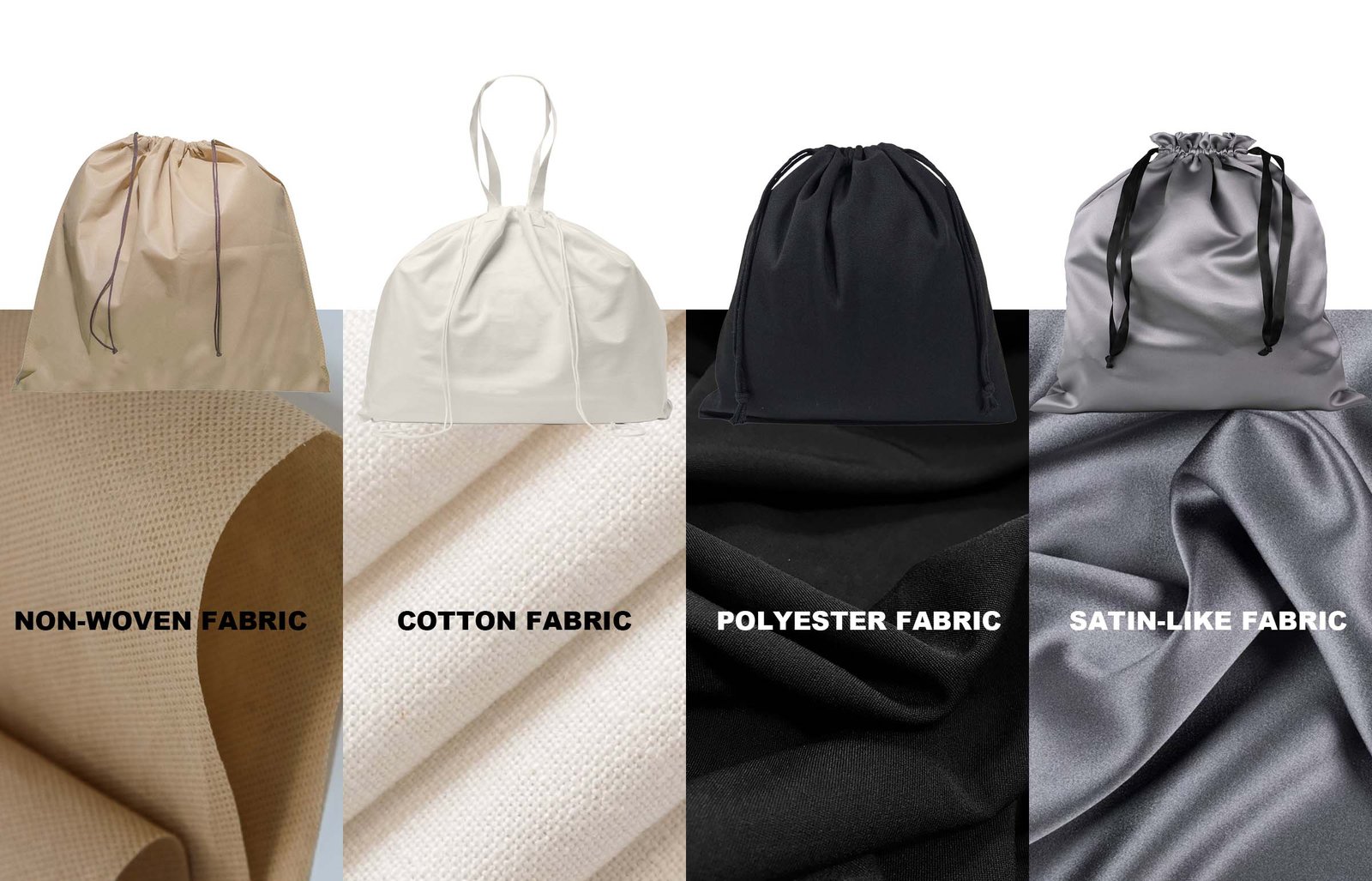
How do I compare dust bag materials for OEM and ODM orders?
I usually begin with the handbag target retail price. If the handbag is for a lower price channel, non-woven fabric can be enough because it is light and cost-friendly. If the handbag is a private label product with a better retail price, cotton or polyester may feel more suitable. Cotton can give a natural touch. Polyester can give a cleaner and smoother look. Satin-like fabric can look more polished, but it may not fit every brand style. Some buyers also ask for recycled or eco-friendly material.9 I treat that as a brand and compliance decision, not only a material decision. The buyer may need proof, labels, or supplier documents, so I check this early. I also ask about printing. Some materials show logo printing better than others. Some materials work better with simple one-color printing. Some need extra care if the logo is fine or large.
| Material option | Main benefit I see | Main trade-off I check |
|---|---|---|
| Non-woven fabric | Lower cost and light weight | It may feel less premium |
| Cotton | Natural hand feel and good brand fit | It may cost more and wrinkle more |
| Polyester | Clean look and stable supply | It may feel less natural |
| Satin-like fabric | Smooth and more elegant look | It may not match casual brands |
| Recycled material | Better for eco-focused brands | It may need proof and higher budget |
I also check thickness, color, and hand feel. A white dust bag can look clean, but it may show marks during production and packing. A black dust bag can look premium, but the logo contrast needs to be planned. A beige cotton dust bag can look natural, but the fabric shade may vary by batch. These details sound small, but they matter in bulk production. I prefer to confirm a sample before the buyer approves mass production. A dust bag is simple, yet it is still a visible brand item.
How Can Custom Dust Bags Improve Handbag Packaging?
A plain handbag package can work, but it may not support a brand story. I see custom dust bags used to close that gap.
Custom dust bags can improve handbag packaging by adding logo, brand color, better size fit, drawstring style, and a more complete unboxing feel.10 I see them work best when the handbag itself has clear brand positioning.
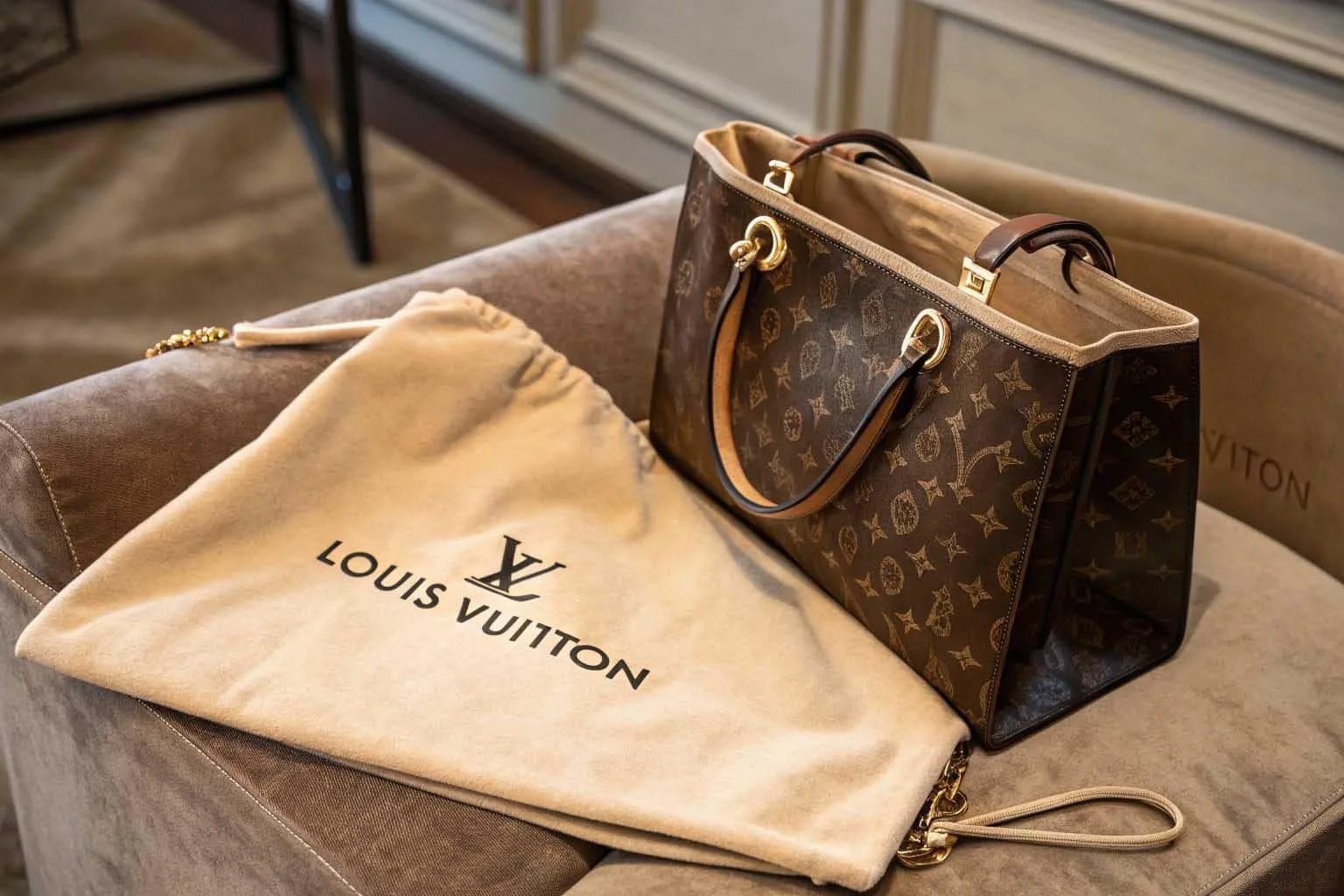
What custom details do I control before production?
I treat a custom dust bag like a small packaging product. I do not only ask for the logo file. I ask about the handbag size, shape, handle position, strap type, and final packing method. The dust bag must fit the handbag without being too tight. If it is too small, workers need more time to pack, and the handbag may press against the fabric. If it is too large, it can look loose and cheap. I also check the drawstring. Some buyers want single drawstring. Some want double drawstring. Some want ribbon, cotton rope, or polyester cord. Each choice changes the look, cost, and packing speed. Printing is another important part. I prefer simple logo placement when the buyer wants stable mass production. Large logos can look strong, but they may increase cost and show print issues more clearly.
| Custom point | Decision I ask buyers to confirm | Why it matters |
|---|---|---|
| Size | Match handbag width, height, depth, and handles | It affects packing speed and final look |
| Logo | Position, size, color, and print method | It affects brand visibility and print cost |
| Drawstring | Single, double, rope, ribbon, or cord | It affects use, look, and labor time |
| Fabric color | Standard color or custom dyed color | It affects MOQ, lead time, and consistency |
| Packing method | One dust bag per handbag or separate packing | It affects factory workflow and carton plan |
Custom dust bags can help improve perceived value, but I do not say they will always increase sales. That depends on the market, product design, retail price, and buyer’s sales channel. I only say they can make the packaging feel more complete. I have worked with buyers who sell handbags under private labels. For them, the dust bag is often part of brand control. The logo on the dust bag reminds the end customer of the brand after purchase.11 It also helps the product look more organized when retailers receive it. The key is balance. A luxury-style dust bag for a very low-cost handbag may waste budget. A cheap plain dust bag for a premium handbag may weaken the product feeling.
What Should Buyers Consider When Ordering Handbag Dust Bags?
A dust bag order can go wrong when the buyer only checks unit price. I see problems start from unclear specifications.
Buyers should consider handbag type, target price, material, size, drawstring, logo printing, order quantity, budget, packing method, delivery time, and inspection needs. I always confirm these points before quoting or sampling dust bags.
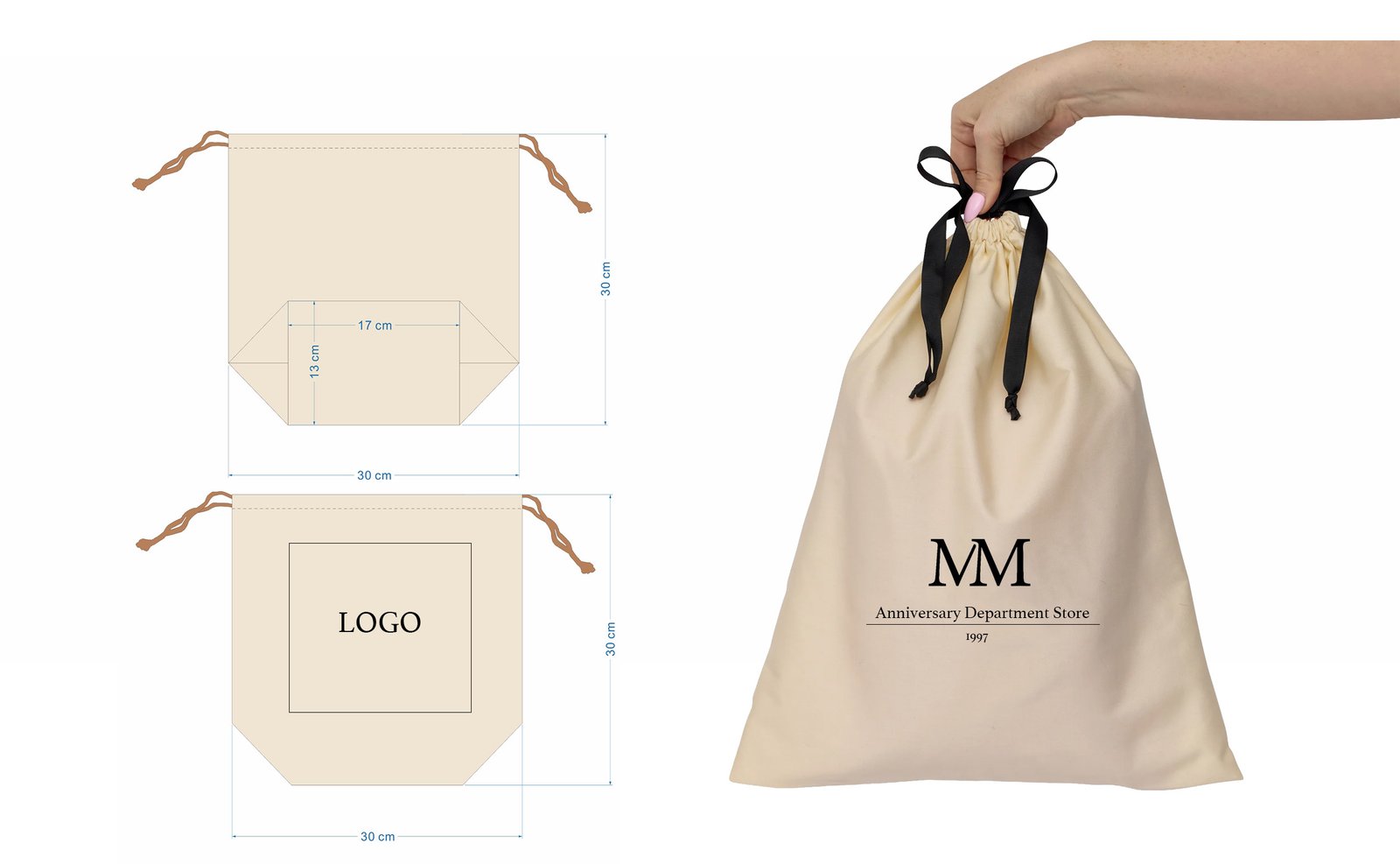
What information do I need before I quote dust bags?
When I receive an inquiry, I first try to understand the handbag project. I ask whether the dust bag is for a tote, shoulder bag, clutch, crossbody bag, or structured handbag. I ask for product size and photos if the buyer has them. I also ask whether the handbag will be packed flat, filled, or shaped. This affects the dust bag size. Then I ask about material, color, logo, drawstring, and quantity. Quantity matters because printing setup, fabric purchase, cutting, and sewing all depend on scale.12 Some buyers want small custom orders, but the cost per piece can be higher. I explain this early because it avoids surprise later. I also ask whether the dust bag should be packed inside the handbag, outside the handbag, or separately.
| Buyer question | Why I ask it | What can happen if it is unclear |
|---|---|---|
| What handbag is it for? | I need the size and shape | The dust bag may not fit well |
| What retail level is the handbag? | I need to match material and style | The package may feel too cheap or too costly |
| Is logo printing needed? | I need to plan cost and production | The quotation may be incomplete |
| What is the order quantity? | I need to check MOQ and unit price | The price may change later |
| How will it be packed? | I need to match factory workflow | Packing time and carton plan may be wrong |
| What is the delivery date? | I need to plan fabric and printing time | The handbag shipment may be delayed |
I also think about cost control in a practical way. If the buyer has a strict target price, I may suggest a simpler material, smaller logo, standard color, or basic drawstring. If the handbag has a higher retail price, I may suggest better fabric and cleaner printing. I do not want buyers to spend more without reason. I also do not want them to remove dust bags only because the quotation looks better by a few cents. In B2B sourcing, a small packaging item can create a large difference in how the final product feels. I prefer to confirm the dust bag during the handbag sampling stage. This saves time because the dust bag, handbag, logo, and carton plan can be checked together.
Conclusion
I see handbag dust bags as packaging decisions, not free extras. The right choice should match product level, brand plan, budget, and production reality.
"Vacuum bag - Wikipedia", https://en.wikipedia.org/wiki/Vacuum_bag. Reference works and museum or retail glossaries describe dust bags as soft fabric covers used to protect stored items such as handbags from dust and surface contact during storage and handling. Evidence role: definition; source type: encyclopedia. Supports: That a dust bag is a soft covering used to protect and store items such as handbags, especially in retail or post-purchase contexts.. ↩
"Which visual elements on packaging affect perceived credibility? A ...", https://pmc.ncbi.nlm.nih.gov/articles/PMC10300339/. Research on resale markets and consumer valuation indicates that product condition and presentation can materially affect perceived value and resale price; while not limited to dust bags, this evidence supports the broader claim that careless storage and packaging may reduce value. Evidence role: general_support; source type: paper. Supports: That visible condition and presentation influence perceived value and resale outcomes for fashion goods.. Scope note: Support is contextual rather than a direct measurement of dust-bag use on handbag value. ↩
"[PDF] A Case Study of Handbags and Hand Luggage", https://asset.library.wisc.edu/1711.dl/ACZY4ZQPKR5L79D/R/file-763a0.pdf. Retail packaging literature commonly notes that higher-priced and gift-oriented fashion products use additional protective and branded packaging elements to reinforce presentation and positioning, a practice consistent with the inclusion of dust bags for many premium handbag lines. Evidence role: general_support; source type: other. Supports: That premium and gift-oriented fashion products often use supplementary packaging elements to reinforce presentation and brand positioning.. Scope note: The support is segment-level and may not quantify handbag dust-bag adoption rates specifically. ↩
"Preservation Storage for Objects - BYU Conservators", https://conservators.byu.edu/preservation-storage-for-objects. Conservation and collections-care guidance explains that soft protective covers reduce dust accumulation and limit direct contact that can contribute to surface abrasion during storage and handling. Evidence role: mechanism; source type: education. Supports: That soft coverings or barriers can reduce abrasion, dust deposition, and direct surface contact during storage and handling.. ↩
"The Impact of Visual Elements of Packaging Design on Purchase ...", https://pmc.ncbi.nlm.nih.gov/articles/PMC11851823/. Consumer research on packaging and branding shows that presentation cues, including branded packaging elements, can influence perceptions of quality, care, and product evaluation at the point of opening. Evidence role: mechanism; source type: paper. Supports: That packaging presentation and branding cues influence perceived quality, care, and overall product evaluation.. Scope note: The evidence typically addresses packaging cues broadly rather than handbag dust bags specifically. ↩
"49 CFR Part 178 -- Specifications for Packagings - eCFR", https://www.ecfr.gov/current/title-49/subtitle-B/chapter-I/subchapter-C/part-178. Preservation and packaging guidance indicates that inner protective layers help buffer items from dust, contact, and handling-related abrasion within the overall packaging system. Evidence role: mechanism; source type: government. Supports: That adding a soft inner protective layer can reduce surface damage from contact, dust, and handling within a broader packaging system.. ↩
"[PDF] Curatorial Care of Objects Made From Leather and Skin Products", https://www.nps.gov/subjects/museums/upload/MHI_AppS_LeatherSkin.pdf. Conservation guidance for leather and finished surfaces notes that light-colored and smooth finishes can show dirt, abrasion, and handling marks more readily, supporting the need for additional protective handling measures. Evidence role: general_support; source type: research. Supports: That certain surface finishes and lighter colors show abrasion, dirt, or handling marks more readily and therefore benefit from gentler handling and protection.. Scope note: The support is based on material-care principles rather than controlled testing of handbag dust bags. ↩
"Non-Woven Polypropylene Drawstring Bags - Tote Bag Factory", https://totebagfactory.com/collections/wholesale-non-woven-drawstring-bags-backpacks. Packaging and textile references commonly identify cotton, polyester, and nonwoven fabrics among the standard materials used for lightweight reusable protective bags, with satin-type fabrics used where a smoother appearance is desired. Evidence role: definition; source type: other. Supports: That cotton, polyester, nonwoven fabrics, and similar textiles are standard material options for lightweight reusable protective bags.. ↩
"Implementing Sustainable Raw Material Sourcing - NYU Stern", https://www.stern.nyu.edu/experience-stern/about/departments-centers-initiatives/centers-of-research/center-sustainable-business/research/return-sustainability-investment-rosi/apparel-industry-sustainable-strategies-8. Industry and institutional sustainability reports indicate growing interest in recycled and lower-impact packaging materials across fashion and consumer goods supply chains, which supports the claim that some buyers request recycled or eco-focused options. Evidence role: general_support; source type: institution. Supports: That sustainability considerations have increased interest in recycled or lower-impact packaging materials in fashion and related sectors.. Scope note: The evidence typically concerns packaging demand broadly rather than handbag dust bags alone. ↩
"The Influence of Packaging Color on Consumer Perceptions ... - PMC", https://pmc.ncbi.nlm.nih.gov/articles/PMC10648973/. Studies of packaging design and consumer experience find that branded and well-fitted packaging elements can shape perceived quality and the overall opening experience, supporting the claimed packaging benefits of custom dust bags. Evidence role: mechanism; source type: paper. Supports: That customized packaging elements such as branding, color, and fit can affect perceived quality and customer experience during product opening.. Scope note: The evidence is generally about packaging customization and unboxing rather than dust bags specifically. ↩
"How Packaging Style Affects Brand Preference in Heritage Food", https://pmc.ncbi.nlm.nih.gov/articles/PMC12650813/. Marketing research on repeated brand exposure shows that continued visual contact with logos and brand identifiers can support memory and later brand recall, which is consistent with branding on a reusable dust bag. Evidence role: mechanism; source type: paper. Supports: That repeated visual exposure to brand identifiers can support memory and recall after purchase.. Scope note: The support is indirect because it addresses brand exposure effects broadly rather than dust bags as a specific medium. ↩
"[PDF] Examining Cut-and-Sew Textile Waste within the Apparel Supply ...", https://bren.ucsb.edu/sites/default/files/2024-04/Examining%20Cut-and-Sew%20Textile%20Waste%20within%20the%20Apparel%20Supply%20Chain%204.10.24.pdf. Manufacturing research shows that setup-intensive processes such as printing and cut-and-sew production exhibit scale effects, with order volume influencing material purchasing, production efficiency, and per-unit cost. Evidence role: mechanism; source type: paper. Supports: That setup costs and production efficiency in printing and textile manufacturing vary with order volume, affecting unit cost.. ↩