Mini drawstring pouch bags often get customized in the wrong order. Many buyers start with logo, color, or print, and then discover the pouch does not fit the product well, opens awkwardly, or looks less premium than expected. I always suggest a simpler path: define the product first, then customize the pouch around real use.
Buyers should customize mini drawstring pouch bags starting with the product inside, not the logo outside. The best order is size and proportion first, then fabric and thickness, then closure behavior, and only then branding details. This approach reduces fit issues, improves presentation, and helps bulk production match the intended retail or gift use.1
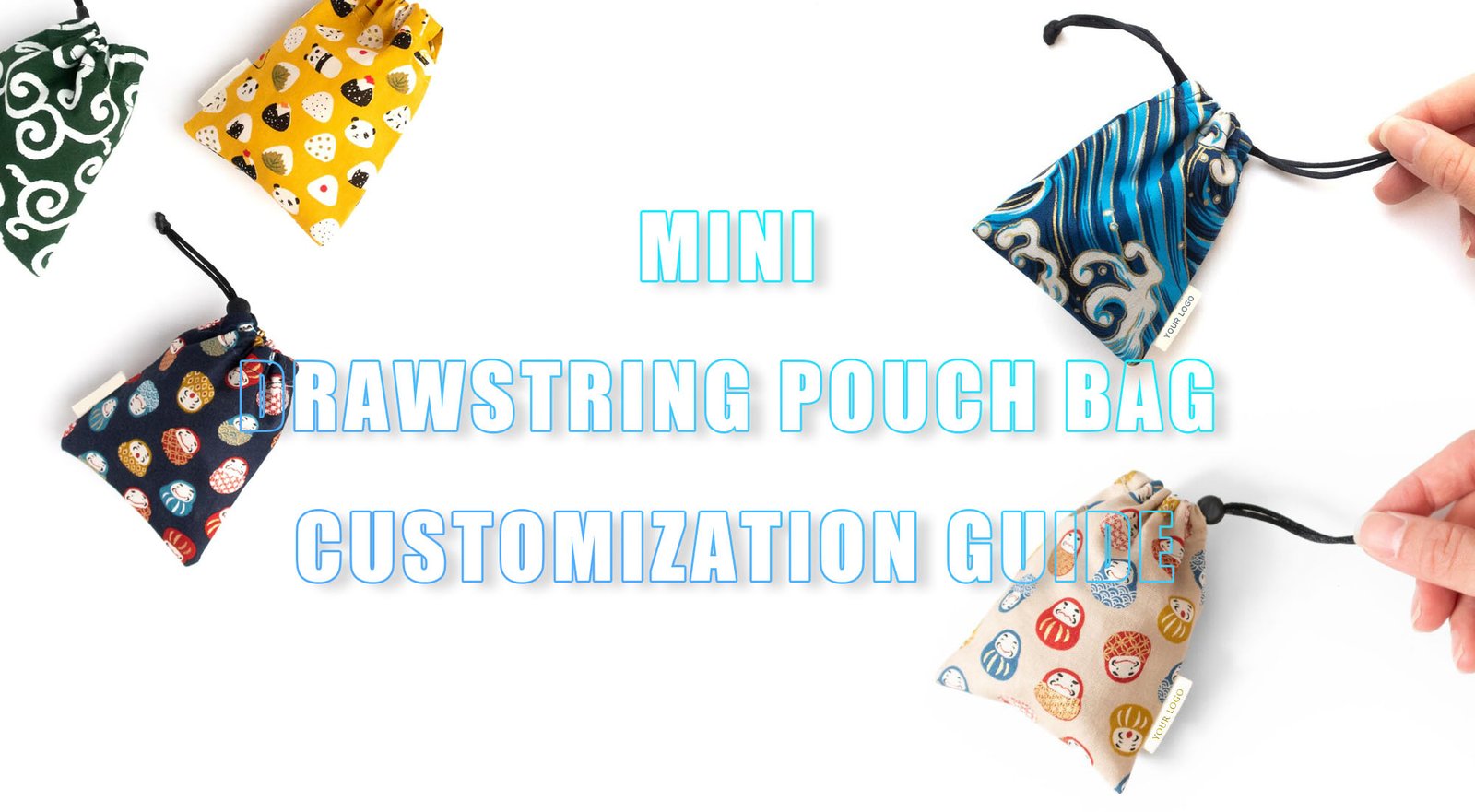
When I discuss new pouch projects with buyers, I notice the same pattern again and again. The first email usually asks about printing. The more important questions come later. That is where many sourcing mistakes begin. So below, I will break down the key choices in the order that usually leads to better results.
What Is a Mini Drawstring Pouch Bag?
A lot of buyers use the term loosely, which creates confusion early. One buyer may mean a jewelry pouch. Another may mean a gift bag, cosmetic sample bag, or promotional packaging pouch. If the definition stays vague, the customization choices become vague too.
A mini drawstring pouch bag is a small soft bag with a corded closure2, usually used for packaging, gifting, retail presentation, or light product protection. Its value depends less on the basic shape and more on how the size, fabric, and closure match the item placed inside.
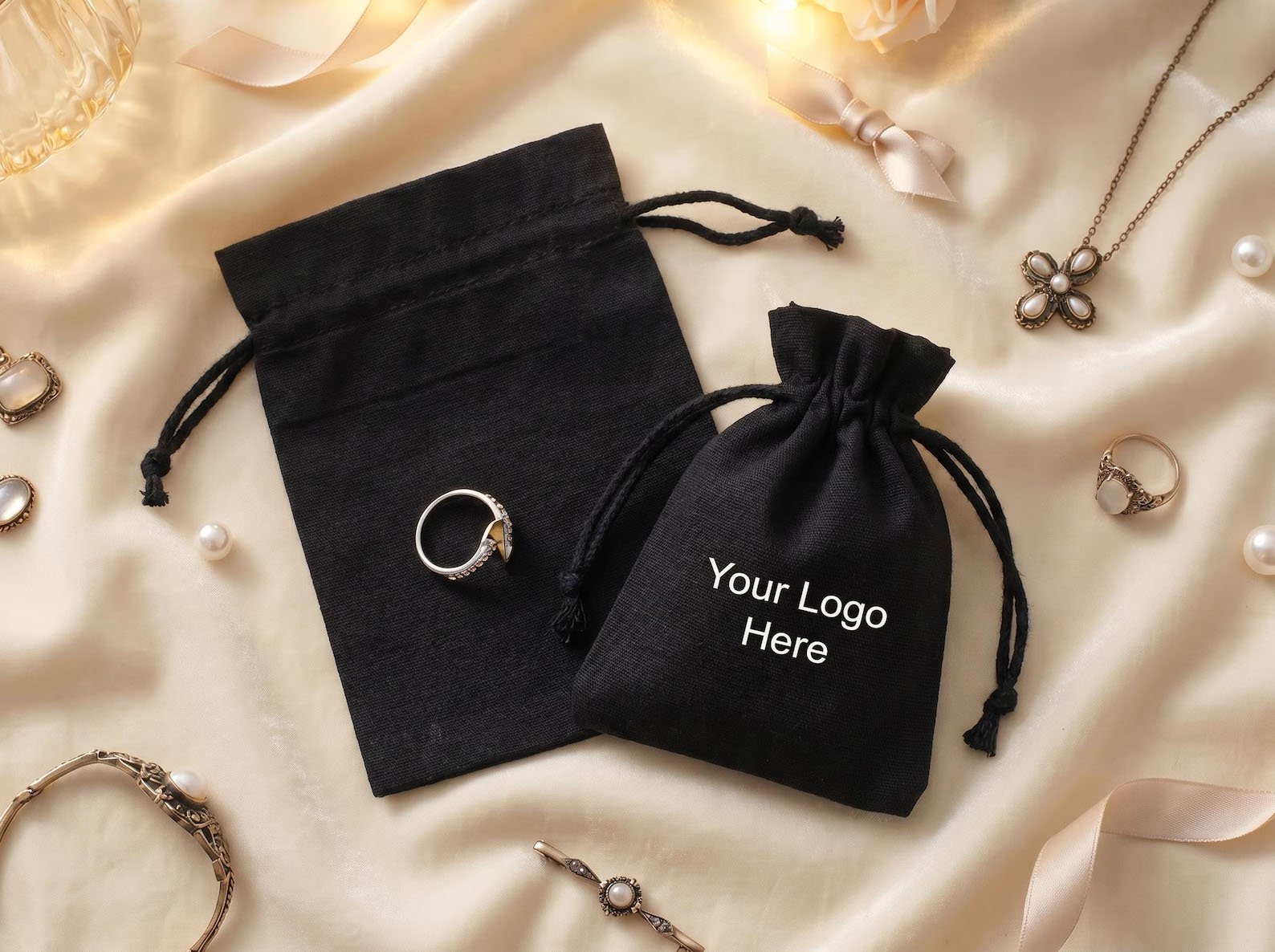
When I speak with procurement buyers, I usually start by asking what will go inside the pouch. That question sounds basic, but it solves half the sourcing problem. A mini drawstring pouch bag can be used for many categories:
- Small gifts
- Jewelry and accessories
- Beauty items
- Travel kits
- Promotional giveaways
- Limited-edition retail packaging
Why the product inside matters most
A pouch is not a standalone product in most B2B projects. It is part of a presentation system. That means the pouch has to do one or more of these jobs:
- Hold the item securely
- Present the item attractively
- Protect the surface from dust or friction3
- Support retail branding
- Create a premium unboxing feel
If I do not know the exact use, I cannot give a useful recommendation on customization.
For example, a pouch for a single bracelet needs different proportions from a pouch for six cosmetic minis. A pouch for event giveaways may prioritize cost and fast packing speed. A pouch for boutique retail may prioritize handfeel and visual appeal. The words “mini drawstring pouch bags” cover all of these, but the right specifications do not look the same.
Common buyer misunderstandings
Based on real inquiry conversations, I often see these issues:
- The buyer gives outer pouch dimensions, but not product dimensions
- The buyer shares logo artwork, but not filling quantity
- The buyer asks for “velvet” without clarifying the handfeel or weight
- The buyer approves a flat sample, but not a filled-product fit test
I have seen pouches look perfect on a sample table and fail once the real item goes inside. The shape changed, the opening became tight, and the presentation effect disappeared.
A simple starting checklist
Before discussing color or print, I recommend that buyers clarify:
| Question | Why it matters |
|---|---|
| What product goes inside? | It determines size, shape, and fabric needs |
| How many pieces per pouch? | It affects capacity and opening design |
| What are the product dimensions? | It prevents underfitting or oversized pouches |
| Is the pouch for retail, gift, or protection? | It sets appearance and cost priorities |
| Will users open it often or just once? | It affects closure design and usability |
This first step sounds simple, but it is the foundation of good customization.
Which Fabrics Work for Fashion Retail Pouches?
Many buyers choose fabric by appearance alone. That seems reasonable at first, but similar-looking materials can perform very differently in cost, drape, feel, print result, and product presentation. That is why fabric selection needs more context.
For mini drawstring pouch bags used in fashion retail, the best fabric depends on the product, target price, and presentation goal. Velvet-like fabrics can feel premium4, cotton can look natural5, satin can feel decorative, and canvas-like options can feel structured. No single material works best for every pouch project.6
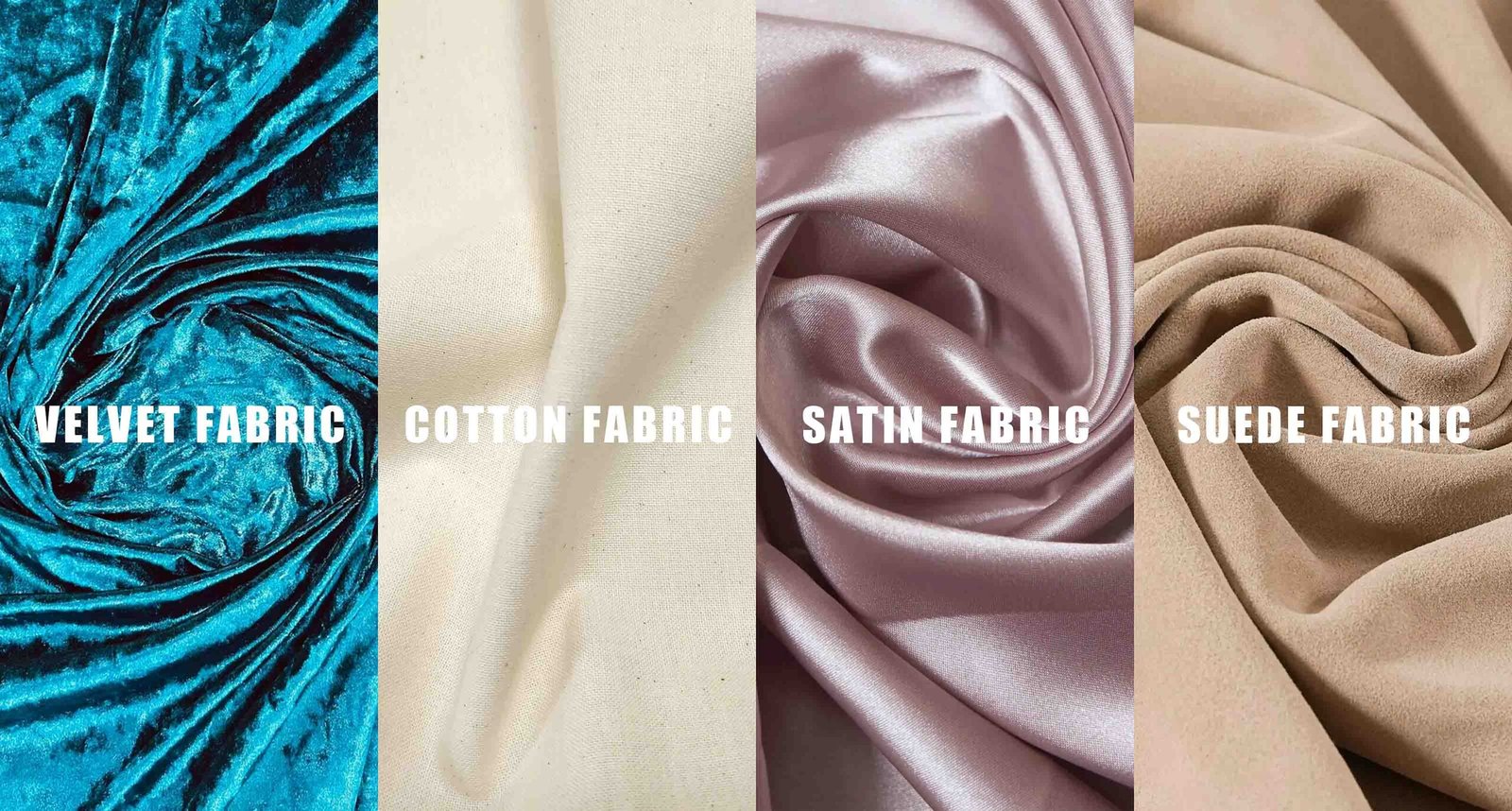
I usually tell buyers to think about fabric through three filters: protection, perceived value, and packing behavior. A pouch may look nice in a fabric swatch, yet still fail in real use if it collapses too much, wrinkles too easily, or adds more cost than the product can support.
Fabric choice should follow use case
Here are some common directions buyers consider:
1. Velvet or velvet-like fabrics
These are often chosen for a soft, premium, giftable look. They work well for jewelry, accessories, and boutique packaging.
Pros
- Soft handfeel
- Strong premium perception
- Good for gift presentation
Points to check
- Thickness can vary a lot
- Some versions attract dust more easily
- Logo detail may behave differently depending on surface pile
2. Cotton or cotton blends
These are popular for natural-looking, brand-friendly packaging. They suit eco-conscious positioning and simple retail concepts.
Pros
- Familiar and versatile
- Good for simple printed branding
- Natural visual style
Points to check
- Thin cotton may feel too light for premium use
- Shrinkage and texture consistency should be reviewed in sample stage
- Product corners may show through if fabric is too thin
3. Satin or polyester decorative fabrics
These can create a shiny, gift-oriented look and are often used for event packaging or promotional items.
Pros
- Smooth appearance
- Decorative feel
- Often cost-efficient in volume
Points to check
- Slippery opening behavior can affect handling
- Some finishes may look less premium in certain retail environments
- Print and stitching appearance should be sample-checked carefully
Thickness and handfeel matter more than many buyers expect
Two fabrics can look almost identical in a photo. In hand, they may feel completely different. One may support the item nicely. Another may sag or bunch. That difference affects presentation.
I suggest buyers compare materials against these practical questions:
- Does the pouch need to hide the product shape?
- Does the item inside have sharp edges?
- Should the pouch stand or drape?
- Does the brand image feel natural, luxurious, playful, or low-cost?
- Will the pouch be reused?
Simple comparison table
| Fabric type | Typical feel | Best suited for | Main caution |
|---|---|---|---|
| Velvet-like | Soft, plush | Jewelry, premium gifts | Surface behavior affects branding |
| Cotton | Natural, casual | Eco style, simple branding | Thin versions may feel basic |
| Satin/polyester | Smooth, shiny | Promotions, gifts, events | May feel less structured |
| Canvas-like light fabric | Firmer, structured | Utility presentation | Can feel too heavy for delicate items |
In B2B sourcing, fabric should support the product story. It should not fight it. That is why I always recommend reviewing swatches and filled samples before final approval.
How Should Buyers Choose Size and Closure?
This is the most overlooked part of mini drawstring pouch bags. Buyers often approve a width and height that seem fine on paper, but the real product either barely fits, drops too deep inside, or makes the opening difficult to use. A pouch can look attractive in a spec sheet and still perform poorly.
Buyers should choose size and closure based on the item’s dimensions, insertion method, desired presentation effect, and user experience. The right mini drawstring pouch bag should allow easy packing, clean visual proportion, and a closure action that matches how the pouch will actually be opened and used.7
If I had to rank customization priorities, I would put size and proportion first. A good pouch does not just “fit.” It should also present the product correctly.
Start with the filled product, not the flat bag
A common buyer mistake is to give a product size and then request a pouch with only a little extra room. That often fails because the product needs insertion allowance, seam allowance, and comfortable closure space.
I normally ask for:
- Product length, width, and thickness
- Quantity per pouch
- Whether the product is rigid or flexible
- Whether the pouch should feel snug or relaxed
- Whether the top should gather tightly or loosely
Why proportion matters
The same volume can look very different in different pouch shapes.
For example:
- A tall narrow pouch can feel elegant for jewelry or long accessories
- A wider squat pouch may suit cosmetic kits or bundled gifts
- An oversized pouch may reduce perceived value because the product looks lost inside8
- An undersized pouch may wrinkle, distort, or create packing difficulty
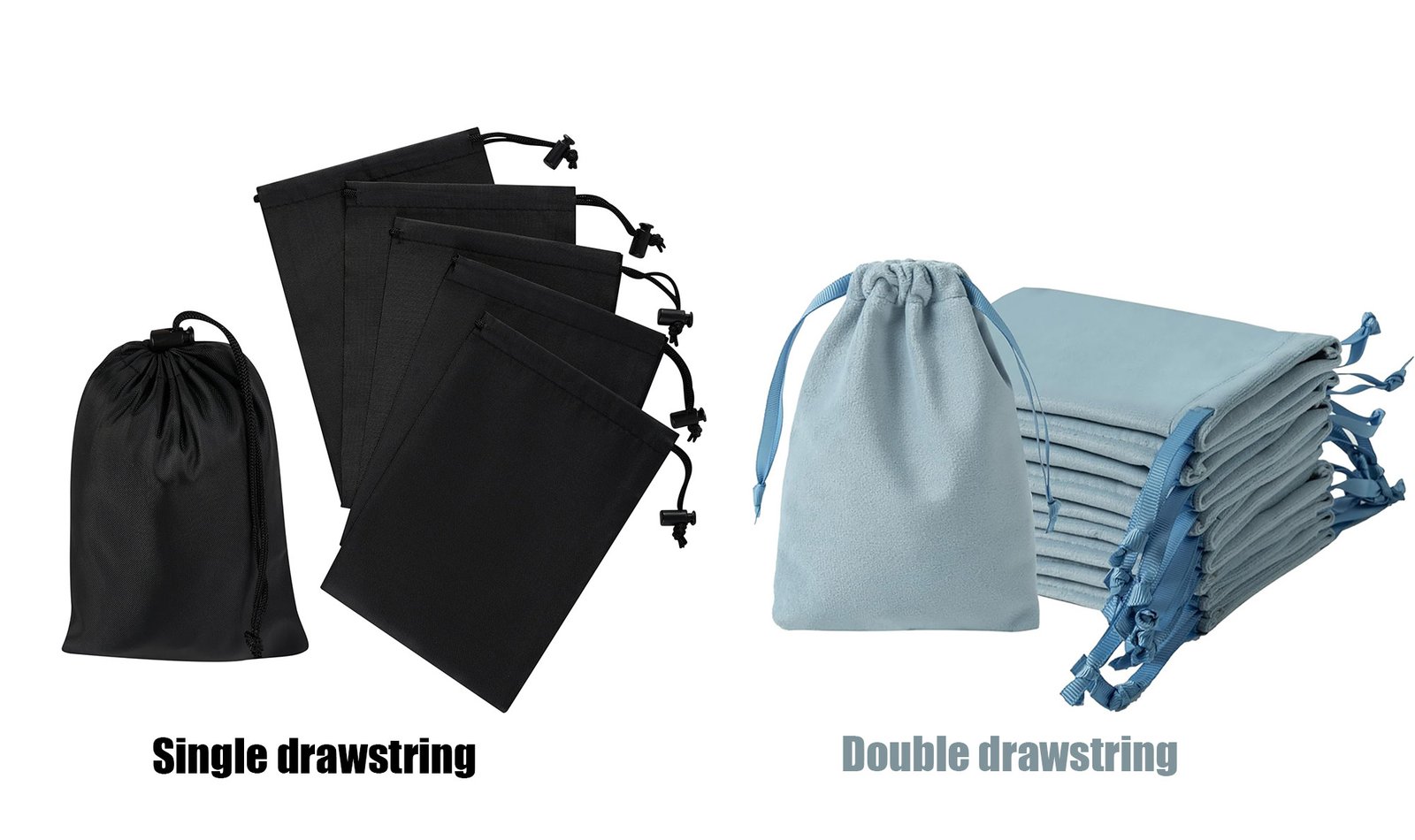
Drawstring structure affects usability
Buyers sometimes treat the drawstring as a decorative detail. In practice, it changes the entire opening experience.
Single drawstring
- Simpler structure
- Often easier on budget
- May suit basic promotional uses
Double drawstring
- More balanced closing behavior
- Often looks more finished
- Usually preferred for a more symmetrical presentation
Cord material and thickness
Cord style also matters. A thin cord may look delicate but feel less convenient to grip. A thicker cord may feel easier to use but visually heavier on a very small pouch.
Quick size and closure review table
| Decision area | What to confirm | Risk if ignored |
|---|---|---|
| Inner capacity | Real product dimensions and quantity | Product does not fit well |
| Opening width | Ease of insertion and removal | Users struggle to pack or unpack |
| Pouch proportion | Visual balance with item inside | Weak presentation effect |
| Drawstring type | Single or double closure behavior | Poor user experience |
| Cord thickness | Grip, look, and scale match | Closure feels awkward |
In real discussions, I often find that buyers ask about logo placement first. But if the item is hard to insert, no logo can save the user experience.
A sample should always be tested with the actual product, not just approved empty. That single step can prevent expensive bulk mistakes.
What Branding Methods Look Premium on Small Pouches?
Branding matters, of course. But on mini drawstring pouch bags, premium branding depends on scale, fabric compatibility, and restraint. Small pouches have limited visual space. If buyers overload the branding, the result can look cheaper, not better.
Premium branding on mini drawstring pouch bags usually comes from choosing a method that suits the fabric and the pouch size. Small, well-placed branding often looks more upscale than oversized logos.9 Buyers should test logo clarity, contrast, and placement on the actual material before approving bulk production.
I often remind buyers that branding should support the product presentation, not dominate it. A mini pouch is a small-format item. That means subtle branding often feels more premium than aggressive branding.
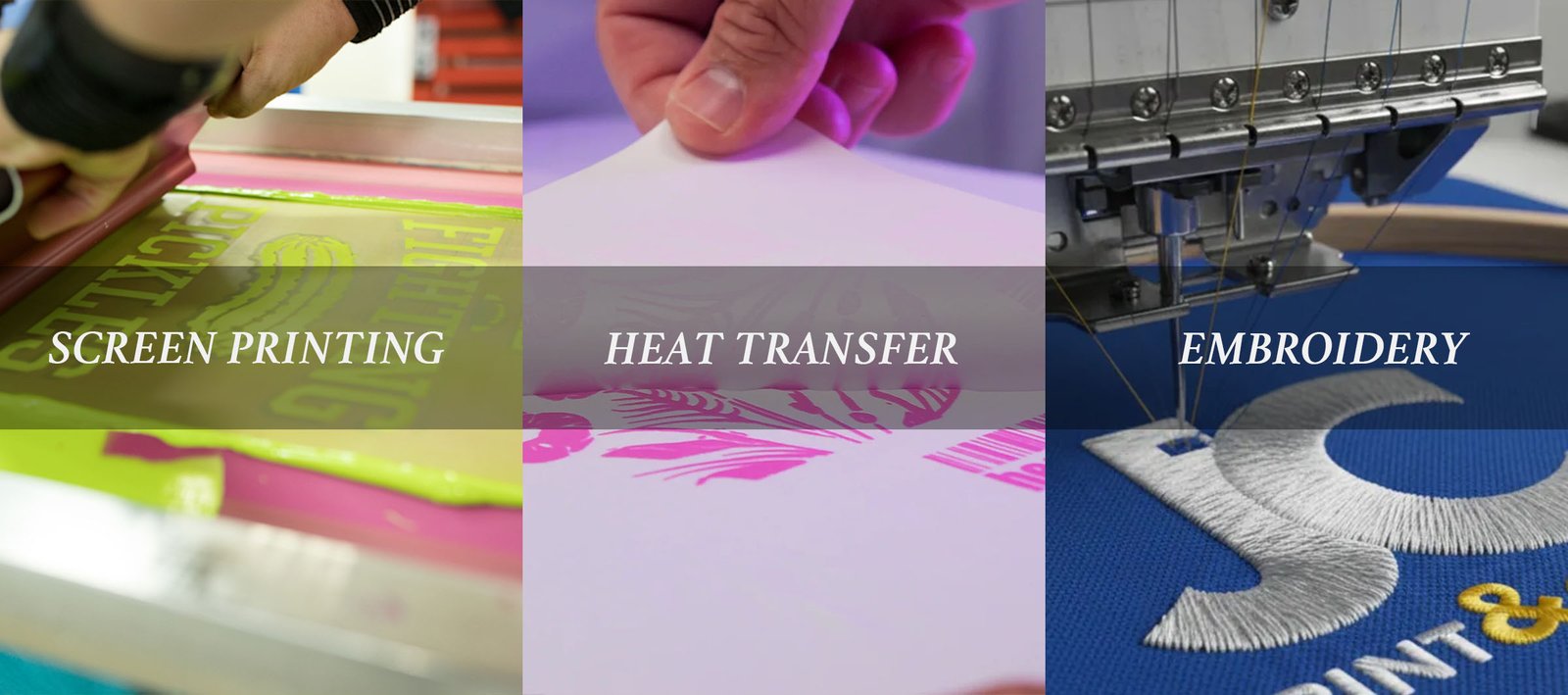
Common branding methods
Screen printing
This is widely used for simple logos and larger runs.
Best for
- Cotton and similar fabrics
- Bold logo shapes
- Cost-conscious projects
Watch-outs
- Very fine lines may not reproduce well on textured fabric10
- Ink appearance can vary by material and color
Heat transfer or similar applied graphics
This can help with more detailed artwork in some projects.
Best for
- More complex logos
- Smooth surfaces
- Specific color requirements
Watch-outs
- Finish may look less natural on certain fabrics
- Adhesion and appearance should be sample-verified
Embroidery
This can create a more elevated feel when the pouch is large enough and the fabric supports it.
Best for
- Premium branding impression
- Simple marks or initials
- Thicker fabrics
Watch-outs
- Small pouches give limited embroidery space
- Dense stitching can distort lightweight fabric11
Woven or sewn labels
These can feel neat and brand-forward without covering the pouch front.
Best for
- Minimal branding
- Reusable pouches
- Retail-oriented programs
Watch-outs
- Label position affects overall balance
- On very mini sizes, labels can feel bulky
In my experience, these factors matter most:
- Correct scale
- Good spacing
- Fabric-method compatibility
- Consistent placement
- Clear but not excessive contrast
Branding decision checklist
- Is the pouch small enough that a front logo may feel crowded?
- Does the fabric texture support sharp artwork?
- Should the branding feel visible, discreet, or luxury-minimal?
- Will the pouch be photographed for retail or e-commerce?
- Has the logo been tested on the actual production fabric?
Sometimes the most premium choice is a very simple one: a small centered print, a side label, or a subtle tonal branding effect. Premium is not always louder. Often, it is cleaner.
What Should Buyers Confirm Before Bulk Production?
Bulk production problems rarely begin in bulk production. They usually begin earlier, when one or two practical details stay unconfirmed. That is why final pre-production review is where careful buyers protect margin, delivery, and quality consistency.
Before bulk production of mini drawstring pouch bags, buyers should confirm approved size tolerance, fabric quality, color standard, branding method, closure structure, packing method, and sample fit with the actual product. They should also verify any required documents or compliance points directly with the supplier before order release.

I have seen bulk issues come from very small gaps in communication. A buyer approved “beige,” but not the actual shade standard. A buyer approved pouch size, but not the product fit test. A buyer approved the logo layout, but not the exact print position tolerance. These details sound minor until the order is finished.
Key points to confirm before release
1. Final size specification
Buyers should confirm:
- Flat dimensions
- Tolerance range
- Usable inner space
- Whether dimensions are before or after drawstring channel construction
2. Fabric and color approval
Fabric names are not enough. Buyers should confirm:
- Material sample
- Thickness or weight reference if relevant
- Color standard or approved swatch
- Surface appearance expectations
3. Branding approval
A final approval should include:
- Method
- Placement
- Size
- Artwork version
- Print or stitch color
4. Closure construction
The drawstring system should be clearly defined:
- Single or double drawstring
- Cord color
- Cord thickness
- Knot style or end finishing
5. Packing and shipping details
Packing affects both cost and presentation. Buyers should ask:
- Unit packing method
- Master carton quantity
- Compression risk
- Labeling requirements
- Shipment timeline
Practical pre-production table
| Confirmation item | Why it matters | Buyer action |
|---|---|---|
| Approved sample | Prevents spec misunderstanding | Sign off final physical sample |
| Product fit test | Confirms real usability | Test actual item in pouch |
| Color standard | Prevents shade disputes | Approve swatch or reference |
| Logo placement | Protects appearance consistency | Confirm artwork and location |
| Packing method | Affects damage risk and cost | Review carton and inner packing |
Verify documents, not assumptions
For larger retail, supermarket, or promotional buyers, documentation can matter. If certifications, material claims, or compliance documents are required, buyers should request and verify them directly. I always recommend that application-specific decisions be reviewed by qualified professionals when needed, especially when the pouch will be used in regulated or sensitive retail contexts.
A careful pre-production checklist costs very little. A preventable bulk mistake costs far more in time, freight, and client trust.12
Frequently Asked Questions
What is the first thing I should customize in mini drawstring pouch bags?
The first thing I would customize is size based on the product inside. I would confirm dimensions, quantity per pouch, and desired fit before discussing logo or color. This step reduces the risk of poor presentation and packing difficulty.
Which material is best for mini drawstring pouch bags?
There is no universal best material. The right choice depends on the product, target price, presentation goal, and branding method. I usually compare fabric options based on handfeel, thickness, protection level, and how the pouch should look in retail or gifting use.
Should I choose single or double drawstring closure?
That depends on your use case. A single drawstring can be simple and cost-efficient. A double drawstring often gives a more balanced and polished closing effect. I suggest testing both if opening experience and appearance are important to your project.
I would focus on proportion, fabric feel, and restrained branding. A good material, correct size, and clean logo placement usually create a better premium effect than adding too many decorative elements to a very small pouch.
What sample should I approve before mass production?
I recommend approving a final production-style sample using the actual fabric, actual branding method, and actual product fit. An empty sample is not enough. The pouch should be tested in real use before bulk production starts.
Conclusion
Mini drawstring pouch bags should be customized from the inside out. I always recommend starting with the product, then confirming size, proportion, fabric, and closure behavior before moving to branding. That order helps buyers avoid common sourcing mistakes and get a pouch that fits, functions, and presents the product well. If you are planning a custom pouch project for retail, gifting, or promotion, feel free to contact me at Coraggio to discuss the right specification path before bulk production.
"Packaging Design", https://www.fitnyc.edu/academics/academic-divisions/art-and-design/packaging-design/index.php. Research on user-centered and product-oriented packaging design reports that packaging decisions tied to the item's dimensions, handling, and use context improve fit, usability, and perceived appropriateness; this supports prioritizing product requirements before visual customization. Evidence role: general_support; source type: research. Supports: User-centered or product-first packaging design can improve functional fit, usability, and alignment with intended use.. Scope note: Such studies usually address packaging design broadly rather than mini drawstring pouches specifically. ↩
"Drawstring", https://en.wikipedia.org/wiki/Drawstring. Encyclopedic and dictionary references define a drawstring bag as a flexible bag closed by tightening a cord or string at the opening, supporting the description of a mini drawstring pouch as a small soft bag with a corded closure. Evidence role: definition; source type: encyclopedia. Supports: A drawstring bag is a soft bag whose opening is gathered and closed by a cord or string.. ↩
"What You Can Do With A Degree in Packaging Science", https://www.rit.edu/articles/what-you-can-do-degree-packaging-science. Packaging and materials studies show that soft protective enclosures can reduce direct contact, abrasion, and dust exposure on finished surfaces during storage and handling, supporting the stated protective role of a pouch. Evidence role: mechanism; source type: paper. Supports: Soft packaging or textile enclosures can reduce direct surface contact, abrasion, and particulate exposure during storage or handling.. Scope note: The degree of protection depends on fabric type, fit, and handling conditions, so the evidence is contextual rather than a guarantee for every pouch. ↩
"Perceptual imagery of soft sofa fabrics based on visual-tactile evaluation", https://bioresources.cnr.ncsu.edu/resources/perceptual-imagery-of-soft-sofa-fabrics-based-on-visual-tactile-evaluation/. Studies on haptic perception and textile evaluation report that soft, plush materials are frequently associated with higher perceived quality and luxury, which supports the statement that velvet-like fabrics can feel premium. Evidence role: mechanism; source type: research. Supports: Soft, plush textile surfaces such as velvet are often associated with higher tactile quality and luxury perception.. Scope note: Perceived premium value varies by market segment, product category, and finish quality. ↩
"Consumer likelihood of purchasing organic cotton apparel", https://www.ftc.gov/system/files/documents/public_events/975753/hustvedt_et_al_on_consumer_likelihood_2009.pdf. Consumer and textile-perception research commonly finds that cotton is associated with naturalness and familiarity, supporting the claim that cotton can present a natural visual and brand image. Evidence role: general_support; source type: research. Supports: Consumers often associate cotton and other cellulosic textiles with naturalness.. Scope note: The evidence concerns general consumer perception and does not establish that every cotton pouch will be perceived as premium or eco-friendly. ↩
"Packaging - UF/IFAS Agricultural and Biological Engineering - UF ABE", https://abe.ufl.edu/packaging/. Packaging engineering and materials-selection literature emphasizes that material choice depends on trade-offs among protection, cost, appearance, processability, and end use, supporting the conclusion that no single material is best for every pouch project. Evidence role: expert_consensus; source type: education. Supports: Packaging material selection depends on application-specific trade-offs rather than a single universally optimal material.. ↩
"Human Factors Studies And Related Clinical Study Considerations In ...", https://www.fda.gov/files/about%20fda/published/Human-Factors-Studies-and-Related-Clinical-Study-Considerations-in-Combination-Product-Design-and-Development.pdf. Human-factors and packaging-usability studies indicate that packaging performs better when opening force, access, and handling are aligned with user tasks and product dimensions, supporting the recommendation to choose size and closure based on real packing and use conditions. Evidence role: mechanism; source type: research. Supports: Packaging usability improves when opening and handling are designed around actual user tasks and item dimensions.. Scope note: Most usability research addresses packaging in general rather than drawstring pouches as a distinct format. ↩
"The Impact of Visual Elements of Packaging Design on Purchase ...", https://pmc.ncbi.nlm.nih.gov/articles/PMC11851823/. Marketing and packaging studies show that visual fit between a package and its contents can influence perceived quality and value, supporting the claim that an oversized pouch may make the item seem diminished or less carefully presented. Evidence role: general_support; source type: paper. Supports: Consumers' quality and value judgments are affected by package-product fit and visual proportionality.. Scope note: This evidence concerns general presentation effects and does not quantify the effect for all retail categories. ↩
"Eye-Tracking Evidence on How Product Visual Strategy and Unit ...", https://pmc.ncbi.nlm.nih.gov/articles/PMC13010595/. Research on luxury signaling and visual design suggests that restrained branding and lower visual clutter can strengthen premium impressions, which supports the statement that small, well-placed branding may look more upscale than oversized logos. Evidence role: mechanism; source type: paper. Supports: Understated branding and lower visual clutter can contribute to premium or luxury perceptions.. Scope note: The relationship varies by brand strategy and consumer segment; highly visible logos can also function as status signals in some markets. ↩
"Quantitative Analysis of the Impact of Finishing and Washing Processes ...", https://pmc.ncbi.nlm.nih.gov/articles/PMC11314936/. Textile-printing research reports that surface texture, porosity, and pile can reduce edge sharpness and fine-detail reproduction, supporting the caution that very fine lines may not print clearly on textured fabric. Evidence role: mechanism; source type: paper. Supports: Fabric texture and surface pile can reduce print sharpness and fine-detail reproduction.. Scope note: Print performance also depends on the specific ink system, pretreatment, and production method. ↩
"Why do embroidery designs cause puckering?", https://www.facebook.com/groups/1269162093912500/posts/2189206525241381/. Textile engineering studies on embroidery report that high stitch density and unsuitable backing can produce puckering and distortion in lightweight fabrics, supporting the warning that dense stitching may deform small or light pouch materials. Evidence role: mechanism; source type: paper. Supports: Embroidery density and stitch structure can cause puckering or distortion, especially in lightweight fabrics.. ↩
"The National Birth Defects Prevention Study: a review ... - PMC", https://pmc.ncbi.nlm.nih.gov/articles/PMC4558899/. Quality-management literature on the cost of quality consistently distinguishes low-cost prevention activities from higher downstream failure costs such as rework, returns, delays, and customer dissatisfaction, supporting the value of a pre-production checklist. Evidence role: expert_consensus; source type: institution. Supports: Quality-management frameworks hold that prevention and appraisal are generally less costly than internal and external failure.. Scope note: The source would support the general economic principle rather than provide pouch-specific cost figures. ↩