Confused about why tote bag quotes vary so much? Trying to get the best value for your budget can feel tricky. Let’s break down what really drives the cost.
Several key factors determine tote bag prices: material quality, customization complexity, order quantity, printing techniques, and labor costs. Understanding these elements helps you make informed sourcing decisions and secure fair pricing.
Getting the right price isn’t just about the lowest number; it’s about understanding the value behind that number. As someone who’s gone from sales to running my own factory, I’ve seen every angle. Let’s dive into the specifics so you can navigate quotes like a pro.
What is the market value of tote bags?
Struggling to benchmark tote bag costs for your projects? Market value seems vague, making budgeting difficult. You need clear reference points for confident sourcing.
Tote bag market value varies widely based on materials (from basic cotton to premium leather), branding, and features. Simple promotional totes might be under $1, while designer or specialized totes can cost $50+ wholesale.
Digging Deeper into Market Value
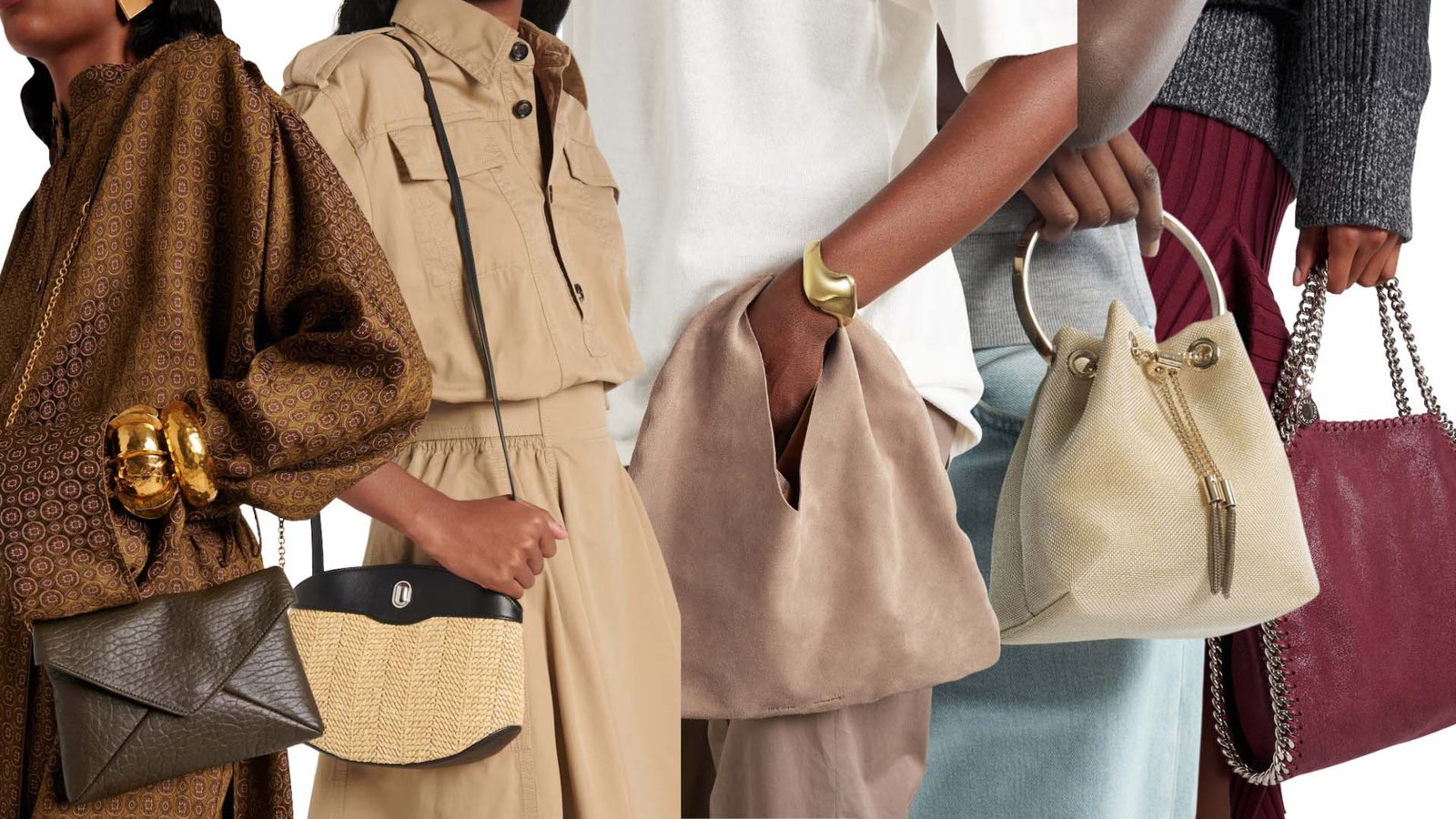
Market value isn’t a single number; it’s a spectrum. When I first started, I learned quickly that "tote bag" covers a huge range. For buyers like Jacky, understanding this spectrum is key to effective sourcing. The perceived value is heavily influenced by the target audience and the intended use. A simple non-woven tote for a trade show giveaway has a vastly different market position than a heavy canvas tote sold in a retail boutique or a high-quality corporate gift.
Here’s a simplified breakdown of factors influencing where a tote sits on the value spectrum:
| Factor | Low Value Example | High Value Example | Impact on Price |
|---|---|---|---|
| Material | Thin Non-Woven PP | Thick Organic Cotton Canvas | High |
| Construction | Basic Stitching, No Gusset | Reinforced Handles, Base Gusset | Medium |
| Branding | Simple 1-Color Print | Multi-Color Embroidery, Leather Patch | High |
| Features | None | Interior Pockets, Zippers, Lining | Medium |
| Order Volume | 10,000+ units | 100 units | High |
Understanding these elements helps you position your product correctly and justify the cost, whether you’re aiming for mass distribution or a premium market segment. It’s about matching the bag’s specs to its purpose and the end-user’s expectations.
What is the profit margin on tote bags?
Wondering how much manufacturers or suppliers actually make? Knowing typical profit margins helps you negotiate better. Without this insight, you might overpay or push too hard.
Profit margins on tote bags typically range from 20% to over 60%. This depends heavily on production scale, brand positioning, material costs, customization complexity, and the sales channel (wholesale vs. retail).
Understanding the Profit Equation
Profit margin isn’t just a random markup. It reflects the manufacturer’s costs, risks, and the value they provide. When I set up my factory, managing costs while maintaining quality was, and still is, the biggest challenge. For buyers, understanding the components helps frame negotiations. A very low margin might indicate compromises on quality or unethical labor practices, while an excessively high margin suggests room for discussion, especially for large volume orders like Jacky might place.
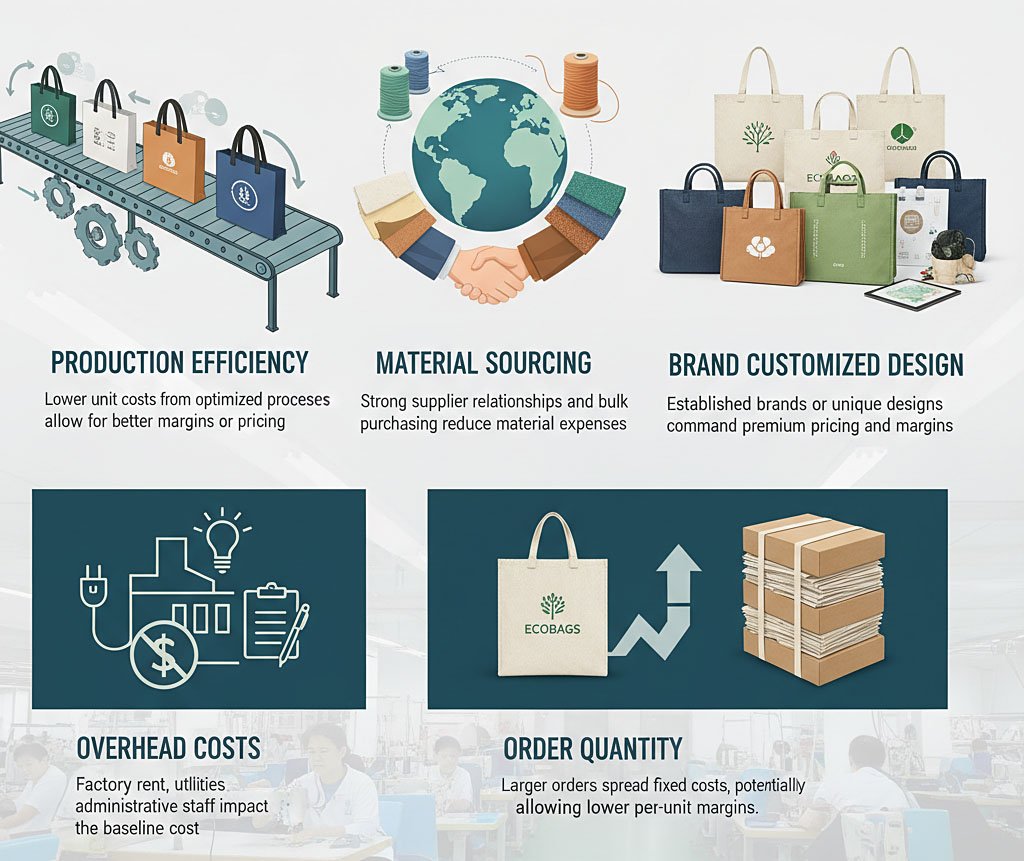
Here’s a look at what influences the margin:
| Influencing Factor | Impact on Margin Potential | Explanation |
|---|---|---|
| Production Efficiency | High | Lower unit costs from optimized processes allow for better margins or pricing. |
| Material Sourcing | High | Strong supplier relationships and bulk purchasing reduce material expenses. |
| Customization Level | Medium | Complex designs require more labor/skill, justifying higher margins. |
| Brand Value | High | Established brands or unique designs command premium pricing and margins. |
| Overhead Costs | Medium | Factory rent, utilities, administrative staff impact the baseline cost. |
| Order Quantity | High | Larger orders spread fixed costs, potentially allowing lower per-unit margins. |
Remember, a sustainable margin allows suppliers like Coraggio to invest in quality control, innovation, and reliable service – things crucial for buyers managing product development and sourcing. It’s a partnership, not just a transaction.
Are tote bags in high demand?
Considering tote bags for your next project but unsure about their popularity? Market demand influences trends and production capacity. You need to know if they’re still a relevant choice.
Yes, tote bags remain in high demand globally. Their versatility, reusability (eco-friendly appeal), and effectiveness as promotional items keep them consistently popular across various markets, from retail to corporate gifting.
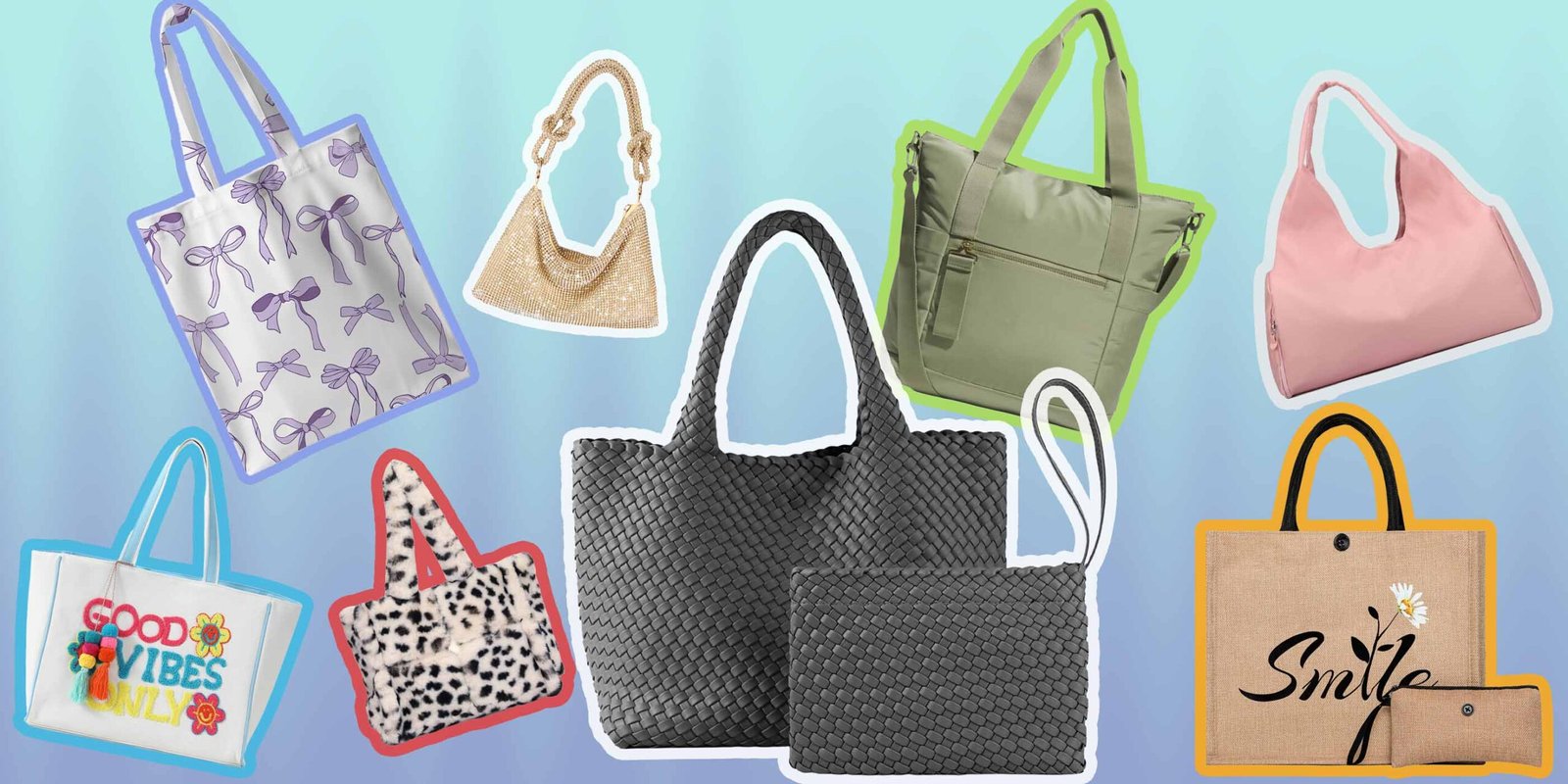
Why the Enduring Demand?
The demand for tote bags isn’t just a fleeting trend; it’s sustained by several practical factors. From my experience supplying buyers like Jacky, tote bags consistently perform well for diverse needs. Their popularity stems from a blend of utility, style adaptability, and growing environmental awareness. Consumers appreciate reusable bags, and businesses recognize their value as mobile billboards. The shift away from single-use plastics has significantly boosted demand for durable, reusable options like cotton, canvas, and jute totes.
Let’s break down the key demand drivers:
| Demand Driver | Explanation | Target Audience Relevance |
|---|---|---|
| Eco-Friendliness[^1] | Consumers actively seek reusable alternatives to plastic bags. | Environmentally conscious consumers, corporate ESG goals |
| Versatility1 | Used for shopping, work, beach trips, gym, everyday carry. | Broad appeal across demographics |
| Customizability2 | Excellent canvas for branding, logos, and artistic designs. | Marketing departments, event planners, retailers |
| Affordability3 | Available at various price points, accessible for promotions or retail. | Budget-conscious buyers, mass market campaigns |
| Fashion Trend | Styles evolve, keeping totes relevant in fashion and accessory markets. | Retail buyers, fashion-forward consumers |
This steady demand means manufacturers often have established production lines, but it also means popular materials or specific styles might have longer lead times, especially for large custom orders common in product sourcing. Planning ahead is crucial.
Are tote bags good for marketing?
Evaluating options for promotional products or branded merchandise? You need items that offer visibility and positive brand association. Are tote bags effective marketing tools?
Absolutely, tote bags are excellent for marketing. They offer a large, visible imprint area, are frequently used in public spaces, and associate your brand with practicality and sustainability, generating numerous impressions.
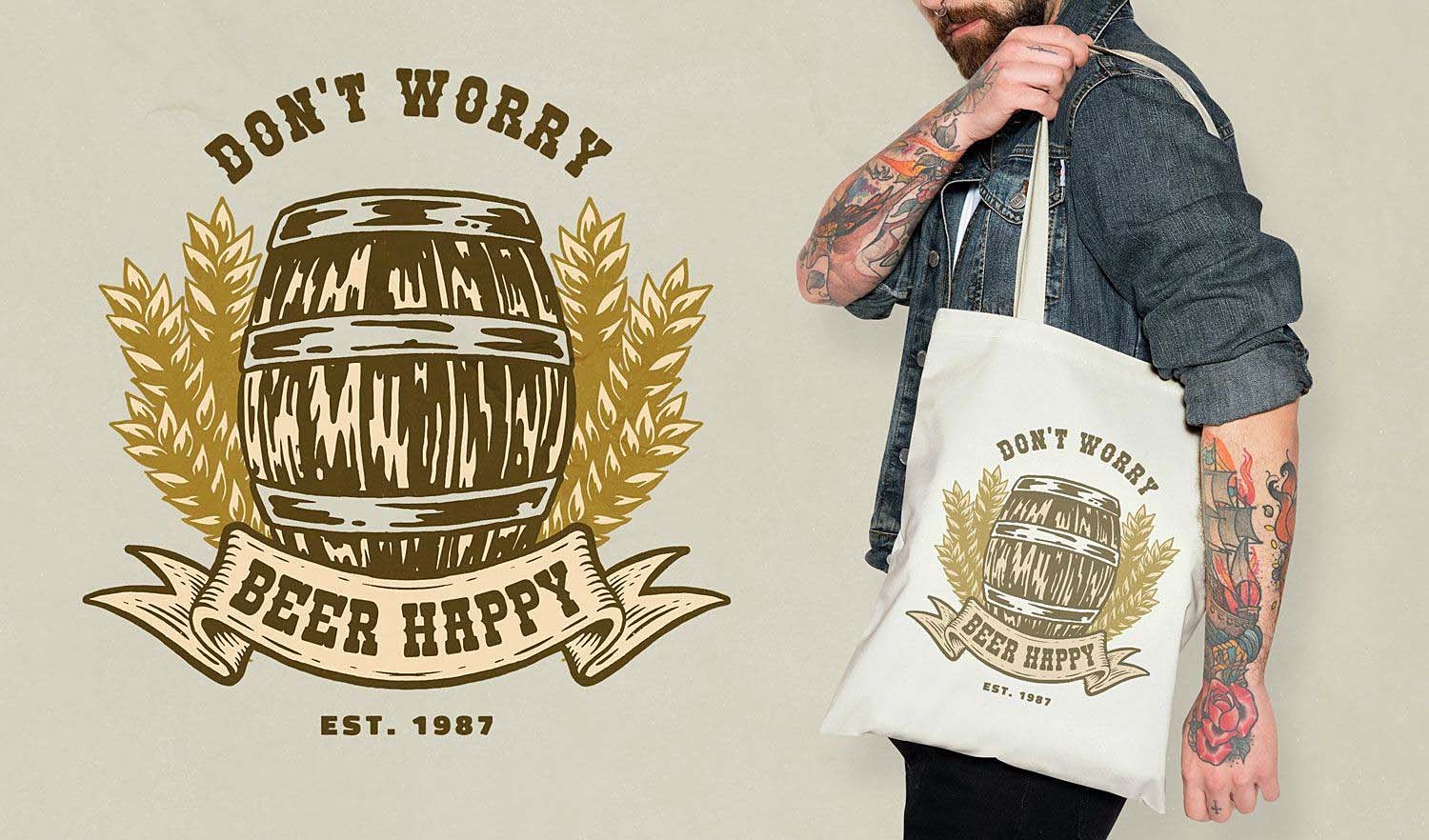
Leveraging Totes for Brand Exposure
In my years in this business, I’ve seen countless companies benefit from using tote bags in their marketing mix. They work because they combine utility with visibility. Unlike a pen that stays in a drawer, a tote bag travels with the user – to the grocery store, the office, the park. This creates repeated exposure for your brand. For a sourcing manager like Jacky planning gift strategies or promotional campaigns, the return on investment (ROI) in terms of brand impressions can be significant.
Consider the marketing advantages:
| Marketing Benefit | Why It Matters | Tactical Use Case |
|---|---|---|
| Large Imprint Area[^1] | Your logo and message are highly visible. | Bold graphics, detailed logos, clear messaging |
| High Utility1 | People actually use them, ensuring repeated exposure. | Trade show giveaways, gift-with-purchase |
| Mobility | Acts as a walking billboard, seen by many different people. | Event merchandise, retail product |
| Positive Association2 | Links your brand with usefulness and eco-consciousness. | Corporate gifts, sustainability campaigns |
| Longevity | Durable totes last for years, providing long-term brand visibility. | Employee onboarding kits, loyalty rewards |
| Cost-Effectiveness3 | Relatively low cost per impression compared to other advertising methods. | High-volume promotional campaigns |
The key is choosing the right quality and design to reflect your brand image. A cheap, flimsy bag might send the wrong message. Investing in a durable, well-designed tote enhances perceived value and ensures it gets used often, maximizing its marketing impact. It’s about crafting an item people are proud to carry.
Conclusion
Understanding tote bag costs[^1] involves looking at materials, quantity, and design. Knowing market value, profit margins1, demand, and marketing potential helps you source effectively and get real value.