Many buyers hear “jacquard” and expect a premium bag right away. I often see the problem start there. The bag looks different from what they imagined, and the cost rises fast.
Jacquard fabric for custom bags is not a single fabric type. It is a woven pattern method.1 I treat it as a design and construction choice. It works well when texture, repeated patterns, and brand identity matter more than photo-like graphics or the lowest cost.2
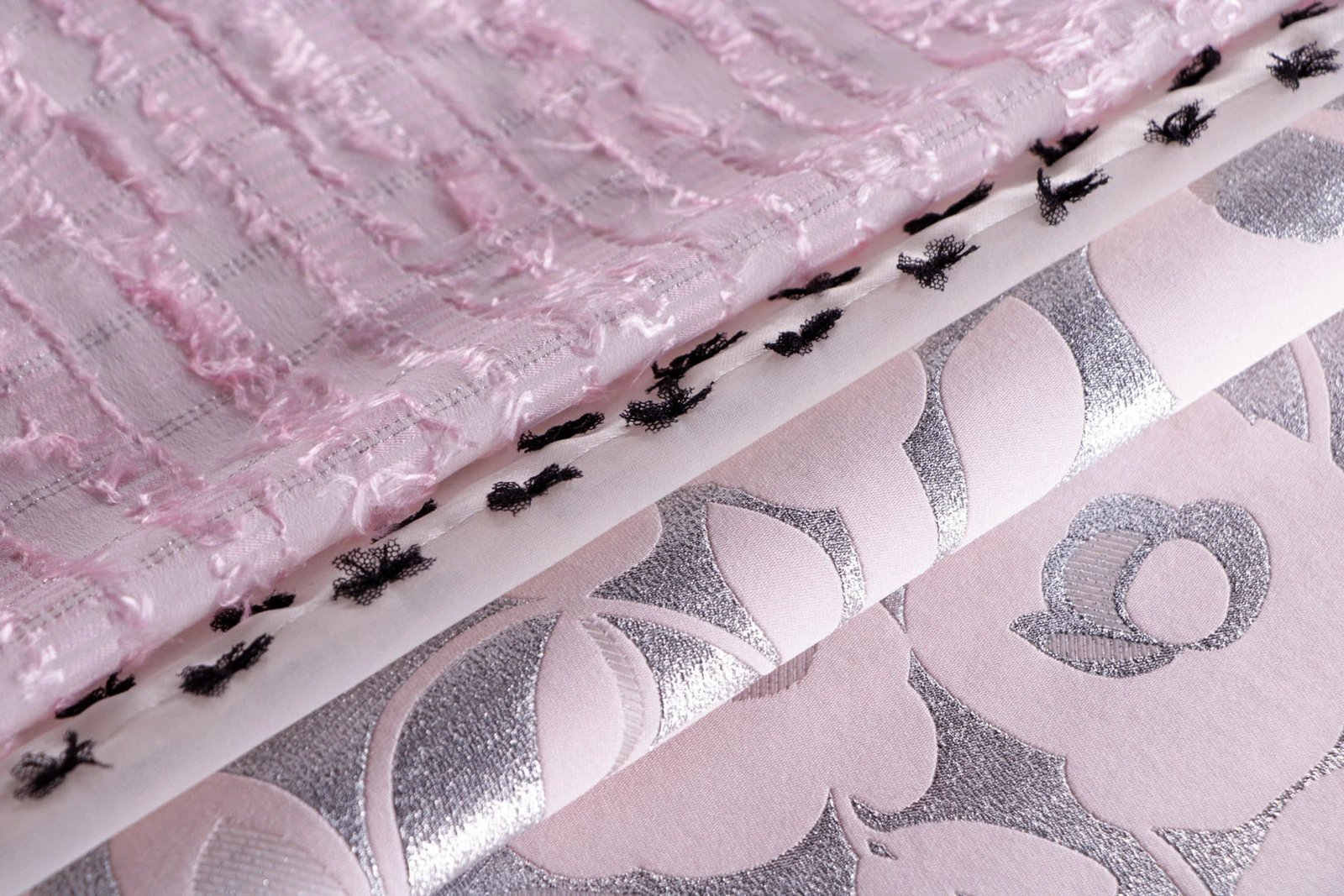
When I work on custom bag projects, I do not start by asking whether jacquard sounds premium. I start by asking what visual result the buyer wants, what budget the project has, and how the bag will be used. That is where good sourcing decisions begin. I have seen buyers change direction after sampling because woven logos looked softer, colors looked less sharp, or the overall style felt too heavy for the brand image. That is why this topic matters. Jacquard can be a smart choice. It can also be the wrong one if the project goal does not match the material effect.
What Makes Jacquard Fabric Suitable for Custom Bags?
Some buyers want a bag that feels more special than plain fabric. They want texture and identity. The problem is that they may expect jacquard to do everything at once.
Jacquard is suitable for custom bags when a brand wants patterns woven into the fabric itself, not just added on top.3 I find it works best for repeated motifs, textured logos, and designs that need a durable visual effect with a more crafted look.
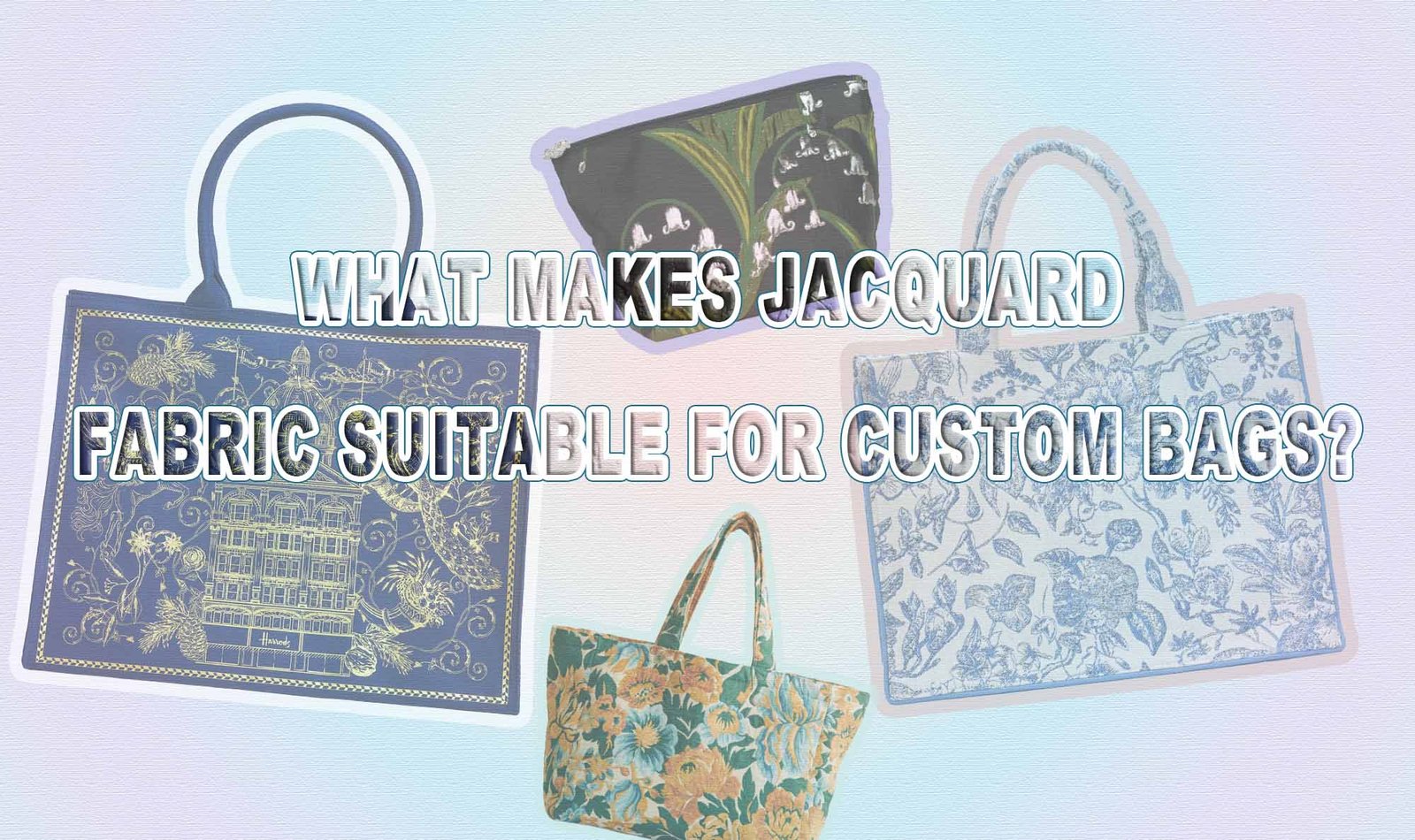
In my sampling experience, jacquard becomes useful when the brand goal is tied to texture and structure. A woven pattern feels built into the material. It does not sit on the surface like a print.4 That difference matters for some brands. It gives a more layered look. It can also help a bag stand out in a retail setting where many products use flat fabric.
Still, I always remind buyers that “suitable” does not mean “better in every case.” Jacquard has limits. Fine lines can lose clarity. Small text can become hard to read.5 Some color ideas do not translate well into woven construction. This is where expectations often break down.
Here is how I usually guide buyers during early material review:
| Buyer Goal | Jacquard Fit | What I Check First |
|---|---|---|
| Repeating logo pattern | Good fit | Logo size, spacing, yarn color limits |
| Rich texture | Good fit | Surface feel, weave density, bag structure |
| Sharp graphic artwork | Weak fit | Edge clarity, detail loss in woven form |
| Low development cost | Often weak fit | MOQ, setup cost, sampling time |
| Strong branded identity | Good fit | Pattern recognition, balance, readability |
For custom bags, jacquard makes the most sense when the design can accept woven interpretation. I use that phrase a lot because it saves time. A design on screen is one thing. A woven result is another thing. If the buyer wants exact lines, exact gradients, or exact image effects, jacquard may disappoint. If the buyer wants depth, repeat pattern, and a fabric-led brand look, jacquard can work very well.
How Is Jacquard Fabric Different from Printed Fabric?
Buyers often compare a jacquard sample with a print sample and feel confused. They see the same logo but not the same effect. That is normal, and it is a key sourcing moment.
Jacquard fabric differs from printed fabric because the pattern is woven into the material instead of applied on the surface.6 I see jacquard as texture-first and print as graphic-first. The right choice depends on visual goals, budget, and design complexity.
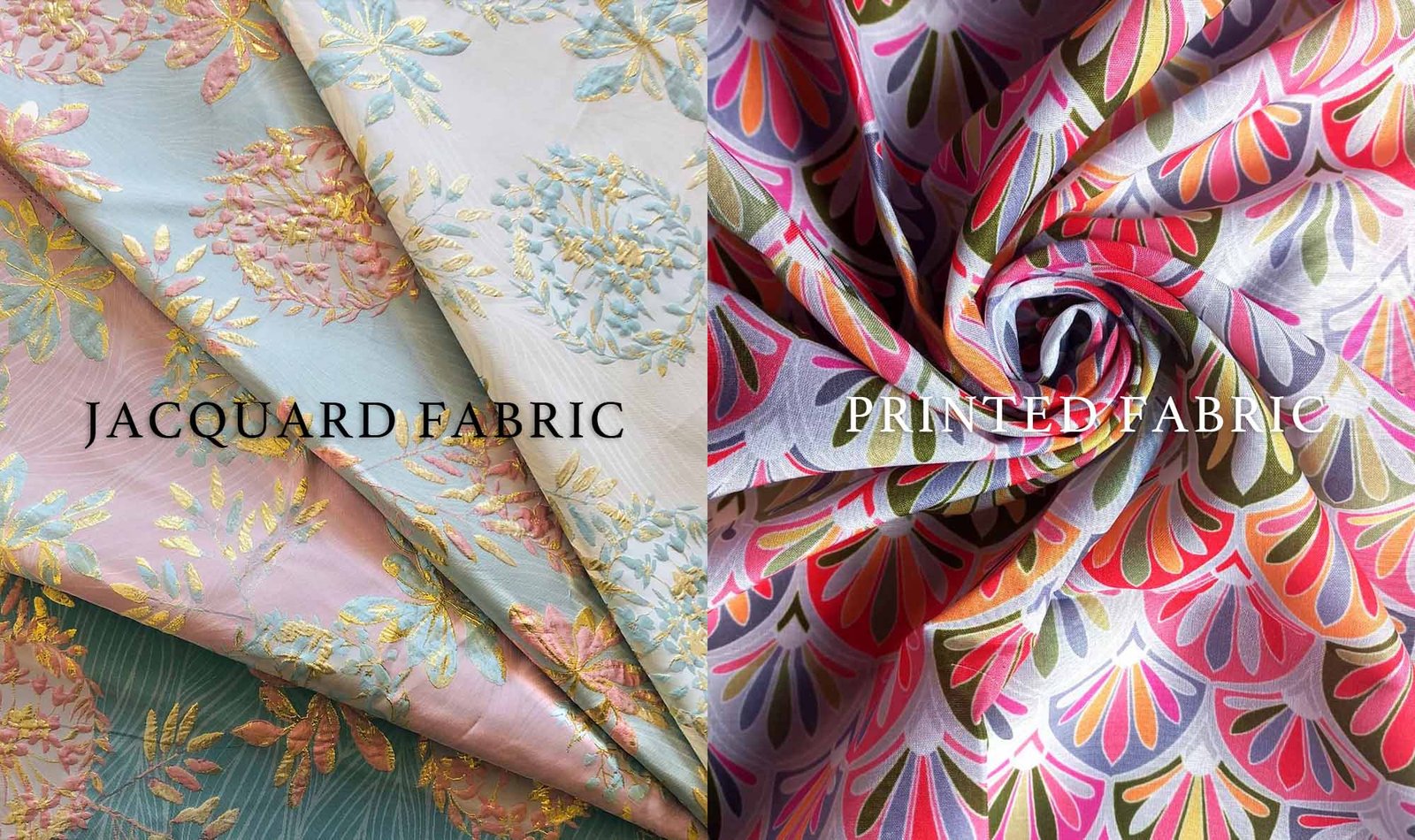
I often explain this difference with one simple question: do you want the pattern to come from the fabric structure, or do you want the fabric to act like a canvas? That one question clears up many misunderstandings.
Printed fabric gives more freedom in artwork. It can handle bright colors, sharp edges, gradients, and complex images.7 It is often easier for marketing teams because the result is closer to the original digital file. This is very useful when a brand has strict visual rules.
Jacquard works in a different way. The fabric itself creates the design. That gives the bag a more tactile feel. It can look more subtle or more refined, depending on the yarns and weave. Still, there is a trade-off. Some designs lose sharpness. Some logos become less clear. Some colors feel more muted than expected.
I usually compare them like this:
| Point of Comparison | Jacquard Fabric | Printed Fabric |
|---|---|---|
| Pattern method | Woven into fabric | Printed on surface |
| Texture | Stronger texture | Usually flatter |
| Graphic freedom | More limited | More flexible |
| Detail clarity | Can soften | Usually sharper |
| Color range | More controlled by yarns | Wider and easier |
| Development risk | Higher for pattern mismatch | Lower for visual match |
| Brand feel | Structural and crafted | Visual and direct |
In real projects, I do not present one as the winner. I look at use case. If the bag is for a fashion line with repeated monograms, jacquard may fit. If the bag needs campaign graphics or exact brand colors, print may be better. The mistake I often see is choosing jacquard for the image it suggests, not for the result it can truly deliver.
Why Do Brands Use Jacquard Fabric for Logo Bags?
Brands want their logo bags to feel branded without looking too loud. That sounds simple, but the material choice changes everything. A logo can either support the product or overpower it.
Brands use jacquard fabric for logo bags when they want the logo built into the material in a repeated, textured, and less surface-added way. I often see it used for brand identity projects where feel, depth, and pattern rhythm matter more than exact graphic sharpness.
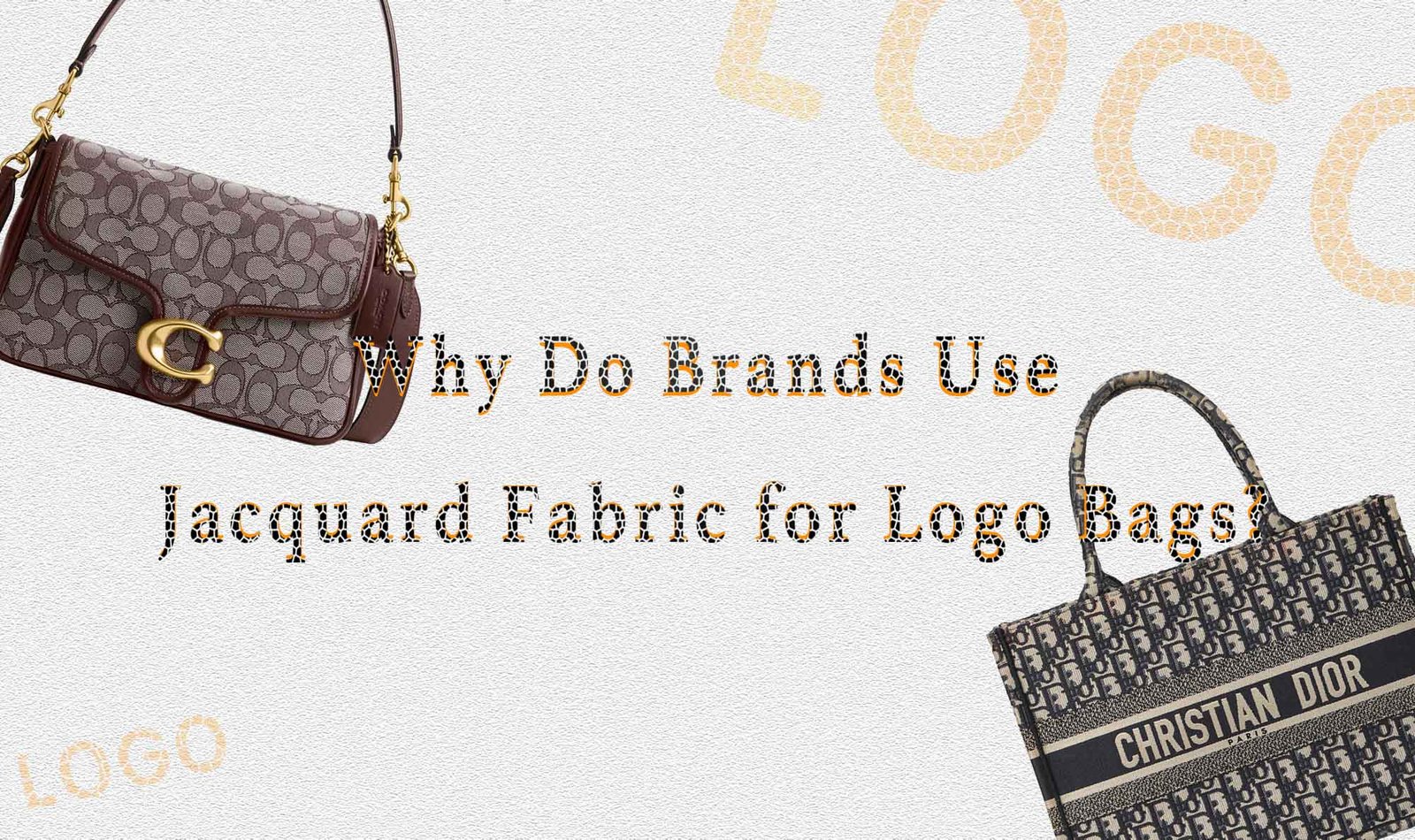
In custom development, logo bags are where jacquard creates both value and risk. The value is clear. A woven logo pattern can make the entire bag feel custom, not just decorated.8 The branding becomes part of the product body. That can help the bag look more unified.
But this is also where buyers often revise expectations. In our sampling experience, logo patterns that look elegant in concept can become too dense in fabric. A logo can repeat too tightly. Small letters can blur. The contrast between yarn colors may be weaker than expected. Then the brand team says the bag does not “read” right.
This is why I ask buyers to think about logo use in a practical way:
| Logo Question | Why It Matters for Jacquard |
|---|---|
| Is the logo simple or detailed? | Simple shapes usually translate better |
| Will the logo repeat or stand alone? | Jacquard works better for repeat layouts |
| Does the logo need sharp edges? | Woven edges are usually softer |
| Are exact brand colors required? | Yarn color matching has limits |
| Is subtle branding acceptable? | Jacquard often gives a softer logo effect |
I have worked on samples where the buyer first wanted a very detailed woven logo panel. After seeing the sample, they moved to a simpler repeat motif or changed to print plus standard fabric. That was not a failure. That was a better fit. The real goal is not to force jacquard into the project. The goal is to make the brand identity work on the bag in a way the market will accept.
What Types of Custom Bags Can Use Jacquard Fabric?
Some buyers think jacquard only belongs on fashion handbags. I understand why they think that. But in B2B bag sourcing, the answer is broader and more practical.
Many custom bags can use jacquard fabric, including tote bags, backpacks, cosmetic bags, travel bags, and some cooler or gift bags.9 I choose it based on bag function, panel size, structure, and whether the woven pattern helps the product instead of fighting it.
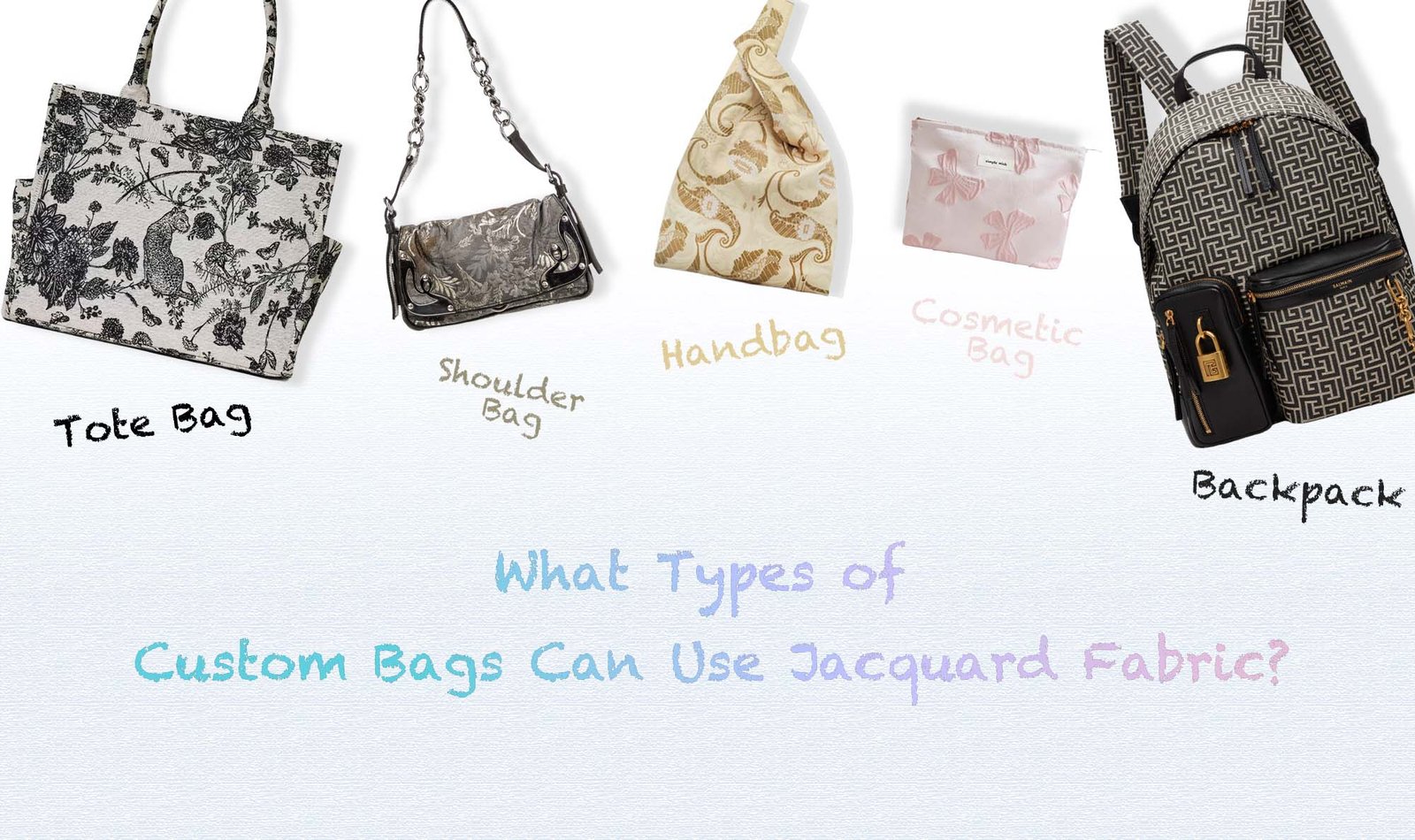
Jacquard can appear on full bag bodies, front panels, side panels, pocket panels, or decorative sections. I do not see it as an all-or-nothing material. In many projects, partial use is smarter. It controls cost and keeps the bag practical.
For example, tote bags often work well with jacquard because they have broad surface area10. That gives the pattern room to show. Backpacks can also work, but I pay more attention to abrasion, structure, and the mix with lining and support materials. Cosmetic bags can use jacquard for a small premium look, though the pattern scale has to be managed carefully. Duffle bags can use it, especially in branded travel collections, but I check weight and body shape. Cooler bags are more case by case because the thermal function and easy-clean surface may matter more than woven texture.
Here is how I break it down in sourcing talks:
| Bag Type | Jacquard Use Potential | Main Concern |
|---|---|---|
| Tote bag | High | Pattern scale and cost control |
| Backpack | Medium to high | Durability, panel support, style match |
| Cosmetic bag | Medium | Small size may limit pattern clarity |
| Duffle bag | Medium | Weight, structure, bulk appearance |
| Gift bag | High | Branding effect and event budget |
| Cooler bag | Low to medium | Functional surface needs may come first |
The key is not whether a bag can use jacquard. Many can. The key is whether jacquard helps the product story. If the bag needs clean function, low cost, and easy graphic messaging, another option may be better. If the bag needs a woven identity and stronger material presence, jacquard may deserve a place.
Is Jacquard Fabric a Good Choice for Premium Branded Bags?
Many people ask this question with a fixed idea in mind. They want me to confirm that jacquard equals premium. I do not answer that way because the market does not work that way.
Jacquard fabric can be a good choice for premium branded bags, but it is not premium by itself.11 I judge it by fit: design goal, fabric quality, pattern execution, construction details, and whether the final bag looks intentional rather than expensive-looking only.
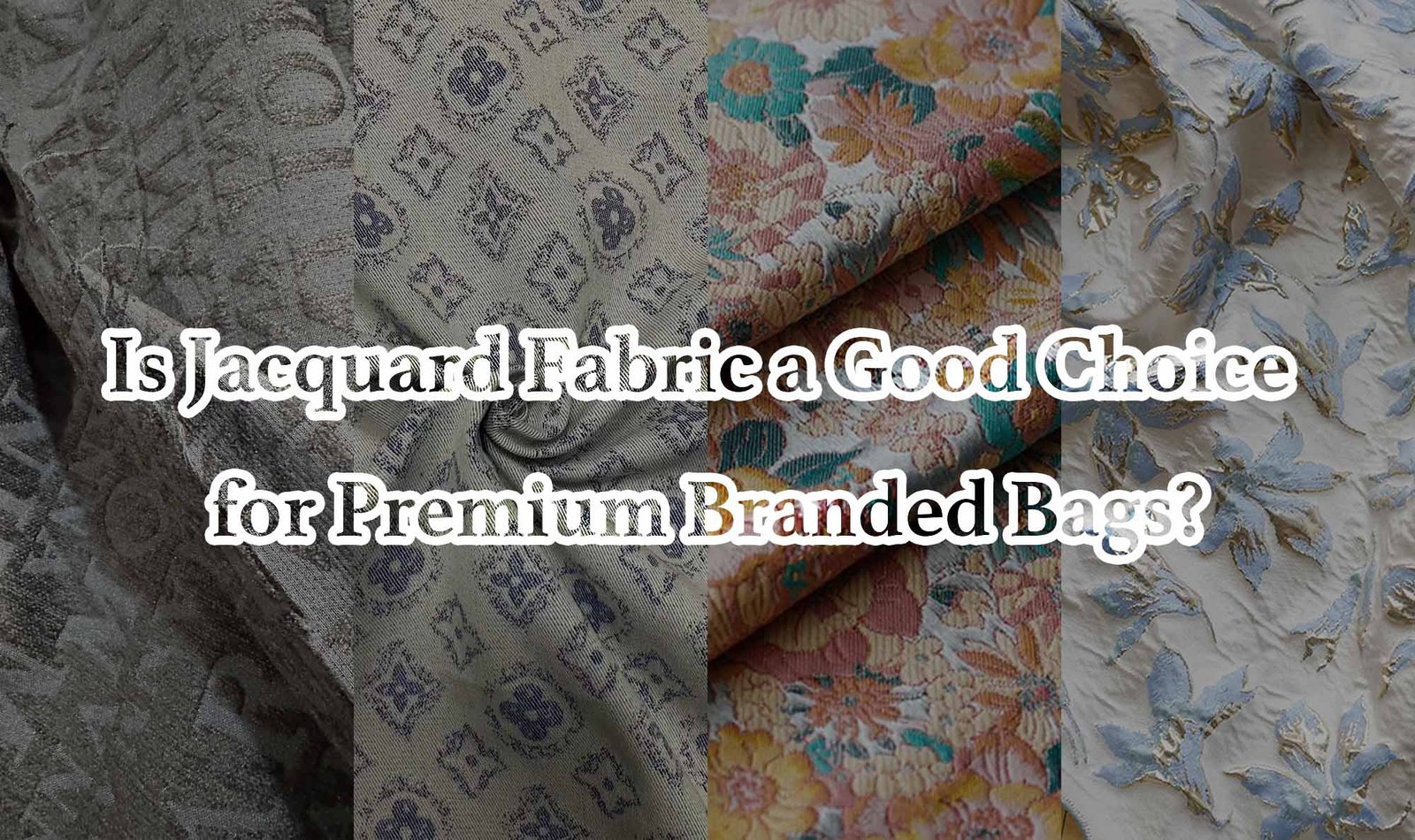
This is the most important point in the whole article. Jacquard is a method, not a shortcut. A weak design in jacquard does not become premium just because it is woven. A strong brand concept can use jacquard very well, but the result depends on execution.
In actual bag projects, “premium” usually comes from the full package. The yarn quality matters. The color balance matters. The hand feel matters. The shape of the bag matters. The trims, zippers, webbing, lining, and finishing all matter. If those parts do not support the woven fabric, the bag can look busy or dated instead of refined.
I often use this decision table with buyers:
| Decision Factor | When Jacquard Helps | When Jacquard Hurts |
|---|---|---|
| Brand identity | Repeated motifs and subtle logo depth | Logo needs exact sharp reading |
| Price position | Mid to premium lines with value story | Entry-level lines under tight cost pressure |
| Design style | Textured, layered, fashion-led look | Minimal flat graphic look |
| MOQ tolerance12 | Buyer can support development volume | Buyer needs very small run flexibility |
| Sampling patience | Team can review and adjust woven effect | Team expects first sample to match screen exactly |
For premium branded bags, I also compare jacquard with embroidery and standard woven fabric. Embroidery can highlight one logo area in a bold way. Standard woven fabric can keep cost and function balanced. Jacquard sits in the middle when the whole material needs to carry the brand story. But again, that only works when the project is built for it.
I have seen buyers start with the idea that jacquard would instantly elevate their line. After sample review, they realized the woven texture did not match their clean brand image. I have also seen the opposite. A buyer expected a normal logo tote, then chose jacquard after seeing how the repeated woven pattern gave the bag a stronger identity. That is why I never sell it as a universal upgrade. I treat it as one tool among several.
Conclusion
Jacquard for custom bags is a woven design choice, not an automatic upgrade. I always judge it by branding goal, pattern limits, cost, and the real sample result.
"Jacquard machine", https://en.wikipedia.org/wiki/Jacquard_machine. Reference works on textiles describe jacquard as a method of weaving figured or complex patterns directly into fabric by controlling individual warp yarns, indicating that the term denotes a weaving technique rather than a single fabric type. Evidence role: definition; source type: encyclopedia. Supports: That jacquard refers to a weaving method in which patterns are woven into the structure of the cloth, rather than a single standardized fiber or fabric category.. ↩
"[PDF] Jacquard art weaving: an inexhaustible process of exploration", https://digitalcommons.unl.edu/cgi/viewcontent.cgi?article=1799&context=tsaconf. Textile design sources commonly distinguish jacquard weaving from surface printing by noting that woven structures excel at repeat pattern, texture, and material depth, whereas photographic detail and low-cost multicolor image reproduction are usually more readily achieved through printing; this supports the comparison as a general design trade-off rather than an absolute rule for every production setup. Evidence role: general_support; source type: education. Supports: That jacquard weaving is typically favored for structural patterning and texture, while highly photographic imagery and low-cost visual reproduction are generally better matched to printing methods.. Scope note: Support is contextual and comparative; cost and graphic capability vary by machinery, yarn system, scale, and supplier. ↩
"Advancements in Pattern Coloration for Jacquard Woven Tapestry ...", https://jtatm.textiles.ncsu.edu/index.php/JTATM/article/download/14860/6436/51814. Textile references explain that jacquard patterning is created through weave construction, with motif formation arising from interlacement of yarns in the cloth rather than from an added surface layer, which supports its use where the design is intended to be integral to the fabric. Evidence role: mechanism; source type: institution. Supports: That jacquard designs are formed by the weave structure itself, unlike print or other surface applications.. ↩
"Figuring Out Fabrics: Chapters 50-60", https://www.cbp.gov/medialibrary/assets/video/49745. Standard textile descriptions distinguish printing as a surface coloration process and jacquard as a woven patterning process, supporting the statement that the jacquard motif is not merely deposited on the fabric surface. Evidence role: mechanism; source type: education. Supports: That prints are surface-applied coloration or imagery, whereas jacquard motifs arise from woven yarn arrangement.. ↩
"[PDF] jacquard weaving and designing", https://www2.cs.arizona.edu/patterns/weaving/books/btf_jac_2.pdf. Research on jacquard and woven image formation notes that pattern resolution is limited by yarn count, weave structure, and loom control, so very fine linework and small lettering may reproduce less clearly than in printed media. Evidence role: general_support; source type: research. Supports: That weave structure and yarn resolution constrain the reproduction of very fine detail in jacquard fabrics.. Scope note: The degree of detail loss depends on fabric density, yarn size, pattern scale, and machine capability. ↩
"Knit and Woven Fabric Design and Development", https://textiles.ncsu.edu/zte/knitwovendesign/. Textile education materials commonly contrast figured weaving and printing by stating that jacquard motifs are formed during fabric construction, whereas printed motifs are added after the base cloth is made. Evidence role: definition; source type: education. Supports: That jacquard patterns are produced within the weave, while printed patterns are applied after fabric formation.. ↩
"Advances in Printed Electronic Textiles - PMC", https://pmc.ncbi.nlm.nih.gov/articles/PMC10853734/. Studies and teaching materials on textile imaging generally report that printing methods provide broader freedom for continuous-tone effects, sharp graphic edges, and complex multicolor imagery than woven patterning, supporting the article’s comparison of artwork flexibility. Evidence role: general_support; source type: research. Supports: That textile printing is generally better suited than woven construction to continuous-tone images, gradients, and highly detailed multicolor graphics.. Scope note: The comparison is general; highly sophisticated jacquard systems can produce complex effects, though usually with different constraints than printing. ↩
"Creative Practices Embodied, Embedded, and Enacted in ...", https://pmc.ncbi.nlm.nih.gov/articles/PMC4701984/. Design literature on material expression and product identity indicates that branding incorporated into the structure of a product can be perceived as more integrated than purely surface-applied ornament, which provides contextual support for the claim about woven logo patterns. Evidence role: general_support; source type: paper. Supports: That embedding visual identity into material construction can contribute to a more integrated product expression than surface-applied decoration alone.. Scope note: This is indirect support from design theory and perception studies, not a bag-specific proof of consumer response. ↩
"The Jacquard Mechanism: A Revolution in Textile Design", https://encyclopedia.design/2023/12/12/the-jacquard-mechanism-a-revolution-in-textile-design/. Textile application references list jacquard among woven fabrics used for apparel, upholstery, and accessories, including bag-related products, supporting the statement that its use is not limited to one narrow bag category. Evidence role: general_support; source type: education. Supports: That jacquard fabrics are used in a range of textile products, including accessories and bags, beyond a narrow luxury-handbag context.. Scope note: Such sources usually document broad end uses and may not address suitability for each specific bag type or performance requirement. ↩
"Tutorial: Choosing Fabrics to Accent a Bag Design", https://www.lazygirldesigns.com/choosing-fabrics-to-accent-a-bag-design/. Accessory and textile design guidance commonly notes that repeat patterns and surface textures read more clearly on larger uninterrupted panels, which contextually supports the claim that tote-bag formats can showcase jacquard effectively. Evidence role: mechanism; source type: education. Supports: That larger uninterrupted fabric panels generally provide better visibility for repeat patterns and textured textiles in bag design.. Scope note: This is a design-principle inference rather than a direct empirical comparison of tote bags against other bag formats. ↩
"Package design as a branding tool in the cosmetic industry - PMC", https://pmc.ncbi.nlm.nih.gov/articles/PMC9123395/. Research on product quality perception and luxury or premium signaling generally finds that consumers infer value from a combination of material quality, craftsmanship, detailing, and brand presentation, supporting the statement that jacquard alone does not make a bag premium. Evidence role: expert_consensus; source type: paper. Supports: That premium perception in products is shaped by multiple cues such as material quality, workmanship, finishing, and brand execution rather than by a single material label alone.. Scope note: The evidence is about perceived quality and premium signaling broadly and may not isolate jacquard as a standalone variable. ↩
"Weft | Custom Woven Textiles", https://weft.design/. Textile manufacturing guidance commonly notes that custom woven developments, including jacquard, involve design setup, loom preparation, and sampling costs that can make very small production runs less economical than simpler or more flexible decoration methods. Evidence role: general_support; source type: education. Supports: That custom jacquard production often involves setup and development constraints that can make low-volume orders less economical.. Scope note: MOQ thresholds vary substantially by mill, loom type, fabric width, and order complexity. ↩