I see many brands add pockets fast. The problem comes when players cannot feel the value, and the bag becomes costly without selling better.
I believe players pay for pickleball bag features that protect paddles, separate shoes or wet items, carry comfortably, and look easy to use at retail. I would not add features only because they look impressive on a spec sheet.
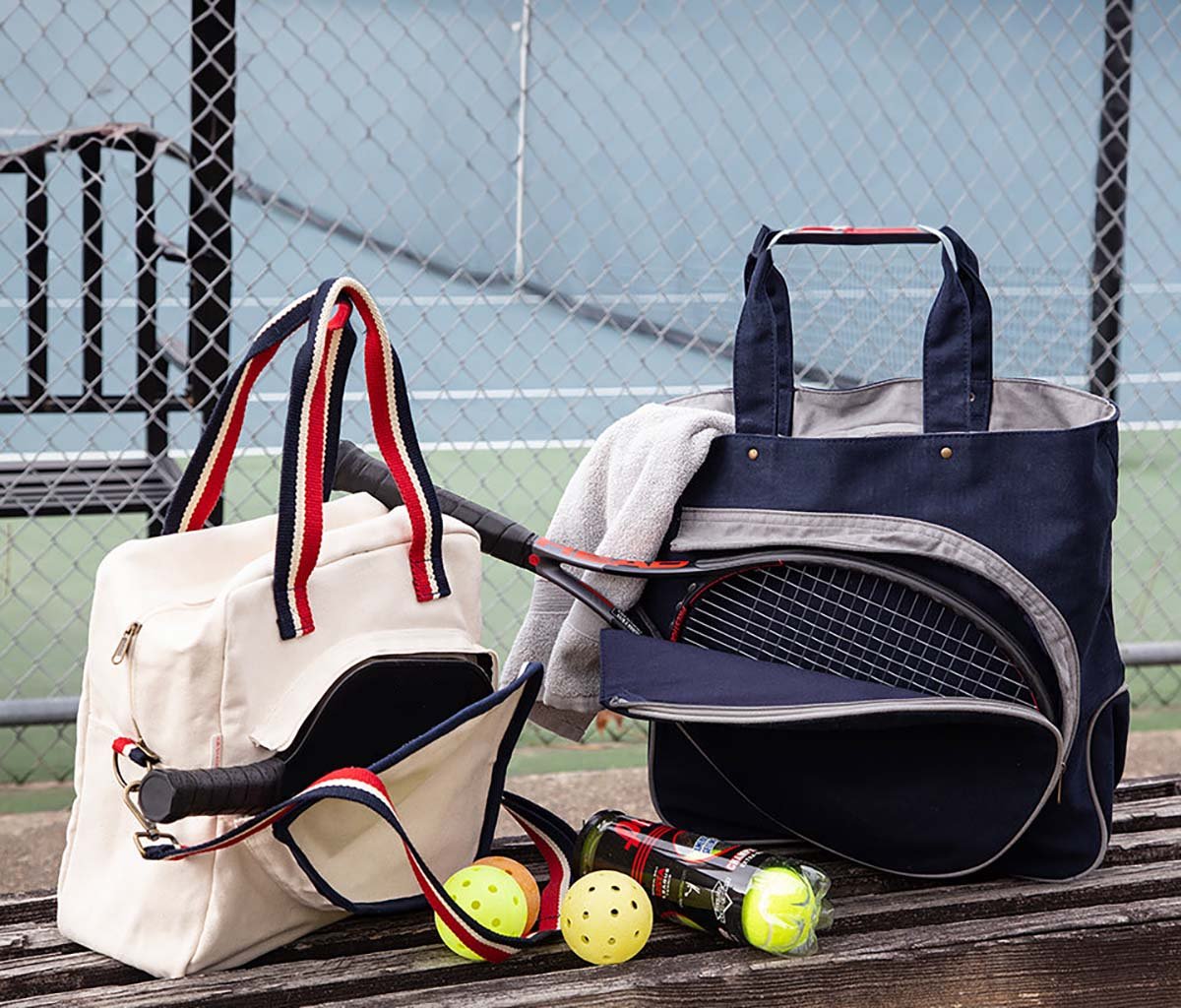
When I discuss custom sports bags with buyers, I often hear one question first: “What can we add?” I usually ask a different question. I ask what the player can notice in three seconds. A clear paddle compartment, a shoe pocket, a strong bottom, and a simple bottle holder can feel more valuable than ten hidden pockets. I also see that pickleball bags need their own thinking. I do not treat them as small tennis bags.1 Pickleball players carry different gear, move in different ways, and often buy based on easy court use.
What is the best bag style for pickleball players?
I see buyers struggle when they choose a style too early. The wrong style can make a good bag feel clumsy on the court.
I usually choose the best pickleball bag style by matching the player’s use case. I look at daily play, club events, retail price, and gear amount. A backpack works for most casual and regular players, while duffles and totes fit different selling positions.
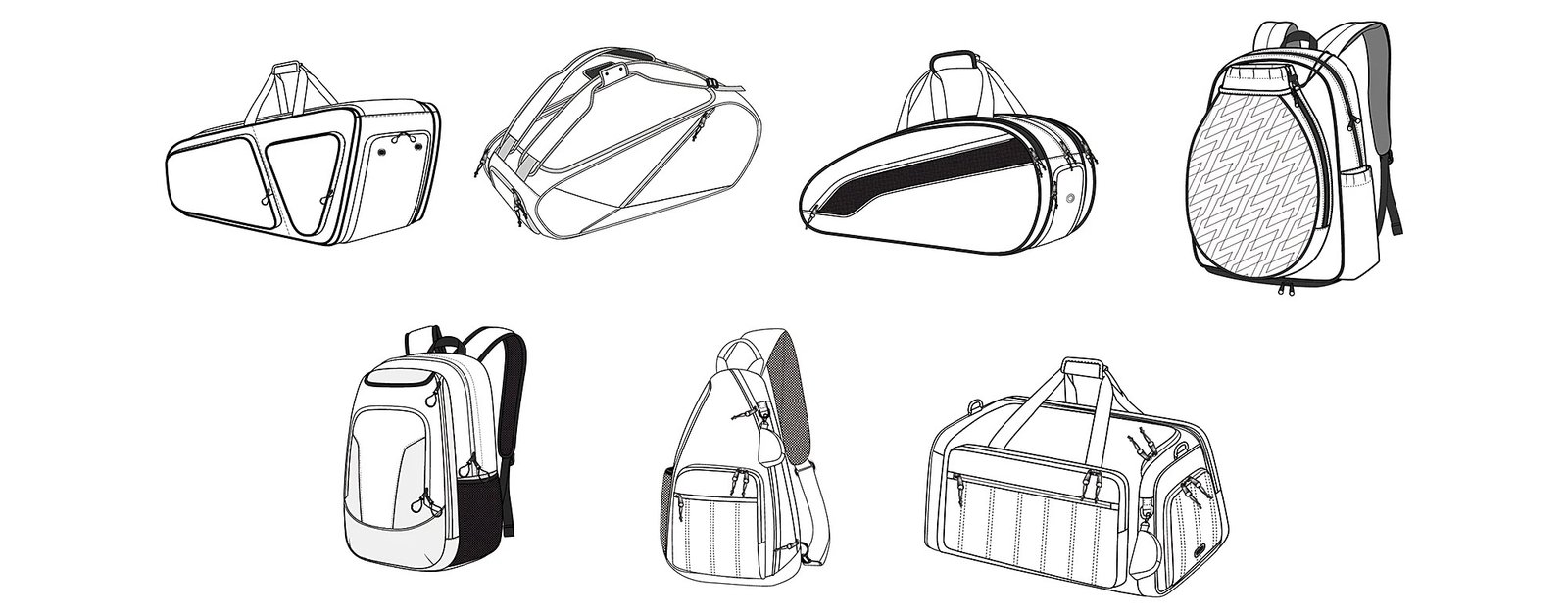
From a bag structure point of view, I do not think one style wins for every buyer. I first separate the product into user scenes. A casual player may want a clean backpack that holds two paddles, balls, a towel, and a bottle. A club player may want more space for shoes and clothes. A tournament gift buyer may prefer a tote or sling because it is simple, light, and easy to brand. I have seen buyers spend too much on a complex shape, then reduce fabric quality to protect the price. I think that is a poor trade.
| Bag Style | I Use It For | Main Paid Value | Cost Risk |
|---|---|---|---|
| Backpack | Daily play and retail | Easy carry, clear pockets | Too many compartments |
| Tote | Clubs and lifestyle retail | Simple look, low weight | Weak paddle protection |
| Duffle | Team and tournament use | Large capacity | Higher material usage |
| Sling | Entry-level products | Light and quick access | Limited storage |
I would start with the selling channel. If the bag hangs in retail, the front look and visible paddle area matter. If the bag is for a team order, logo area and packing efficiency matter more. I always try to connect style with a reason that the buyer can explain to the end customer.
How many paddles should a pickleball bag hold?
I see many buyers ask for maximum paddle capacity. I think that question can raise cost before it raises real value.
I usually suggest two to four paddle positions for most pickleball bags. Two paddles fit casual players well. Four paddles can support clubs, coaches, and frequent players.2 I would add more only when the retail story is clear.
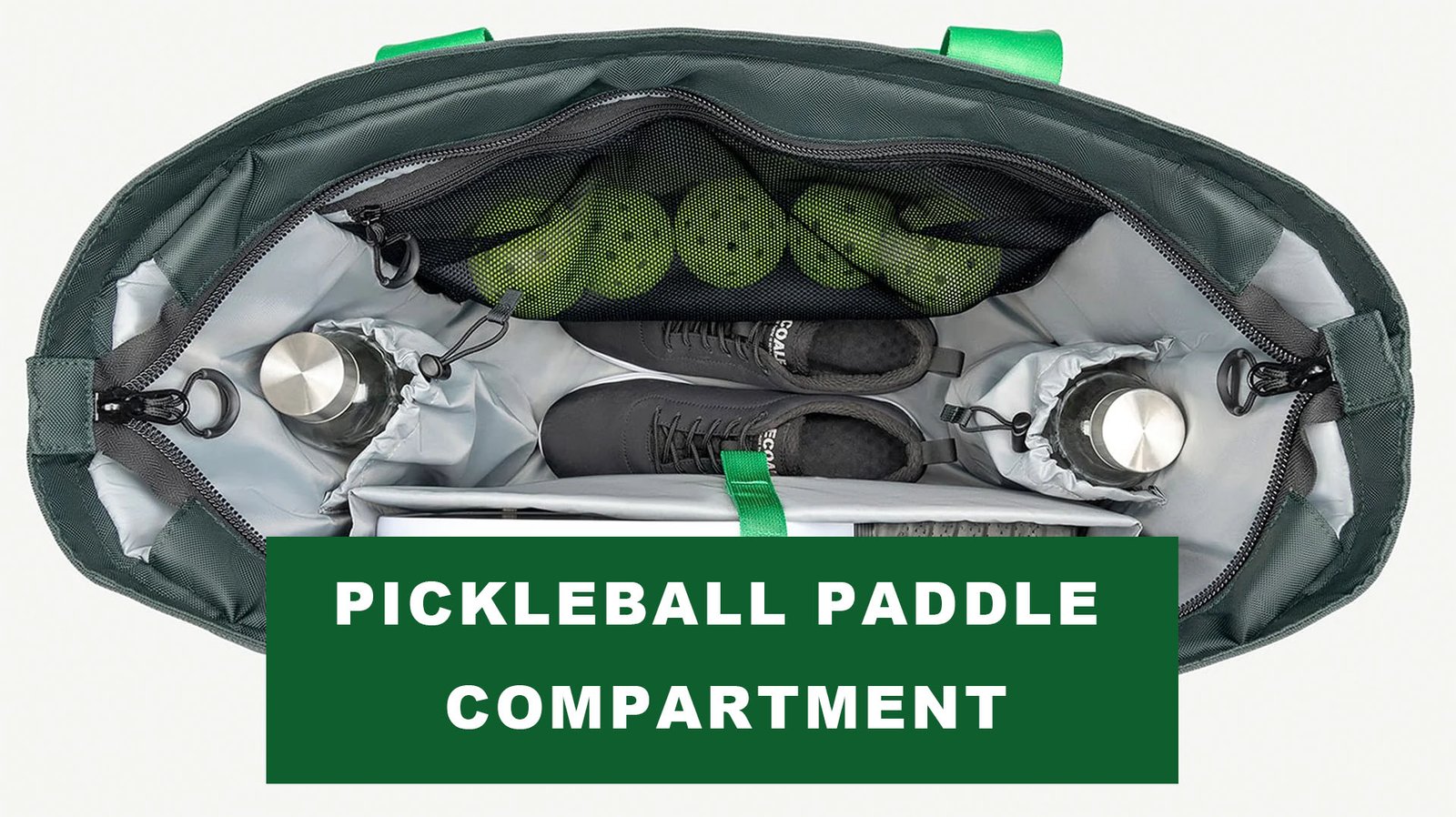
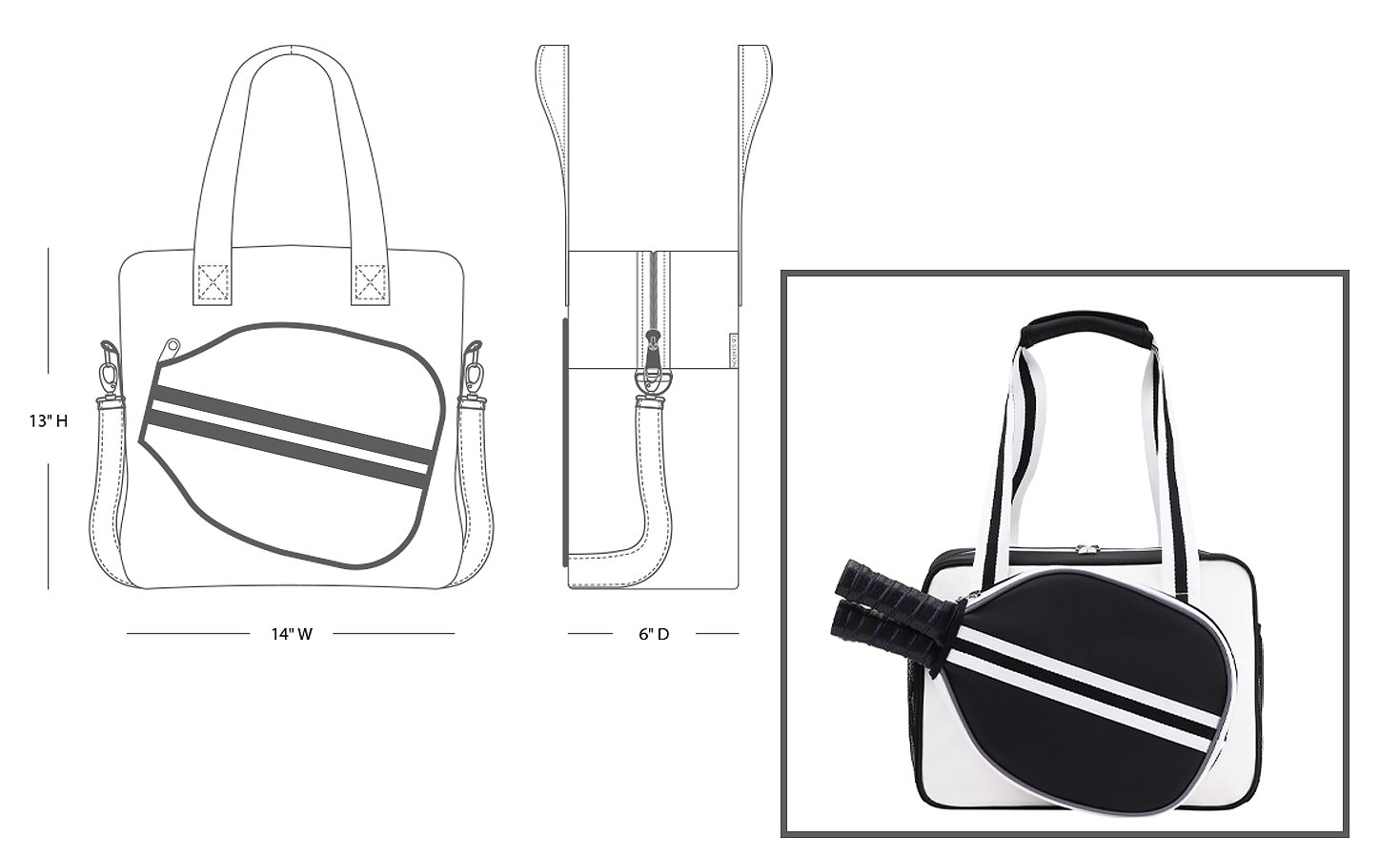
Paddle storage is one of the easiest features for a player to understand. A paddle is not just another flat item. A player cares about the face, edge, grip, and quick access3. I do not like loose paddle pockets that bend or rub against shoes and bottles. I prefer a dedicated paddle sleeve with padding, soft lining, or a simple divider. I also look at zipper length. A short zipper can make the sleeve cheap, but the player may fight with the paddle every time.
| Paddle Count | Best User | Design Point | My Warning |
|---|---|---|---|
| 1 paddle | Entry gifts | Basic sleeve | Low retail value |
| 2 paddles | Most daily players | Padded rear pocket | Best balance |
| 3-4 paddles | Frequent players | Wider compartment | Watch bag thickness |
| 5+ paddles | Coaches or teams | Duffle format | Not for all retail |
I often tell buyers that paddle protection should be visible. If the pocket is hidden and the hangtag does not explain it, the cost may not help sales. I would rather make one good padded paddle section than add three weak flat pockets. The player should open the bag and understand the promise at once. That promise is simple: the paddle has its own safe place.
Do players prefer backpacks, totes or duffle bags?
I do not think players choose only by style name. I think they choose by how the bag fits their day before and after play.
I see backpacks as the safest retail style for many pickleball buyers. I see totes as lifestyle-friendly and easy to customize. I see duffle bags as better for larger gear loads, clubs, and team orders.
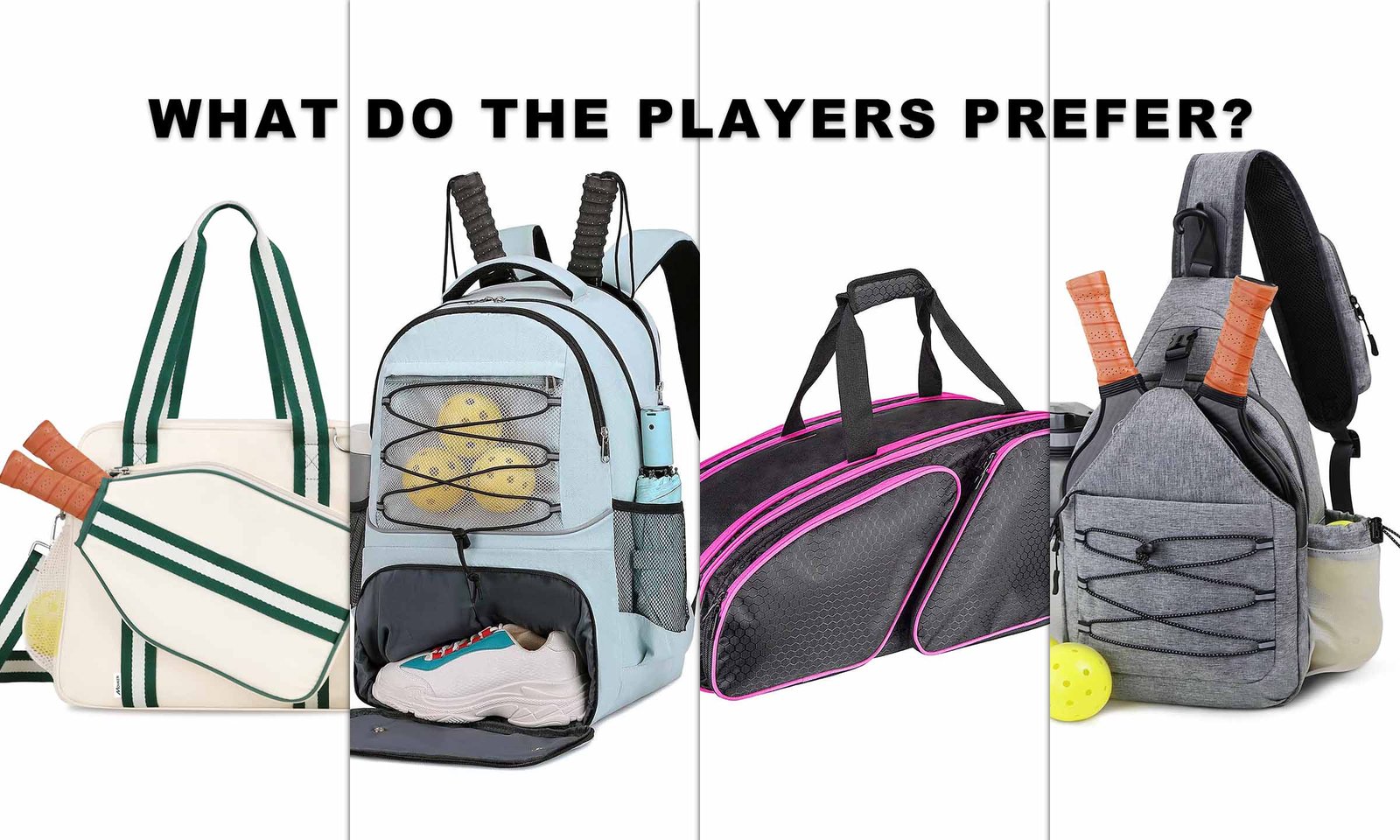
I treat backpacks, totes, and duffles as different business tools. A backpack gives hands-free carry.4 It suits players who drive to the court, walk from the parking lot, and carry a bottle and shoes. It also gives many design areas for pockets. A tote gives a softer lifestyle look. It can work well for women’s retail lines, club shops, or promotional events. It can show fabric color and logo very clearly. A duffle gives more volume. It fits shoes, clothes, towels, and extra balls. It also uses more fabric and can cost more to ship because the packed size may increase5.
| Style | I See Strong Use In | Player Reason To Pay | Buyer Reason To Choose |
|---|---|---|---|
| Backpack | Broad retail | Comfortable carry | Wide market fit |
| Tote | Lifestyle and clubs | Easy drop-in storage | Strong logo display |
| Duffle | Teams and events | High capacity | Good for bundles |
| Hybrid | Premium retail | Flexible use | More unique look |
I would not copy a tennis backpack and only change the label. Pickleball bags can be smaller, but they still need a smart layout. I focus on paddle shape, ball access, bottle position, and wet-item separation. I also look at how the bag stands. A bag that falls over on the court can annoy a player even if it has many features. Good structure can create more value than extra decoration.
What pockets matter for shoes, balls and water bottles?
I see pockets as useful only when they follow real court habits. Random pockets can make the bag heavy, confusing, and more expensive.
I believe the most valuable pickleball bag pockets are a shoe or dirty-item pocket, a quick ball pocket, a stable water bottle holder6, and a padded paddle pocket. I would make these easy to see and easy to reach.
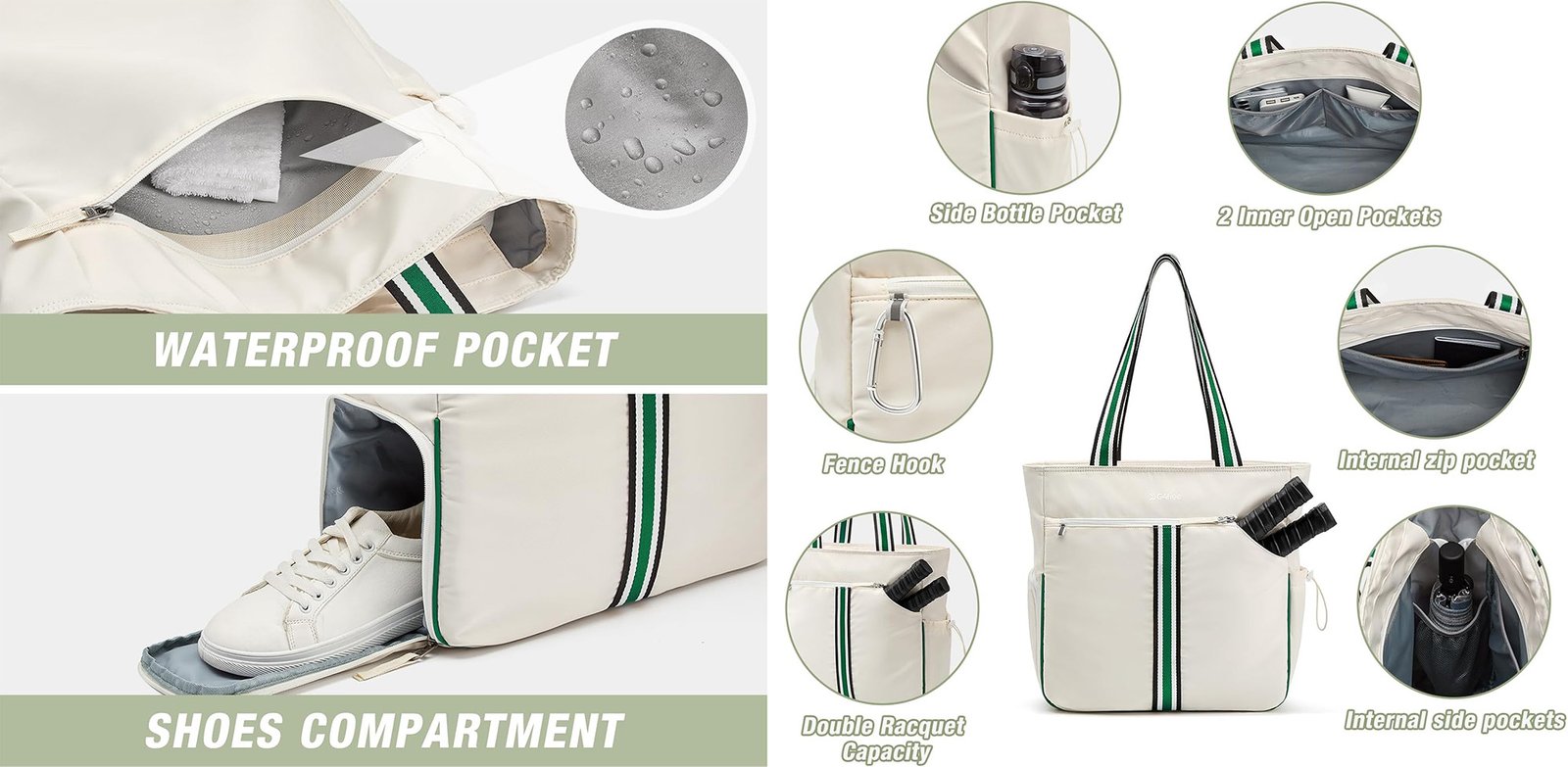
I look at separation first. Shoes, wet towels, and used clothes should not touch paddles or clean items.7 This is a simple problem, and players understand it quickly. A ventilated shoe pocket8 can create strong paid value, but it must be sized with care. If it steals too much main space, the player may feel the bag is smaller than expected. A ball pocket should be simple and fast. A buyer may want many ball slots, but I often prefer one clean pocket with enough stretch or depth. A bottle holder should hold the bottle steady. A weak mesh pocket may look fine in a photo, but it can fail in real use.
| Pocket Type | Why I Add It | Better Detail | Cost Note |
|---|---|---|---|
| Shoe pocket | Keeps dirt separate | Ventilation eyelets or mesh | Adds labor and volume |
| Ball pocket | Fast court access | Front or side location | Low cost if simple |
| Bottle holder | Daily use | Elastic top or buckle | Needs strong stitching |
| Wet pocket | Protects clean items | Water-resistant lining | Adds material cost |
I also check how the player moves through the bag. I ask what the player opens first at the court. I ask where the bottle sits when the bag is on a bench. I ask if the shoe pocket can be cleaned. These small questions matter because they turn a pocket from a feature into a benefit. I want the buyer to pay for order, not clutter.
How can clubs customize bags for teams and tournaments?
I see club buyers ask for a special look. I also see them worry about minimum order quantity, delivery time, and logo quality.
I suggest clubs customize pickleball bags with logos, team colors, name labels, zipper pulls, hangtags, and packaging. I would keep the structure simple if the event schedule is tight or the order size is limited.
Customization can add value when it supports identity.9 A club bag does not always need a new mold or a very complex structure. In my OEM and ODM work, I often see better results when buyers start with a proven base style and adjust the visible parts. The logo method matters. Screen printing can be cost-effective for simple logos. Embroidery can feel more premium, but it may not suit every fabric.10 Rubber patches, woven labels, and metal plates can change the price and the lead time. I always connect the logo method with the fabric, target price, and order quantity.
| Custom Part | I Recommend It When | Value To Club | Production Note |
|---|---|---|---|
| Logo print | Budget orders | Clear branding | Fast and simple |
| Embroidery | Premium club line | Higher texture | Needs stable fabric |
| Custom color | Team identity | Strong visual match | MOQ may rise |
| Name tag | Team use | Personal ownership | Adds small labor |
| Custom packaging | Retail resale | Better shelf look | Adds packing cost |
I also ask about tournament timing early. Delivery risk can destroy a good product plan. If a club needs bags for a fixed event date, I prefer fewer risky details. I focus on fabric approval, sample confirmation, logo artwork, and packing method. I would rather deliver a clean, useful bag on time than chase a complex idea that misses the event. Customization should make the club proud, but it should not make production unstable.
What price points work for retail pickleball bags?
I see price decisions become difficult when buyers look only at factory cost. Retail value depends on what the player can understand and compare.
I usually connect pickleball bag price points with feature clarity. Entry bags need simple carry and basic paddle storage. Mid-range bags need better protection and separation. Premium bags need material, comfort, structure, and branding that feel clear.
I cannot set one retail price for every market, because channels, brand position, duty, freight, and margin all change the final number11. I can still think in price bands. An entry bag should not carry too many hidden features. It needs a clean shape, a logo area, and basic function. A mid-range bag can carry the best value features, such as padded paddle protection, a shoe pocket, stronger zippers, and a better bottom. A premium bag should feel different in hand. It may use better fabric, stronger webbing, molded parts, improved back padding, and a more refined lining.
| Retail Position | I Would Focus On | Features To Avoid | Better Investment |
|---|---|---|---|
| Entry | Simple storage | Complex hidden pockets | Clean logo and light fabric |
| Mid-range | Visible function | Decorative extras | Paddle and shoe separation |
| Premium | Material and comfort | Gimmicks | Structure and finish |
| Club order | Identity and timing | Risky custom shape | Logo and color control |
I advise buyers to protect perceived value. A player may not know fabric denier or zipper type, but the player can feel a weak bottom, a rough strap, or a floppy paddle pocket. I also think a good mid-range bag can sell better than an overloaded cheap bag. The product should have a clear story. I want the hangtag or online page to say three things fast: it protects paddles, separates dirty gear, and carries comfortably. When those points are true, the price has a stronger reason.
Conclusion
I believe players pay for clear value, not feature count.12 I would build pickleball bags around protection, separation, comfort, and realistic production cost.
"Pickleball - Wikipedia", https://en.wikipedia.org/wiki/Pickleball. USA Pickleball’s equipment and rule materials identify pickleball as a paddle sport with regulated paddles, balls, and court dimensions distinct from tennis; this supports treating pickleball bag design as a sport-specific problem, although it does not directly test consumer preferences for bag layouts. Evidence role: definition; source type: institution. Supports: Pickleball uses distinct equipment, including paddles and plastic balls, and has its own court and play format, which provides context for sport-specific bag layouts.. Scope note: Contextual support only; it does not prove that pickleball players reject tennis-style bags. ↩
"Pickleball Rules - Recreational Sports and Fitness Services", https://recsports.msu.edu/activity-rules/pickleball-rules. Official pickleball rules describe both singles and doubles play and specify paddle use by players, supporting the practical relevance of two- to four-paddle storage; this is contextual evidence and does not establish an optimal retail paddle capacity. Evidence role: general_support; source type: institution. Supports: Pickleball is played in singles and doubles formats, with each player using a paddle, making two- to four-paddle storage a reasonable design context.. Scope note: Contextual support only; it does not directly validate the recommended bag capacity. ↩
"EQUIPMENT STANDARDS MANUAL", https://usapickleball.org/docs/rules/USAP-Equipment-Standards-Manual.pdf. USA Pickleball’s paddle equipment standards define regulated paddle characteristics, including the hitting surface and dimensional constraints, supporting the article’s emphasis on protecting paddle components such as the face, edge, and grip. Evidence role: definition; source type: institution. Supports: Paddle standards and equipment descriptions identify the hitting surface, dimensions, and grip-related characteristics as regulated or functionally relevant parts.. ↩
"Impact of Backpacks on Ergonomics: Biomechanical and ... - PMC", https://pmc.ncbi.nlm.nih.gov/articles/PMC9180465/. University ergonomics guidance describes backpacks as load-carrying devices that distribute weight across the shoulders and back while leaving the hands free, supporting the article’s functional explanation of backpack carry. Evidence role: mechanism; source type: education. Supports: Backpacks are designed to carry loads on the back and can keep the hands free when properly fitted and loaded.. ↩
"Parcel Size, Weight & Fee Standards", https://faq.usps.com/s/article/Parcel-Size-Weight-Fee-Standards. Postal and carrier dimensional-weight guidance explains that package dimensions can affect billable weight and shipping charges, supporting the claim that increased packed size may raise logistics cost. Evidence role: mechanism; source type: government. Supports: Shipping charges can depend on dimensional weight, so larger package dimensions may increase cost even when actual weight is low.. ↩
"American College of Sports Medicine position stand. Exercise and ...", https://pubmed.ncbi.nlm.nih.gov/17277604/. Sports-medicine hydration guidance recommends maintaining fluid intake before, during, and after physical activity, supporting the practical value of a secure water-bottle holder in a court-sport bag; this evidence concerns hydration needs rather than testing bottle-holder designs. Evidence role: expert_consensus; source type: institution. Supports: Sports-medicine and public-health guidance recommends fluid intake around physical activity, supporting the usefulness of carrying water securely.. Scope note: Contextual support only; it does not prove that one holder construction is superior. ↩
"Is it Possible to Sanitize Athletes' Shoes? - PMC - NIH", https://pmc.ncbi.nlm.nih.gov/articles/PMC4495438/. Studies of athletic footwear, towels, and sports environments report microbial contamination and moisture retention in used gear, supporting the hygiene rationale for separating shoes, wet towels, and used clothing from clean bag contents. Evidence role: mechanism; source type: paper. Supports: Used athletic shoes, towels, and clothing can carry moisture and microorganisms, supporting separation from clean gear.. ↩
"Footwear microclimate and its effects on the microbial community of ...", https://pmc.ncbi.nlm.nih.gov/articles/PMC8514438/. Footwear and textile-hygiene research links moisture retention in shoes with odor and microbial growth, providing a mechanism for why ventilation in a shoe pocket can be functionally useful; the evidence supports the moisture-control rationale rather than proving consumer willingness to pay. Evidence role: mechanism; source type: paper. Supports: Ventilation can help reduce moisture accumulation in footwear environments, which is associated with odor and microbial growth.. Scope note: Contextual support only; it does not directly measure retail value for ventilated shoe pockets. ↩
"Relationship Between Team Identification and Consumption ... - PMC", https://pmc.ncbi.nlm.nih.gov/articles/PMC9136392/. Sport-consumer research on team identification and social identity theory shows that branded apparel and symbols can reinforce group belonging, supporting the claim that club-bag customization may add identity value. Evidence role: mechanism; source type: paper. Supports: Research on social identity and sport-team identification shows that symbols, apparel, and branded objects can express group belonging.. ↩
"TD: Textile Design | Fashion Institute of Technology Catalog", https://catalog.fitnyc.edu/undergraduate/courses/td/. Textile-decoration guidance from educational sources describes screen printing and embroidery as distinct processes with different substrate requirements, cost drivers, and surface effects, supporting the article’s comparison of logo methods; perceived premium quality remains partly subjective. Evidence role: general_support; source type: education. Supports: Textile-decoration references distinguish screen printing and embroidery by process, substrate suitability, durability, cost drivers, and visual effect.. Scope note: Contextual support only; it does not quantify premium perception for pickleball bags. ↩
"Tariffs, transportation, and profits in cross-border e-commerce - PMC", https://pmc.ncbi.nlm.nih.gov/articles/PMC11709283/. Retail-pricing and landed-cost references identify distribution-channel margins, transportation charges, import duties, and market positioning as contributors to final consumer price, supporting the article’s explanation that factory cost alone does not determine retail price. Evidence role: mechanism; source type: education. Supports: Retail-pricing and landed-cost frameworks include distribution margins, freight, duties, and positioning as inputs to final retail price.. ↩
"Do Product Characteristics Affect Customers' Participation in ...", https://pmc.ncbi.nlm.nih.gov/articles/PMC8770827/. Research on feature fatigue in consumer products finds that additional capabilities can reduce usability and post-purchase satisfaction when complexity increases, supporting the article’s claim that clear value can matter more than feature count. Evidence role: expert_consensus; source type: paper. Supports: Consumer research on feature fatigue finds that more features can reduce usability and satisfaction when complexity outweighs perceived benefit.. ↩