Shoe bags often get treated like a small packaging detail, but that mistake creates bigger problems later. I often see buyers focus on logo printing first, then discover the bag feels wrong, fits badly, or does not match the product scene. The better solution is to customize for actual use, not just appearance.
Footwear and hotel buyers should customize shoe bags by starting with two essentials: material and size1. These two choices affect protection, fit, handfeel, brand perception, and cost far more than decorative upgrades alone. After that, buyers can choose logo methods and final production details based on the real use scenario.
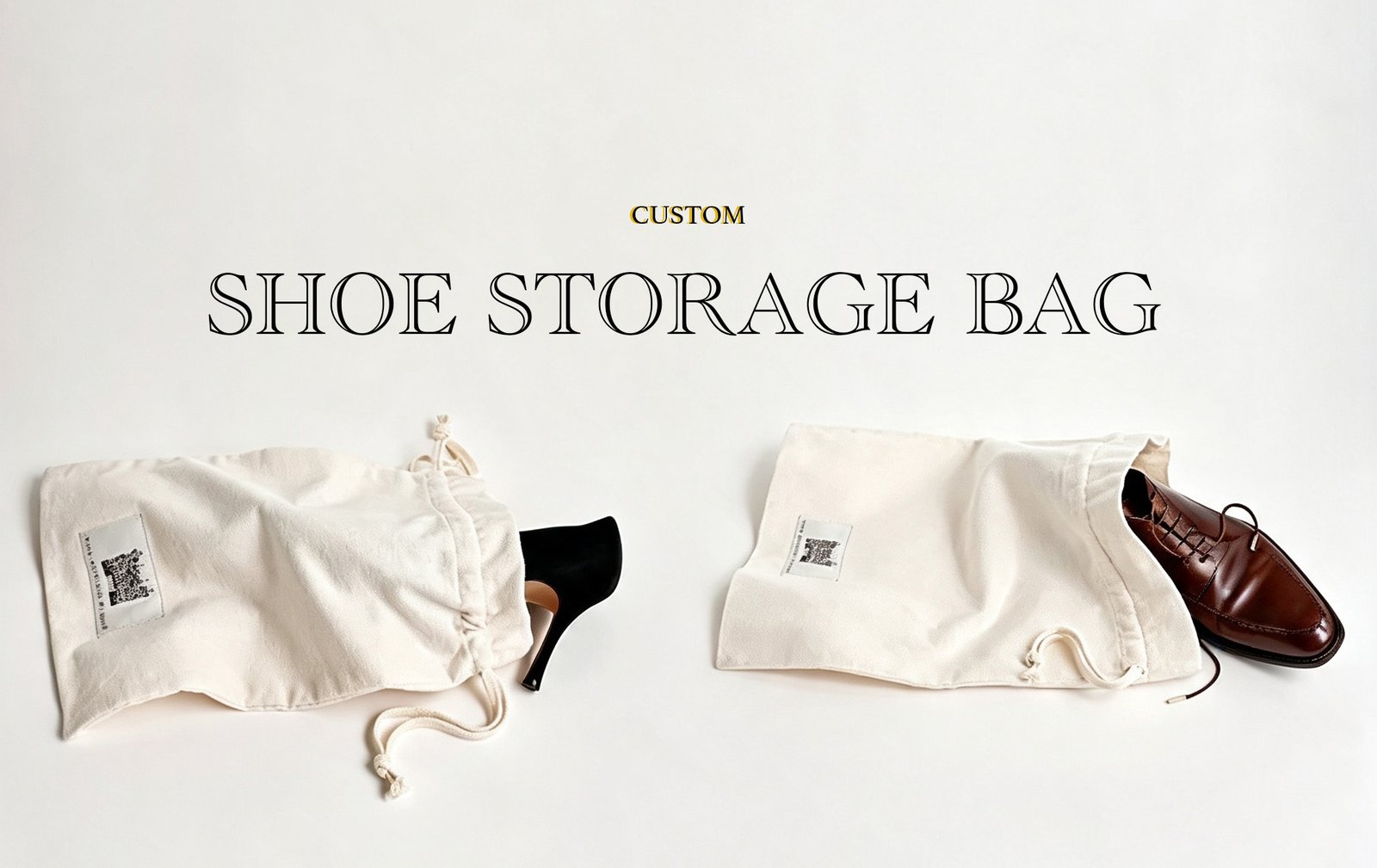
When I discuss new projects with buyers, I usually ask one question before anything else: What shoes and what usage scenario is this bag actually for? That question changes the whole conversation. A dust bag for premium leather shoes is not the same as a hotel slipper bag, and a sneaker bag for retail presentation is not the same as a simple transport pouch.
What Are Drawstring Shoe Bags Used For?
A drawstring shoe bag sounds simple, so many buyers assume any standard pouch will do. Then problems appear. The bag may protect poorly, look too cheap for the brand, or feel awkward in hotel guest use. The right use case matters more than most people expect.
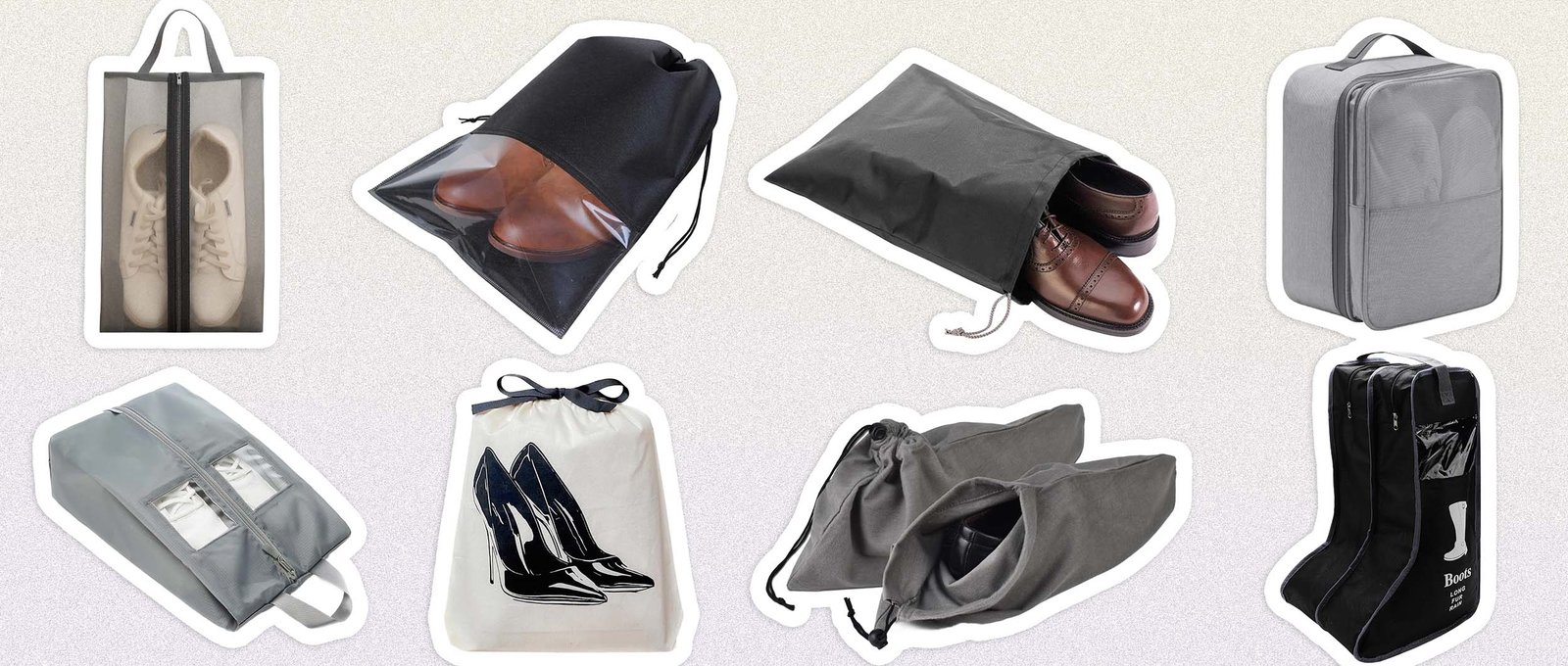
A drawstring shoe bag is usually used to protect shoes from dust, light friction, and transfer marks2, while also improving presentation, storage, and brand image. For footwear brands, it adds perceived value3. For hotels, it helps organize guest items and supports a cleaner, more thoughtful experience4.
In real buyer conversations, I notice that people often begin with the logo question: Can you print our brand? My follow-up is usually more practical: What will the bag actually do?
That question matters because drawstring shoe bags serve different jobs in different channels.
Common use scenarios
Here are the most common scenarios I see:
- Footwear retail packaging for sneakers, leather shoes, or fashion shoes
- Hotel room use for slippers or guest shoe storage
- Travel and organization as an accessory bag
- Dust protection in storage or warehouse handling
- Gift-with-purchase packaging to increase perceived value
Why use scenario changes the bag spec
A bag for a premium footwear brand usually needs:
- Better handfeel
- Cleaner stitching
- Better drape
- A logo method that looks refined
- A size that presents the shoes neatly
A bag for hotel slippers often needs:
- Lower cost
- Reliable bulk consistency
- Fast packing
- Practical sizing
- Material that feels acceptable but not excessive
That difference sounds obvious, but many buyers still request one generic solution for all uses. In practice, that often causes waste.
I have seen buyers choose a very thin fabric to save a few cents, only to feel that the final bag made the shoes look less premium than expected.
What drawstring shoe bags really add
The value is not just “a bag around the shoes.” A good shoe bag can improve:
| Function | Why it matters |
|---|---|
| Protection | Reduces dust and surface rubbing |
| Presentation | Makes shoes look more organized and giftable |
| Branding | Adds recognition without changing the product itself |
| Storage | Helps end users store or travel with shoes |
| Perceived quality | Makes the product feel more complete |
So when I answer what should footwear and hotel buyers customize in shoe bags, I always begin here: define the purpose first. If the use scenario is unclear, the customization choices become random.
Which Fabrics Work Best for Shoe Dust Bags?
Many buyers assume fabric is a minor detail. In my experience, this is the first real decision. Material changes the look, feel, protection level, and even how the brand is perceived. A cheap-looking fabric can weaken a good shoe presentation fast.
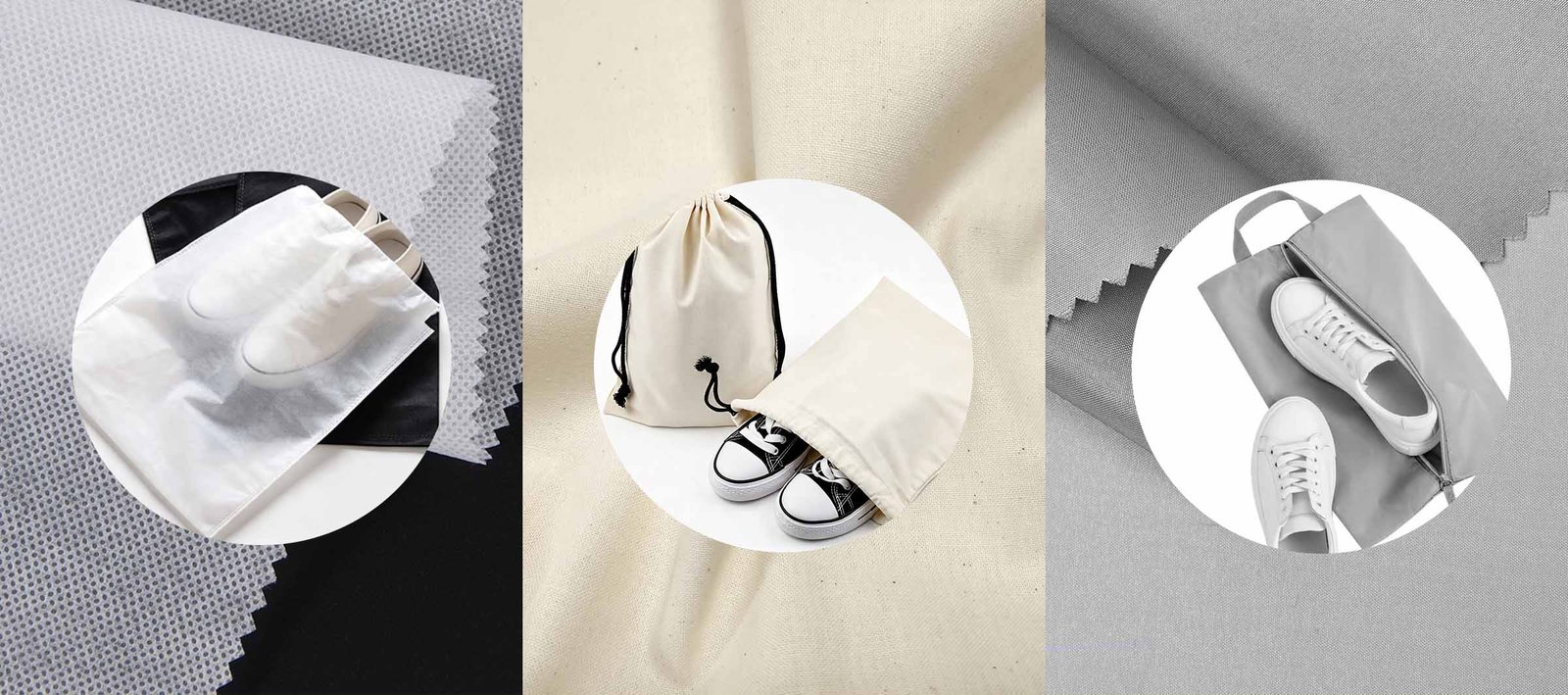
The best fabric for shoe dust bags depends on the scenario. Non-woven fabric5 works well for cost-sensitive bulk use. Cotton6 feels more natural and premium. Polyester blends can balance durability and print performance. The right choice depends on shoe type, brand positioning, and budget.
I spend a lot of time explaining material trade-offs because buyers often ask for “the best fabric” as if there is one universal answer. There is not. The better question is: best for what?
Non-woven fabric
This is one of the most common options in bulk orders.
Best for:
- Hotel programs
- Promotional packaging
- Cost-sensitive retail projects
- High-volume basic shoe bags
Advantages:
- Low price
- Light weight
- Easy to produce in volume
- Suitable for simple logo application
Limits:
- Less premium handfeel
- Limited drape compared with woven fabrics
- Can look more functional than luxurious
Cotton fabric
Cotton is often chosen when buyers want a softer and more natural look.
Best for:
- Premium shoe brands
- Eco-conscious positioning
- Better unboxing or gifting experience
Advantages:
- Softer handfeel
- Better natural texture
- Stronger premium impression
- Good fit for minimalist branding
Limits:
- Higher cost than many basic non-woven options
- Weight and thickness vary
- Some cotton options may wrinkle more easily
Polyester or mixed fabric
This category can be useful when buyers want stable production and decent logo results.
Best for:
- Brands wanting a clean, consistent look
- Projects needing durable, repeatable output
- Buyers balancing price and presentation
How I usually guide fabric selection
I usually narrow it down with these questions:
- Is this bag for retail presentation, shipping protection, or hotel guest use?
- Do you want the bag to feel premium, practical, or promotional?
- Will the customer keep the shoe bag, or is it mainly disposable packaging?
- What cost range is realistic for the full program?
Simple fabric comparison
| Fabric | Feel | Cost level | Best use |
|---|---|---|---|
| Non-woven | Functional | Low | Hotels, promotions, bulk basic use |
| Cotton | Natural, softer | Medium | Premium footwear, eco positioning |
| Polyester blend | Smooth, consistent | Medium | Scalable branded programs |
The key point is simple: material is not a cosmetic choice. It decides much of the user experience. If buyers customize only the logo but ignore fabric, they often spend money in the wrong place.
How Should Buyers Choose Size for Sneakers or Hotel Slippers?
Size looks easy on paper, but this is where generic specs often fail. I have seen bags that were too tight for bulky sneakers and bags that were so oversized that they looked careless. Both outcomes weaken the final presentation.
Buyers should choose shoe bag size based on shoe type, packing style, and presentation goal. Sneakers need more room for height and bulk7. Hotel slippers need a neater, flatter fit. A good size protects the item and looks intentional without feeling cramped or cheap.
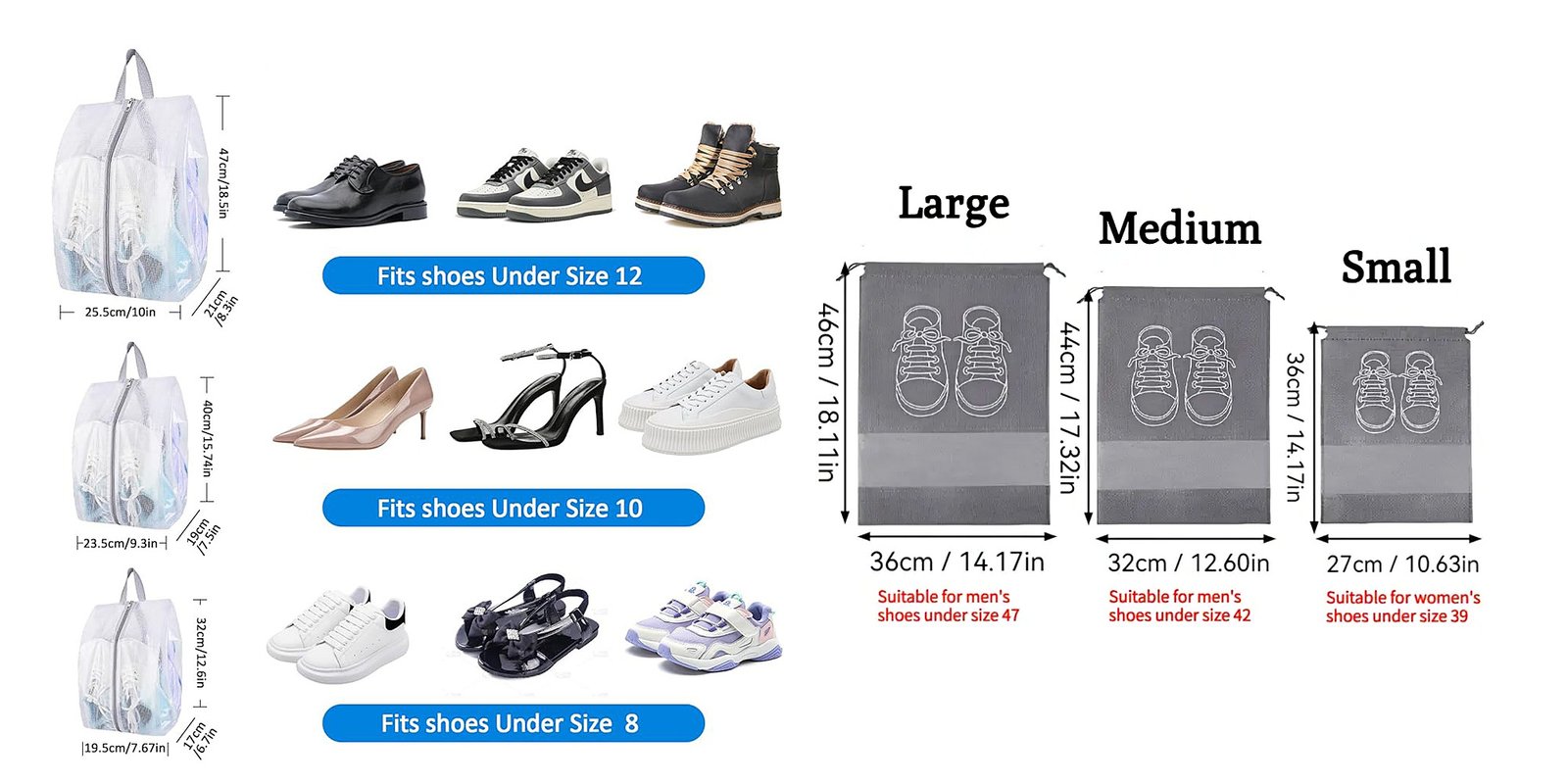
This is one of the biggest practical mistakes in customization. Buyers often request a “standard shoe bag size.” In reality, standard is rarely ideal.
Why one generic size does not work
Different footwear shapes create different volume needs:
- Sneakers are bulky and high in profile
- Leather shoes need length and cleaner presentation
- Hotel slippers are flatter and lighter
- Children’s shoes need a much smaller spec
- Boot-related pouches may need a totally different format
If the bag is too small:
- Shoes are hard to insert
- The drawstring area becomes awkward
- The fabric stretches in an unattractive way
If the bag is too large:
- The shoes move too much inside
- The bag looks empty
- The presentation loses structure
What I usually ask buyers
I prefer to ask practical questions instead of guessing:
- What exact shoe category is going inside?
- One shoe per bag or one pair per bag?
- Do you want a snug presentation or a relaxed pouch look?
- Will tissue paper, cards, or inserts also go inside?
- Is this for retail, travel, or hotel room placement?
These questions save time later.
A simple sizing approach
Here is a practical guideline:
| Shoe type | Recommended sizing approach |
|---|---|
| Sneakers | Add extra width and height for bulk |
| Leather shoes | Focus on length and elegant fit |
| Hotel slippers | Keep the bag flatter and cleaner |
| Promotional mixed use | Choose a compromise only if shoe range is narrow |
Presentation matters as much as fit
For footwear brands, the bag should support the product image. A premium sneaker packed in a limp oversized pouch can feel less valuable. For hotels, a compact and easy-to-handle shoe bag usually works better than an oversized one that creates clutter.
I always tell buyers this: size is not just about whether the shoe fits. It is about whether the bag looks right once the shoe is inside. That is why I see size as the second most important customization choice after material.
What Logo Methods Work on Drawstring Shoe Bags?
Logo customization matters, but it should come after the bag’s function is right. I say this often because many buyers overinvest in visible branding while underinvesting in material and size. A beautiful logo on the wrong bag still gives a poor result.
The best logo method for drawstring shoe bags depends on the fabric, brand style, and budget. Screen printing8 works well for simple bulk branding. Heat transfer9 can suit more detailed graphics. Embroidery10 can look premium on suitable fabrics, but it is not necessary for every project.
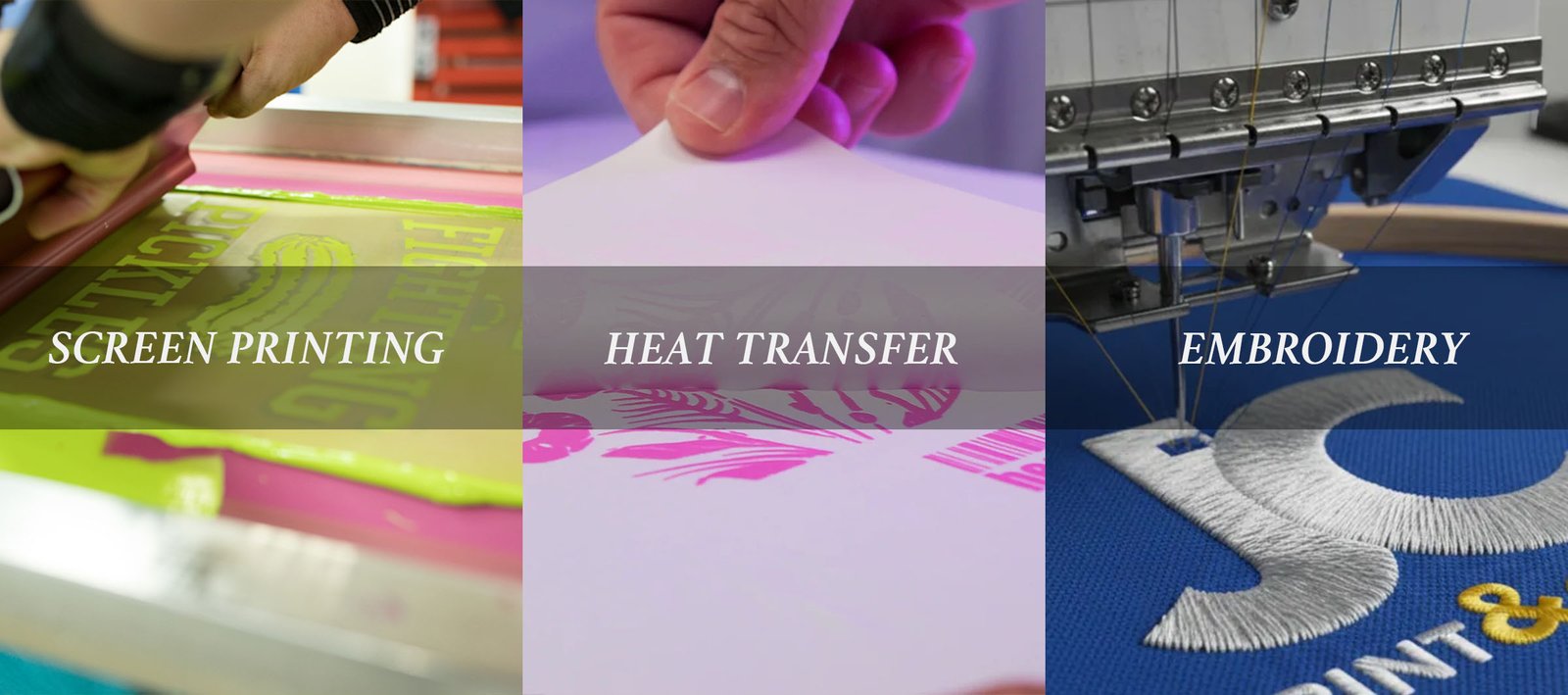
In actual inquiry discussions, logo method usually becomes easier once material is fixed. That is because some fabrics hold certain techniques better than others.
Common logo options
Screen printing
Best for:
- Simple one-color or two-color logos
- Bulk orders
- Cost control
Pros:
- Economical
- Clear for basic branding
- Good production efficiency
Cons:
- Less suitable for very detailed visual effects
Heat transfer
Best for:
- More complex graphics
- Cleaner edge detail
- Brand visuals with more design elements
Pros:
- Good image clarity
- Flexible for some artwork needs
Cons:
- Must match well with material and final use
Embroidery
Best for:
- Premium brand image
- Heavier fabrics
- More tactile logo effect
Pros:
- Strong texture
- Higher-end look in the right context
Cons:
- Higher cost
- Not ideal for every fabric
- Can be excessive for hotel or low-cost bulk use
How I help buyers decide
I usually connect logo choice to business purpose:
- Hotel procurement: simple and consistent often wins
- Mass footwear packaging: cost and speed matter most
- Premium footwear brand: texture and presentation matter more
- Promotional programs: visible but economical branding is enough
A practical reminder
More branding is not always better. I have seen bags with oversized logos, multiple print areas, and extra decoration that did not improve the user experience at all. In some cases, the result looked busy instead of premium.
The logo should support the bag, not carry the whole value of the bag. If material and size are wrong, logo upgrades rarely fix the problem.
What Should Buyers Check Before Bulk Production?
Bulk production is where small mistakes become expensive. A buyer may approve a nice-looking sample, but if key details are not confirmed clearly, the final order can still bring fit issues, fabric mismatch, or inconsistent finishing.
Before bulk production, buyers should check material, size, drawstring structure, logo placement, color, stitching quality, packing method, and approval sample consistency11. These checks reduce avoidable problems and help ensure the shoe bags match the intended shoe type and use scenario.

This is the part I care about most in factory communication. Many sourcing problems do not come from complex engineering. They come from simple details that were assumed instead of confirmed.
My practical pre-production checklist
1. Confirm the exact material
Do not approve only by description like “cotton” or “non-woven.” Confirm:
- Weight or thickness
- Color
- Surface feel
- Final appearance
2. Confirm finished bag size
Check:
- Width
- Height
- Drawstring channel area
- Tolerance range if needed
3. Confirm the actual shoe fit
This is especially important for sneakers and bulky styles. If possible, test with the real shoe shape or a close sample.
4. Confirm logo details
Check:
- Logo size
- Position
- Color
- Method
- Visual balance on the bag
5. Confirm construction details
Buyers should review:
- Stitching quality
- Drawstring color and thickness
- Opening smoothness
- Symmetry
6. Confirm packing standard
This matters more than many people think, especially for large buyers and supermarket programs. Confirm:
- Pieces per carton
- Inner packing method
- Carton marks
- Moisture protection if needed
Why these checks matter
Mark, the kind of buyer I often imagine when writing, usually cares about three things: price, quality consistency, and delivery reliability. A clear pre-production checklist supports all three.
Here is a simple view:
| Check item | Risk if ignored |
|---|---|
| Material | Final bag feels cheaper or wrong for use |
| Size | Shoes fit poorly or presentation looks loose |
| Logo | Brand image looks off-center or low quality |
| Stitching | More defects in bulk |
| Packing | Delays, damage, or warehouse confusion |
In my experience, buyers get better results when they simplify priorities. Do not customize everything. Customize the parts that change performance and perception. For most shoe bags, that means material first, size second, then logo and production detail control.
Frequently Asked Questions
Should footwear buyers customize shoe bags for every shoe style?
No. I think buyers should customize when the shoe category, positioning, or usage scenario is clearly different. If several styles share similar shape and presentation goals, one well-chosen shoe bag spec can often work efficiently.
Are cotton shoe bags always better than non-woven shoe bags?
No. Cotton can feel more premium, but non-woven can be the better choice for hotel use, promotions, or strict cost targets. The better material depends on function, budget, and brand expectation, not on one universal ranking.
What is the most common mistake in shoe bag customization?
The most common mistake I see is focusing on the logo first and ignoring material and size. That usually leads to a bag that looks branded but does not fit the shoe well or support the right product experience.
Should hotel buyers use the same shoe bags as footwear brands?
Usually not. Hotel programs often need more practical, cost-controlled specs, while footwear brands may care more about presentation and perceived value. The bag should match the service scene, not copy another channel blindly.
Is a bigger shoe bag safer for bulk orders?
Not always. A bigger bag may avoid fit complaints, but it can also look sloppy and reduce presentation quality. I prefer buyers to size the bag properly for the intended shoe type instead of choosing oversized dimensions by default.
Conclusion
When buyers ask me what they should customize in shoe bags, I do not start with decoration. I start with purpose. The smartest path is to define the shoe type and usage scenario first, then choose the right material and size. After that, logo method and production details become much easier to control. If you are sourcing custom shoe bags for footwear or hotel projects, contact Coraggio at info@coraggiobag.com or visit https://coraggiobag.com/ to discuss a practical OEM or ODM solution that fits your market.
""Consumer Perception of Tactile Packaging: A Research Study on ...", https://repository.rit.edu/japr/vol7/iss1/1/. Studies in packaging and consumer perception report that material cues such as texture and rigidity, together with package fit and visual proportion, shape judgments of quality and usability, supporting the view that material and size choices can influence perception more strongly than surface decoration alone. Evidence role: general_support; source type: research. Supports: Research in packaging and consumer perception should support that material properties and package fit influence perceived quality, usability, and product evaluation.. Scope note: Such evidence is typically general to packaging or textile presentation rather than specific to shoe bags. ↩
"Storing Textiles | The George Washington University Museum and ...", https://museum.gwu.edu/storing-textiles. Conservation and storage guidance notes that breathable textile covers are commonly used to limit dust accumulation and reduce minor surface abrasion during storage and handling, which supports the claim that drawstring shoe bags can protect against dust and light friction. Evidence role: mechanism; source type: institution. Supports: Conservation or storage guidance should support that fabric covers reduce dust deposition and minor surface abrasion during storage or handling.. Scope note: This evidence is contextual because it typically addresses storage protection generally rather than transfer marks on commercial footwear specifically. ↩
"The Impact of Visual Elements of Packaging Design on ... - PMC", https://pmc.ncbi.nlm.nih.gov/articles/PMC11851823/. Consumer behavior studies have found that packaging and presentation cues can elevate perceived product quality and value, lending support to the claim that an added shoe bag may increase perceived value for branded footwear. Evidence role: general_support; source type: paper. Supports: Consumer research should support that supplementary packaging and presentation elements can increase perceived product quality or value.. Scope note: Most studies address packaging effects across product categories and do not directly isolate shoe bags as the causal factor. ↩
"Hotel guest preferences of in-room technology amenities", https://business.fau.edu/images/business/centers/center-for-services/files/publications/Bilgihan%20et%20al%20JHTT%202016.pdf. Hospitality studies report that room amenities and organizational features can influence guests' perceptions of cleanliness, care, and overall service quality, which supports the claim that shoe bags may contribute to a cleaner and more thoughtful hotel experience. Evidence role: general_support; source type: research. Supports: Hospitality research should support that room organization and amenities contribute to guest perceptions of cleanliness and service quality.. Scope note: The support is indirect because the literature often addresses amenities and room presentation broadly rather than shoe bags specifically. ↩
"Advancement of Nonwoven Fabrics in Personal Protective Equipment - PMC", https://pmc.ncbi.nlm.nih.gov/articles/PMC10253991/. Technical references on nonwoven fabrics describe them as engineered sheet materials that are lightweight, comparatively inexpensive, and widely used in disposable and high-volume applications, supporting their suitability for cost-sensitive bulk shoe bags. Evidence role: definition; source type: encyclopedia. Supports: A technical overview should support that nonwoven fabrics are lightweight, relatively inexpensive, and commonly used in disposable or high-volume applications.. ↩
"A Systematic Review of AI-Driven Prediction of Fabric Properties and ...", https://pmc.ncbi.nlm.nih.gov/articles/PMC11509711/. Textile perception studies commonly report that cotton is associated by consumers with naturalness, softness, and favorable handfeel, which supports the characterization of cotton as a more natural and potentially more premium-feeling option. Evidence role: general_support; source type: paper. Supports: Textile perception research should support that consumers commonly associate cotton with naturalness, softness, and higher tactile appeal.. Scope note: Perceived premium quality varies by market segment and product context, so the support is about common associations rather than a universal ranking. ↩
"Incorrectly fitted footwear, foot pain and foot disorders - PMC - NIH", https://pmc.ncbi.nlm.nih.gov/articles/PMC6064070/. Footwear design references indicate that athletic and sneaker styles typically have greater upper volume and thicker sole structures than slippers and other flatter footwear, supporting the need for additional width and height in bag sizing. Evidence role: general_support; source type: research. Supports: Footwear design or sizing references should support that athletic shoes typically have greater upper volume and sole bulk than slippers or flatter shoe types.. Scope note: The evidence is comparative and does not prescribe a single standard bag dimension. ↩
"Is Screen Printing the Best Method for Bulk Orders?", https://customteesnow.com/screen-printing-for-bulk-orders-guide/. Educational and technical descriptions of textile screen printing note that the process is widely used for repeated production of simple graphics and can be cost-effective for larger runs, supporting its use for bulk branding on shoe bags. Evidence role: mechanism; source type: education. Supports: Printing process references should support that screen printing is well suited to high-volume production of simple designs and can be cost-effective at scale.. Scope note: Cost efficiency depends on run length, number of colors, and setup requirements. ↩
"Tutorial - Applying Fabric Transfer Materials (Graphtec/Roland)", https://art.illinois.edu/about/resources-for-current-students/facilities/digital-labs/tutorials-templates/tutorial-applying-fabric-transfer-materials/. Technical explanations of heat transfer printing state that the method can reproduce comparatively fine image detail and sharp graphic edges on compatible textile substrates, supporting its suitability for more detailed logos or artwork. Evidence role: mechanism; source type: education. Supports: Printing technology sources should support that heat transfer methods can reproduce finer image detail and sharp edges on suitable textiles.. Scope note: Performance varies with transfer film, ink system, and fabric surface, so the support is process-level rather than specific to every shoe bag material. ↩
"Tactile sensitivity alters textile touch perception - PMC - NIH", https://pmc.ncbi.nlm.nih.gov/articles/PMC11410198/. Textile embellishment references describe embroidery as a method that adds tactile texture and can enhance perceived quality, while also requiring compatible fabric structures and typically higher labor or production cost than basic printing methods. Evidence role: general_support; source type: research. Supports: Textile embellishment sources should support that embroidery adds texture and perceived quality but requires suitable fabrics and generally involves higher production cost than simple printing.. Scope note: The notion of a more premium appearance is perception-based and may vary by brand style and end use. ↩
"Design and Implementation of ISO:9001 Standards at ...", https://digitalcommons.calpoly.edu/cgi/viewcontent.cgi?article=1040&context=itsp. Quality management guidance emphasizes pre-production approval, specification verification, and reference-sample control as standard methods for reducing defects, rework, and inconsistency in bulk manufacturing, supporting the recommendation to check approval sample consistency before full production. Evidence role: expert_consensus; source type: institution. Supports: Quality management guidance should support that pre-production approval and specification verification help reduce defects, inconsistencies, and rework in bulk manufacturing.. Scope note: Such guidance is general to manufacturing systems and does not quantify the effect for shoe bag production alone. ↩