Many buyers find many backpack suppliers online, but still receive weak samples, late updates, and products that do not match real gym use.
I source gym backpacks through B2B platforms, Google factory websites, trade shows, trading companies, and direct OEM/ODM factories. The best source is not only a channel. I check whether the supplier can design, sample, and mass-produce wet, shoe, and laptop pockets with stable quality.
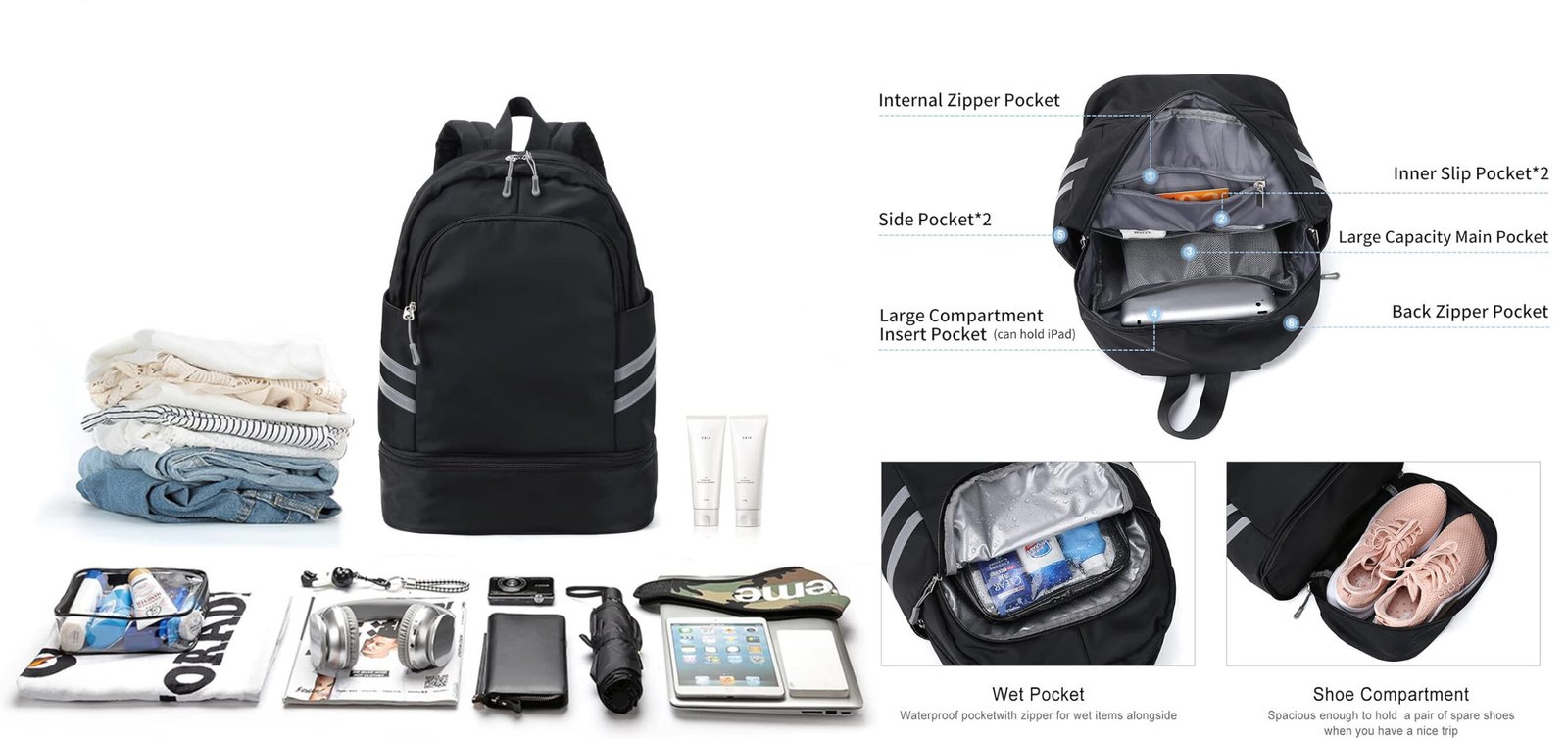
I have handled many overseas inquiries for multifunction gym backpacks. I often see buyers ask for price first. I understand that. Price matters. But for this product, the first question should be about use. A gym-to-work backpack is not a normal backpack with three more pockets. Each pocket changes the inside space, sewing order, fabric choice, zipper position, and final cost. If I do not confirm these details early, a sample can look good on a table but fail when a customer puts shoes, wet clothes, a laptop, a bottle, and office items inside.
What Compartments Do Buyers Expect in a Gym-to-Work Backpack?
A buyer can lose time when the pocket list is not clear. A factory can quote fast, but the sample may not fit the real user.
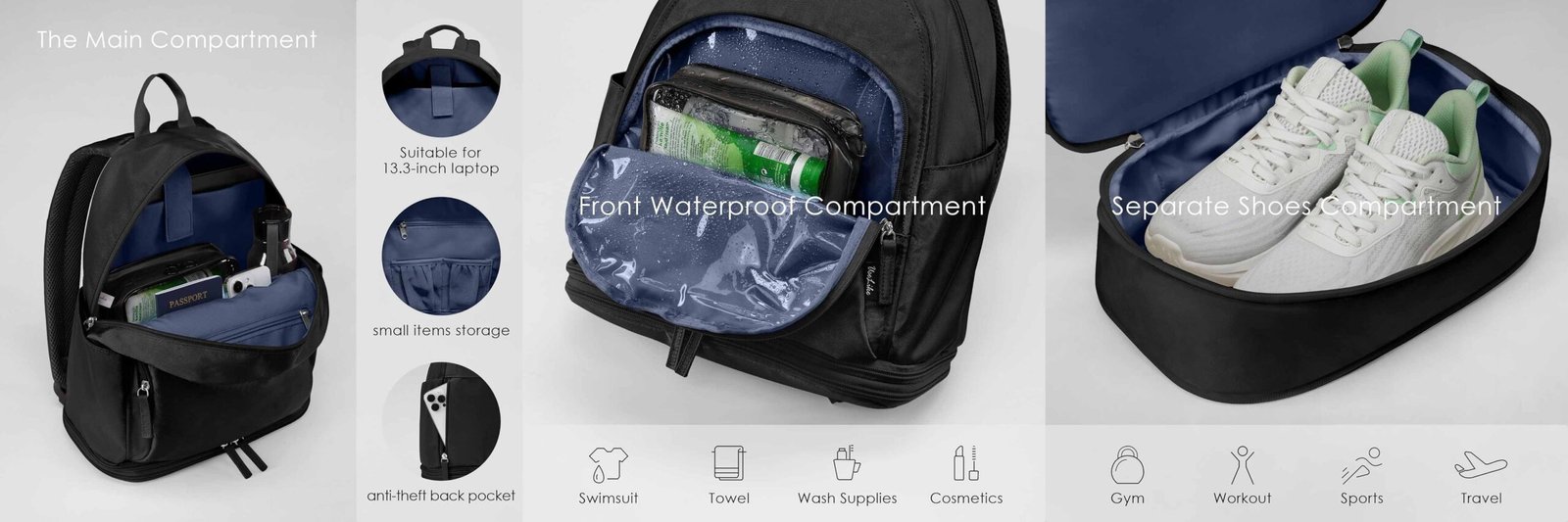
A practical gym-to-work backpack usually needs a main compartment, shoe zone, wet pocket, laptop sleeve, front organizer, bottle pocket, and quick-access pocket. I ask buyers to rank these pockets before pricing, because each one takes space from another part.
I Start with the User Scenario
When I receive an inquiry, I first ask where the backpack will be used. A gym commuter needs a different layout from a travel fitness customer. A school sports buyer may care more about price and volume. A private label retail buyer may care more about style and shelf appeal.
The biggest mistake I see is a long pocket list with no priority. Every pocket sounds useful. But the backpack has a fixed body size. If I add a large shoe compartment, the main space becomes smaller. If I add a thick laptop sleeve, the back panel becomes heavier1. If I add a waterproof wet pocket, the sewing becomes more difficult.
| Compartment | Main Use | What I Check Before Quoting |
|---|---|---|
| Shoe pocket | Separates footwear | Shoe size range, opening direction, ventilation |
| Wet pocket | Holds towels or sweaty clothes | Lining type, zipper seal needs, inner space |
| Laptop sleeve | Protects work device | Laptop size, padding, back panel structure |
| Main compartment | Holds clothes and gear | Actual usable volume after other pockets |
| Organizer pocket | Holds small items | Pen slots, key hook, mesh pocket, cost level |
| Bottle pocket | Holds water bottle | Elastic, mesh, fabric strength, bottle size |
I prefer to define the pocket priority before I make a sample. I do not treat the pocket map as a drawing only. I treat it as the base of price, lead time, and production risk.
Should Shoes and Wet Clothes Use Separate Ventilated Zones?
Some buyers ask for one pocket for both shoes and wet clothes. I see the cost reason, but I also see the user problem.
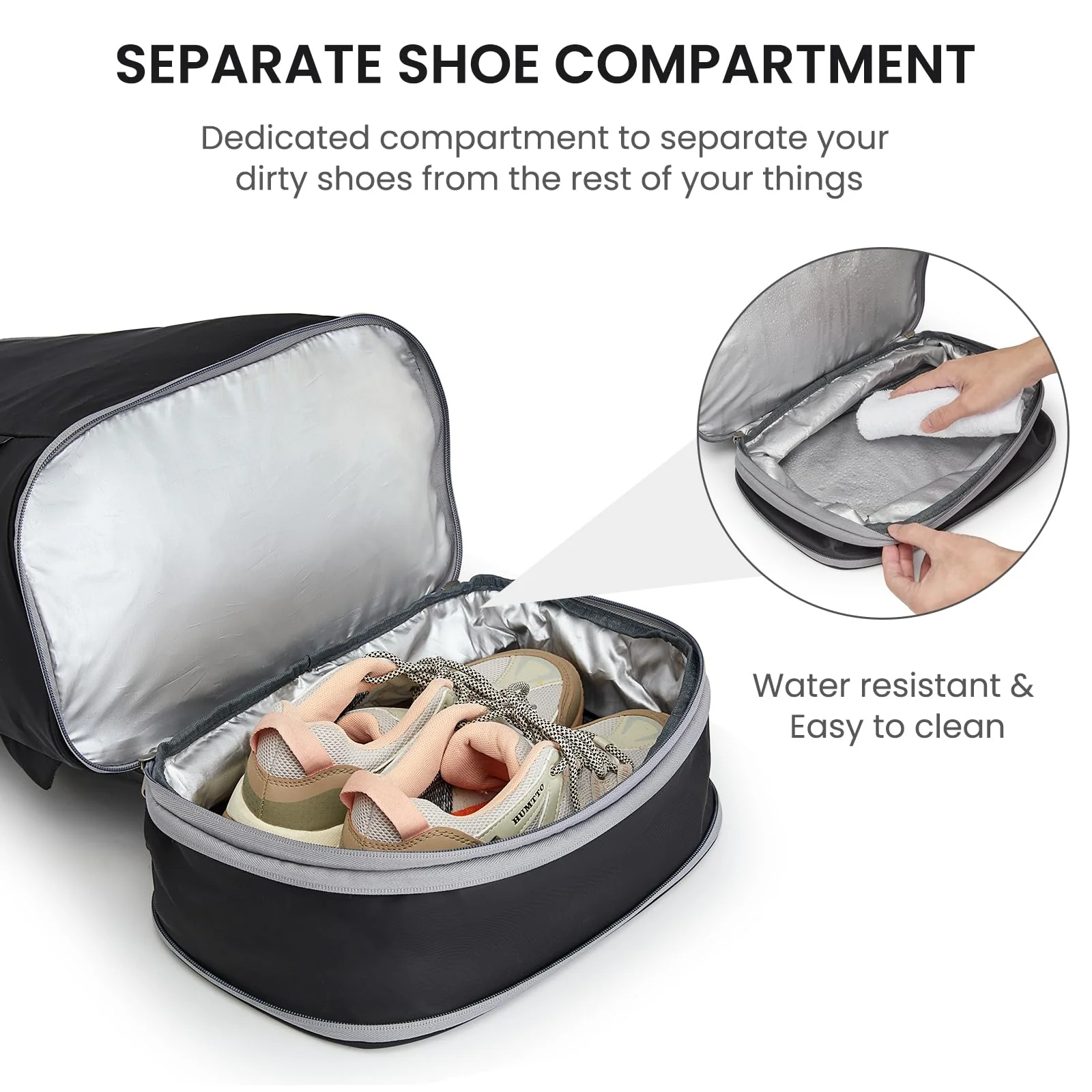
Shoes and wet clothes should usually use separate zones. Shoes need shape space and odor control2. Wet clothes need water-resistant lining and easier cleaning. One shared pocket can lower cost, but it may reduce comfort and resale value.
I Separate Function Before I Separate Fabric
I often explain that a shoe pocket and a wet pocket are not the same. A shoe pocket needs enough height, depth, and opening angle3. A wet pocket needs a lining that can handle sweat, damp towels, or light moisture. A shoe zone often uses mesh or eyelets for airflow4. A wet zone may use PEVA, TPU-like lining, PVC-free lining options, or coated polyester5, depending on the target price and buyer requirement. These materials need verification during sampling.
I do not say every backpack must have two full compartments. Some lower-price promotional bags use one simple bottom pocket. That can be fine if the target user accepts it. But for retail or private label, I usually suggest a clearer design.
| Design Choice | Benefit | Risk I Watch |
|---|---|---|
| Separate shoe pocket | Better hygiene and shape control | Takes more main space |
| Separate wet pocket | Easier to clean after training | Adds sewing and lining cost |
| Shared pocket | Lower cost and simpler design | Odor, dirt, and moisture mix |
| Ventilated shoe zone | Better air flow | Mesh can tear if weak |
| Fully sealed wet zone | Better moisture control | Harder sewing and higher cost |
I also check the sewing route. If the shoe pocket enters too far into the main compartment, the buyer may think the bag is big, but the real usable space feels small. This is why I like to test a sample with real shoes, a towel, and daily items before mass production.
How Much Capacity Is Practical for Work, Gym, and Commuting?
A backpack can look large in photos, but still feel crowded after the shoe pocket and laptop sleeve take inner space.
For work, gym, and commuting, I usually see practical capacity in the mid-size range6. The right size depends on shoes, clothes, laptop size, and local commuting style. I avoid judging by liters only, because pocket structure changes usable space.
I Check Usable Space, Not Only Outer Size
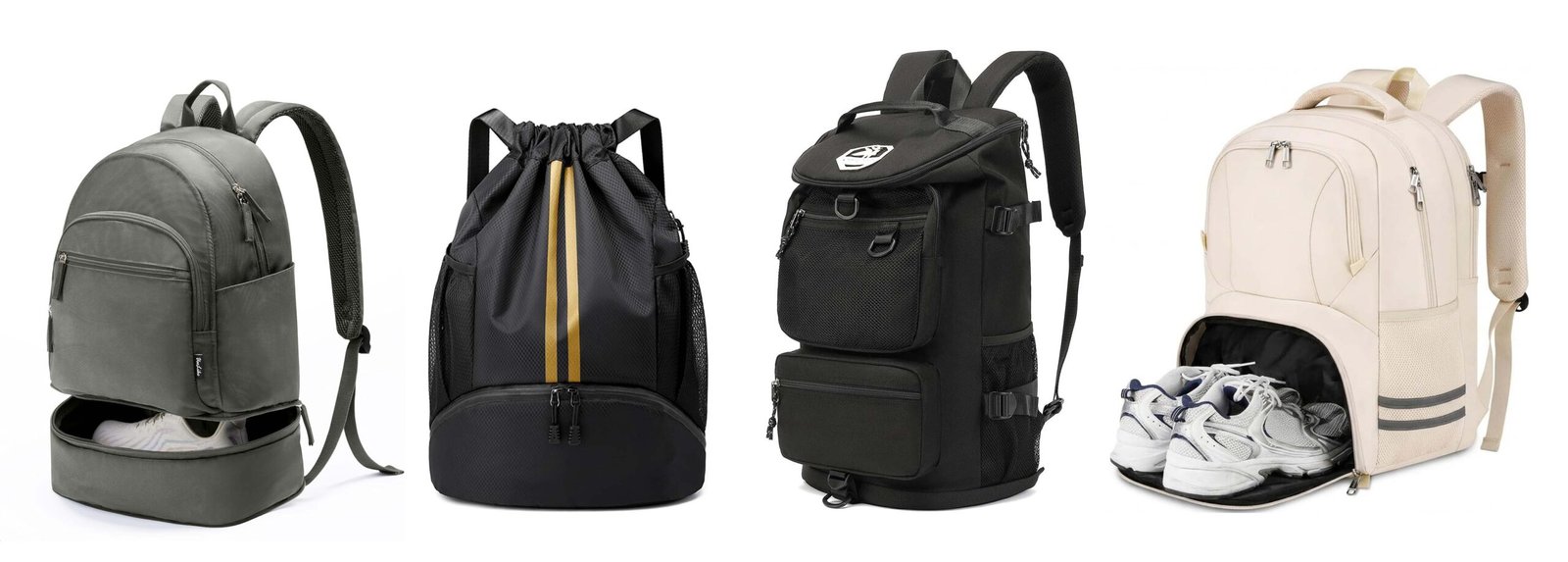
Many buyers ask me for 25L, 30L, or 35L. I can work with that. But I still ask what needs to go inside. A 30L backpack with a deep shoe compartment may feel smaller than a simple 25L backpack7. A 17-inch laptop sleeve may also change the back shape and weight. If the bag is for a supermarket program, the size may need to match shelf space and carton cost. If the bag is for a brand, the carry feeling may matter more.
I use a simple capacity discussion before drawing or sampling.
| Use Case | Common Items | Capacity Thinking |
|---|---|---|
| Daily gym commute | Shoes, towel, clothes, laptop, bottle | I keep balance between body depth and comfort |
| Travel fitness | Extra clothes, toiletries, shoes, tech items | I allow more depth and stronger straps |
| School sports | Uniform, books, shoes, bottle | I check weight, price, and durability |
| Promotional gift | Light gear and logo display | I control cost and simplify pockets |
| Premium private label | Full function and strong look | I focus on structure and details |
I also ask buyers about airline carry needs, locker size, and local user habits8 if they know them. These are not small details. They affect bag height, strap padding, back panel, and carton packing. I would rather slow down the first quote than build a sample that looks right but feels wrong.
Which Fabrics and Linings Are Easier to Clean After Training?
Training items bring sweat, dust, and odor. If the fabric is hard to clean, the customer may blame the whole backpack.
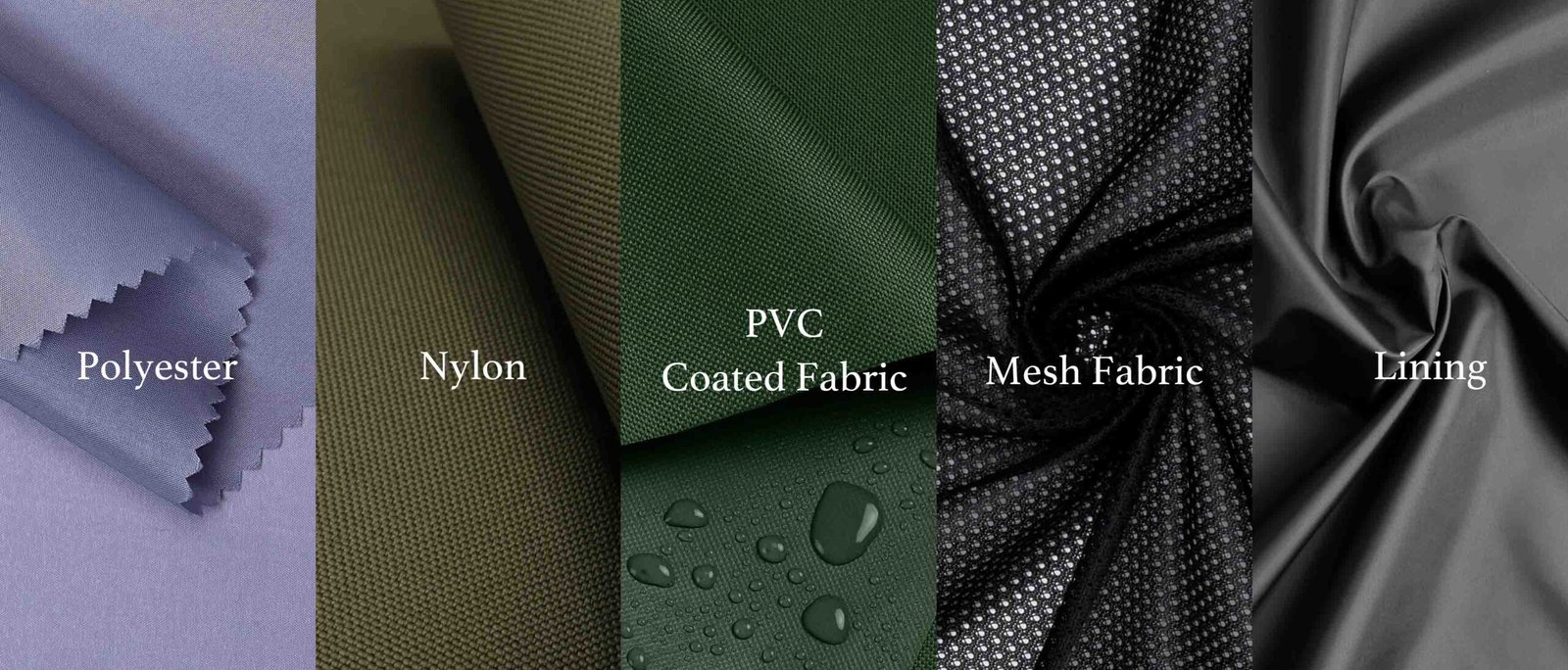
For gym backpacks, I often consider polyester, nylon, coated fabric, washable lining, mesh, and water-resistant inner panels. Easy cleaning depends on fabric surface, lining choice, seam design, and whether dirt can collect in corners.
I Match Material to Target Price and Cleaning Need
I do not choose fabric by name only. I check hand feel, coating, color fastness needs, weight, cost, and how the fabric works with the pocket structure. A low-price bag can use standard polyester with a simple lining. A higher retail product may use stronger nylon, coated polyester, or special lining in the wet area. If a buyer asks for recycled fabric, I ask for the exact requirement and needed documents, because claims must be verified.
The wet pocket is the most sensitive area. If the lining is too thin, it may wrinkle or tear during sewing9. If the seam is not handled well, water resistance can be weak. If the pocket is too deep, users may not clean the corners easily.
| Material Area | Possible Choice | Why I May Use It | What Needs Checking |
|---|---|---|---|
| Outer body | Polyester or nylon | Common, stable, cost flexible | Weight, coating, color, strength |
| Wet pocket lining | PEVA or coated lining | Easier wipe cleaning | Sewing, smell, flexibility |
| Shoe zone | Polyester, mesh, lining mix | Better shape and airflow | Tear strength, dirt marks |
| Back panel | Air mesh and foam | Comfort for commute | Padding thickness, heat feeling |
| Laptop sleeve | Soft lining and foam | Protects device surface | Size, padding, stitching |
| Bottom panel | Stronger coated fabric | Resists dirt and floor contact | Abrasion needs verification |
I also care about color. Light colors look clean in product photos, but dirt may show quickly in gym use10. Dark fabric is easier for daily use, but it can hide poor stitching in photos. I prefer to review physical swatches before final sample approval.
When Is a Laptop Sleeve Worth Adding to a Sports Backpack?
A laptop sleeve can make a gym backpack more useful, but it also makes the structure heavier and more expensive.
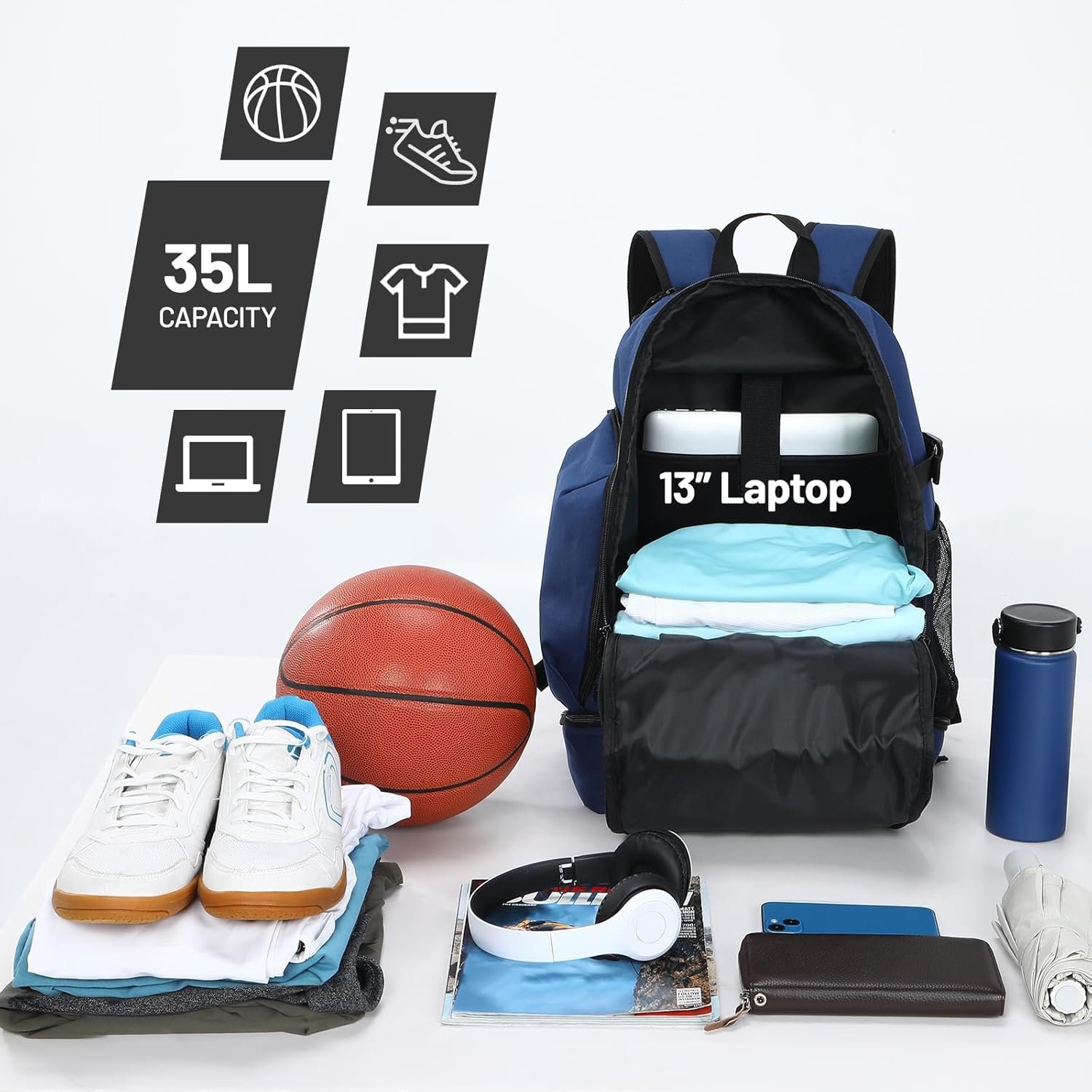
A laptop sleeve is worth adding when the target customer commutes between office, gym, school, or travel. I confirm laptop size, padding, back panel support, and access position before adding it to a sports backpack.
I Treat the Laptop Sleeve as a Structure Part
Some buyers think the laptop sleeve is just one padded divider. I do not see it that way. A laptop sleeve affects the back panel, shoulder strap stress, center of gravity, and inside layout. If the sleeve is loose, the laptop can move. If it is too tight, users will struggle to insert the device. If the sleeve is too low, the laptop may hit the ground when the bag is placed down11. These details are very important in sampling.
I usually ask whether the sleeve should fit 13-inch, 15.6-inch, or 17-inch laptops. I also ask whether the buyer wants a separate laptop zipper or inside access from the main compartment. Separate access feels more professional, but it adds zipper cost and sewing steps.
| Laptop Design | Good Point | Trade-Off |
|---|---|---|
| Inside sleeve | Simple and lower cost | User opens main pocket each time |
| Separate laptop compartment | Better for work commute | Higher cost and thicker back |
| Suspended sleeve | Better bottom protection | Needs careful sewing control |
| Padded divider only | Low price and light weight | Less stable protection |
| Soft lining | Better device surface feel | Adds material cost |
I also warn buyers not to overbuild the bag. If the product is mainly for gym users who do not carry laptops, the sleeve may waste space. If the product is for office workers, it may become a key selling point. The decision should come from the target user, not from a trend list.
What Details Should Buyers Confirm Before Requesting Samples?
A sample request can fail when the buyer only sends a photo and asks for the cheapest price.
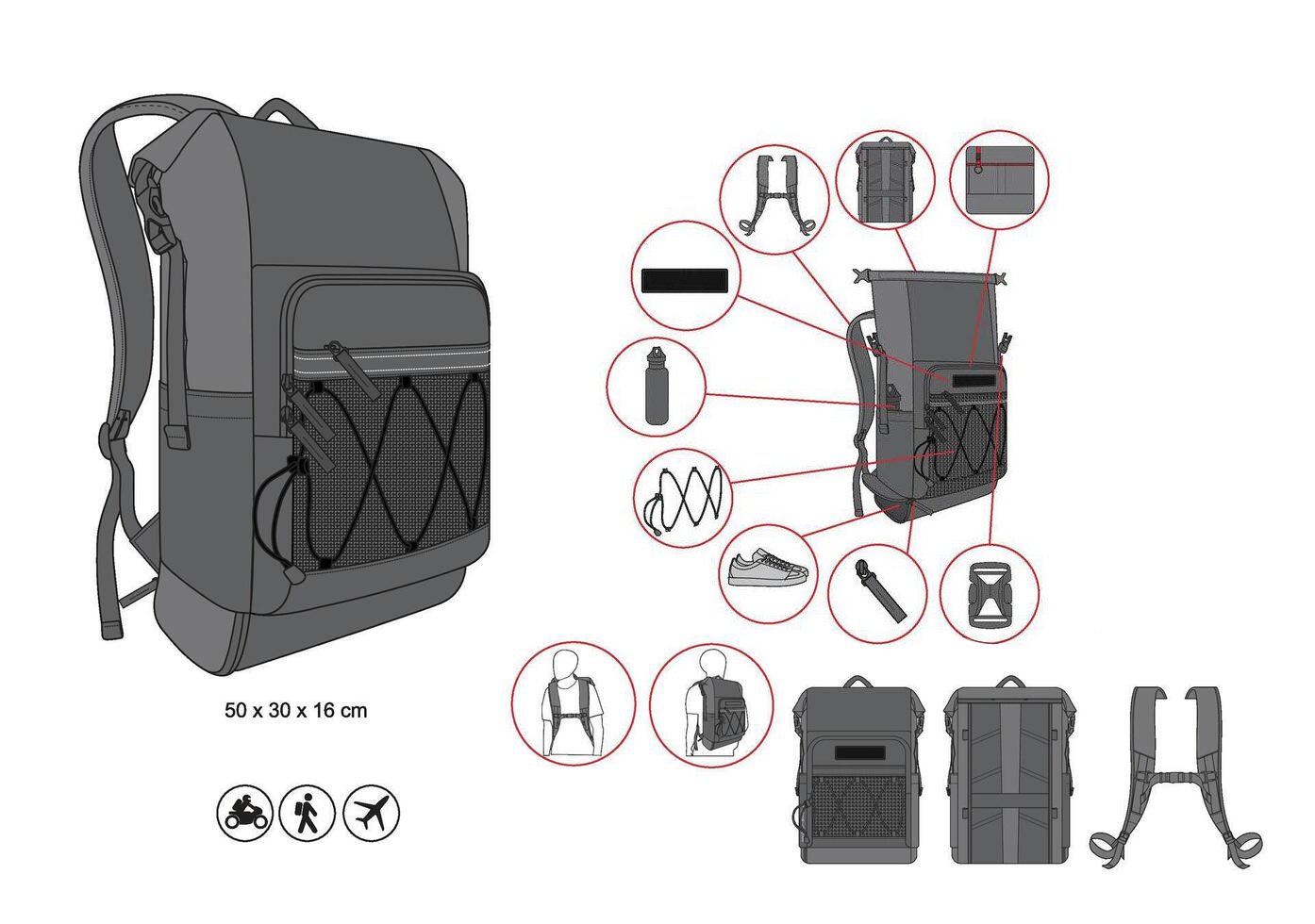
Before requesting samples, I confirm use case, pocket priority, size, material, logo method, MOQ, target price, lead time, packing, and quality requirements. These points help me quote more accurately and reduce sample changes.
I Prefer a Clear Brief Before a Cheap Quote
When I receive a clear brief, I can give better advice. When I receive only “send price for gym backpack with shoe pocket and laptop pocket,” I must guess too much. Guessing creates risk. The supplier may quote a low price based on a weak structure. The sample may not match the buyer’s market. The mass production may also change if the first quotation did not include the real details.
I suggest buyers confirm several basic points before sampling.
| Detail to Confirm | Why I Ask |
|---|---|
| Target market | I need to know user habits and price level |
| Main use case | I need to choose the right compartment layout |
| Pocket priority | I need to protect the most important function |
| Bag size | I need to balance capacity and comfort |
| Laptop size | I need correct sleeve dimensions |
| Shoe size range | I need correct shoe compartment depth |
| Fabric and lining | I need to match cost and cleaning needs |
| Logo method | I need to plan embroidery, print, patch, or label |
| MOQ expectation | I need to check production and material limits |
| Lead time | I need to plan sampling, material purchase, and sewing |
| QC standard | I need to know inspection focus |
| Packaging | I need to quote carton size and packing cost |
I also tell buyers to check production consistency, not only the first sample. A supplier may make one good sample by hand. That does not always mean the factory can keep zipper quality, pocket size, stitch strength, and structure stable in bulk production12. I look at whether the supplier understands sewing sequence, pattern control, material purchasing, and in-line inspection. This is where a direct OEM/ODM factory can give more control, but the buyer still needs to verify the factory before ordering.
Conclusion
I source gym backpacks by checking supplier capability first, because good pockets need clear structure, stable sampling, and consistent mass production.
"Understanding Different Types of Backpack Padding - Collect Paris", https://www.collectparis.com/blogs/definitions/different-types-backpack-padding?srsltid=AfmBOoosJIeVBgTvjIy6yd8eDdzpzNrZ5OfEyn9YsBK1Zu7ZbWewHCg-. Common laptop sleeve padding materials such as EVA foam (density 30-60 kg/m³) or PE foam at 5-10mm thickness add approximately 100-200 grams to the back panel area of a standard backpack, contributing to overall pack weight before contents are added. Evidence role: statistic; source type: other. Supports: Foam padding used in laptop sleeves (typically PE or EVA foam at 5-10mm thickness) adds measurable weight to the back panel structure. Scope note: Exact weight addition depends on foam type, density, thickness, and coverage area, which vary widely between designs ↩
"Footwear microclimate and its effects on the microbial community of ...", https://pmc.ncbi.nlm.nih.gov/articles/PMC8514438/. Microbiological research identifies that foot odor in athletic footwear results primarily from bacterial metabolism of sweat components (particularly isovaleric acid production by Staphylococcus epidermidis and Brevibacterium), with enclosed, humid environments accelerating bacterial proliferation. Evidence role: mechanism; source type: paper. Supports: Athletic shoe odor is primarily caused by bacterial decomposition of sweat in enclosed environments, and ventilation reduces moisture accumulation that promotes bacterial growth. Scope note: Research focuses on odor generation in worn shoes rather than specifically on compartment ventilation design in bags ↩
"Analysis of 1.2 million foot scans from North America, Europe ...", https://pmc.ncbi.nlm.nih.gov/articles/PMC6914786/. According to footwear industry sizing standards, men's athletic shoes in common sizes (US 9-12) range from approximately 27 to 31 cm in length, with widths of 9-11 cm, establishing minimum dimensional requirements for dedicated shoe compartments in bag design. Evidence role: statistic; source type: institution. Supports: Standard athletic shoe sizes vary significantly by market, with men's US size 10 measuring approximately 28-30 cm in length, requiring compartment dimensions that accommodate this range plus clearance. Scope note: Shoe dimensions vary by brand and style; compartment design must also account for shoe height and insertion angle, which are not standardized ↩
"Confined space ventilation by shipyard welders - PMC - NIH", https://pmc.ncbi.nlm.nih.gov/articles/PMC4824921/. Textile engineering studies on air permeability demonstrate that open-structure mesh fabrics and eyelet ventilation points enable passive convective airflow, with air permeability rates varying by mesh density and opening size, facilitating moisture evaporation in enclosed spaces. Evidence role: mechanism; source type: paper. Supports: Mesh fabrics and eyelet openings facilitate passive air exchange in enclosed compartments, reducing moisture accumulation. Scope note: Effectiveness depends on external airflow conditions; in a closed bag carried against the body, passive ventilation may be limited ↩
"Waterproof coating is made from upcycled textile waste", https://news.cornell.edu/stories/2024/10/waterproof-coating-made-upcycled-textile-waste. Textile engineering literature documents that PEVA (polyethylene vinyl acetate) and TPU (thermoplastic polyurethane) coatings offer water-resistant properties for bag linings, with TPU generally providing superior abrasion resistance and flexibility compared to PEVA, which is favored for lower-cost applications. Evidence role: mechanism; source type: paper. Supports: PEVA and TPU coatings provide water-resistant barriers suitable for bag linings, with different performance characteristics in moisture retention and durability. Scope note: Most textile studies focus on general waterproofing performance rather than specifically gym backpack wet pocket applications ↩
"The Effect of Commuting Time on Quality of Life: Evidence from China", https://pmc.ncbi.nlm.nih.gov/articles/PMC9819363/. Ergonomic and consumer research indicates that daily commuter backpacks typically range from 20 to 35 liters, with loaded weights recommended not to exceed 10-15% of body weight for comfort during transit. Evidence role: statistic; source type: research. Supports: Consumer research and ergonomic guidelines suggest that 20-35 liter backpacks are most commonly used for daily urban commuting with mixed work and fitness needs. Scope note: Optimal capacity depends heavily on individual commute length, climate, and whether gym clothes are bulky or compact ↩
"[PDF] Comparison of features, usability, and load carrying design of ...", https://www.imse.iastate.edu/files/2014/03/EagleZoe-thesis.pdf. Industry volume measurement for backpacks typically follows fill-based methods (such as filling with standardized objects or air displacement), which measure total cavity space without accounting for the volume displaced by internal dividers, padded sleeves, and compartment walls that reduce practical packing capacity. Evidence role: definition; source type: institution. Supports: Stated backpack volume (in liters) typically measures total internal cavity, but internal dividers, linings, and dedicated compartments reduce the actual usable packing space. Scope note: There is no single universal standard for measuring backpack volume, and methods vary between manufacturers ↩
"Hand luggage - Wikipedia", https://en.wikipedia.org/wiki/Hand_luggage. IATA's cabin baggage guidelines recommend maximum dimensions of 55 × 35 × 20 cm for carry-on items, though individual airlines may vary; standard half-height gym lockers typically measure 30-38 cm wide × 30-45 cm deep × 30-60 cm tall, imposing practical size constraints on gym backpack design. Evidence role: statistic; source type: institution. Supports: Airlines impose carry-on size limits (commonly 55×40×20 cm or similar) that constrain maximum backpack dimensions for commuter travelers. Scope note: Airline size limits vary significantly between carriers and cabin classes, and gym locker dimensions are not universally standardized ↩
"Effect of Needle Heating on the Sewing of Medical Textiles - PMC", https://pmc.ncbi.nlm.nih.gov/articles/PMC8706176/. Textile manufacturing research documents that lightweight fabrics (below approximately 60 g/m²) present increased sewability challenges including seam puckering, fabric distortion from feed dog pressure, and needle-hole damage, requiring adjusted machine tension and specialized presser feet. Evidence role: mechanism; source type: paper. Supports: Lightweight and thin fabrics present sewability challenges including puckering, feed difficulty, and needle damage during industrial sewing. Scope note: Specific thresholds depend on fabric composition, weave structure, and sewing machine settings rather than thickness alone ↩
"Improving color reliability of digital textile images via optimized ...", https://pmc.ncbi.nlm.nih.gov/articles/PMC12789604/. Textile research on soiling behavior demonstrates that light-colored fabrics exhibit higher visual contrast with common soil particles (dust, body oils, perspiration residue), making stains more apparent compared to darker substrates where contrast is reduced. Evidence role: mechanism; source type: paper. Supports: Textile science confirms that lighter-colored fabrics show particulate soiling more visibly due to greater contrast between soil particles and fabric surface. Scope note: Studies typically address general textile soiling rather than gym-specific use conditions ↩
"Is Your Laptop Protected in Your Bag? Suspended Laptop ... - RiutBag", https://www.riut.co.uk/blogs/the-laptop-backpack-blog/is-your-laptop-safe-in-your-bag-the-suspended-laptop-compartment. Bag design engineering employs 'suspended sleeve' or 'floating pocket' construction where the laptop compartment does not extend to the bag bottom, creating an air gap that absorbs impact when the pack is placed on the ground. Evidence role: mechanism; source type: other. Supports: Suspended or elevated laptop sleeves reduce impact transfer from the bag bottom to the device when the backpack is set down on hard surfaces. Scope note: This is an industry design practice rather than a formally published engineering standard ↩
"Hand-Made Sample vs Mass Production: The Quality Gap - LinkedIn", https://www.linkedin.com/posts/gosourcy_chinasourcing-procurement-qualitycontrol-activity-7444707328542617600-boKm. Quality management research in manufacturing contexts documents that pre-production samples, often produced by skilled technicians under controlled conditions, frequently exhibit higher quality than bulk production runs where variability in operator skill, material lots, and production speed introduce defect rates requiring systematic quality control interventions. Evidence role: general_support; source type: research. Supports: Quality management literature confirms that prototype/sample quality often exceeds mass production quality due to differences in operator skill, time allocation, and process control. Scope note: Most quality management literature addresses manufacturing generally rather than specifically bag or textile production ↩