If I go to the wrong Canton Fair phase, I waste time, miss real bag factories, and lose good deals. That mistake can cost a whole sourcing season.
The best phase for handbag suppliers is usually Phase 3 of the Canton Fair. Phase 3 focuses on bags, luggage, and leather goods1. I can also check Phase 2 for some fashion handbags and accessories if my product range is wider.
When I first planned a Canton Fair visit for bags, I thought any phase would work. I was wrong. The fair is huge, and every phase has a different product focus. If I want to meet more handbag suppliers, compare styles fast, and talk about OEM in person2, I need to choose the right phase before I book flights and hotels. That one choice shapes the whole result.
What Products Are Exhibited in Each Phase of the Canton Fair?
If I do not understand the phase setup, I can walk for hours and still miss the suppliers I actually need. That confusion burns time and money very fast.
Phase 1 mainly shows industrial and technical products. Phase 2 focuses more on home goods, gifts, and some fashion-related items. Phase 3 is the key phase for bags, luggage, leather goods, textiles, garments, shoes, and personal-use products3.
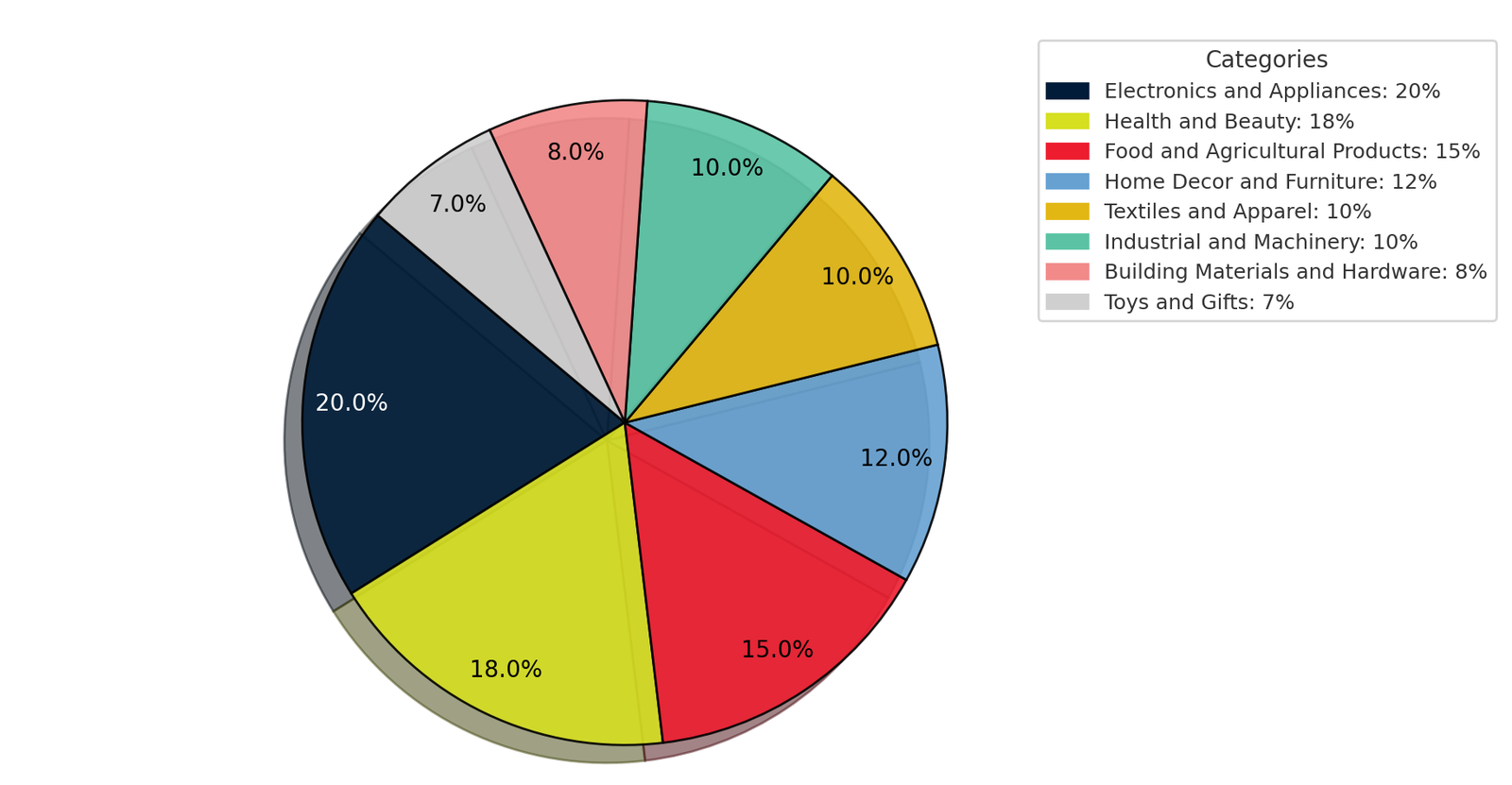
When I explain Canton Fair to first-time buyers, I always say it is not one event in a simple sense. It is more like three large trade shows under one name. Each phase has its own logic. If I know that logic, I can plan better meetings and ask better questions.
For bag buyers, the phase split matters a lot. I do not want to spend my best sourcing days in halls that mainly show machinery or lighting. I want halls where bag makers, accessory suppliers, and private label teams4 are already ready for business talks. Based on my experience, this is the practical view:
| Canton Fair Phase | Main Product Types | Relevance for Handbag Buyers | My Suggestion |
|---|---|---|---|
| Phase 1 | Electronics, machinery, hardware, industrial goods | Low | Skip unless I source non-bag items too |
| Phase 2 | Gifts, home products, decoration, some fashion accessories | Medium | Visit if I buy broad lifestyle ranges |
| Phase 3 | Bags, luggage, leather goods, garments, shoes, office and personal products | High | Must attend for handbag sourcing |
I also keep in mind that product categories can overlap. Some fashion handbags, women’s bags, and style-led accessory suppliers may appear in Phase 2, especially if their booth setup links to gifts or fashion accessory collections. That is why buyers with mixed categories5 should not think too narrowly. If I source handbags, cosmetic bags, gift bags, and seasonal accessories6 together, checking both Phase 2 and Phase 3 can give me a better supplier map.
In simple terms, Phase 3 is the core. Phase 2 can be useful support. That is the clearest way I see it.
Which Phase of Canton Fair Should Handbag Buyers Attend?
If I attend only by guess, I may leave without enough supplier options. That can push me into weak pricing and poor factory matches later.
Handbag buyers should attend Phase 3 first because it has the highest concentration of bag and leather goods suppliers7. I may also attend Phase 2 if I want fashion-led handbags, accessories, or a wider lifestyle sourcing mix.
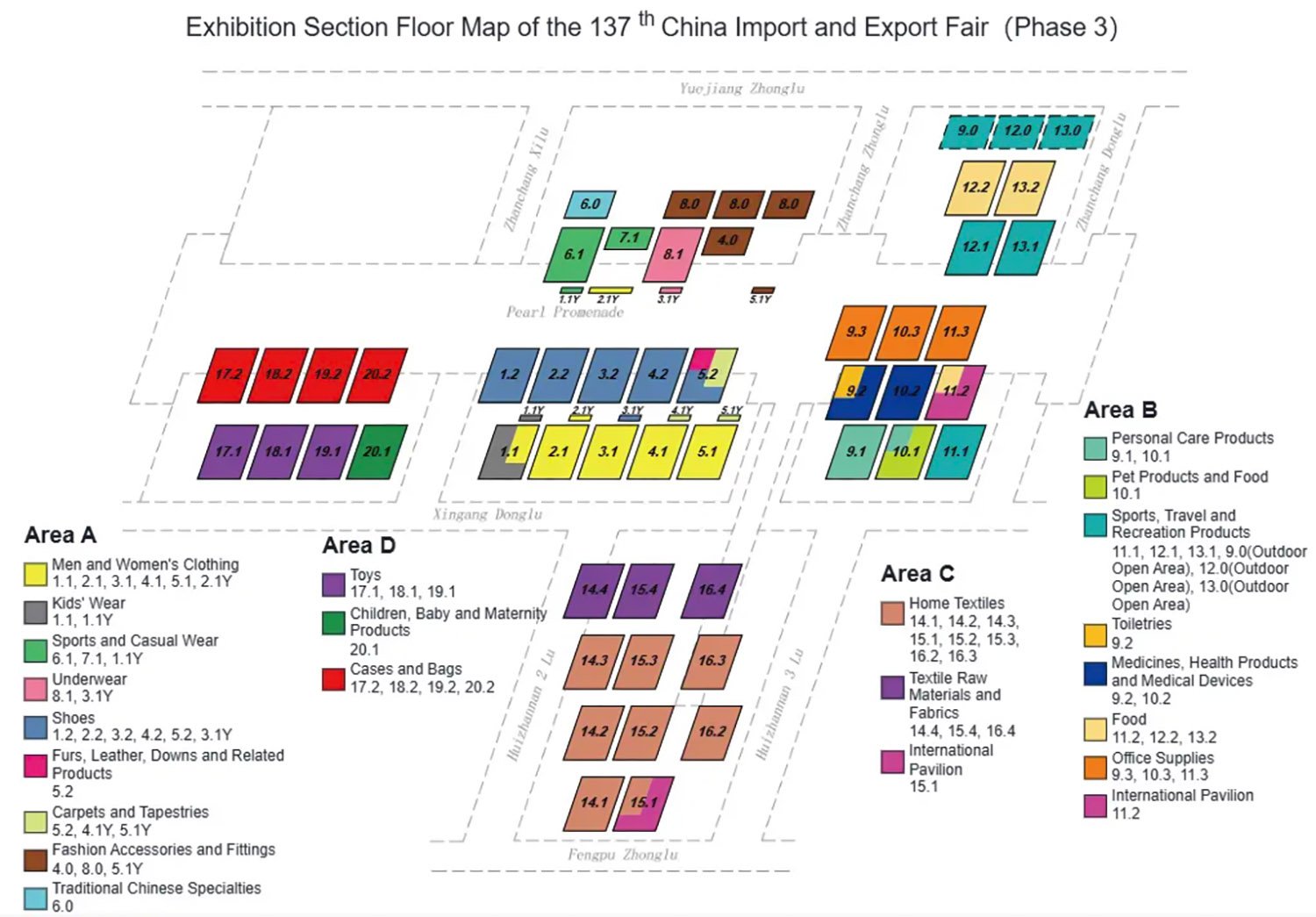
I usually tell buyers to start with their product goal, not the event calendar. If my main goal is handbags, backpacks, duffle bags, tote bags, cosmetic bags, or cooler bags8, then Phase 3 is the most efficient use of time. The supplier density is higher. The talks are more focused. The comparison work is easier.
Here is how I break the choice down:
| Buyer Type | Best Phase | Why |
|---|---|---|
| Pure handbag buyer | Phase 3 | Most direct access to bag suppliers |
| Buyer sourcing bags + fashion accessories | Phase 2 + 3 | Better style coverage |
| Private label retailer | Phase 3 | Easier OEM and packaging talks |
| Supermarket or chain-store buyer | Phase 3 | More bulk-ready suppliers |
| Trend-focused buyer | Phase 2 + 3 | Better style scan across categories |
I learned this from real visits. One time, I spent too much effort on broad exploration. I saw many interesting products, but too few qualified bag factories. The next time, I focused on Phase 3 first. The result was much better. I met more factories in one day. I compared MOQ, materials, logo methods, lead times, and testing ability with less effort. I could also see samples side by side, which made quality judgment much easier.
For big buyers, Phase 3 is not just about supplier count. It is also about deal quality9. More serious bag manufacturers come prepared with catalogues, sample sets, material books, and OEM answers. That helps me move from “nice product” to “real business” much faster. If my schedule is tight, I choose Phase 3 first every time.
Where Can I Find OEM Handbag Manufacturers at Canton Fair?
If I only meet trading companies, I may get slower communication, weaker cost control, and less clarity on production. That can make custom projects risky.
I find OEM handbag manufacturers10 mainly in Phase 3, in the bag and luggage sections. I look for suppliers that show factory details, customization options, material knowledge11, and clear answers on MOQ, sampling, lead time, and quality control.
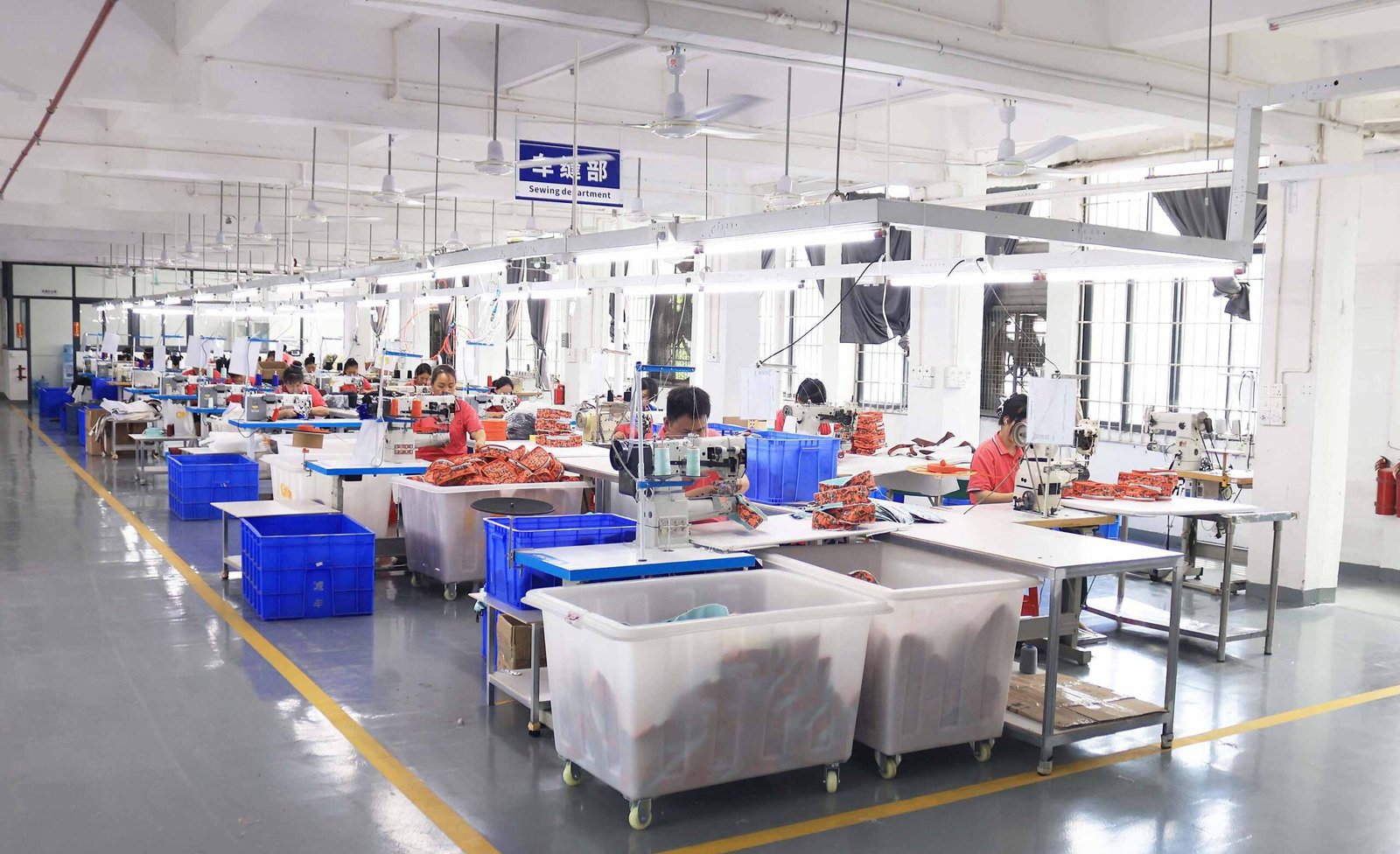
Finding a booth is easy. Finding a real OEM-capable manufacturer is harder. I never assume every supplier at the fair is a factory. Some are traders. Some are mixed models. Some have a small workshop but weak development ability. So I ask direct questions early.
When I want OEM handbag production, I focus on signs that show factory strength. I want to know if they can handle custom fabrics, logo printing, embroidery, metal parts, labels, packaging, and compliance needs12. I also want to know if they can scale when my order grows.
This is the checklist I use on site:
| What I Check | Why It Matters | Good Sign |
|---|---|---|
| Factory location and size | Shows production base | Clear factory address and workshop data |
| OEM/ODM experience13 | Shows custom ability | Existing custom cases and sample development |
| Production lines | Shows capacity | Clear line setup and output explanation |
| QC process14 | Reduces quality risk | In-line and final inspection steps |
| Material options | Supports product match | Fabric books, trim options, test reports |
| Design support | Helps product development | In-house design team or technical staff |
| Lead time | Protects delivery plans | Realistic and stable timeline |
| MOQ flexibility | Helps test orders | Clear answer without hesitation |
I also pay attention to how they talk. A true OEM manufacturer usually speaks in a practical way about stitching, fabric thickness, reinforcement points, zipper brands, logo process, packing method, and shipment timing. A weak supplier often stays vague. If I ask about seam strength or sample revision cycles and get soft answers, I become careful.
At a fair like Canton Fair, face-to-face talks help a lot. I can touch samples, inspect details, and test how well the team understands my project. For custom handbag business, that saves me from many online misunderstandings later.
How Do I Source High-Quality Bags at Canton Fair Phase 3?
If I chase low prices without a method, I can end up with returns, complaints, and damaged customer trust. Cheap mistakes become expensive very fast.
To source high-quality bags at Canton Fair Phase 315, I compare materials, stitching, hardware, structure, and factory answers. I ask for test ability, QC steps, sample support, and delivery records before I discuss final pricing.
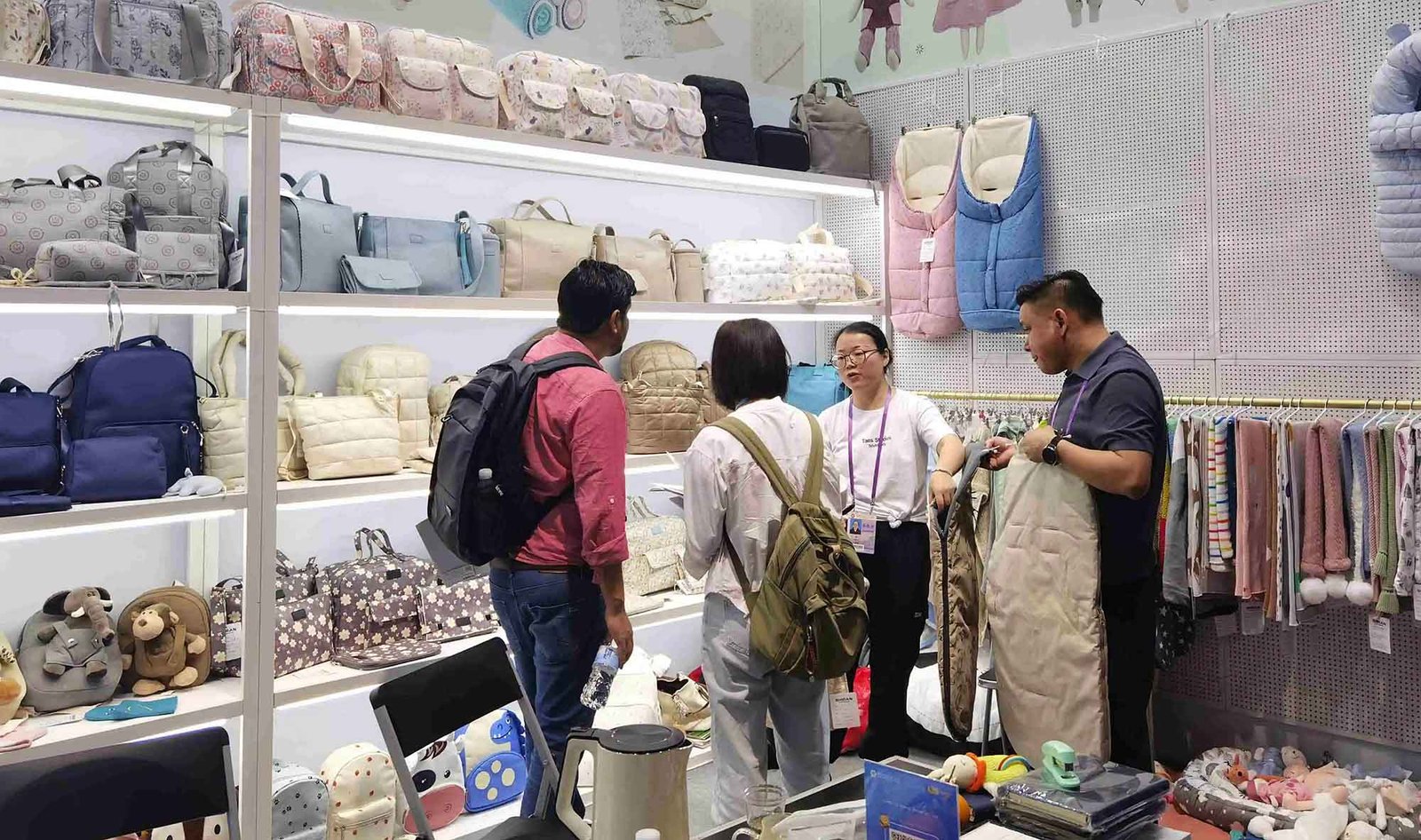
I think many buyers make the same mistake at trade fairs. They look at appearance first and price second, then stop there. That is not enough. A bag can look good on a booth wall and still fail in bulk production. So I use a simple quality review process16.
First, I inspect the sample by hand. I check stitching lines, edge finishing, inner construction, zipper movement, strap attachment points, bartack reinforcement, lining quality, smell, and overall shape. Then I ask technical questions. I want to know what fabric is used, what GSM or thickness it has, whether the hardware plating is stable, and what quality standard they use before packing.
This is the kind of review table I follow:
| Quality Point | What I Check | Why I Check It |
|---|---|---|
| Fabric | Thickness, feel, coating, color consistency | Base material affects durability |
| Stitching | Straight lines, stitch density, loose threads | Bad sewing causes early failure |
| Hardware | Zippers, pullers, buckles, rings | Weak parts create complaints |
| Structure | Bottom support, shape retention, reinforcement | Good structure improves use life |
| Printing/Logo | Clean finish, strong adhesion, position accuracy | Branding quality affects retail value |
| Inside details | Lining, pockets, labels, neatness | Hidden details show factory discipline |
| Packaging | Polybag, carton, barcode, shipping mark | Good packing reduces damage |
| QC system | Inspection points and defect handling | Quality control protects bulk orders |
I also compare at least five to ten suppliers before I shortlist. That helps me see the real market range. One supplier may look good alone. But side-by-side comparison reveals a lot. I have often found that the best value is not the lowest quote. It is the supplier that gives stable quality, clear communication, and realistic lead times.
At Phase 3, many global buyers gather to talk business. That is useful for me because the suppliers come prepared for serious order discussions. I can move from sample review to OEM details in one meeting. That speed is hard to match online.
Are Canton Fair Handbag Suppliers Better Than Alibaba for Bulk Orders?
If I rely on one sourcing channel only, I may miss better factories or make a poor choice with limited proof. That can hurt margins and delivery.
For bulk orders, Canton Fair suppliers can be better than Alibaba17 because I can meet them in person, inspect samples directly, and discuss OEM face to face. Alibaba is still useful for screening, follow-up, and comparing options before or after the fair.
I do not think this is an either-or question. I think it is about fit. Alibaba is efficient for search, early contact, and quick price collection. Canton Fair is stronger when I need deeper trust, faster judgment, and serious OEM talks for bulk business.
Here is how I compare them in practice:
| Factor | Canton Fair | Alibaba |
|---|---|---|
| Sample checking | Strong, in person | Limited to shipped samples |
| Communication speed | Strong during meetings | Can be slow or unclear |
| OEM discussion | Strong, detailed face to face | Possible, but often less efficient |
| Supplier screening | Better visual and direct judgment | Wider reach, but more filtering needed |
| Price comparison | Good within one hall visit | Good across many listings |
| Trust building | Stronger in person | Slower to build |
| Time cost | High travel cost, high efficiency on site | Low travel cost, more online time |
| Best use | Bulk orders and serious sourcing | Initial search and follow-up |
For a buyer like Mark Porter, who cares about price, quality, delivery, and reliable communication, the fair often gives a clearer picture faster. I can judge whether the supplier team is experienced. I can see whether they understand private label needs. I can test how they respond to real purchasing pressure.
Still, Alibaba has value. I can use it before the fair to make a meeting list. I can use it after the fair to keep records, compare follow-up speed, and request revised quotations. In my own sourcing work, the best result usually comes from using both. I search online, then I verify in person. That method lowers risk and improves deal quality9.
Conclusion
If I want the best handbag supplier coverage at Canton Fair, I choose Phase 3 first. If my range is wider and more fashion-led, I also check Phase 2.
Understanding exactly what Phase 3 covers helps you schedule your visit so you don’t miss key handbag and luggage suppliers. ↩
This shows how to get maximum value from your visit by combining supplier quantity, style comparison, and OEM talks in one trip. ↩
Knowing the full category mix lets you plan cross-category sourcing like matching bags with garments or shoes. ↩
Learning to spot these three supplier types helps you target the right partners for both stock and custom handbag projects. ↩
If you buy across several product types, this helps you design a fair plan that doesn’t miss strong multi-category suppliers. ↩
This lets you build a coordinated product range from one trip instead of handling each category separately. ↩
Concentrated supplier groups make it easier to benchmark pricing, quality, and MOQs in a short time window. ↩
This helps you locate vendors that can cover your full bag portfolio under fewer, stronger supplier relationships. ↩
Focusing on deal quality—not just low prices—helps you secure sustainable, profitable long-term supplier partnerships. ↩
Knowing how to spot genuine OEM factories protects you from traders posing as manufacturers and reduces project risk. ↩
Checking these capabilities ensures your supplier can truly support custom designs and brand requirements. ↩
You’ll confirm whether a supplier can handle full-brand execution instead of outsourcing critical processes. ↩
Experienced OEM/ODM partners usually solve problems faster and translate your ideas into production-ready designs. ↩
A clear QC system is key to reducing defects, claims, and hidden costs in your bulk orders. ↩
A step-by-step sourcing method helps you avoid quality traps and pick factories that can deliver consistent standards. ↩
Using a repeatable review process gives you objective comparisons between samples from different suppliers. ↩
Understanding the strengths of each channel helps you build a smarter sourcing strategy that balances cost and risk. ↩