You want to add premium eco-friendly bags to your catalog, but the factory quotes for linen shock you. Why does this rough, natural fabric cost twice as much as cotton?
Linen bags are expensive because the raw flax plant1 requires labor-intensive harvesting2 and complex "retting" processes3 to extract fibers. Additionally, linen fabric is difficult to weave and sew, leading to higher manufacturing waste and stricter quality control requirements compared to standard cotton or canvas options.
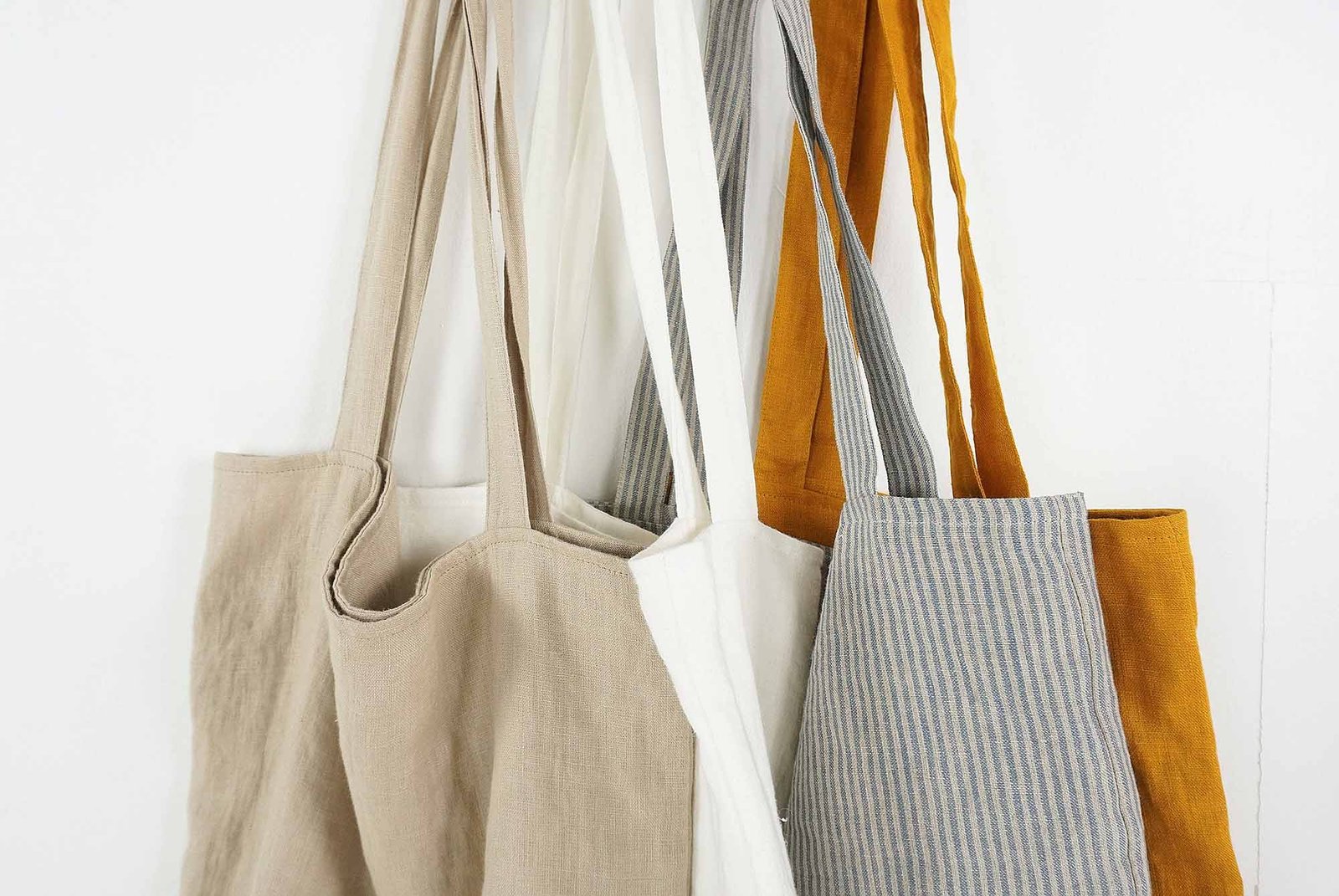
I often hear this question from my clients. Let me explain the real costs behind linen manufacturing.
What makes linen fabric more costly than cotton or canvas?
Many buyers assume all plant-based fabrics cost the same. However, the price difference between linen and cotton is huge in the raw material market.
Linen comes from the flax plant, which is harder to grow and process than the cotton plant. Cotton is mechanized and abundant, while flax requires specific climates and more manual handling, making the base material significantly more expensive per yard.
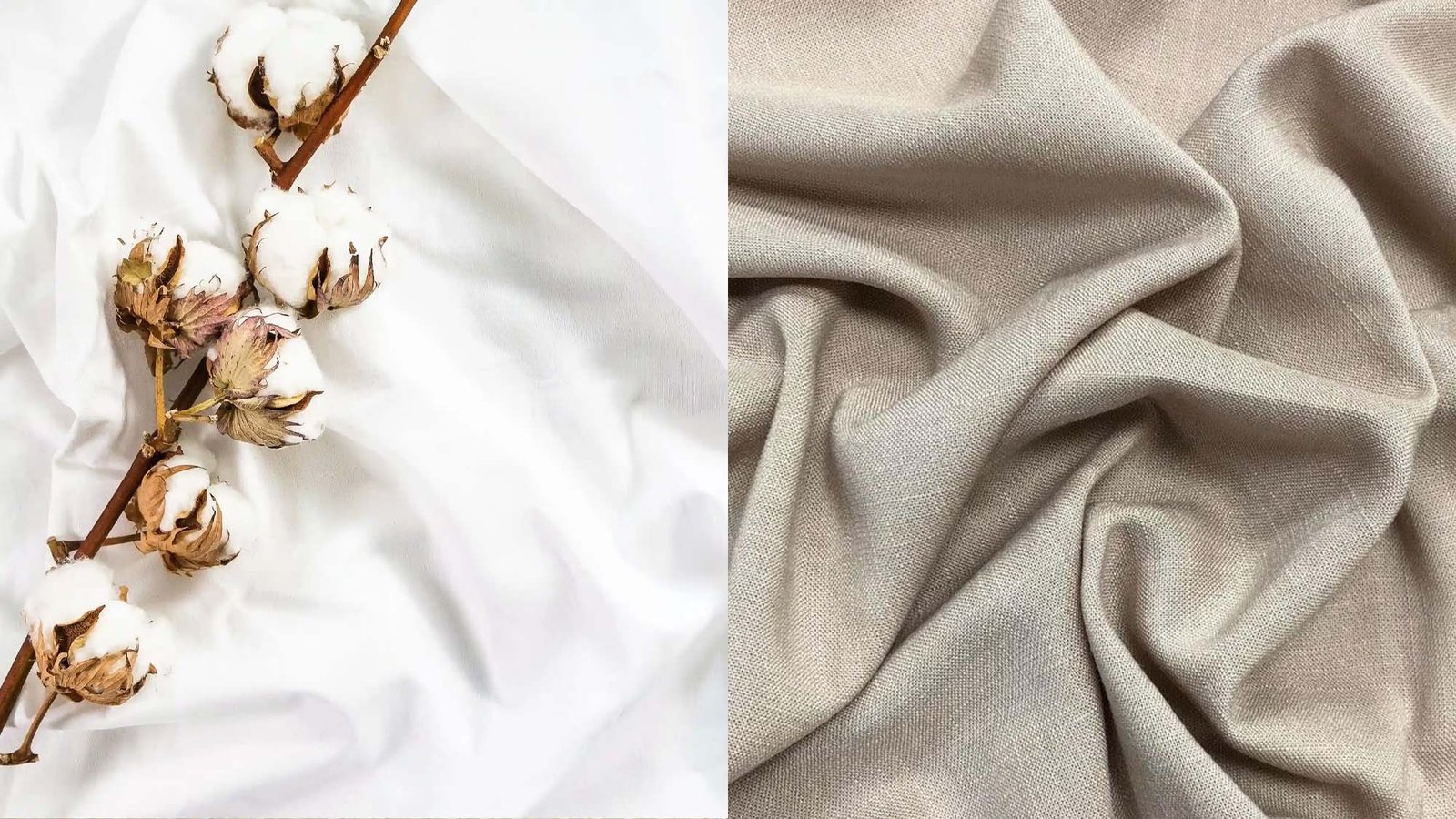
To understand the price tag, we must look at the farm. Cotton is a global commodity. It grows almost everywhere, and farmers harvest it with giant machines. Flax, the plant that gives us linen, is different. It is picky about the soil and the weather. It grows best in cool, damp climates like Western Europe or specific parts of Northern China. This limits the total global supply significantly.
When I source materials for my factory here in China, the availability of high-quality flax is much lower than cotton. Scarcity drives up the price. We also have to consider the yield. A field of cotton produces a lot of fiber. A field of flax produces less fiber per acre.
Here is a simple breakdown of why the raw material costs more:
| Feature | Cotton | Linen (Flax) | Impact on Cost |
|---|---|---|---|
| Global Supply | Abundant | Scarce | High |
| Growth Cycle | Fast | Slow | Medium |
| Mechanization | High | Low | High |
| Fiber Extraction | Simple (Gin) | Complex (Retting)4 | Very High |
As a manufacturer, I cannot change the market price of the raw fiber. When you ask for a linen tote bag, roughly 60% of that unit price is just the fabric cost5 alone. If we switch that same bag to canvas, the price drops immediately because the raw cotton is cheaper.
How do harvesting, retting, and weaving increase linen costs?
You might wonder why we cannot just speed up the machine. The nature of the flax fiber forces us to slow down production.
Processing flax into linen involves "retting," where stalks rot to release fibers, followed by slow spinning. Linen yarn breaks easily during weaving due to low elasticity, causing frequent machine stops and lower daily output compared to polyester or cotton6.
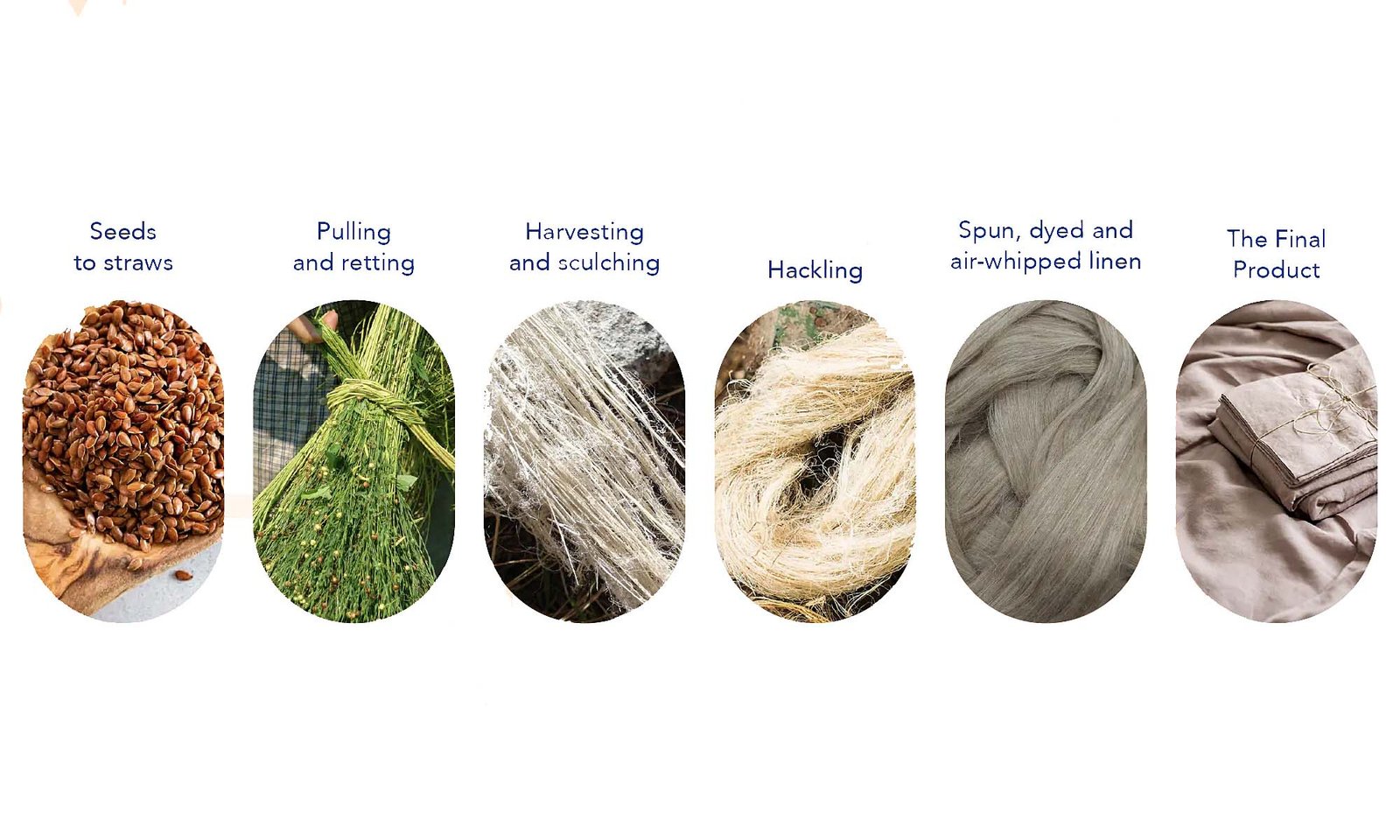
The journey from a plant to a piece of fabric is long for linen. First, farmers must pull the flax plant up by the roots to keep the fiber long. They cannot just cut it. This often requires specialized equipment or manual labor.
After harvesting, the stalks must undergo "retting." This is a controlled rotting process. Farmers leave the stalks in the field or put them in water tanks. Bacteria dissolve the glue that holds the fiber to the woody stem. This takes weeks. If the weather is bad, the crop is ruined. This risk adds to the cost.
Then comes the spinning and weaving. This is where I see the biggest difference in production speed. Flax fiber is stiff and brittle. It has no elasticity. Cotton stretches, but linen snaps.
- Spinning: To get a fine linen yarn, we often have to use "wet spinning7." We run the yarn through hot water to soften the pectin. This consumes more energy.
- Weaving: We cannot run the looms at high speed. If we run a loom fast for polyester, it works fine. If we run it fast for linen, the thread breaks. Every time a thread breaks, the machine stops. A worker must fix it.
In my factory experience, a loom can produce 100 meters of cotton canvas in the time it takes to produce perhaps 40 meters of good linen. Time is money. The lower the output per day, the higher the cost per meter. We have to pay for the electricity and the worker's time regardless of how much fabric comes out.
Which specs drive wholesale price up (GSM, blend, coating, lining)?
A "linen bag" can mean many things. The specific technical requirements you ask for will change the final price tag drastically.
Pure linen is the most expensive option8. Blending linen with cotton or polyester reduces costs. Heavyweight linen (high GSM) requires more raw material. Adding waterproof coatings or complex linings increases material consumption and production steps, raising the unit price.
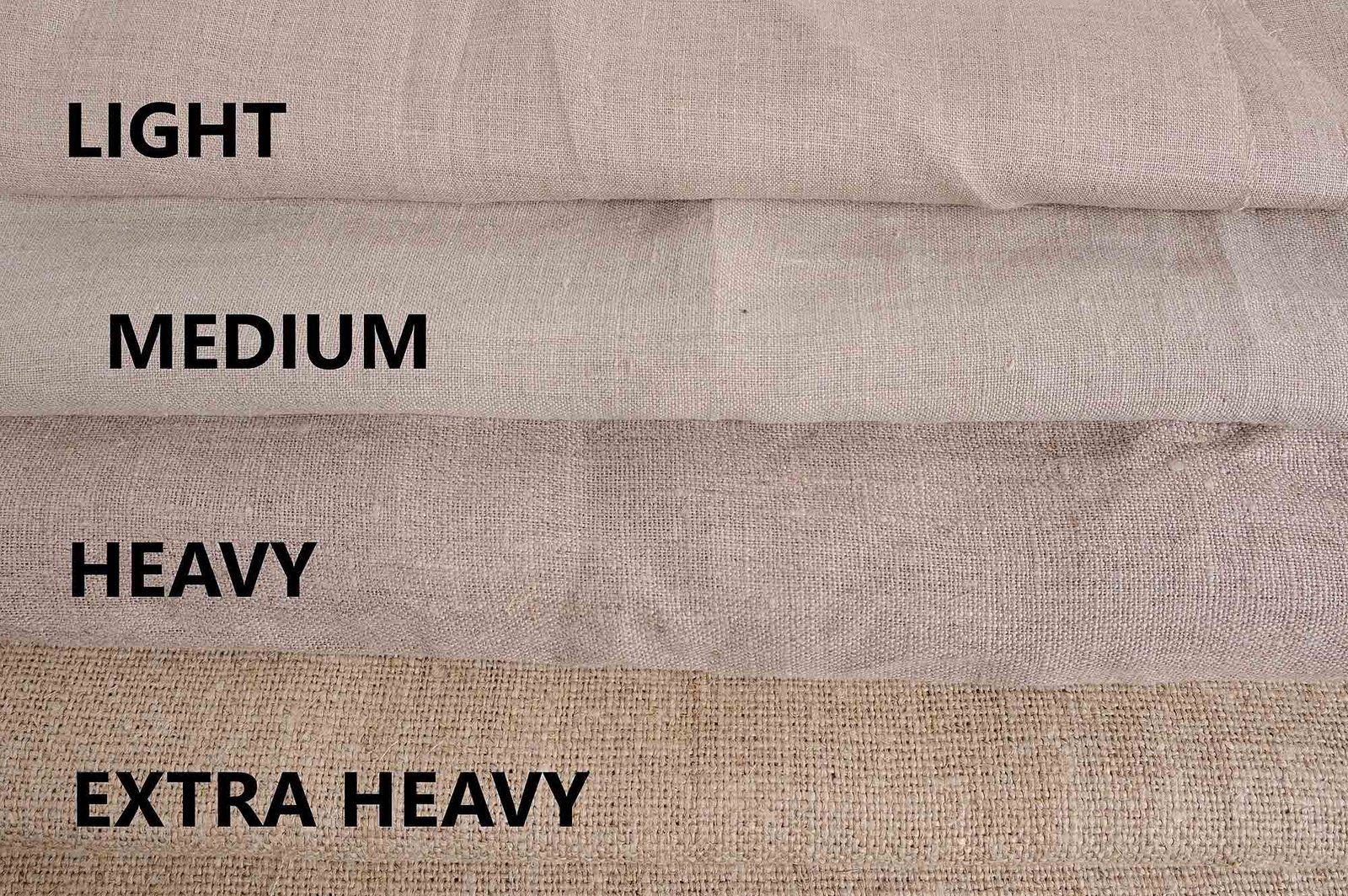
When a client like Mark sends me an inquiry, the first thing I check is the material specification. There is a massive price gap between "pure linen" and "linen look" fabrics.
1. The Blend Ratio: The most effective way to lower the price is to change the blend.
- 100% Linen: The most expensive. It feels cool and crisp.
- Cotton-Linen Blend (55% Linen / 45% Cotton)9: This is very popular. It retains the natural look of linen but is softer and cheaper.
- Polyester-Linen10: The cheapest option. It is strong, but it feels less natural.
2. GSM (Weight): GSM stands for Grams per Square Meter11. A higher GSM means a thicker, heavier bag.
- Low GSM (under 150g): Thin, almost see-through. Good for small drawstring pouches, bad for grocery bags.
- High GSM (over 300g): Thick, durable, premium feel. This uses twice as much fiber as the thin fabric, so the material cost doubles.
3. Coatings and Backing: Linen is loosely woven. If you put heavy items in it, the weave might open up. To fix this, we often add a backing layer.
- PU/PVC Coating12: We laminate a thin plastic layer to the back. This makes the bag waterproof and stiff. This adds a processing step and material cost.
- Lining: Sewing a separate cotton lining inside hides the rough seams. However, this essentially means we are making two bags (one outer, one inner) and sewing them together. This doubles the sewing labor.
If you want a thick, pure linen bag with a waterproof lining, you are asking for the "Ferrari" of tote bags. The price will reflect that.
Why do linen bags require stricter QC and more complex sewing?
The fabric arrives at my factory, but the costs do not stop there. Making a bag from linen is much harder than using canvas.
Linen frays easily and has no stretch, making cutting and sewing difficult. Workers must sew slowly to avoid puckering. We need extra quality control steps to check for uneven threads or "slubs13," and we often use more reinforcement, which increases labor time.
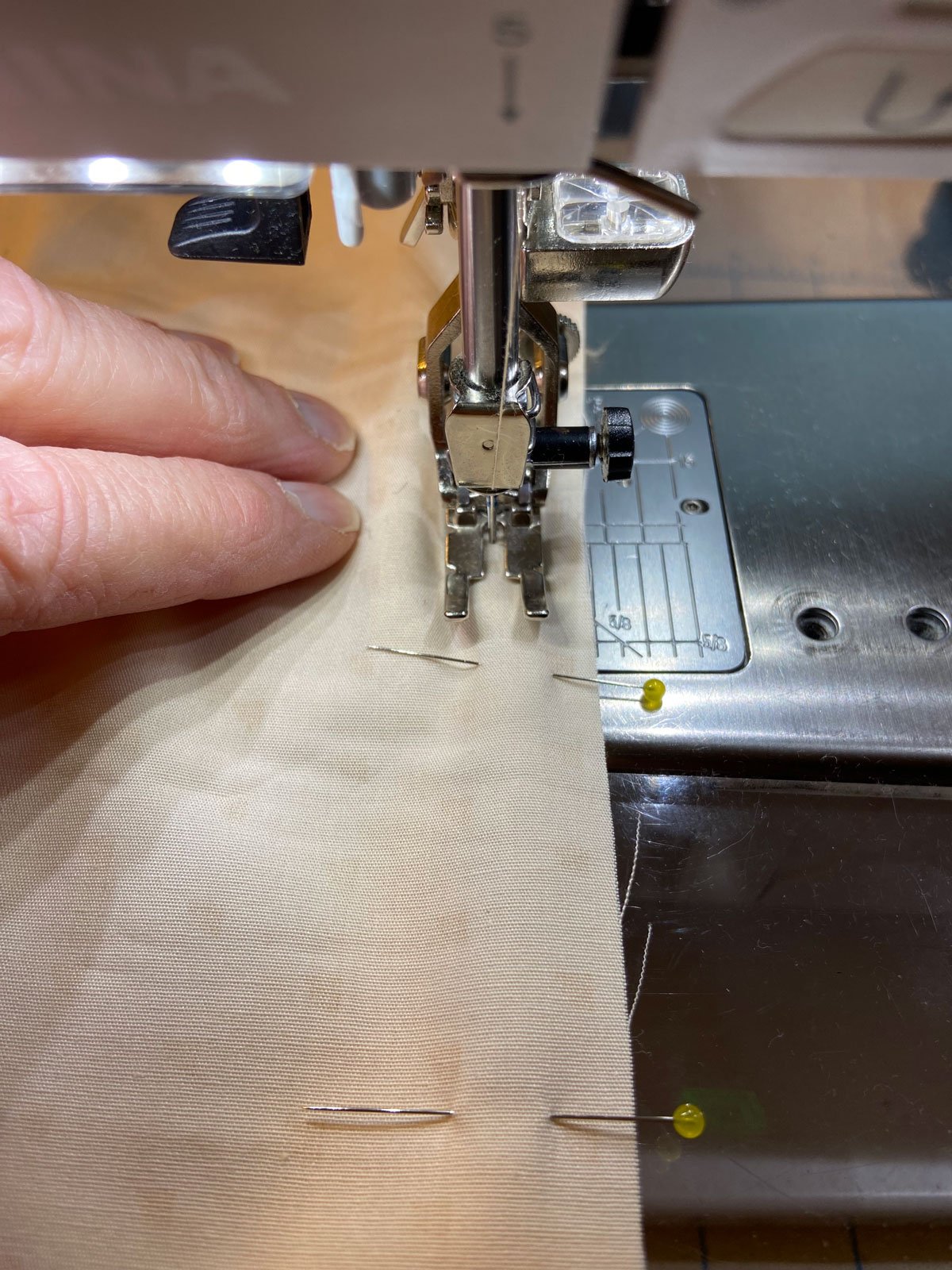
In my 15 years of running a bag factory, I have learned to respect linen. It is a difficult fabric to work with. My workers prefer sewing polyester because it is easy. Linen fights back.
The Cutting Room Challenge: Linen unravels. The moment we cut the fabric, the edges start to fray. We cannot leave cut pieces sitting on the table for days. We must process them immediately. Often, we have to "overlock" (stitch) the edges of every single panel before we even start assembling the bag. This is an extra step that we do not always need for coated canvas.
The Sewing Challenge: Because linen is stiff, it does not hide mistakes. If a worker sews a crooked line on a fluffy cotton bag, the texture might hide it. On linen, a crooked line is very visible. Also, linen has "slubs13." These are natural thick spots in the yarn. Sometimes, the needle hits a hard slub and breaks, or the thread snaps. This slows down the sewing line.
The Ironing and Shaping: Linen wrinkles if you look at it the wrong way. After we finish sewing, the bag looks like a crumpled piece of paper. We have to spend a lot of time steaming and ironing the bags to make them look presentable for packing. This takes time and labor.
Quality Control (QC): We have to be very strict.
- Shrinkage: Linen shrinks a lot. We have to test the fabric batch before cutting. Sometimes we have to wash the fabric first (pre-shrinking14), which costs money.
- Color Fastness: Natural linen holds dye differently. We have to inspect for color consistency15.
All these steps add labor minutes to each bag. In manufacturing, minutes equal dollars.
Is linen worth the headache and the money? For the right market and the right customer, the answer is absolutely yes.
Linen offers a premium, eco-friendly image that commands a higher retail price. It is breathable, durable, and biodegradable. If your brand targets high-end consumers or sustainability-focused markets16, the higher manufacturing cost is justified by the higher profit margin you can charge.
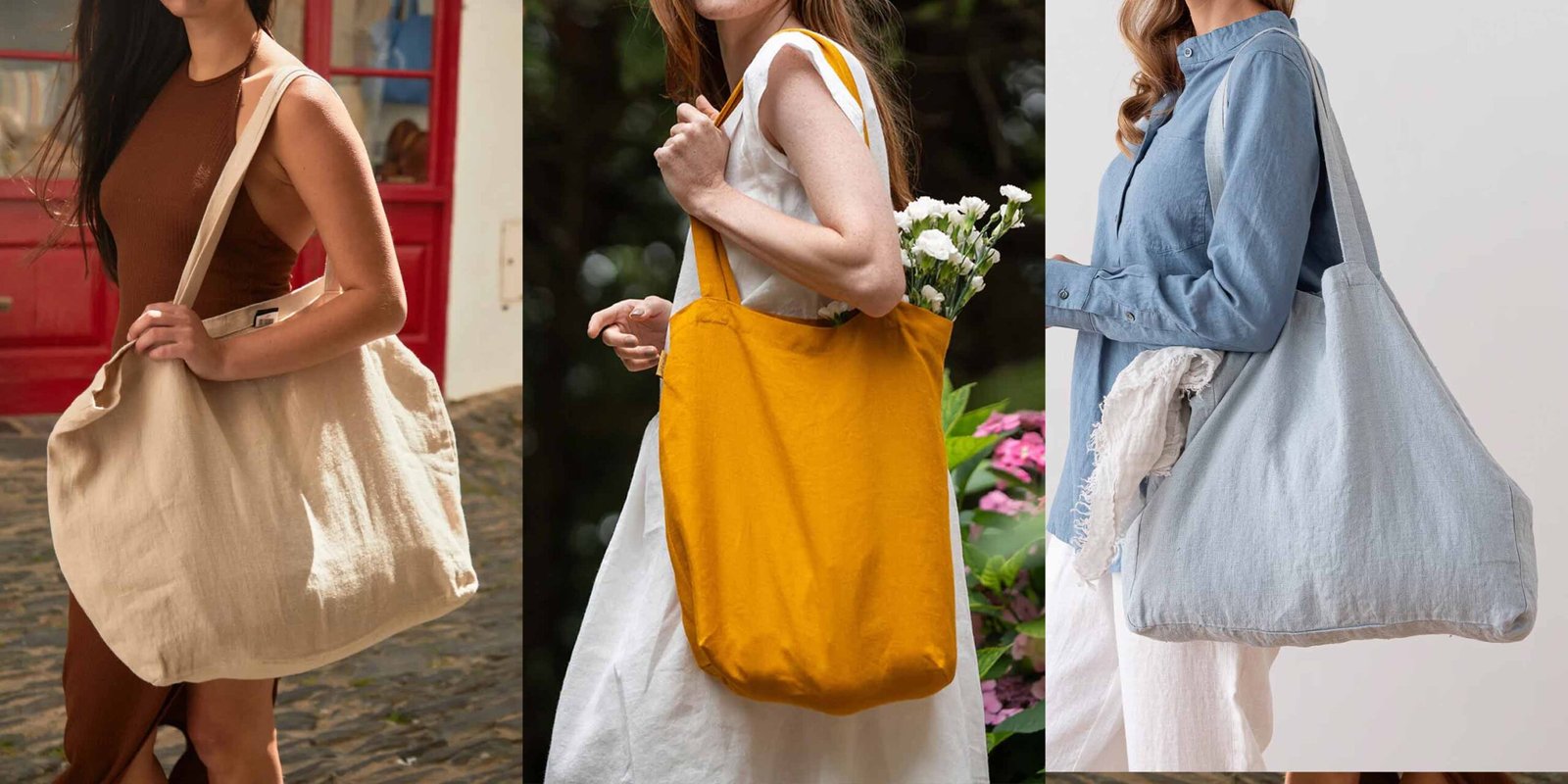
Despite the high cost, I still export thousands of linen bags to Europe and North America every year. Why do buyers like Mark keep ordering them? Because their customers love them.
You have to look at the Return on Investment (ROI)17. If you buy a polyester bag for $1.50, you might sell it for $5.00. If you buy a linen bag for $4.50, you can sell it for $25.00 or more.
The Value Proposition:
- Sustainability: Linen is one of the most eco-friendly fabrics. It needs less water than cotton and fewer pesticides. For brands that claim to be "green," linen is the best proof.
- Durability: Linen is actually stronger when it is wet. A good linen bag lasts for years. It does not look "old" when it wears out; it looks "vintage."
- Luxury Perception: Plastic feels cheap. Cotton feels common. Linen feels expensive. It has a unique texture that signals quality to the consumer.
Who should buy linen?
- Cosmetic Brands: For high-end gift-with-purchase pouches.
- Boutique Retailers: For summer tote bags.
- Corporate Gifting: When you want to impress a VIP client, you do not give them polyester.
If your market competes only on price, do not buy linen. You will lose. But if your market competes on brand image, quality, and sustainability, linen is the best investment you can make. The high factory cost buys you a product that stands out in a crowded market.
Conclusion
Linen bags are expensive because of the scarcity of flax, the slow weaving process, and the difficulty of sewing the fabric. However, the high price delivers a premium, eco-friendly product that allows brands to charge significantly higher retail prices.
Learn how the biology and farming needs of raw flax directly push up your bag’s base material cost before it even reaches the mill. ↩
See how extra manual work and specialized machinery in the field turn flax into a premium-priced fiber for your products. ↩
Understand why this slow, delicate fiber-separation stage adds weeks, risk, and cost to every meter of linen fabric. ↩
Dive deeper into why extracting usable fibers from flax stalks is far more demanding than ginning cotton. ↩
Break down the cost structure of a linen tote so you can price, negotiate, and budget your wholesale orders more accurately. ↩
Discover how slow weaving speeds and frequent thread breaks make linen production far less efficient and more costly. ↩
Learn how this energy-heavy spinning method improves yarn quality but raises the price per yard of linen. ↩
Compare pure linen with blended fabrics so you can choose specs that balance cost, feel, and brand positioning. ↩
Evaluate this popular blend to see how it preserves linen’s look while making your product more price-competitive. ↩
Find out how adding polyester can cut fabric costs yet still deliver a “linen look” suitable for budget-sensitive projects. ↩
Understand GSM so you can specify fabric weights that match your target price point and performance needs. ↩
Learn how waterproof lamination improves function but adds extra material, machinery, and environmental considerations. ↩
Understand these natural yarn thick spots so you can better judge appearance standards and defect rates for premium bags. ↩
See how pre-shrinking prevents post-sale size issues but adds additional processing, water, and energy costs. ↩
Learn how dye behavior on linen complicates bulk orders and why extra QC is critical for brand reliability. ↩
Explore how eco-driven consumers reward linen with higher willingness to pay, boosting your brand’s positioning and profits. ↩
Compare cost vs. resale value so you can decide if premium linen margins justify the higher factory price. ↩