Many buyers pay more for organic cotton tote bags and still feel unsure. I have seen this happen when the organic claim sounds strong, but the numbers do not work.
Organic cotton tote bags are worth it for wholesale only when your buyers value the claim enough to support the higher cost, certification needs, and supply limits. If your channel does not reward that difference, regular cotton may be the better business choice.
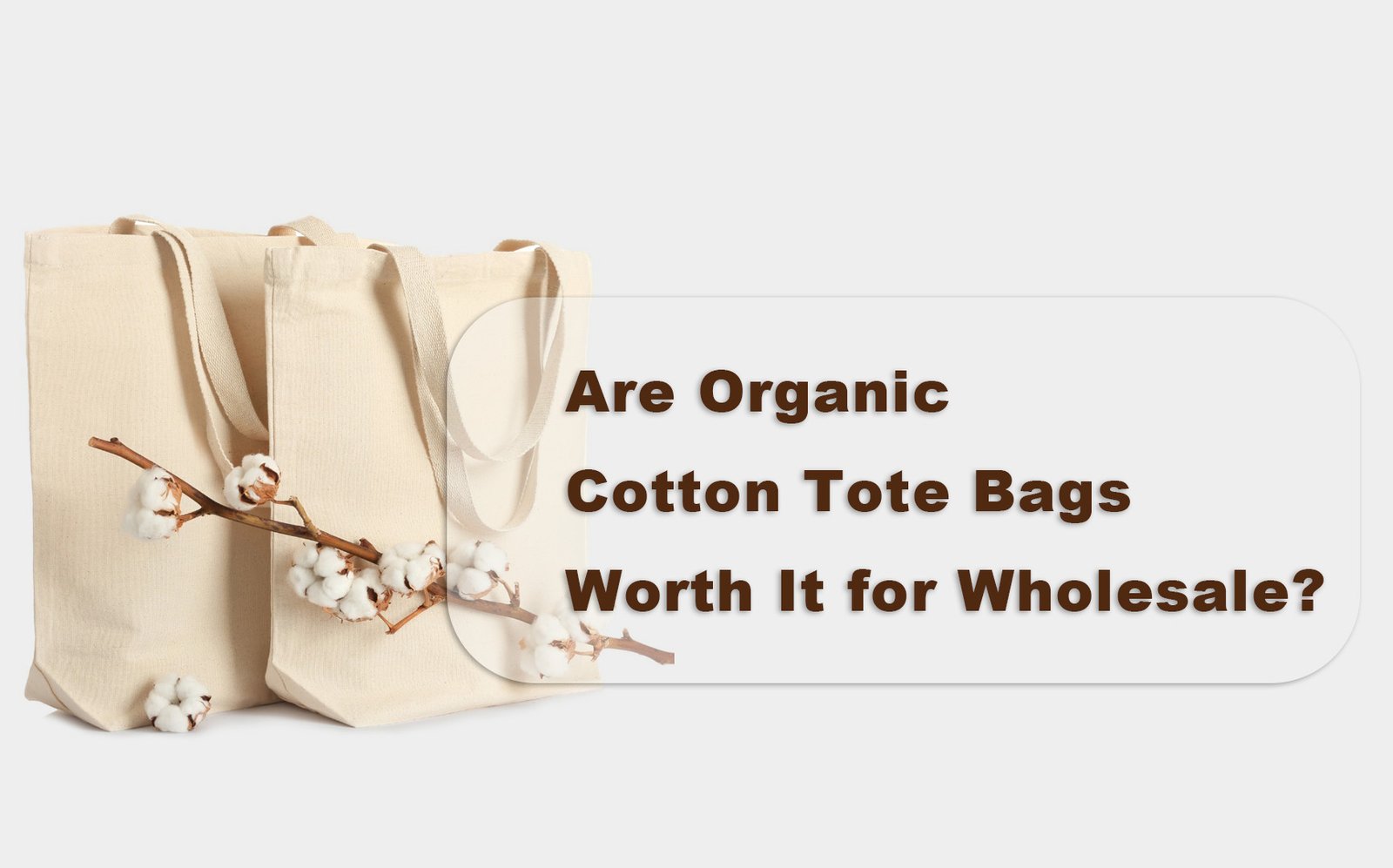
I have discussed this question with many buyers who wanted a simple yes or no answer. I rarely give one. I work from the factory and supply side, so I look at this issue in a practical way. I ask what the bag will be used for, where it will be sold, what price it must hit, and whether the end customer will care about the organic claim. That is where the real answer starts. In many cases, the fabric itself is only one part of the decision. The hard part is whether the whole sourcing plan still works after cost, MOQ, certification, print result, and delivery are added in.
What Are Organic Cotton Tote Bags Made From?
Buyers hear "organic cotton" and often assume it means a totally different bag. I have seen confusion start here, and that confusion often leads to weak buying decisions.
Organic cotton tote bags are made from cotton grown under specific farming standards, usually with certification requirements that need verification1. The finished bag can still vary by fabric weight, weave, stitching, printing, and trims, just like a regular cotton tote bag.
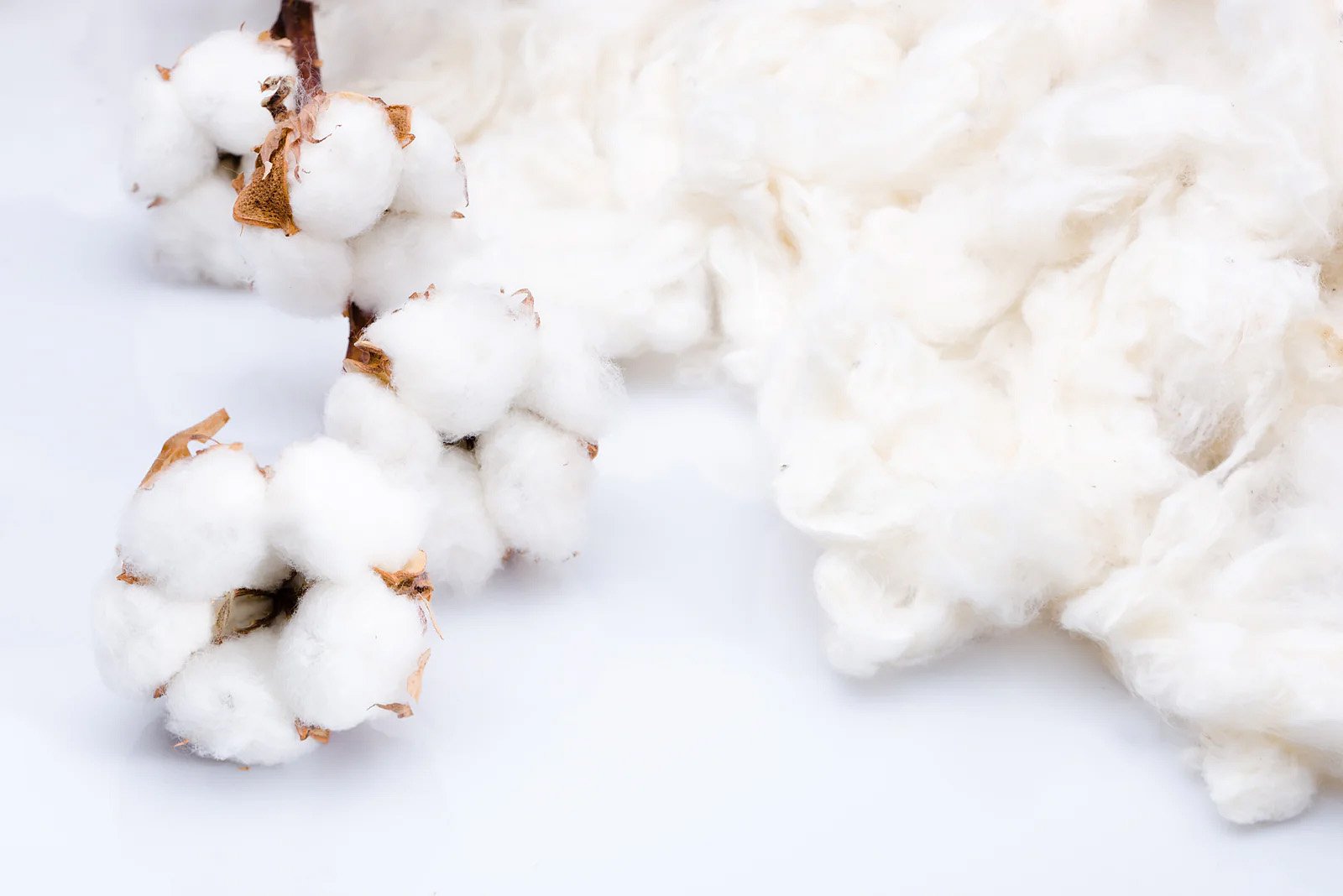
When I explain organic cotton to buyers, I start with a simple point. Organic cotton refers to how the cotton is grown, not to a guarantee that every finished bag detail is better.2 The bag still depends on many production choices. A 5oz organic cotton tote and a 12oz organic cotton tote are not the same product. A canvas weave and a plain weave do not feel the same. A dyed fabric and a natural greige fabric do not look the same. The print method can also change the result a lot.
I have seen buyers expect organic cotton to feel softer, look cleaner, or print better by default. That is not a safe assumption. In factory work, we still need to check the exact fabric spec. We still need to confirm weight, texture, shrinkage, color, and print effect. We also need to ask if the buyer needs transaction certificates or only wants the organic story for product marketing. Those are very different needs.
Here is how I usually break it down for buyers:
| Item | Organic Cotton Tote Bag | Regular Cotton Tote Bag |
|---|---|---|
| Fiber source | Cotton grown under organic standards, needs verification | Conventional cotton source |
| Fabric options | Many, but not unlimited | Very wide range |
| Visual result | Depends on fabric and finishing | Depends on fabric and finishing |
| Print result | Must be tested by fabric and ink type | Must be tested by fabric and ink type |
| Procurement complexity | Higher if certification is required | Usually simpler |
In short, the material story starts at farming. The product story ends in manufacturing. Buyers should separate those two parts.
Are Organic Cotton Tote Bags More Sustainable?
Many buyers feel pressure to choose the greener option. I understand that pressure, but I also know that broad claims can hide very real sourcing trade-offs.
Organic cotton tote bags may support a more sustainability-focused product story, but the real benefit depends on verified standards, transport, production choices, and how the bag is used.3 Buyers should verify claims instead of assuming organic always means the best total outcome.4
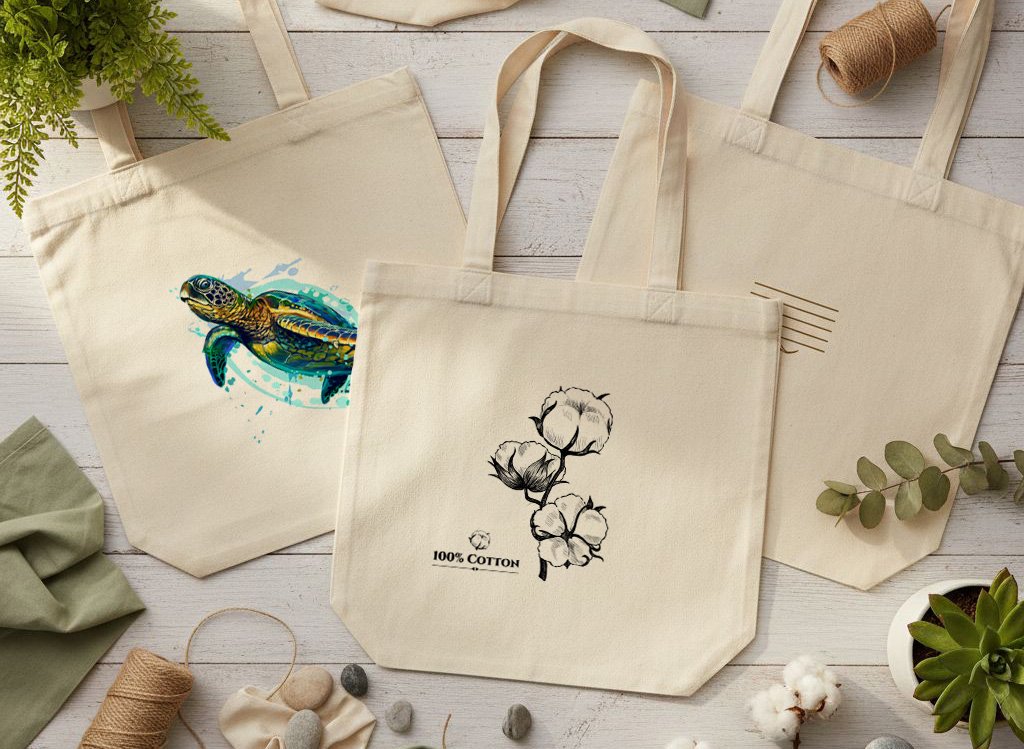
From my side, this is where many discussions become too simple. A buyer asks me, "Is organic cotton more sustainable?" I usually answer, "It may be, but what exactly do you need to prove, and to whom?" That question matters. Some customers need a verified standard for a retail shelf, some need a clean story for a gifting campaign, and some only need a reusable tote at a target cost. These are not the same cases.
I do not position myself as a sustainability certifier, so I stay practical. If a buyer needs to make environmental claims, those claims should be checked against the actual certification scope and local market rules. In factory discussions, what matters is whether the claimed value survives the full sourcing process. A bag can use organic cotton, but the order may still face higher MOQs, fewer fabric options, longer raw material booking times, and more document checks. If the buyer cannot use that value in the market, then the extra work may not produce real return.
I have seen two common mistakes. The first mistake is treating organic cotton as a universal upgrade. The second mistake is treating it as only a moral choice and ignoring the pricing model. In wholesale, both are risky.
This is how I frame the issue:
| Question | Why It Matters |
|---|---|
| Does my market ask for organic? | Demand should come before premium cost |
| Do I need formal certification proof? | This affects supplier choice and paperwork |
| Will my customer pay more? | Margin protection matters |
| Will this improve sell-through? | Product story must support sales |
| Can supply stay stable? | A good idea fails if supply becomes inconsistent |
So yes, organic cotton can fit a sustainability-focused line. But I never advise buyers to stop their thinking there.
Do Organic Cotton Tote Bags Offer Better Quality?
I often hear buyers connect organic cotton with better quality. I understand why. The term sounds premium. Still, premium language and product performance are not the same thing.
Organic cotton tote bags do not automatically offer better quality.5 Quality depends on fabric weight, yarn quality, weave, stitching, handle construction, printing, and factory control6, not only on whether the cotton is organic.
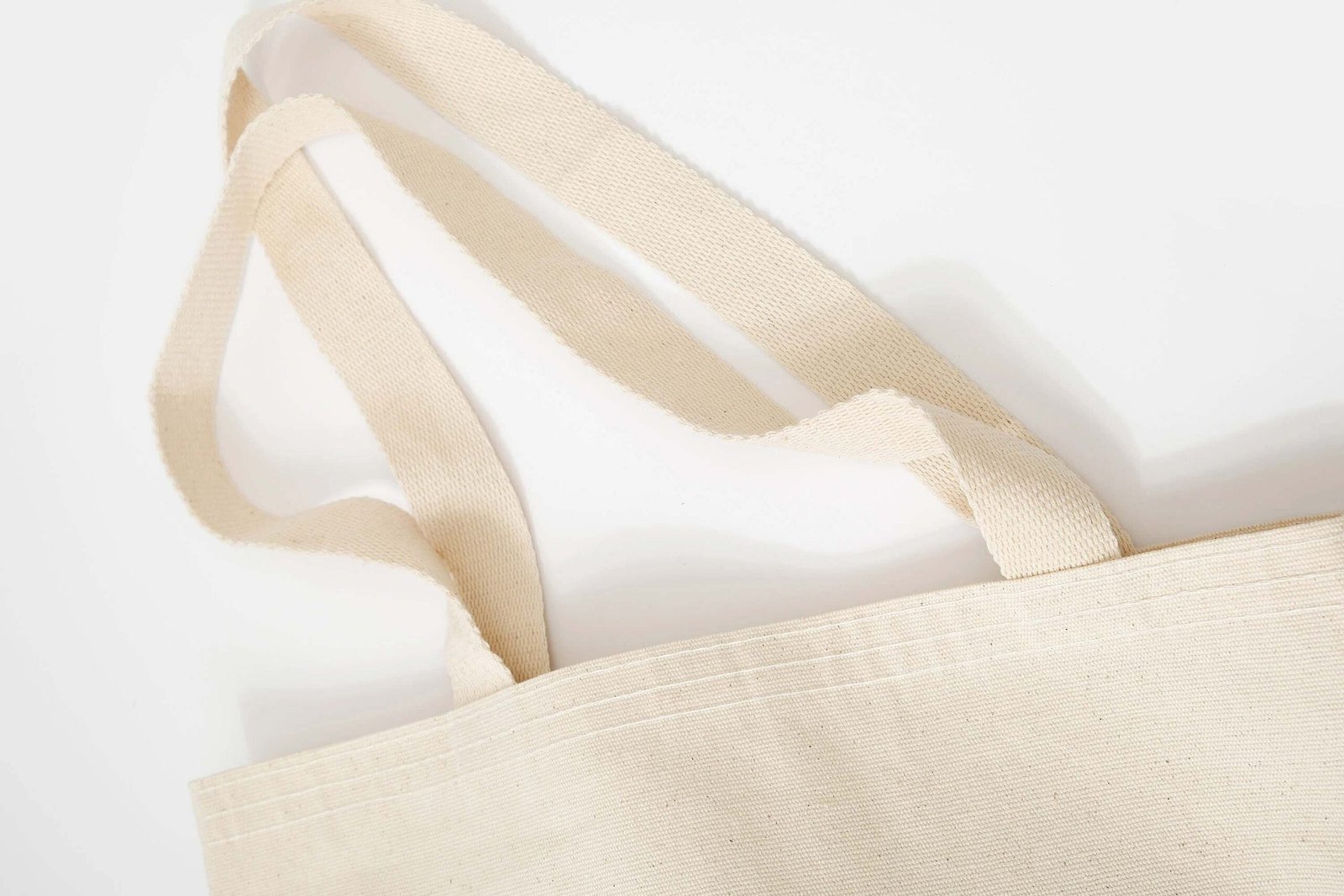
This point is important because it affects quoting and buyer expectations. In my daily work, I compare samples and specs far more than labels. A tote bag feels strong because of GSM, yarn count, structure, reinforcement, and sewing quality.7 A tote bag prints well because the surface, treatment, and ink process match.8 A tote bag lasts because the construction is right for the use case. Organic status alone does not decide any of that.
I remember one buyer who assumed an organic tote would be a cleaner and stronger retail product than a regular cotton version. We checked both samples side by side. The regular cotton sample had heavier fabric, tighter stitching, and better handle reinforcement. It was simply the stronger bag. The organic sample had value as a claim, but not as a quality win. That kind of comparison happens often.
This is why I ask buyers to compare by spec sheet, not by emotion:
| Quality Factor | What to Check |
|---|---|
| Fabric weight | 5oz, 8oz, 10oz, 12oz, and how the bag will be used |
| Weave and texture | Canvas, plain, brushed, washed, or raw finish |
| Stitching | SPI, edge finish, stress points, reinforcement |
| Handle strength | Cross stitch, box stitch, handle length, webbing option |
| Printing result | Screen print, heat transfer, digital, color hold |
| Shape consistency | Cutting accuracy and sewing control |
I also tell buyers that organic cotton can sometimes have a more limited supply range depending on the season, mill source, and required certification path. That does not mean the quality is worse. It just means the buyer should not assume broad fabric flexibility. Quality must be built and checked. It is not gifted by the word "organic."
Are Organic Cotton Tote Bags Worth the Higher Cost?
Cost is where many organic tote projects become difficult. I have seen good ideas fail when buyers liked the concept but did not build the premium into the selling plan.
Organic cotton tote bags are worth the higher cost only if the added expense can be recovered through pricing, brand value, customer demand, or channel fit. If not, the organic premium can reduce margin without improving sales.
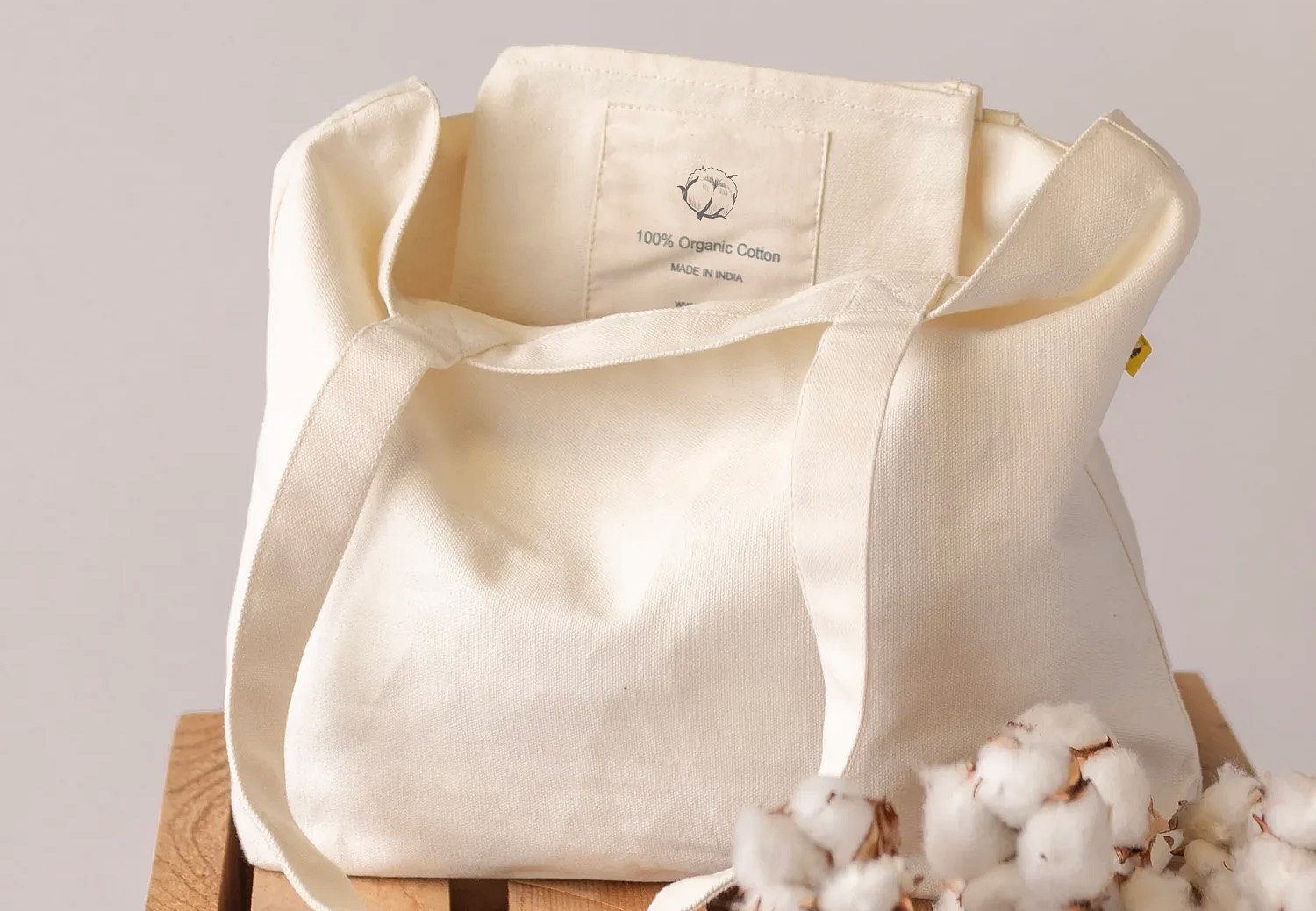
This is the key business question. In wholesale, I do not ask only, "How much more does organic cotton cost?" I ask, "What will this extra cost do for you after import, branding, warehousing, and resale?" That is the real test. If the answer is vague, I get cautious.
The cost difference is not only in the fabric. Buyers often forget that the organic route may also affect MOQ, mill selection, approval time, paperwork, and raw material booking9. If certification proof is needed, the sourcing path gets narrower. If the order is small, the options may get even tighter. This is not always a problem, but it is part of the full landed decision.
I have seen organic cotton work well in some cases. Retail brands with a clear sustainability story can use it well.10 Corporate gifting projects with a defined campaign message can use it well. Specialty shops in markets that actively ask for certified materials can use it well too. But I have also seen importers choose organic without a plan. Then they discover that their distributors do not care, the shelf price becomes harder to accept, and the margin shrinks11.
Here is a practical buying lens:
| Cost Question | Why I Ask It |
|---|---|
| What is the fabric cost delta? | Base comparison starts here |
| Do I need certification documents? | This can add hidden process cost |
| Will MOQ rise? | MOQ affects cash flow and stock risk |
| Can I raise resale price? | If not, margin takes the hit |
| Does the channel value the claim? | No value means no recovery |
| Is supply stable enough for repeat orders? | A one-time win is not enough |
For me, higher cost is not the problem by itself. Unused higher cost is the problem.
Should Wholesale Buyers Choose Organic Cotton Tote Bags?
Many buyers want a final rule. I understand that. Still, the best decision usually comes from fit, not from trend, pressure, or broad market talk.
Wholesale buyers should choose organic cotton tote bags when their target market values the claim, the certification path is clear, the MOQ and cost work, and the added value supports sales or brand positioning. Otherwise, regular cotton may be the smarter wholesale option.
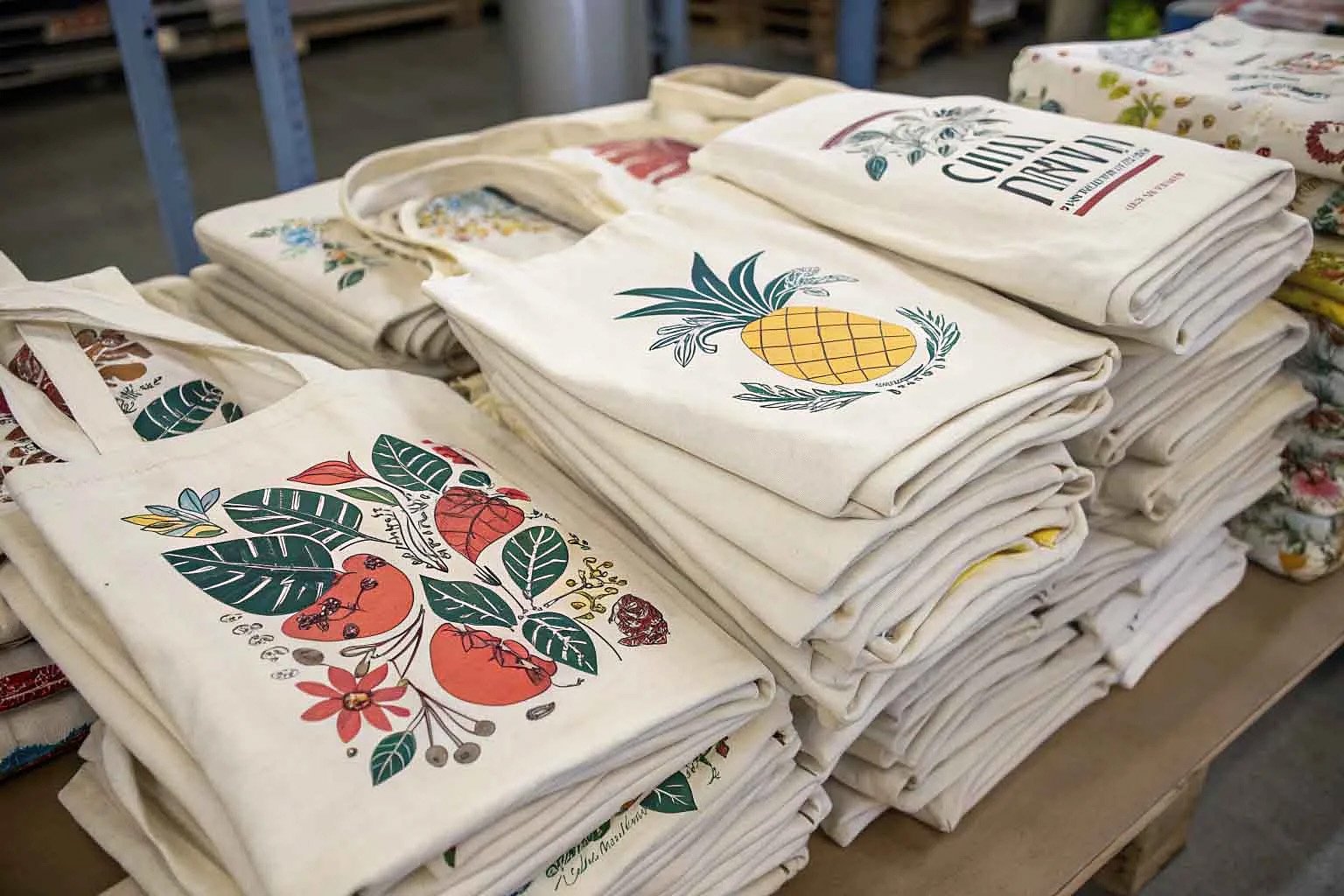
When I advise buyers, I try to move them away from status thinking and toward channel thinking. Organic cotton is not a badge that makes every tote bag line stronger. It is one sourcing choice. It can be useful. It can also be wasted. The difference comes from whether the end market will respond to it in a way that supports the whole project.
I often suggest a simple internal check before placing an order. First, define the customer. Is this bag for supermarket retail, a fashion brand, a museum shop, a company event, or a promotion campaign? Next, define the selling reason. Is the organic claim central to the sale, or is it just one line on a tag? Then, define the financial room. Can the extra cost still leave enough margin after shipping, duties, packaging, and local distribution? Last, define the proof needed. Will a buyer down the chain ask for documents, and can your supplier support that clearly?
This framework helps:
| Buyer Type | Organic Cotton Fit |
|---|---|
| Retail brand with eco positioning | Often a good fit if proof is needed |
| Promotional gift buyer with tight budget | Often not needed unless client asks |
| Importer selling to mixed distributors | Fit depends on market pull |
| [Supermarket or value retail buyer | Often price pressure is too strong](https://www.oecd.org/content/dam/oecd/en/publications/reports/2016/09/price-discrimination_87521456/4ee4dc56-en.pdf)%%%FOOTNOTE_REF_12%%% |
| Corporate campaign buyer | Good fit when message matters |
My own view is simple. I would choose organic cotton when the market logic is real and visible. I would not choose it just because it sounds better in a meeting. In factory work, good sourcing is not about buying the most impressive option. It is about buying the right option for repeatable business.
Conclusion
Organic cotton tote bags are worth it only when the claim fits your market, pricing, and supply plan. If not, regular cotton may give you a stronger wholesale result.
"Organic certification - Wikipedia", https://en.wikipedia.org/wiki/Organic_certification. Organic cotton generally denotes cotton produced in accordance with certified organic agricultural standards that restrict synthetic inputs and require documented verification through approved certification systems. Evidence role: definition; source type: government. Supports: That organic cotton refers to cotton produced under organic agricultural standards and that certification/verification is typically used to substantiate the claim.. ↩
"Cotton - Wikipedia", https://en.wikipedia.org/wiki/Cotton. Organic designation in cotton primarily concerns the agricultural and chain-of-custody conditions under which the fiber is produced and processed; it does not by itself establish superior durability, softness, or construction in the finished article. Evidence role: definition; source type: government. Supports: That organic cotton labeling is tied to how the fiber is produced and handled, not to an inherent guarantee of superior finished-product quality.. Scope note: The source would support the scope of organic standards rather than directly testing tote-bag performance. ↩
"The impact of organic cotton use and consumer habits in ... - PubMed", https://pubmed.ncbi.nlm.nih.gov/36103071/. Life-cycle assessment studies of cotton textiles indicate that environmental outcomes depend on multiple stages, including cultivation inputs, processing, transport, product longevity, and laundering or reuse patterns, so fiber choice alone does not determine the total impact. Evidence role: mechanism; source type: paper. Supports: That the sustainability profile of cotton products depends on life-cycle stages such as cultivation, processing, transport, and use, rather than fiber origin alone.. Scope note: Most studies assess textile categories broadly rather than wholesale tote bags specifically. ↩
"Green Guides | Federal Trade Commission", https://www.ftc.gov/news-events/topics/truth-advertising/green-guides. Consumer-protection guidance on environmental marketing states that advertisers should substantiate environmental claims with competent evidence and avoid broad unqualified claims where the overall benefit has not been demonstrated. Evidence role: expert_consensus; source type: government. Supports: That environmental marketing claims should be substantiated and that broad claims can be misleading if not supported by evidence.. Scope note: Such guidance addresses claim substantiation and deception risk, not a direct ranking of organic versus conventional cotton. ↩
"Investıgatıon of seam performance and bıodegradabılıty of organıc ...", https://pmc.ncbi.nlm.nih.gov/articles/PMC11799011/. Standards and technical references on organic textiles distinguish certification of production and processing methods from performance properties such as tensile strength, seam durability, and print behavior, which must be evaluated separately. Evidence role: general_support; source type: research. Supports: That organic certification addresses production and chain-of-custody criteria rather than guaranteeing superior textile performance characteristics.. Scope note: Support is contextual unless the source directly compares performance outcomes for organic and conventional cotton fabrics. ↩
"[PDF] Strength of certain seams as influenced by stitch length ... - K-REx", https://krex.k-state.edu/server/api/core/bitstreams/0085e1e3-56f5-4d5a-910f-0be49971bfea/content. Textile engineering references describe product durability and performance as functions of fabric mass, yarn characteristics, weave structure, seam construction, reinforcement, and finishing processes rather than fiber claim alone. Evidence role: mechanism; source type: education. Supports: That textile product quality and durability depend on fabric properties and construction variables, including weight, yarn, weave, seam quality, and finishing.. Scope note: The source would likely address textile products generally rather than tote bags as a separate category. ↩
"Units of textile measurement - Wikipedia", https://en.wikipedia.org/wiki/Units_of_textile_measurement. Studies in textile performance show that strength and serviceability are shaped by fabric mass, yarn count and twist, structural construction, reinforcement at stress points, and seam strength, all of which can materially affect carrying performance. Evidence role: mechanism; source type: paper. Supports: That textile strength and durability depend on fabric weight, yarn characteristics, structure, reinforcement, and seam quality.. Scope note: The evidence is indirect unless the study specifically tests tote or shopping bags. ↩
"Inkjet printing of plasma surface–modified wool and cotton fabrics ...", https://pmc.ncbi.nlm.nih.gov/articles/PMC9508230/. Textile-printing research indicates that print sharpness, color yield, and adhesion on cotton are affected by fabric surface characteristics, pretreatment or finishing, and compatibility between the substrate and the selected ink system. Evidence role: mechanism; source type: paper. Supports: That print results on cotton textiles depend on substrate surface, pretreatment or finishing, and the chosen ink or printing process.. Scope note: Evidence would concern cotton textiles broadly and may not isolate tote bags as a separate product type. ↩
"Chain of Custody - Textile Exchange", https://textileexchange.org/chain-of-custody/. Organic textile certification systems typically require chain-of-custody controls and transaction documentation through certified processing stages, which can reduce the pool of eligible suppliers and add administrative steps to sourcing. Evidence role: mechanism; source type: institution. Supports: That certified organic textile sourcing may involve additional chain-of-custody documentation and can restrict eligible suppliers to certified facilities.. Scope note: This supports process complexity but may not quantify effects on MOQ or lead time in every market. ↩
"Insights into Willingness-to-Pay for Organic Cotton Apparel.", https://ses.wsu.edu/publication/insights-into-willingness-to-pay-for-organic-cotton-apparel/. Consumer research has found that a meaningful share of shoppers report preference for, or willingness to pay more for, products with sustainability-related attributes, suggesting that such claims can have positioning value in appropriate market segments. Evidence role: general_support; source type: research. Supports: That some consumer segments value sustainability attributes in apparel or textile purchases, which can make such claims useful for brand positioning.. Scope note: Survey evidence reflects stated preferences and varies by category, geography, and actual purchase behavior. ↩
"[PDF] How do consumers interact with environmental sustainability claims ...", https://www.oecd.org/content/dam/oecd/en/publications/reports/2025/02/how-do-consumers-interact-with-environmental-sustainability-claims-on-food_b07ccf90/0587c663-en.pdf. Research on consumer demand for sustainability attributes indicates that price premiums are recoverable only where willingness to pay is sufficient; otherwise, higher input costs can compress margins or reduce purchase likelihood. Evidence role: mechanism; source type: paper. Supports: That premiums on sustainability-labeled products are only recoverable when buyers value the attribute enough to accept higher prices.. Scope note: Evidence is typically category-level and may not directly model wholesale cotton tote bags. ↩
"[PDF] Price Discrimination (EN) - OECD", https://www.oecd.org/content/dam/oecd/en/publications/reports/2016/09/price-discrimination_87521456/4ee4dc56-en.pdf. Retail and consumer-behavior research commonly identifies value-oriented channels as more price sensitive than premium channels, which limits the ability to pass through additional product costs without affecting demand. Evidence role: general_support; source type: research. Supports: That value-focused retail channels are characterized by higher price sensitivity and narrower tolerance for premiums.. Scope note: The support is channel-level and contextual rather than a direct test of organic cotton tote-bag purchasing. ↩