Many buyers lose time comparing style instead of use. I often see this lead to wrong orders, weak sell-through, and end users who do not use the bag as planned.
For buyers, neither bag is simply “better.” A book tote bag or a backpack is the right choice only when it matches the sales goal, user scenario, load need, branding method, and sourcing risk of the project.
When I speak with buyers, I notice that the first question is often too simple. They ask which bag is better. I do not answer that question directly. I usually ask what they want the bag to do, who will use it, and how the order will make money. That change matters a lot. In real sourcing work, this is not only a style choice. This is a business choice. A bag that looks cheaper on the quote sheet can create bigger risk later if the format does not fit the task. I have seen projects where a buyer saved on unit price but lost on user feedback, repeat orders, and product fit. That is why I always bring the talk back to end use, carrying behavior, and brand purpose before I talk about price.
What Is the Main Difference Between a Book Tote Bag and a Backpack?
Many buyers think the difference is only shape. I often see them miss the bigger point, which is how the bag will actually be used and judged after delivery.
The main difference is function structure. A book tote bag is usually open, simple, and brand-forward. A backpack is more supportive, load-friendly, and daily-use focused. For buyers, this changes pricing logic, customization choices, and user fit.
When I discuss this topic with buyers, I usually start with format behavior, not fashion. A book tote bag and a backpack may both carry items, but they do not solve the same business problem. A tote is often chosen when a buyer wants simple structure, large logo display, lower complexity, and easier bulk ordering. A backpack is often chosen when the end user needs comfort, better weight spread, and more organized storage.1 This means the sourcing path is also different.
A tote bag usually gives more visible print space.2 That helps when the order is for event use, bookstore programs, campaigns, and brand image projects. A backpack brings more sewing steps, more parts, and more quality control points.3 That matters if buyers care about zipper strength, strap comfort, inner compartments, and long-term use.
I often explain it this way:
| Factor | Book Tote Bag | Backpack |
|---|---|---|
| Core structure | Simple body, short or shoulder handles | Two shoulder straps, more panels |
| Brand presentation | Strong logo visibility | More split branding areas |
| Carrying method | One-hand or shoulder carry | Two-shoulder carry |
| Best for | Light to medium loads, promo or retail image use | Medium to heavy loads, practical daily use |
| Sourcing complexity | Lower | Higher |
| QC focus | Stitching, fabric feel, print result | Strap strength, zippers, balance, load support |
In buyer discussions, I often see one mistake. Some buyers treat both formats as the same item with different shapes. They are not. Their use cases, failure points, and user expectations are different from the start.
Which Bag Is Better for Carrying Books, Laptops, and Daily Essentials?
Buyers often choose by appearance first. I have seen that cause trouble when the actual load is heavier, sharper, or more varied than expected.
For books, laptops, and daily essentials, a backpack is usually better when the load is heavier or carried longer. A book tote bag can work for lighter, shorter-use carrying if the structure, fabric, and handle design are selected well.
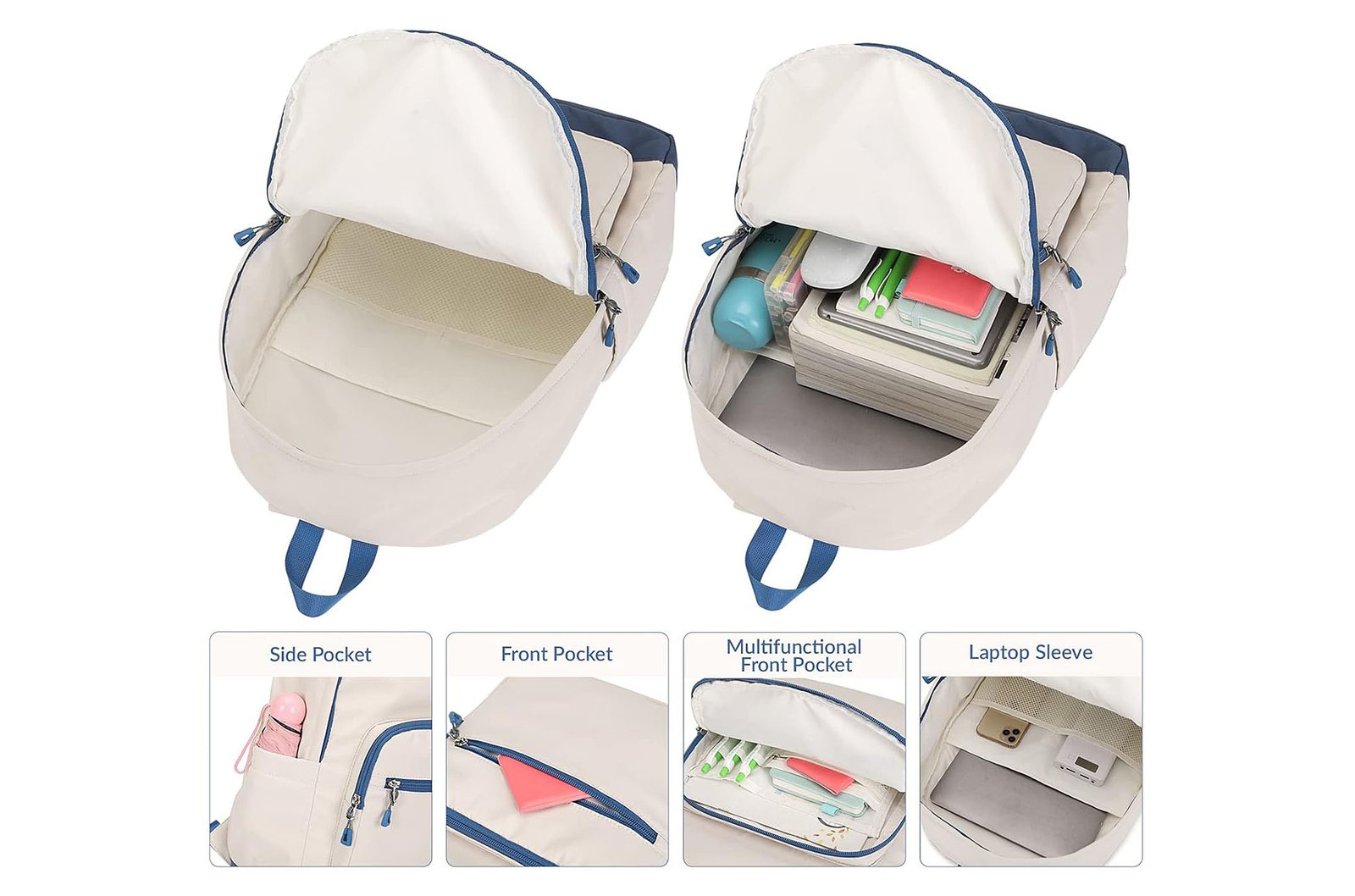
This is where I often slow the conversation down. A buyer may say, “The customer just needs a bag for books and a laptop.” I then ask how many books, what laptop size, how long the bag will be carried, and whether the user is walking, commuting, or only moving between short points. Those details change the answer.
A backpack usually handles weight better because two straps spread the load.4 It is often the safer sourcing choice if the project is for students, office commuters, trade staff, or daily city use. The end user expects support, better balance, and more organized compartments.5 If the bag lacks these features, the complaint risk goes up.
A book tote bag can still work well, but only in the right setup. I have seen successful tote projects for bookstores, publisher gifts, museums, and retail programs6 where the user carried one laptop, one notebook, and daily basics over a short distance. In these cases, thick canvas, reinforced handles, base support, inner pockets, and magnetic or zipper closure made a big difference.
Here is how I frame it for buyers:
| Use need | Better format | Why |
|---|---|---|
| Heavy books every day | Backpack | Better weight balance |
| Laptop plus charger plus extras | Backpack | More structure and protection options |
| Light reading and simple daily items | Book tote bag | Easier, simpler, lower cost structure |
| Short travel from car to office | Either, based on brand goal | User behavior matters |
| Campus or long walk use | Backpack | Better comfort over time |
I do not tell buyers that totes cannot carry books or laptops. I tell them that the right answer depends on how real users carry weight. If the carrying task is wrong for the format, repeat orders become harder.
When Should Brands Choose Book Tote Bags for Wholesale Orders?
Some buyers choose totes only because the quote looks easy. I think that is risky when they have not defined the brand role of the bag.
Brands should choose book tote bags for wholesale orders when the goal is visible branding, simple construction, gift or event use, retail lifestyle presentation, or lower-complexity bulk programs with clear light-to-medium carry needs.
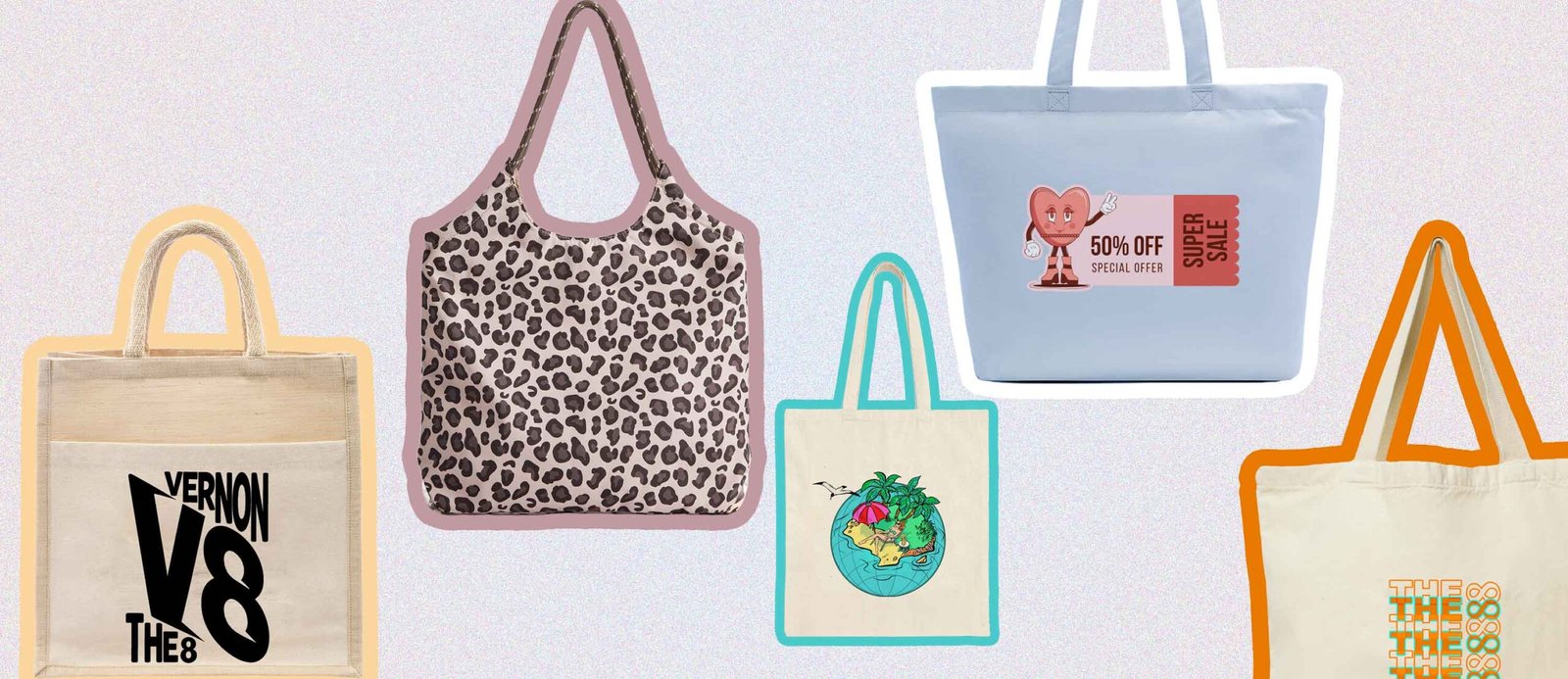
I have worked on many inquiries where the buyer first asked for a cheap bag, but after discussion, what they really needed was not “cheap.” They needed a bag that carried a brand message clearly and reached a target cost without too many production risks. In those cases, a book tote bag often made sense.
A book tote bag works well when the bag itself is part of the brand image. It offers a broad front panel, which is useful for logos, artwork, slogans, or seasonal themes. For book stores, publishers, coffee brands, museum shops, and lifestyle retail, the tote can act as both product and moving ad. It is easy for end users to see and easy for buyers to build around graphic identity.7
It is also useful when the project needs speed and lower complexity. Fewer components often mean fewer chances for assembly issues.8 That can help with lead time control and cost planning. Still, I always remind buyers that a tote should not be treated as a blank shape only. Fabric weight, gusset width, handle drop, closure, base support, and lining all affect the result.
I often suggest tote bags in these cases:
| Buyer objective | Why a book tote bag fits |
|---|---|
| Event giveaway | Good logo display and simple bulk packing |
| Retail side item | Strong lifestyle image and impulse value |
| Book-related promotion | Natural product-story fit |
| Private label launch | Easy design testing with lower complexity |
| Seasonal campaign | Fast style adaptation through print and trim |
From sourcing conversations, I often see tote bags succeed when the buyer knows the user will value look, message, and quick-access use more than long-distance comfort.
When Is a Backpack a Better Choice for Bulk Buyers?
A backpack can look more practical on paper, but it also carries more production points and more user expectations. Buyers need to know both sides before committing.
A backpack is a better choice for bulk buyers when the end user carries heavier loads, needs longer daily use, expects compartments and comfort, or when the bag must support stronger utility and higher-perceived function.
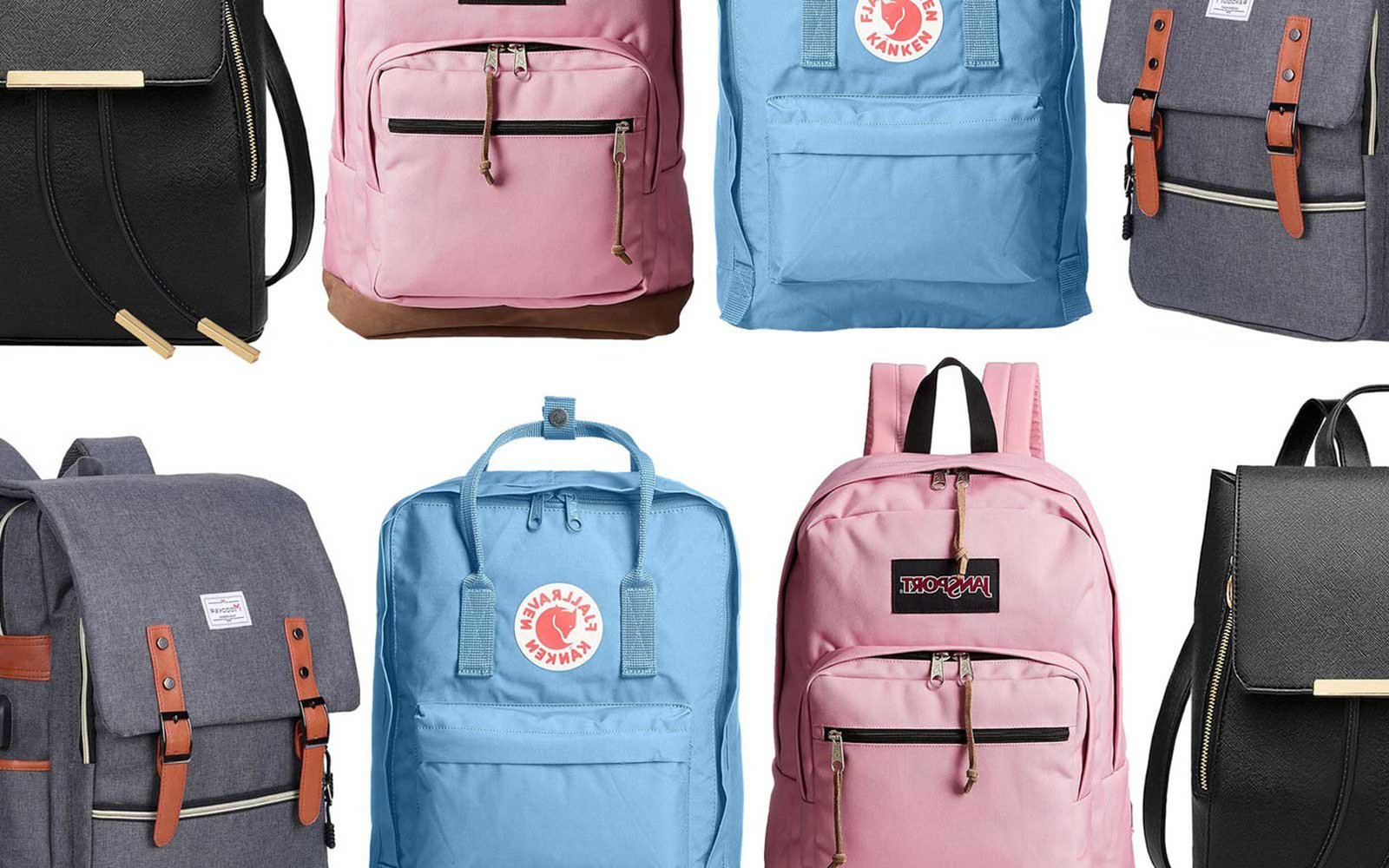
In many buyer talks, the backpack becomes the better answer when the bag must do more than display a logo. If the user needs to carry books, laptops, cables, lunch, documents, or daily work items, the backpack usually gives a safer fit. It handles heavier use better when designed and produced correctly. That matters a lot for school channels, office supply programs, employee kits, distributor projects, and utility-driven retail lines.
But I also tell buyers that backpacks are not just “better totes.” They are more demanding to source. The moment a project moves into backpack format, I pay more attention to strap attachment, zipper path, internal construction, weight support, symmetry, foam use, and packing shape.9 These details affect both quality and cost.
This means backpack buying needs clearer specs from the start. If the buyer only asks for “a basic backpack,” the chance of mismatch is high. One buyer may imagine a low-cost promo item. Another may expect a daily commuter bag. Those are not the same product.
Here is the way I often break it down:
| Project condition | Why backpack is stronger |
|---|---|
| Heavy or mixed daily load | Better support and balance |
| Long carry time | More user comfort |
| Need for compartments | Easier functional design |
| School or office use | Matches practical routine |
| Higher utility expectation | Better user acceptance in many cases |
I have seen buyers avoid backpacks because the price is higher. Sometimes that is the wrong saving. If the end user needs function and support, a cheaper tote can create a poor fit that hurts the whole program.
How Can Buyers Choose the Right Bag Style for Their Target Market?
Many buyers compare product types before they define the market task. I think this is where most wrong choices begin.
Buyers should choose the right bag style by starting with the business goal, end-user behavior, carry load, branding needs, price target, and failure risk. The right style is the one that fits the sales task and reduces mismatch.
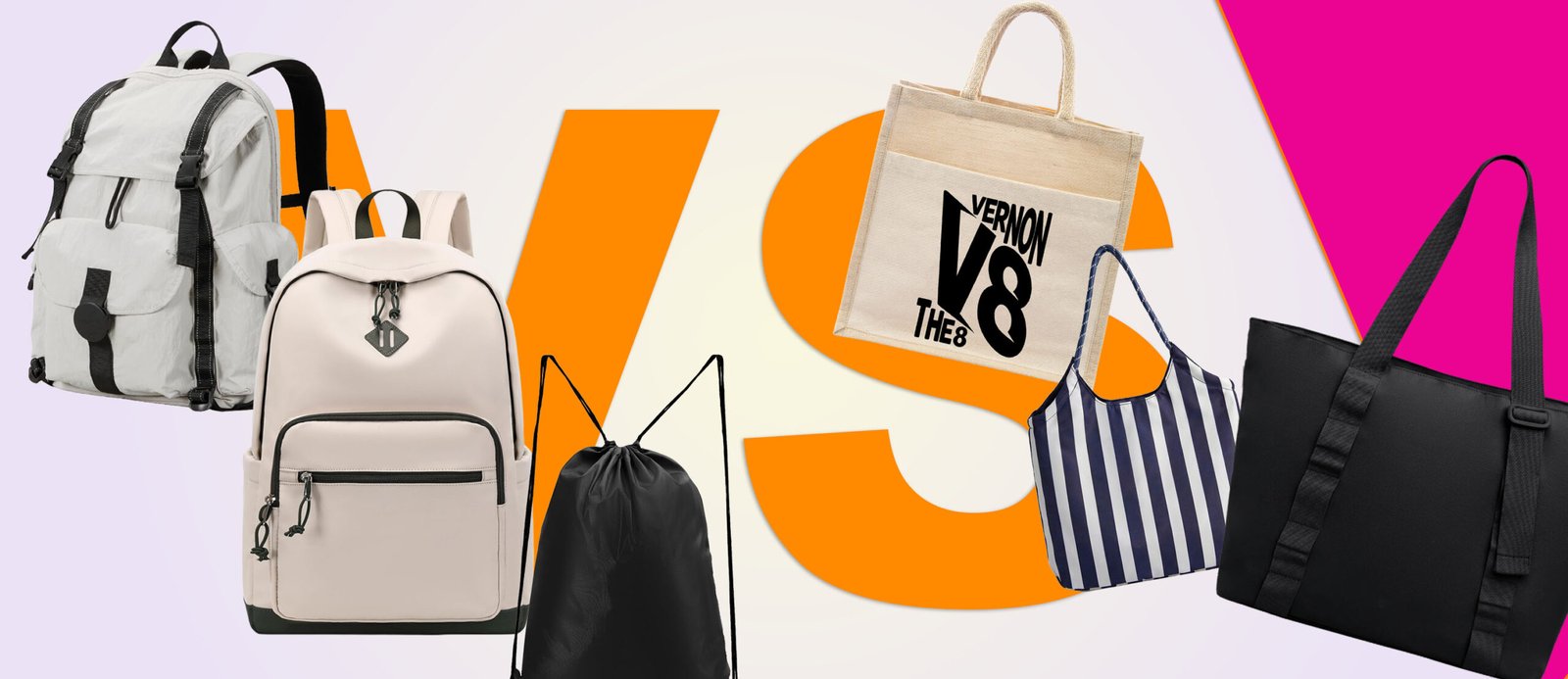
This is the question that matters most. In real B2B sourcing, I do not think buyers should ask, “Which bag is better?” I think they should ask, “Which bag helps this project succeed with less risk?” That change in wording leads to better buying decisions.
I usually ask buyers five simple questions. What is the sales task? Who is the user? What will they carry? How will the brand appear on the bag? What complaint would hurt the project most? The answers usually make the direction much clearer.
If the project is a promotional giveaway, a tote may fit because visual branding and cost control matter most.10 If the project is for resale in a practical category, a backpack may fit because daily function matters more.11 If the project is for premium lifestyle retail, either one can work, but the details must match the customer story.
I often use this sourcing guide:
| Decision point | If answer leans this way | Better starting option |
|---|---|---|
| Strong logo visibility matters most | Flat visible branding area needed | Book tote bag |
| User carries heavy items often | Weight support matters | Backpack |
| Budget is very tight | Simpler construction needed | Book tote bag |
| Retail function is key | User expects practical organization | Backpack |
| Campaign or event use | Fast brand exposure matters | Book tote bag |
| Daily commute use | Comfort and capacity matter | Backpack |
From my own buyer discussions, the biggest mistake is not choosing the less fashionable bag. The biggest mistake is choosing the wrong format for the selling job. That is where returns, weak feedback, and low reorder chances begin12. A good buyer reduces risk by matching the bag to the business target first and the style second.
Conclusion
The better choice is not tote or backpack alone. The better choice is the bag format that fits the user, the sales goal, and the sourcing risk.
"Impact of Backpacks on Ergonomics: Biomechanical and ... - PMC", https://pmc.ncbi.nlm.nih.gov/articles/PMC9180465/. Ergonomics studies on load carriage report that two-strap backpacks distribute carried weight across both shoulders and are generally associated with lower asymmetrical loading than one-shoulder carrying methods, which helps explain their greater comfort for sustained use. Evidence role: mechanism; source type: paper. Supports: Research should support that two-strap backpacks distribute loads across both shoulders and can reduce unilateral shoulder loading compared with one-sided carrying methods.. ↩
"Tote bag - Wikipedia", https://en.wikipedia.org/wiki/Tote_bag. Apparel and bag-construction references describe tote bags as having broad, relatively uninterrupted exterior panels, a feature that commonly makes them more suitable for large-format printed graphics than multi-panel backpack constructions. Evidence role: general_support; source type: education. Supports: A design or apparel source should support that tote bags usually have broad front and back panels with less structural interruption than backpacks.. Scope note: This supports the structural basis for logo visibility, but actual printable area still depends on the specific dimensions, seams, pockets, and trim of a given product. ↩
"Guide to Backpack Manufacturing - Idealabgz", https://www.idealabgz.com/post/a-step-by-step-guide-to-backpack-manufacturing-1. Technical bag-construction references note that backpacks commonly require multiple panels, straps, closures, reinforcement points, and internal features, all of which increase assembly steps and inspection points relative to simpler tote constructions. Evidence role: mechanism; source type: education. Supports: A technical construction source should support that backpacks commonly include multiple panels, straps, closures, reinforcement, and internal features that increase assembly complexity.. ↩
"Effect of single and double backpack strap loading on gait ... - PubMed", https://pubmed.ncbi.nlm.nih.gov/26406186/. Public-health and ergonomics guidance states that backpacks worn with two shoulder straps distribute loads more evenly across the shoulders and back than one-sided carrying methods, supporting their use for heavier or longer-duration carrying. Evidence role: mechanism; source type: government. Supports: An institutional or medical source should support that using both backpack straps helps distribute load more evenly across the body.. ↩
"School Bag Design and Weight: A Narrative Review of Their Impact ...", https://pmc.ncbi.nlm.nih.gov/articles/PMC12812241/. General references on backpack design describe the category as a load-carrying bag worn on the back with shoulder straps and commonly organized into multiple compartments, which contextualizes user expectations for support and storage organization. Evidence role: definition; source type: encyclopedia. Supports: A general reference should support that backpacks are commonly designed with shoulder straps, compartments, and features intended for organized carriage.. Scope note: This establishes typical category features rather than directly measuring user expectations in a specific market segment. ↩
"Totes & Bags - Getty Museum Store", https://shop.getty.edu/collections/totes-bags?srsltid=AfmBOopebdlEX3fdmMhiabe-3rthiz2NpFh5jtojU1pGVyMnbhlEaq0A. Museum shops, bookstores, and publishing-related retail programs frequently offer branded tote bags as merchandise or promotional items, illustrating the format’s established role in cultural and book-related retail settings. Evidence role: case_reference; source type: institution. Supports: Institutional retail examples should support that tote bags are commonly sold or used as branded merchandise in bookstore and museum contexts.. Scope note: This is contextual evidence from institutional practice rather than a comprehensive market-share measure across all retail channels. ↩
"Custom Printed Tote Bags | No Minimum Order Requirement", https://cottoncreations.com/product-category/apparel/tote-bags/?srsltid=AfmBOopmK6t0metrBoqPsnrqTLREb7p6kTHxlhqZHu1Q9nKPY-xnp8tL. Design and merchandising references commonly cite tote bags’ flat exterior surfaces as favorable for printed graphics and logo display, which explains their frequent use in graphic-identity and event-merchandise applications. Evidence role: general_support; source type: education. Supports: A design source should support that tote bags' flat exterior surfaces make them suitable for visible graphic applications.. Scope note: This supports suitability for branding in general, but effectiveness still depends on artwork, color contrast, placement, and user behavior. ↩
"DFA as a primary process decreases design deficiencies", https://www.semanticscholar.org/paper/bfc1a98263a7b72477e7d2b9a876974597e14f24. Design-for-assembly research generally finds that reducing part count lowers assembly complexity and can reduce opportunities for manufacturing error, providing a process-based rationale for lower defect risk in simpler product constructions. Evidence role: mechanism; source type: paper. Supports: Industrial engineering literature should support the general relationship between lower part count and reduced assembly complexity or defect opportunities.. Scope note: The evidence is general to manufacturing systems and does not by itself prove defect rates for any specific tote or backpack design. ↩
"The Biomechanical Effects of Different Bag‐Carrying Styles ... - PMC", https://pmc.ncbi.nlm.nih.gov/articles/PMC9837261/. Technical references on backpack construction identify strap anchoring, zipper installation, reinforcement, internal structure, symmetry, and padding as key determinants of durability, load management, and user comfort. Evidence role: mechanism; source type: education. Supports: A technical source should support that backpack durability and comfort are affected by attachment points, closures, reinforcement, internal structure, and padding.. ↩
"Getting Strategic with Giveaways | Johns Hopkins University Brand", https://brand.jhu.edu/blog/getting-strategic-with-giveaways/. Promotional-products research and institutional event practices frequently identify tote bags as common giveaway items, reflecting their combination of reusable function and high-visibility branding surfaces. Evidence role: general_support; source type: research. Supports: Market or institutional evidence should support that tote bags are widely used as promotional items because of branding visibility and practical utility.. Scope note: Such evidence is often category-level and does not establish that totes are the best promotional choice for every audience or budget. ↩
"[PDF] Comparison of features, usability, and load carrying design of ...", https://www.imse.iastate.edu/files/2014/03/EagleZoe-thesis.pdf. Consumer-product research on bag selection commonly finds that functional attributes such as comfort, storage organization, and everyday usability are important purchase criteria, which helps explain the relevance of backpacks in utility-driven resale categories. Evidence role: general_support; source type: paper. Supports: Consumer or retail research should support that functionality, comfort, and organization are important purchase criteria in practical bag categories such as backpacks.. Scope note: This evidence is contextual and may vary by demographic, price tier, and fashion orientation. ↩
"[PDF] Customer Satisfaction, Loyalty and Repurchase: Some Evidence ...", https://commons.erau.edu/cgi/viewcontent.cgi?article=1020&context=db-management. Consumer-behavior research shows that when products fail to meet expected use conditions, dissatisfaction and negative evaluations increase while repurchase intention declines, providing a plausible mechanism linking format mismatch to returns and weaker reorder prospects. Evidence role: mechanism; source type: paper. Supports: Research should support that unmet user expectations and poor product fit are associated with dissatisfaction, negative evaluations, and reduced repurchase intention.. Scope note: The support is indirect; it explains the expected business effect of mismatch but does not quantify return rates for tote bags versus backpacks specifically. ↩