When a buyer walks into a sourcing conversation, they often lead with this question: "I need travel bags. Should I order carry-on duffles or personal item backpacks?" I hear this almost every month. The question sounds straightforward. But here is the truth: it is not a size question. It is a customer-fit question.
I have watched brands fail because they sourced the wrong category. They picked a carry-on duffle because it looked trendy, then discovered their customers wanted to keep a bag under the airplane seat. Other brands ordered backpacks for weekend travel and lost sales to buyers who needed a bag they could sling over one shoulder. The mismatch was silent—it showed up in returns, poor reviews, and emails1 asking "why did you sell me this?"
Sourcing the right bag means understanding how your end user actually travels. Do they carry weight on their back? Do they need to access items mid-flight? Do they pack for three days or seven? Do they move through busy terminals alone or with luggage? These answers determine whether you source a duffle or a backpack. Choose wrong, and you are not just selling a wrong product. You are selling a mismatch that customers will return.
This is why I wrote this guide. I want to show you how to think like a buyer making a sourcing decision, not like a marketer choosing what looks best. We will walk through the real differences, not the marketing copy. We will talk about capacity, but also about how the bag moves. We will look at airline rules, but also at what your customers actually use. By the end, you will know which category fits your brand, your customer, and your business goal.
What Is the Difference Between a Carry-On Duffle and a Personal Item Bag?
Here is where most buyers start to slip. They think a carry-on duffle and a personal item backpack are just different shapes of the same thing. They are not.
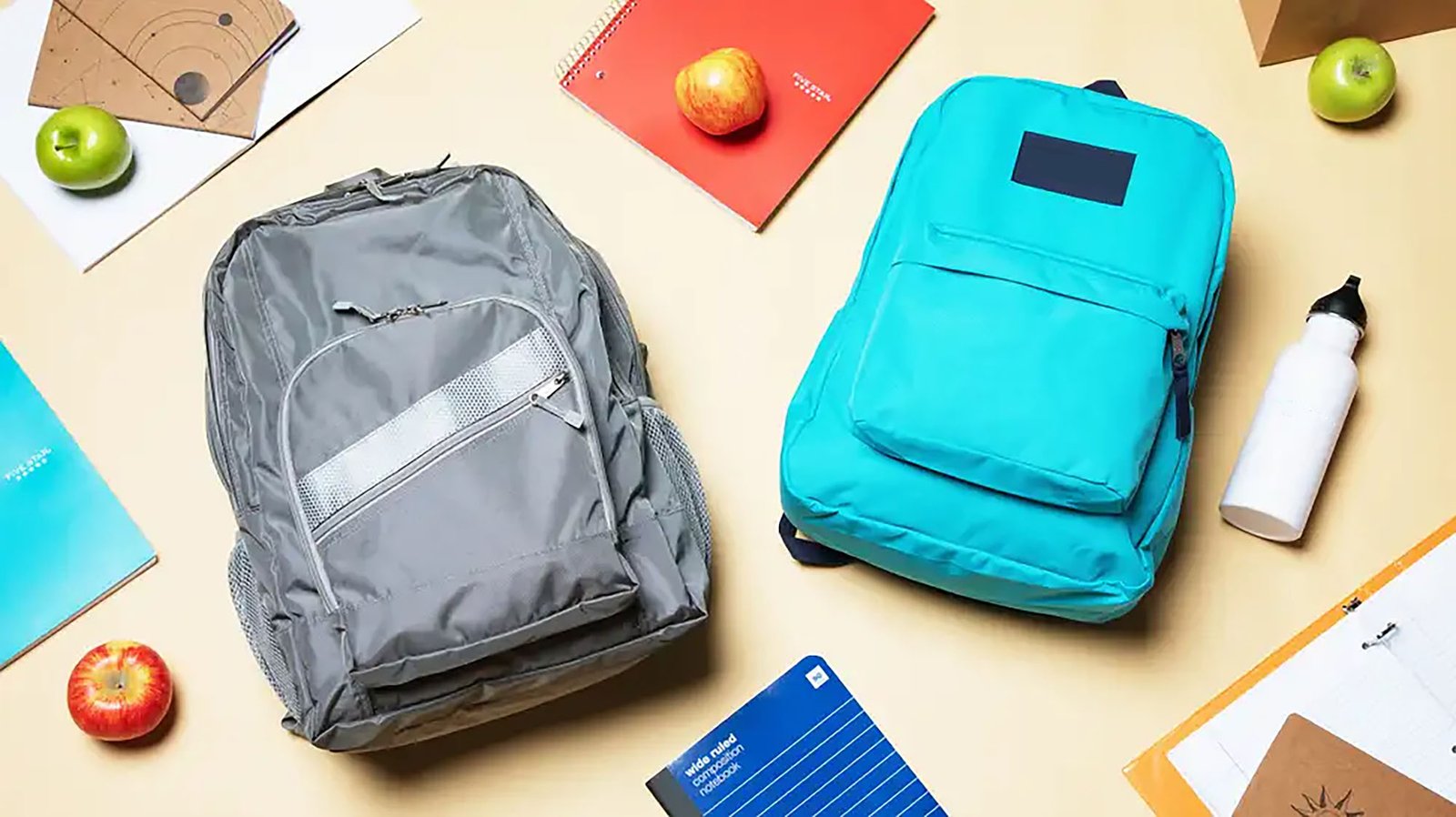
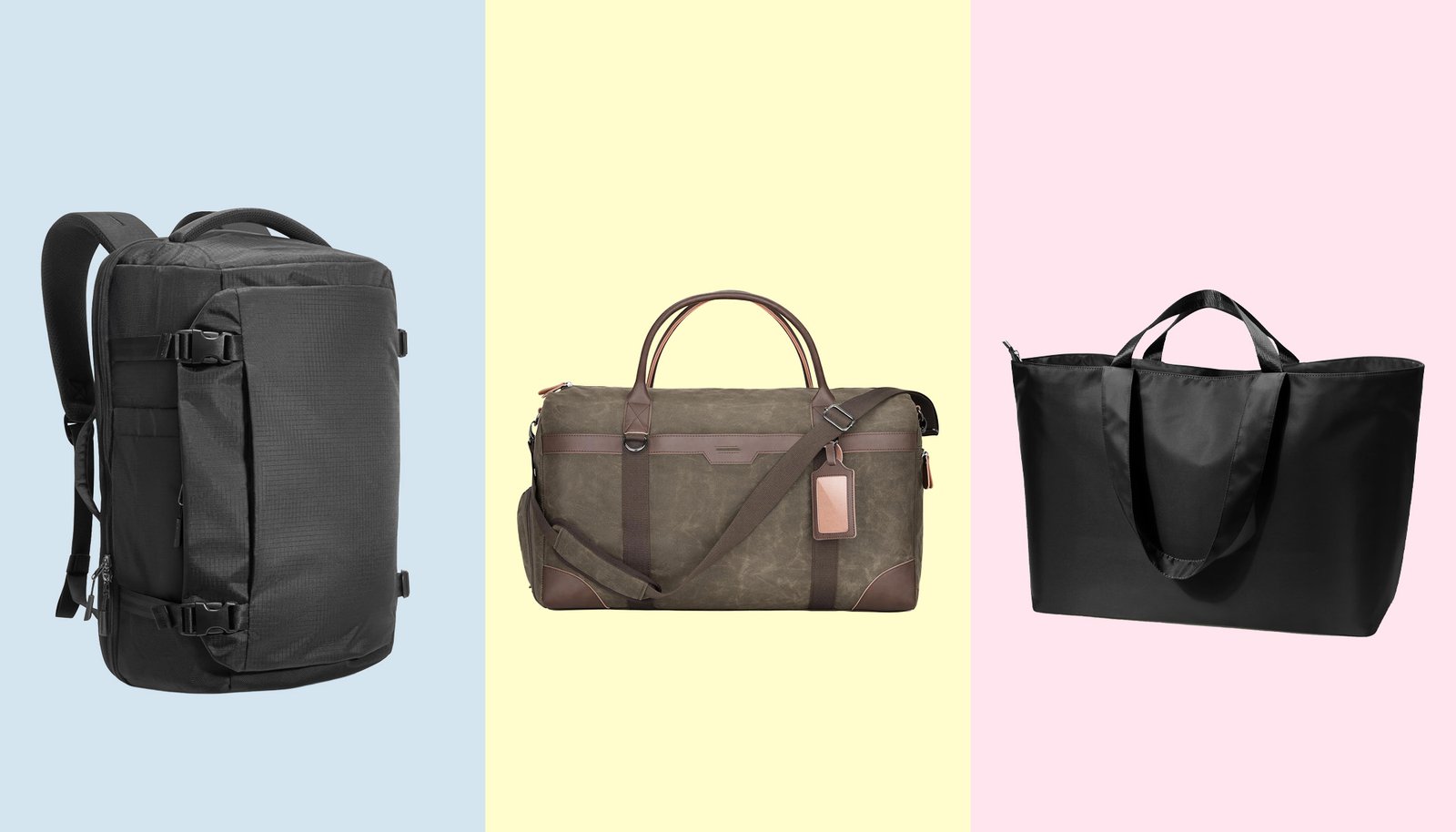
A carry-on duffle is built to be your main bag for a short trip. It sits upright or flat. It has handles on top and sides. It holds enough for two to four days of travel. It is meant to be packed full and rolled or carried from the airport to your destination. A personal item backpack is different. It stays on your back. It holds only what you need access to during your journey. It slides under the seat in front of you.2 It is your comfort layer, not your cargo solution.
The key difference is not just size. It is intent. A carry-on duffle says "this is my main bag for this trip." A personal item backpack says "I keep my essentials on me at all times." Your customer chooses one based on how they travel, not based on what the airline allows.
When I work with buyers, I ask them: "Does your customer want to check a large suitcase and keep only essentials with them? Or are they traveling light and want to carry everything?" This one question tells me which category to recommend. If they say "check luggage, keep essentials with me," I recommend a personal item backpack. If they say "no checked bag, everything in one," I recommend a carry-on duffle.
The mistake I see most often is this: a buyer sources a small carry-on duffle thinking it will work as a personal item. It does not work. It is too big, awkward to slide under a seat3, and customers do not like it. Or a buyer sources a large personal item backpack thinking it will work as a carry-on. It wears out quickly because it was not built for packing and rolling. It fails.
Which Bag Shape Fits Under an Airplane Seat Better?
This question matters because it cuts to the real use case.
A personal item backpack is engineered to live under an airplane seat.4 It has a narrow profile. It sits flat or folds. The straps tuck or compact. It does not fight the space. When a customer puts it under the seat, it fits. It stays there. They do not have to move it or apologize to the passenger next to them.
A carry-on duffle is not designed for under-seat storage. It is upright or semi-flat. It has rigid structure. If a customer tries to push it under a seat, it either does not fit, or it takes up half the footroom. A carry-on duffle lives in the overhead bin.5 That is its home.
Here is where the sourcing decision gets real. If your target customer is someone who flies often and wants to keep their bag with them at all times, they need a personal item backpack. The under-seat fit is not a luxury. It is a requirement. If you source a duffle, it will not meet their expectation. They will return it.
If your target customer is someone who is okay with gate-checking a bag or overhead-stashing it, they can use either. But even then, the personal item backpack has an advantage: it stays with them. It is never out of sight. For premium travel brands or brands that sell to travelers who worry about lost luggage6, this detail matters.
I have seen buyers order carry-on duffles for a market that expected personal item backpacks. The inventory sat. The reviews said "does not fit under the seat." The returns piled up. The buyer had to discount heavily to clear stock. One conversation with me at the beginning would have saved that.
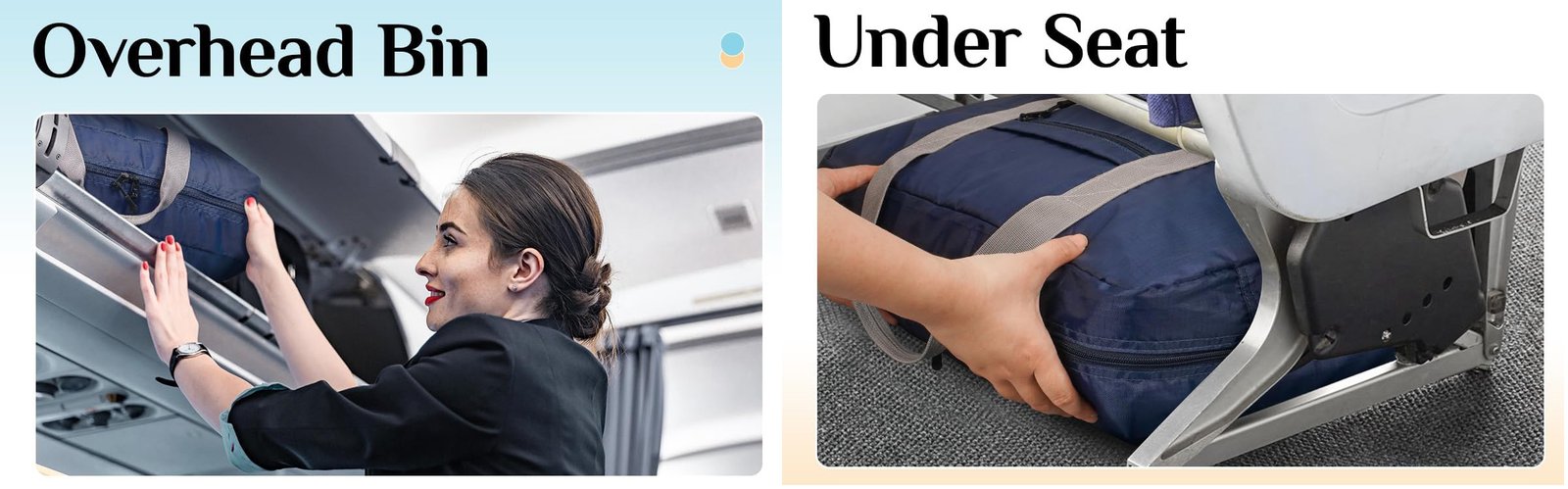
The physical fit under the seat is not optional. It is a sourcing filter. If your market expects under-seat storage, you must source a backpack. If your market uses overhead bins or does not care, you have more flexibility. But do not guess. Ask your end user. Test the fit yourself. Then source with that answer locked in.
What Capacity Works for a Weekend Travel Bag?
Capacity is where I see the most confusion. Buyers assume that because both bags are "for short trips," they should have the same capacity. This is wrong.
A personal item backpack holds 15 to 25 liters.7 This is roughly the size of a school backpack, or a little bigger. It holds a laptop, a change of clothes, toiletries, and a light jacket. It is enough for one day, maybe two if you pack tight. It is not meant for four days.
A carry-on duffle holds 30 to 50 liters.8 This is bigger. It holds enough for two to four days depending on how much you roll your clothes and how light you pack. It is meant to be your complete travel wardrobe for a short trip.
Now here is the sourcing question: what does your customer actually need?
If your customer is a business traveler who flies Monday morning and returns Thursday evening, they need a carry-on duffle. They pack workwear, shoes, a suit jacket. They need 40 to 50 liters. A personal item backpack is too small. Your customer will not buy it, or they will buy it and realize it does not fit their travel pattern.
If your customer is a weekend leisure traveler who takes Friday-to-Sunday trips, they might be fine with either, depending on packing style. But if they prefer to travel light and stay mobile, a personal item backpack at 20 liters is enough. If they prefer comfort and full wardrobes, they need a duffle.
If your customer is a commuter or a student visiting home for a few days, they might use a personal item backpack if they do laundry often, or a duffle if they want to avoid laundry.
The real sourcing work is this: know your customer's trip length and packing habits. Do they pack heavy or light? Do they do laundry? Do they wear layers or single outfits? Do they care about looking polished or are they casual? These answers tell you the capacity they need. Then you source that size.
I worked with a brand that sourced 20-liter backpacks for "weekend travelers." Their customer research was shallow. They assumed all weekend travelers packed light. In reality, their customers were taking long weekends and packing full wardrobes. The 20-liter backpack sold poorly. They lost revenue. When we dug deeper, we found their customer wanted a 40-liter duffle. We adjusted the order for the next season. Sales went up. Returns went down.
Do not assume capacity. Verify it. Ask your customer or test it yourself. Then source that size, not the marketing size.
Should Travel Brands Add a Luggage Sleeve?
This is a technical question, but it has sourcing implications.
A luggage sleeve is a sleeve on the back of a backpack that lets you slide it over the handle of a rolling suitcase.9 It keeps the backpack from moving while you walk through the airport. It saves your shoulders.10 It is a comfort feature.
Not all personal item backpacks have this. Not all carry-on duffles do either. But it matters if your customer is traveling with multiple bags.
Here is the sourcing angle: if your customer is checking a large suitcase and using a personal item backpack, they will appreciate a luggage sleeve. It makes the airport experience easier. It is a feature that shows you understand how travelers really move through terminals.
But here is the catch: a luggage sleeve adds cost. It adds weight. It takes up space on the backpack. For some markets, it is a must-have. For others, it is a nice-to-have that does not justify the cost.
When I source a bag for a buyer, I ask: "Will your customer be traveling with a checked bag?" If yes, I recommend a luggage sleeve. If no, it is optional. If your customer is trying to pack light and travel with one bag only, a luggage sleeve is not a priority. If your customer is someone who checks luggage and wants a personal item backpack, a luggage sleeve is worth the cost.
The sourcing decision is this: understand your customer's luggage pattern. Then add the feature if it matches. Do not add it just because other bags have it. Add it because your customer needs it.
From a factory perspective, adding a sleeve to an existing design is simple. We can do it as an OEM modification. It does not slow production. But it does change the cost structure. Make sure the price can absorb it, or that the market will accept a slightly higher price for the feature.
What Materials Are Best for Lightweight Travel Bags?
Material choice is not just about durability. It is about weight, packability, and market expectation.
A personal item backpack needs to be lightweight. If it is heavy, it works against the entire purpose. Your customer does not want to carry extra weight on their shoulders. So we use materials like 600D polyester, 420D nylon, or even ripstop fabrics.11 These are light, durable, and can compress. They fold into a small packed size without bulk.
A carry-on duffle can be heavier because it is carried in the hand or slung over one shoulder for short distances. But it also needs structure to stand upright or hold shape. So we often use 600D to 800D polyester or canvas blends. These materials are sturdy, resist abrasion, and can handle rolling.
The sourcing question is this: what is your customer's weight tolerance and durability need?
Some markets demand ultralight materials. If your customer is a fitness enthusiast or a minimalist traveler, they care about every ounce. For this market, I recommend ripstop nylon or high-tenacity polyester. These are thin, strong, and light. They cost a bit more, but they match the market expectation.
Other markets prioritize durability over weight. If your customer is using the bag for rough travel, frequent trips, or heavy packing, they need a tougher material. I recommend 800D polyester or canvas. These are heavier but they last longer and resist tears and abrasion better.
There is also the eco-conscious market. If your customer values sustainability, we can use recycled polyester, organic cotton blends, or other eco-friendly materials. These materials cost more. But if your brand promise includes sustainability, the material choice is not optional. It is part of your sourcing identity.
One mistake I see often: buyers choose materials based on unit cost alone. They pick the cheapest option, which is often thin, low-weight polyester. Then customers complain that the bag is flimsy, tears easily, or does not hold shape. Returns go up. The "savings" disappear. The smart sourcing choice is to pick the material that matches your customer's use case and your brand promise, not just the lowest price.
When I work with a buyer, I ask: "How will your customer use this bag? How often? What conditions?" Then I recommend the material. Sometimes it is a premium ripstop. Sometimes it is a durable canvas. Sometimes it is recycled polyester. The answer depends on the customer, not on the price sheet.
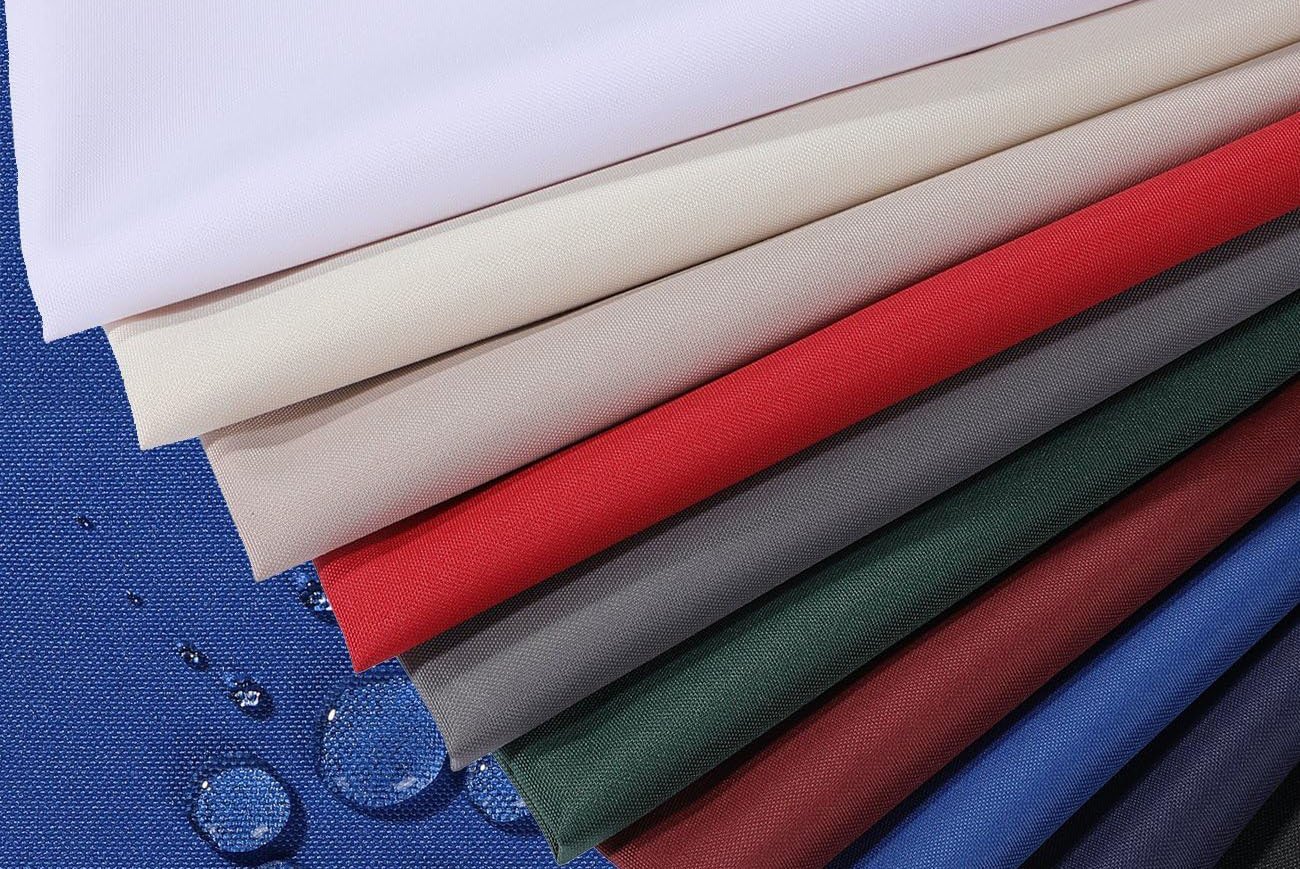
I also recommend testing. Order a small sample batch. Use it for real trips. See how it holds up. Then scale. This is especially important for new brands or new categories. A material that looks good on a spec sheet might not feel right in real use. A test batch costs extra time. But it saves massive mistakes later.
What Details Should Buyers Check Before Travel Bag Sampling?
Sampling is where the sourcing decision becomes real. It is where you move from spec sheets and conversations to holding the actual bag.
Here are the details I always check when I audit a sample:
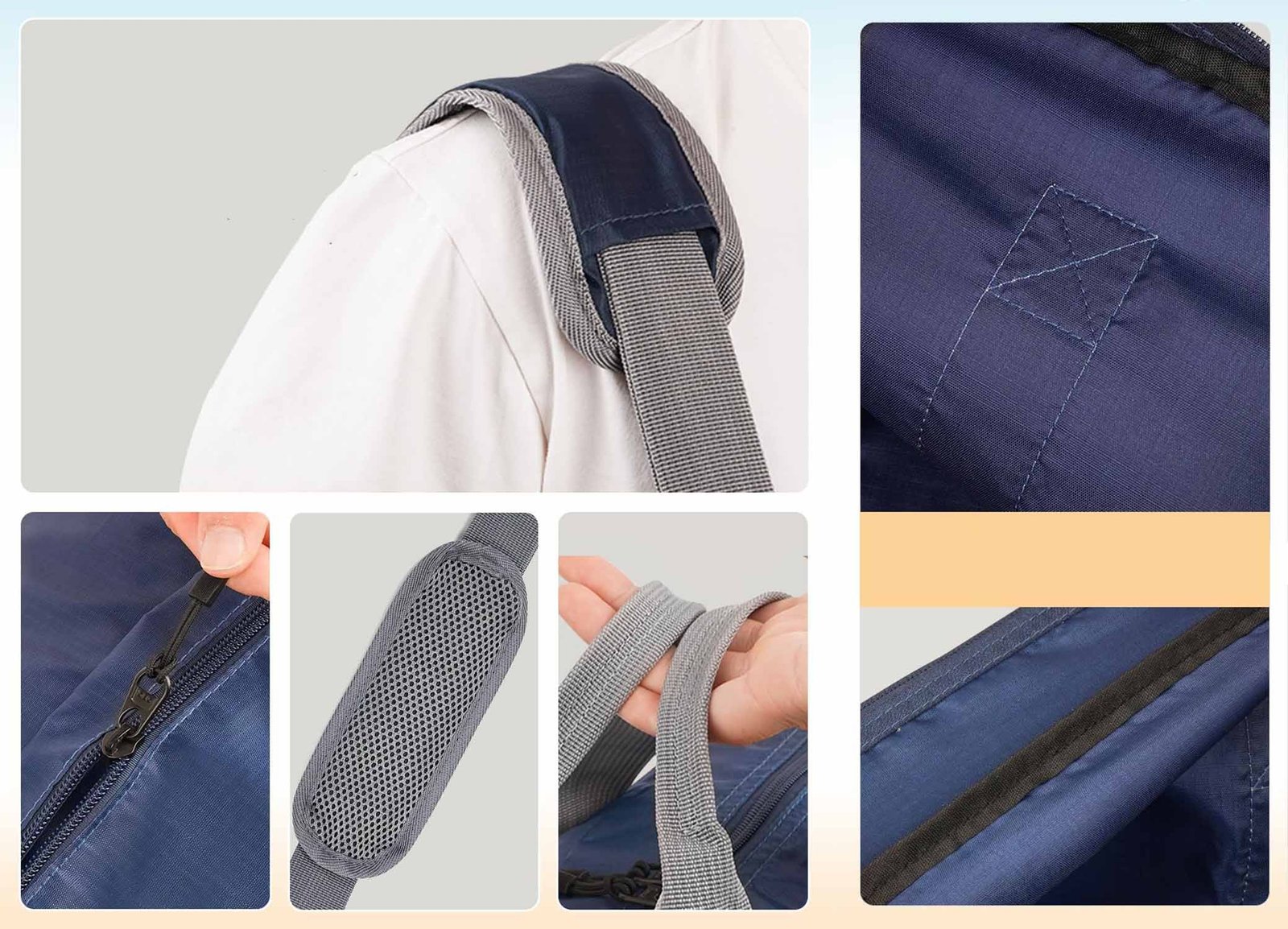
First, the seams. I look at every seam. Are they straight? Are they reinforced where they need to be? Do they feel solid? A seam that fails in three months is not a design problem. It is a sourcing failure. Check the seams.
Second, the zippers. I open and close them multiple times. Do they glide? Do they stick? Are the pulls easy to grip? Do the sliders feel cheap or solid? Zippers are the first thing that fails on a bag.12 A cheap zipper will fail in six months. Your customer will return the bag. Check them.
Third, the handles or straps. If it is a duffle with handles, I pull hard. I check for sewing quality at the attachment points. If it is a backpack, I put on the straps loaded with weight. Do they hold comfortably? Do the seams feel strong or loose? Strap failure is common. I check this early.
Fourth, the interior. I look for pockets, organization, and lining quality. Does the lining feel cheap or durable? Are the interior pockets useful or just marketing? Is there a laptop slot? A luggage sleeve slot? These details matter because they affect how the customer uses the bag. They are not optional.
Fifth, the overall structure. I check if it holds shape when empty. Does it collapse or stay upright? If it is a backpack, does it have rigid backing or does it fold flat? Structure is about how the bag functions in real use. A bag that collapses in your hand will feel cheap to your customer.
Sixth, I test the specific promises. If the spec says "fits under airplane seat," I test it. I measure the dimensions. I try to slide it under a seat. If the spec says "lightweight," I weigh it. If the spec says "waterproof," I test the material and seams. Do not trust marketing copy. Test the actual function.
Seventh, I check the weight. I weigh the bag empty. I compare it to the spec. Sometimes factories underreport weight. I also think about packed weight. If your customer is packing 15 kilos in the bag, the total weight on their shoulders is the bag weight plus the load. For a personal item backpack, this matters. I make sure the weight is honest.
Eighth, I look for details that suggest quality or shortcuts. Are there loose threads? Are the logos straight? Are the materials consistent? Are the colors even? These are not just aesthetic. They signal whether the factory respects quality or is cutting corners.
When I sample with a buyer, I do this audit together. I show them what to look for. I explain why each detail matters. Some buyers are surprised at how much detail matters. But this is the difference between a good sourcing decision and a bad one.
One thing I always say: sampling is not about approving the exact sample. Samples are often too perfect. Sampling is about understanding the factory's capability and attention to detail. If the sample is sloppy, the production run will be worse. If the sample is careful, production will be careful. The sample is your quality window. Open it wide.
After I check the sample, I write a detailed audit report. I document what is good, what needs improvement, what is a red flag. I send this to the factory. I ask for a revised sample. Only after the revised sample passes do I approve production.
This process takes time. Some buyers want to skip it. They want to order immediately. But I always recommend: take the extra two weeks. Sample properly. It saves problems that cost tens of thousands later.
Conclusion
Sourcing the right travel bag is not about trends or marketing. It is about matching the bag to your customer's actual travel behavior. Know your customer's trip length, packing style, weight tolerance, and airport habits. Then source the category and design that fits. Test the sample carefully. Verify every detail. This is how you source a winner, not a return risk.
"Customer review - Wikipedia", https://en.wikipedia.org/wiki/Customer_review. Studies on consumer satisfaction and product returns indicate that when purchased products do not match users’ expected use cases, dissatisfaction is commonly reflected in higher return rates and more negative post-purchase evaluations. Evidence role: general_support; source type: paper. Supports: Research should support that unmet product expectations are associated with returns, dissatisfaction, and negative reviews.. ↩
"Carry-On Baggage Tips | Federal Aviation Administration", https://www.faa.gov/travelers/prepare_fly/baggage. Airline carry-on policies commonly define a personal item as a smaller bag intended to be stored under the seat in front of the passenger, distinguishing it from larger carry-on baggage placed in overhead bins. Evidence role: definition; source type: institution. Supports: Airline and aviation guidance should support that a personal item is generally stored under the seat in front of the passenger.. ↩
"Carry-On Baggage Tips | Federal Aviation Administration", https://www.faa.gov/travelers/prepare_fly/baggage. Published airline baggage dimensions show that under-seat allowances are materially smaller than standard carry-on limits, which helps explain why bags designed as carry-ons may be awkward or noncompliant for under-seat storage. Evidence role: mechanism; source type: institution. Supports: Airline under-seat dimension limits should support why many carry-on duffles are less suitable for under-seat storage than personal items.. Scope note: This evidence supports the dimensional constraint underlying the claim, but actual fit varies by aircraft seat geometry and specific bag construction. ↩
"10 Best Personal Item Bags for Under an Airplane Seat - Pack Hacker", https://www.packhacker.com/blog/general/best-personal-item-bags/. Travel and baggage guidance generally treats personal-item-class bags as compact articles intended for immediate access and under-seat storage, aligning their design constraints with cabin seat-space limits. Evidence role: general_support; source type: other. Supports: Neutral sources should support that personal-item-class bags are typically designed around compact dimensions compatible with under-seat storage.. Scope note: This is contextual support for common design intent rather than direct proof about every backpack marketed as a personal item. ↩
"What Can I Bring? | Transportation Security Administration - TSA", https://www.tsa.gov/travel/security-screening/whatcanibring/all. Carrier and aviation guidance generally distinguishes carry-on baggage from personal items by assigning standard carry-ons to overhead-bin storage while reserving under-seat space for smaller personal articles. Evidence role: definition; source type: institution. Supports: Airline and aviation guidance should support that carry-on bags are typically stored in overhead compartments.. ↩
"Baggage Mishandled by Marketing U.S. Air Carriers", https://www.bts.gov/content/mishandled-baggage-reports-filed-passengers-largest-us-air-carriersa. Air transport industry reports continue to document millions of mishandled baggage cases annually worldwide, providing context for why some travelers value keeping essential items in a bag that remains with them in the cabin. Evidence role: statistic; source type: institution. Supports: Industry statistics should support that mishandled baggage remains a documented issue in air travel.. Scope note: The evidence supports the existence of baggage-mishandling risk, not the precise purchasing motivations of any specific customer segment. ↩
"Ultralight backpacking - Wikipedia", https://en.wikipedia.org/wiki/Ultralight_backpacking. General backpack capacity references commonly place daypack and small travel-backpack volumes in the approximate mid-teens to mid-20s liters, consistent with personal-item-sized bags. Evidence role: general_support; source type: encyclopedia. Supports: Neutral product references should support that smaller daypacks and personal-item-style backpacks commonly occupy the mid-teens to mid-20s liter range.. Scope note: This is a typical range rather than a formal industry standard, and actual capacities vary by brand and intended use. ↩
"I was wondering with how many litres do you guys travel with? - Reddit", https://www.reddit.com/r/onebag/comments/ycb6he/i_was_wondering_with_how_many_litres_do_you_guys/. Travel packing and luggage-capacity references commonly place cabin-compatible travel bags in roughly the 30- to 50-liter range, which corresponds to many carry-on duffles intended for short trips. Evidence role: general_support; source type: other. Supports: Neutral luggage references should support that cabin-compatible travel bags often fall around 30–50 liters.. Scope note: The support is contextual because capacity alone does not determine airline compliance; dimensions and bag structure also matter. ↩
"Baggage", https://en.wikipedia.org/wiki/Baggage. In travel-bag terminology, a luggage sleeve is a pass-through panel that secures a smaller bag to the telescoping handle of wheeled luggage so the bag can ride on top of the suitcase. Evidence role: definition; source type: other. Supports: A neutral source should support the definition and function of a luggage sleeve as a pass-through for a suitcase handle.. ↩
"Impact of Backpacks on Ergonomics: Biomechanical and ... - PMC", https://pmc.ncbi.nlm.nih.gov/articles/PMC9180465/. Load-carriage research shows that reducing the weight borne directly by the shoulders and back lowers perceived exertion and musculoskeletal loading, which explains the ergonomic benefit of attaching a smaller bag to wheeled luggage. Evidence role: mechanism; source type: paper. Supports: Ergonomics research should support that transferring carried load away from the shoulders reduces musculoskeletal strain.. Scope note: The evidence is mechanistic and does not test luggage sleeves specifically in all travel contexts. ↩
"How To Choose Denier Fabric: Material, Weave, Weight & Durability ...", https://www.canvasetc.com/how-to-choose-denier-fabric/?srsltid=AfmBOoqFEwQbBRZfrGGsmRthnfRNqrm4eVlt9hS9RcVSGWFiY35JBJur. Textile engineering references explain that fabric weight and durability depend on fiber type, denier, and weave or reinforcement pattern; nylon, polyester, and ripstop constructions are widely used where a balance of low mass and resistance to tearing or abrasion is required. Evidence role: mechanism; source type: education. Supports: Textile references should support that denier, fiber type, and ripstop construction affect weight, tear resistance, and abrasion performance.. Scope note: This support explains the material properties relevant to the claim but does not establish that these are the only or universally best options for all travel bags. ↩
"Textiles: Material-Specific Data | US EPA", https://www.epa.gov/facts-and-figures-about-materials-waste-and-recycling/textiles-material-specific-data. Durability and product-failure analyses of soft goods commonly identify closures, including zippers and slider assemblies, as recurrent failure points because they combine mechanical wear, repeated cycling, and concentrated stress at attachment areas. Evidence role: general_support; source type: paper. Supports: Product failure or textile durability sources should support that closures such as zippers are frequent failure points in soft goods and luggage.. Scope note: The evidence supports zippers as a common failure area in similar products, but failure incidence still depends on component quality, design, and usage patterns. ↩