Custom cooler bags can occupy less shipping space when they are flat-packed, but I know that a smaller carton does not automatically mean a better buying decision. Unexpected reshaping work can delay sale-readiness and reduce freight savings. I recommend evaluating packaging volume, arrival appearance, and handling costs together before approving bulk production.
I evaluate flat-packed custom cooler bags by comparing verified freight savings with the work needed to make them sale-ready. Buyers should approve a packing method only after representative packed samples meet agreed appearance requirements within an acceptable handling window. Smaller cartons alone do not establish a lower total cost.1
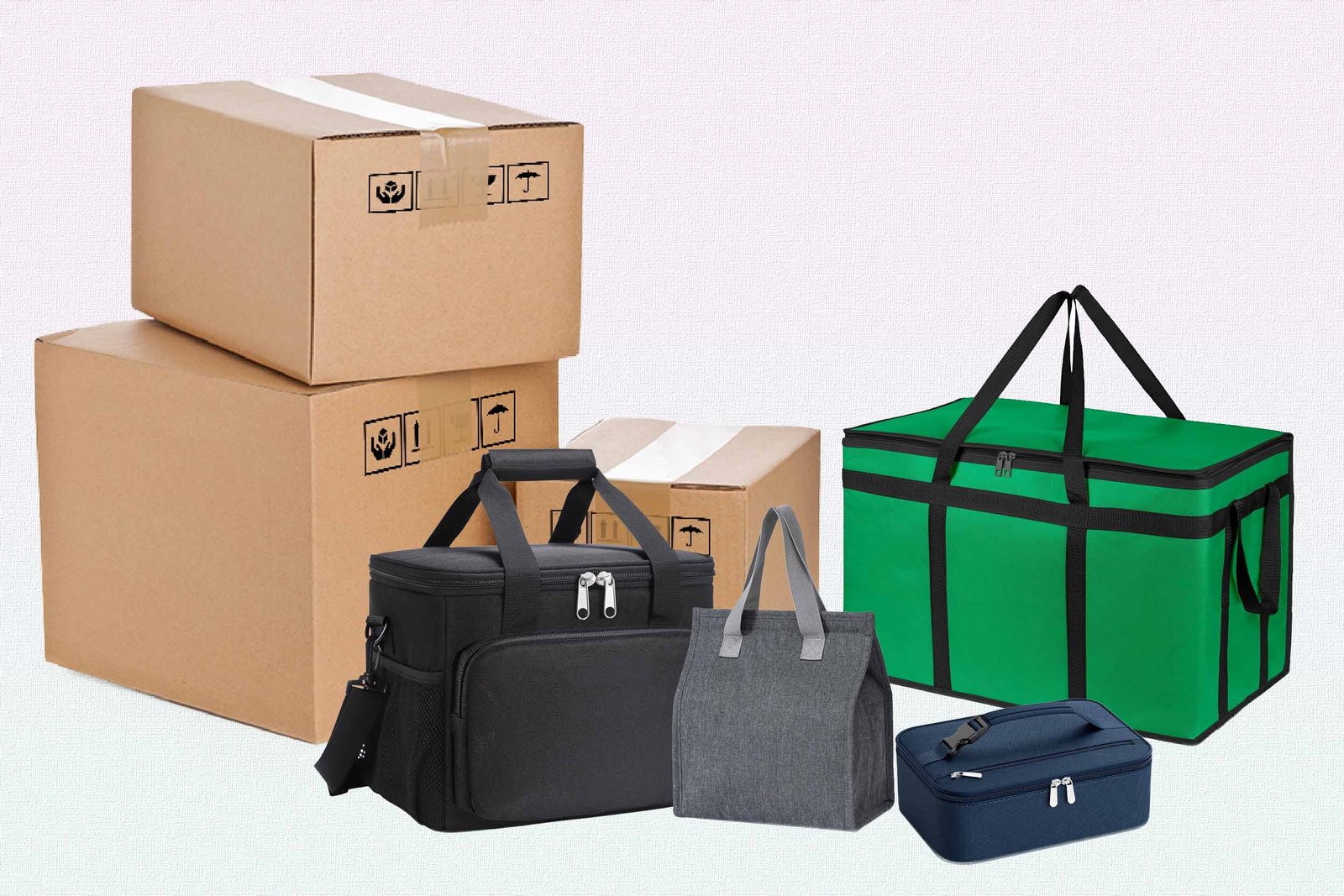
In my work with CoraggioBag buyers, I have followed up on arrivals that needed additional reshaping or tidying. Those experiences do not make flat-packing a bad choice. They explain why I ask buyers to evaluate the packed product, not just an attractive presentation sample.
Can Your Cooler Bag Design Be Flat-Packed Without Damage?
I understand why buyers want an early yes-or-no answer about compression. However, I cannot responsibly approve a packing method from a product photograph alone. A bag that looks flexible may still have components or presentation requirements that make a particular fold unsuitable.
I assess flat-pack suitability by reviewing the complete bag construction, identifying pressure-sensitive features, and testing the proposed packing method on representative samples. I separate temporary appearance changes from functional defects or permanent damage. Approval depends on the tested product meeting agreed requirements after unpacking and permitted handling.

I review the complete construction, not just the outer fabric
When I discuss custom cooler bags with a buyer, I start with the intended arrival condition. A promotional bag distributed shortly after delivery may have different presentation requirements from a premium retail product displayed upright.
I then review the components that could affect the packing decision:
- Body panels: I check where the proposed folds cross visible surfaces.
- Base construction: I ask whether a removable or fixed base changes the packing options.
- Closures: I check whether zippers and other closures sit under concentrated pressure.
- Handles and attachments: I review how straps, reinforcement patches, and hardware are positioned.
- Branding: I check whether a fold passes through a printed logo, patch, or embroidery.
- Internal components: I ask the development team to assess the proposed treatment of the lining and insulation assembly.
These checks identify questions for a packing trial. They do not establish universal material-performance rules.
I distinguish appearance problems from damage
A bag that arrives with creases is not automatically permanently damaged.2 Equally, a bag that regains an attractive shape has not automatically passed every functional requirement.
I keep the evaluation categories separate:
| Evaluation area | What I ask buyers to confirm |
|---|---|
| Appearance | Does the bag match the agreed visual reference? |
| Construction | Are seams, attachments, and components intact? |
| Function | Do closures and other specified features operate correctly? |
| Handling | Can the receiving team prepare the bag using approved steps? |
I do not treat an appearance issue as proof of insulation loss.3 If a buyer needs verified thermal performance, I recommend an appropriate product-specific assessment by a qualified testing provider.
At CoraggioBag, we support customized structures and materials. That flexibility makes early packaging discussions useful, but it does not remove the need to test the final specification.
Which Carton Measurements Belong in a Comparable Supplier Quote?
I often see buyers compare unit prices before they compare packing assumptions. That approach can hide a meaningful difference: one supplier may quote a tightly compressed bag while another allows more room. Without equivalent carton information, I cannot tell whether the freight comparison reflects the same deliverable.
I request external carton length, width, and height; units per carton; carton count; gross weight; and total shipment volume. I also ask suppliers to describe the folding method, compression, protective materials, and inner packaging. These details let me compare quotes on a consistent product-and-packing basis.

I use one packing specification across supplier quotes
For custom cooler bags, a quotation should connect the product specification to a defined packing method. A carton dimension without a packing description is incomplete because the same bag may occupy different volumes under different arrangements.
I use a comparison sheet like this:
| Quote field | Why I include it |
|---|---|
| Product specification and revision | I need confirmation that suppliers priced equivalent bags. |
| Packing method | I need to understand folding, nesting, or compression. |
| Units per carton | I need a consistent basis for carton counts. |
| External carton dimensions | I need dimensions relevant to shipping calculations. |
| Gross weight per carton | I need the packed weight, not only the bag weight. |
| Total carton count | I need the shipment-level quantity. |
| Total carton volume | I need a preliminary space comparison. |
| Inner protection and inserts | I need to understand both cost and arrival preparation. |
| Pallet arrangement, if applicable | I need the actual shipping footprint when cartons are palletized. |
| Measurement status | I need to know whether figures are estimated or trial-verified. |
I specifically request external dimensions of the filled, closed carton4. Internal dimensions, empty-carton measurements, and estimates based on a presentation sample are not interchangeable with that information.
I separate quotation estimates from verified packing data
During early development, estimated carton figures can help me compare options. Before shipment planning, however, I want a physical packing trial using the agreed product and packaging.
I also ask suppliers to flag changes that could invalidate earlier measurements. A revised base panel, extra insert, different quantity per carton, or new retail sleeve may change the final packing result.
At CoraggioBag, we provide custom bags and supporting packaging. I therefore encourage buyers to approve those elements together rather than treating the carton as an afterthought.
Finally, I keep delivery terms and freight scope consistent. I cannot fairly compare a supplier quotation that includes one set of logistics charges with another that excludes them.5 Comparable carton data is necessary, but it is only one part of a comparable commercial offer.
How Should Buyers Compare Actual Weight and Volumetric Weight?
I do not assume that reducing carton volume will reduce every freight invoice. The result depends on the shipment, service, and charging method. A buyer can approve more aggressive compression and still discover that another weight basis or minimum charge controls the transport cost.
I compare packed actual weight with the volumetric or measurement basis specified in the forwarder’s quote. For services using dimensional weight, I confirm the applicable divisor, units, rounding, and minimums. I then request revised freight pricing for each verified packing option rather than assuming that volume reductions create proportional savings.

I start with the service’s charging rules
For many air and courier services, the chargeable weight reflects the greater of actual gross weight and dimensional weight, subject to the service’s rules.6 I confirm those rules with the forwarder because divisors and rounding practices can vary.
Where applicable, the basic dimensional-weight relationship is:
Dimensional weight = external length × external width × external height ÷ the applicable divisor7
I use the units required by the provider. I do not mix centimeters, inches, kilograms, or pounds within the calculation.
For sea freight, I ask the forwarder to explain the relevant charging basis separately. Less-than-container-load pricing may involve weight-or-measure rules, minimums, and additional charges.8 Full-container pricing requires a different evaluation of usable capacity and shipment economics. I do not apply an air-freight formula to every shipping mode.
I compare complete quotes for custom cooler bags
I request a side-by-side comparison for the packing methods that have passed an initial product review:
| Comparison item | Less-compressed option | Flat-pack option |
|---|---|---|
| Shipment quantity | I keep the order quantity consistent. | I keep the order quantity consistent. |
| Packed gross weight | I use measured or clearly identified estimated data. | I use the same measurement basis. |
| External dimensions | I use the proposed shipping configuration. | I use the trial-verified configuration when available. |
| Chargeable basis | I request the forwarder’s calculation. | I request the forwarder’s calculation. |
| Included charges | I confirm the quoted scope. | I confirm the same scope. |
| Freight validity | I record the quote date and validity. | I use a comparable pricing period. |
A reduction in dimensional weight may not change the invoice if actual weight already controls. Likewise, a smaller shipment may still encounter minimum charges.
I also check whether a proposed pallet layout changes the result. Carton-level savings do not always translate directly into the same reduction in palletized space.9 My objective is a verified freight difference, not an attractive percentage based only on carton volume.
What Shape-Recovery Checks Should Follow a Packing Trial?
I find “Will it return to normal?” too vague for purchase approval. Different people can interpret “normal” differently, especially when a product moves from a factory sample room to a retail shelf. I prefer an acceptance condition that the supplier and receiving team can both understand.
I define shape recovery through an agreed appearance reference, an assessment deadline, and permitted handling steps. After a packing trial, I record unpacking actions, elapsed time, manual work, and visible condition. I treat the outcome as evidence for the tested specification and conditions, not a universal recovery guarantee.
I define what “sale-ready” means before the trial
For custom cooler bags, I want buyers to describe the condition they actually need. A warehouse team may accept a bag that can be picked and shipped immediately, while a retail team may require a display-ready shape.
I translate that requirement into an inspection reference covering:
- Overall profile: I identify the expected body and base shape.
- Visible panels: I agree on acceptable creasing or distortion.
- Brand presentation: I check how the logo should appear in the sale-ready condition.
- Closures and access: I include the relevant functional checks.
- Permitted preparation: I record which manual steps the receiving team can perform.
- Assessment timing: I agree when the buyer will judge the result after unpacking.
Reference photographs should use consistent views and clearly show acceptable and unacceptable conditions.10 When practical, I also recommend an approved physical reference sample.
I test the packed product under documented conditions
I do not substitute an unpacked showroom sample for a packing trial. I ask the team to use representative bags with the agreed components, inserts, carton quantity, and packing arrangement.
My trial record includes the following:
- I identify the sample specification and packing version.
- I record how long the samples remain packed and the known storage conditions.
- I document their condition immediately after unpacking.
- I record each permitted reshaping or tidying step.
- I distinguish active handling time from passive waiting time.
- I photograph the bags at the agreed assessment points.
- I compare the result with the approved appearance reference.
A short internal trial does not reproduce every transport condition.11 If shipment duration or handling exposure is important, I discuss a more representative validation plan with the buyer and appropriate specialists.
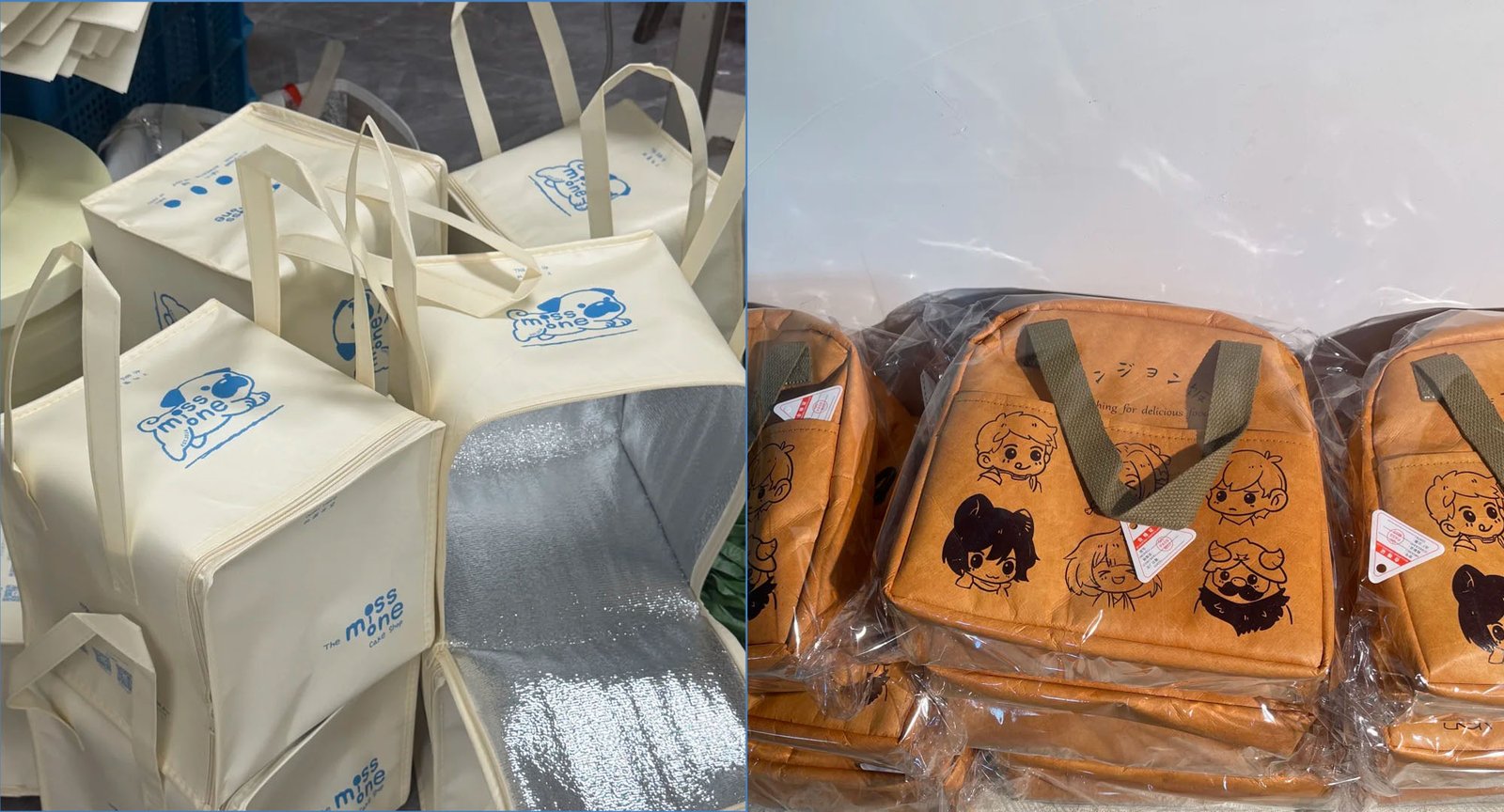
In orders we have followed up on, additional reshaping was needed. I use that experience narrowly: it supports checking downstream preparation before approval. It does not prove that all flat-packed bags suffer damage or that every buyer will face the same workload.
How Can Buyers Compare Freight Savings With Repacking and Damage Costs?
I see the main risk when freight savings sit in one budget and receiving work sits in another. The purchasing team may record a lower shipping cost while the warehouse absorbs unexpected preparation. I recommend one comparison that includes both costs and the timing of sale-readiness.
I compare each approved packing option using product, packaging, freight, receiving labor, repacking, storage, and supported quality-related costs. I base the calculation on current quotes and observed handling. Flat-packing is preferable only when its verified benefits outweigh its added costs while meeting the required appearance and fulfillment schedule.

I build the comparison around measurable inputs
For custom cooler bags, I use a total-cost worksheet rather than a freight-only comparison.
Compared cost = product and packaging cost + freight and applicable logistics charges + receiving preparation + repacking materials + supported quality-related costs
I keep the categories consistent and avoid counting the same charge twice. If duties or other import charges differ between options, I ask the buyer’s logistics or customs adviser to confirm the treatment.
| Cost or constraint | Evidence I request |
|---|---|
| Freight difference | I request comparable, current forwarder quotes. |
| Packaging difference | I request supplier pricing for each approved method. |
| Active preparation labor | I use observed handling time and the buyer’s applicable labor cost. |
| Repacking materials | I use the actual materials required for the sales channel. |
| Waiting and staging needs | I ask the receiving operation about space and workflow. |
| Rework or replacement exposure | I use trial findings or relevant documented order history. |
| Sale-readiness deadline | I confirm the latest acceptable release date with the buyer. |
I do not enter an invented damage rate simply to complete the spreadsheet. When evidence is missing, I mark the cost as uncertain and identify what further trial or inspection could clarify it.
I keep labor time separate from elapsed time
A bag may require little active handling but still need time before it reaches the agreed appearance.12 Conversely, it may become acceptable quickly only after substantial manual work. Those outcomes create different operational demands.
For buyers shipping individual e-commerce orders, I ask whether preparation fits the normal fulfillment process. For retail buyers, I ask whether staff can prepare the products before the planned launch or shelf-setting date.
I make packaging approval conditional
My recommendation is not “flat-pack everything” or “avoid compression.” I approve a method when the evidence supports it.
If the most compact option creates too much work, I explore alternatives such as a different fold, reduced compression, a revised insert, or another carton arrangement. Each alternative still needs confirmation.
The final decision should identify the approved packing version, appearance standard, permitted handling, and cost assumptions. That record gives purchasing, production, logistics, and receiving teams the same definition of a successful arrival.
Frequently Asked Questions
Does flat-packing always damage custom cooler bags?
I do not consider flat-packing inherently damaging. Its suitability depends on the specific construction, packing method, and acceptance requirements. I recommend representative trials that assess appearance, construction, and function separately. A temporary crease alone does not establish permanent damage or prove that insulation performance has changed.
How long should I allow a cooler bag to recover its shape?
I do not promise a universal recovery time. I ask the buyer to define the required sale-ready condition and the time their operation can allow. A packing trial should then document whether the specific bag meets that condition, including any permitted manual preparation.
Should I approve packaging from a supplier’s sample photo?
I treat a photograph as useful evidence, but not as a complete packing approval. I want to know whether the photographed bag underwent the proposed packing method and what preparation happened afterward. I prefer a documented trial, consistent inspection views, and an agreed appearance reference.
Can a smaller carton leave my freight bill unchanged?
I would not assume every volume reduction lowers the invoice. Actual weight, minimum charges, rounding rules, pallet configuration, or the service’s charging basis may limit the benefit. I request a revised freight quote using the proposed packing data before I include savings in the purchasing decision.
What should I send CoraggioBag for a packaging review?
I recommend sharing the bag design or reference sample, order quantity, destination, intended sales channel, and required arrival appearance. I also ask about receiving capacity and permitted preparation. These details help our team discuss practical options for B2B custom cooler bags and the trials needed before bulk approval.
Conclusion
I evaluate custom cooler bags as a total-cost and sale-readiness decision, not a contest to achieve the smallest carton. Comparable measurements, verified freight quotes, and documented packing trials give buyers a stronger basis for approval. The key question is whether the bag reaches the agreed appearance within the handling time the operation can afford. At CoraggioBag, I welcome your design, quantity, and arrival requirements so our team can discuss suitable customization and packaging options for your next bulk order.
"(DOC) Total cost-logistic", https://www.academia.edu/35096482/Total_cost_logistic. Total-cost-of-ownership frameworks evaluate purchasing alternatives across multiple cost categories rather than purchase price or freight alone; this supports the comparison framework but does not establish which packing method is cheaper for a particular cooler bag. Evidence role: general_support; source type: paper. Supports: Purchasing alternatives can shift costs among transportation, packaging, handling, and other operational activities.. Scope note: General purchasing frameworks do not quantify the costs or benefits of the specific packing options. ↩
"Study on crease recovery property of warp-knitted jacquard ...", https://pmc.ncbi.nlm.nih.gov/articles/PMC11286793/. Studies of crease recovery and polymer deformation distinguish recoverable shape changes from residual deformation after unloading; these mechanisms provide context but do not determine whether a crease in a particular assembled bag is temporary. Evidence role: mechanism; source type: paper. Supports: Textiles or polymer foams can exhibit recoverable deformation as well as persistent deformation after loading.. Scope note: Recovery depends on materials, construction, loading history, and environmental conditions. ↩
"Assessment of High-Temperature and Innovative Insulation ...", https://www.nist.gov/programs-projects/assessment-high-temperature-and-innovative-insulation-thermal-performance. Thermal characterization relies on measured heat transfer or temperature response under specified conditions, rather than visual inspection alone; material-level measurements do not by themselves establish the performance of a complete cooler bag. Evidence role: general_support; source type: research. Supports: Thermal performance is evaluated using heat-transfer or temperature measurements rather than appearance alone.. Scope note: Whole-product performance also depends on geometry, seams, closures, contents, and test conditions. ↩
"Checking the Net Contents of Packaged Goods", https://www.nist.gov/system/files/documents/2023/02/10/2023%20NIST%20Handbook%20133.pdf. Package-measurement standards define shipping-unit dimensions by the unit's external extent in the specified configuration, distinguishing those measurements from internal carton capacity. Evidence role: definition; source type: institution. Supports: Shipping-unit measurement conventions use the outside dimensions of the unit in its defined shipping configuration.. ↩
"Know Your Incoterms", https://www.trade.gov/know-your-incoterms. International trade guidance explains that delivery terms allocate transport-related costs and responsibilities between buyer and seller, so quotation comparisons require a consistent scope of included obligations. Evidence role: definition; source type: government. Supports: Delivery terms allocate specified costs and responsibilities between buyers and sellers.. ↩
"Air Transport Services Trade Data", https://www.trade.gov/air-transport-services-trade-data. Air-cargo guidance describes chargeable weight as the greater of actual gross weight and volumetric weight under applicable rating rules; the precise treatment remains subject to the selected service and tariff. Evidence role: definition; source type: institution. Supports: Chargeable weight in relevant air-freight services compares actual gross weight with volumetric weight.. Scope note: The rule does not establish a universal divisor, rounding method, or minimum charge. ↩
"Dimensional weight", https://en.wikipedia.org/wiki/Dimensional_weight. Volumetric-weight calculations divide package volume by the applicable volume-to-weight factor, with dimensions and units matched to the rating convention. Evidence role: definition; source type: institution. Supports: Volumetric-weight calculations convert package volume to a rated weight using a specified conversion factor.. ↩
"Navigate Shipping and Logistics", https://www.trade.gov/navigate-shipping-and-logistics. Maritime freight guidance describes LCL rating by weight or measurement and the potential application of minimums and ancillary charges; the actual payable amount depends on the quoted service and shipment. Evidence role: general_support; source type: institution. Supports: LCL pricing can combine weight-or-measure rating with minimums and separate logistics charges.. Scope note: General rating descriptions cannot establish the charges applicable to an individual shipment. ↩
"A heuristic algorithm for carton to pallet loading problem", https://www.academia.edu/26592654/A_heuristic_algorithm_for_carton_to_pallet_loading_problem. Pallet-loading research treats utilization as a constrained arrangement problem, so changes in individual carton dimensions need not yield proportional changes in pallet count or occupied shipping space. Evidence role: mechanism; source type: paper. Supports: Pallet utilization depends on feasible carton arrangements, pallet dimensions, and loading constraints rather than carton volume alone.. Scope note: The effect for a specific shipment requires its carton dimensions, pallet specification, and loading constraints. ↩
"Sound Practices for Consistent Human Visual Inspection - PMC", https://pmc.ncbi.nlm.nih.gov/articles/PMC3066354/. Research on visual inspection identifies defined acceptance criteria and controlled presentation as factors affecting assessment consistency; this provides methodological support rather than validation of a particular cooler-bag appearance standard. Evidence role: general_support; source type: paper. Supports: Controlled viewing conditions and explicit reference criteria can improve consistency in visual inspection.. Scope note: Agreement still depends on the criteria, image quality, viewing conditions, and inspector training. ↩
"Recognized Consensus Standards: Medical Devices - FDA", https://www.accessdata.fda.gov/scripts/cdrh/cfdocs/cfstandards/detail.cfm?standard__identification_no=43297. Distribution-testing frameworks evaluate packages against defined handling, loading, and environmental exposures; a short packing trial supports conclusions only within its tested conditions and does not represent every transport environment. Evidence role: general_support; source type: institution. Supports: Packaging validation must account for relevant distribution hazards and specified test conditions.. Scope note: Even a broader laboratory simulation does not reproduce every event in an actual shipment. ↩
"Report II Measurement of working time", https://www.ilo.org/media/342646/download. Work-study methods distinguish active task time from waiting and overall elapsed time, supporting separate estimates of labor demand and release timing; they do not establish how long a particular bag takes to recover its appearance. Evidence role: definition; source type: institution. Supports: Work measurement distinguishes active work content from waiting and total elapsed process time.. Scope note: Product-specific preparation and recovery times require observation under defined conditions. ↩