A tote bag looks simple, but I have seen small missing details cause wrong prices, weak samples, late shipment, and unhappy buyers.
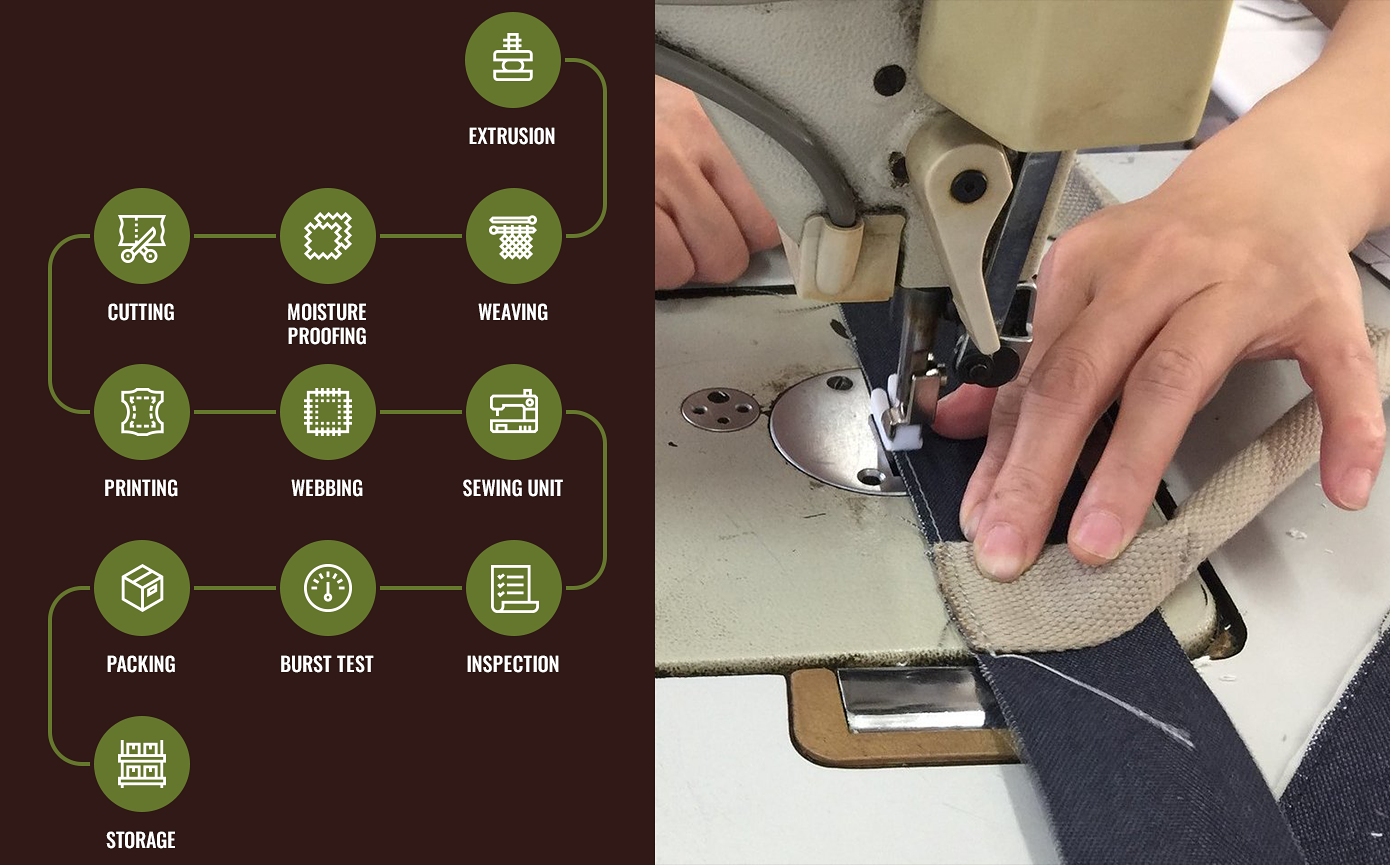
Tote bags are made by confirming specifications, choosing materials, creating and approving samples, cutting fabric, printing logos, sewing, checking quality, packing, and arranging delivery. I treat each stage as risk control, because every choice affects cost, strength, appearance, and bulk production stability.
I often meet buyers who send a picture and ask for a quick price. I understand why they do it. They need speed, and they need a clear budget. But in many custom tote bag projects, a picture alone is not enough for stable production. I need to know the size, fabric, weight, handle, pocket, logo, color, quantity, packing, and delivery plan. Each answer changes the price and the production method. If I miss one detail at the start, the mistake may appear later in sampling, sewing, inspection, or shipment. This is why I see tote bag production as a chain of control, not just a sewing job. I will walk through how I usually move from design to finished bulk bags, and I will also show where buyers often underestimate the risk.
What Materials Are Used to Make Tote Bags?
A wrong fabric choice can make a tote bag too weak, too costly, too heavy, or not close enough to the buyer’s target sample.
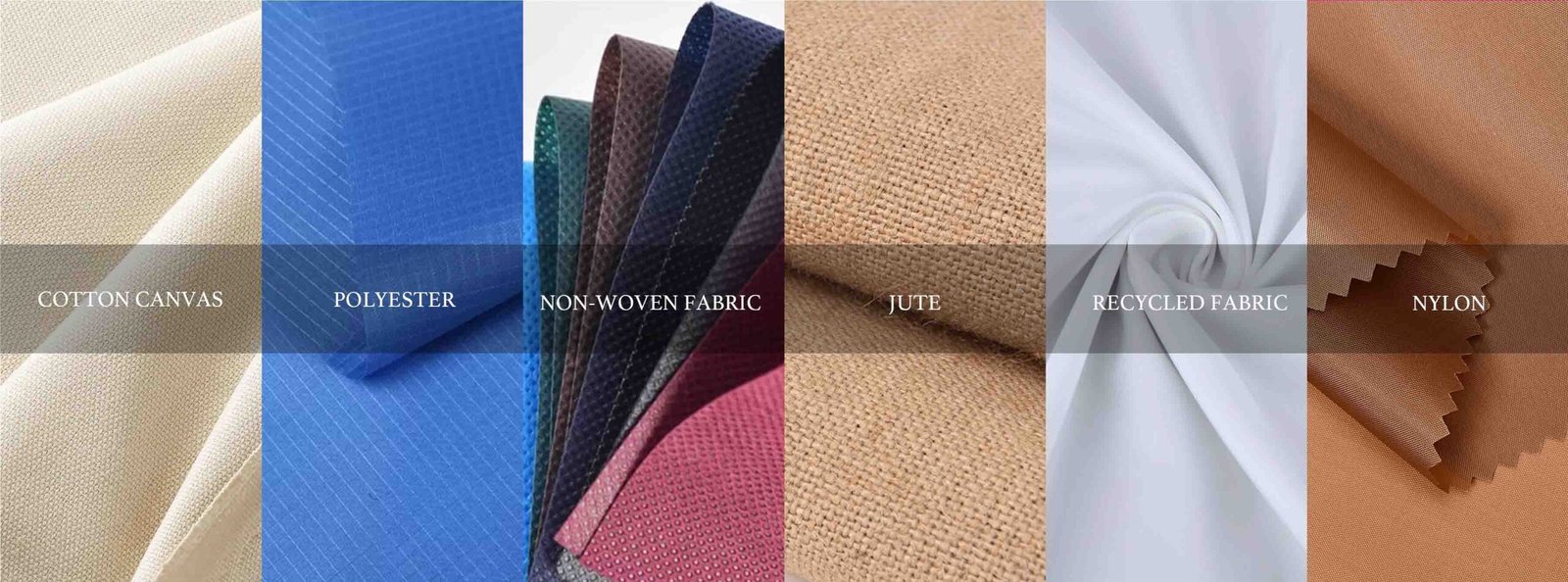
Tote bags are commonly made from cotton canvas, polyester, non-woven fabric, jute, recycled fabric, nylon, or blended materials. I choose the material based on price target, use, load need, logo method, color effect, and buyer market requirements.
I start with the bag’s real use
I do not choose fabric only by name. I first ask how the tote bag will be used. A supermarket promotion bag needs a different fabric from a fashion retail tote. A gift tote for a trade show may focus on low cost and clear logo printing. A private label tote may need better hand feel, stronger stitching, and nicer packing. In many OEM/ODM projects, buyers ask for “canvas tote bag,” but canvas has different weights and finishes. A small change in fabric weight can change the cost, folding feel, sewing difficulty, and shipping volume.1
| Material | Common Use | Main Risk I Check |
|---|---|---|
| Cotton canvas | Retail, gift, fashion | Shrinkage, color shade, fabric weight |
| Polyester | Promotion, daily use | Print result, color fastness, hand feel |
| Non-woven | Supermarket, event | Load strength, edge finish, low-cost target |
| Jute | Eco-style retail | Rough surface, logo clarity, smell control |
| Recycled fabric | Eco product lines | Source stability, certification request, color match |
| Nylon | Lightweight daily bags | Slippery sewing, coating, wrinkle control |
I connect material to cost and quality
I have learned that buyers often compare prices without comparing fabric details. One supplier may quote thin fabric, and another may quote heavier fabric. The bag name looks the same, but the product is not the same. I ask for GSM, fabric width, coating, color, and finish when possible. I also check if the logo method fits the material. Screen printing may work well on flat canvas.%%%FOOTNOTE_REF2%%% [Heat transfer may fit some polyester bags.](https://en.wikipedia.org/wiki/Sublimation(phase_transition))3 Embroidery may need stronger fabric and backing.4 If the material and logo method do not match, the sample can look cheap or unstable.
I confirm details before quoting
I usually need clear material information before I can give a useful quotation. If the buyer does not know the exact fabric, I suggest options by target price and market use. This saves time. It also reduces the chance that the sample feels very different from the buyer’s expectation.
How Does a Tote Bag Design Become a Production Sample?
A design file looks complete, but I have seen many files fail when they meet real fabric, stitching, handles, and logo placement.
A tote bag design becomes a production sample through specification review, material matching, pattern making, logo process setup, sample sewing, internal checking, buyer review, revision, and final approval. I use the sample to confirm what bulk production must follow.
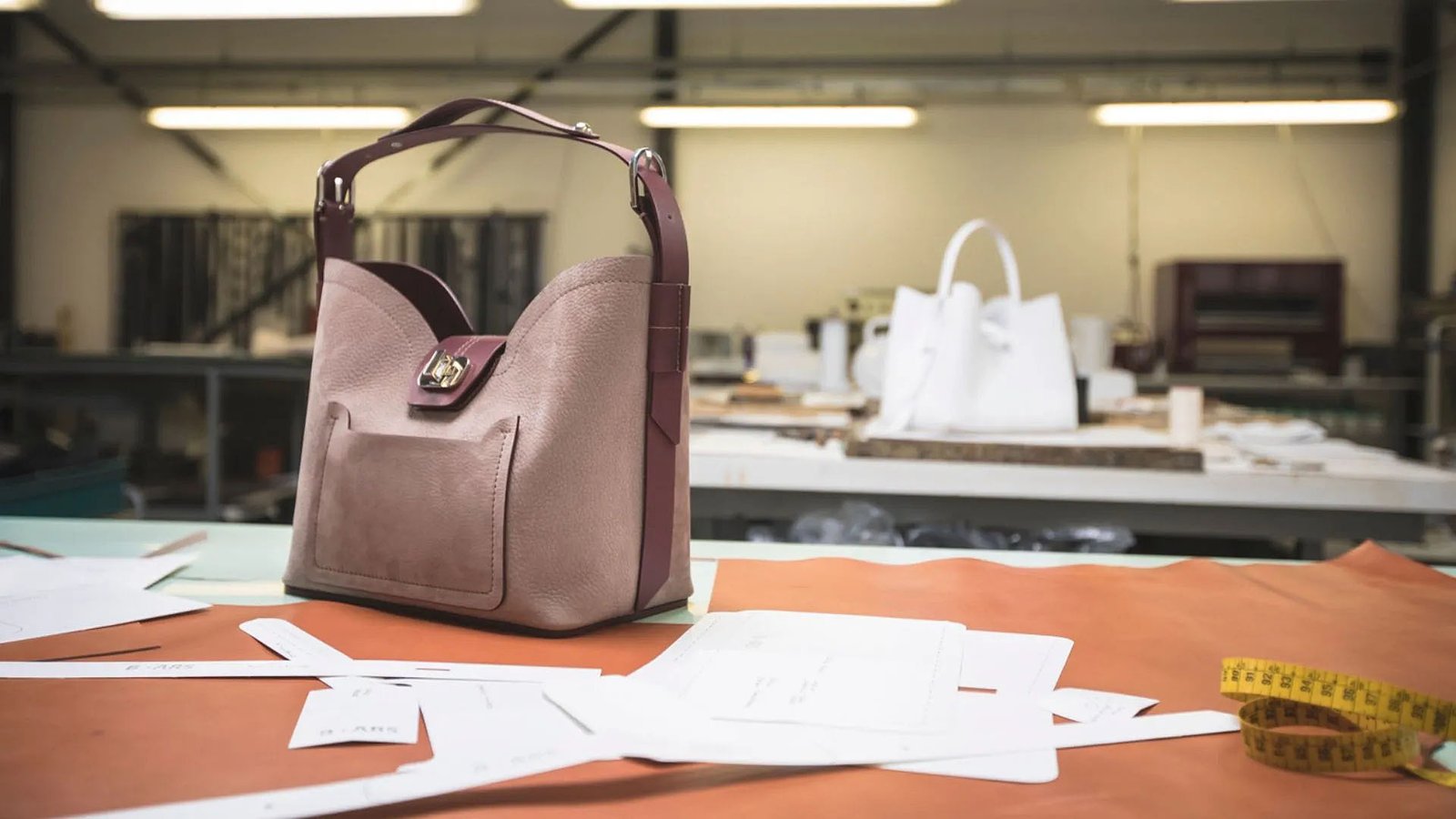
I turn an idea into production data
When a buyer sends a drawing, photo, or tech pack, I first translate it into factory details. I check length, width, depth, handle drop, seam allowance, pocket size, zipper position, logo size, and packing method. If one number is missing, the sample maker may guess. I do not like guessing, because one guess can become a bulk production issue. A tote bag may look simple, but its proportions matter. A handle that is 2 cm too short can make the bag uncomfortable.5 A logo that is too low can look unbalanced. A pocket that is too small can make the product less useful.
| Design Point | Why I Confirm It | What Can Go Wrong |
|---|---|---|
| Size | Controls material use and function | Bag looks too small or too large |
| Handle drop | Affects carry comfort | Buyer cannot carry it on shoulder |
| Logo position | Affects brand look | Logo looks off-center or too low |
| Pocket layout | Affects real use | Phone or bottle does not fit |
| Stitching method | Affects strength | Handle area becomes weak |
| Packing | Affects retail display | Bag arrives wrinkled or poorly presented |
I treat sampling as risk control
I do not see sampling as a formality. I see it as the bridge between design and mass production. During sample making, I can find problems in fabric feel, color, printing clarity, seam shape, handle strength, and overall balance. I have seen buyers approve a price too fast and skip important checks. Later, they find that the bulk product does not match their market need. A sample costs time, but it protects the larger order.
I expect revision in custom projects
In many custom tote bag projects, the first sample is not always the final sample. A buyer may ask to increase fabric thickness, move the logo, change the handle width, add reinforcement, or adjust packaging. This is normal. The important part is to record every change clearly. I keep a final approved sample or sample record before bulk production. This gives production workers and QC staff a clear reference.
What Are the Main Steps in Tote Bag Manufacturing?
If the factory only says “we sew the bags,” I know the buyer may not see the real control points behind bulk production.
The main tote bag manufacturing steps are material preparation, fabric inspection, cutting, logo printing or embroidery, sewing, reinforcement, trimming, ironing or shaping, quality inspection, packing, and shipment preparation. Each step must follow the approved sample and production sheet.
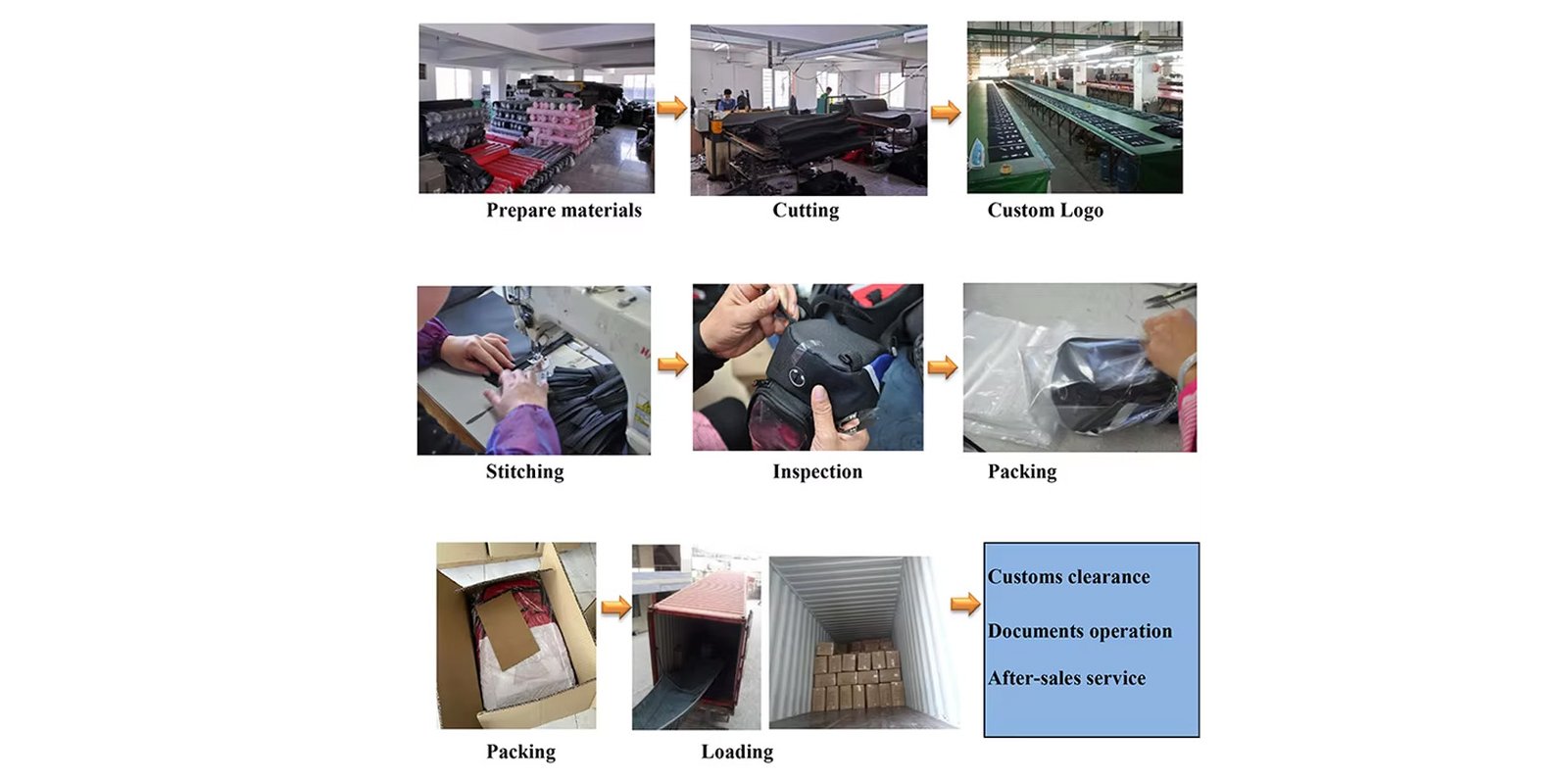
I prepare materials before the line starts
Before sewing starts, I need materials to be ready and correct. This includes main fabric, lining, handles, zippers, buttons, labels, thread, packaging, and cartons. I check colors and quantities before cutting. If the material arrives late or the color is wrong, the whole schedule can move. Buyers often focus on sewing time, but I know that material preparation can decide whether delivery is safe.
| Step | What I Control | Buyer Risk If Missed |
|---|---|---|
| Material preparation | Fabric, trims, labels, packing | Late start or wrong material |
| Fabric inspection | Stains, holes, color shade | Defective bags in bulk |
| Cutting | Size accuracy, fabric direction | Shape difference and waste |
| Logo process | Position, color, clarity | Brand image problem |
| Sewing | Seam width, handle strength | Weak or uneven bags |
| Finishing | Thread trimming, ironing | Poor appearance |
| Packing | Folding, polybag, carton | Wrinkles, damage, wrong display |
I control cutting and logo before sewing
Cutting is a quiet but important step. If fabric panels are cut wrong, sewing cannot fix the shape. I check cutting patterns, fabric direction, and quantity. Logo work also needs control before sewing in many cases. If the logo is printed after panels are cut, I must control position carefully. If the logo is embroidered, I must consider fabric strength and backing. A clear logo depends on artwork quality, color standard, and machine setup. I always tell buyers that logo size and logo method are not small details. They can change both cost and defect rate.
I focus on sewing and reinforcement
Sewing makes the tote bag usable. I pay close attention to handle joints, side seams, bottom seams, and stress points. A tote bag may carry books, groceries, gifts, or daily items. The weak point is often the handle area.6 I usually check if bar tack, cross stitch, or extra reinforcement is needed7 based on the bag design and cost target. Some buyers want the lowest price, but they also expect strong load performance. I explain that strength must be built into the structure. It cannot be added after the bulk bags are finished.
How Do Manufacturers Control Tote Bag Quality?
Quality problems are expensive because a small sewing or color issue can spread across thousands of pieces before the buyer sees them.
Manufacturers control tote bag quality by checking materials, confirming pre-production samples, inspecting cutting and printing, monitoring sewing, checking measurements, reviewing workmanship, doing final random inspection, and recording defects before packing and shipment.
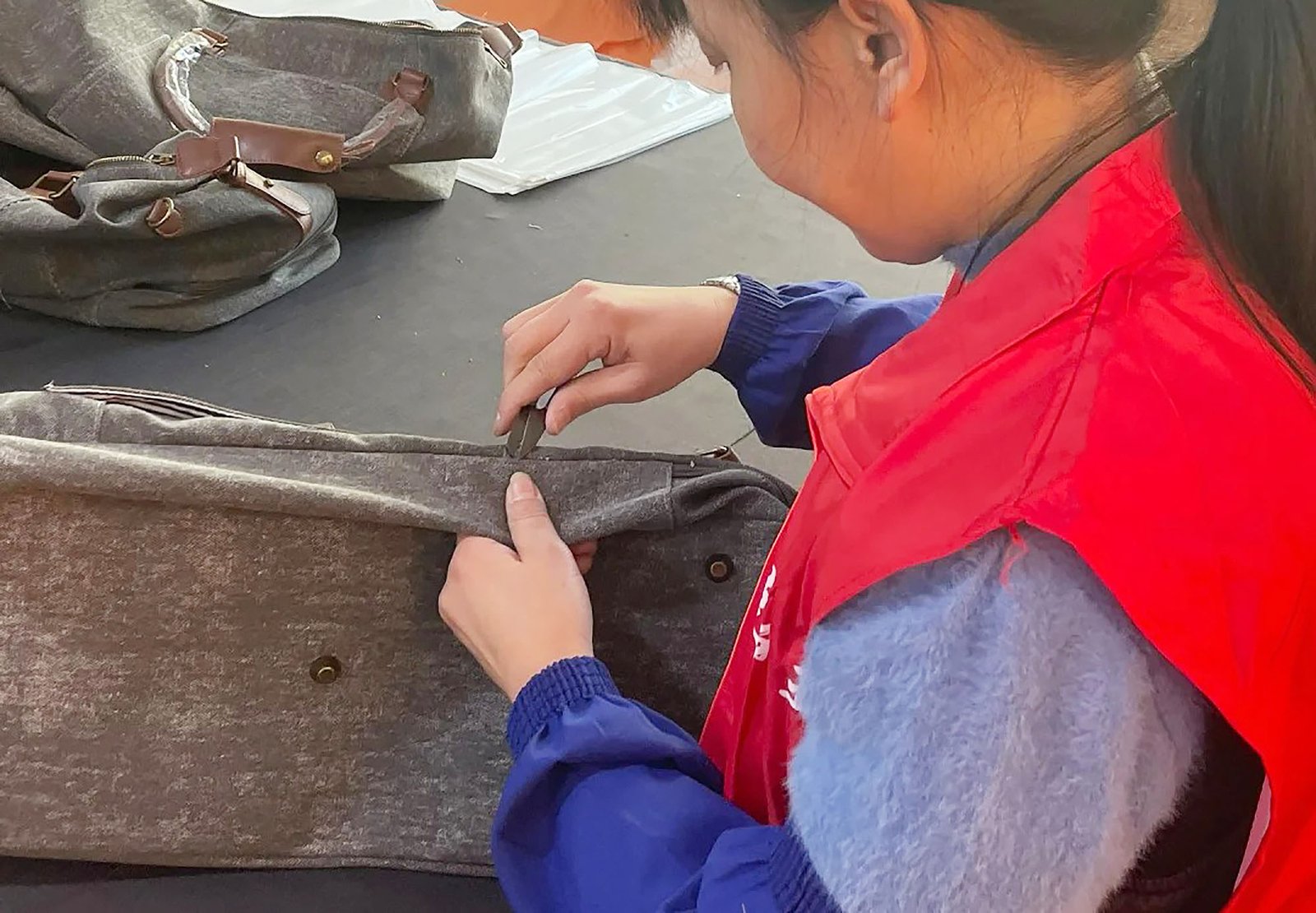
I check quality in stages
I do not like waiting until the end to check quality. Final inspection is important, but early control is safer.8 I start with material inspection. I check if the fabric has stains, holes, wrong shade, or wrong weight. I then compare production details with the approved sample. During cutting, I check size and shape. During printing or embroidery, I check logo position, color, and clarity. During sewing, I check seam strength, stitch density, handle placement, and overall shape. This staged control helps me find problems before they become larger.
| QC Stage | What I Check | Why It Matters |
|---|---|---|
| Incoming material | Color, defects, quantity | Prevents wrong production start |
| Pre-production sample | Final approved standard | Gives workers a clear target |
| Cutting inspection | Panel size, shape, direction | Keeps bag shape stable |
| Logo inspection | Position, color, clarity | Protects brand appearance |
| Sewing inspection | Stitching, seams, handles | Controls strength and look |
| Final inspection | Size, packing, defects | Reduces shipment complaints |
I use the approved sample as the base
The approved sample is the main reference in custom tote bag production. I compare bulk goods with this sample. If the buyer approved canvas color, logo size, handle width, and pocket position, I need bulk goods to follow it. Some natural fabric may have small shade differences between dye lots.9 Some printing color may change slightly on different fabric surfaces. I communicate these points early when needed. Clear tolerance helps both sides. It prevents arguments after goods are finished.
I look at common defect points
In tote bag QC, I often pay attention to loose threads, skipped stitches, uneven handles, dirty marks, wrong logo position, bad folding, incorrect labels, and weak seams. I also check carton marks and packing quantity. Buyers may only see the product after it arrives overseas. If the packing list is wrong or cartons are weak, delivery problems can become after-sales problems. I see QC as both product control and communication control. Good records help me answer buyer questions after shipment.
How Are Finished Tote Bags Packed and Delivered?
A good tote bag can still create problems if packing is weak, cartons are wrong, or shipment timing is not planned early.
Finished tote bags are packed after final inspection, usually by folding, placing in polybags or bulk cartons, adding labels or hangtags, sealing cartons, applying shipping marks, and arranging delivery by sea, air, express, or other agreed method.

I match packing to the sales channel
Packing is not only the last step. It affects cost, product look, warehouse handling, and retail display. A supermarket buyer may need simple bulk packing to reduce cost. A brand buyer may need individual polybags, hangtags, barcode labels, and better carton arrangement. A gift company may need special folding or set packing. I ask these questions before production, not after. If packing is changed late, it may affect carton size, labor cost, and delivery date.
| Packing Option | Common Purpose | Risk I Control |
|---|---|---|
| Bulk packing | Low-cost wholesale | Wrinkles and mixed quantities |
| Individual polybag | Clean retail handling | Higher packing cost and plastic rules |
| Hangtag or label | Brand display | Wrong label or missing barcode |
| Custom carton mark | Warehouse control | Wrong destination or PO number |
| Special folding | Better presentation | More labor and slower packing |
| Inner box or display pack | Retail or gift use | Higher volume and shipping cost |
I plan delivery before goods are finished
Delivery risk often starts before packing. I need to know the order quantity, carton size, gross weight, destination port, delivery term, and required arrival time. If the buyer needs goods for a promotion date, I must plan backward from that date. Sea freight takes longer but costs less for bulk orders. Air freight is faster but expensive.10 Express may work for samples or urgent small shipments.11 I never like promising unrealistic timing, because late delivery can damage the buyer’s sales plan.
I keep after-sales communication clear
After goods leave the factory, my work is not fully finished. Buyers may ask about carton details, packing photos, tracking, documents, or quality feedback. I keep production records, photos, and approved sample details when possible. If there is a complaint, I need facts. I check whether the issue came from material, sewing, packing, transport, or misunderstanding. This does not remove every risk, but it helps both sides solve problems faster. In my experience, buyers value clear communication as much as low price, because their real cost includes time, correction, and customer pressure.12
Conclusion
I make tote bags by controlling each detail from design to delivery, because stable bulk quality comes from process control, not luck.
"Textile - Wikipedia", https://en.wikipedia.org/wiki/Textile. Textile engineering references describe fabric weight (often expressed in GSM) as a determinant of material mass, drape/handle, and processing characteristics; these relationships help explain why changes in fabric weight can alter cost, sewing behavior, and shipment weight or volume in bag production. Evidence role: mechanism; source type: education. Supports: Textile references should explain that fabric weight in GSM influences material mass, hand/drape, processing behavior, and transport weight, which provides contextual support for cost and shipping differences.. ↩
"Textile printing - Wikipedia", https://en.wikipedia.org/wiki/Textile_printing. General references on screen printing note that the process is commonly used on textiles and other flat substrates, including canvas-like materials, supporting its use for logo application on flat cotton tote panels. Evidence role: general_support; source type: encyclopedia. Supports: A neutral source should note that screen printing is widely used on textiles and porous substrates such as fabric or canvas, especially where a stable flat surface is available.. Scope note: This evidence is contextual support for substrate suitability rather than a direct comparison of all tote-bag printing methods. ↩
"Sublimation (phase transition) - Wikipedia", https://en.wikipedia.org/wiki/Sublimation_(phase_transition). Technical references on textile decoration report that polyester fabrics are commonly used with thermal transfer methods, particularly sublimation-based processes, which supports the statement that heat-transfer decoration may suit some polyester tote bags. Evidence role: mechanism; source type: research. Supports: A source should support that transfer-based decoration methods, especially sublimation and related thermal transfer processes, are commonly applied to polyester fabrics.. Scope note: The support is contextual because suitability depends on the exact transfer process, coating, and performance requirements. ↩
"Tutorial - Choosing an Embroidery Stabilizer - School of Art & Design", https://art.illinois.edu/about/resources-for-current-students/facilities/digital-labs/tutorials-templates/tutorial-choosing-an-embroidery-stabilizer/. Embroidery guides and textile references explain that machine embroidery can distort fabric because of stitch density and thread tension, so backing or stabilizer materials are commonly used to support the base fabric during and after stitching. Evidence role: mechanism; source type: education. Supports: A neutral source should explain that embroidery introduces localized needle penetration and thread tension, so stabilizers/backings are used to reduce distortion, especially on less stable fabrics.. Scope note: This support is contextual; the degree of fabric strength or backing required depends on stitch density, design size, and fabric construction. ↩
"Development and Experimental Verification of an Ergonomic ... - PMC", https://pmc.ncbi.nlm.nih.gov/articles/PMC7245669/. Ergonomics and anthropometric design literature shows that carrying comfort depends on fit-related dimensions such as strap length and shoulder clearance, so even small changes in handle drop can alter whether a tote is comfortable to carry on the shoulder. Evidence role: mechanism; source type: research. Supports: An ergonomics or anthropometry source should support that small dimensional changes in strap length affect fit, shoulder clearance, and user comfort in carried items.. Scope note: The evidence is contextual rather than a tote-specific test of a 2 cm threshold. ↩
"Research: Apologizing to customers after product failures ...", https://www.binghamton.edu/news/story/3211/research-apologizing-to-customers-after-product-failures-can-encourage-repurchase-stave-off-lawsuits. Textile product mechanics and seam-strength literature indicate that loads carried by a bag are transmitted through the handle attachment seams, creating stress concentration at those junctions and making them a common critical point for structural failure. Evidence role: mechanism; source type: research. Supports: A source should explain that load is concentrated where handles join the bag body, making attachment seams critical locations for stress and failure.. ↩
"How to Sew a Bar Tack | Easy Sewing Tutorial - YouTube", https://www.youtube.com/watch?v=EqB250Ijc3w. Garment and textile construction references describe bar tacks and other reinforcement stitches as methods used to strengthen areas exposed to concentrated stress, such as pocket corners, openings, and attachment points analogous to tote handles. Evidence role: definition; source type: education. Supports: A source should support that bar tacks and similar reinforcement stitches are used to strengthen areas subject to repeated stress or tension.. Scope note: The support is indirect because many standard examples come from apparel construction rather than tote bags specifically. ↩
"[PDF] 6. Process or Product Monitoring and Control", https://www.itl.nist.gov/div898/handbook/toolaids/pff/pmc.pdf. Quality-management authorities emphasize that product quality is achieved more effectively through process control and defect prevention than through final inspection alone, which can detect defects only after value has already been added. Evidence role: expert_consensus; source type: government. Supports: A quality-management source should support the principle that quality is more reliably achieved through process control and prevention than by end-of-line inspection alone.. ↩
"The color collector - Kansas State University", https://www.k-state.edu/seek/fall-2025/sherry-haar-sustainable-natural-dyes/. Textile coloration references note that fabric shade can vary between dye lots because of differences in fiber properties, dye uptake, and process conditions; this provides general support for the possibility of small lot-to-lot color differences in natural fabrics. Evidence role: mechanism; source type: education. Supports: A source should explain that textile dye lots can vary in shade because of fiber, dyeing, and process variables, including with natural-fiber fabrics such as cotton.. ↩
"Air Freight: A Market Study with Implications for Landlocked Countries", https://www.worldbank.org/en/topic/transport/publication/air-freight-study. Trade and transport references commonly distinguish ocean freight as a lower-cost but slower option for larger shipments, while air freight is described as much faster but significantly more expensive, especially for bulky goods. Evidence role: general_support; source type: institution. Supports: A trade or transport source should support the common modal trade-off between lower-cost, slower ocean freight and faster, higher-cost air freight.. ↩
"[PDF] Special Item Number (SIN) 492210 Local Courier Delivery Services", https://www.gsa.gov/system/files/SIN_492210_Local_Courier_Delivery_Svcs_2132026_0.pdf. Export and shipping guidance commonly describes express courier services as appropriate for small, time-sensitive consignments, including commercial samples, because they prioritize speed over the lower unit cost of larger freight modes. Evidence role: general_support; source type: government. Supports: A neutral shipping or export source should support that express courier channels are commonly used for smaller, time-sensitive consignments such as samples.. ↩
"Examining collaborative buyer–supplier relationships and social ...", https://pmc.ncbi.nlm.nih.gov/articles/PMC9434505/. Procurement and supply-chain research has found that communication quality and relationship coordination affect performance outcomes such as errors, delays, and rework, indicating that buyers evaluate supplier value using transaction costs as well as quoted price. Evidence role: mechanism; source type: paper. Supports: A source should support that communication quality in buyer-supplier relationships affects coordination costs, errors, responsiveness, and overall performance beyond nominal price.. Scope note: This is contextual support for the general procurement principle rather than direct survey evidence from tote-bag buyers specifically. ↩