Many buyers see a high price and think brand markup first. I think the bigger risk is missing the hidden design and build work that affects comfort, failure rate, and user trust.
Osprey hiking packs feel premium because they combine materials, fit, load control, pattern design, hardware, and consistent production in a way that is hard to copy. From a manufacturing standpoint, the value is usually in integration, not in any single fabric, buckle, or visible feature.
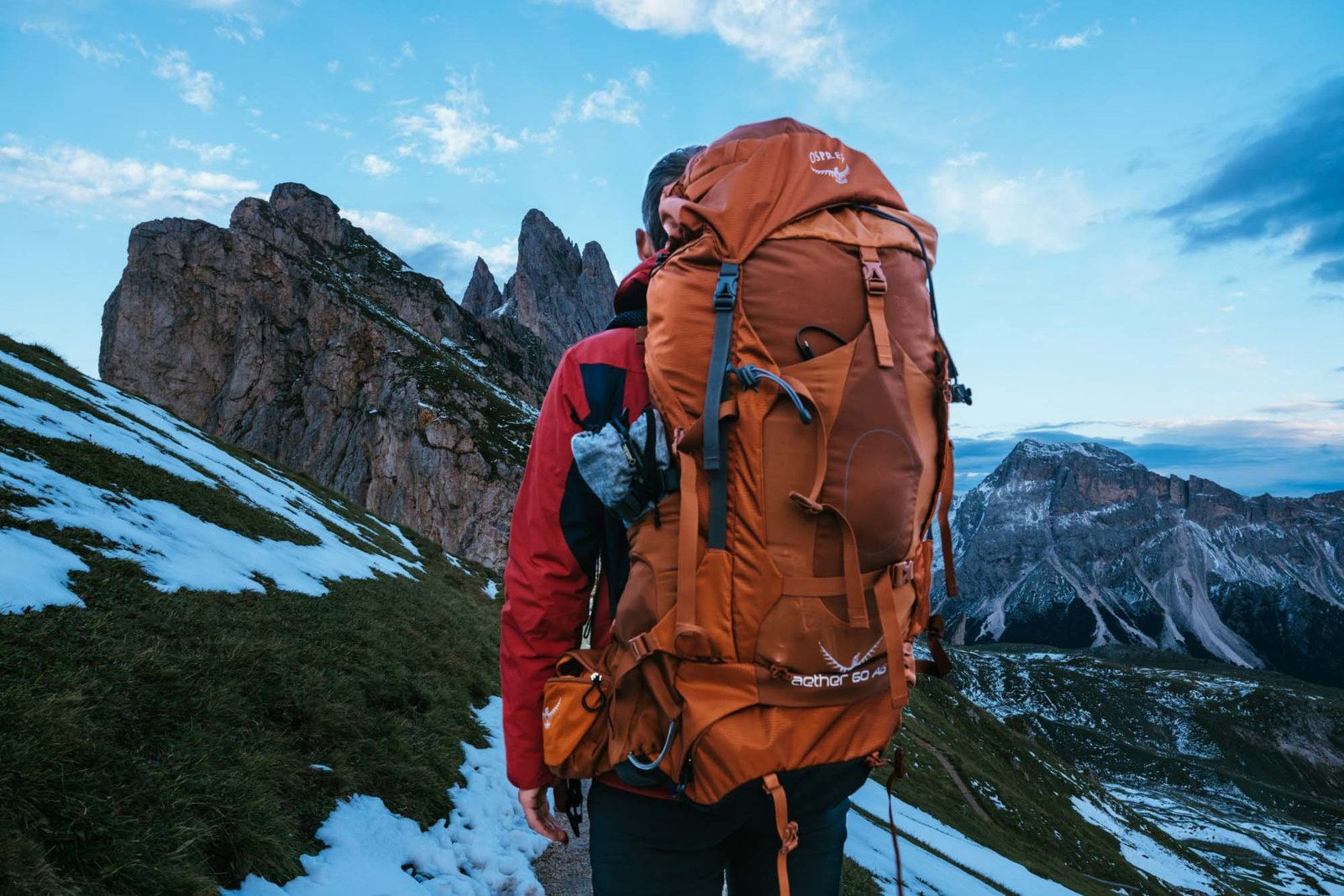
When I talk with buyers about premium hiking backpacks, I often hear the same question. They ask why one pack costs much more than another pack that looks similar on paper. I think this is the wrong starting point. A hiking pack is not just a sewn bag with shoulder straps. It is a load-carry system.1 It has to perform over time, under movement, and with weight. That changes how I judge value. From a manufacturing standpoint, a premium pack is usually the result of many small decisions working together. A copy can match the shape, the fabric name, and even the color story. Still, it can fail in the field because the comfort logic, reinforcement plan, and build consistency are not at the same level. That is why I always tell buyers to compare task fit and failure risk, not just the look or the spec sheet.
What Materials Make Osprey Hiking Packs Durable?
Cheap-looking copies often use the same material words as better packs. I have seen buyers trust fabric labels too much and miss how the full build affects real durability.
Durability in a hiking pack usually comes from the right mix of fabric weight, reinforcement placement, thread, webbing, foam, zippers, and panel construction. Based on common backpack development logic, materials matter most when they match the pack’s load, movement, and wear points.

From a manufacturing standpoint, fabric is only the first layer of the durability story. A buyer may ask for nylon with a known denier, ripstop texture, or recycled content. That is useful, but it is not enough. I look at where the material sits in the pack and what stress it carries. The bottom panel, front shove-it pocket area, shoulder strap base, hip belt connection, and zipper ends all face different forms of abuse. A strong fabric in the wrong place can still lead to early failure. A lighter fabric in the right structure can perform better.
I also pay close attention to the supporting parts. Thread quality matters. Stitch density matters. Bartack placement matters. Seam allowance matters. Foam recovery matters. Mesh choice matters too, because breathable mesh can abrade or stretch if the structure under it is weak. Hardware is another hidden factor. Buckles, adjusters, zipper pullers, cord locks, and frame parts need stable quality from lot to lot.
Here is how I usually break material durability down for buyers:
| Component | What Buyers Often Check | What I Check in Practice | Main Risk if Wrong |
|---|---|---|---|
| Main fabric | Denier, coating, brand name | Abrasion point match, seam stability, hand feel | Early wear or seam distortion |
| Bottom fabric | Thickness | Drag resistance, edge fold behavior | Bottom blowout |
| Mesh | Breathability | Snag risk, recovery, tension | Pocket tearing |
| Webbing | Width and color | Tensile strength, edge finish | Strap failure |
| Foam | Thickness | Compression recovery, cut accuracy | Comfort loss |
| Zipper | Brand only | Chain smoothness, tape strength, install quality | Access failure |
So when people ask me if a premium pack is durable because of “better fabric,” I usually say only partly. Based on common backpack development logic, real durability comes from matching each material to a function and then building it with control2. That integration is harder to copy than the fabric list.
How Does Osprey Design Packs for Better Comfort?
Many packs look good when empty. The problem appears after hours of carrying weight. That is where design logic starts to matter more than surface appearance.
Better comfort usually comes from how the pack manages load transfer, back-panel shape, strap angle, hip-belt structure, ventilation, and adjustment range. From a manufacturing view, comfort is designed through fit logic and pattern control, not just thicker padding.
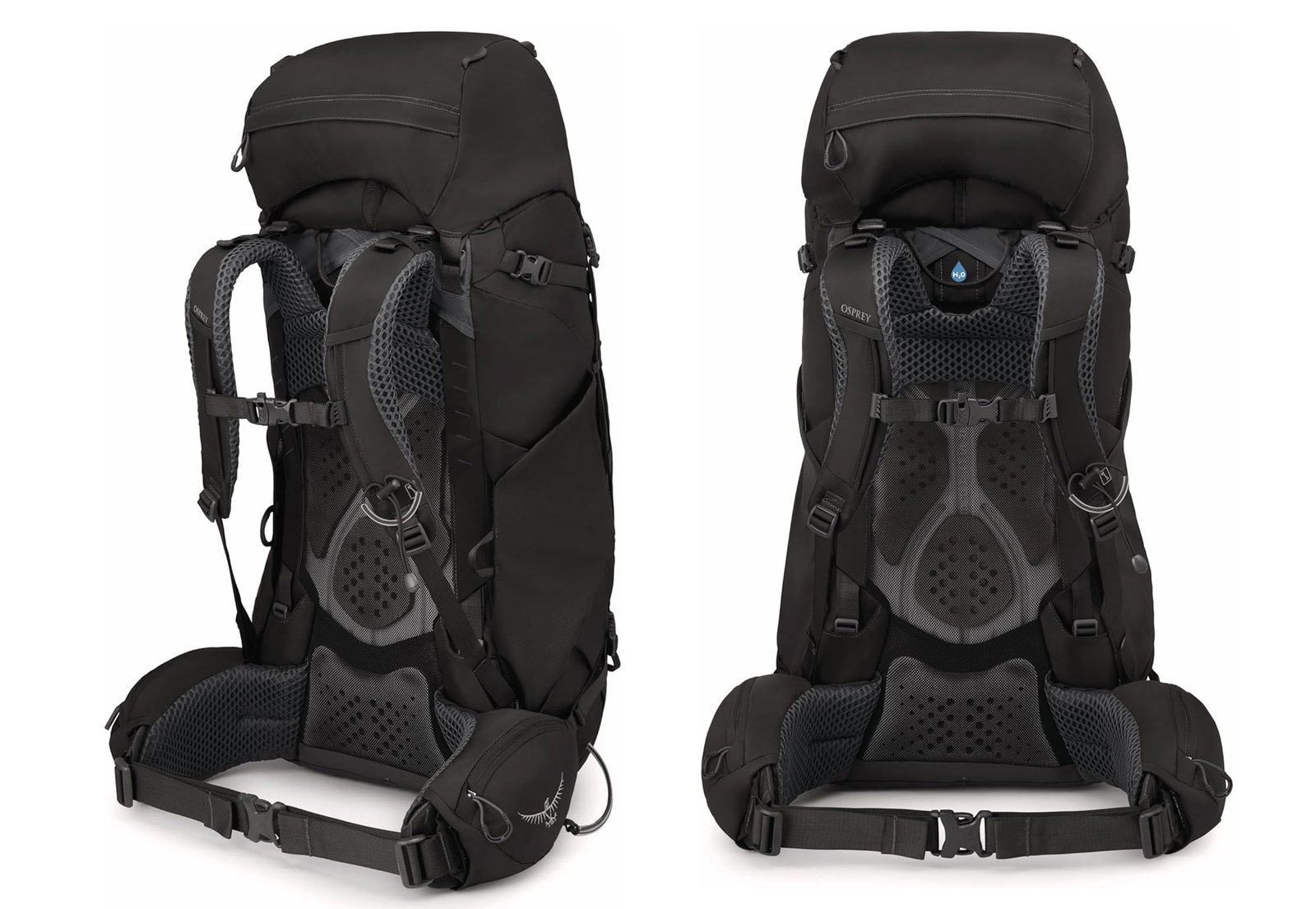
I think comfort is one of the easiest things for buyers to underestimate. A backpack can look almost identical to a premium model and still feel very different after real use. Based on common backpack development logic, comfort comes from geometry first and padding second3. I mean the relationship between torso length, shoulder anchor point, sternum strap path, load lifter angle, hip belt wrap, and back panel curve. If these points are off, extra foam will not fix the issue.
I have seen many sourcing discussions focus on visible details. Buyers ask about air mesh, thicker shoulder straps, and padded back support. Those matter. Still, they only work well if the pattern and frame logic are right. A premium hiking pack often feels more stable because the weight sits closer to the body and moves less during walking4. That result depends on panel shaping, frame support, and compression system balance.
Here is a simple way I explain comfort factors:
| Design area | What it does | What can go wrong in lookalikes |
|---|---|---|
| Shoulder strap angle | Helps load sit naturally | Neck rub, strap slip, shoulder pressure |
| Hip belt structure | Moves weight off shoulders | Poor transfer, hot spots, loose feel |
| Back panel shape | Supports posture and airflow | Pressure points, bounce, sweating |
| Load lifters | Fine-tune upper load position | Top-heavy carry, unstable movement |
| Compression straps | Stabilize contents | Internal shifting, uneven pull |
| Size/fit system | Matches different body types | One-size discomfort, return risk |
From a buyer’s point of view, this matters because comfort complaints are hard to solve after production5. You can replace a buckle. You cannot easily fix a bad carry profile. That is why I treat fit logic as one of the biggest hidden values in a premium pack. It likely reflects more development work, more testing rounds, and tighter tolerance in production.
What Manufacturing Details Define a Premium Hiking Pack?
A premium look can be copied fast. Premium execution is slower.6 I think many buyers only notice this after claims, returns, or field failures begin to appear.
A premium hiking pack is often defined by manufacturing details such as pattern accuracy, reinforcement mapping, seam consistency, clean binding, controlled tolerances, and reliable assembly of straps, frames, and hardware. These details reduce failure risk and improve repeatability across bulk production.
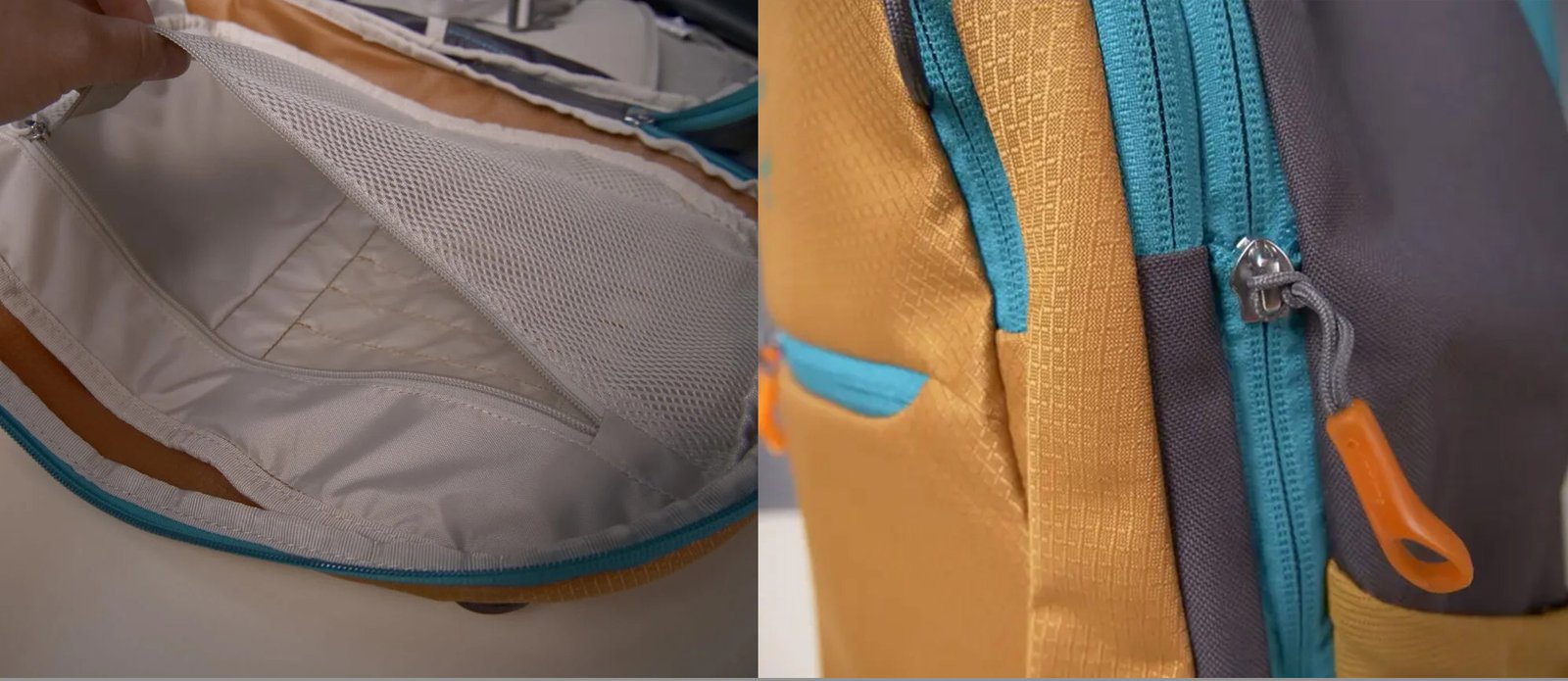
When I review hiking packs as a manufacturer, I often start inside the bag, not outside it. The hidden workmanship tells me more than the marketing page. Based on common backpack development logic, premium execution usually shows up in repeatability. One sample can be made to look great. The real test is whether the factory can make hundreds or thousands of units with the same carry feel, same stitch strength, same alignment, and same trim quality7.
Pattern accuracy is a major part of this. If panels are slightly off, the bag may twist, the zipper may wave, or the back system may sit unevenly.8 Reinforcement mapping is another key point. This means adding support exactly where stress happens, not just adding more material everywhere. Too little reinforcement causes failure. Too much reinforcement adds weight and stiffness in the wrong spots.
I also look at assembly discipline. Shoulder strap insertion depth, bartack direction, webbing heat-cut quality, zipper end finishing, edge binding tension, and foam nesting all matter. These are small details, but they affect both performance and long-term consistency.
Here is a simple manufacturing checklist I use:
| Manufacturing detail | Why it matters | Buyer risk if weak |
|---|---|---|
| Pattern precision | Keeps shape and fit stable | Distortion and poor carry |
| Reinforcement placement | Protects stress points | Tear-out and warranty claims |
| Stitch consistency | Supports load safety | Seam failure |
| Foam cutting and placement | Maintains comfort shape | Uneven pressure |
| Hardware alignment | Keeps straps and closures functional | User frustration |
| QC tolerance control | Ensures batch consistency | Mixed-quality shipments |
From my side, this is where “premium” becomes very practical. It is not only about prestige. It is about lower sourcing risk. A pack that is built with better production control is more likely to protect your brand after it reaches the market.9
Why Do Buyers Value Lightweight Hiking Backpacks?
Lightweight products are easy to market. But low weight alone does not make a pack good. I think buyers need to ask what kind of weight was removed and what function was kept.
Buyers value lightweight hiking backpacks because lower weight can improve mobility and reduce fatigue10. Still, the real value comes when weight is reduced without losing load stability, comfort, durability, or useful organization. Lightweight only matters when it fits the task.
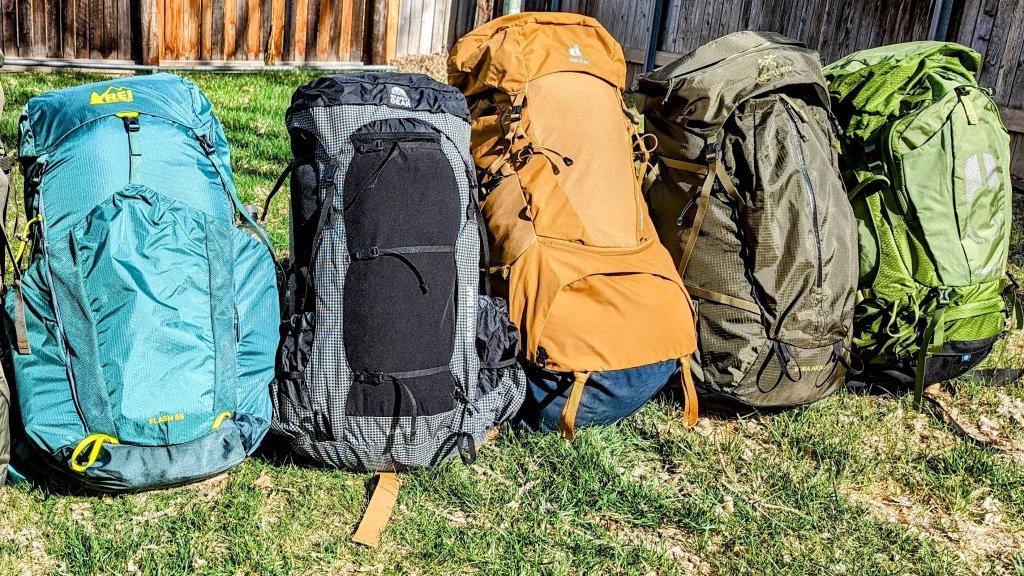
I hear the word “lightweight” in many buyer inquiries. The demand is real. End users like lighter gear. Retailers like simple selling points. Brand teams like strong comparison charts. Still, from a manufacturing standpoint, lightweight design is a trade-off exercise. Every gram removed comes from somewhere. It may come from lighter fabric, thinner foam, smaller hardware, simpler framing, fewer pockets, or reduced reinforcement. That can be smart. It can also be risky.
The real question is not whether a pack is light. The real question is whether it is light for its intended load and duration of use. A day-hike pack can remove structure that a multi-day trekking pack still needs.11 If a buyer copies a lightweight look without matching the use case, the result may be a pack that feels attractive on the shelf but unstable on the trail.
I often explain lightweight value like this:
| Lightweight choice | Possible benefit | Possible trade-off |
|---|---|---|
| Lighter fabric | Lower carry weight | Less abrasion margin |
| Less foam | Better packability | Lower comfort under load |
| Minimal frame | Reduced bulk | Less support |
| Fewer pockets | Lower complexity | Less access and organization |
| Smaller hardware | Weight saving | Lower durability margin |
So yes, buyers value lightweight backpacks for good reasons. But the smart buyer asks a second question. What performance level must stay intact? That is where premium pack design often stands apart. It likely reflects better judgment about what to remove and what must remain.
What Can Bag Buyers Learn from Osprey’s Pack Design?
Many buyers search for an “Osprey-like” pack. I think the bigger goal should be finding the right substitute logic, not copying the same visual language.
Bag buyers can learn to evaluate hiking packs by target user, carry load, fit system, failure points, and production consistency. The best alternative is not the closest lookalike. It is the product that matches the use case while controlling quality and after-sales risk.
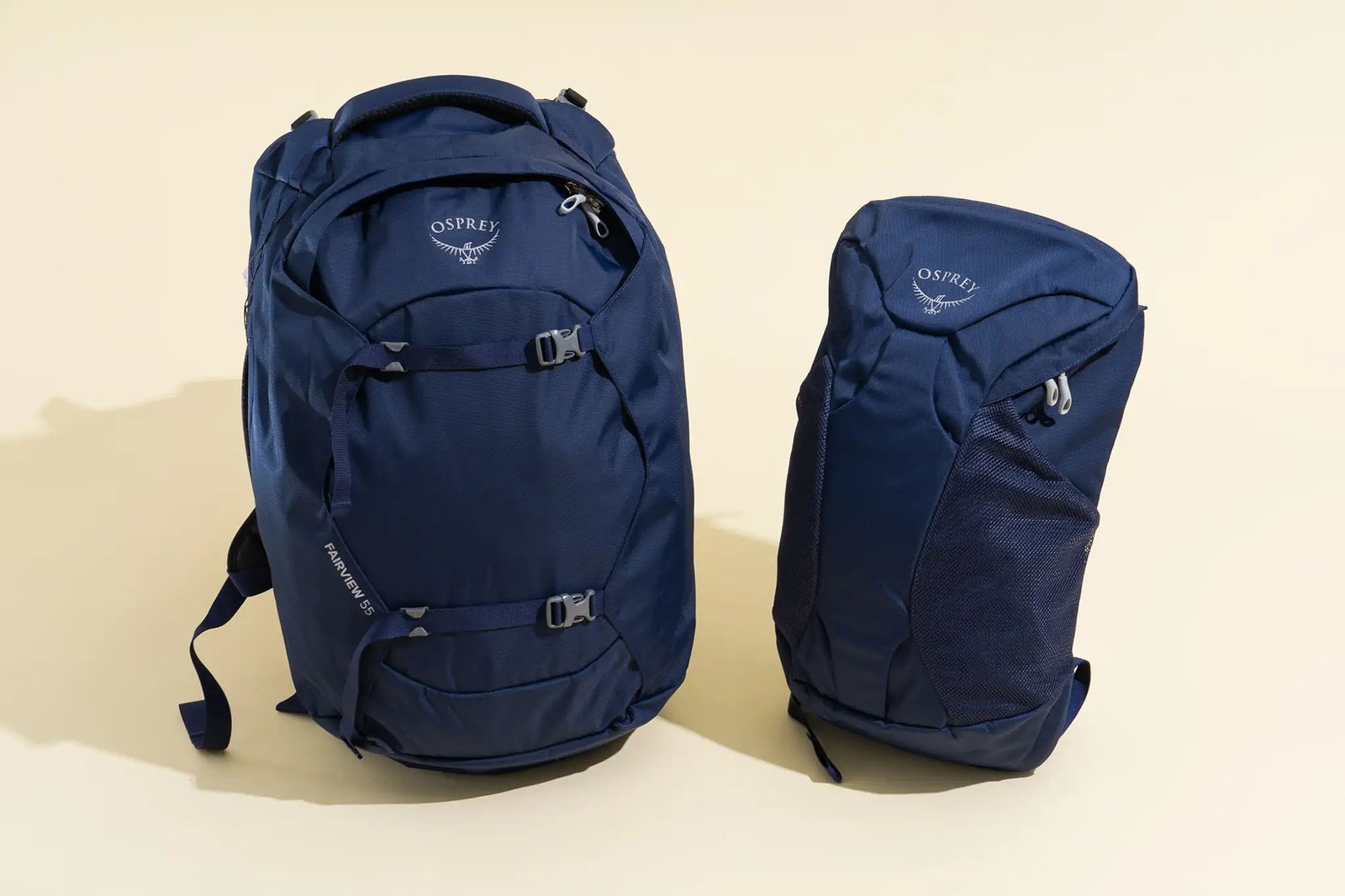
This is the part that matters most to me as a supply-chain practitioner. I do not think buyers gain much from asking only, “Can you make this pack cheaper?” I think a better question is, “What parts of this value are essential for my market, and what risks do I accept if I simplify them?” That changes the conversation from imitation to decision-making.
Based on common backpack development logic, a premium hiking pack teaches us that product value comes from fit between design and use. A buyer should define the target user first. Is the pack for casual travel, short day hikes, technical trekking, or mixed urban-outdoor use? Then the buyer should define load profile, carry duration, climate, pocket needs, and expected abuse level. After that, the factory can make rational decisions on materials, frame type, padding, access layout, and cost level.
I often use a buyer framework like this:
| Buyer question | Why it matters | Resulting sourcing choice |
|---|---|---|
| Who is the end user? | Sets comfort and style needs | Fit range and design direction |
| How much weight will they carry? | Defines support level | Frame, foam, reinforcement |
| How long will they wear it? | Affects fatigue risk | Strap shape and ventilation |
| What failure can the brand tolerate? | Impacts warranty cost | QC level and material margin |
| What features truly matter? | Prevents overdesign | Cost control and usability focus |
I have worked with buyers who brought in a reference sample and said they wanted the same thing at a much lower price. Sometimes that is possible for a different use case. Sometimes it is not. The problem comes when the buyer expects the same carry confidence, same durability under load, and same user trust from a build that removed key design logic. That gap is where complaints begin.
So the biggest lesson is simple. Do not compare hiking packs like flat commodities. Compare them like systems.12 If a premium model seems expensive, ask what work is hidden inside it. Then ask which parts your market truly needs and which parts you can safely change.
Conclusion
Osprey’s premium status likely comes from design integration, build control, and use-case fit, so smart buyers should compare substitutes by performance risk, not by appearance alone.
"Impact of Backpacks on Ergonomics: Biomechanical and ...", https://pmc.ncbi.nlm.nih.gov/articles/PMC9180465/. Ergonomics and biomechanics literature treats backpacks as load carriage systems, emphasizing how pack design influences load transfer, posture, and gait rather than functioning as a simple container alone. Evidence role: definition; source type: paper. Supports: Backpacks are commonly analyzed in ergonomics and biomechanics as load carriage systems whose design affects how weight is transferred to the body during movement.. ↩
"[PDF] The effects of different fabric types and seam designs on the seams ...", https://commons.emich.edu/cgi/viewcontent.cgi?article=1052&context=honors. Textile durability research indicates that service life depends not only on fabric properties such as abrasion resistance but also on seam construction, reinforcement strategy, and component performance under repeated loading. Evidence role: mechanism; source type: paper. Supports: Product durability in sewn load-bearing goods depends on the interaction of fabric properties, seam construction, reinforcement, and component quality.. ↩
"Impact of Backpacks on Ergonomics: Biomechanical and ... - PMC", https://pmc.ncbi.nlm.nih.gov/articles/PMC9180465/. Load-carriage studies report that perceived comfort depends substantially on pack fit, weight distribution, and the geometry of shoulder and hip interfaces; added padding may improve local pressure perception but does not by itself correct poor load transfer. Evidence role: mechanism; source type: paper. Supports: Backpack comfort is strongly influenced by fit geometry, load distribution, and pack-body interaction, while padding alone does not resolve poor load transfer.. ↩
"Impact of backpack load during walking: an EMG and biomechanical ...", https://pmc.ncbi.nlm.nih.gov/articles/PMC12064632/. Biomechanical research on load carriage shows that the position of carried mass relative to the trunk affects gait, postural demand, and perceived stability; support is contextual rather than a direct evaluation of any specific commercial pack. Evidence role: mechanism; source type: paper. Supports: Backpack configurations that keep the load nearer the body can reduce destabilizing moments and alter gait less than poorly positioned loads.. Scope note: Evidence is generally from controlled load-carriage studies and may not directly test the named brand or exact pack architecture discussed in the article. ↩
"Product Development Certificate", https://www.fitnyc.edu/academics/academic-divisions/ccps/noncredit/product-development.php. Product-development literature commonly notes that design and fit problems are less costly to address early in development than after production, which supports the article's argument that carry-comfort defects are difficult to remedy once a pack is made at scale. Evidence role: general_support; source type: education. Supports: Fit and ergonomic issues are typically more expensive and difficult to correct after tooling, grading, and production have been finalized.. Scope note: The support is based on general product-development principles rather than backpack-specific return data. ↩
"Tacit Knowledge and the Future of Work Debate", https://economics.mit.edu/sites/default/files/2025-06/Tacit%20Knowledge%20and%20the%20Future%20of%20Work%20Debate-042325.pdf. Operations and innovation research has long distinguished easily observed product features from tacit production capabilities, finding that process know-how and execution routines are more difficult to replicate than outward appearance alone. Evidence role: historical_context; source type: paper. Supports: Manufacturing capabilities and tacit process knowledge are generally harder to imitate than visible product features.. ↩
"Analysis of sewing defects and control measures for apparel industry", https://www.academia.edu/43583481/Analysis_of_sewing_defects_and_control_measures_for_apparel_industry. Quality-management frameworks describe process control and repeatability as central to producing consistent characteristics across batches, supporting the article's claim that premium execution is reflected in reliable unit-to-unit consistency. Evidence role: general_support; source type: institution. Supports: Consistent product characteristics across production lots are a core objective of quality management and process control in manufacturing.. ↩
"[PDF] Fashion Design ILO Alignment - Canada College", https://www.canadacollege.edu/assessmentsloplo/docs/1718alignmentreports/FashionDesign_SLOILOAlignment_December2018.pdf. Technical sewing and patternmaking references note that inaccuracies in patterning or panel cutting can produce distortion, misalignment, and closure irregularities, which provides contextual support for the article's examples involving twisting and zipper waviness. Evidence role: mechanism; source type: education. Supports: Accurate patterning and cutting are important for alignment, shape retention, and closure performance in sewn products.. Scope note: Most available sources discuss sewn-product construction generally rather than hiking backpacks specifically. ↩
"Consumers blame both manufacturer and retailer when products fail ...", https://mendoza.nd.edu/news/consumers-blame-when-products-fail/. Quality-management research links stronger process control to lower defect rates and fewer downstream failures, which in turn can reduce returns, warranty exposure, and reputational damage after products enter the market. Evidence role: general_support; source type: paper. Supports: Manufacturing quality control is associated with fewer defects and lower downstream risks such as returns, warranty claims, and reputational harm.. ↩
"The Effects of Load Carriage and Physical Fatigue on Cognitive ...", https://pmc.ncbi.nlm.nih.gov/articles/PMC4496096/. Load-carriage research consistently finds that heavier carried loads increase energy expenditure and fatigue and can impair mobility, supporting the article's statement that lower pack weight can improve movement efficiency. Evidence role: expert_consensus; source type: paper. Supports: Higher carried loads are associated with increased metabolic cost, fatigue, and mobility constraints during walking.. ↩
"Chapter 10: Outdoor Developed Areas - Access-Board.gov", https://www.access-board.gov/aba/guides/chapter-10-outdoor/. Outdoor education and pack-fitting guidance commonly distinguishes daypacks from backpacking packs by expected load and required support structure, indicating that longer trips and heavier loads generally call for more substantial suspension systems. Evidence role: general_support; source type: education. Supports: Packs intended for heavier or longer-duration loads typically require more supportive frame and suspension features than light day-use packs.. ↩
"Novel model for load carriage ergonomics optimisation - PMC", https://pmc.ncbi.nlm.nih.gov/articles/PMC4580766/. Systems-design and ergonomics literature emphasizes that product performance emerges from interactions among components and use conditions, supporting the article's recommendation to compare hiking packs as integrated systems rather than by isolated visible features. Evidence role: expert_consensus; source type: paper. Supports: Complex products with interacting components are better assessed through system-level trade-offs than through isolated feature comparison.. ↩