We often see buyers ask for bamboo viscose too fast. They want an eco story, but they may risk wrong claims, weak bags, and poor margins.
Bag buyers should source bamboo viscose through a finished bag factory, not as fabric alone. We suggest buyers verify composition, weight, finishing, documents, MOQ, cost, sampling, and bag performance before they commit to bulk production.
We have handled buyer questions about bamboo viscose in real bag projects. I have seen one simple fabric question become a full production discussion. The buyer first asked for a fabric price. Then we had to check bag use, handle strength, lining, printing, label claims, packing, and delivery. This is why I do not treat bamboo viscose as only a textile choice. I treat it as a finished product decision.
What Is Bamboo Viscose Fabric Used for in Bags?
We see buyers choose bamboo viscose because the material sounds soft and green. The problem starts when they use the same idea for every bag type.
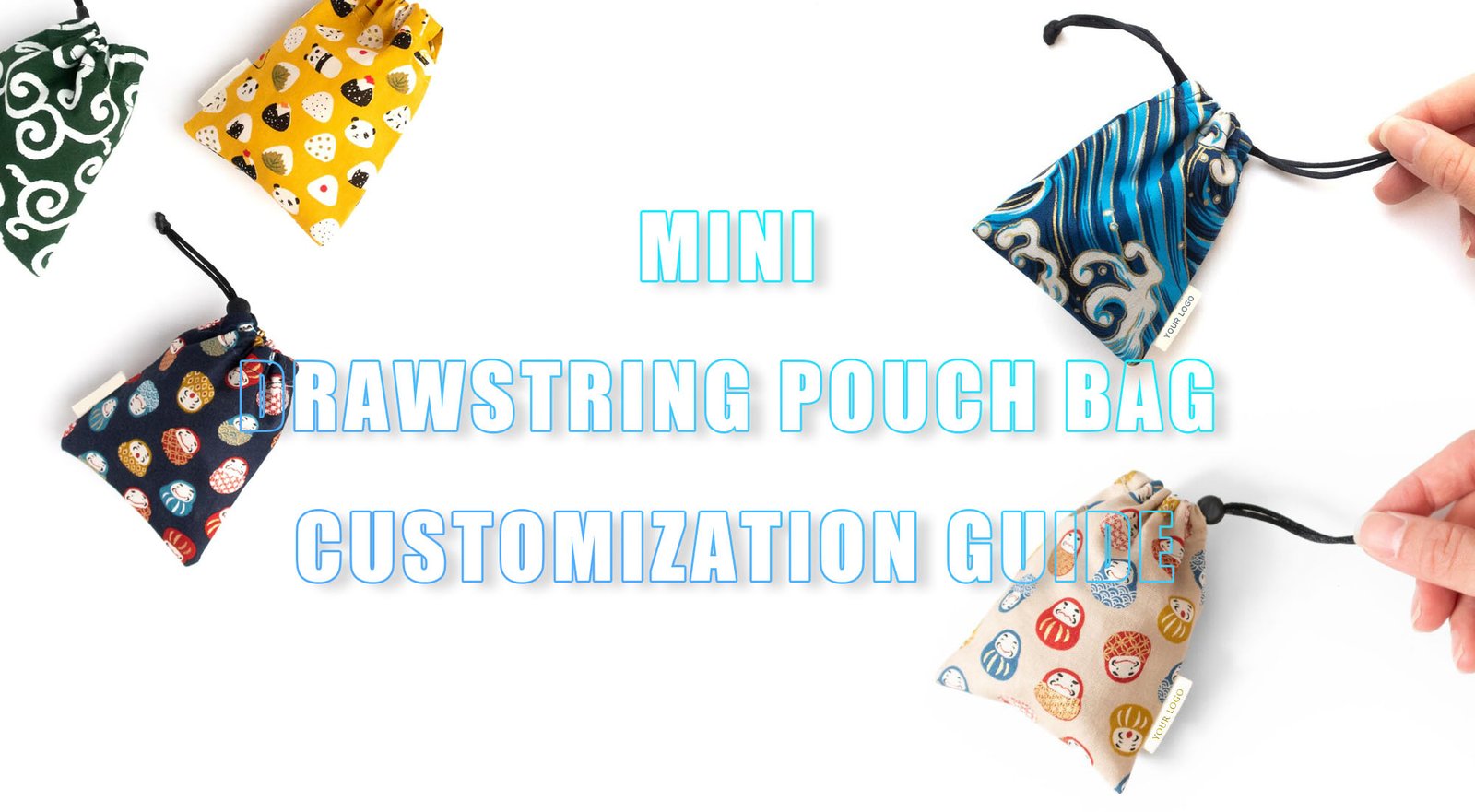
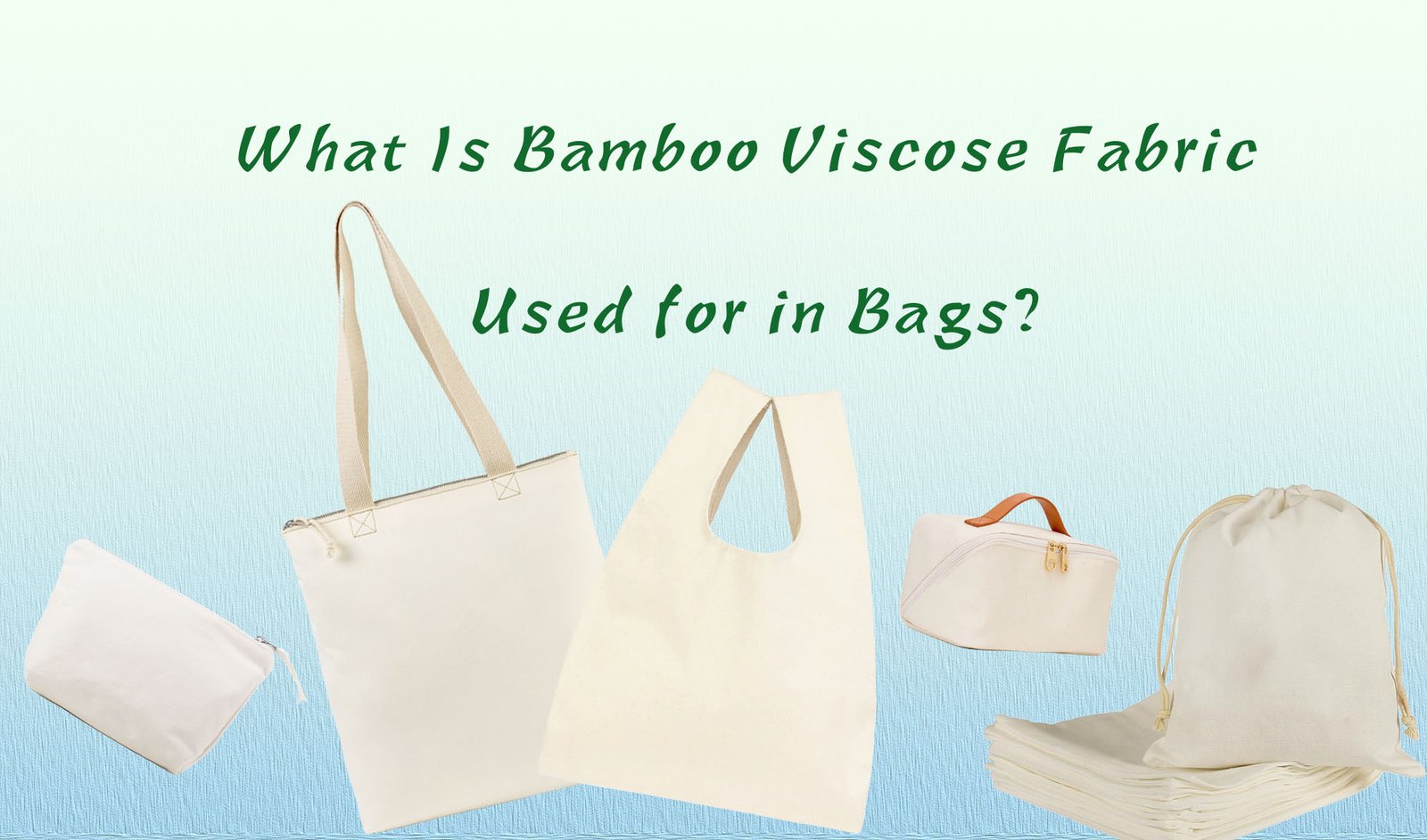
Bamboo viscose fabric is often considered for light lifestyle bags, cosmetic pouches, drawstring bags, tote panels, lining, and branded gift bags. We still need to check strength, structure, finishing, and care needs before we use it in a finished bag.
I first check the bag use case
I usually ask the buyer one basic question first. I ask, “What will people put inside this bag?” This question looks simple, but it changes the whole sourcing route. A small cosmetic pouch has different needs from a grocery tote1. A promotional drawstring bag has different pressure points from a travel organizer. Bamboo viscose may feel soft and may support a comfort or eco-positioned story. But a bag also needs load strength, shape control, seam strength, color fastness, and stable production2.
| Bag Type | Possible Use of Bamboo Viscose | Key Risk I Check |
|---|---|---|
| Cosmetic bag | Outer fabric or lining | Stain, coating, shrinkage |
| Tote bag | Light outer panel | Handle load and seam strength |
| Drawstring bag | Body fabric | Fabric tearing near cord channel |
| Gift bag | Branding surface | Printing and finishing stability |
| Travel pouch | Inner layer | Abrasion and shape support |
I do not assume one fabric fits all bags
I have seen buyers ask for bamboo viscose because their marketing team wants an eco-positioned material. I understand that need. But I still separate the marketing idea from the production reality. We need to know if the fabric needs lamination, backing, coating, or a mixed construction. We also need to know if the buyer needs a soft handfeel or a strong body. In our sourcing discussions, bamboo viscose is more practical when the bag design matches the material limits. I do not suggest that buyers buy fabric first and hope the factory can make anything from it. I prefer to confirm the finished bag structure first, then match the fabric specification.
Is Bamboo Viscose Fabric Suitable for Custom Bags?
We often see buyers think custom bags only need custom logos. They may miss the fact that fabric behavior also changes the custom result.
Bamboo viscose can be suitable for custom bags when the design, fabric weight, weave, finishing, printing method, and reinforcement plan all match the bag’s real use3. Buyers should confirm this through samples before bulk orders.

I match the material with the custom process
When we develop custom bags, I do not look at bamboo viscose alone. I look at the whole bag. I check whether the buyer needs screen printing, digital printing, embroidery, woven labels, heat transfer, or private label packaging. Each custom process affects the material. A soft fabric may not hold a sharp print in the same way as a coated synthetic fabric4. A thin fabric may need backing5. A loose weave may change the logo edge. A light-colored bamboo viscose fabric may show glue marks or inner seams if the design is not planned well.
| Custom Need | What I Check First | Why It Matters |
|---|---|---|
| Logo printing | Surface smoothness | I need clean brand display |
| Embroidery | Fabric stability | I need to avoid puckering |
| Private label | Composition declaration | I need correct market claims |
| Custom color | Dye lot control | I need consistent bulk color |
| Special packing | Crease recovery | I need good shelf appearance |
I use samples to reduce buyer risk
In one sampling discussion, a buyer wanted a soft pouch with a bamboo viscose story. The first idea looked nice on paper. But after we discussed the zipper, lining, inner binding, logo size, and packing method, the fabric needed extra support. This did not mean the material was wrong. It meant the structure needed adjustment. We usually ask buyers to confirm the final sample with real accessories, real logo method, and real packing. I do not suggest approving a small fabric swatch only. A swatch can show handfeel and color, but it cannot show how the finished bag performs after sewing, turning, pressing, and packing6. For OEM and ODM projects, I believe the finished sample is the key check point.
What Should Bag Buyers Check Before Sourcing Bamboo Viscose?
We see many buyers ask only for price per meter. That number can look good, but it can hide many sourcing risks.
Bag buyers should check composition, fabric weight, weave, width, finishing, color fastness, shrinkage, loss rate, documents, MOQ, lead time, and finished bag feasibility before sourcing bamboo viscose.
I separate fabric facts from marketing words
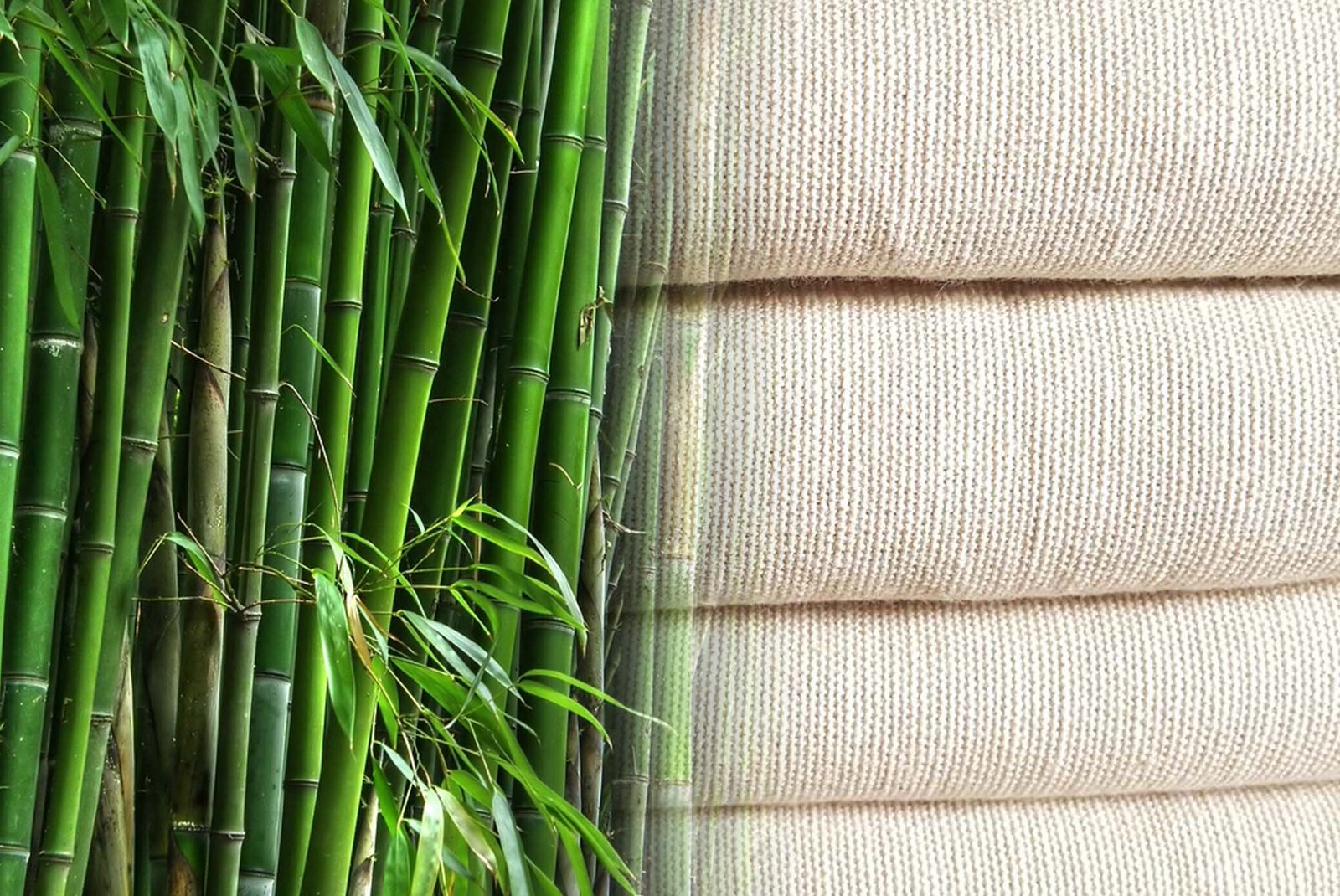
I often hear buyers use “bamboo viscose” and “natural bamboo fiber” as if they mean the same thing7. I do not treat those words as proof. I ask for documentation. We are not a lab or a certification body. So we do not certify the fiber by ourselves. We ask buyers to verify claims with suppliers, test reports, or third-party documents when the target market requires proof. This matters because a retail buyer may later need a correct composition label, a claim approval, or a compliance file8. A nice eco sentence on a product page is not enough.
| Check Item | What I Ask For | Why I Ask |
|---|---|---|
| Composition | Supplier declaration or test document | I need accurate labeling |
| Fabric weight | GSM or oz details | I need bag strength planning |
| Weave or knit | Fabric structure | I need production stability |
| Finishing | Coating, washing, softening | I need to predict behavior |
| Loss rate | Cutting and defect estimate | I need real cost control |
| Claims | Certification or report if needed | I need safer marketing use |
I also check production feasibility
A fabric price does not tell me the final bag cost. I still need to check cutting loss, fabric width, pattern layout, sewing difficulty, defect rate, and inspection standards. A low fabric price can become a high bag cost if the fabric stretches, shrinks, wrinkles badly, or fails printing9. I also ask about color lot control because large buyers need stable repeat orders. For supermarket, gift, and retail programs, one late correction can affect the delivery date. That is why I prefer a sourcing flow where the bag factory coordinates with the fabric supplier and checks the material in bag production. When the buyer sources fabric alone, the buyer may save time at the beginning but lose time during sampling and bulk correction.
What MOQ Do Manufacturers Usually Require for Bamboo Viscose Bags?
We see buyers expect flexible custom orders, but bamboo viscose may need fabric MOQ, dye MOQ, and bag production MOQ at the same time.
MOQ for bamboo viscose bags depends on fabric availability, custom color, printing, bag size, accessories, and factory production planning. Stock fabric can reduce MOQ, while custom fabric or custom dye usually increases it.
I explain MOQ as a cost and setup issue
When buyers ask us for MOQ, I do not give one fixed answer before I know the project. MOQ is not only a factory rule. It also comes from fabric mills, dye houses, printing setup, cutting efficiency, and sewing line planning10. If a buyer uses stock bamboo viscose fabric, the MOQ can be more flexible. If a buyer needs a special color, special weave, special finishing, or certified material, the MOQ may rise. If a buyer needs a complex bag with many parts, the cutting loss also affects the minimum quantity.
| MOQ Factor | Lower MOQ Situation | Higher MOQ Situation |
|---|---|---|
| Fabric source | Stock fabric available | Custom fabric production |
| Color | Existing color | Custom dye lot |
| Logo | Simple label | Full panel print |
| Bag structure | Simple pouch | Reinforced tote or travel bag |
| Documents | Basic declaration | Specific testing or certification |
| Delivery time | Normal schedule | Urgent production slot |
I help buyers avoid false low MOQ promises
I know buyers like flexible small orders because they need to test the market. We support flexible solutions when the project allows it. But I also warn buyers about unrealistic promises. A supplier may say yes to a very small MOQ, but the final unit price may become too high. The fabric may also come from leftover stock, and repeat orders may not match the first color. For B2B buyers, this is a serious issue. They need repeatable supply, not only one attractive sample. I usually suggest that buyers share the target quantity, target price, and sales plan early. Then we can check if stock material, shared fabric, standard accessories, or a simplified structure can help reduce MOQ without hurting quality. This way, the buyer can control risk and still keep a professional product.
How Can Brands Balance Sustainability, Cost, and Quality?
We see brands want a greener story, a low price, and strong quality at the same time. This goal is possible only with clear trade-offs.
Brands can balance sustainability, cost, and quality by defining the bag use first, verifying material claims, choosing practical specifications, testing samples, and planning MOQ and delivery before bulk production.

I build the decision around the finished bag
I do not start with a slogan. I start with the bag. I ask what the buyer wants the bag to carry, how long the user should reuse it, where the product will be sold, and what claims the brand wants to print. A reusable bag with a weak structure is not truly useful for the customer11. A material with unclear documents can also create claim risk. A beautiful design can still fail if the price target is unrealistic. So I put the three goals on one table before I recommend the route.
| Goal | Buyer Question | Factory Check |
|---|---|---|
| Sustainability | What claim will I make? | I ask for documents and clear labels |
| Cost | What is my target landed cost? | I check fabric, labor, loss, and packing |
| Quality | What load and reuse level do I need? | I check structure, stitching, and tests |
| Delivery | When do I need goods? | I check fabric lead time and line capacity |
| Branding | What story does my customer expect? | I check logo method and packaging |
I use trade-offs instead of vague promises
I tell buyers that every choice has a cost. A heavier fabric may feel stronger, but it may raise material cost and freight weight. A softer fabric may feel premium, but it may need backing for shape. A certified or documented material may help the brand story, but it may affect MOQ and lead time. A very low price may be possible only with a simple structure and standard material. These trade-offs are normal. The important thing is to make them before sampling, not after bulk production starts. In our factory work, we can help coordinate material checks, sample development, production planning, and quality inspection. We do not replace testing bodies or certification agencies. But we can help buyers ask better questions and avoid sourcing bamboo viscose as a loose fabric with no finished bag plan.
Conclusion
We source bamboo viscose bags best when we verify claims, test finished samples, and match material choices with real use, cost, MOQ, and delivery.
"Could we recycle plastic bags into fabrics of the future?", https://news.mit.edu/2021/plastic-bags-recycle-fabrics-0315. Product performance literature on sewn textile goods notes that end use and expected load determine relevant requirements such as seam strength, tear resistance, and dimensional stability; this supports distinguishing a light cosmetic pouch from a higher-load grocery tote. Evidence role: mechanism; source type: research. Supports: That carrying load, intended use, and product construction affect required seam strength, tear resistance, and overall performance.. ↩
"[PDF] Textile quality assurance: A comparison between education and ...", https://dr.lib.iastate.edu/bitstreams/532d5995-3bc0-4d36-af3e-c8cc63c4cd55/download. Standard textile testing frameworks commonly evaluate mechanical properties such as seam or tensile strength together with dimensional stability and color fastness; these criteria are therefore relevant when assessing fabrics for bag construction. Evidence role: expert_consensus; source type: institution. Supports: That textile product assessment commonly includes mechanical strength, dimensional stability, and color fastness among key performance properties.. ↩
"[PDF] CLOTHING AND TEXTILES INTERMEDIATE PROJECT GUIDE", https://utia.tennessee.edu/publications/wp-content/uploads/sites/269/2023/10/W1061F.pdf. Textile product development guidance emphasizes that fabric suitability depends on end use, fabric structure, finishing, and construction details rather than fiber identity alone, supporting the need to match bamboo-viscose specifications to the actual bag design. Evidence role: general_support; source type: education. Supports: That textile material selection should be based on end use, structure, finishing, and construction requirements rather than on fiber name alone.. ↩
"Assessment of the Impact of the Surface Modification Processes of ...", https://pmc.ncbi.nlm.nih.gov/articles/PMC8962984/. Textile printing studies report that substrate surface smoothness, absorbency, and coating influence ink spread and edge definition, which supports the observation that a soft uncoated fabric may not produce the same print sharpness as a coated synthetic substrate. Evidence role: mechanism; source type: research. Supports: That substrate surface characteristics and absorbency influence print definition and image sharpness in textile printing.. ↩
"Effect of Some Construction Factors on Fabrics Used in Traveling Bags", https://www.academia.edu/3325948/Effect_of_Some_Construction_Factors_on_Fabrics_Used_in_Traveling_Bags. Sewn-product construction references explain that lightweight or flexible fabrics are frequently paired with backing or interlining to improve stability, opacity, and shape retention; this supports the statement that thin fabrics may need additional support in bag applications. Evidence role: mechanism; source type: education. Supports: That lightweight fabrics are often reinforced with backing, interlining, or other support layers to improve shape retention and stability.. ↩
"[PDF] A STUDY OF THE EFFECTIVENESS OF A SEWING METHOD TO ...", https://vtechworks.lib.vt.edu/bitstream/handle/10919/101389/LD5655.V855_1966.T656.pdf. Product development guidance for sewn goods notes that material swatches can indicate properties such as color and hand but cannot fully predict behavior after cutting, sewing, pressing, and packaging, making prototype evaluation necessary for finished-product performance. Evidence role: mechanism; source type: education. Supports: That full prototypes reveal manufacturing and performance issues not visible in raw material swatches alone.. ↩
"Bamboo Textiles - Federal Trade Commission", https://www.ftc.gov/bamboo-textiles. Regulatory and reference sources distinguish regenerated bamboo viscose or rayon from mechanically processed bamboo fiber, indicating that the terms are not interchangeable for fiber identification or labeling purposes. Evidence role: definition; source type: government. Supports: That most 'bamboo' textiles sold as viscose/rayon are regenerated cellulose products and are distinct from true bamboo fiber obtained through mechanical processing.. ↩
"16 CFR Part 303 -- Rules and Regulations Under the Textile Fiber ...", https://www.ecfr.gov/current/title-16/chapter-I/subchapter-C/part-303. Government textile-labeling rules in major markets require accurate fiber-content disclosure and related compliance records, supporting the statement that retail buyers may need correct composition labels and supporting documentation. Evidence role: historical_context; source type: government. Supports: That textile products in major markets are subject to fiber labeling and related compliance documentation requirements.. ↩
"A case study in the textile industry for the reduction of cost of quality", https://www.academia.edu/101591943/A_case_study_in_the_textile_industry_for_the_reduction_of_cost_of_quality. Manufacturing and quality studies show that unstable material behavior and defects can raise total production cost through lower yield, rework, and quality failures; this supports the point that a low fabric price does not necessarily translate into a low finished-bag cost. Evidence role: mechanism; source type: research. Supports: That fabric defects or unstable material behavior can increase manufacturing costs through waste, rework, lower yields, or print failures.. ↩
"[PDF] production planning and inventory control modelling in a composite ...", https://repository.gatech.edu/bitstreams/fd841e21-b59f-421e-9a44-40a349f5eb2d/download. Operations and textile-production sources explain that minimum order quantities often arise from batch economics, machine setup, dye-lot size, and line-planning constraints across the supply chain rather than from a single factory rule alone. Evidence role: mechanism; source type: education. Supports: That MOQ in textile and sewn-product supply chains often reflects batch sizes, setup costs, and production-planning constraints across multiple suppliers.. ↩
"[PDF] Life Cycle Assessment of Grocery Bags in Common Use in the ...", https://open.clemson.edu/cgi/viewcontent.cgi?article=1006&context=cudp_environment. Life-cycle studies of shopping bags indicate that the environmental advantages of reusable designs depend on actual repeated use, which in practice requires adequate durability and structural performance; this supports the argument that a weak reusable bag may not deliver its intended value. Evidence role: general_support; source type: research. Supports: That the environmental benefit and practical value of reusable bags depend in part on sufficient durability and repeated use.. ↩