Many buyers ask for a “heavy-duty fabric” and assume thicker is safer. I have seen that choice lead to cost waste, bad handling, and bulk production problems.
PVC laminated fabric is useful for heavy-duty bags when the bag needs structure, surface protection, wipe-clean use, and weather resistance at a workable cost1. It is not the best choice for every bag. The right decision depends on load, use scene, look, and production fit.
I have handled many buyer discussions where the first request sounded simple. They asked for a strong fabric. Then the sample stage showed the real issue. The bag needed the right balance, not just more thickness. That is why I always bring the question back to use, risk, and fit before I say yes to PVC laminated fabric.
What Is PVC Laminated Fabric in Bag Manufacturing?
Many people hear the term and think it means one fixed material. That idea creates confusion fast, especially when a sample looks right but behaves differently in production.
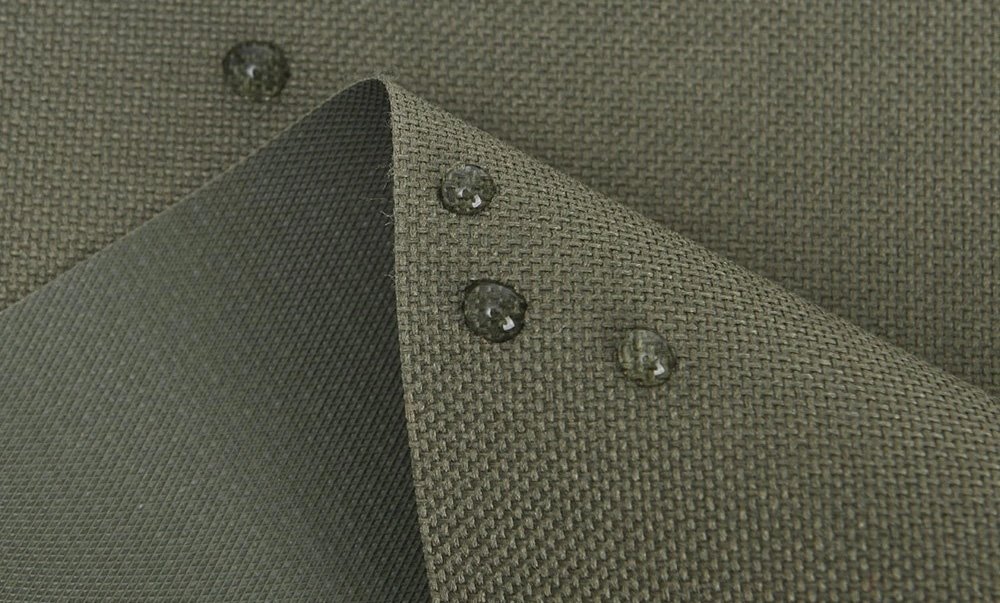
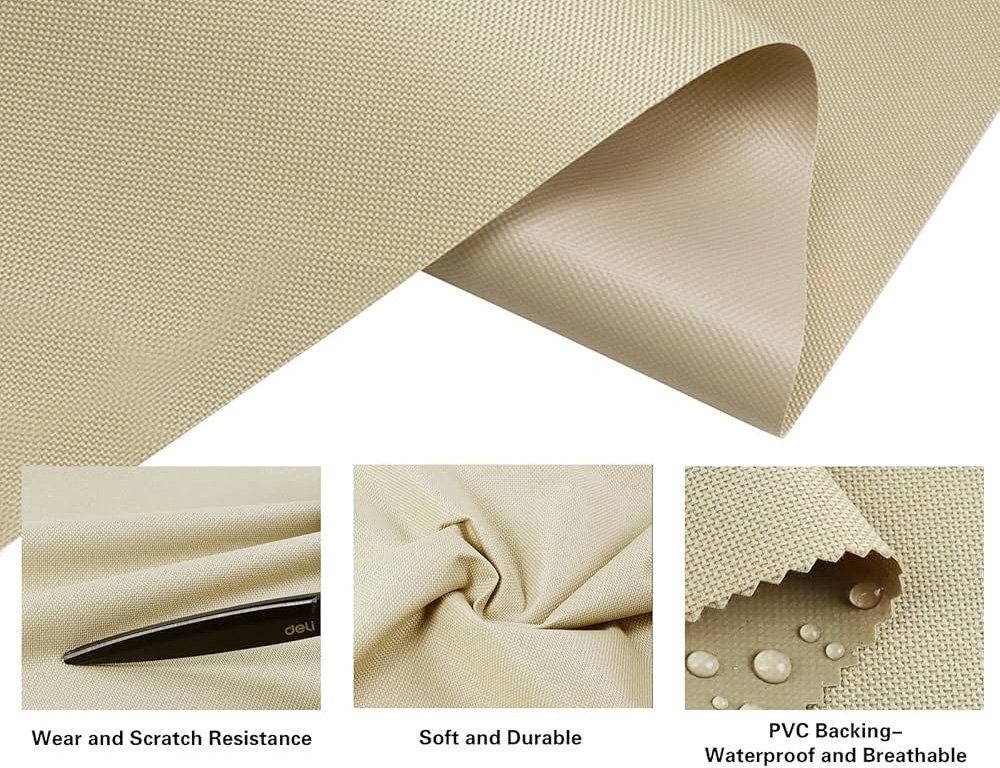
In bag manufacturing, PVC laminated fabric usually means a base fabric with a PVC layer added to the surface or bonded onto it2. The base gives support. The PVC layer changes the surface feel, structure, water resistance, and cleaning convenience.3
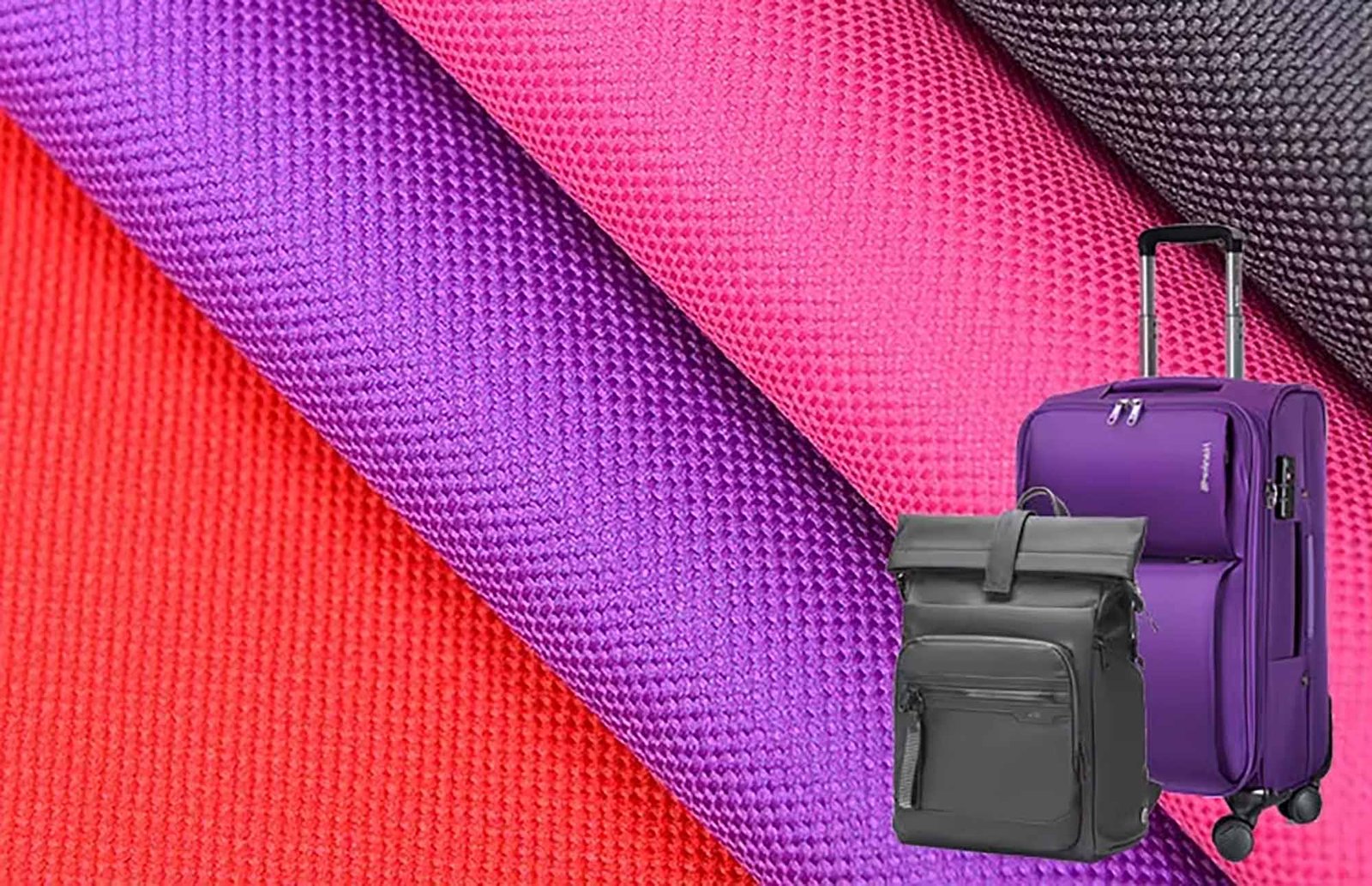
When I explain this to buyers, I start with a simple point. PVC laminated fabric is not one magic fabric. It is a material system. One part is the textile base. That base may be polyester, nonwoven, canvas, or another fabric depending on the bag design. The other part is the PVC layer. That layer changes how the fabric feels and performs on the outside.
This matters because two fabrics can both be called PVC laminated, yet they can behave very differently. One may feel stiff and hold shape well. Another may feel softer and fold more easily. One may look glossy. Another may look matte. One may work well for a utility tote. Another may create sewing trouble on a shaped backpack.
I often see a buyer touch a sample and say, “This feels durable.” I understand that reaction. But surface feel is only one clue. In real sourcing, I need to ask more:
| Question | Why I Ask It | Risk if Ignored |
|---|---|---|
| What is the bag used for? | Use decides required performance | Wrong material match |
| How much weight will it carry? | Load affects seam and body needs | Bag deforms or fails |
| Is the bag used outdoors? | Weather changes material priority | Surface ages poorly |
| Does it need easy cleaning? | PVC can help on wipe-clean use | Buyer expects wrong benefit |
| Does the bag need a premium look? | PVC finish affects appearance | Visual mismatch in market |
So when I say “PVC laminated fabric,” I never mean “best by default.” I mean a construction option with clear pros, limits, and production effects.
Why Is PVC Laminated Fabric Used for Heavy-Duty Bags?
Buyers often ask for PVC laminated fabric because they want a safe answer. I have seen that instinct many times. The problem is that “safe” on paper can still be wrong in actual use.
PVC laminated fabric is used for heavy-duty bags because it can add surface protection, shape, and wipe-clean convenience at a practical cost4. It is a strong option when the bag faces rough handling, dirty environments, or repeated outdoor use.
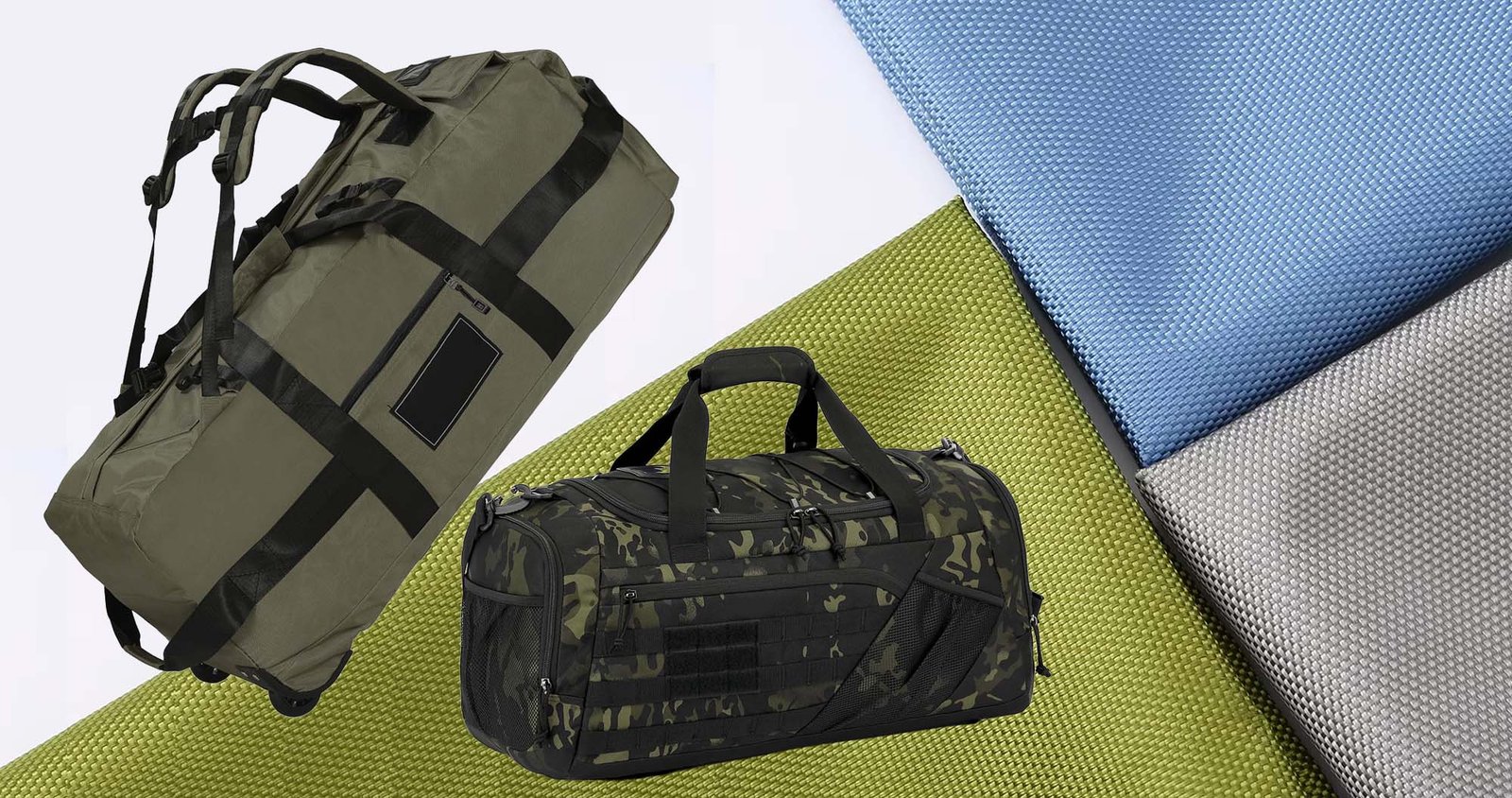
I think the better question is not “Is PVC laminated fabric heavy-duty?” The better question is “What job does the bag need to do?” I have seen buyers use “heavy-duty” as a shortcut. They really meant one of several different needs. Sometimes they wanted the bag to carry more weight. Sometimes they wanted it to stand up by itself. Sometimes they wanted it to survive wet ground or dirty warehouses. Those are not the same need.
PVC lamination is often chosen because it helps with several practical needs at once. The surface can resist moisture better than many plain fabrics.5 The bag can feel more structured. The outer layer can be easier to wipe. The price can also stay within a mass-market target.6 For large retail or promotion projects, this balance matters a lot.
Still, I have also seen the wrong use. A buyer selected a very stiff PVC laminated fabric for a bag that needed to fold flat in shipping. The sample looked impressive. The packed carton result was poor. We lost packing efficiency. The bag also felt less user-friendly.
Here is how I break down the real reasons buyers choose it:
| Need | Why PVC Lamination May Help | What It Does Not Automatically Solve |
|---|---|---|
| Outdoor splash exposure | Better surface barrier | Full waterproof bag design |
| Dirty work setting | Easier to wipe surface | Long-term chemical resistance |
| Need for bag shape | Adds stiffness | Better comfort in carrying |
| Value pricing | Good cost/performance in many cases | Premium hand feel |
| Visual impact | Glossy or coated look | Luxury appearance |
So yes, PVC laminated fabric is often used for heavy-duty bags. But I only support that choice when the bag’s real use matches what the material can actually do well.
How Does PVC Lamination Improve Bag Strength and Durability?
A lot of people think lamination itself makes a bag strong in every way. I have seen this idea create wrong expectations during sample approval and even more trouble after shipment.
PVC lamination can improve durability by protecting the surface, adding body, and helping the fabric resist certain wear conditions.7 Still, total bag strength depends on the base fabric, seam design, load distribution, and construction quality, not the coating alone8.
This is one of the most important points I share with buyers. Strength is not one single thing. Durability is not one single thing either. A bag can be stiff but not abrasion-ready. A bag can be water-resistant on the surface but weak at the seams. A bag can look thick but fail under repeated fold stress. I have seen all three cases.
PVC lamination can help in useful ways. It can create a more protected outer surface. It can reduce how quickly the fabric face shows dirt or surface wear in some use scenes. It can also make the panel feel firmer. That firmness may help a shopping tote, tool bag, or utility carry bag keep its shape better.
But I never treat that as the whole story. The real bag result depends on several linked parts:
| Factor | What It Affects | My Practical View |
|---|---|---|
| Base fabric type | Core support and tear behavior | Often more important than buyers expect |
| PVC layer thickness | Surface feel and stiffness | Too much can hurt sewing or folding |
| Stitching and seam allowance | Load survival | Weak seams waste a strong fabric |
| Reinforcement points | Strap and corner life | Needed for heavy loads |
| Bag structure | Stress distribution | Design can reduce failure risk |
One mistake I often see is the “thicker must be better” idea. In real production, a thicker laminated fabric may create needle marks, edge bulk, turning difficulty, and shape inconsistency9. It may also make the bag too rigid for the user. So I look for fit, not just force. A good heavy-duty bag is not simply hard or thick. It is balanced for use, assembly, shipping, and repeat orders.
Is PVC Laminated Fabric Waterproof and Easy to Clean?
Many buyers use “waterproof” as a loose word. Then they expect the full bag to survive heavy rain, rough use, and dirt with no design support. I have seen that gap cause claims later.
PVC laminated fabric usually offers good surface water resistance and is often easy to wipe clean.10 But that does not mean the entire finished bag is fully waterproof11. Seams, zippers, stitch holes, and construction details still matter.
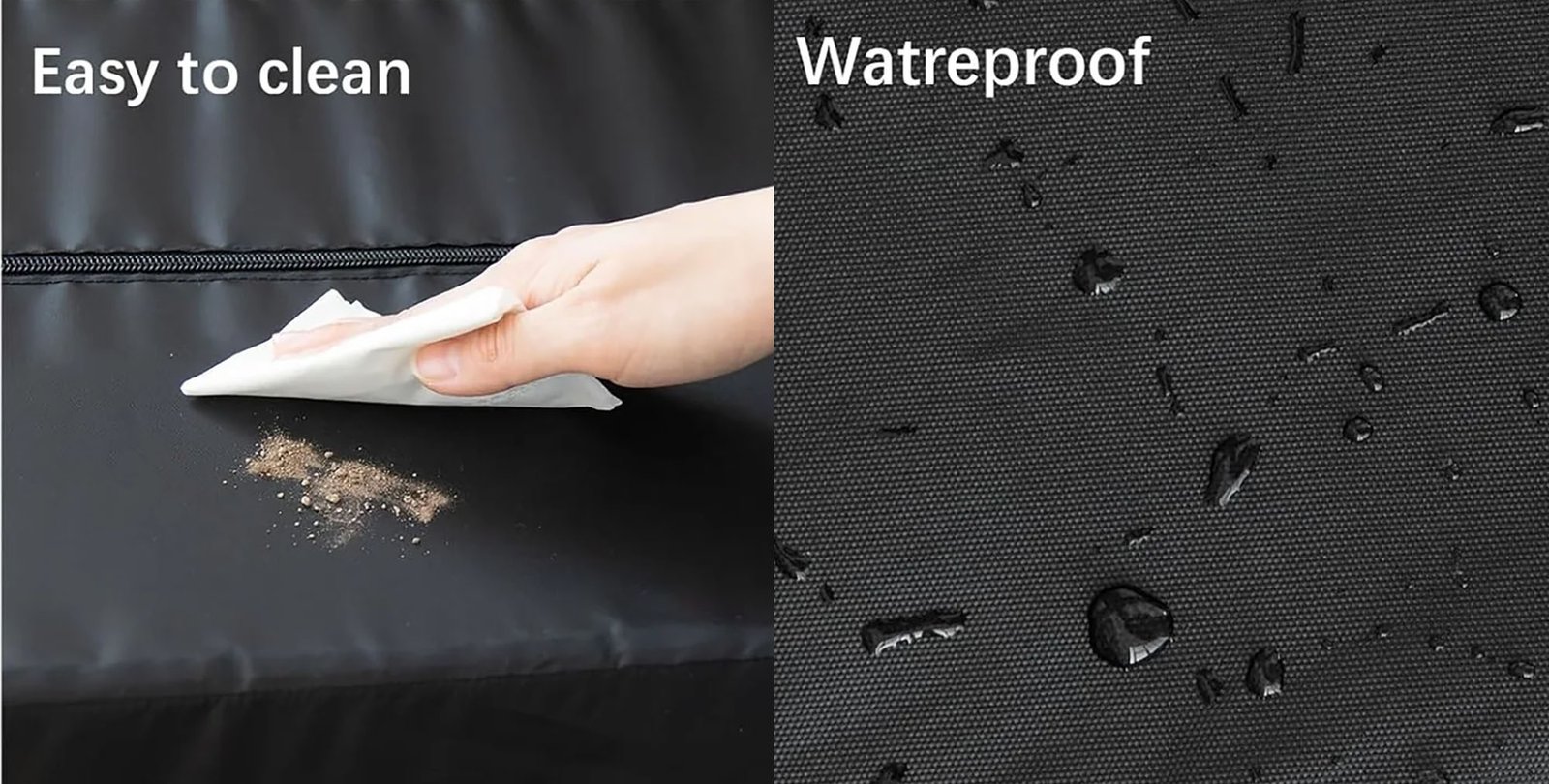
I always separate these claims because they are not the same. Surface water resistance is one thing. Full waterproof performance is another thing. Easy cleaning is also its own benefit. A buyer should not merge these into one broad word like “durable.”
In daily B2B work, PVC laminated fabric is often useful because warehouse dust, food splashes, mud marks, and light moisture can be cleaned more easily from the surface than with many plain textiles. This is very valuable for cooler bags, utility totes, delivery bags, and outdoor event bags. The wipe-clean feature is practical, not just technical.
Still, I do not promise a fully waterproof bag unless the full product design supports that claim and there is verified testing if needed. That means I look at zipper type, seam sealing, edge construction, and how the bag is used. If the buyer needs actual waterproof performance for retail claims, then test standards and certification may be needed. That part is verification-needed.
This breakdown helps keep everyone clear:
| Claim | What It Usually Means | Buyer Risk |
|---|---|---|
| Water-resistant surface | Outer face can repel some moisture | Buyer expects rainproof bag |
| Waterproof bag | Whole bag blocks water entry under defined conditions | Needs design and test support |
| Easy to clean | Surface dirt can be wiped off more easily | Some stains may still remain |
| Durable finish | Surface holds up better in some use scenes | Not equal to cut or puncture proof |
I have learned that clear words save projects. If a buyer says “waterproof,” I ask, “Do you mean wipe-clean and splash-resistant, or sealed against water entry?” That one question often changes the material choice.
Which Types of Bags Are Best Made with PVC Laminated Fabric?
Some buyers want one fabric across every bag style for easier purchasing. I understand the logic. But I have seen that shortcut create bad product-market fit.
PVC laminated fabric is often best for utility-focused bags such as shopping totes, cooler bags, tool bags, delivery bags, and some outdoor or promotional bags.12 It is less ideal when softness, light weight, foldability, or a premium textile look matter more.
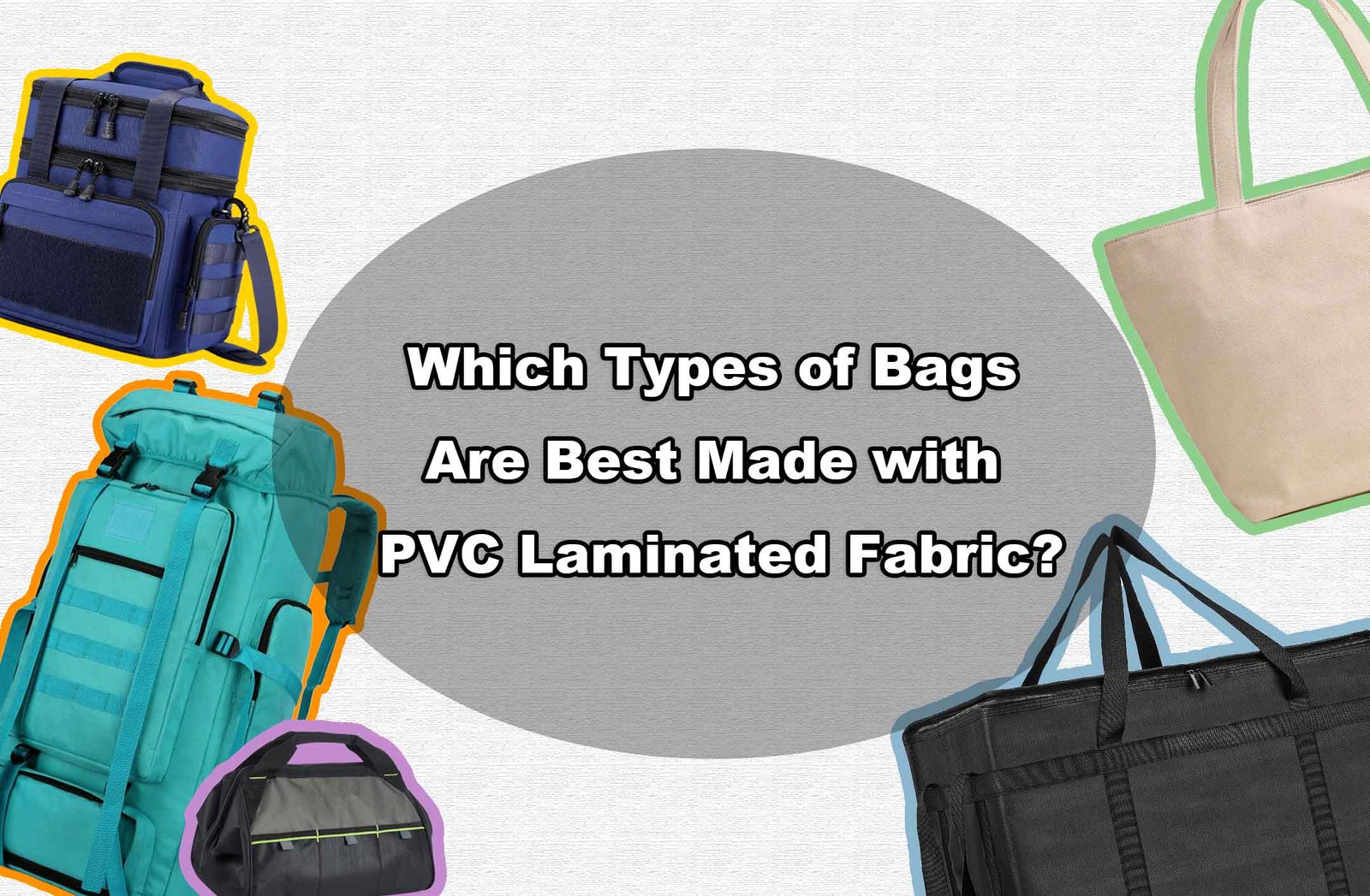
When I review a project, I look at the bag category first. Some bags benefit a lot from PVC lamination. Others only gain one small advantage while taking on several trade-offs. That is why I do not treat it as a one-answer material.
In my experience, PVC laminated fabric works well when the bag needs a practical surface and a clear structure. A supermarket shopping tote is a good example. The bag often carries weight, faces repeated use, and gets dirty. A cooler bag is another strong fit because easy-clean surfaces matter. Delivery or utility bags can also benefit when the user values function more than soft hand feel.
But there are limits. A fashion backpack may need a softer and more premium surface. A travel duffle may need better foldability. A lightweight giveaway bag may need lower material weight for shipping and user comfort. In those cases, PVC laminated fabric may solve one issue and create two more.
I often map bag type against decision factors like this:
| Bag Type | Why PVC Lamination May Fit | Common Trade-Off |
|---|---|---|
| Shopping tote | Structure, wipe-clean use, cost balance | Less soft to carry |
| Cooler bag | Surface cleanability, moisture handling | Needs full design match |
| Tool or utility bag | Tough appearance, body support | Can feel bulky |
| Delivery bag | Easy care, shape retention | Weight may increase |
| Fashion backpack | Limited fit | Look and hand feel may suffer |
| Foldable duffle | Often poor fit | Stiffness hurts packing |
The key is not whether PVC laminated fabric sounds heavy-duty. The key is whether it fits the product job, user feel, price point, and scale-production reality. I have seen great samples fail in bulk because the fabric creased badly, varied in finish, or became hard to sew consistently. That is why the best material choice is never only about sample appeal.
Conclusion
PVC laminated fabric is a smart choice for some heavy-duty bags, not all. I always match it to load, use, cleaning needs, appearance, and production risk first.
"Coated fabrics - Wikipedia", https://en.wikipedia.org/wiki/Coated_fabrics. Reference sources on PVC-coated textiles describe the PVC layer as providing a protective, water-resistant, and easy-to-clean surface, helping explain why such constructions are used where practical surface durability and weather exposure matter. Evidence role: general_support; source type: encyclopedia. Supports: that PVC-coated or laminated textiles are used because the polymer layer improves surface barrier properties, cleanability, and weather resistance relative to uncoated fabrics. Scope note: Such sources usually characterize material properties in general terms and do not directly prove cost-effectiveness for every bag design or market segment. ↩
"Coated fabrics - Wikipedia", https://en.wikipedia.org/wiki/Coated_fabrics. Textile engineering references define laminated or coated fabrics as constructions in which a base textile substrate is combined with a polymer layer such as PVC to modify surface and performance characteristics. Evidence role: definition; source type: education. Supports: the basic construction of laminated or PVC-coated textile materials as a fabric substrate combined with a polymer layer. ↩
"[PDF] Development and study of waterproof breathable fabric using ...", https://commons.emich.edu/cgi/viewcontent.cgi?article=1990&context=theses. Studies of coated textiles report that applying a polymer layer such as PVC changes fabric hand and bending behavior while increasing surface barrier performance and reducing liquid penetration, which also tends to make surface cleaning easier. Evidence role: mechanism; source type: paper. Supports: that polymer coating or lamination can modify handle, stiffness, barrier behavior, and surface cleaning properties of textiles. Scope note: The magnitude of these effects varies with substrate, coating thickness, plasticizer content, and finishing method. ↩
"News: PVC coated fabrics; the pro's and cons | Rivertex ®", https://www.rivertex.com/en/inspiration/news/pvc-pros-and-cons. Technical overviews of coated textiles commonly note that PVC remains widely used because it offers a favorable balance of durability, processability, and surface protection at relatively low material cost compared with some alternative polymer systems. Evidence role: general_support; source type: research. Supports: that PVC-coated textile constructions are commonly valued for a cost-performance balance alongside durability and cleanability. Scope note: Cost comparisons are contextual and depend on resin prices, fabric specification, compliance requirements, and regional manufacturing conditions. ↩
"Water Repellent Coating in Textile, Paper and Bioplastic Polymers", https://pmc.ncbi.nlm.nih.gov/articles/PMC11479018/. Textile coating literature shows that adding a continuous polymer layer reduces liquid water penetration and increases surface water resistance compared with otherwise similar uncoated fabrics. Evidence role: mechanism; source type: paper. Supports: that polymer-coated textile surfaces reduce water penetration relative to uncoated fabrics. Scope note: Improved surface resistance does not imply that a finished sewn bag will resist water entry at seams, closures, or puncture points. ↩
"A review on mechanical characterization of PVC coated fabrics - ADS", http://ui.adsabs.harvard.edu/abs/2022AIPC.2708f0002G/abstract. Reviews of coated textile materials note that PVC has long been favored in high-volume applications because it is widely available and comparatively inexpensive among coating polymers used for flexible sheet and fabric products. Evidence role: historical_context; source type: paper. Supports: that PVC has historically been used in coated textiles partly because of its relatively low cost and broad commercial availability. Scope note: This provides market context rather than direct proof of a specific price target for any particular bag program. ↩
"Smart durable and self-healing textile coatings - PMC - NIH", https://pmc.ncbi.nlm.nih.gov/articles/PMC7151942/. Experimental studies on coated textiles report that polymer surface layers can improve abrasion-related durability and surface protection and can increase the stiffness or body of the composite fabric. Evidence role: mechanism; source type: paper. Supports: that coating can improve surface durability and abrasion-related performance while increasing apparent body or stiffness. Scope note: Durability is multidimensional, and coating may not improve all failure modes such as seam rupture, puncture, or repeated flex cracking. ↩
"The Effect of Selected Factors on the Strength of Stitches of ... - PMC", https://pmc.ncbi.nlm.nih.gov/articles/PMC9572404/. Sewn-product engineering references emphasize that the performance of load-bearing textile goods depends on the combined behavior of the base fabric, seam efficiency, reinforcement details, and load path, rather than on surface coating alone. Evidence role: expert_consensus; source type: education. Supports: that load-bearing performance in sewn textile products depends on fabric strength together with seam efficiency, reinforcement, and structural design. ↩
"[PDF] Sewing Modern Fabrics - Open PRAIRIE", https://openprairie.sdstate.edu/cgi/viewcontent.cgi?article=2084&context=extension_fact. Industrial sewing and material-handling references note that thicker or stiffer coated fabrics can increase seam bulk, make turning and forming operations more difficult, and raise the risk of visible needle marking or surface damage during assembly. Evidence role: case_reference; source type: education. Supports: that thicker or stiffer coated fabrics can reduce sewability and increase seam bulk and marking risk in production. Scope note: The severity of these issues depends on machine setup, needle selection, fabric construction, and pattern geometry. ↩
"The conservation of a vinyl-upholstered chair: PVC degradation and ...", https://www.academia.edu/64011820/The_conservation_of_a_vinyl_upholstered_chair_PVC_degradation_and_conservation. Technical descriptions of PVC-coated textiles consistently identify their low-permeability, smooth surface as contributing to surface water resistance and easier cleaning than many untreated textile surfaces. Evidence role: general_support; source type: research. Supports: that PVC-laminated or PVC-coated textile surfaces are commonly used where water repellence at the surface and easy cleaning are desired. Scope note: This supports the fabric surface property, not the waterproofness or stain removability of every finished bag in all conditions. ↩
"[PDF] Optimization of Sewing Parameters for Improving the Waterproof ...", https://jtatm.textiles.ncsu.edu/index.php/JTATM/article/download/20809/9744/76358. Testing and standards discussions of waterproof soft goods make clear that water ingress commonly occurs at seams, stitch perforations, and closures, so a water-resistant fabric alone does not establish that the finished product is waterproof. Evidence role: definition; source type: institution. Supports: that product waterproofness depends on the complete assembly, including seams and closures, not only on the base material. ↩
"PVC Tarpaulin in the Luggage & Bag Sector.", https://pvctarpaulin.com/pvc-tarpaulin-in-the-luggage-bag-sector/. Application overviews for coated textiles commonly list utilitarian bag and cover products among standard uses for PVC-coated fabrics because these constructions combine surface barrier properties with shape retention and practical cleanability. Evidence role: historical_context; source type: other. Supports: that PVC-coated or laminated textiles are commonly used in utilitarian flexible products where wipeability, weather resistance, and structure are valued. Scope note: Such application lists provide contextual evidence of common use rather than direct proof that PVC laminated fabric is the optimal choice for every bag type named. ↩