Branded gym recovery bags often get chosen for looks first, and that creates problems later. A bag can photograph well, carry a clean logo, and still frustrate users once massage tools, bands, and towels actually go inside. The better approach is simple: start with function, then match the bag style to the buying goal.
Buyers choose branded gym recovery bags by first defining what recovery items the bag must hold, how the user will access them, and whether the project is for retail, a branded bundle, or a giveaway. The best choice is not the most stylish or feature-heavy bag. It is the bag whose size, opening, structure, and cost match the real use case.
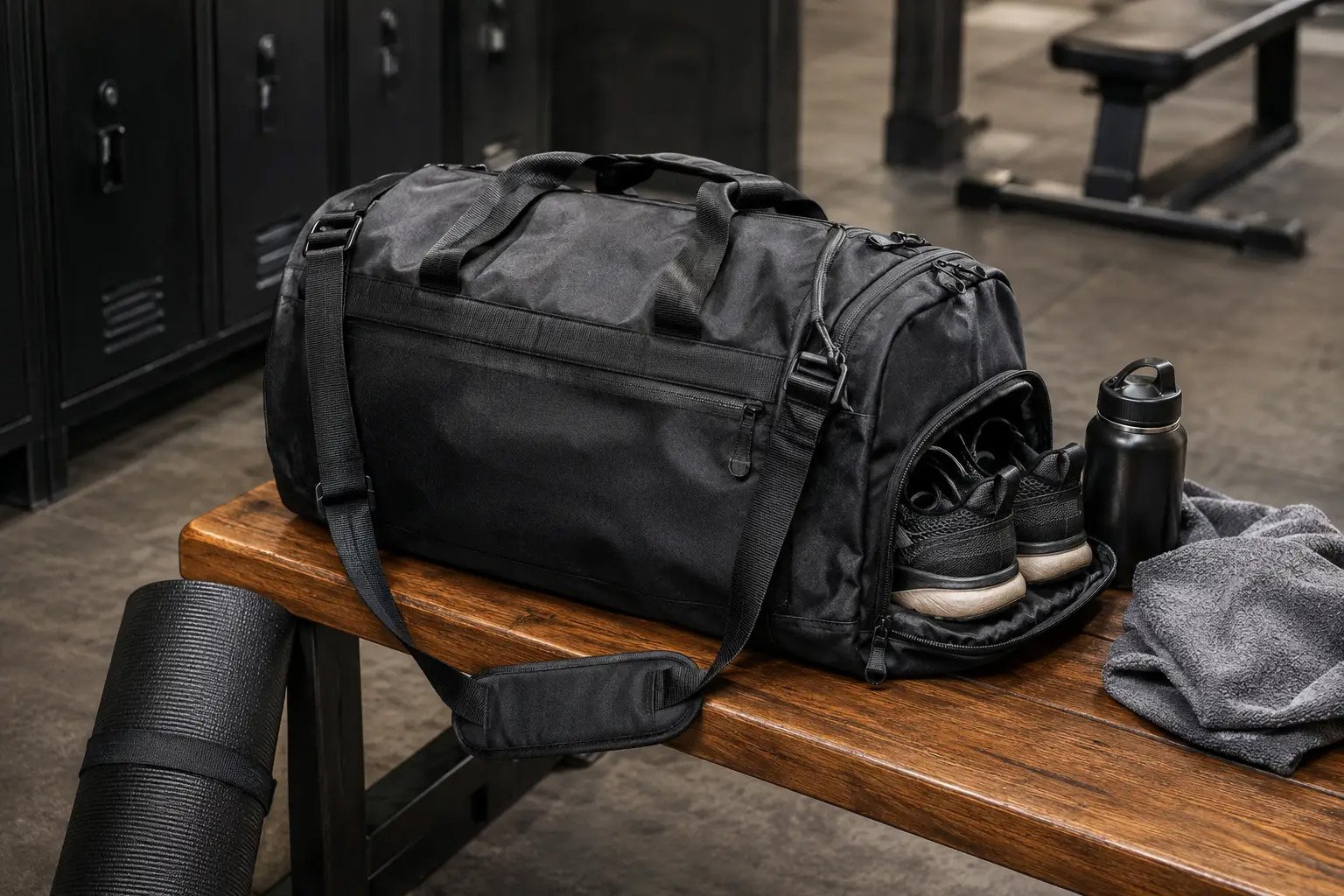
When I speak with procurement teams, this is the mistake I see most often: they approve the outside before they understand the inside. That decision feels fast, but it usually creates sampling rounds, cost drift, and awkward packing. So below, I will break the decision into practical filters that buyers can actually use.
What Is a Gym Recovery Bag?
A recovery bag sounds straightforward, but the term can mean very different things in procurement. That confusion matters because a retail-ready recovery bag, a bundled kit bag, and a promo gym pouch do not need the same structure, value level, or materials.
A gym recovery bag is a bag designed to carry post-workout or physical wellness items such as massage guns, resistance bands, massage balls, towels, and small accessories1. For buyers, the key question is not the label itself. The key question is what role the bag plays in the product offer and user routine.
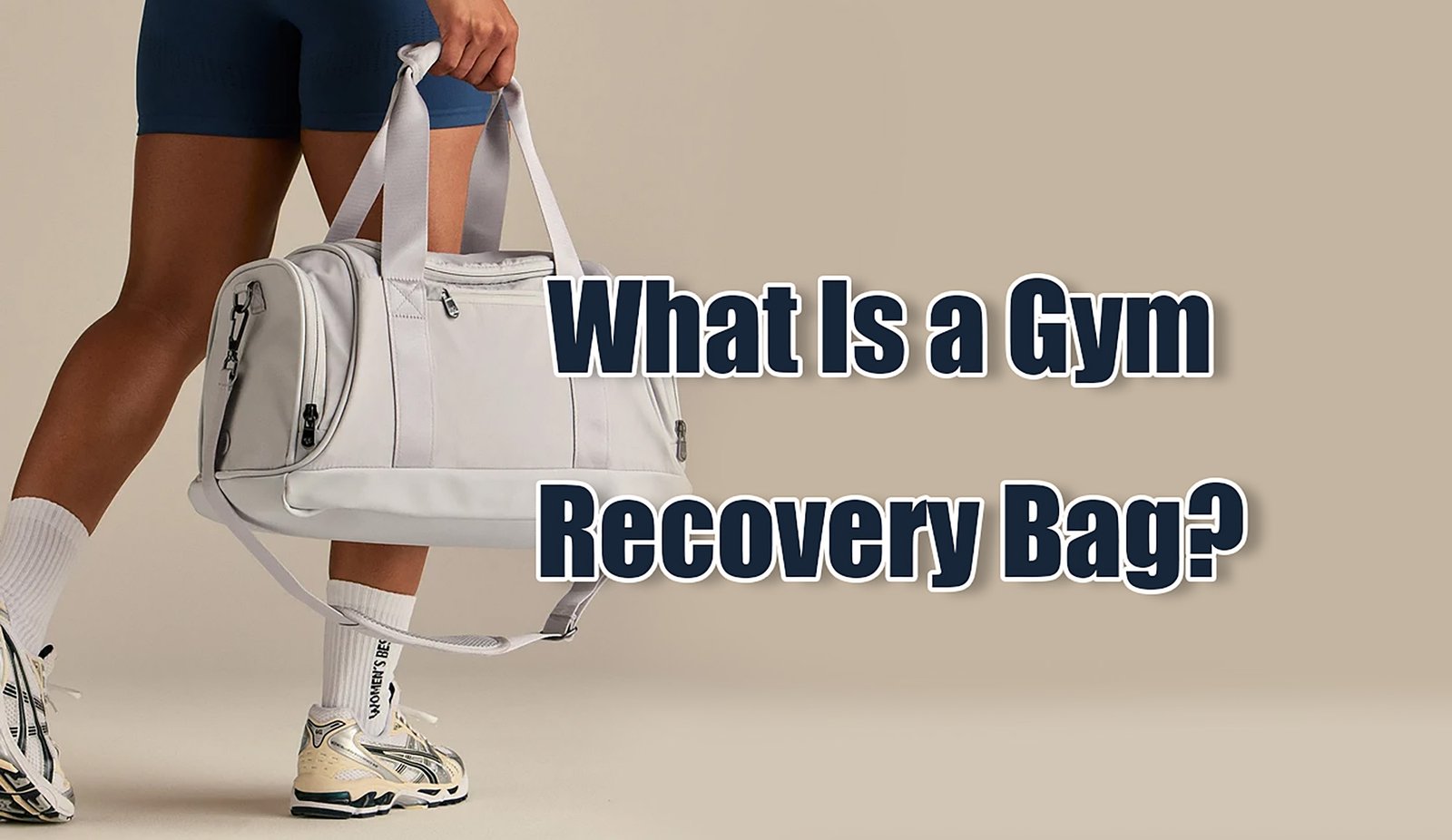
In buyer conversations, we’re often asked whether a recovery bag is basically just a gym bag with a wellness story. Sometimes the answer is yes. But in many projects, that assumption creates the wrong specification from the start.
A recovery bag is defined by task, not by category name
I like to separate projects into three simple commercial types:
Retail product
- The bag is sold as a standalone item.
- The bag must justify shelf value or online conversion.2
- The finish, shape retention, and user experience matter more.
Bundled recovery kit
- The bag supports another product set.
- The bag must organize tools clearly.
- The fit of the included items matters more than visual complexity.
Promotional or event item
- The bag supports brand visibility first.
- Cost control is tighter.
- Simpler structures are usually enough.
A common selection mistake we see is when buyers use a giveaway bag structure for a retail wellness concept. The result is predictable: the bag looks branded, but it feels thin, loose, and underwhelming in the hand.3 The opposite mistake also happens. A buyer overbuilds a bundle bag with too many details, and the cost no longer fits the program.
What buyers should clarify early
Before reviewing sketches, I would define these points:
| Buying question | Why it matters |
|---|---|
| Is the bag sold, bundled, or gifted? | It sets cost tolerance and finish expectations |
| Which recovery items go inside? | It determines size, opening, and structure |
| How often will users carry it? | It influences strap choice and durability needs |
| Does the bag need shelf appeal? | It affects material, branding, and packaging |
| Is this a branded collection or one-off item? | It shapes design consistency and MOQ planning |
This is why I do not start with “Which style looks best?” I start with “What job is this bag supposed to do?” That small shift saves time later.
Which Items Should a Wellness Kit Bag Hold?
Many bag decisions fail because buyers use vague item lists. “Recovery accessories” sounds fine in a meeting, but it does not help a factory or sourcing team define usable dimensions, internal space, or opening width.
A wellness kit bag should be specified around actual items, quantities, and packing sequence. Buyers should list the exact tools inside, their approximate sizes, whether they are soft or rigid, and whether users need quick access or simple storage.
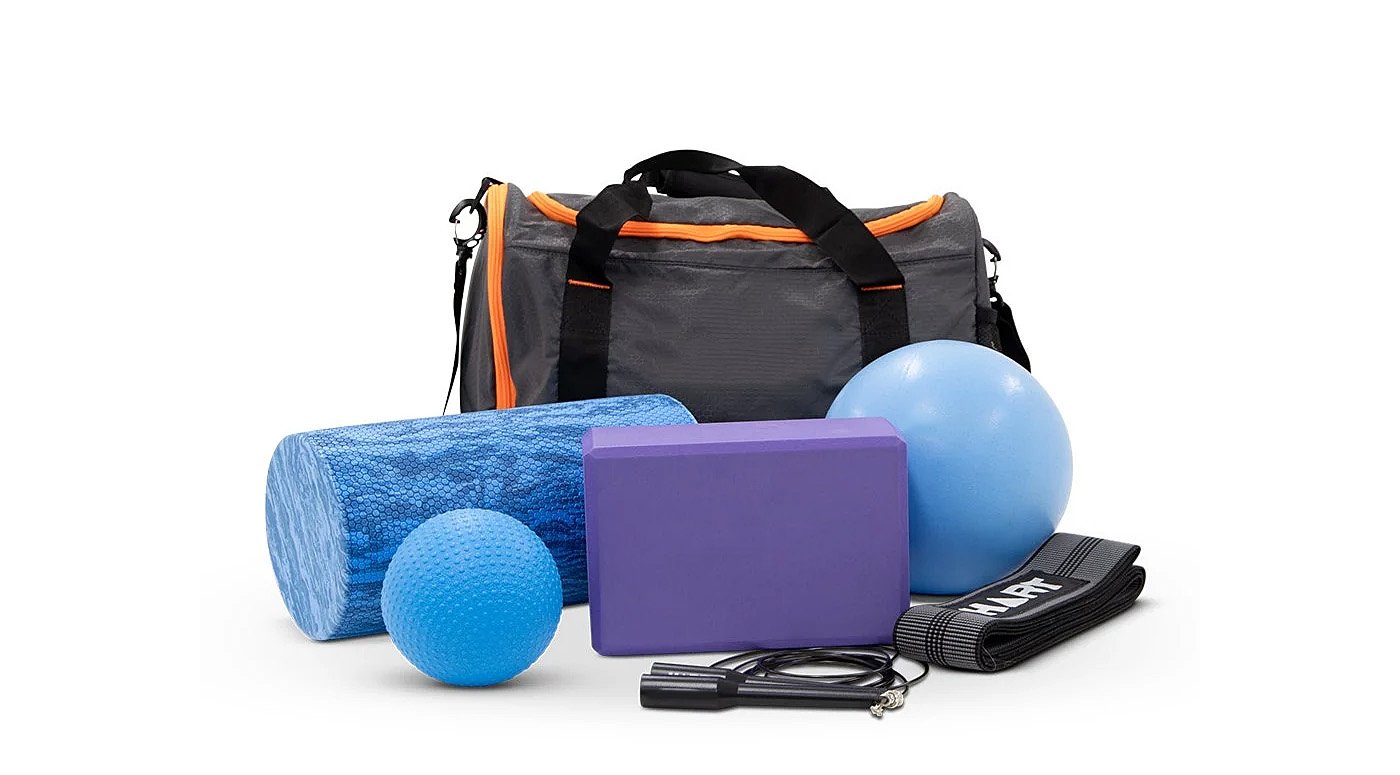
I have seen this issue many times. A buyer wants a clean compact bag, but the item set includes a mini massage gun, charger, resistance bands, a towel, and a massage ball. On paper, all of those items sound manageable. In a real sample, the bag becomes either too tight, too bulky, or inconvenient to open.
Start with the real carry set
Here are common contents for a branded gym recovery bag or wellness kit bag:
- Mini massage gun
- Resistance bands
- Loop bands
- Massage ball or peanut ball
- Cooling towel
- Small bottle or shaker
- Charger cable
- Instruction card
- Small zipper pouch for accessories
Not all items create the same bag requirement
I usually divide contents into three groups:
1. Rigid items
These set the real dimensional floor.4
- Massage gun
- Massage ball
- Bottle
- Hard case accessories
2. Compressible items
These fill leftover space but should not define the whole bag.
- Towel
- Fabric bands
- Soft wraps
3. Small loose items
These create user frustration if there is no control.
- Charging cable
- Trigger heads
- Instruction leaflet
- Small personal items
A practical buyer checklist
Before sampling, I suggest buyers prepare:
- The exact product list
- Approximate dimensions of each item
- Item count per bag
- Total packed weight
- Desired packing order
- Whether items are inserted at factory or by end customer
If the widest or hardest item does not fit naturally through the opening, the bag is probably wrong even if the outer dimensions look acceptable.
That point gets missed often. Exterior width alone does not solve usability. A bag may have enough body volume but still be annoying because the zipper opening is too narrow5, the top collapses, or the internal shape fights the product.
For procurement teams, this means a simple packing test is more useful than reacting to renderings. Ask for a loaded sample, not just an empty one. That one step often reveals whether the branded gym recovery bag works in real life.
Should Buyers Choose a Drawstring Bag, Backpack, or Duffle?
Style choice becomes confusing when buyers jump to visual preference too early. A drawstring bag may look youthful, a backpack may feel premium, and a duffle may suggest performance. But those impressions only matter if the structure supports the intended carrying job.
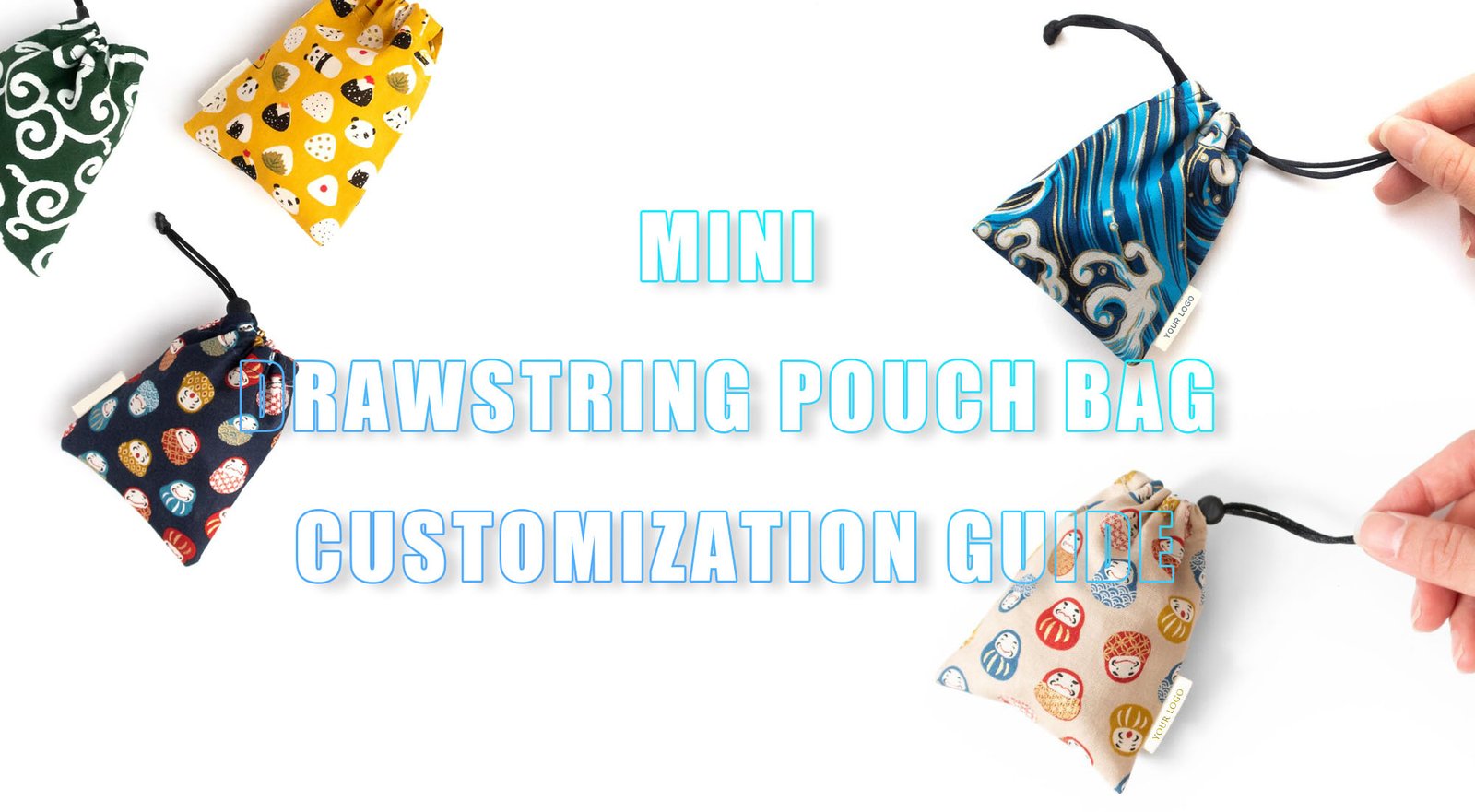
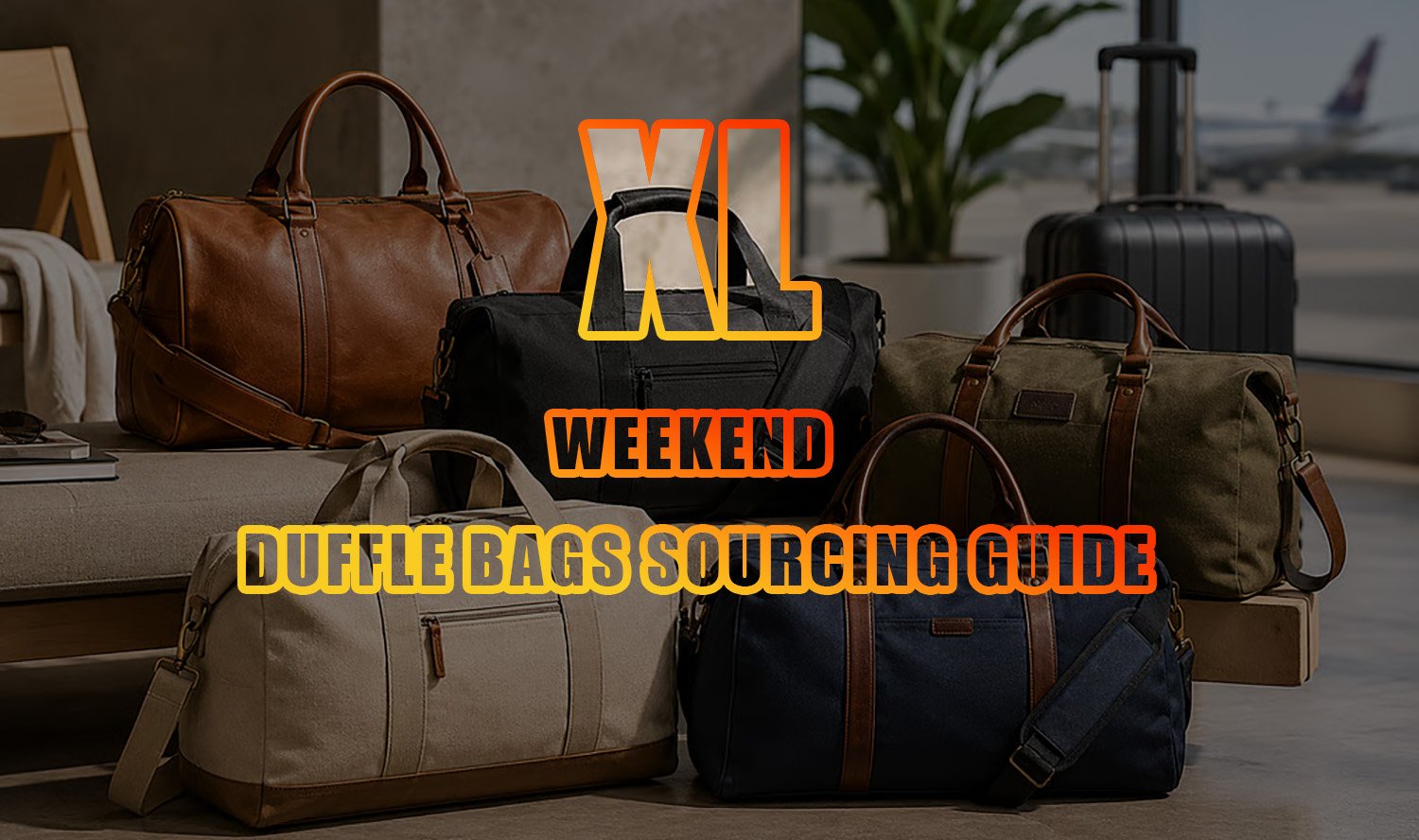
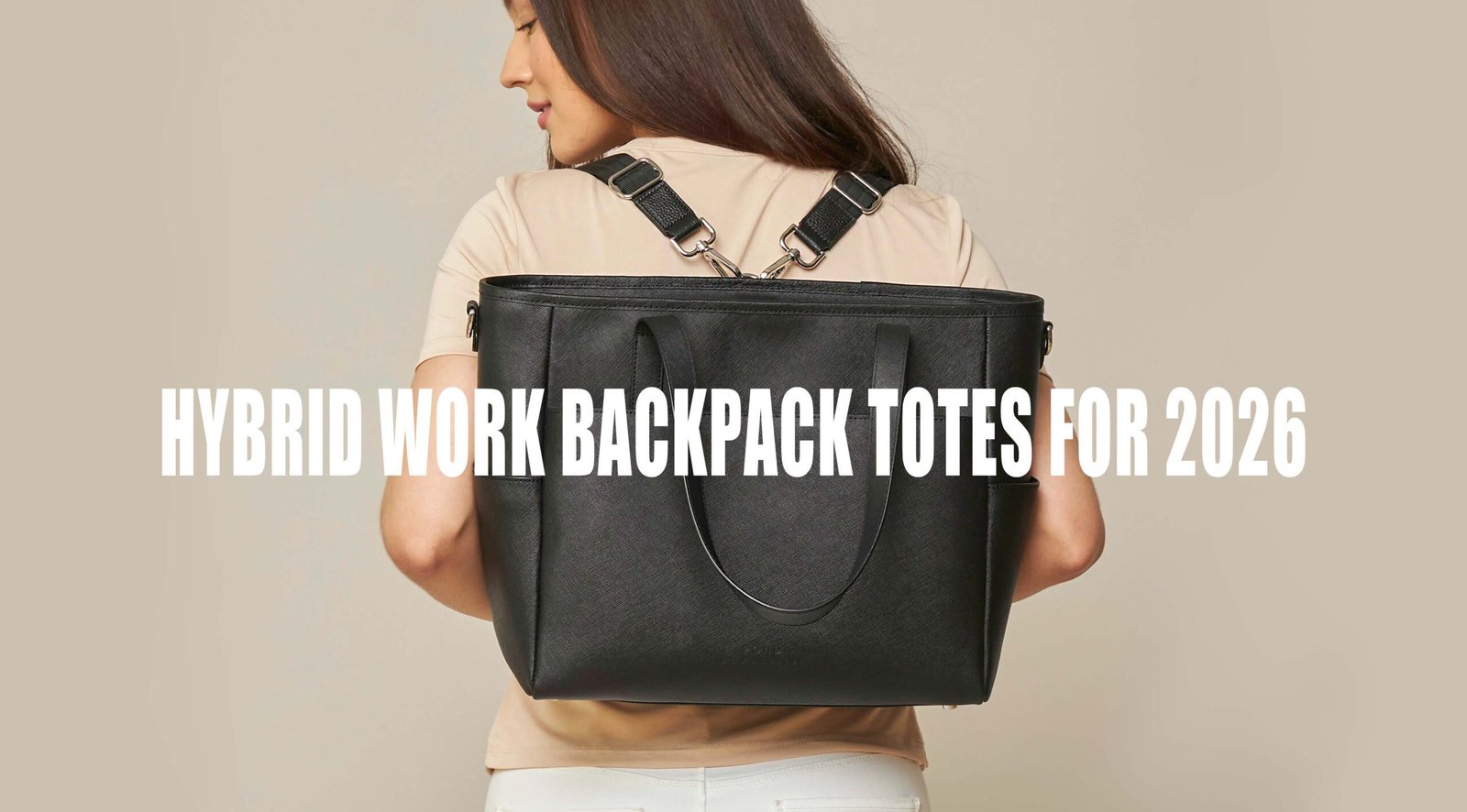
Buyers should choose a drawstring bag, backpack, or duffle based on item weight, access needs, perceived value, and project role. Drawstrings suit light and simple programs. Backpacks fit daily-use and higher-value concepts. Duffles work when the kit is wider, heavier, or part of a more complete gym-and-recovery routine.6
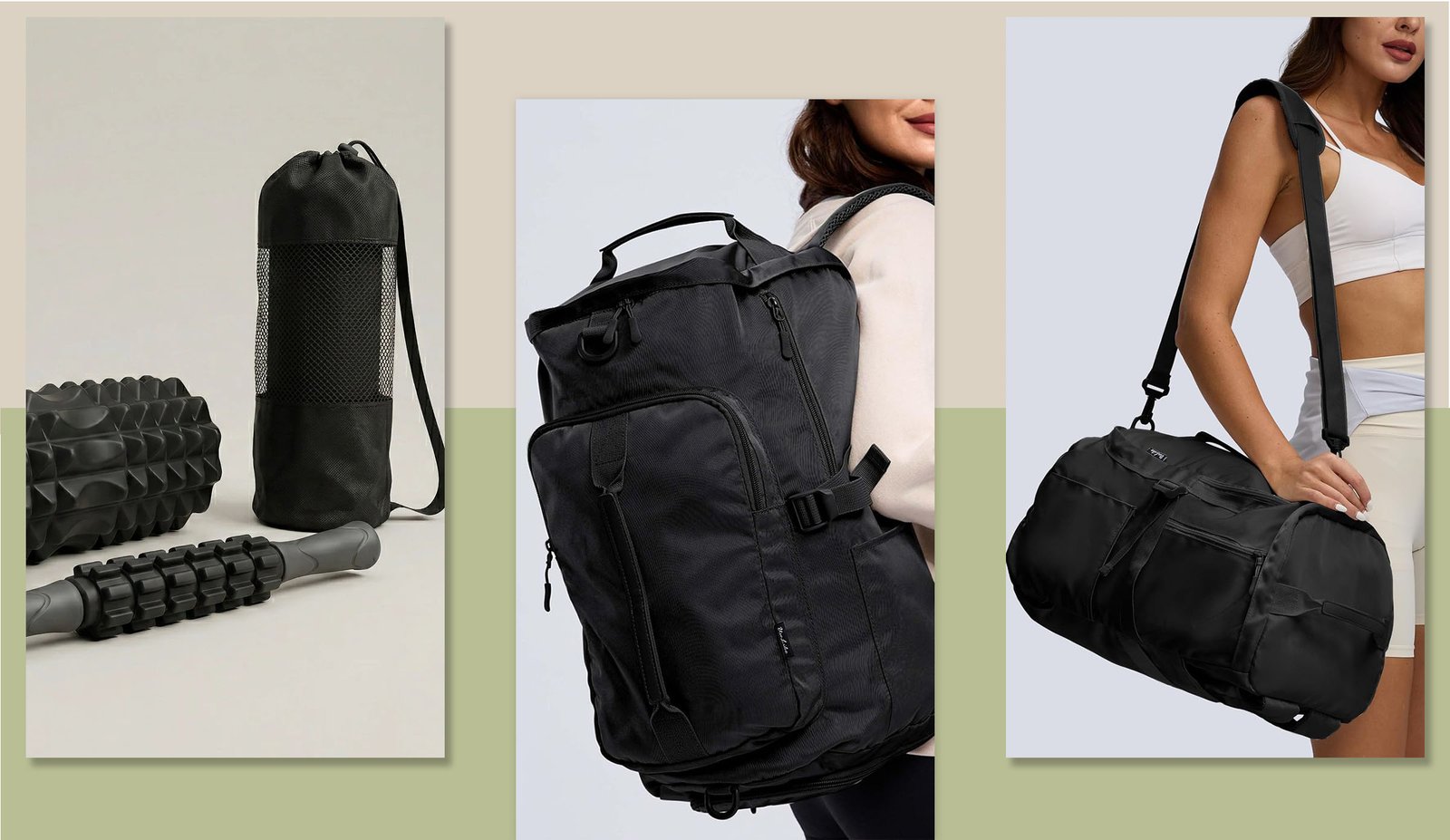
In buyer conversations, this is where commercial logic should lead the discussion. The same item set can be packed in several formats, but not all formats support the same user expectation or price point.
Quick comparison by use case
| Style | Best for | Strength | Limitation |
|---|---|---|---|
| Drawstring bag | Promo, event, light kit | Low cost, simple, easy branding | Weak structure, limited protection |
| Backpack | Retail, daily carry, premium bundle | Better ergonomics7, perceived value | Higher cost, more construction variables |
| Duffle | Wider kits, towels, mixed gym gear | Easy loading, broad opening | Bulkier, may feel oversized for minimal kits |
When a drawstring bag works
A drawstring can work well if:
- The contents are light
- The bag is part of a campaign item
- The end user does not need much internal organization
- The budget is tight
But I would be careful if the kit includes heavier rigid tools. Drawstrings often lose shape, and the user experience can feel messy.
When a backpack makes sense
A backpack suits:
- Daily commuting plus gym use
- Branded retail programs
- Higher perceived value positioning
- More structured organization
Still, a backpack is not automatically better. A common mistake we see is adding too many pockets and panels because the buyer wants to signal value. That can push the sample into overbuilt territory and make the bag awkward for a simple recovery set.
When a duffle is the best fit
A duffle works when:
- The opening needs to be broad
- The user carries towels and tools together
- The kit should feel athletic rather than minimal
- The bag may also serve as a short-session gym carry
For many bundled projects, I find the duffle is underrated. It often solves packing access more naturally than a backpack. But if the actual item set is small, a duffle can feel commercially mispositioned and too empty.
So the answer is not which style looks strongest in presentation. The answer is which style supports fit, use, and margin.
What Materials Handle Towels, Bands, and Daily Gym Use?
Material selection can also go wrong when buyers chase a look without thinking about wear pattern. Recovery bags are usually soft goods, but the contents and routine still create friction, moisture exposure, shape stress, and repeated opening.
Materials for daily gym recovery use should balance cost, durability, cleanability, print or logo suitability, and the bag’s intended price position. Common options include polyester, recycled polyester, nylon, canvas, and laminated fabrics. The right choice depends on whether the bag is promotional, bundled, or retail-focused.
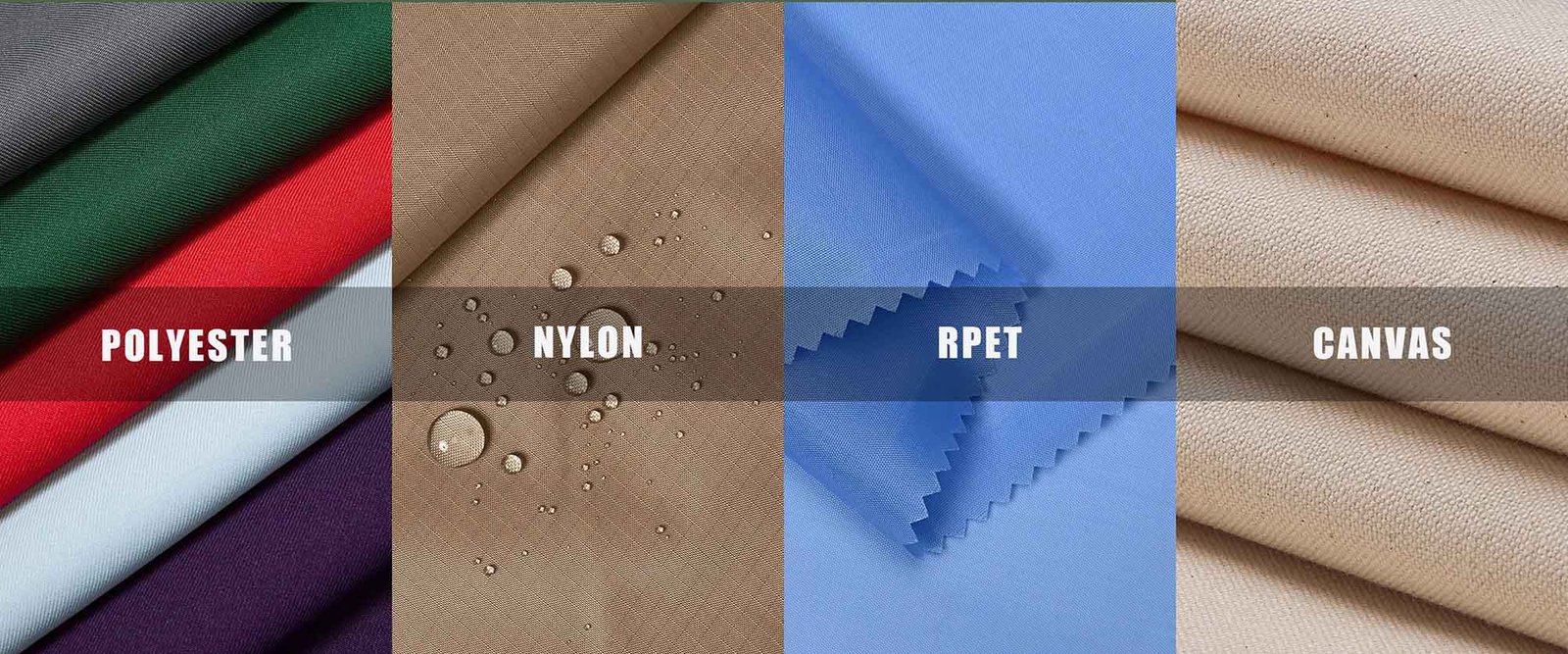
At Coraggio, we often discuss this with buyers who want eco-friendly materials but also need practical delivery and cost control. I always suggest treating material claims and certifications as documents to verify during supplier evaluation, especially for retailer-facing programs.
Common material options
Polyester
- Cost-effective
- Good for printing and consistent production
- Common for promo and mid-range projects
Recycled polyester
- Useful for sustainability positioning
- Similar visual and performance profile to standard polyester in many applications
- Buyers should verify the supporting certification documents
Nylon
- Often feels smoother or more premium
- Good abrasion resistance8
- Usually costs more than basic polyester
Canvas or cotton blends
- Natural hand feel
- Good for certain lifestyle presentations
- Can be heavier and slower to dry9
Material is only part of performance
Buyers should also review:
- Fabric weight
- Lining presence
- Foam or reinforcement
- Zipper quality
- Handle stitching
- Base panel construction
A bag fails in use less often because of fabric name alone and more often because the whole construction does not match the load.
Practical matching guide
| Use scenario | Material direction | Notes |
|---|---|---|
| Budget promo item | Basic polyester | Keep structure simple |
| Mid-range wellness bundle | Polyester or recycled polyester | Good balance of cost and branding |
| Premium private label item | Nylon or upgraded recycled fabric | Review finish and trim carefully |
| Lifestyle wellness concept | Canvas blend or textured fabric | Check weight and moisture handling |
I would also think about towels and damp use in a realistic way. Most recovery bags are not technical sports equipment.10 Buyers should avoid overclaiming performance unless they have verified testing. Instead, evaluate whether the fabric is easy to wipe, whether the lining helps with maintenance, and whether the structure stays usable after repeated opening and carrying.
What Should Buyers Prepare Before Sampling?
Sampling gets expensive when the brief is still abstract. Many sourcing delays happen not because the supplier cannot make the bag, but because the buyer has not translated the idea into measurable decisions.11
Before sampling, buyers should prepare a complete item list, rough dimensions, usage goal, target price range, branding method, and expected quality level. They should also define whether the bag is for retail, bundled use, or promotion, because that single point affects nearly every construction choice.

In real quotation work, I find that unclear briefs create the same three problems again and again: wrong size assumptions, unnecessary feature additions, and sampling revisions that could have been avoided.
A practical pre-sampling checklist
Here is what I would prepare before asking for a sample:
Item packing list
- Exact contents
- Approximate item dimensions
- Total weight
Project role
- Retail
- Bundle
- Giveaway
- Event
Target price logic
- Ideal target
- Maximum workable cost
- Expected order volume
Preferred bag format
- Drawstring
- Backpack
- Duffle
- Or open to recommendation
Branding details
- Logo size
- Print, embroidery, patch, or label
- Packaging expectations
Quality expectations
- Required durability level
- Finish standard
- Market destination
Sample review should be functional, not just visual
When the sample arrives, I would test:
- Can each item go in easily?
- Can the user remove key items quickly?
- Does the bag collapse too much when loaded?
- Do the handles or straps feel balanced?
- Does the structure match the commercial position?
A sample that looks polished but packs poorly is not a successful sample.
This is especially important for branded gym recovery bags because the bag often supports a broader product story. If the user struggles with access, fit, or carry comfort, the branding does not rescue the experience.
For B2B buyers, the best next step is often a structured review sheet. Score the sample on fit, access, structure, branding, and target cost alignment. That keeps the decision commercial and practical rather than subjective.
Frequently Asked Questions
Are branded gym recovery bags mainly for retail programs?
No. Branded gym recovery bags can work for retail, bundled wellness kits, corporate gifting, or event promotions. The right structure depends on the project role. Retail usually needs stronger perceived value, while bundle and promo programs often need tighter cost and clearer packing logic.12
How many compartments should a recovery bag have?
There is no ideal number by itself. More compartments do not automatically make a better bag. Buyers should add organization only when it helps real items stay usable. Too many pockets can increase cost, complexity, and bulk without improving the user experience.
Is a backpack better than a duffle for wellness kits?
Not always. A backpack can feel more premium and support daily carry, but a duffle often gives easier access for wider or mixed recovery items. Buyers should choose based on product fit, opening shape, and intended use rather than on image alone.
What is the biggest buying mistake in recovery bag sourcing?
The biggest mistake is approving the outside too early. Buyers often lock in shape, style, or logo placement before confirming what the bag must carry. That usually leads to poor fit, awkward access, and extra sample revisions.
Should buyers request certifications for eco-friendly materials?
Yes. Buyers should ask suppliers to provide relevant certification documents for review and verification, especially for retailer-facing or regulated markets. Material claims should be treated as procurement documents to confirm, not as assumptions.
Conclusion
Choosing branded gym recovery bags well means starting with the carry task, not the visual presentation. I would first define the recovery items, then test fit and access, then match the bag style and material to the project role. That process helps buyers avoid bags that look branded but feel inconvenient in real use. If you are comparing custom options for a retail, bundle, or promotional program, feel free to contact Coraggio at info@coraggiobag.com to discuss sample planning and supplier evaluation.
"Delivering Musculoskeletal Rehabilitation in the Digital Era", https://pmc.ncbi.nlm.nih.gov/articles/PMC12469939/. Sports medicine and rehabilitation sources describe post-exercise recovery as commonly involving soft-tissue massage or percussion devices, elastic resistance tools for mobility work, and towels or other accessories used during cooling and hygiene routines; this supports the article’s list as a representative set of recovery-related contents rather than an exhaustive standard. Evidence role: general_support; source type: research. Supports: That post-exercise recovery practices and consumer recovery kits commonly involve massage/percussion devices, elastic resistance tools, and towels or similar accessories.. Scope note: Support is contextual because no single source is likely to define a canonical 'gym recovery bag' contents list. ↩
"The Impact of Visual Elements of Packaging Design on Purchase ...", https://pmc.ncbi.nlm.nih.gov/articles/PMC11851823/. Consumer-behavior research finds that product appearance and perceived quality cues can shape value judgments and purchase intention in both physical and online retail environments, which supports the article’s point that finish and user experience matter when a bag is sold as a standalone item. Evidence role: mechanism; source type: paper. Supports: That visual and tactile product cues such as appearance, form, and perceived quality affect perceived value and purchase intention in retail and online settings.. Scope note: The evidence would establish a general mechanism for perceived value and conversion, not direct proof for recovery bags specifically. ↩
"Hand-Feel Touch Cues and Their Influences on Consumer Perception ...", https://pmc.ncbi.nlm.nih.gov/articles/PMC6678767/. Haptic-perception and product-design studies report that consumers use tactile cues such as thickness, rigidity, and structural stability as signals of product quality, supporting the article’s claim that a lightly built promotional structure may feel underwhelming in a retail context. Evidence role: mechanism; source type: paper. Supports: That tactile and structural cues such as thickness, rigidity, and construction influence perceived product quality.. Scope note: This would support the perception mechanism generally rather than demonstrating outcomes for every bag category. ↩
"Towards patient-centered packaging design: An industry perspective on ...", https://hero.epa.gov/reference/7087833/. Packaging and industrial design guidance treats rigid contents as fixed dimensional constraints that set the minimum package or container size, whereas flexible contents can adapt to remaining volume; this supports the article’s distinction between rigid and compressible bag contents. Evidence role: mechanism; source type: education. Supports: That rigid objects impose fixed dimensional constraints in packaging and carrying-system design, unlike compressible contents.. ↩
"[PDF] Applying Human Factors and Usability Engineering to Medical Devices", https://www.fda.gov/files/medical%20devices/published/Applying-Human-Factors-and-Usability-Engineering-to-Medical-Devices---Guidance-for-Industry-and-Food-and-Drug-Administration-Staff.pdf. Human-factors and container-design literature notes that opening size and access geometry influence the ease of loading and retrieval independently of overall volume, supporting the article’s point that a narrow zipper opening can reduce practical usability even when the bag is large enough. Evidence role: mechanism; source type: research. Supports: That aperture size and access geometry affect ease of inserting and removing objects, independently of total container volume.. Scope note: The support is based on general access-design principles rather than tests of this exact bag type. ↩
"Impact of Backpacks on Ergonomics: Biomechanical and ...", https://pmc.ncbi.nlm.nih.gov/articles/PMC9180465/. Ergonomic studies on load carriage consistently show that backpack-style designs distribute weight more evenly across the body than single-point or less structured carrying methods, which supports the article’s broader guidance that bag format should match load, access needs, and intended use. Evidence role: general_support; source type: research. Supports: That load distribution and carrying comfort differ by bag style, with backpacks generally better suited to regular load carriage than less structured formats.. Scope note: The evidence would directly support backpack load-distribution advantages but only indirectly support the exact positioning of drawstring and duffle formats. ↩
"Impact of Backpacks on Ergonomics: Biomechanical and Physiological ...", https://pmc.ncbi.nlm.nih.gov/articles/PMC9180465/. Public-health and ergonomics guidance commonly states that properly fitted backpacks distribute loads across both shoulders and can reduce asymmetric strain compared with one-sided carrying methods, supporting the article’s characterization of backpacks as ergonomically advantageous for regular use. Evidence role: expert_consensus; source type: government. Supports: That backpack designs, when properly used, are generally favored for distributing loads more evenly and reducing asymmetric strain compared with one-sided carrying methods.. Scope note: This support is general and does not imply that every backpack design is ergonomic under all loads. ↩
"Nylon", https://en.wikipedia.org/wiki/Nylon. Textile engineering references describe nylon as a synthetic fiber noted for toughness and comparatively high abrasion resistance, supporting the article’s statement that nylon is often chosen where wear resistance is important. Evidence role: general_support; source type: education. Supports: That nylon fibers and fabrics are widely recognized for comparatively strong abrasion resistance in textile applications.. ↩
"Particle Shedding from Cotton and Cotton-Polyester Fabrics in the Dry ...", https://pmc.ncbi.nlm.nih.gov/articles/PMC10421144/. Textile studies show that cotton-rich fabrics typically absorb more moisture and exhibit slower drying than many synthetic fabrics, which supports the article’s note that canvas or cotton blends may be heavier in use and slower to dry. Evidence role: mechanism; source type: paper. Supports: That cotton-based fabrics generally absorb more moisture and dry more slowly than many synthetic fabrics such as polyester.. Scope note: Drying behavior varies with weave, coating, and fabric weight, so the support is a general material tendency. ↩
"N335445: The tariff classification of a duffel bag from China", https://rulings.cbp.gov/ruling/N335445. Trade and customs classification systems generally treat sports and gym bags as luggage or carrying articles rather than as technical sporting equipment, supporting the article’s caution against assuming specialized performance properties without verification. Evidence role: definition; source type: government. Supports: That ordinary bags are generally classified as luggage or carrying articles rather than as technical sporting equipment in neutral classification systems.. Scope note: Classification evidence supports category distinction, not a direct functional evaluation of all recovery bags. ↩
"Common Reasons for Production Delays in Manufacturing", https://www.svigloballtd.com/manufacturing/why-production-delays-happen/. Project-management and quality literature identifies incomplete or ambiguous specifications as common causes of rework, schedule slippage, and avoidable cost increases, which supports the article’s claim that poorly defined buyer requirements can drive sourcing delays even when production capability exists. Evidence role: mechanism; source type: paper. Supports: That incomplete or ambiguous requirements commonly lead to rework, delays, and cost growth in manufacturing and product-development projects.. Scope note: The support would be general to manufacturing and sourcing processes rather than specific to bags. ↩
"Higher Quality or Lower Price? How Value-Increasing Promotions Affect ...", https://digitalcommons.bryant.edu/cgi/viewcontent.cgi?article=1033&context=mark_jou. Marketing research on channel strategy indicates that retail offerings rely heavily on perceived value and purchase justification, while promotional programs are commonly optimized for budget, distribution, and message delivery, supporting the article’s distinction between retail and promo decision criteria. Evidence role: general_support; source type: research. Supports: That channel objectives differ, with retail sales depending more on perceived value and promotional programs often constrained by budget and distribution efficiency.. Scope note: This is channel-level support and does not prescribe a single rule for every product program. ↩