Hotels source pool and spa bags in bulk for the wrong reasons more often than many buyers expect. I often see teams start with price or looks alone. That creates problems later: soaked contents, weak handles, and bags that feel cheap in guest hands1. The better solution is to match the bag to real hospitality use.
Hotels should source pool and spa bags in bulk by first defining who will use the bag, where it will be used, how often it will face moisture, and what brand experience it should deliver. The best choice is rarely just the lowest-cost tote. It is the bag that balances wet-area suitability, comfort, durability, and branding for repeated hospitality use.
When I discuss custom projects with hotel and wellness buyers, I notice one common pattern: the first question is often about unit price. The more useful first questions are about use case, guest profile, and operating conditions. That shift changes everything, so let’s break it down step by step.
What Is a Resort Pool or Spa Bag?
A resort pool or spa bag looks simple at first, so buyers often treat it like a standard tote. That creates trouble. A bag that works for a retail gift set may fail fast in wet, high-touch hospitality settings. The right definition must come from actual use.
A resort pool or spa bag is a carry bag designed for guests to use around wet, leisure, or wellness environments. It usually needs to hold towels, sunscreen, slippers, or personal items while staying comfortable, presentable, and durable through repeated moisture exposure and handling2.
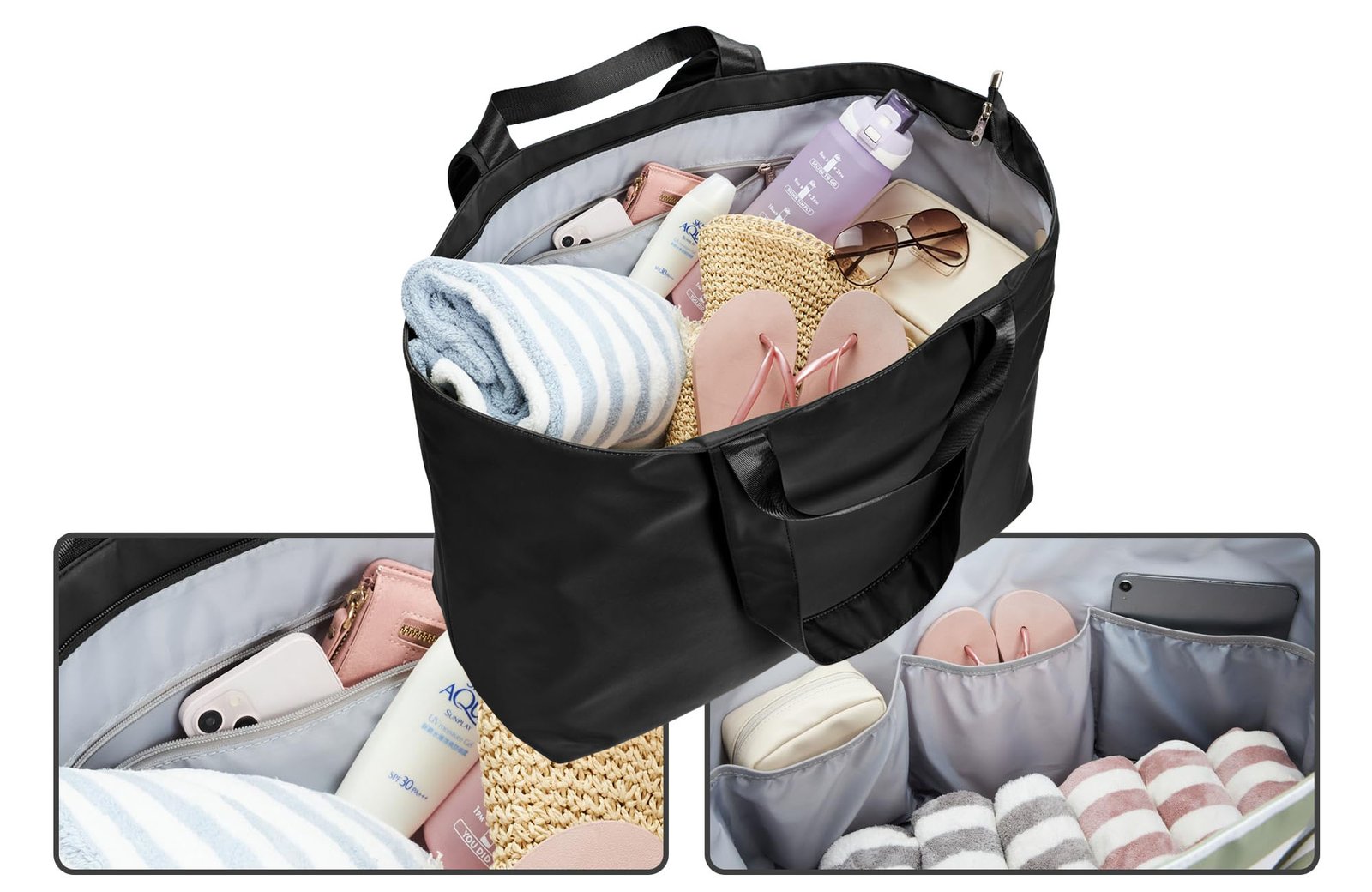
When I scope custom inquiries, I do not treat every pool bag as the same product. A luxury resort, a city hotel rooftop pool, and a wellness club may all request “spa bags,” but their needs are different.
Why the bag category matters
A resort pool or spa bag sits in a special space between promotional merchandise and operational equipment3. It is not only a giveaway. It is also part of the guest experience.
A common mismatch we see in buyer discussions is this:
- The buyer selects a bag based on appearance
- The team adds a logo
- The bag arrives looking good in the carton
- The bag performs badly once wet towels, lotion bottles, and repeated carrying enter the picture
That is why I always encourage buyers to define the bag by use, not by silhouette alone.
Different hospitality settings need different bags
Here is a simple way I frame it in custom project scoping:
| Hospitality setting | Typical use | Main risk | Best sourcing focus |
|---|---|---|---|
| Resort hotel | Pool, beach, family leisure | Wet contents, heavy loads | Durability, size, comfort |
| Spa hotel | Robe, skincare, slippers | Premium feel, clean look | Texture, branding, interior organization |
| Wellness club | Frequent member use | Repetition, wear, easy cleaning | Structure, handles, practical material |
| Event-led hotel | Amenity gifting | Visual impact, budget | Branding, packability, acceptable durability |
Questions I would ask first
Before quoting, I would usually ask:
- Will the guest keep the bag or return it?
- Will it carry wet towels or mostly dry items?
- Will it be used indoors, outdoors, or both?
- Is the brand positioning casual, premium, or ultra-luxury?
- Is the bag for adults, families, or spa members?
- Does the team need simple branding or full custom development?
These questions matter more than fabric weight alone. Hotels source pool and spa bags in bulk more successfully when they define the role of the bag inside the guest journey. That is the real starting point.
Which Materials Handle Wet Towels, Sunscreen, and Poolside Use?
Many buyers ask for the “best material” as if one answer fits all. It does not. Wet towels, sunscreen leakage, chlorine exposure, and outdoor handling create mixed stresses. A material that looks premium in a showroom may underperform poolside.
The best materials for pool and spa bags are the ones that match wet-area use, cleaning expectations, and brand positioning. Buyers should evaluate water resistance, wipe-clean performance, shape retention, stitching support, and comfort in carrying—not just thickness or fabric name.
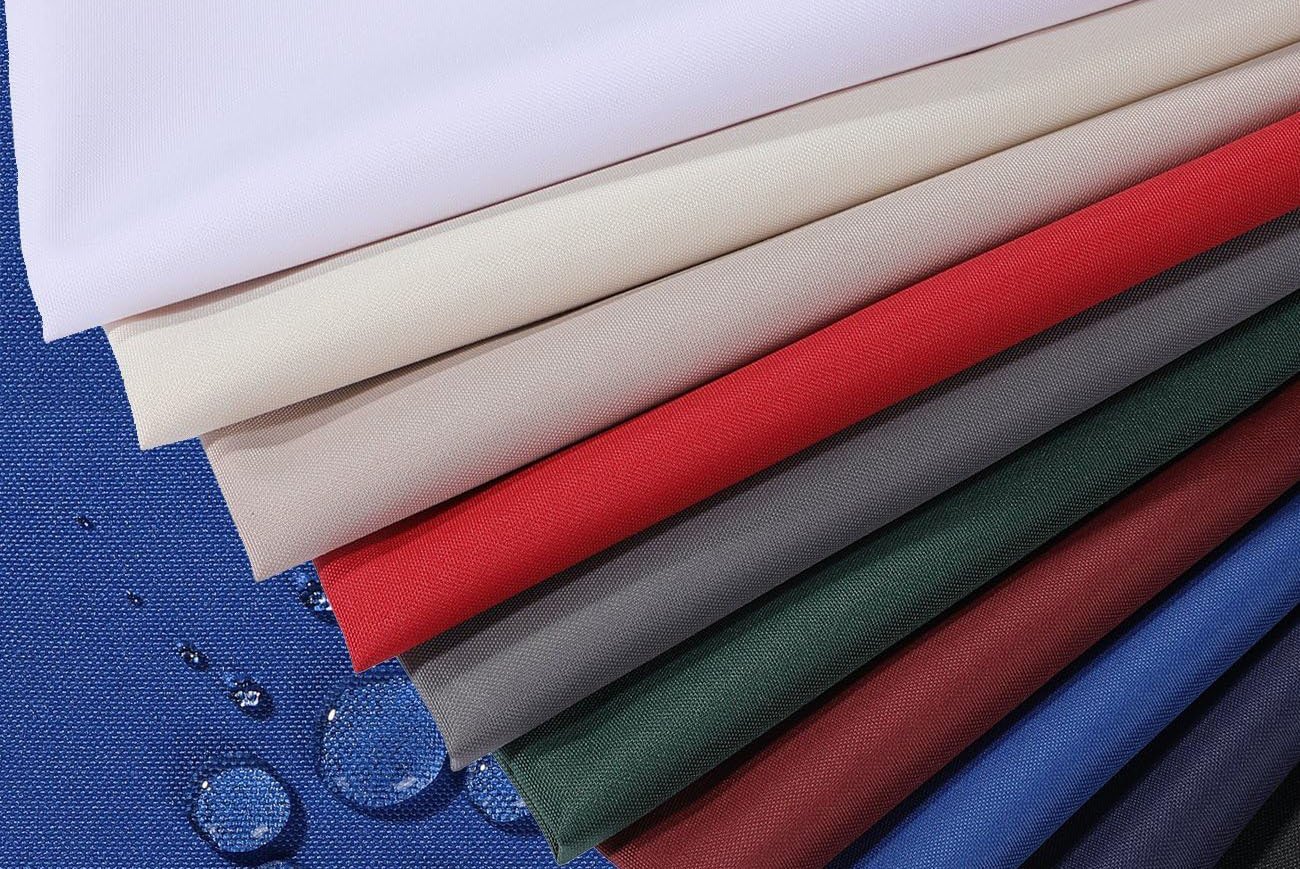
In buyer discussions, I often find that material is treated as a shortcut for quality. That is risky. Material and weight alone are incomplete quality signals.4 Construction and use context matter just as much.
Common material options and how I think about them
Polyester and RPET
These are common for hospitality bags because they are practical and cost-efficient.
Pros
- Often water-resistant with the right coating
- Easy to print
- Light weight
- Good for larger-volume programs
Watch-outs
- Cheap versions can feel stiff or low-end
- Poor coating choice can peel or age badly
- Thin body fabric may sag under towel weight
Canvas or cotton
These materials can look natural and premium, especially for spa branding.
Pros
- Soft hand feel
- Strong visual fit for wellness positioning
- Good for embroidery and woven labels
Watch-outs
- Plain untreated cotton absorbs moisture5
- Wet towels can make the bag heavy fast
- Sunscreen stains can be hard to clean6
Laminated or coated fabrics
These are useful when wet-area practicality matters most.
Pros
- Better wipe-clean performance
- Better barrier against damp contents
- Useful for beach and pool operations
Watch-outs
- Some coatings reduce softness
- Low-grade lamination can crack7
- Premium hotels may dislike a plastic-looking finish
Material choice should connect to operating risk
I usually advise buyers to think in this sequence:
- What will go inside the bag?
- How wet will those items be?
- How long will the guest carry it?
- Does the bag need to look soft and luxurious or practical and active?
For example, a spa tote for dry robes and skincare can prioritize touch and presentation. A family resort bag for wet towels and sunscreen must prioritize resistance, structure, and cleanup.
A common mismatch we see is a soft retail-style cotton tote being used in a high-moisture hotel environment. It photographs well, but it becomes heavy, stained, and shapeless in operation.
Material is only one part of performance
Even a good fabric can fail if these details are weak:
- Seam strength
- Bottom support
- Handle attachment
- Lining choice
- Closure design
- Edge finishing
That is why when hotels source pool and spa bags in bulk, I suggest they ask for a sample loaded with realistic contents, not just a flat hand-feel review.
How Should Buyers Choose Size, Handles, and Inner Pockets?
A beautiful bag can still fail if guests find it awkward to carry or hard to use. That happens often. Buyers focus on dimensions on paper, but they forget what a damp towel, water bottle, sunscreen, and phone actually do to balance and comfort.
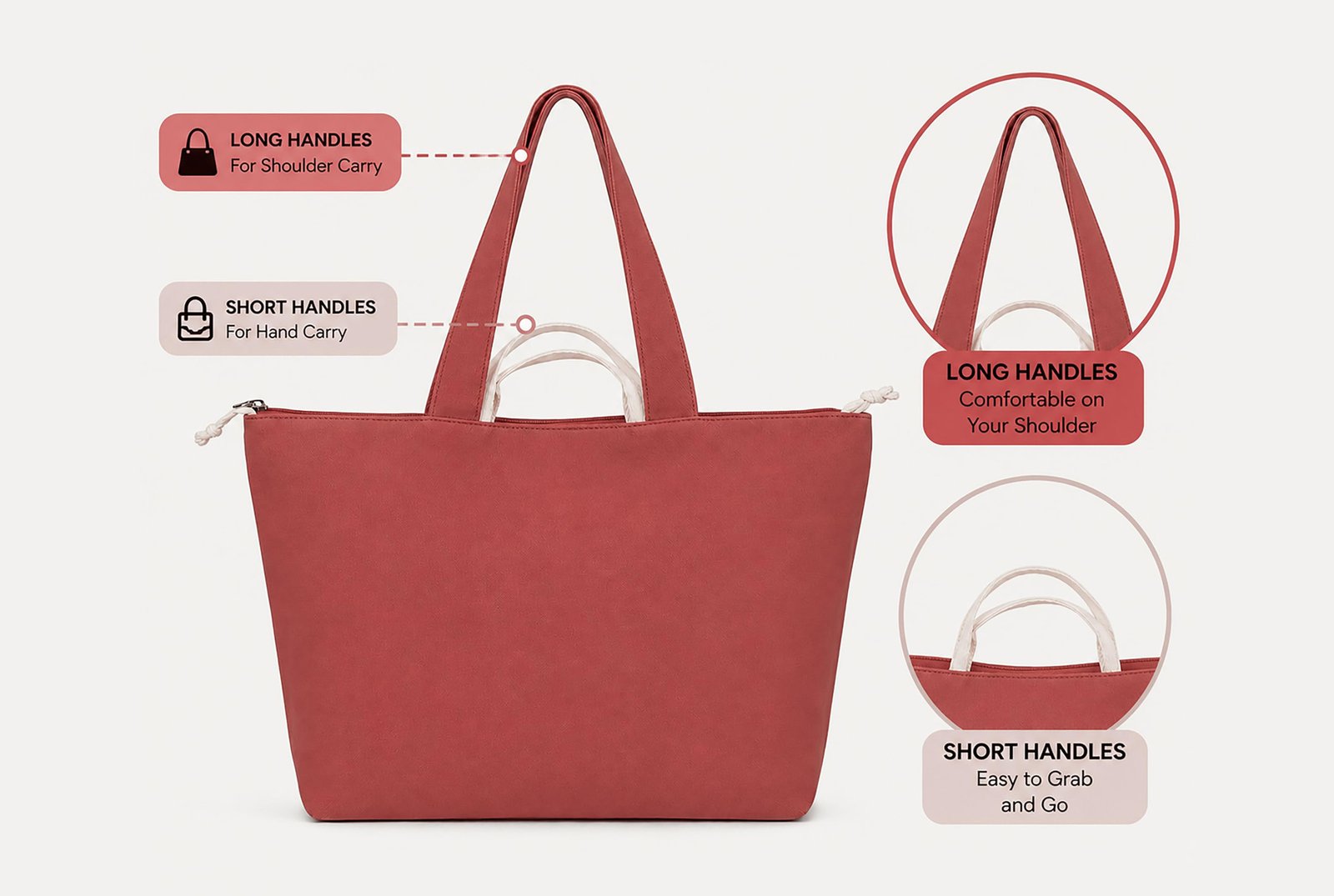
Buyers should choose size, handles, and inner pockets based on guest carry habits and item mix. The right pool and spa bag should fit essentials without becoming bulky, use handles that stay comfortable under load, and include interior organization that keeps wet and dry items from becoming a mess.
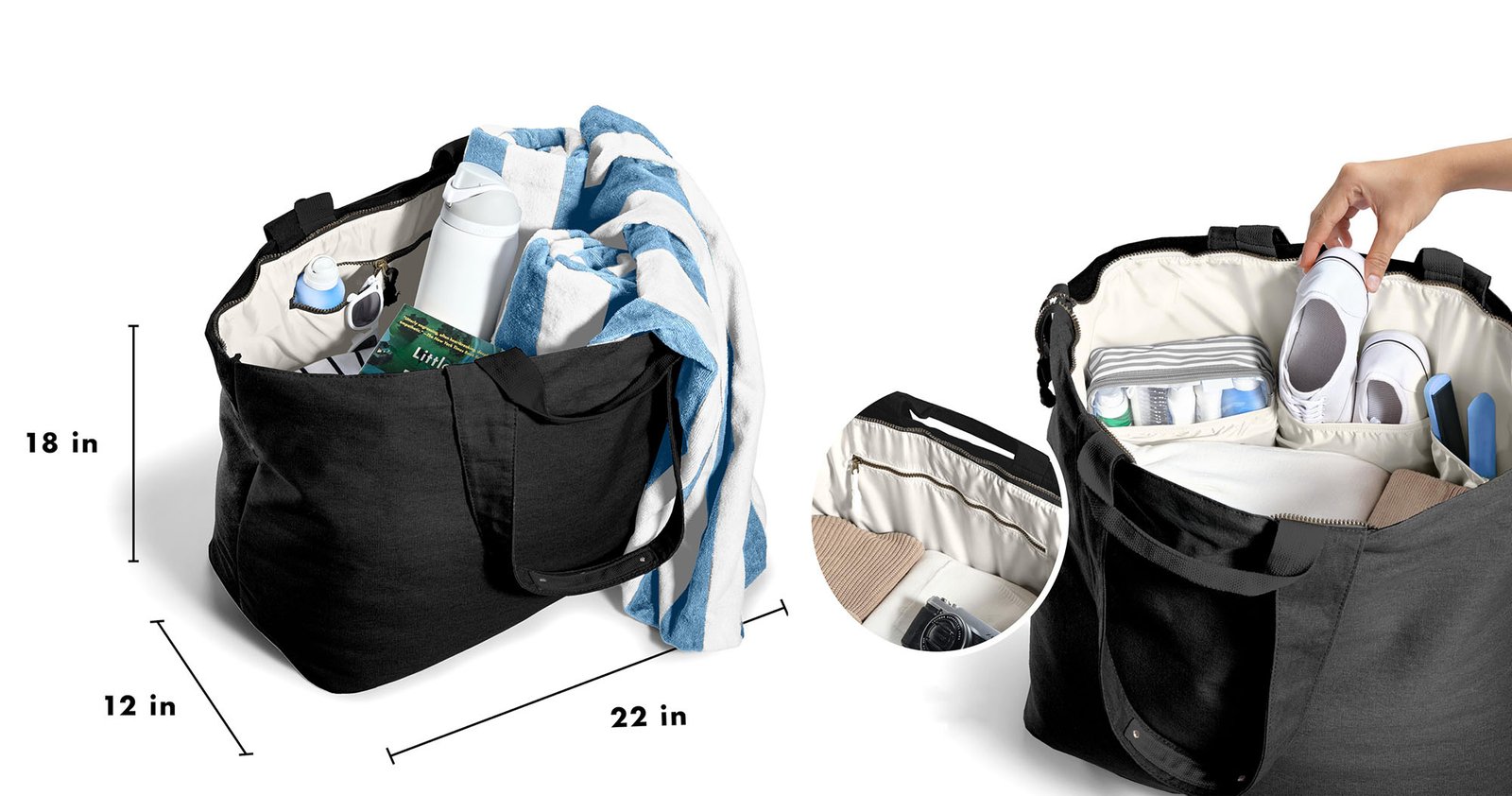
In real inquiry handling, this is where I see many practical issues surface. A buyer may request “large capacity,” but a too-large bag can collapse, drag, or look sloppy when half empty.
How I think about size
I like to frame size around likely guest contents, not just centimeters.
Typical item combinations
- Pool guest: towel, sunscreen, sunglasses, book, bottle
- Spa guest: robe, slippers, skincare, phone, personal items
- Wellness club member: change of clothes, towel, bottle, toiletries
That means the “best” size changes by scenario. Bigger is not always better.
Why handles matter more than many buyers expect
Handles influence both function and perceived quality.
A few handle questions I would raise:
- Will guests carry by hand, shoulder, or both?
- Will the bag be used briefly or for extended walking?
- Will heavier contents be common?
- Does the bag need a soft grip or reinforced webbing?
Common handle mistakes
- Handles are too short for shoulder carry
- Handles cut into the shoulder under towel weight
- Attachment points are under-reinforced
- Decorative handles look premium but wear out quickly
Inner pockets and layout
I often tell buyers not to overcomplicate interior organization. Too many pockets can increase cost without improving use. But no organization at all can feel careless in a premium setting.
A practical layout often includes:
- One zip inner pocket for phone or key card
- One open sleeve for sunscreen or bottle
- Optional wet/dry separation if use demands it
Quick selection guide
| Feature | Best for | Risk if chosen poorly |
|---|---|---|
| Large open body | Resort/family pool use | Bag becomes floppy or oversized |
| Medium structured tote | Spa or premium club use | May not fit towels if too compact |
| Long shoulder handles | Guest convenience | Poor comfort if straps are thin |
| Inner zip pocket | Valuables | Added cost if not really needed |
| Wet compartment | Heavy wet use | Extra complexity if rarely used |
When hotels source pool and spa bags in bulk, they should judge structure in motion, not only in photos. I always find that loaded sample testing reveals more than a spec sheet does.
What Branding Looks Premium for Hotels and Wellness Clubs?
Branding is where many teams want to make a strong impression, but over-branding often makes the bag feel promotional instead of premium8. In hospitality, subtlety usually performs better. The guest should feel the brand, not feel advertised at.
Premium branding for hotel and wellness bags usually means restrained logo use, material-consistent decoration, and details that support the brand story. Good branding feels integrated into the bag, while poor branding feels added on top of it.
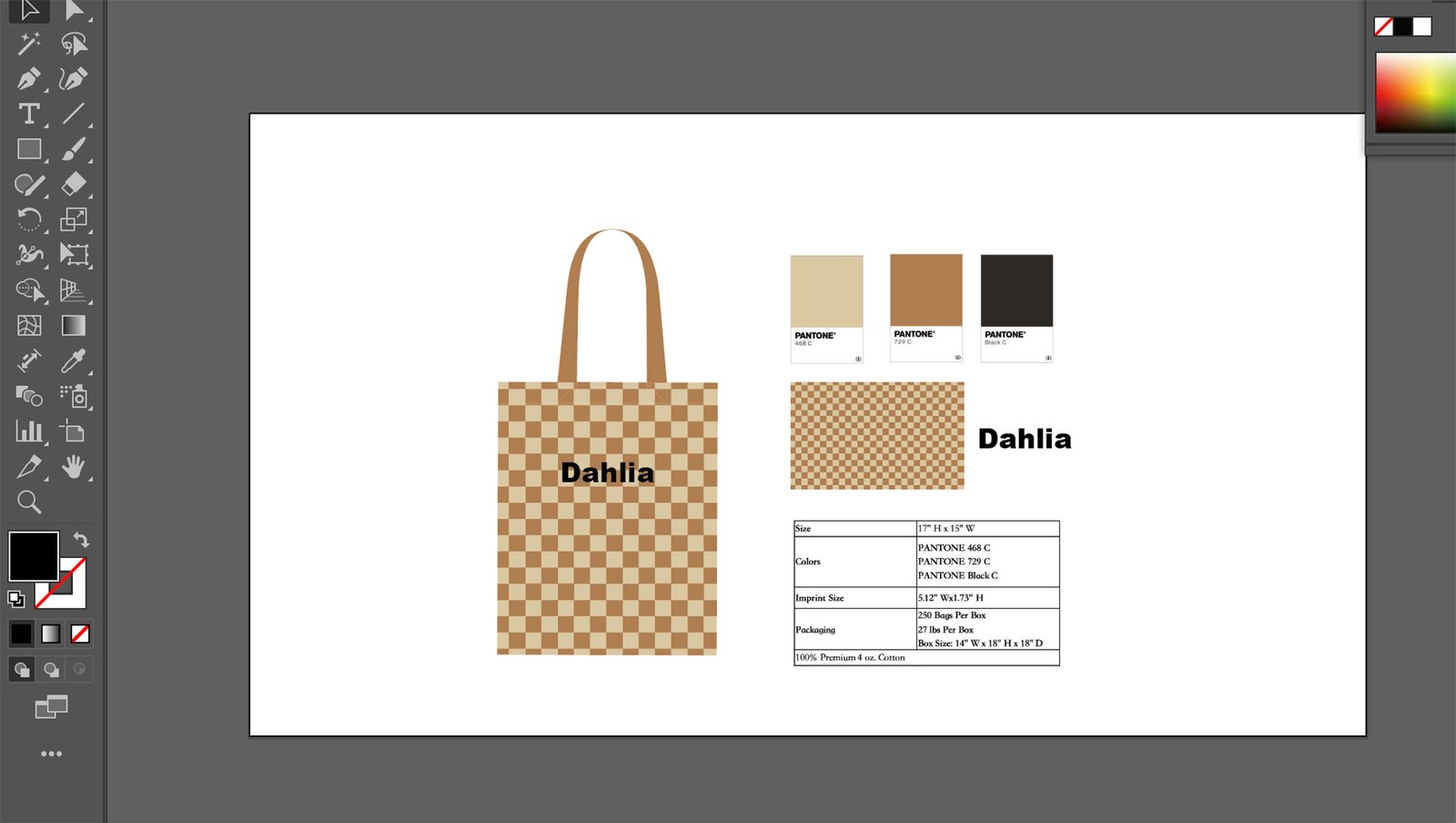
In custom project scoping, I often notice that buyers ask first about logo size. I think the better question is: what brand experience should the guest perceive when holding the bag?
Branding methods and their effect
Screen printing
- Cost-effective
- Good for larger runs
- Better for casual or promotional positioning
Embroidery
- Feels textured and elevated
- Works well on some fabric types
- Can distort lighter materials if not planned well
Woven labels and patches
- Subtle and modern
- Good for premium wellness aesthetics
- Useful when the logo should not dominate
Metal logo plates or custom hardware
- Strong premium signal
- Better for structured, higher-end bags
- Must match moisture exposure and corrosion concerns
From my experience, these details often elevate perception more than a large logo:
- Clean stitching
- Balanced proportions
- Matching trim colors
- Soft but durable handles
- Neat inner finishing
- Tasteful label placement
In buyer discussions, a common mistake is trying to “add value” with louder branding. In many hotel settings, quieter branding feels more expensive9.
Branding should match the venue type
A resort hotel can carry a more relaxed and visible identity. A wellness club may prefer understated design. A luxury spa may want almost invisible branding with focus on texture and color harmony.
Here is how I would simplify it:
| Brand type | Best branding direction |
|---|---|
| Family resort | Visible but friendly logo, practical decoration |
| Premium hotel | Understated logo, refined color matching |
| Luxury spa | Minimal branding, elevated material feel |
| Wellness club | Clean, modern, repeat-use identity |
So when hotels source pool and spa bags in bulk, they should not ask only how to print a logo. They should ask how branding supports guest positioning and long-term use.
What Should Procurement Teams Check Before Bulk Production?
Even a well-designed sample can become a disappointing bulk order if procurement checks are too light. This is where risk control matters most. I have seen good concepts fail because teams approved too quickly without stress-checking the details that matter in hospitality use.
Before bulk production, procurement teams should check sample accuracy, material consistency, stitching quality, handle reinforcement, branding execution, packaging, and realistic use performance. A proper pre-production review reduces the risk of quality claims, delays, and guest-experience problems after delivery.10
When I work through requirement discussions, I encourage buyers to review samples as if the bag is already in operation, not as if it is sitting on a showroom table.
My practical pre-production checklist
1. Confirm the use case again
This sounds basic, but it matters. Teams often change details late without revisiting function.
Check:
- Target guest type
- Expected contents
- Wet vs dry use
- Reuse frequency
2. Review construction, not just appearance
A bag can look correct but still be weak.
Look closely at:
- Handle attachment
- Stress points
- Bottom panel support
- Seam neatness
- Lining stability
3. Test with realistic load
I strongly recommend loading the sample with actual hospitality items.
For example:
- 1–2 towels
- Sunscreen bottle
- Water bottle
- Slippers
- Small personal items
Then check:
- Does the bag collapse?
- Do handles twist?
- Does the opening stay usable?
- Does it still look presentable?
4. Check branding against the real material
Logos can appear different on final fabric than on artwork files.
Confirm:
- Print sharpness
- Embroidery tension
- Label placement
- Color consistency
- Hardware finish
5. Clarify production control points with the supplier
I would want alignment on:
- Approved sample reference
- Material substitutions policy
- Tolerance range for size
- Inspection standard
- Packaging method
- Delivery timeline
Simple bulk-order risk table
| Check point | Why it matters | Common failure |
|---|---|---|
| Approved sample lock | Keeps production aligned | Bulk differs from sample |
| Reinforcement review | Prevents carry failure | Handle breakage |
| Wet-use test | Confirms fit for purpose | Leakage, sagging |
| Branding approval | Protects brand image | Crooked or poor logo finish |
| Packing standard | Prevents transit damage | Creasing or deformation |
When hotels source pool and spa bags in bulk, the final decision should come after fit-for-use review, not before it. Price still matters, of course. But a lower price does not help if the bag causes complaints, replacement cost, or brand disappointment.
Frequently Asked Questions
Are pool and spa bags the same as normal promotional tote bags?
No. A pool or spa bag may look similar, but hospitality use is different. It often involves wet items, repeated handling, and stronger guest expectations. A normal promo tote may be fine for gifting, but it may fail in active resort or spa operations.11
What is the best material for a hotel pool bag?
There is no single best material. The right choice depends on moisture exposure, branding level, and reuse frequency. In many projects, coated polyester, RPET, or carefully selected canvas-based constructions work well when matched to the actual use case.
Should hotels choose larger bags for better guest convenience?
Not always. Larger bags can hold more, but they can also sag, feel awkward, and look messy. I usually suggest choosing a size based on real guest contents and carrying comfort rather than assuming bigger always adds value.
Is custom branding necessary for bulk pool and spa bags?
Usually yes, if the bag is part of guest experience or brand presentation. Still, premium branding does not mean oversized logos. In many hotel and wellness settings, subtle branding creates a stronger and more upscale impression.
What should buyers ask suppliers before placing a bulk order?
Buyers should ask about sample approval, handle reinforcement, material consistency, realistic load performance, logo method, quality inspection, packaging, and delivery schedule. These questions help reduce operational risk and improve confidence before production starts.
Conclusion
Hotels source pool and spa bags in bulk most successfully when they stop treating the product as just another tote. The real decision is about guest use, moisture exposure, carry comfort, brand positioning, and repeated operational performance. In my experience, the best projects start with clarifying questions, then move to material, structure, and branding choices that fit real hospitality conditions. If you are planning a custom hotel, resort, or wellness bag program, contact Coraggio at info@coraggiobag.com. I would be glad to help you scope the right OEM or ODM solution for your market.
"Hand-Feel Touch Cues and Their Influences on Consumer Perception ...", https://pmc.ncbi.nlm.nih.gov/articles/PMC6678767/. Research on textile product performance and consumer perception indicates that inadequate seam and handle construction can reduce load-bearing reliability, while tactile and material cues influence perceived quality; these findings support the article's warning about weak handles and low-end feel, although they do not specifically test hotel pool bags. Evidence role: general_support; source type: research. Supports: That textile bags used under load can fail at seams and handles if construction is inadequate, and that material feel can influence perceived product quality.. Scope note: Support is contextual rather than specific to hospitality pool and spa bags. ↩
"Complex Challenges in the Textile Industry and Potential Solutions in ...", https://pmc.ncbi.nlm.nih.gov/articles/PMC11857584/. Textile studies on repeated wetting-drying cycles show that moisture exposure can alter fabric and coating performance, including strength retention and dimensional behavior, which supports the need for durability under repeated moisture exposure and handling in wet-area bags. Evidence role: mechanism; source type: paper. Supports: That repeated wetting, drying, and handling can affect fabric strength, dimensional stability, and coating performance, making moisture resistance relevant for bags used in wet environments.. Scope note: Most studies examine textile materials or finishes rather than complete hospitality bag assemblies. ↩
"A Detailed Study of the Expected and Actual Use of Hotel Amenities", https://www.bu.edu/bhr/2019/03/20/a-detailed-study-of-the-expected-and-actual-use-of-hotel-amenities/. Hospitality and service-design literature describes guest-facing amenities as both operational touchpoints and brand-signaling elements, supporting the article's characterization of spa and pool bags as occupying a space between merchandise and operational equipment. Evidence role: historical_context; source type: research. Supports: That hospitality amenity items can operate simultaneously as service touchpoints and branded experience elements rather than purely promotional giveaways.. Scope note: The literature may discuss amenities broadly rather than pool and spa bags specifically. ↩
"The effects of different fabric types and seam designs on the seams [sic ...", https://commons.emich.edu/cgi/viewcontent.cgi?article=1052&context=honors. Textile engineering guidance consistently treats fabric weight as only one input among several determinants of sewn-product performance, with seam design, stitch parameters, reinforcement, and finishing also affecting durability; this supports the claim that material and weight alone are incomplete quality signals. Evidence role: expert_consensus; source type: education. Supports: That product quality in sewn textile goods depends on multiple factors, including fabric properties, seam design, stitch density, reinforcement, and finishing, not only material type or weight.. ↩
"USDA Launches Great American Cotton Plan to Revitalize the ...", https://www.usda.gov/about-usda/news/press-releases/2026/05/28/usda-launches-great-american-cotton-plan-revitalize-cotton-farm-economy. Standard textile references describe cotton as a hydrophilic cellulose fiber with relatively high moisture absorbency, supporting the statement that plain untreated cotton absorbs moisture. Evidence role: mechanism; source type: encyclopedia. Supports: That cotton is a hydrophilic cellulose fiber with notable moisture absorbency compared with many synthetic fibers.. ↩
"The staining of clothing by sunscreens: A pilot study", https://pubmed.ncbi.nlm.nih.gov/29438759/. Laundry and textile-care guidance notes that sunscreen formulations, including oily components and some UV-filter ingredients, can produce persistent fabric stains, which supports the article's caution that sunscreen stains may be hard to clean. Evidence role: mechanism; source type: education. Supports: That sunscreen ingredients and oils can interact with fabrics to cause visible staining that may be difficult to remove in laundering.. Scope note: Consumer-care sources often address clothing generally rather than hospitality bags in particular. ↩
"Effect of Uniaxial Fatigue Aging and Fabric Orientation on Low Impact ...", https://pmc.ncbi.nlm.nih.gov/articles/PMC8348977/. Materials studies on coated and laminated textiles report that repeated flexing, aging, and environmental exposure can lead to surface cracking when coating systems have limited durability, supporting the claim that low-grade lamination can crack. Evidence role: mechanism; source type: paper. Supports: That laminated and coated textile surfaces can crack when formulation quality is poor or when the material undergoes repeated flexing and aging.. Scope note: The evidence usually concerns material systems under test conditions rather than specific commercial bag products. ↩
"Neuroscientific Analysis of Logo Design: Implications for Luxury ...", https://pmc.ncbi.nlm.nih.gov/articles/PMC12024241/. Consumer-behavior studies on brand prominence show that logo visibility affects perceived status and product evaluation, with restrained branding sometimes aligning more closely with premium positioning; this provides contextual support for the claim that over-branding can make a bag feel promotional rather than premium. Evidence role: general_support; source type: paper. Supports: That brand prominence influences product perception, and that more restrained brand signals can be associated with premium or luxury positioning in some contexts.. Scope note: The relationship varies by segment and audience, so the evidence is contextual rather than universal. ↩
"Effects of Design Aesthetics on the Perceived Value of a Product - PMC", https://pmc.ncbi.nlm.nih.gov/articles/PMC8359925/. Research in consumer perception and design indicates that restrained visual cues and simpler presentation can increase perceived sophistication and premium value, offering contextual support for the article's claim that quieter branding can feel more expensive. Evidence role: general_support; source type: paper. Supports: That minimalist or restrained design cues can elevate perceived sophistication or premium value in branded products.. Scope note: These findings concern perception under studied conditions and do not prove the effect for every hospitality audience or bag design. ↩
"Model quality assurance system for procurement agencies", https://cdn.who.int/media/docs/default-source/health-products-policy-and-standards/qas25.983_mqas_draft_final_rev03.pdf?sfvrsn=8b76e4ff_3. Quality-management frameworks and manufacturing guidance emphasize that pre-production planning, approved specifications, and early process controls are used to prevent defects and downstream nonconformities, supporting the claim that proper pre-production review reduces the risk of quality claims and delays. Evidence role: expert_consensus; source type: institution. Supports: That front-end quality planning, pre-production approval, and process controls are established methods for reducing defects, rework, and delivery problems.. Scope note: The support is based on general quality-management principles rather than hotel bag procurement alone. ↩
"New Fabric Test Material Could Help Strengthen Domestic Supply Chain ...", https://www.nist.gov/news-events/news/2026/07/new-fabric-test-material-could-help-strengthen-domestic-supply-chain. Product-design and quality research recognizes intended use as a key determinant of performance requirements, supporting the article's distinction that a tote suitable for promotional gifting may not withstand the heavier, wetter, and more repetitive demands of active resort or spa operations. Evidence role: general_support; source type: research. Supports: That product performance requirements depend on intended use conditions, and items designed primarily for promotional distribution may not meet higher durability or environmental demands of operational use.. Scope note: This is a contextual inference from general product-design principles rather than a direct comparative study of promotional and hotel pool totes. ↩