Retailers often compare packing cube quotes that look close, then face quality gaps, delays, and bulk surprises. I have seen small spec misses turn a simple order into a costly problem.
Retailers should source travel packing cube sets by locking the exact specs before comparing quotes. I always compare size mix, fabric, mesh, zipper, stitching, logo method, and packaging first. This is how I reduce hidden differences, judge bulk consistency, and avoid misleading low prices.
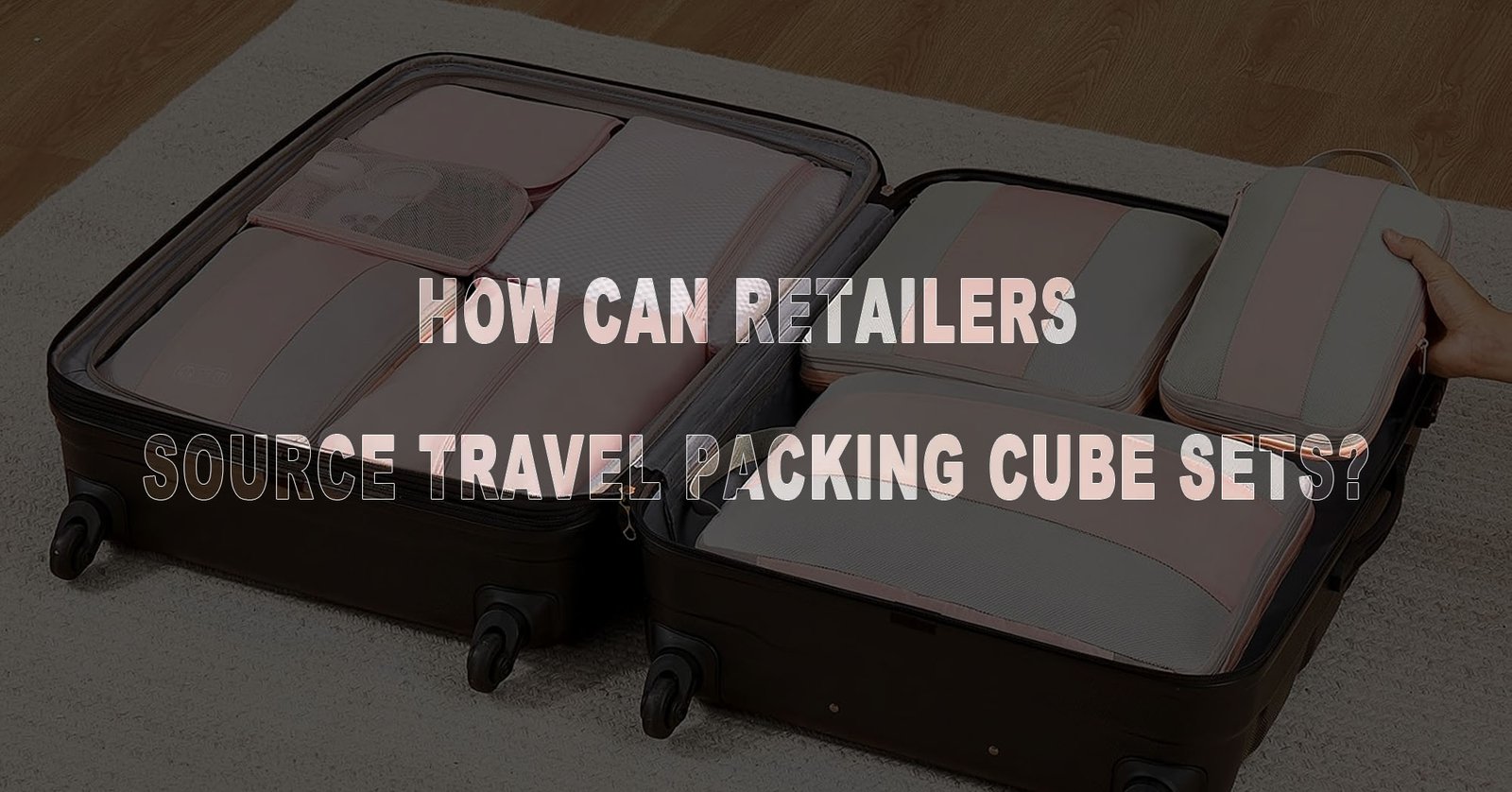
When I handle packing cube set inquiries, buyers often ask for the best price first. I understand that. Price matters. But I have learned that this is not the safest starting point. A packing cube set looks simple. In fact, it is easy for two suppliers to quote very different products under the same product name. One set may use thinner fabric, softer mesh, smaller zippers, fewer stitches, or simpler packaging. The sample may still look fine at first glance. The bulk order may not.1 That is why I always bring the discussion back to clear specifications. When the quote is based on the same product, the comparison becomes useful. When the specs are vague, the cheapest quote often hides the biggest risk. I want buyers to read on with that lens, because this one change can improve sourcing results fast.
What Sizes Should Be Included in a Packing Cube Set?
Buyers often choose a size mix by habit, then find the set does not fit store demand or luggage use. I have seen a good-looking set fail because the size plan was wrong.
A practical packing cube set usually includes a clear mix of large, medium, and small cubes, and sometimes a shoe or laundry bag.2 I suggest buyers define suitcase fit, end-user use, and folding volume before asking for quotes. This keeps supplier offers comparable and retail-ready.
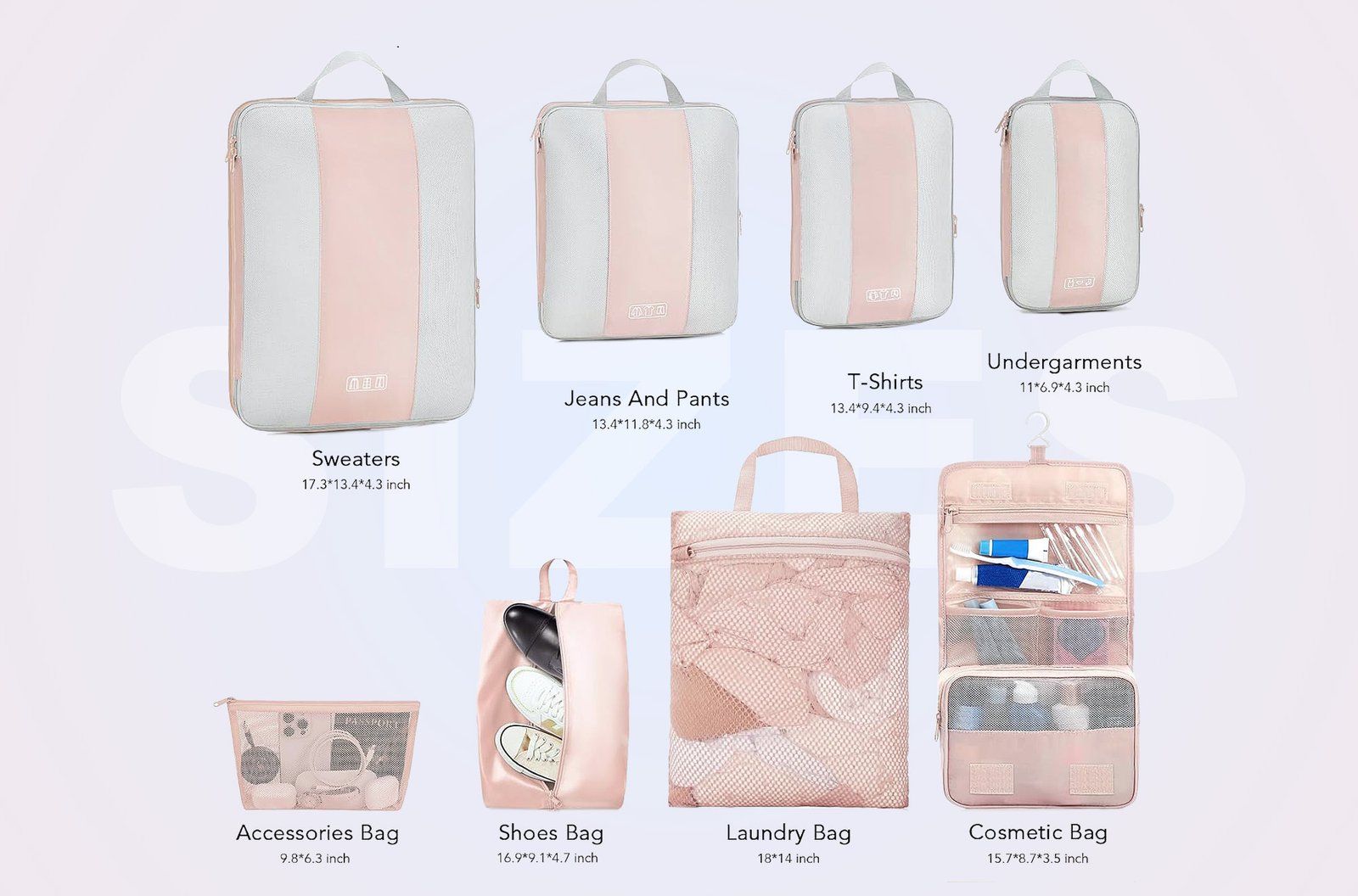
When I review a travel organizer inquiry, I do not start from the number of pieces alone. I start from use. A 6-piece set from one supplier can feel much more useful than a 7-piece set from another supplier, because the actual size layout is different. I have seen buyers approve a sample set that looked complete on the table, but the large cube did not fit well in carry-on luggage, or the small pouch was too small to be useful. That creates problems later, especially for supermarket buyers who need broad customer acceptance.
I usually break size planning into three parts: suitcase compatibility, item use, and display balance. Suitcase compatibility means asking whether the set is made for cabin luggage, medium checked luggage, or mixed use. Item use means deciding what each cube is for, such as shirts, underwear, shoes, toiletries, or laundry. Display balance means the set should look full and logical in retail packaging.
Here is the way I usually think about it:
| Set Piece | Common Use | Sourcing Risk if Unclear |
|---|---|---|
| Large cube | Jackets, sweaters, pants | Too bulky, poor suitcase fit |
| Medium cube | Shirts, tops, daily wear | Can overlap too much with large cube |
| Small cube | Underwear, socks, baby items | May be too small to feel useful |
| Shoe bag | Shoes or dirty items | Size may not fit larger shoes |
| Laundry pouch | Separation of used clothes | Often removed in low-price quotes |
I also ask buyers whether they want the set to feel space-saving or premium. A space-saving set may use slimmer dimensions. A premium-looking set may include more pieces and stronger visual layering. Both can work. But the size mix must be intentional. If buyers only say “standard 6-piece set,” each supplier may define “standard” in a different way. That is where quote comparison starts to break.
Which Fabrics Keep Travel Storage Bags Lightweight?
Many buyers ask for lightweight fabric, but they do not define fabric weight, coating, or structure. I have seen this create price gaps and bulk quality issues very quickly.
Lightweight travel storage bags usually use polyester or nylon with controlled fabric weight and simple construction. I recommend buyers define material type, approximate gsm or denier, coating, and hand feel before comparing offers, because “lightweight” means different things across suppliers.
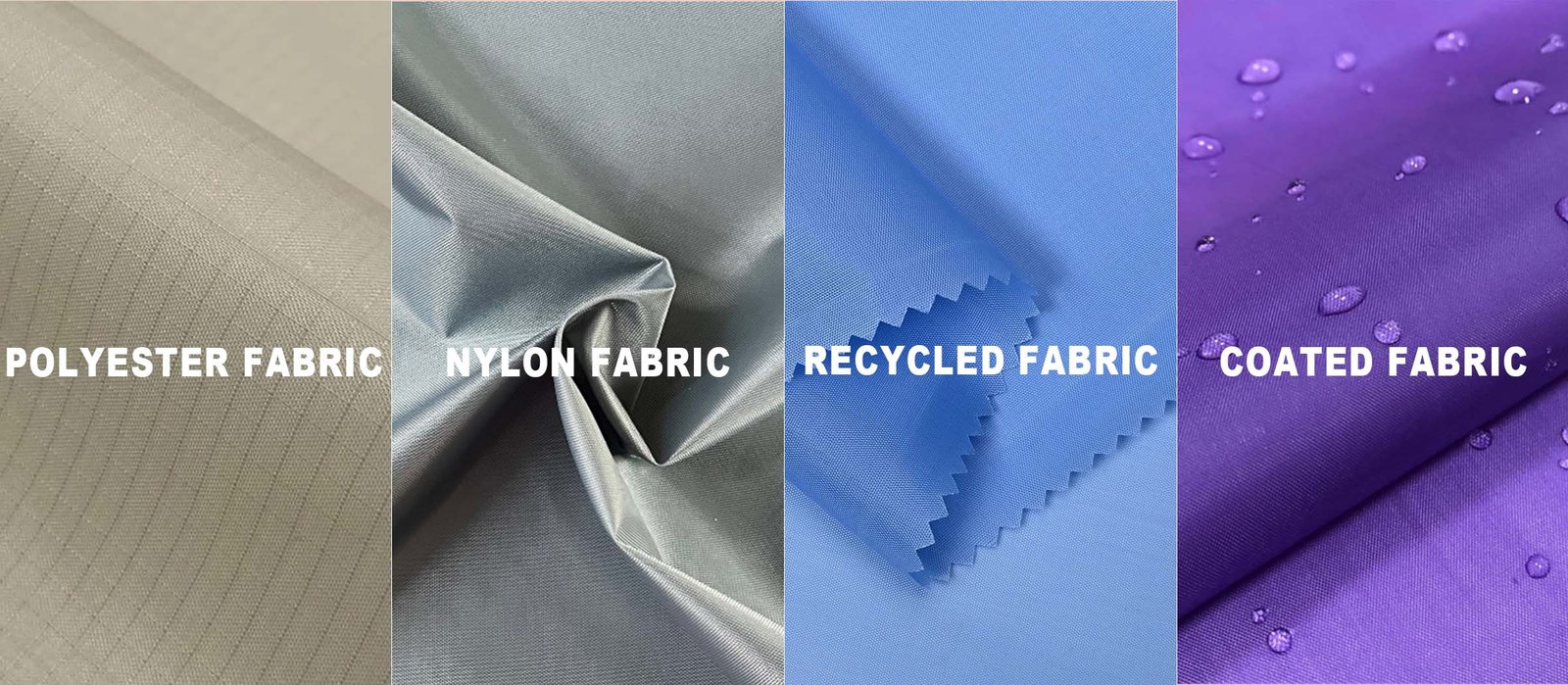
In my daily work, fabric is one of the biggest reasons why packing cube quotes cannot be compared fairly. A buyer may ask for “lightweight polyester.” That sounds clear, but it is not enough for real sourcing. One supplier may use a thin plain weave that feels crisp. Another may use a softer material with coating. A third may shift to a lower-cost fabric that looks similar in photos but does not hold shape well. The set still gets called a packing cube set. The price changes. The performance changes too.
I usually help buyers define fabric in a simple but useful way. First, I ask whether the priority is very low weight, better shape retention, lower cost, or a more premium look. Then I ask about material family. Polyester is common and cost-friendly.3 Nylon can feel lighter or smoother in some projects, but the price may change.4 Then I ask about lining, if any, and whether the mesh panel must match the body fabric in look and strength.
Here is a simple comparison I use in discussions:
| Fabric Choice | Main Advantage | Main Risk |
|---|---|---|
| Lightweight polyester | Good cost control | May feel less premium |
| Nylon | Lighter feel, smoother hand feel | Higher cost in some cases |
| Recycled fabric | Better eco story if verified | Need clear verification and cost check |
| Coated fabric | Better structure | Can add weight and stiffness |
I also remind buyers that “eco-friendly” or recycled claims are verification-dependent.5 If a project needs that angle, the buyer should confirm what documents are actually available for that order. I do not present that as automatic. I present it as something to check.
Most important, the approved sample does not prove bulk stability. I have seen good samples made with one fabric lot, while mass production used a slightly different lot that changed hand feel and color tone. That is why I care not only about the sample itself, but also about whether the supplier asks the right fabric questions before quoting.
Should Buyers Choose Mesh Panels or Solid Panels?
Buyers often focus on appearance and forget function. Then they realize the panel choice affects weight, visibility, durability, and even how premium the set feels on shelf.
Buyers should choose mesh panels when visibility and ventilation matter6, and solid panels when cleaner appearance, privacy, or stronger structure matters7. I always ask how the set will be used, displayed, and priced, because panel choice changes both function and quote accuracy.
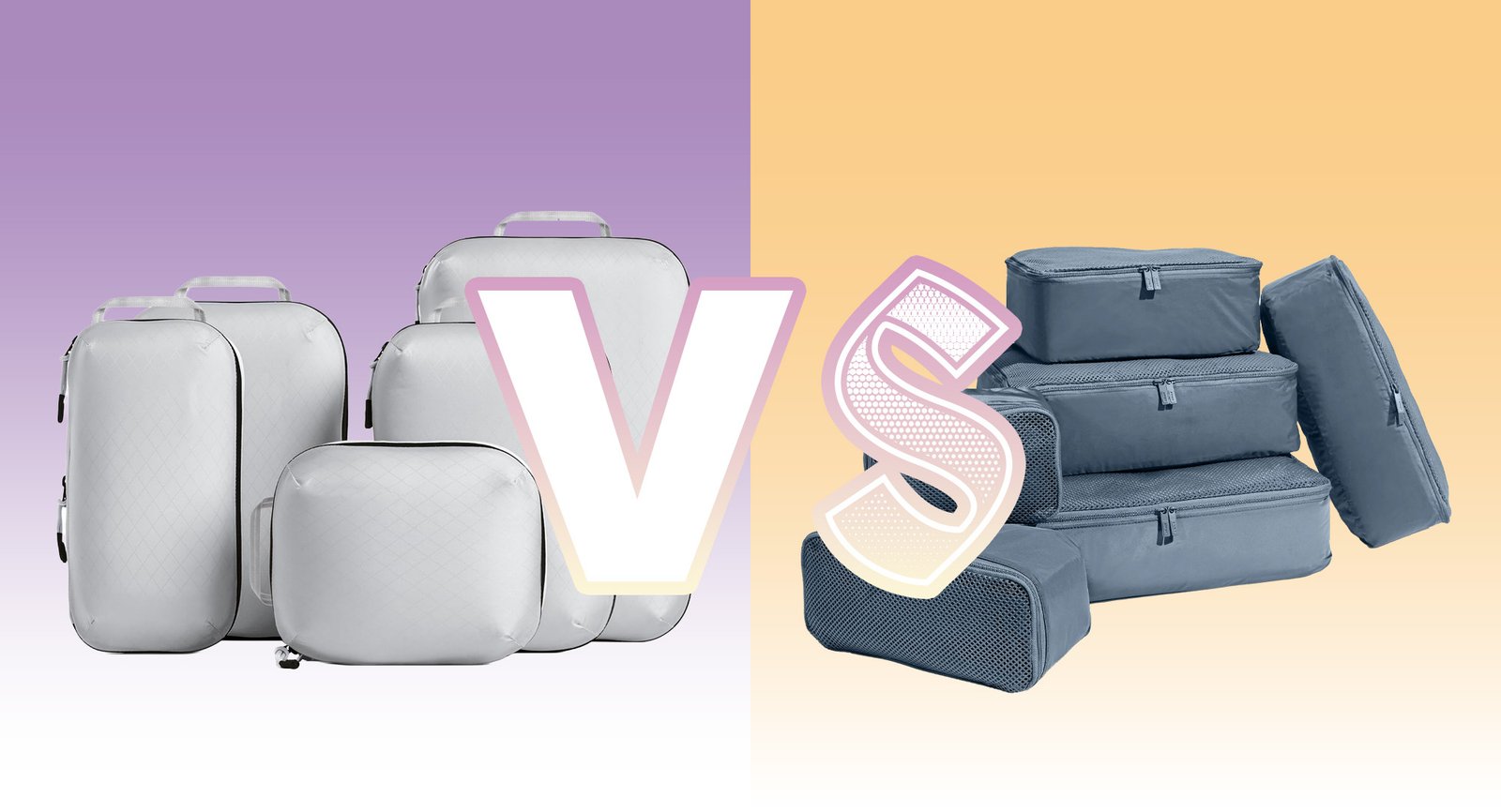
This is one detail that seems small but changes the whole product. Many travel packing cube sets on the market use mesh panels because customers like to see what is inside. Mesh also helps the set look lighter and more travel-focused. But not all mesh is the same. Some mesh is soft and open. Some mesh is firmer and tighter. Some looks clean in a sample but can distort in bulk if the tension and stitching are not controlled well. I have seen buyers compare one quote with fine mesh and another with cheaper mesh, while assuming both were equal.
Solid panels are different. They create a cleaner look. They can make printing easier. They can also hide packed items, which some users prefer. In some retail channels, a solid-panel set looks more gift-like or premium. But a solid panel can also remove the quick-visibility benefit that many travelers want. So I do not treat this as a simple better-or-worse choice.
I usually guide buyers with a use-based comparison:
| Panel Type | Best For | What Buyers Should Check |
|---|---|---|
| Mesh panel | Quick item visibility, lighter look | Mesh density, shape stability, stitching |
| Solid panel | Cleaner appearance, more privacy | Fabric weight, wrinkle look, print effect |
| Mixed design | Balance of function and style | Spec complexity and cost difference |
There is also a production point here. Panel choice affects sewing difficulty, tension control, and shape consistency.8 That matters in bulk. A sample can look neat because it is made slowly by an experienced sample worker. Mass production is another test. So I always watch whether the supplier can explain how they keep panel alignment and sewing consistency across the order. Fast replies are nice. Clear process thinking is better.
How Can Retailers Customize Travel Organizer Sets?
Many retailers want custom sets, but they define customization too loosely. That often leads to long revisions, weak branding, and quotes that cannot be compared fairly.
Retailers can customize travel organizer sets through size mix, fabric, color, logo method, zipper details, and packaging.9 I suggest buyers choose only the changes that support their market position, then freeze those specs early so samples and bulk production stay aligned.
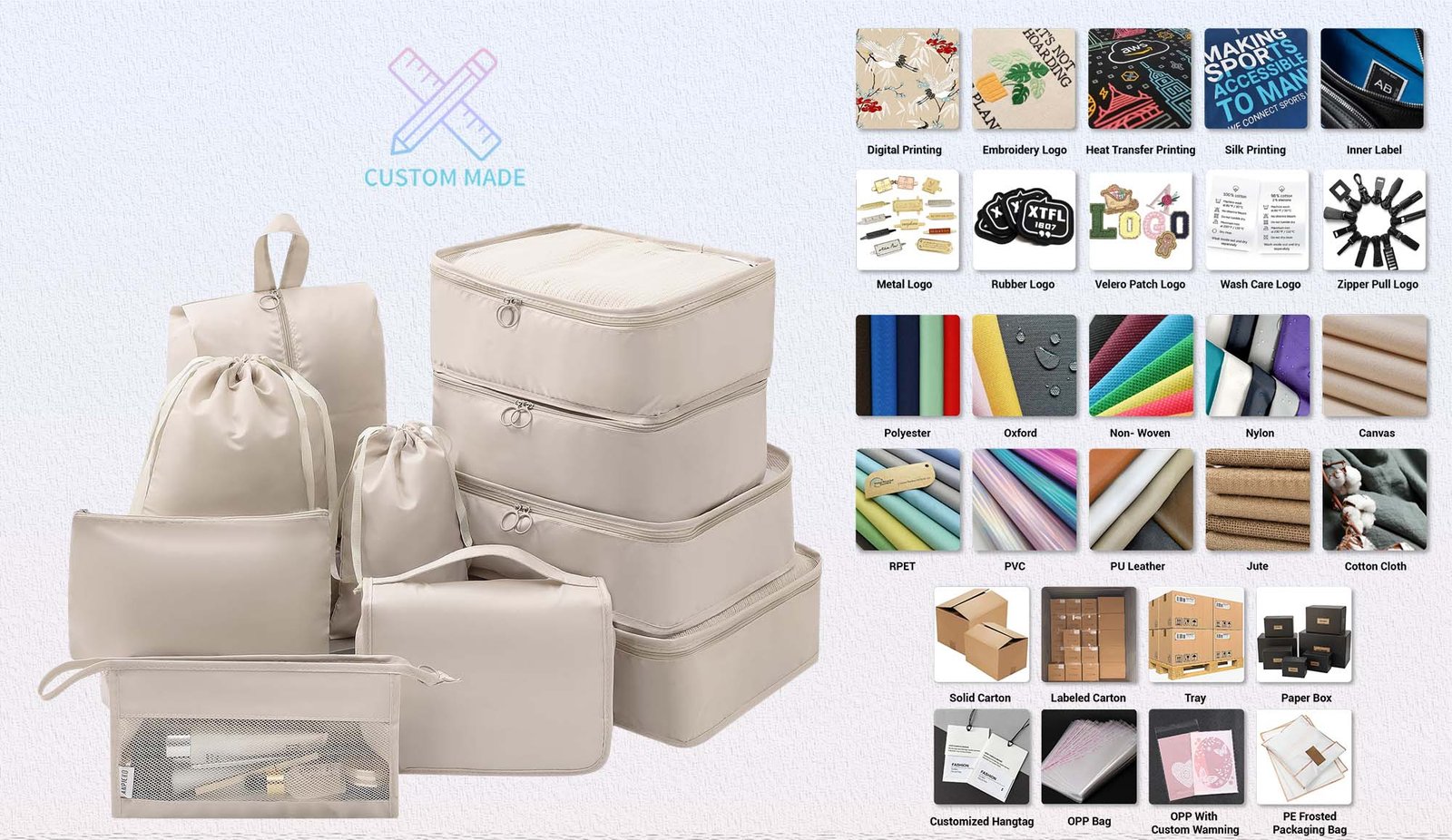
I work with many buyers who want an OEM or ODM travel organizer set. Some need only a private label version of a basic set. Some want a fully new look for a chain store program. Both are possible, but the sourcing path is not the same. Problems start when customization is discussed in broad words like “make it nicer” or “make it look premium.” Those words are easy to say. They are hard to quote.
When I help buyers structure customization, I divide it into visible changes and production-sensitive changes. Visible changes include color, logo, zipper puller style, and packaging graphics. These are easy to notice on shelf. Production-sensitive changes include size changes, added compartments, changed panel construction, special piping, and mixed materials. These affect cost, lead time, and consistency much more.
I often lay it out like this:
| Custom Area | Easy or Complex | Main Sourcing Impact |
|---|---|---|
| Printed logo | Easier | Affects MOQ and artwork approval |
| Woven label | Easier | Small cost change, brand feel upgrade |
| Custom color | Medium | Needs color confirmation and bulk control |
| New size set | Medium to complex | Changes material use and carton plan |
| New structure | Complex | Raises sample revision and production risk |
| Retail gift packaging | Medium to complex | Affects pack-out, shipping, shelf appeal |
I also tell buyers that customization is not only about design. It is about repeatability. A good supplier should ask how the logo will be applied, where it will sit, whether the zipper tone must match, whether the packaging must hang, stack, or sit flat, and whether barcodes or retailer labels have fixed positions. If the supplier does not ask these questions, the low quote may only look good at the start. I trust suppliers more when they push for spec clarity before they promise the price.
What Packaging and Labeling Details Matter for Retail Orders?
Retail buyers often leave packaging until late. Then they face extra cost, carton issues, barcode confusion, or shelf display problems that should have been discussed at the quote stage.
For retail orders, packaging and labeling should be defined early, including insert card, polybag or box, barcode placement, carton marks, and shipping pack method. I always treat these details as part of the product, because they affect cost, compliance checks, shelf readiness, and delivery accuracy.

I have seen many bag projects run smoothly on the product side and then slow down at the packaging stage. Packing cube sets are especially sensitive to this because the product itself is soft and flexible. The way the set is folded, packed, tagged, and carton-loaded changes the final result a lot. A set that looks neat in a sample photo may look flat, messy, or oversized in a retail package if no one defined the pack-out method early.
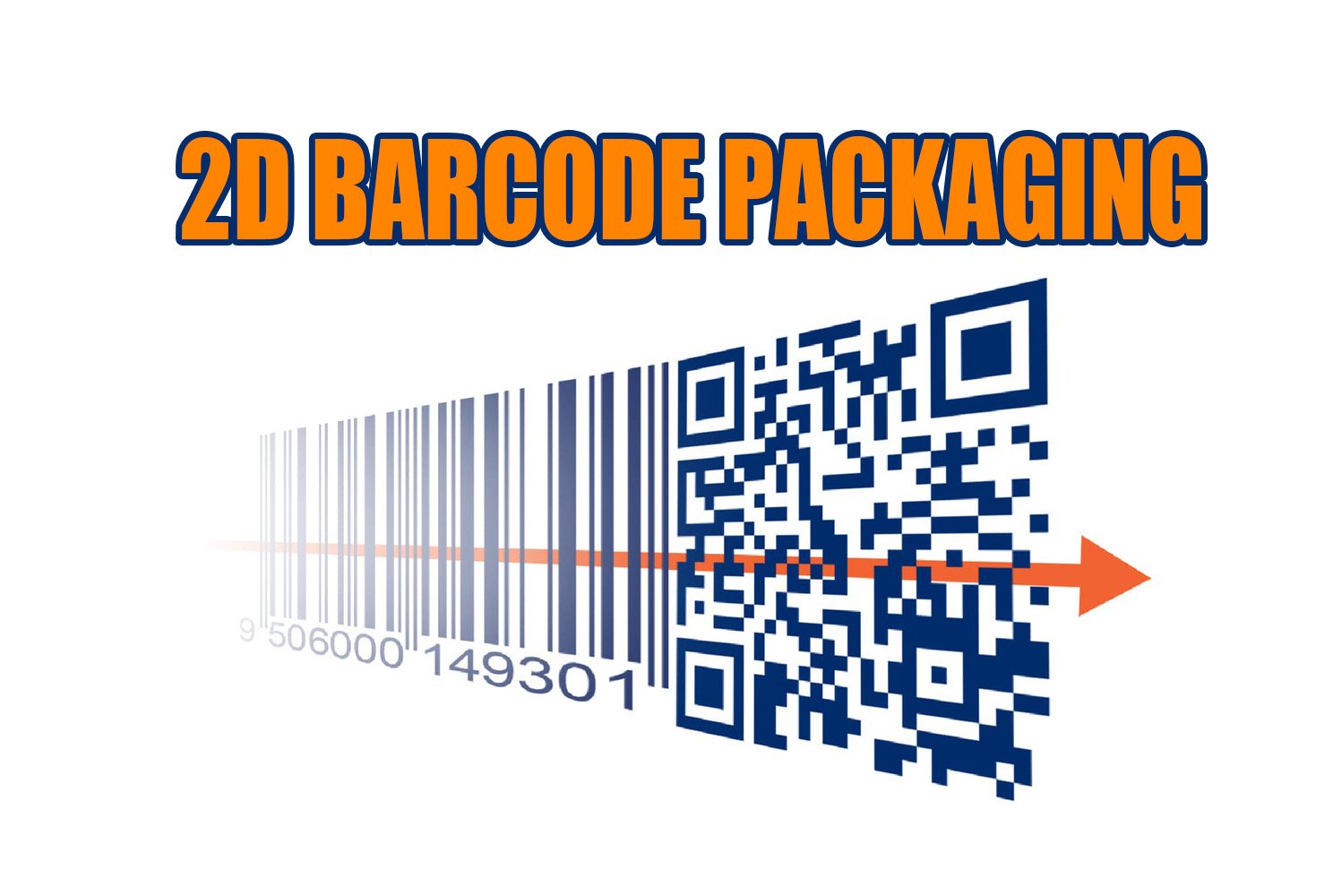
For chain stores and supermarkets, packaging is not a side issue. It is part of the buying decision.10 I usually ask buyers whether the product will be sold on hook display, in a shelf stack, in an open bin, or online. That affects whether the set needs a color card, belly band, printed box, zipper bag, or simple polybag with insert. Labeling also needs a clear plan. Barcode position11, item code, warning text, country-of-origin mark, and carton labels should all be confirmed before bulk production.
Here is the checklist I use most often:
| Packaging Detail | Why It Matters | Risk if Missed |
|---|---|---|
| Insert card size | Controls front display effect | Poor shelf look |
| Polybag or box type | Affects cost and protection | Repacking or damage risk |
| Barcode position | Needed for retail scanning | Warehouse or store issues |
| Carton quantity | Affects shipping and handling | Extra logistics cost |
| Shipping marks | Supports receiving accuracy | Delivery confusion |
| Fold method | Shapes final product appearance | Inconsistent retail presentation |
I also remind buyers that packaging changes can affect carton size, CBM, and shipment cost12. So packaging is not only a design issue. It is also a logistics issue. The best suppliers understand that and ask for these details early. In my experience, that is one of the clearest signs that they understand real retail orders, not just sample making.
Conclusion
I source packing cube sets well by fixing specs first, then comparing suppliers on consistency, clarity, and bulk reliability, not just on the lowest starting quote.
"Mass production - Wikipedia", https://en.wikipedia.org/wiki/Mass_production. Manufacturing quality-control literature notes that an approved sample does not by itself ensure bulk consistency, because variation in materials, process conditions, and operator performance can alter the quality of mass-produced goods. Evidence role: general_support; source type: paper. Supports: That approved samples do not guarantee uniform quality in mass production because process variation and lot-to-lot differences can affect final output.. ↩
"Packing cube - Wikipedia", https://en.wikipedia.org/wiki/Packing_cube. Consumer travel-organization references and product-category overviews commonly describe packing-cube sets as assortments of differently sized cubes, often supplemented by shoe or laundry bags for separation of items during travel. Evidence role: general_support; source type: other. Supports: That packing cube sets are commonly sold in multiple sizes and may include accessory bags such as shoe or laundry pouches.. Scope note: This support is contextual and describes common market configurations rather than establishing a formal standard. ↩
"Analysis of the polyester clothing value chain to identify key ... - PMC", https://pmc.ncbi.nlm.nih.gov/articles/PMC7787125/. Reference sources on textile fibers describe polyester as one of the most widely used synthetic fibers, in part because it offers durable performance at relatively low cost. Evidence role: general_support; source type: encyclopedia. Supports: That polyester is widely used in textiles and is generally valued for relatively low cost and durability.. ↩
"[PDF] Performance Properties in Fibers and Fabrics - District 2 4-H", https://d24-h.tamu.edu/files/2023/02/D2D-Performance-Properties-in-Fibers-and-Fabrics-Copy.pdf. Textile education sources explain that nylon and polyester differ in surface feel, weight-performance characteristics, and price, so substituting one for the other can change both tactile perception and material cost. Evidence role: mechanism; source type: education. Supports: That nylon and polyester differ in tactile and performance properties, and that material selection can affect product cost.. Scope note: The lighter or smoother effect depends on fabric construction and finishing, not on fiber type alone. ↩
"[PDF] Part 260 – Guides for the Use of Environmental Marketing Claims", https://www.ftc.gov/sites/default/files/attachments/press-releases/ftc-issues-revised-green-guides/greenguides.pdf. Regulatory guidance on environmental marketing states that claims such as recycled content should be supported by competent substantiation and should not be presented without adequate verification. Evidence role: expert_consensus; source type: government. Supports: That recycled-content or environmental marketing claims should be substantiated and verified.. ↩
"Mesh (scale) - Wikipedia", https://en.wikipedia.org/wiki/Mesh_(scale). Textile references describe mesh as an open-structure fabric that permits increased airflow and partial visibility of contents relative to solid panels. Evidence role: mechanism; source type: education. Supports: That mesh fabric construction allows visual access and greater airflow than solid woven panels.. Scope note: The degree of ventilation and visibility depends on mesh density and fabric construction. ↩
"[PDF] TEXTILE DESIGN AND MATERIAL STRATEGIES", https://www.jefferson.edu/content/dam/academic/cabe/idea-lab/CABE-Textile-Material-Strategies-2015-2016.pdf. Product-textile guidance notes that closed woven or coated fabric panels conceal contents and generally provide greater shape retention than open mesh constructions of comparable weight. Evidence role: mechanism; source type: education. Supports: That solid fabric panels can conceal contents and provide more shape retention than open mesh constructions.. Scope note: Perceived cleanliness of appearance is partly subjective and depends on fabric finish, color, and product design. ↩
"[PDF] The effects of different fabric types and seam designs on the seams ...", https://commons.emich.edu/cgi/viewcontent.cgi?article=1052&context=honors. Apparel-production sources explain that fabric construction influences feed behavior, seam stability, and tension control during sewing, which in turn affects shape consistency in finished goods. Evidence role: mechanism; source type: education. Supports: That different fabric constructions alter handling, seam behavior, and production control during sewing.. Scope note: The claim is indirect unless a source specifically compares mesh and solid panels for bag manufacturing. ↩
"From factory to brand. Fully customized woven labels with your logo ...", https://www.instagram.com/reel/DPc2FcxDyqs/. Product-development references for soft goods describe customization as extending beyond branding to include dimensions, materials, colorways, hardware or trim details, and retail packaging specifications. Evidence role: general_support; source type: other. Supports: That soft-goods products can typically be customized across dimensions such as materials, colors, logos, hardware, and packaging.. Scope note: This support is contextual and applies broadly to soft-goods development rather than specifically to packing cubes. ↩
"The Effect of Product Packaging on Consumer Purchase Decision", https://www.academia.edu/104329811/The_Effect_of_Product_Packaging_on_Consumer_Purchase_Decision_The_Case_of_Packaged_Milk_Products_Addis_Ababa. Consumer-behavior research consistently finds that packaging contributes to product evaluation and can influence purchase decisions by shaping attention, perceived quality, and brand interpretation at the point of sale. Evidence role: expert_consensus; source type: paper. Supports: That packaging functions as an important factor in consumer evaluation and purchase behavior in retail environments.. ↩
"GS1 Barcodes - Standards", https://www.gs1.org/standards/barcodes. GS1 packaging guidance explains that barcode symbol placement is an operational requirement because location, orientation, and surrounding design conditions affect scanner readability in retail and logistics environments. Evidence role: definition; source type: institution. Supports: That barcode placement on packaging affects scan performance and should follow retail packaging guidance.. ↩
"What is the impact of dimensional weight on shipping costs?", https://www.facebook.com/groups/524135458492290/posts/2037933367112484/. Logistics references explain that carton dimensions and cubic volume affect freight utilization and, under dimensional-weight pricing systems, can directly increase shipping cost even when product weight is unchanged. Evidence role: mechanism; source type: education. Supports: That package size and cubic volume influence transportation pricing and logistics efficiency.. ↩