Many buyers start with price and size. Then the bag arrives, looks wrong in store, fits badly, or fails in bulk. I have seen this mistake too many times.
To source storage bags for retail packaging, I first define what the bag must do in retail, then match material, size, structure, closure, branding, and supplier consistency to that job. Price matters, but fit, presentation, and repeatability matter first.
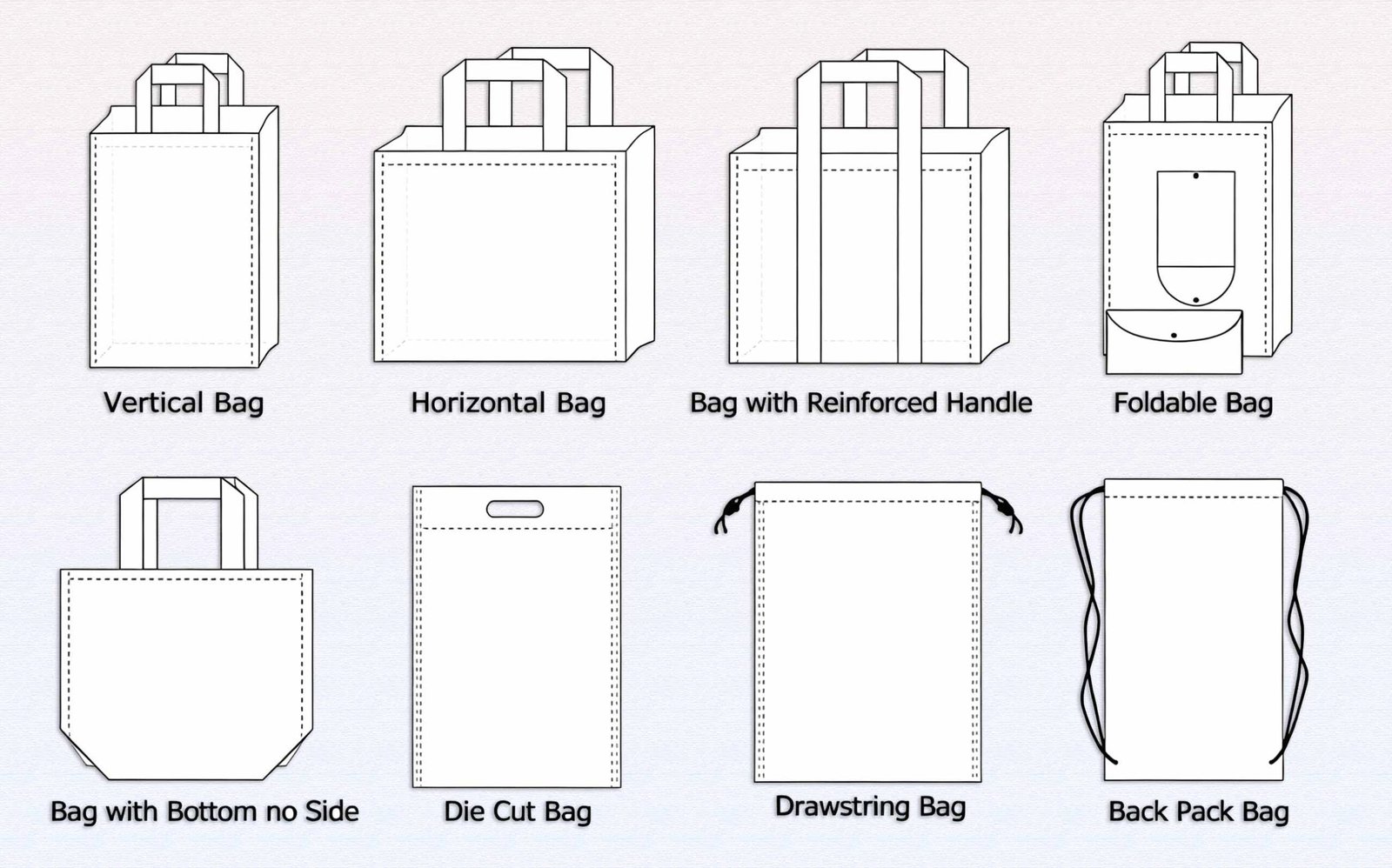
I have worked with buyers who came to me with a simple request: “Quote me a cotton drawstring bag in this size.” On paper, that sounds clear. In real work, it is not clear at all. I always find that the hard part is not getting a quote. The hard part is making sure the bag helps the product sell, protects the item, supports the brand, and can be repeated in bulk without surprises. That is why I do not treat sourcing as a price-first task. I treat it as a fit-and-risk decision from the start.
When Should Brands Use Fabric Storage Bags Instead of Boxes?
Many brands use boxes by habit. Then they find the package feels bulky, costs more to ship, or does not match the product experience they want.
I use fabric storage bags instead of boxes when the brand wants a softer opening experience, reusable packaging1, lighter shipping weight2, or a package that also serves as long-term product protection.
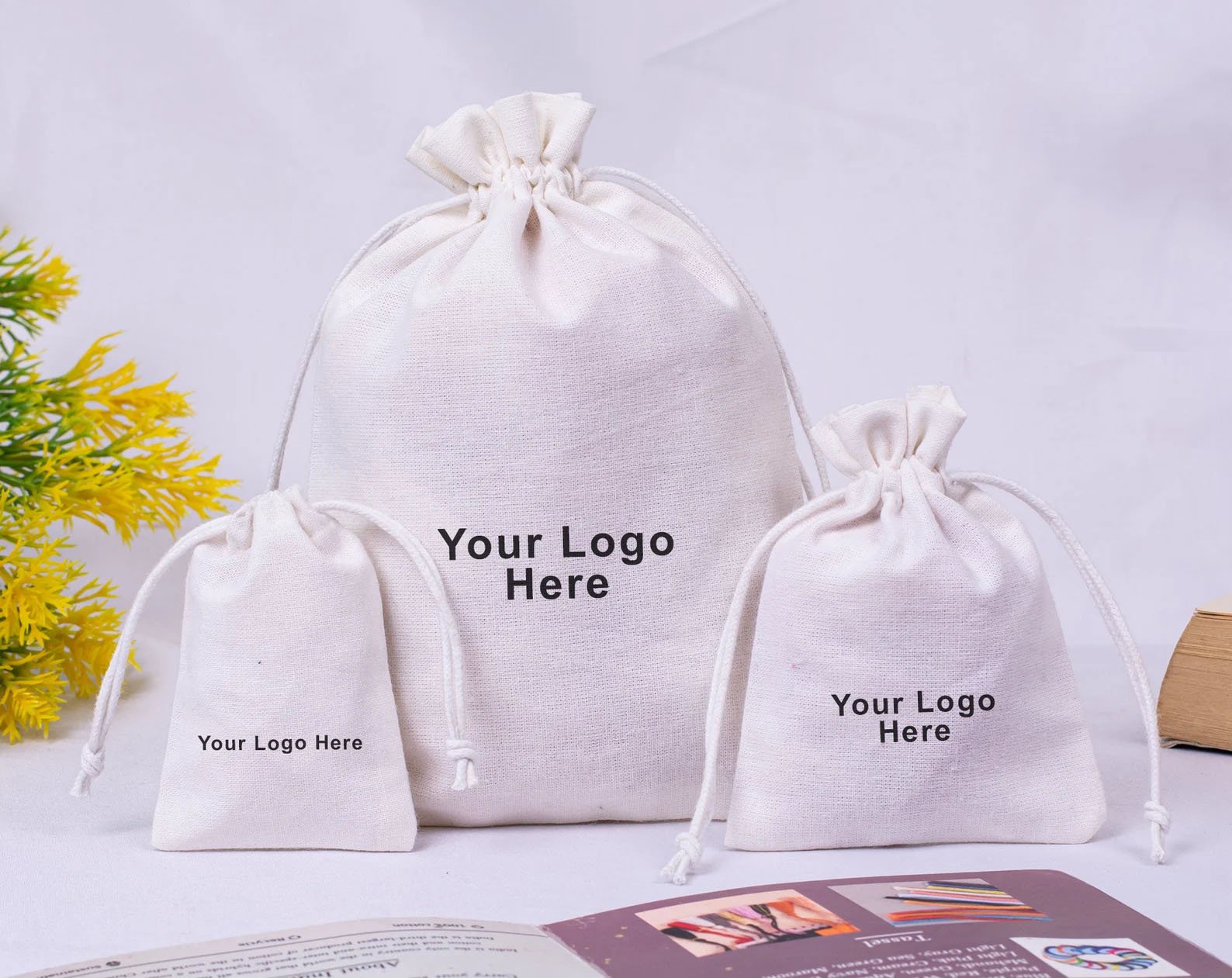
In my work, I do not compare bags and boxes as if one is always better. I ask what the package must do in the store and after purchase. A box gives shape, stackability, and strong visual surfaces. A fabric bag gives softness, flexibility, reuse, and a more personal opening feel. For some retail products, that difference changes the whole buying experience.
I often see fabric bags work well for shoes, small accessories, cosmetics sets, gifts, and products that people may store again after opening. I also see them help when shipping cost is tight, because many fabric bags weigh less than rigid packaging3. But a fabric bag is not a box replacement in every case. If the item needs sharp shelf shape, crush protection, or heavy stacking, a bag alone may not be enough.
Here is how I usually break the choice down:
| Retail need | Fabric bag | Box |
|---|---|---|
| Soft premium feel | Strong | Medium |
| Shelf structure | Weak | Strong |
| Reusability | Strong | Medium |
| Shipping weight | Lower | Higher |
| Product protection from crushing | Lower | Strong |
| Flexible sizing | Strong | Medium |
I remember one buyer who first asked me for a low-cost box alternative. After a few questions, I learned the real goal was not only cost. The brand wanted the customer to keep the packaging and use it again. That changed the decision. We stopped talking only about quote price and started talking about opening feel, fabric touch, and logo style. That is the kind of shift that leads to better sourcing.
What Materials Work for Gift Set Drawstring Bags?
Many buyers ask for cotton, velvet, or satin too early. Then they find the fabric looks nice but does not match the product weight, brand image, or budget.
The best material for a gift set drawstring bag depends on product weight, desired look, touch, print method, and budget. I usually compare cotton, polyester, velvet, nonwoven, canvas, and satin by retail purpose, not by name alone.
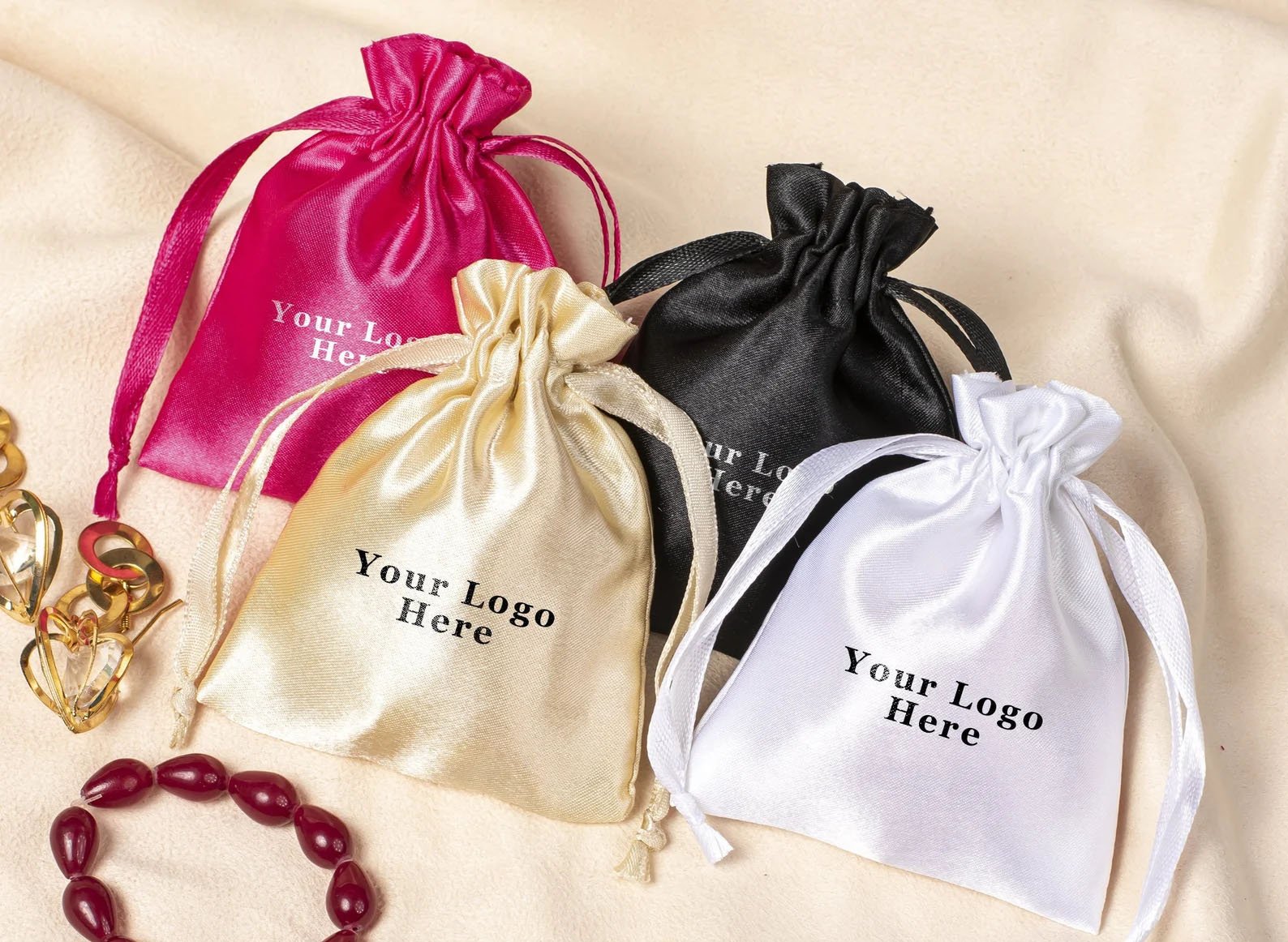
I have learned that material names are only a starting point. Two cotton bags can perform very differently. Two velvet bags can look very different under store lighting. So when I discuss gift set drawstring bags, I focus on what the material changes in the real result: shape, drape, texture, color depth, logo effect, and cost control.
Cotton and canvas usually work when the brand wants a natural, eco-friendly, or simple premium feel.4 Polyester often works when color consistency, cost, and print flexibility matter more.5 Velvet helps when the product needs a richer look, especially for jewelry, holiday sets, or beauty gifts. Satin gives a smooth and elegant feel, but it can show wrinkles and may be less stable for some products. Nonwoven works when the buyer needs a lower-cost reusable option, but it may not fit every premium retail position.
This is the table I often build in my head during inquiry review:
| Material | Best for | Main strength | Main risk |
|---|---|---|---|
| Cotton | Natural branding | Soft, eco image | Can wrinkle |
| Canvas | Heavier sets | Better structure | Higher cost |
| Polyester | Colorful branding | Stable, cost-effective | Less natural feel |
| Velvet | Premium gifting | Rich touch and look | Can attract dust |
| Satin | Elegant sets | Smooth feel | Slips, wrinkles |
| Nonwoven | Budget reuse | Low cost, light | Less premium feel |
I once worked on a gift set inquiry where the buyer asked for velvet because a competitor used it. After we reviewed the product, I found the set was large, light, and meant for mass retail. Velvet looked good in one sample, but it pushed cost up and slowed logo approval. We moved to a cleaner polyester option with better print clarity. The result fit the shelf better. That is why I never treat material choice like a trend decision.
Can Storage Bags Reduce Packaging Waste?
Many brands want less waste, but they choose reusable bags without checking if customers will actually keep and reuse them. Then the idea looks good but changes little.
Yes, storage bags can reduce packaging waste6 when they replace single-use packaging, serve a real second use, and are durable enough for repeat handling. Reuse must be practical, not only a marketing claim.
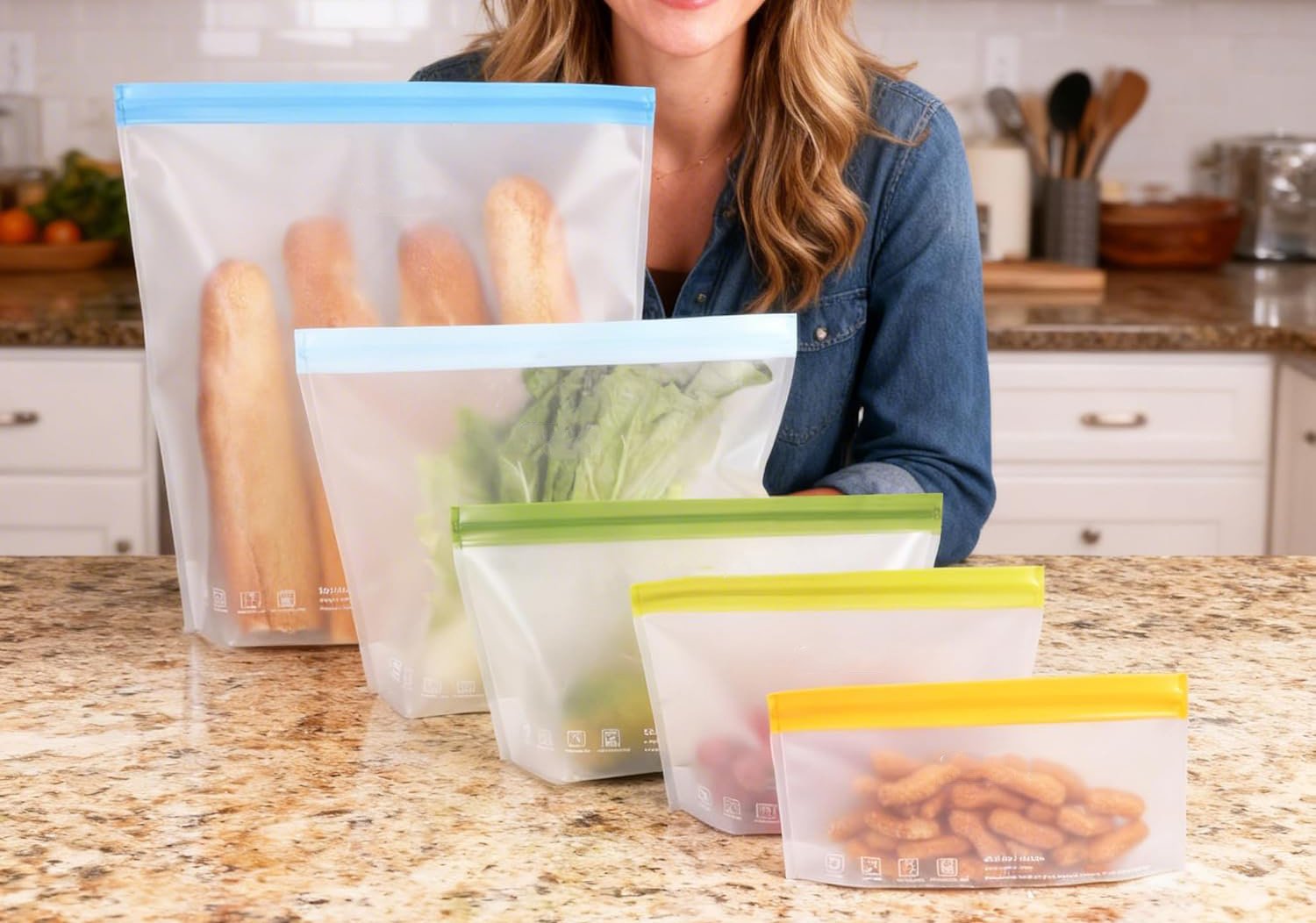
I think this topic is often discussed too simply. A reusable packaging bag is not automatically a waste-reduction solution. I ask one basic question: will the user keep it and use it again? If the answer is no, then the bag may still become waste, even if the material sounds better on paper.
In retail packaging, a storage bag can reduce waste when it replaces disposable wraps, thin polybags, extra inserts, or rigid packaging that customers throw away fast. Dust bags for shoes, cosmetic pouches, and gift set bags often have a clear second life. People use them for travel, storage, or organizing items at home.7 That practical value matters more than the word “reusable” printed on a tag.
But I also look at durability and design. If the stitching is weak, if the bag is too thin, or if the size is awkward, reuse drops. Good waste reduction needs good product design. It also needs honest sourcing. A supplier should explain what can be repeated in production, not only make a sample that looks green and attractive.
Here is how I check the waste-reduction claim:
| Question | Why it matters |
|---|---|
| Will customers reuse it? | Real reuse decides waste impact8 |
| Is the bag durable enough? | Weak bags become single-use |
| Does it replace another package? | No replacement means no true reduction |
| Is the size practical? | Odd sizes reduce second use |
| Is the branding too strong? | Heavy branding can limit reuse |
From my experience, the best reusable packaging is useful first and promotional second. If the bag is practical, clean, and well-made, people keep it. That is where waste reduction starts to become real.
How Should Buyers Size a Dust Bag for Retail Products?
Many buyers give product dimensions only. Then the bag fits on paper but looks tight, loose, flat, or messy in store and in customer hands.
I size a dust bag by product dimensions, shape, insertion method, closure allowance, and display effect. A correct size should fit the product well and still present it neatly in retail and after purchase.
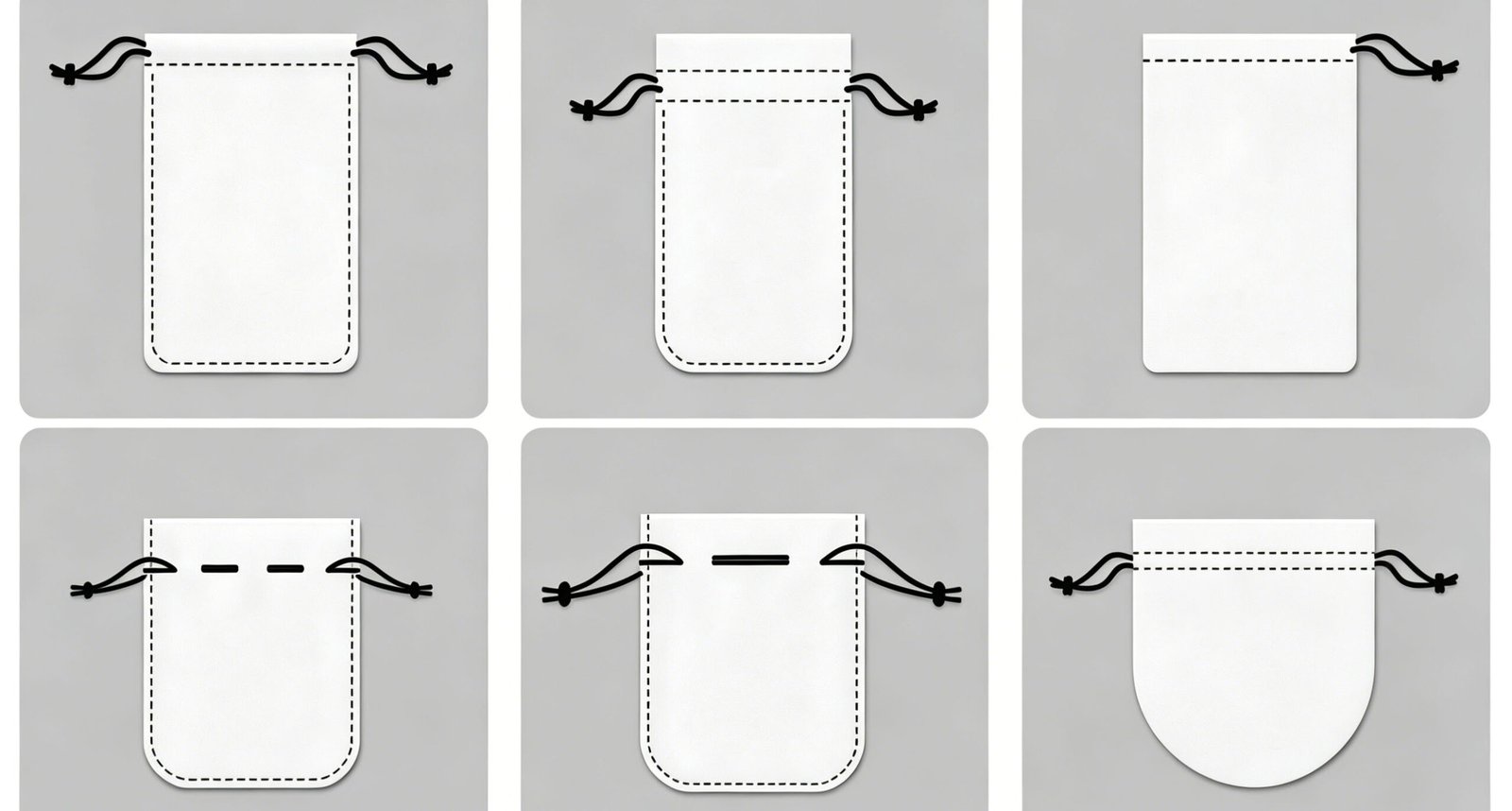
Sizing is one of the most common sourcing problems I see. Buyers often send me length, width, and height of the product and ask for a bag quote right away. I understand why. It feels efficient. Still, it misses several important points. A dust bag is not only a container. It also affects how the product is packed, shown, opened, and stored.9
I always ask how the item goes into the bag. Does it slide in from the top? Is it folded? Does it need space for tissue, insert cards, handles, or hardware? Does the drawstring area need extra height? Does the bag need a relaxed look or a close fit? These questions change the final size a lot.
For example, a tote bag dust bag and a cosmetic pouch dust bag follow different logic. A tote may need room for handles and a flatter presentation. A pouch may need a snug fit so it does not shift inside outer packaging. If the item has corners, thick seams, or decorated parts, I add allowance. If the buyer wants a clean shelf look, I avoid too much extra width.
I usually review sizing like this:
| Sizing factor | What it changes |
|---|---|
| Product dimensions | Base size |
| Product shape | Width and depth allowance |
| Insertion method | Opening size |
| Closure style | Extra top length |
| Store presentation | Tight or loose visual fit |
| Added inserts | Inner space requirement |
I have seen a “good sample” still lead to trouble here. A supplier can make one sample fit by hand and adjust it quietly. Bulk production is different. That is why I ask for a clear size logic, not only a nice prototype. If the supplier cannot explain how the dimensions were built, I worry about repeatability.
What Branding Methods Work on Fabric Packaging Bags?
Many buyers choose a logo method from a photo. Then the print cracks, the detail looks weak, or the branding does not match the fabric feel.
The best branding method depends on fabric type, logo detail, color needs, order volume, and desired finish. I usually compare screen printing, heat transfer, embroidery, woven labels, and foil10 by actual retail effect and production stability.
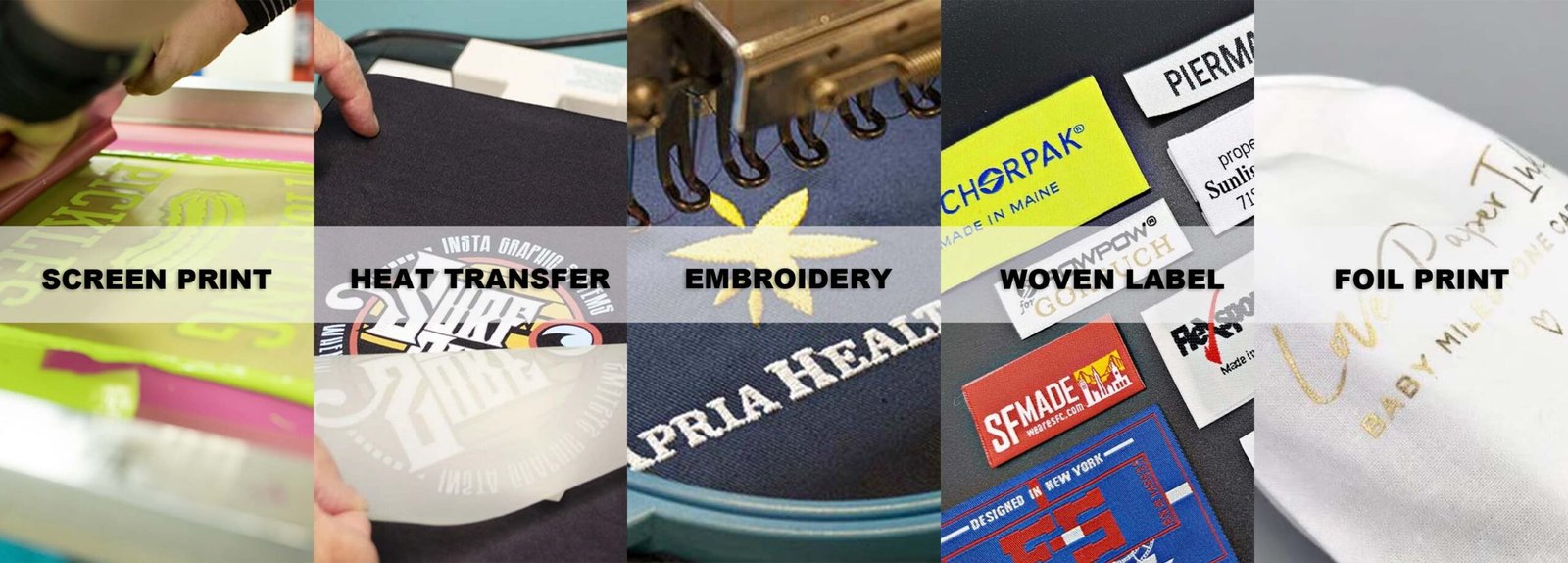
Branding on a fabric packaging bag looks simple from a distance. In practice, it is one of the places where design intent and production limits meet directly. I have seen buyers approve a logo mockup quickly, then feel disappointed when the real bag arrives because the finish does not match the product position.
I do not ask only, “What logo do you want?” I ask, “What should the logo feel like?” A soft natural cotton bag may work best with screen printing or a woven label. A gift bag with a premium mood may benefit from foil or embroidery. A full-color retail story may need heat transfer, but the surface must support that result well. The wrong method can make the bag feel cheap, even if the artwork is correct.
This is how I think through the options:
| Branding method | Best use | Strength | Risk |
|---|---|---|---|
| Screen print11 | Simple logos | Clear, cost-effective | Limited for fine detail |
| Heat transfer | Full color artwork | High image flexibility | May affect hand feel |
| Embroidery | Premium identity | Rich texture | Higher cost |
| Woven label | Clean branding | Stable and neat | Extra sewing step |
| Foil print | Luxury look | Strong visual impact | Wear issues on some fabrics |
I also watch production consistency closely. A sample can look excellent because it receives extra attention. Bulk production shows the real control level. I often ask buyers to check logo placement tolerance, color variation, and finish durability before order approval. The right branding method is not the most eye-catching one in a photo. It is the one that still looks right after hundreds or thousands of pieces are made.
What Should Buyers Ask Before Ordering Reusable Packaging Bags?
Many buyers ask for MOQ and price first. Then key details stay vague, and risk appears later in sampling, production, packing, or delivery.
Before ordering reusable packaging bags, I ask what the bag must do, how it should look in retail, what quality level must stay consistent in bulk, and what limits the supplier has in material, branding, MOQ, and lead time.

This is where many sourcing conversations break down. I know why it happens. Buyers need speed. Suppliers want to quote fast. But when the first questions are only MOQ, price, and sample time, the deeper sourcing risk stays hidden. I have handled enough inquiries to know that early clarity saves far more time than a fast but shallow quote.
Before ordering, I want the buyer to ask what success looks like in retail. Does the bag need to protect, display, organize, or upgrade the unboxing feel? Then I want them to ask how the supplier controls repeatability. Can the supplier explain tolerance, fabric variation, logo process limits, and packaging method? Can the supplier communicate clearly when a request is possible in a sample but unstable in bulk?
I also think capability match matters more than low price. A supplier may offer a great number but still be wrong for the task if communication is weak, customization is limited, or production control is loose. The best supplier is not simply the cheapest one. It is the one whose process fits the bag’s job.12
These are the questions I believe matter most:
| Buyer question | Why I ask it |
|---|---|
| What retail job must the bag do? | Defines the whole sourcing path |
| What size logic was used? | Prevents fit and display problems |
| What branding method suits this fabric? | Avoids finish mismatch |
| Can this sample result be repeated in bulk? | Checks production reliability |
| What are the tolerance limits? | Reduces surprises |
| What are the MOQ and lead time by option? | Clarifies feasibility |
| How will pieces be packed for shipment? | Protects final presentation |
I have seen buyers avoid expensive mistakes just by slowing down at this stage. A better question early is worth more than a cheaper quote later.
Conclusion
I source retail packaging bags by starting with function, presentation, and consistency. Then I match materials, size, branding, and supplier control to reduce risk and improve real retail results.
"Reusable packaging - Wikipedia", https://en.wikipedia.org/wiki/Reusable_packaging. Policy and standards sources define reusable packaging as packaging conceived, designed, and placed on the market to accomplish multiple trips or rotations by being refilled or reused for the same purpose, supporting the article’s use of fabric bags as a reusable packaging category. Evidence role: definition; source type: government. Supports: Reusable packaging is packaging designed to be used multiple times for the same or a similar purpose.. ↩
"Food packaging - Wikipedia", https://en.wikipedia.org/wiki/Food_packaging. Industry and life-cycle assessment literature on flexible packaging commonly notes that flexible formats use less material by weight than rigid alternatives, which can lower transportation weight and related impacts; this supports the article’s comparison of bags and boxes as a general packaging principle. Evidence role: general_support; source type: institution. Supports: Flexible or fabric-like packaging formats often use less material and can reduce transportation weight compared with rigid packaging formats such as boxes.. Scope note: This evidence is contextual rather than a direct test of every fabric bag versus every box, because actual shipping weight depends on material thickness, dimensions, and pack configuration. ↩
"Packaging Materials Management - CalRecycle Home Page - CA.gov", https://calrecycle.ca.gov/packaging/. Packaging research and source-reduction assessments frequently report that flexible packaging achieves the same containment function with substantially lower package mass than rigid formats, which supports the article’s statement that many fabric bags weigh less than rigid packaging. Evidence role: mechanism; source type: research. Supports: Flexible packaging formats often achieve lower package mass than rigid packaging because they require less material to enclose a product.. Scope note: The support is general to flexible-versus-rigid packaging and does not establish that every fabric bag is lighter than every rigid package. ↩
"The Impact of Responsible Food Packaging Perceptions on ... - PMC", https://pmc.ncbi.nlm.nih.gov/articles/PMC8535750/. Consumer perception studies on materials and packaging frequently find that natural-fiber substrates are associated with cues of naturalness and environmental friendliness, providing context for the article’s statement that cotton and canvas can support a natural or eco-oriented brand image. Evidence role: general_support; source type: paper. Supports: Consumers often associate natural-fiber materials such as cotton with naturalness and environmental friendliness in product or packaging contexts.. Scope note: This evidence reflects perception rather than a full environmental assessment, since the life-cycle impact of cotton products depends on production, use, and end-of-life conditions. ↩
"A Recent Study for Printing Polyester Fabric with Different ...", https://www.academia.edu/75841113/A_Recent_Study_for_Printing_Polyester_Fabric_with_Different_Techniques. Textile education and materials references describe polyester as a widely used synthetic fiber with good dimensional stability and compatibility with several coloration and printing methods, which helps explain its use where consistent color and graphic application are priorities. Evidence role: mechanism; source type: education. Supports: Polyester is widely used where consistent coloration and versatile printing are needed, owing to its material and finishing characteristics.. Scope note: Cost competitiveness is market-dependent and varies by fabric construction, finishing, and order scale, so the source would support the tendency rather than a universal rule. ↩
"Sustainable Paper-Based Packaging: A Consumer's Perspective", https://pmc.ncbi.nlm.nih.gov/articles/PMC8151435/. Waste-prevention guidance from international and public institutions generally states that reusable packaging can reduce packaging waste when it displaces single-use packaging and achieves repeated use, supporting the article’s conditional claim about storage bags. Evidence role: expert_consensus; source type: institution. Supports: Reuse systems can reduce packaging waste generation when durable packaging replaces single-use alternatives over multiple uses.. Scope note: The support is conditional because waste reduction depends on actual reuse rates, durability, and the packaging system being replaced. ↩
"[PDF] Reusable Bag Program - CCU Digital Commons", https://digitalcommons.coastal.edu/cgi/viewcontent.cgi?article=1004&context=goal-12-responsible-consumption. Consumer-use studies on reusable containers and bags report that secondary uses such as travel organization and household storage are common motivations for keeping packaging-like bags after purchase, which supports the article’s example of practical second-life uses. Evidence role: general_support; source type: paper. Supports: Consumers may give reusable bags or pouches a second life in everyday activities such as travel organization and household storage.. Scope note: Findings may vary by product category, region, and design features, so the evidence would illustrate a common pattern rather than quantify reuse for all storage bags. ↩
"[PDF] Exploring the Potential Economic and Sustainability Benefits of ...", https://umaine.edu/mitchellcenter/resource/reusable-packaging-review-of-literature/. Life-cycle assessment literature on reusable packaging consistently shows that environmental performance depends on the number of realized reuse cycles, indicating that actual reuse behavior is a decisive factor in whether reusable packaging lowers waste-related impacts. Evidence role: mechanism; source type: paper. Supports: The environmental and waste benefits of reusable packaging depend strongly on achieving sufficient numbers of actual reuse cycles.. ↩
"Packaging - Wikipedia", https://en.wikipedia.org/wiki/Packaging. Packaging design literature commonly identifies protection, handling, presentation, convenience, and storage as core packaging functions, supporting the article’s point that a dust bag affects more than simple containment. Evidence role: definition; source type: education. Supports: Packaging serves multiple functions beyond containment, including protection, handling, presentation, convenience, and storage.. Scope note: The source would establish general packaging functions rather than provide a product-specific sizing formula for dust bags. ↩
"How to Choose the Best Branded Apparel Decoration Methods", https://www.thesolvgroup.com/apparel-decoration-method/. Textile and apparel manufacturing references describe screen printing, heat transfer, embroidery, sewn labels, and foil-based finishes as standard techniques for applying branding or decoration to fabric products, supporting the article’s list of branding options. Evidence role: definition; source type: education. Supports: Screen printing, heat transfer, embroidery, labels, and foil application are recognized methods for decorating or branding textile products.. ↩
"TD: Textile Design | Fashion Institute of Technology Catalog", https://catalog.fitnyc.edu/undergraduate/courses/td/. Printing-process references note that screen printing is widely used for economical reproduction of simple textile graphics at scale, while very fine detail can be limited by screen mesh, ink deposition, and fabric texture, supporting the article’s characterization of the method. Evidence role: mechanism; source type: education. Supports: Screen printing is well suited to relatively simple graphics and large runs, but detail reproduction is constrained by mesh, ink behavior, and substrate characteristics.. Scope note: Performance varies with equipment, ink system, and substrate, so the limitation on fine detail is typical rather than absolute. ↩
"[PDF] EFFECTIVE METHODOLOGIES FOR SUPPLIER SELECTION AND ...", https://etda.libraries.psu.edu/files/final_submissions/419. Supplier selection literature in operations and procurement consistently treats quality, delivery reliability, process capability, and total cost as core evaluation criteria alongside price, supporting the article’s claim that the best supplier is not necessarily the cheapest one. Evidence role: expert_consensus; source type: paper. Supports: Supplier selection research evaluates suppliers on quality, delivery, capability, and total cost, not purchase price alone.. ↩