Retailers often add a gift and hope for quick sales. Then the campaign feels expensive, messy, and forgettable. I have seen tote bags help, but only when the goal is right.
Retailers can use tote bags as purchase gifts when they want repeat brand exposure1, stronger perceived value2, and more store return visits3. Tote bags are not ideal for every promotion. The best choice depends on margin, threshold, usability, packing, and store execution.
I have worked with retail buyers who first ask for the cheapest bag. Then, after a few questions, the real issue appears. They do not only need a bag. They need a campaign that stores can run without confusion, waste, or weak results.
What Is a Bag-With-Purchase Promotion?
Many retailers launch gift promotions fast. Then staff struggle to explain the rules, and shoppers do not see much value. I often see this happen when the gift does not match the campaign goal.
A bag-with-purchase promotion gives shoppers a tote bag when they spend above a set amount or buy selected items. It works best when the retailer wants useful value, repeat use, and lasting brand recall4, not just a short sales spike.
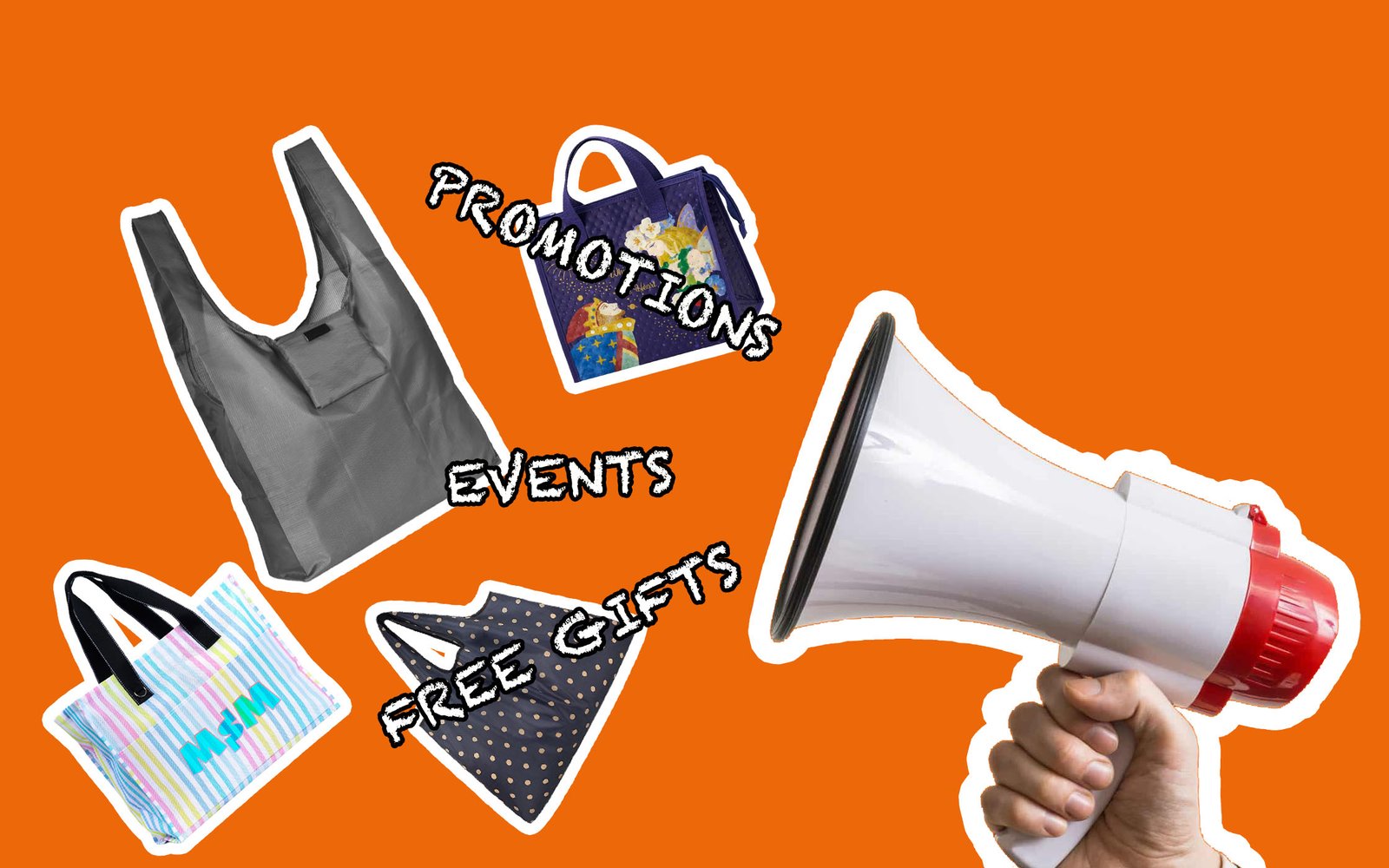
From buyer conversations I often see one early mistake. The team asks, “Can we use a tote bag as the gift?” I think a better first question is, “What do we want this campaign to do?” That changes the whole discussion. A tote bag is not a default answer. It is one tool. If the retailer wants to clear stock in a few days, a tote may be the wrong fit. If the retailer wants shoppers to remember the store for weeks and use the item again and again, the tote becomes more useful.
I have seen chain buyers compare tote bags with mugs, lunch boxes, tissue packs, and discount coupons. The tote usually wins only when practical use matters. A shopper may keep a tote in the car, at work, or near the door.5 That gives the brand more chances to be seen. Still, that value is only real if the bag is useful enough to keep.
| Campaign goal | Tote bag fit | Why |
|---|---|---|
| Fast stock clearance | Low | Too much handling for a short push |
| Basket size growth | Medium | Works if threshold and value feel fair |
| [Brand recall | High | Repeat use can extend visibility](https://news.climate.columbia.edu/2020/04/30/plastic-paper-cotton-bags/)%%%FOOTNOTE_REF_6%%% |
| Member retention | High | Gift feels more lasting than a disposable item |
| Festival traffic spike | Medium | Good if stock and store process are simple |
So I do not frame tote bags as “good promotion gifts” in general. I frame them as a better fit for long-term memory and repeated use. That is a narrower use case, but it is the honest one.
Which Tote Materials Work for Retail Giveaways?
Buyers often focus on the lowest price first. Then they receive samples that feel too thin, too small, or too weak. I have seen cheap choices create more regret than savings.
The best tote material for a retail giveaway depends on campaign value and expected reuse. Non-woven works for low-cost promotions, cotton feels more premium, and recycled blends can balance cost, look, and practical use.7
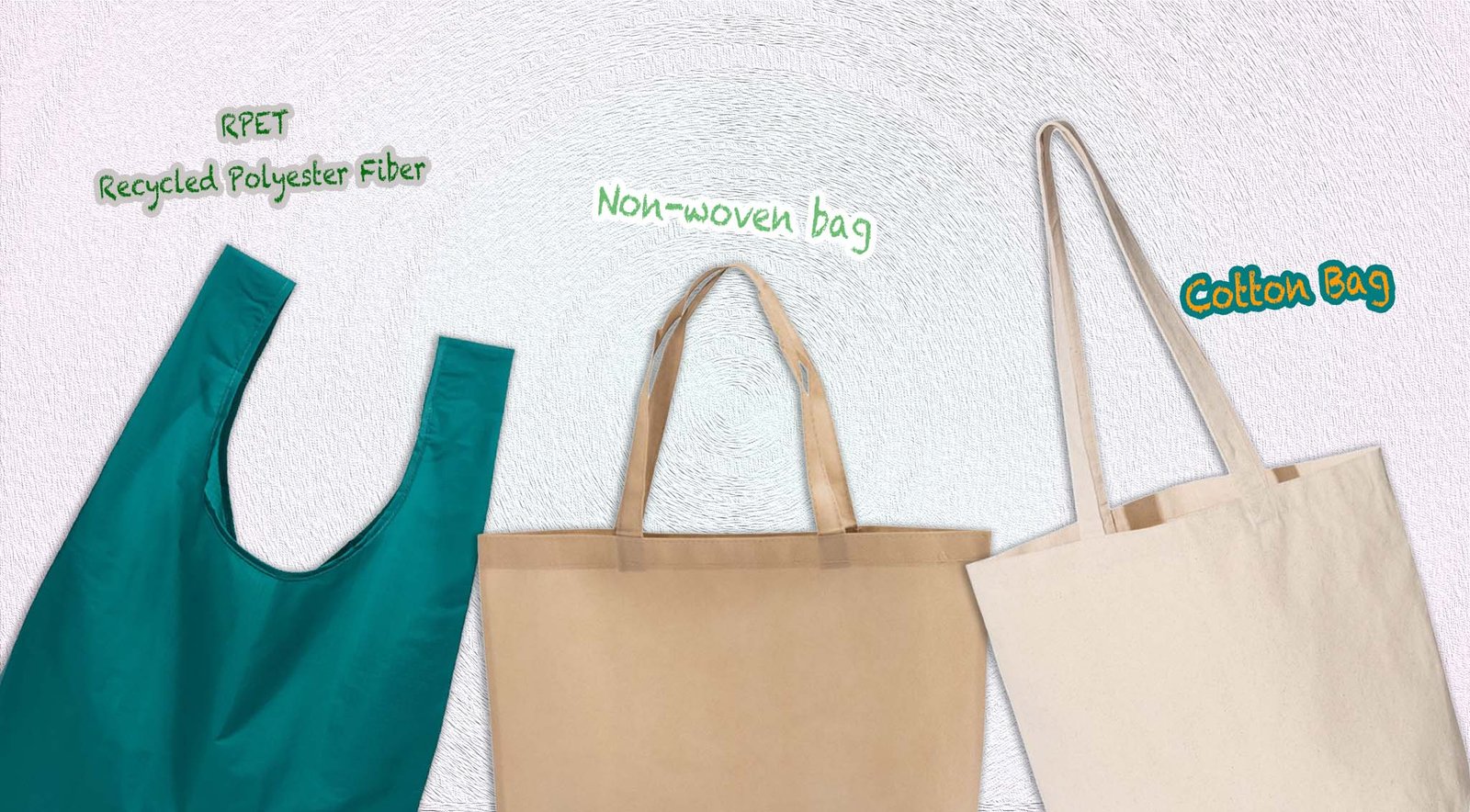
In sourcing discussions, a common issue is that material is treated like a simple fabric decision. It is not. Material affects cost, print result, folding size, carton count, carrying comfort, and whether shoppers will use the bag again. A logo alone does not create impact. If the handles hurt the hand or the body feels flimsy, many shoppers will stop using it. Then the brand message is lost.
I usually guide buyers to start with campaign fit. If the gift is tied to a lower threshold and very large volume, non-woven can make sense. It keeps cost under control and ships efficiently. If the retailer wants a stronger “gift feel,” cotton canvas or a heavier recycled blend may be better. That said, more premium fabric also raises unit cost and freight weight. The extra value must still match margin.
| Material | Cost level | Shopper feel | Reuse chance | Best fit |
|---|---|---|---|---|
| Non-woven PP | Low | Basic | Medium | Mass promotions, budget control |
| Cotton | Medium to high | Soft, familiar | High | Better-value campaigns |
| Recycled blend | Medium | Modern, balanced | High | Brand-focused promotions |
| Polyester | Medium | Light, smooth | Medium | Foldable, lightweight giveaways |
I also tell buyers to think about size and structure with the material. A large cheap bag can look weak. A slightly smaller bag with better shape can feel more useful. In real stores, that often matters more than a few cents saved on paper.
How Should Retailers Set a Purchase Threshold?
A weak threshold can kill the promotion fast. If the bar is too low, margin disappears. If the bar is too high, shoppers ignore the offer. I have seen both mistakes.
Retailers should set a purchase threshold by balancing bag cost, target margin, average basket size, and customer perception. The gift should feel attainable but not free. A common approach is linking the tote to a spend level slightly above the normal basket.8
When buyers ask me for tote bag quotes, I often ask one thing back: “What basket size are you trying to move?” That question usually brings the real math into focus. The tote is not just a gift item cost. It also adds packing, warehousing, store allocation, and staff handling. If a retailer sets a threshold without these costs, the campaign may look good on paper but perform badly in stores.
I think the best threshold often sits a bit above the shopper’s normal spend. That gives the shopper a reason to add one or two more items. If the threshold is far above normal, the tote starts to feel like bait, not value.9 That can reduce trust. If the threshold is too close to average spend, too many bags leave too fast and the campaign cost rises.
| Threshold approach | Result | Risk |
|---|---|---|
| Below average basket | High redemption | Margin pressure |
| Slightly above average basket | Balanced | Best control if stock is planned well |
| Far above average basket | Low redemption | Offer feels unrealistic |
| Item-based trigger only | Easy to explain | May not lift overall basket value |
I also advise buyers to test execution before final rollout. Can cashiers explain the rule in one line? Can stores hold stock near the checkout? Can the campaign stop cleanly when stock runs out? In my experience, threshold planning fails when the store process is harder than the finance model.
How Do Tote Bags Support Repeat Store Visits?
Some retailers expect a tote bag to drive instant repeat buying by itself. That is too simple. I have seen better results when the bag supports a wider store memory and loyalty plan.
Tote bags support repeat store visits by staying in daily use, reminding shoppers of the store10, and making the promotion feel more valuable. They work best when the bag is practical, easy to keep, and tied to a clear retail message or future incentive.
I want to be careful here. A tote bag does not magically create loyalty. I have seen buyers overstate the branding value of a printed logo. If the bag sits unused at home, there is no real return. The bag must solve a small daily problem.11 It should carry groceries, lunch, small personal items, or weekend basics. That practical role is what keeps the bag alive, and that is what gives the brand more repeated exposure.
From buyer conversations we often see two stronger paths. The first path is a useful everyday tote with a clean design that shoppers will carry often. The second path is a tote connected to a follow-up visit, such as a member event, seasonal refill offer, or in-store reward. In both cases, the bag is a support tool, not the whole strategy.
| Factor | Helps repeat visits? | Why |
|---|---|---|
| Practical size | Yes | Shoppers use it more often |
| Comfortable handles | Yes | Better real-life usability |
| Clean design | Yes | More likely to be kept |
| Overloaded branding | Sometimes no | Can reduce reuse |
| Link to next offer | Yes | Gives a reason to return |
So I do not promise that tote bags drive loyalty on their own. I say they can support repeat visits when they stay in use and when the retailer gives the shopper one more reason to come back.
What Should Buyers Confirm Before Bulk Tote Bag Orders?
Bulk orders can look simple at quote stage. Then problems appear in print, packing, or store rollout. I have seen good campaigns fail because key checks were skipped.
Before placing bulk tote bag orders, buyers should confirm material, size, print method, packing ratio, delivery plan, store distribution, quality standards, and giveaway rules. The bag must fit both the campaign goal and the store’s ability to execute it.
This is where experience matters most. In many sourcing discussions, the buyer starts with one line: “Please quote 50,000 promo totes.” I understand that. Still, a safe order needs more detail. Unit price alone is not enough. I have seen buyers choose a low quote, then learn that the print area is smaller than expected, the handles are shorter, the packing count does not fit store allocation, or the lead time misses the campaign window.
I suggest a simple pre-order checklist. First, confirm the real use case. Is this for one-day traffic, a member drive, or a basket increase campaign? Next, match the bag to that use. Then check the hidden operational points that affect total cost and rollout ease.
| Check item | Why it matters |
|---|---|
| Material and weight | Affects cost, feel, and reuse |
| Finished size and gusset | Affects usefulness and shipping volume |
| Handle length and stitch strength | Affects comfort and failure risk |
| Print method and color | Affects brand look and cost |
| Packing per carton | Affects warehouse and store handling |
| Delivery schedule | Affects campaign launch timing |
| QC standard | Reduces claims and store complaints |
| Store allocation plan | Prevents some stores running out too early |
I also tell buyers to ask a harder question before approval: “If this gift is delayed, over-issued, or underused, can the store team still run the campaign well?” If the answer is no, the tote may not be the right gift. That is not a sales answer, but it is often the right one.
Conclusion
I see tote bags as a smart purchase gift only when retailers want lasting value, repeat use, and workable execution. The right campaign goal matters more than the bag itself.
"Advertising - Wikipedia", https://en.wikipedia.org/wiki/Advertising. Research on promotional products and consumer advertising exposure can be used to support the proposition that reusable carry items may generate repeated brand impressions through repeated use; this supports the mechanism of exposure rather than proving campaign-specific sales effects. Evidence role: mechanism; source type: paper. Supports: that frequently reused promotional items can generate repeated brand impressions over time. Scope note: Support is typically contextual and based on exposure or recall measures, not direct proof that any given tote-bag promotion improves retail outcomes. ↩
"The Influence of Price on Purchase Intentions - PMC", https://pmc.ncbi.nlm.nih.gov/articles/PMC7911682/. Consumer-behavior research on sales promotions may support the statement that a tangible gift can increase perceived value of an offer, particularly when the gift is seen as useful or relevant to the purchase context. Evidence role: general_support; source type: paper. Supports: that tangible gifts in sales promotions can raise perceived value relative to a baseline offer. Scope note: Findings often vary by product category, gift relevance, and consumer segment, so they do not establish that every tote-bag promotion will increase perceived value. ↩
"Brand loyalty explained by concept recall: recognizing the ... - PMC", https://pmc.ncbi.nlm.nih.gov/articles/PMC8188946/. Academic literature on repeat patronage and promotional incentives can be cited to support the narrower claim that reminder-based or utility-based promotions may contribute to return visits when combined with broader loyalty mechanisms. Evidence role: general_support; source type: paper. Supports: that reminders, loyalty-linked incentives, or useful promotional items can be associated with repeat patronage behaviors. Scope note: This evidence is usually indirect; it supports a plausible contribution to repeat visits rather than demonstrating that tote bags alone cause store returns. ↩
"Taking repeated exposure into account: An experimental study of ...", https://pmc.ncbi.nlm.nih.gov/articles/PMC9479315/. Studies on repeated exposure and brand memory can support the claim that a repeatedly used branded object may reinforce brand recall over time, which is consistent with the article's distinction between memory effects and short-lived sales spikes. Evidence role: mechanism; source type: paper. Supports: that repeated exposure to a branded item can strengthen recall over time. Scope note: Such studies typically address memory or recall mechanisms and do not directly compare tote-bag promotions with all other forms of retail promotion. ↩
"Consumers' Intention to Bring a Reusable Bag for Shopping in China", https://pmc.ncbi.nlm.nih.gov/articles/PMC8955543/. Consumer surveys on reusable-bag behavior can support the statement that many users keep such bags in easily accessible places, facilitating repeated reuse in daily routines. Evidence role: general_support; source type: government. Supports: that consumers commonly keep reusable bags in convenient everyday locations for later reuse. Scope note: Available surveys may be region-specific and may measure self-reported behavior rather than direct observation. ↩
"Plastic, Paper or Cotton: Which Shopping Bag is Best?", https://news.climate.columbia.edu/2020/04/30/plastic-paper-cotton-bags/. Marketing and advertising research on repeated incidental exposure can support the narrower statement that repeated use of a branded reusable item may extend visibility and thereby aid recall. Evidence role: mechanism; source type: paper. Supports: that repeated use of a branded reusable item can extend visibility and potentially aid brand recall. Scope note: The designation of tote bags as a 'high-fit' option remains an editorial judgment; research generally supports the mechanism, not the exact ranking used in the table. ↩
""Evaluation of Durability of Nonwoven Polypropylene Grocery Bags ...", https://open.clemson.edu/all_theses/2476/. Educational or technical sources on bag materials can support the factual distinction that nonwoven polypropylene, cotton, and recycled textile blends differ in structure and typical use characteristics, which helps explain their different cost and quality positions in retail giveaways. Evidence role: definition; source type: education. Supports: that nonwoven polypropylene, cotton, and recycled blends differ in material properties relevant to cost, durability, and consumer perception. Scope note: Material descriptions support general positioning, but claims about 'premium feel' are partly perception-based and may vary by product design and market. ↩
"Part 13 - Simplified Acquisition Procedures", https://www.acquisition.gov/far/part-13. Retail promotion research can be cited to support the general principle that spend thresholds are often set near consumers' current spending levels in order to encourage incremental purchases without making redemption appear unattainable. Evidence role: general_support; source type: paper. Supports: that spend-threshold promotions are often designed near existing spending levels to encourage incremental purchase. Scope note: The phrase 'common approach' may depend on sector and retailer strategy; studies usually support the underlying behavioral logic rather than a universal rule. ↩
"Effects of Consumers' Efforts on Price and Promotion ...", https://www.academia.edu/25678024/Effects_of_Consumers_Efforts_on_Price_and_Promotion_Fairness_Perceptions. Consumer research on promotional fairness and skepticism can support the statement that promotional conditions perceived as overly demanding may reduce trust and perceived value. Evidence role: mechanism; source type: paper. Supports: that overly demanding promotional conditions can reduce perceived fairness, value, or trust. Scope note: This evidence addresses consumer responses to demanding conditions generally and may not refer specifically to tote-bag gifts. ↩
"Redefining brand salience using memory theory and implications for ...", https://www.academia.edu/941481/Redefining_brand_salience_using_memory_theory_and_implications_for_measurement. Research on memory cues and brand salience can support the claim that repeated encounters with a branded everyday object may help keep a retailer mentally accessible to consumers. Evidence role: mechanism; source type: paper. Supports: that repeated everyday cues can maintain brand salience or memory accessibility. Scope note: The evidence typically concerns salience or recall, not direct proof that the reminder leads to store visits without other motivating factors. ↩
"Environmental motivation or economic motivation? Explaining ...", https://pmc.ncbi.nlm.nih.gov/articles/PMC9671397/. Behavioral research on product adoption and habit formation can support the proposition that practical utility and convenience are important predictors of continued use of an everyday item. Evidence role: expert_consensus; source type: paper. Supports: that practical utility and convenience are important predictors of continued product use. Scope note: This provides general behavioral support and does not specifically establish which tote-bag features matter most in every retail context. ↩