Retail promo buyers often chase the lowest quote first. Then the bags arrive too weak, too bulky, or too late, and the whole campaign loses value.
To source foldable daypacks well, I start with the campaign goal, then match fabric, folding method, comfort, branding, and delivery plan. The best choice is not the cheapest bag. It is the bag that fits the promo use, bulk quality target, and launch date.
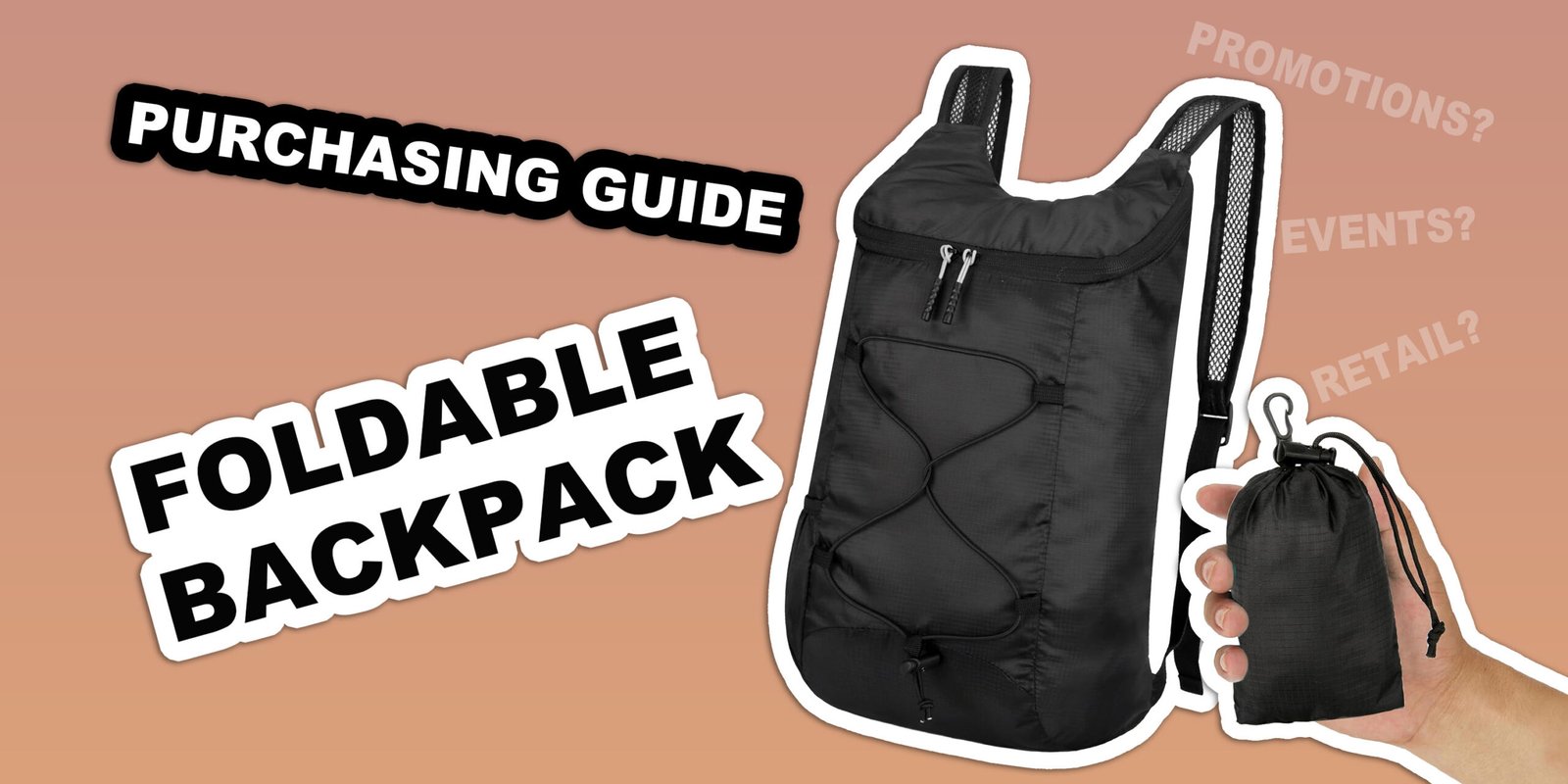
I have handled many foldable daypack inquiries where the first message only asked for price. I understand why buyers do that. They work under cost pressure. Still, in the inquiries we have handled, that question usually comes too early. A foldable daypack for a high-volume giveaway is not the same as one for a supermarket loyalty campaign or a branded gift-with-purchase. The right bag depends on what the bag must do in real use. That is where good sourcing starts, and that is also where many promo projects go off track.
What Is a Foldable Daypack?
Many buyers hear “foldable” and expect a useful backpack that becomes tiny, neat, and easy to carry. Then they get a bag that folds small but feels weak in use.
A foldable daypack is a lightweight backpack designed to collapse into a pouch, pocket, or compact shape for storage.1 For retail promos, the key is not only that it folds, but that it still carries comfortably and looks acceptable when opened.
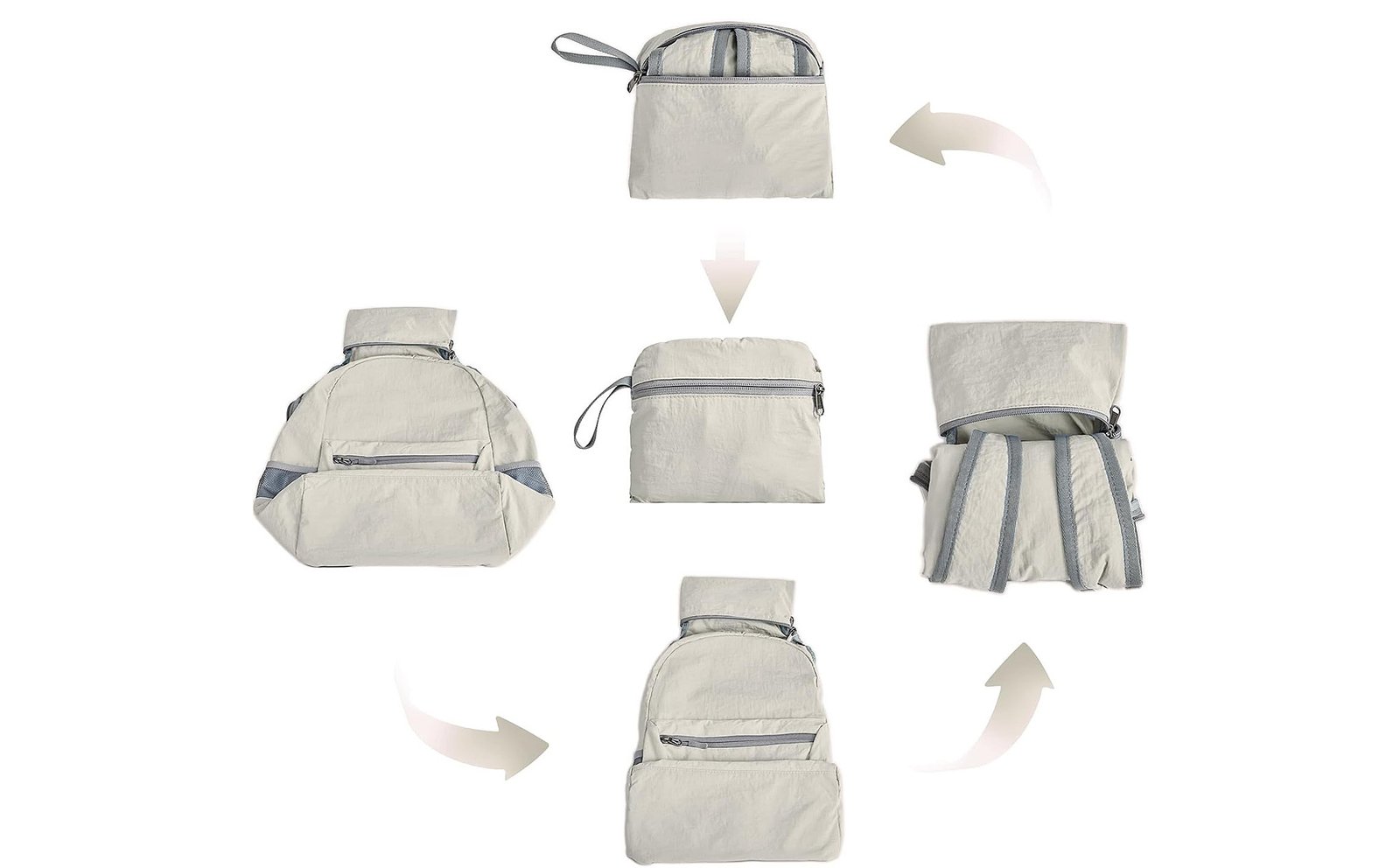
When I speak with buyers, I usually find that “foldable” means different things to different teams. One buyer wants a backpack that can fit into a suitcase for travel retail. Another wants a low-cost giveaway that stores flat in a checkout promo bin. Another wants the folded bag itself to look giftable. These are not the same product, even if all of them are called foldable daypacks.
In the inquiries we have handled, there are three common foldable structures:
| Foldable Type | How It Packs | Good For | Main Risk |
|---|---|---|---|
| Self-pocket fold | Bag folds into its own pocket | Clean retail look | Pocket size may limit bag shape |
| Separate pouch | Bag stuffs into small pouch | Fast packing, simple sewing | Pouch can be lost |
| Flat-fold design | Bag folds flat, not very compact | Low cost promo packing | Less “wow” factor |
I always tell buyers that foldable is a feature, not a full product answer. A backpack can fold very small and still disappoint users. The straps may twist.2 The opening may be too narrow. The shape may collapse when filled. The bag may also look badly wrinkled after unfolding.3 For a promo project, that matters. If the user opens the bag once and feels that it is cheap in a bad way, the brand message drops with it.
I learned this from one project where the sample looked fine on the table. It folded into a neat little pouch. But once it was filled with daily items, the straps dug into the shoulders and the bag shape leaned backward. The client did not reject the concept. They changed the campaign position. They used it as a simple event giveaway instead of a higher-value store promo. That small change saved the project. So when I define a foldable daypack, I do not stop at “it can fold.” I ask what kind of use it must survive after it is unfolded.
Which Fabrics Work Best for Packable Backpacks?
It is easy to pick fabric by price only. That often leads to a bag that feels noisy, thin, or unstable, and buyers only notice the problem after bulk starts.
For packable backpacks, I usually compare polyester, nylon, and lighter woven blends by balancing cost, hand feel, wrinkle look, and basic strength. The best fabric is the one that matches the promo budget and still feels acceptable when the bag is opened and used.
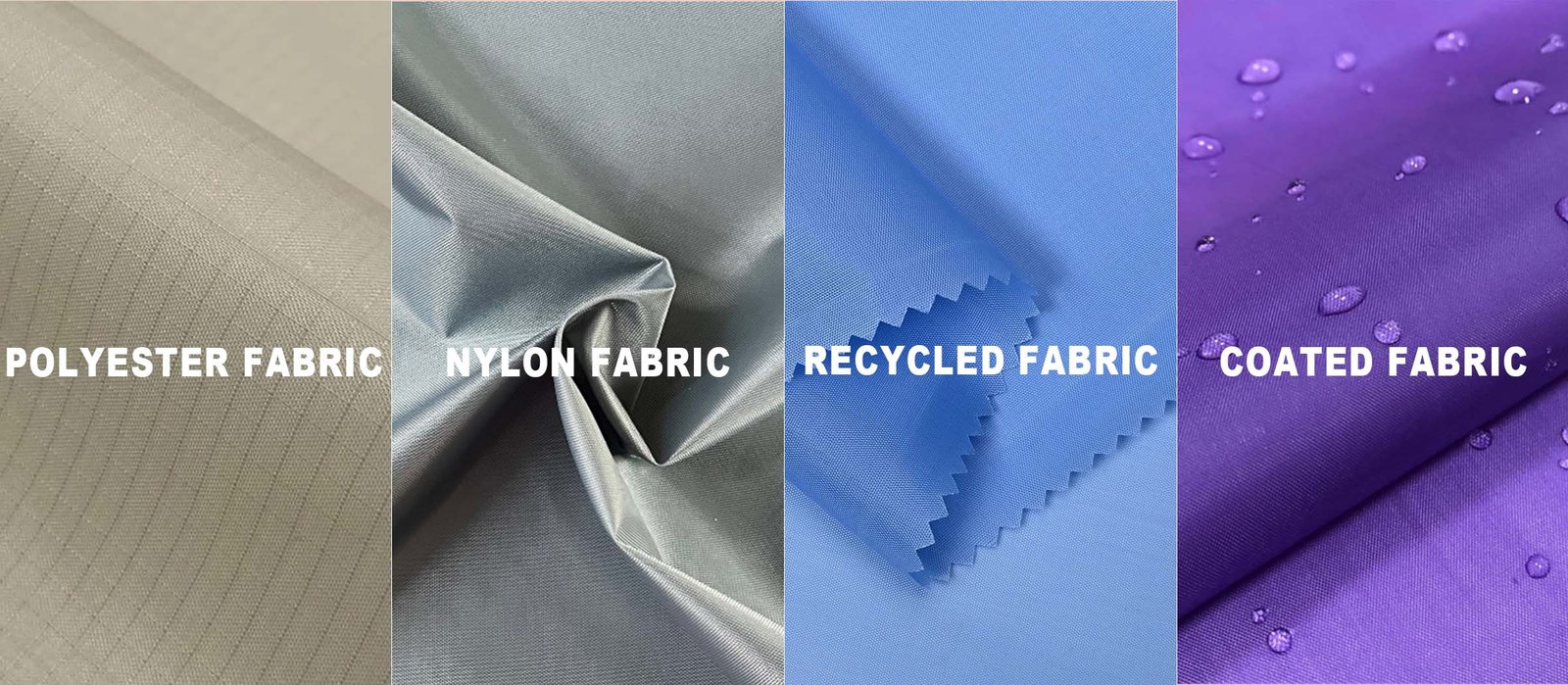
Fabric choice changes both user experience and production risk. In many retail promo projects, buyers first ask for the lightest and cheapest option. That can work if the campaign only needs short-term utility and very high volume. But if the bag is meant to give a stronger value impression, fabric hand feel matters more than many teams expect.
Here is how I usually explain the common options:
| Fabric Option | Usual Benefit | Usual Drawback | Best Fit |
|---|---|---|---|
| Lightweight polyester | Low cost, easy printing | Can feel stiff or cheap | High-volume giveaways |
| Nylon4 | Softer feel, better premium look | Higher cost | Better-value retail promos |
| Ripstop fabric5 | Nice outdoor cue, tear-grid look | Grid look may not fit all brands | Travel or active promos |
| Recycled polyester6 | Better sustainability story | Cost and color limits may change | Eco-led campaigns |
Buyers often overlook that the same material name does not guarantee the same result. Two polyester fabrics can differ a lot in feel, thickness, wrinkle recovery, and print surface. A common risk in production projects is that the approved sample has one hand feel, while bulk fabric from the planned lot feels flatter, louder, or thinner. Then the finished bag still matches the “spec” on paper, but not the buyer’s expectation in hand.
That is why I prefer to align fabric with campaign outcome, not just with target cost. If the bag will be handed out once and used for light shopping or day trips, a basic polyester may be enough. If the promo depends on better perceived value, I would push harder on fabric touch, drape, and overall look after unfolding. The user does not read the fabric spec sheet. The user just feels the bag and decides if the brand gave them something useful or forgettable.
How Small Should a Foldable Daypack Pack Down?
Buyers often ask for the smallest fold size possible. Then the opened bag becomes hard to use, hard to repack, or too thin to feel trustworthy.
A foldable daypack should pack down small enough for the promo format, but not so small that the backpack loses shape, comfort, or ease of folding.7 In many projects, practical compactness is better than the smallest possible packed size.
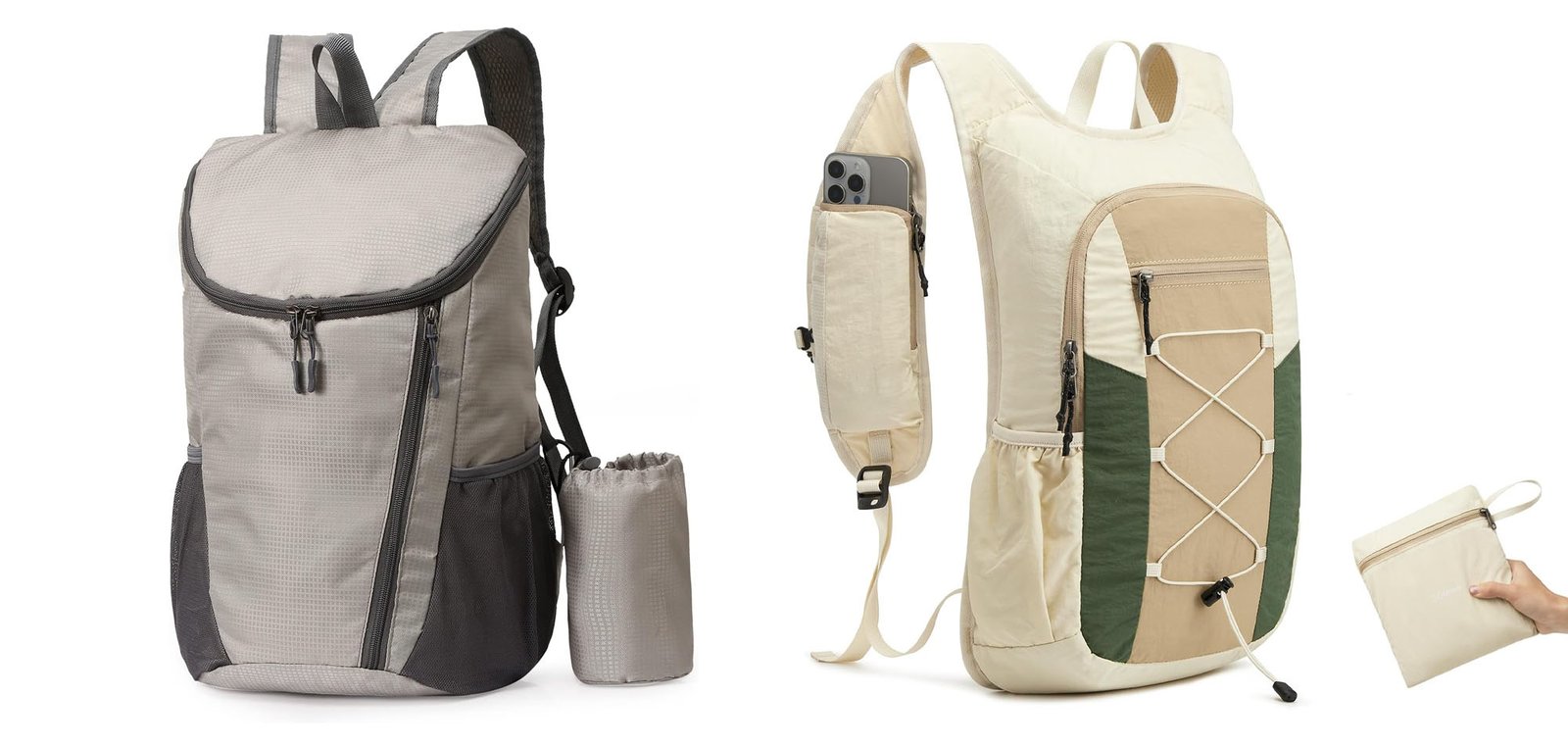
This is one of the most misunderstood points in foldable daypack sourcing. Small packed size sounds like an obvious win. It helps with shipping. It helps with retail display. It sounds impressive in a sales meeting. But in real use, extreme compactness often asks the bag to give up too much.
I usually break the question into three parts:
| Question | Why It Matters | What Buyers Should Confirm |
|---|---|---|
| Where will the packed bag sit? | Display and packing method change the target size | Shelf bin, mailer, gift box, checkout area |
| Who will unfold and refold it? | Easy repacking affects user satisfaction | End consumer, store staff, event team |
| What will the bag carry? | Carry load affects structure needs | Light leaflets, groceries, daily items |
In the inquiries we have handled, buyers often focus on the folded dimensions before they confirm what the opened backpack must carry. That creates the wrong order of decisions. If the bag needs to hold daily essentials in a comfortable way, the fabric, strap width, and panel size need some room. If I compress every part too far, the result may look clever in the folded state and disappointing in the open state.
I remember one buyer who wanted the daypack to fit inside a very small cosmetic-gift format. On paper, that sounded efficient. But after sampling, we saw that the folded pouch became too tight for easy repacking, and the final backpack looked too crumpled. We adjusted the goal. We accepted a slightly larger folded size and got a much better user experience. That is a trade-off I see often. A promo product should be easy to understand and easy to use. If customers cannot fold it back without frustration, the feature loses its value fast.
What Branding Options Work for Lightweight Daypacks?
Many promo teams want a bold logo on a very light bag. Then they find that the print cracks, looks off-center, or makes the bag feel stiff.
The best branding for lightweight daypacks depends on the fabric, bag construction, and campaign image. In most retail promos, simple print placement, clear logo size, and methods suited to thin fabric work better than over-designed branding.
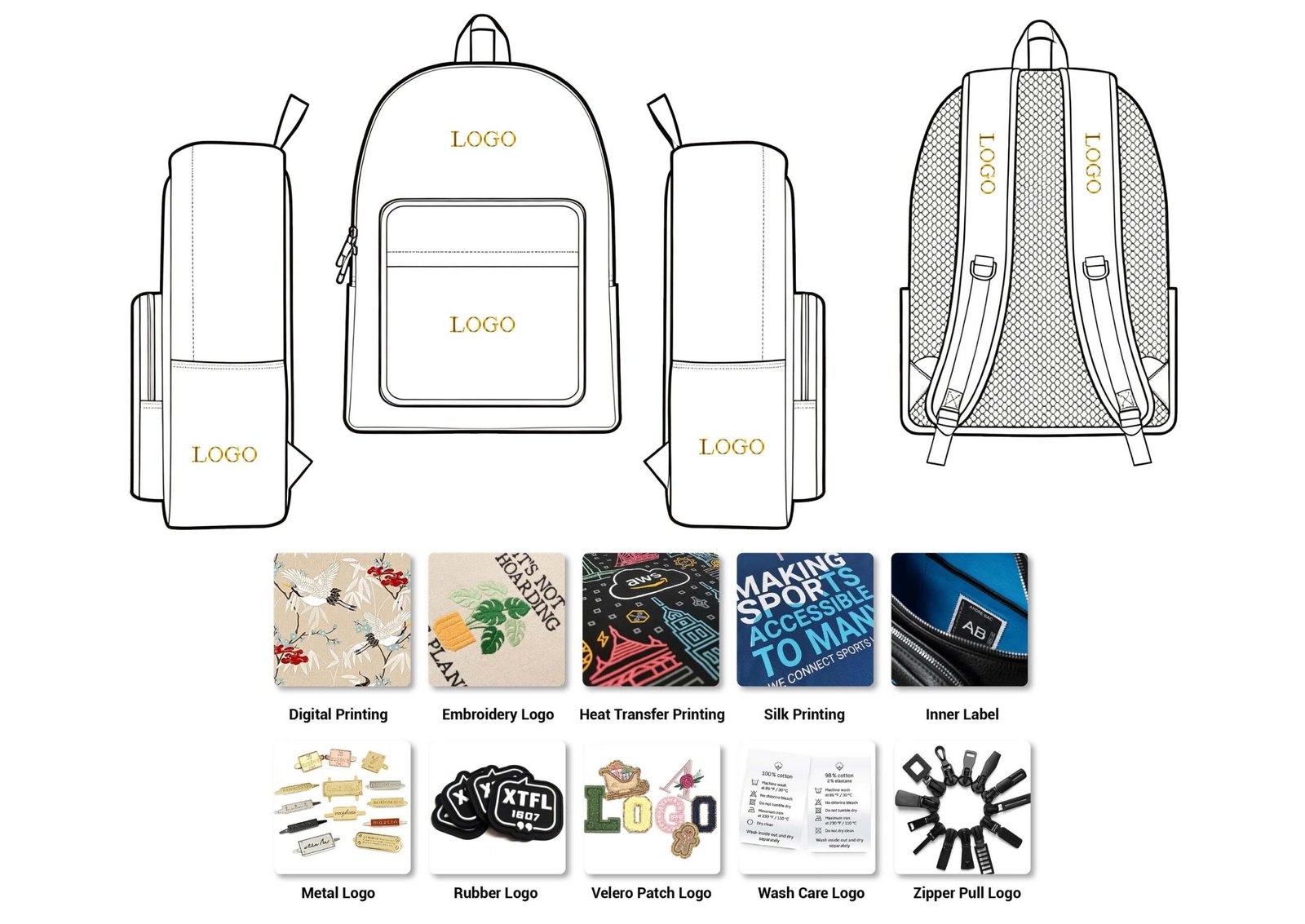
Branding on foldable daypacks is not just about putting a logo somewhere visible. The bag has to fold, unfold, crease, and still present the brand well. That creates limits. In many projects, buyers first think about logo size. I think first about where the fabric bends and where the user will notice the brand in actual use.
These are the branding paths I discuss most often:
| Branding Method | Good Point | Main Watchout | Best Use |
|---|---|---|---|
| Screen print | Cost-effective, common | May crack or distort on some folds8 | Large promo runs |
| Heat transfer | Sharp artwork | Can affect hand feel on light fabric | More detailed graphics |
| Woven label | Clean brand cue | Less visual impact from distance | Added brand finish |
| Rubber patch or badge | Strong look | Can add weight and bulk | Sporty or outdoor style promos |
A common issue is placing the logo right across a fold-heavy area. The sample may still look fine because it has been folded only a few times. In bulk use, the print can start looking stressed much sooner. Another issue is print size versus fabric stability. Thin, lightweight fabric moves more. So large solid artwork may not look as crisp as expected.
For retail promos, I usually advise buyers to keep the branding message simple and easy to read. One strong front logo often works better than multiple design elements. If the folded state will also be seen at retail, then the pouch or self-pocket area may need its own branding thought. In some projects, the folded appearance matters almost as much as the opened one. That is why I ask buyers to confirm both views early. A nice unfolded bag that looks messy when packed can still weaken the shelf presentation.
What Should Buyers Check Before Bulk Production?
A sample can look good and still hide the biggest risk. The real problem often appears when bulk starts and the campaign date is already fixed.
Before bulk production, buyers should confirm not only the approved sample, but also fabric consistency, stitch details, branding placement, packing method, and production timing. For retail promos, sample-to-bulk consistency and on-time delivery are as important as product appearance.
This is the part I care about most, because many promo problems begin here. In the inquiries we have handled, buyers often invest time in sample approval and then move too quickly into bulk. They assume the main risk is already gone. But a common risk in production projects is not that the factory makes a totally wrong bag. The risk is that the bulk bag becomes just different enough to cause complaints.
I usually ask buyers to check these points before final production release:
| Check Point | Why I Check It | Bulk Risk If Ignored |
|---|---|---|
| Final fabric lot feel | Hand feel may shift from sample | Bag feels cheaper than approved sample |
| Stitching at stress points | Lightweight bags still need support | Strap or seam complaints |
| Fold-and-pack method | Packing affects retail neatness | Messy presentation, hard repacking |
| Logo position and size tolerance | Small shifts show clearly on simple bags | Inconsistent branding look |
| Carton plan and timeline | Delivery date is part of product quality | Missed promo launch |
I also tell buyers to think about how they approved the sample. Did they only review photos? Did they actually fold and unfold the bag several times? Did they load it with daily items? Did they compare the approved sample against the intended campaign position? Those simple checks catch many hidden issues.
Delivery timing deserves special attention. For promo work, a technically acceptable bag that misses the campaign window is still a failed sourcing result9. That is why I never separate production reliability from product quality. If a supplier can make a nice sample but cannot hold bulk timing, the project risk stays high. In real retail promo work, the calendar is part of the specification. I have seen buyers save a small amount on unit price and then lose much more because the bags arrived after the campaign start. That lesson stays with me every time I quote a foldable daypack project.
Conclusion
I source foldable daypacks for promo use by matching the bag to the campaign goal, real user experience, bulk consistency, and delivery timing, not by chasing the lowest unit price.
"Backpacking (hiking) - Wikipedia", https://en.wikipedia.org/wiki/Backpacking_(hiking). Reference works and outdoor-gear glossaries describe a daypack as a small lightweight backpack for short daily use and note that packable backpacks are designed to compress into a compact form for storage or travel. Evidence role: definition; source type: encyclopedia. Supports: A daypack is a small lightweight backpack for daily use, and packable or foldable backpacks are designed to compress for storage or travel.. Scope note: Such sources define the product category and common usage but may not address retail-promo applications specifically. ↩
"Impact of Backpacks on Ergonomics: Biomechanical and ... - PMC", https://pmc.ncbi.nlm.nih.gov/articles/PMC9180465/. Ergonomics research on backpack design shows that shoulder-strap geometry and load distribution influence stability and comfort, providing a plausible mechanism for twisting or unstable straps in minimally structured bags. Evidence role: mechanism; source type: research. Supports: Backpack strap design and alignment affect load stability, pressure distribution, and user comfort, which can explain why poorly structured straps may twist or feel unstable.. Scope note: The literature usually addresses backpack mechanics broadly rather than foldable daypacks specifically. ↩
"Study on crease recovery property of warp-knitted jacquard ...", https://pmc.ncbi.nlm.nih.gov/articles/PMC11286793/. Textile research on crease recovery in woven synthetic fabrics indicates that fiber type, fabric structure, and finishing affect how strongly folds remain visible after storage, which is relevant to wrinkling in foldable bags. Evidence role: mechanism; source type: paper. Supports: Textile studies assess crease recovery and wrinkle behavior in woven synthetic fabrics, relevant to how folded bags may look after unpacking.. Scope note: These studies support the material mechanism but do not directly test branded promotional daypacks. ↩
"Understand Your Fibers | Textiles", https://site.extension.uga.edu/textiles/textile-basics/understand-your-fibers/. Comparative textile studies report measurable differences in handle, drape, and surface behavior between nylon and polyester fabrics, helping explain why nylon is often perceived as softer or more refined in lightweight bag applications. Evidence role: general_support; source type: paper. Supports: Comparative textile studies can document differences in handle, drape, and surface properties between nylon and polyester fabrics.. Scope note: Perceived 'premium' appearance is partly subjective and depends on weave, denier, and finishing rather than fiber alone. ↩
"Ripstop", https://en.wikipedia.org/wiki/Ripstop. Standard textile references define ripstop as a woven fabric that incorporates a reinforcing grid at regular intervals to improve resistance to tearing, producing the characteristic checked appearance often associated with outdoor gear. Evidence role: definition; source type: encyclopedia. Supports: Ripstop fabrics are woven with a reinforcing grid intended to limit tearing and create a characteristic visible pattern.. ↩
"Sustainability and Circularity in the Textile Value Chain", https://circulareconomy.europa.eu/platform/sites/default/files/2023-12/Full%20Report%20-%20UNEP%20Sustainability%20and%20Circularity%20in%20the%20Textile%20Value%20Chain%20A%20Global%20Roadmap_0.pdf. Institutional reports and life-cycle studies describe recycled polyester as a textile option that can reduce demand for virgin polymer inputs and, in some cases, lower selected environmental burdens relative to virgin polyester. Evidence role: general_support; source type: institution. Supports: Institutional and lifecycle sources discuss recycled polyester as a material option intended to reduce reliance on virgin fossil-based feedstocks and potentially lower some environmental impacts.. Scope note: Environmental benefit depends on system boundaries and does not by itself address broader textile impacts such as shedding, durability, or end-of-life management. ↩
"Impact of Backpacks on Ergonomics: Biomechanical and ... - PMC", https://pmc.ncbi.nlm.nih.gov/articles/PMC9180465/. Ergonomic studies on backpacks show that structural elements such as panel support, strap width, and load distribution materially affect comfort and stability, supporting the general design trade-off between extreme packability and practical use. Evidence role: mechanism; source type: research. Supports: Backpack comfort and function depend on structural features such as panel design, strap width, and load distribution, implying that extreme minimization can reduce usability.. Scope note: The evidence is usually drawn from backpacks in general rather than ultra-light foldable promotional models. ↩
"[PDF] Evaluation of crease-resistant finishes for fabrics", https://nvlpubs.nist.gov/nistpubs/jres/20/jresv20n2p241_A1b.pdf. Studies of printed-textile durability show that repeated flexing and creasing can degrade printed layers through cracking, distortion, or adhesion loss, particularly where graphics span areas of concentrated fold stress. Evidence role: mechanism; source type: paper. Supports: Material-testing studies on printed textiles evaluate how repeated flexing and creasing can affect adhesion, cracking, and distortion of graphic layers.. Scope note: Performance varies by ink system, transfer film, curing conditions, and substrate fabric. ↩
"Examining the Efficacy of Time Scarcity Marketing ...", https://journals.sagepub.com/doi/10.1177/00222437221118856. Research on retail promotion execution finds that the effectiveness of time-bound campaigns depends not only on the promotional item itself but also on timely in-market availability, so delayed delivery can materially reduce campaign value. Evidence role: general_support; source type: research. Supports: Research on retail promotions and operations shows that campaign timing and execution quality affect promotional effectiveness, making on-time delivery operationally significant.. Scope note: Available evidence may address retail promotion timing broadly rather than foldable daypack sourcing in particular. ↩