Many buyers fear complaints, so they ask for the strongest bag possible. That sounds safe. In real sourcing, it often adds cost fast and still misses the parts that fail first.
Buyers can source durable bags without overbuilding by matching construction to real use: load, frequency, handling, and complaint risk. I usually suggest reinforcing key stress points first, then testing samples against the actual use case instead of upgrading every material by default.
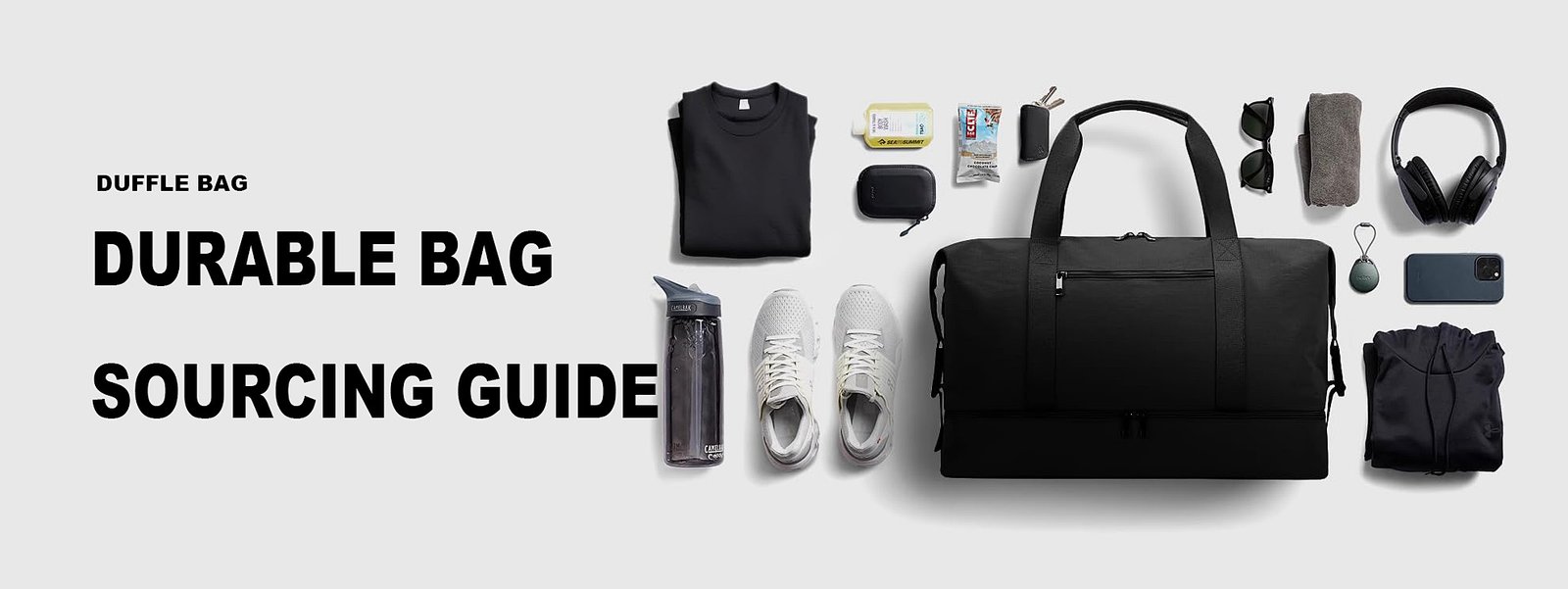
I have seen this question many times in RFQs, sample reviews, and price talks. A buyer asks for thicker fabric, stronger webbing, heavier zippers, and extra stitching everywhere. I understand the reason. No one wants returns or angry end users. But in many projects, the real issue is not that the whole bag is too weak. The real issue is that one or two areas are not built for the job. When I look at durable bag sourcing in practice, I do not start from “maximum spec.” I start from “what will this bag carry, how often, and where will users pull, drag, drop, or overload it?” That is where cost control and complaint control finally meet.
What Size Duffle Bag Works for School and Club Teams?
Many team buyers try to solve future complaints by choosing the biggest duffle size. That often creates a new problem. A larger bag invites overloading, and then the stress shifts to seams and straps.1
For school and club teams, a medium duffle is usually the safest choice because it balances useful capacity and manageable weight. In many buyer projects, about 40L to 55L works better than oversized team bags2 unless users carry bulky gear every day.
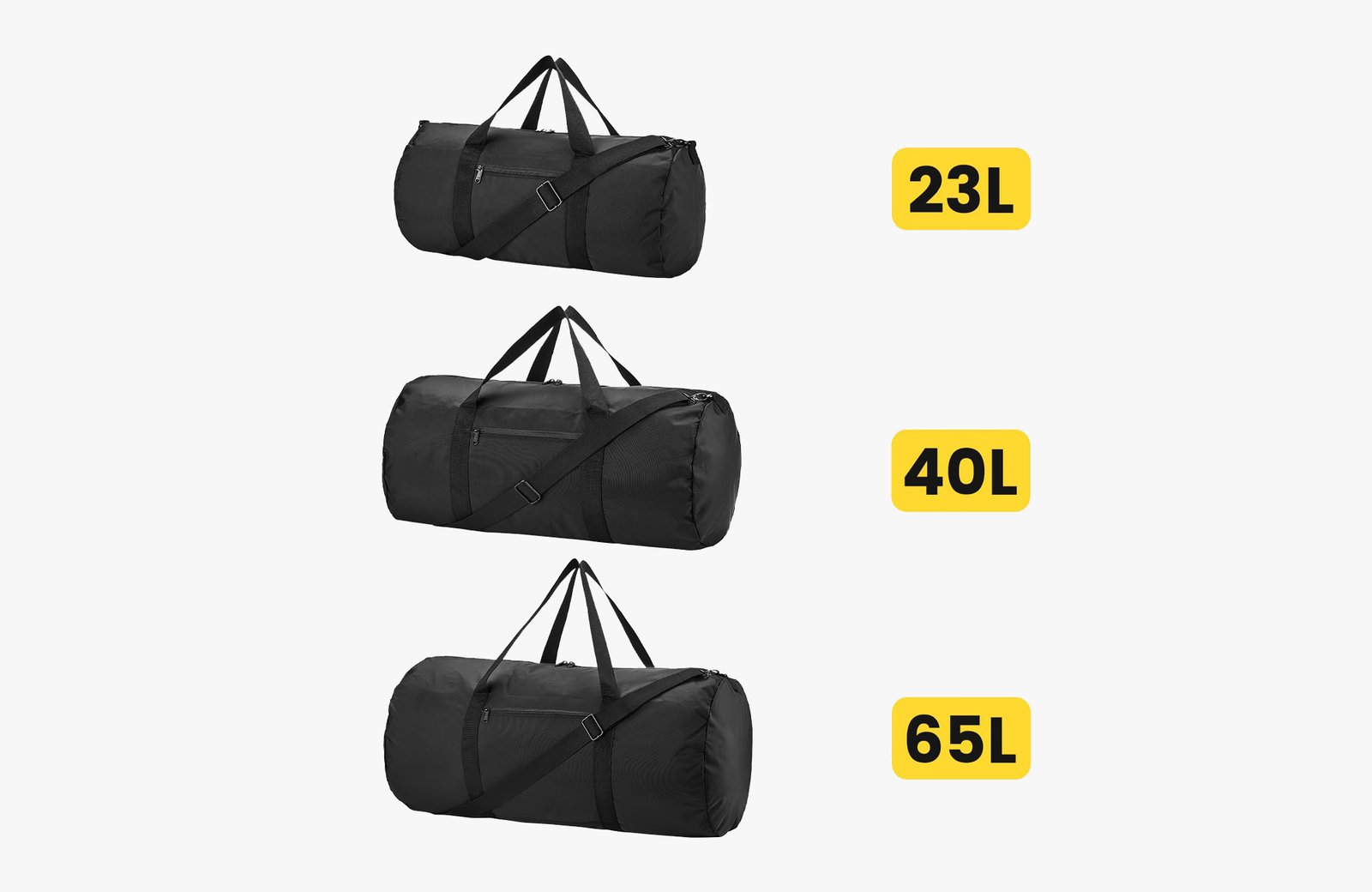
In buyer conversations, I often see a simple mistake: the bag size is chosen by visual impact, not by load behavior. A big team duffle looks practical in a catalog. It also seems like a safer value offer. But once the bag gets bigger, users fill the space. Then the buyer is not just buying more capacity. The buyer is also buying higher stress on the bottom panel, zipper path, shoulder strap joints, and carry handles. That is why I usually ask what the players actually pack.
Here is the basic way I break it down:
| Use case | Suggested size | Why it works | Main risk if oversized |
|---|---|---|---|
| School sports basics | 35L–45L | Easy to carry, enough for clothes and shoes | Users stuff too much into larger sizes |
| Club training | 40L–55L | Good for regular gear and travel between home and practice | Weight rises fast if bag is too tall or wide |
| Team travel with bulk gear | 55L–70L | Better for uniforms, towels, and extra items | Needs stronger reinforcement at load points |
I also look at who uses the bag. Teen students and club members do not carry bags in the same way as adult travelers. They drag them. They drop them. They throw them into buses and locker rooms.3 A medium size often survives better because the end user can handle it better. So when I quote a team duffle, I do not ask only, “How much can it hold?” I ask, “How much will people really put inside when no one is watching?” That answer matters more.
When Is a Shoe Compartment Worth the Extra Cost?
Many buyers add a shoe compartment because it sounds premium. That can help sales. But if the user rarely separates shoes, the cost and structure changes may bring little real value.
A shoe compartment is worth the extra cost when users carry dirty or wet footwear often and need separation from clean items.4 It is less useful when the bag is for light, occasional use or when price pressure is the main buying concern.
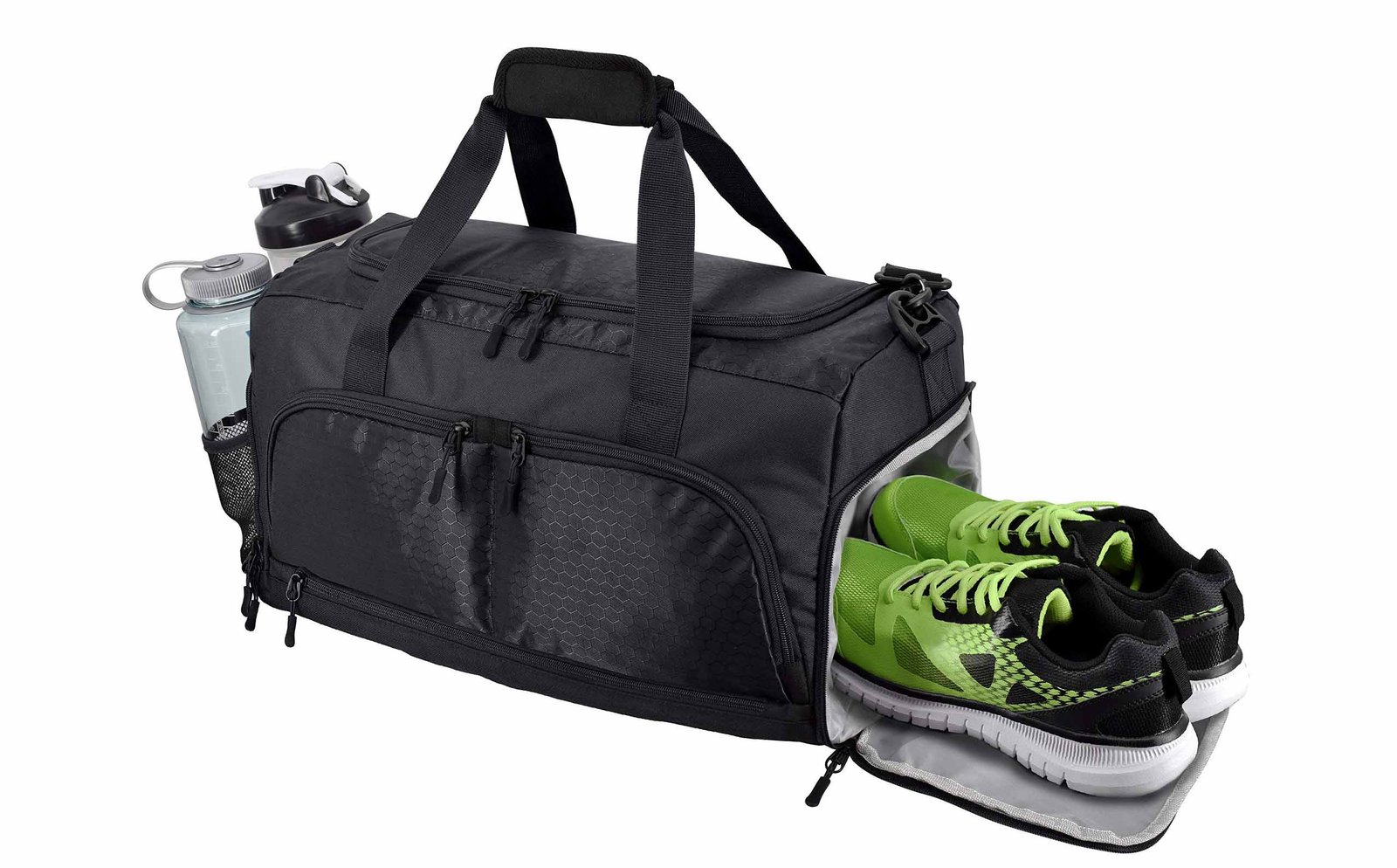
I have quoted many duffle bags with and without a shoe compartment. In some cases, it clearly helps. In other cases, it only adds complexity. Buyers should remember that a shoe compartment is not a free feature. It changes pattern layout, lining use, zipper length, labor time, and sometimes usable main compartment space.5 So I do not treat it as a simple add-on.
This is how I think through it with buyers:
| Question | If answer is yes | If answer is no |
|---|---|---|
| Are shoes dirty, wet, or smelly after use? | Compartment has clear user value | Main compartment may be enough |
| Is the bag used several times each week? | Separation matters more over time | Feature may be underused |
| Is the bag sold as a team or sports item? | Compartment can support product positioning | Cost may not convert into real benefit |
| Is target price tight? | Need to justify cost carefully | Simpler design may be better |
A common sourcing mistake is adding the feature for all versions of the bag. I think a better way is to match it to the order goal. A retail sports program may need it because customers expect it. A supermarket promo bag may not. I have also seen buyers ask for a shoe compartment but use very light materials around it. That can lead to shape collapse or early complaints around the zipper area. So if the feature matters, the structure around it matters too. If the feature does not matter, I would rather put that budget into better strap attachment or bottom support.
Which Areas Need Reinforcement First?
Some buyers want all panels, seams, and parts upgraded together. That sounds safe, but it often wastes money. Most bag failures start in a small number of stress points, not everywhere.6
The first areas to reinforce are usually strap attachments, handle joints, bottom corners, zipper ends, and the base panel.7 These areas take repeated load and rough handling, so they often deliver more durability value than heavier body fabric alone.
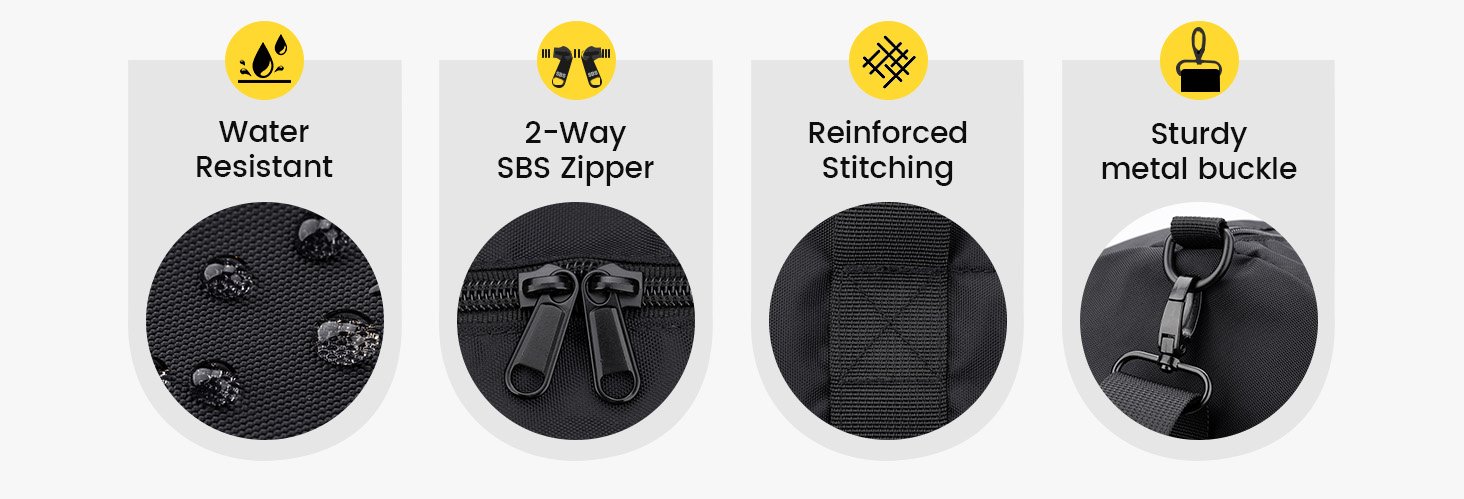
This is the heart of durable bag sourcing. In real use, bags do not fail evenly. A user does not stress every square inch in the same way. They lift from the handles. They swing the shoulder strap. They set the bag down hard. They overload the bottom. They pull the zipper at an angle. That is why I tell buyers to stop thinking of durability as one flat number. It is a map. Some zones matter much more than others.
These are the zones I review first in sample discussions:
| Area | Why it fails first | Typical reinforcement options |
|---|---|---|
| Shoulder strap attachment | Repeated lifting under load | Box stitch, bartack, webbing extension |
| Carry handles | High pull force and sudden jerks | Wrap-around handles, cross stitch |
| Bottom panel | Constant weight and abrasion | Extra layer, thicker panel, piping support |
| Bottom corners | Impact and scraping | Corner patch, binding, stronger seam |
| Zipper ends | Force when bag is overpacked | End reinforcement, better zipper setting |
I once worked on a team bag project where the buyer first asked for thicker full-body fabric. After we talked more, the real complaint risk turned out to be overloaded lifting during school transport. So the better fix was not “thicker everywhere.” The better fix was stronger handle connection, better stitching at the strap base, and a more stable bottom. That gave a better result at a lower cost increase. This is why I keep saying that durability is a use-case matching problem. If buyers reinforce the wrong areas, they can spend more and still lose.
How Should Buyers Compare Shoulder Straps and Handles?
Buyers often compare straps by width or feel alone. That is not enough. A comfortable-looking strap can still fail early if the attachment method and load path are weak.8
Buyers should compare shoulder straps and handles by load type, frequency of use, attachment structure, and user comfort. The strongest choice is not always the heaviest one. It is the one that fits how the bag is really carried.
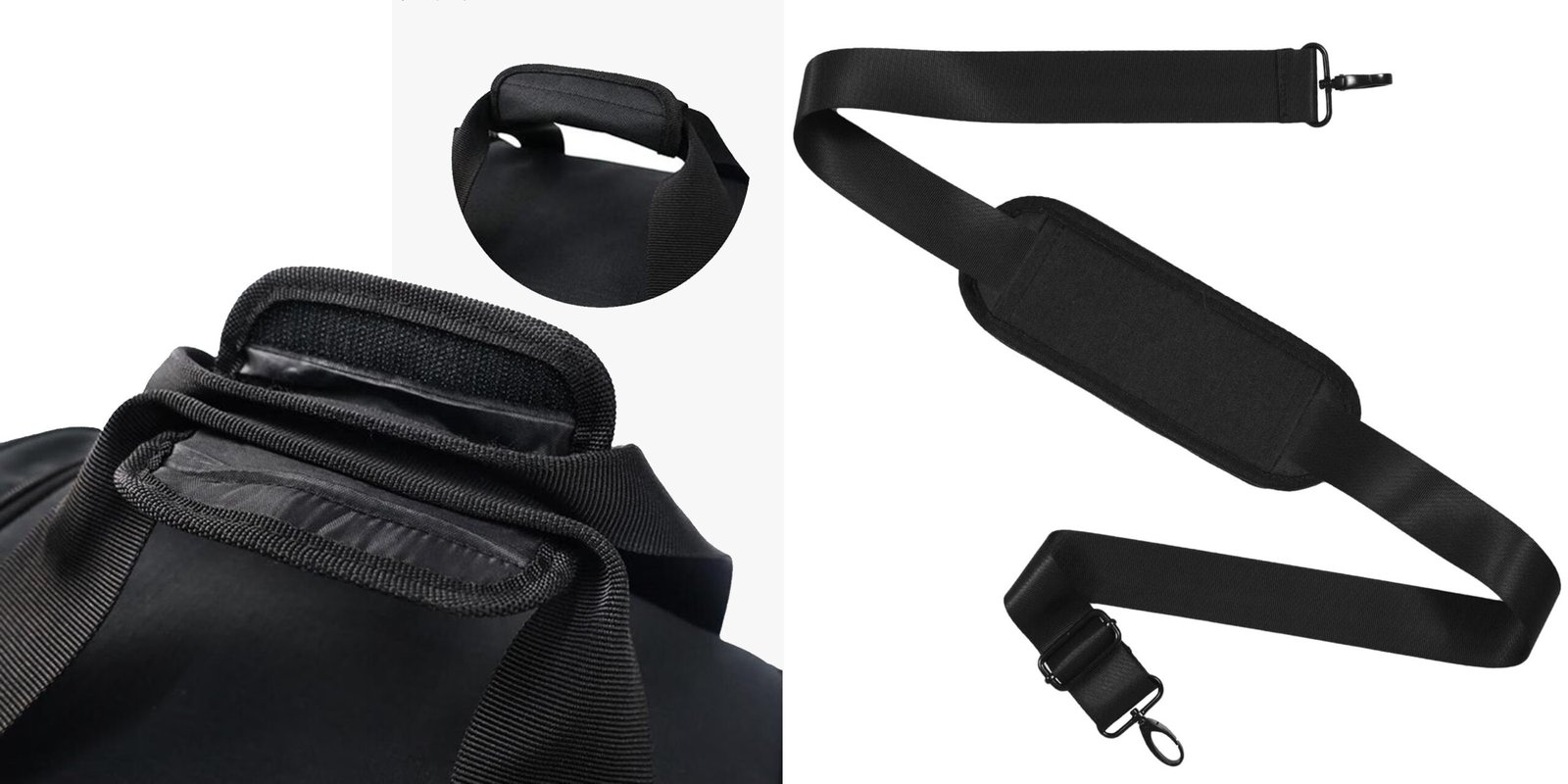
When I review samples, I look at straps and handles as systems, not just parts. A strap can be wide, thick, and soft, but if the stitching area is small or placed badly, the user still gets failure. In many buyer talks, people focus too much on visible parts and not enough on how those parts connect to the bag body.
Here is a practical comparison frame:
| Item | What to check | Why it matters |
|---|---|---|
| Webbing width | Match to load and comfort need | Too narrow cuts into shoulder under weight9 |
| Webbing thickness | Match to expected frequency | Too heavy may add cost without benefit |
| Attachment method | Box stitch, bartack, wrap-around | Connection often matters more than strap feel10 |
| Handle drop length | Suit hand carry use | Poor length changes how users pull the bag |
| Shoulder pad | Needed for heavier regular loads | Adds comfort, not always structural strength |
I also ask whether the bag is mostly hand carried, shoulder carried, or dragged from one place to another. For short-distance school use, strong dual handles may matter more than a premium shoulder pad. For club travel, a removable shoulder strap may matter more. For low-cost retail promotion, a simple and well-attached handle design may outperform a more complex strap setup in cost-effectiveness. So I do not compare straps only by spec sheet language. I compare them by real carrying behavior. That is where the right decision becomes clear.
What Sample Tests Help Avoid Team Order Complaints?
Many team orders look fine in the sample room. Then complaints appear after real use. The issue is often that the sample was checked for appearance, not for the way users actually handle the bag.
The best sample tests are simple, use-case-based checks such as loaded carry tests, repeated lift tests, zipper under-load tests, drop checks, and basic seam reviews.11 These tests help buyers find practical weak points before mass production.12
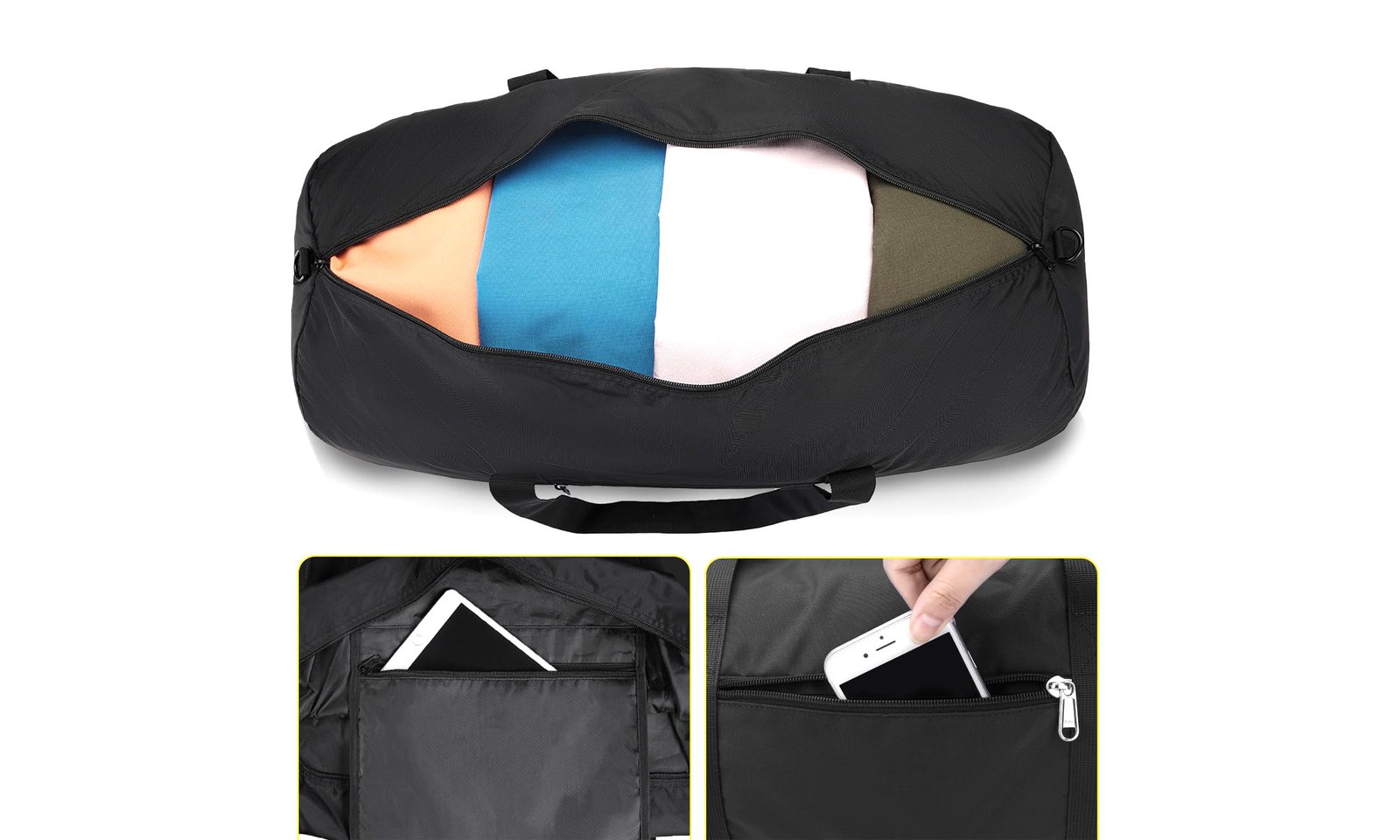
I am a big believer in practical sample testing. I do not mean pretending to run a full lab program if that is not part of the project. I mean using the sample in the same rough, ordinary way the end user will use it. In team and school bag projects, that tells me much more than just touching fabric or checking color.
This is the kind of pre-order check I often suggest:
| Test | How to do it | What it can reveal |
|---|---|---|
| Loaded carry test | Fill bag with expected weight and carry it repeatedly | Strap strain, handle discomfort, body collapse |
| Lift-and-drop check | Lift loaded bag and set it down many times | Bottom stress, seam shift, shape weakness |
| Zipper under-load test | Open and close when bag is full | Zipper path tension, end-point pulling |
| Abrasion contact check | Rub bottom against rough surface lightly | Early wear points on base fabric |
| Packing realism check | Ask if real users will overstuff it | Design mismatch with actual team behavior |
In one buyer project, the first sample looked good on the table. But once we packed it like actual students would, the zipper got tight and the side panel shape changed fast. That did not mean the whole bag needed a full upgrade. It meant the opening design and load distribution needed adjustment. That is the value of testing before production. It turns “durability” from a vague sales word into a sourcing decision. And for buyers, that is the real goal: reduce complaint risk without paying for strength that the end user will never need.
Conclusion
I source durable bags by matching strength to real use, not by overbuilding every part. In my experience, smart reinforcement and practical sample testing protect both budget and buyer confidence.
"The Biomechanical Effects of Different Bag‐Carrying Styles ... - PMC", https://pmc.ncbi.nlm.nih.gov/articles/PMC9837261/. Mechanical and load-carriage literature shows that increasing carried mass raises forces on load-bearing interfaces and concentrates stress at attachment points, providing contextual support for the claim that oversized bags are more likely to overload seams and straps when users fill available volume. Evidence role: mechanism; source type: paper. Supports: That greater carried loads increase forces on load-bearing components and that stress concentrates at attachment points such as seams and straps.. Scope note: This evidence usually addresses load mechanics generally rather than duffle bags specifically. ↩
"Duffel Bags Size Chart - Patagonia Bend", https://www.patagoniabend.com/pages/duffel-bags-size-chart?srsltid=AfmBOop3k0QQHhjfj14VAM0p2EKveKrvpUK7fIhNo7WMXrFLoI7AH6lP. Retail-independent sizing guides and sports equipment references commonly place medium duffle bags for routine training use in the mid-capacity range, often around 40-55 liters, which supports the article's sizing benchmark as a practical norm rather than a universal rule. Evidence role: general_support; source type: education. Supports: That mid-capacity sports bags commonly fall in the roughly 40-55 liter range for regular training or school sports use.. Scope note: Such sources typically describe common market categories and use patterns, not controlled evidence that this range is optimal for every team. ↩
"School Bag Design and Weight: A Narrative Review of Their Impact ...", https://pmc.ncbi.nlm.nih.gov/articles/PMC12812241/. Observational and user-behavior studies of school bag use document frequent handling, impacts, and wear during daily transport, lending contextual support to the claim that student-use environments can be rougher than more controlled travel scenarios. Evidence role: case_reference; source type: paper. Supports: That school-age users often subject bags to frequent handling, impacts, and wear in everyday transport environments.. Scope note: Available studies may not directly compare teenagers with adult travelers in a head-to-head design. ↩
"Laundry Hygiene and Odor Control: State of the Science - PMC", https://pmc.ncbi.nlm.nih.gov/articles/PMC8231443/. Hygiene and textile-care guidance indicates that separating wet or soiled footwear from clothing and other clean contents can limit moisture transfer, odor migration, and soiling, supporting the functional rationale for a dedicated shoe compartment. Evidence role: general_support; source type: education. Supports: That isolating wet or soiled footwear can reduce moisture transfer, odor spread, and contamination of adjacent clean items.. Scope note: Such guidance supports the compartment's utility in principle but does not quantify its value relative to added manufacturing cost. ↩
"How to Increase or Decrease a Sewing Pattern - YouTube", https://www.youtube.com/watch?v=Xq96qBqsrLY. Patternmaking and sewn-product construction references explain that adding a compartment typically introduces extra pattern pieces, closures, and assembly operations, while partitioning interior space can reduce effective main-compartment volume, which supports the article's description of the design trade-off. Evidence role: mechanism; source type: education. Supports: That additional compartments in sewn products require extra pattern pieces, materials, assembly steps, and can reduce net usable volume.. Scope note: Most sources describe general construction principles rather than shoe compartments in team duffles specifically. ↩
"[PDF] The effects of different fabric types and seam designs on the seams ...", https://commons.emich.edu/cgi/viewcontent.cgi?article=1052&context=honors. Failure-analysis and mechanics literature consistently notes that structural damage in sewn or flexible assemblies often initiates at stress concentrations, including seams, corners, and attachment interfaces, supporting the article's claim that a limited number of zones dominate failure risk. Evidence role: mechanism; source type: paper. Supports: That structural failures in sewn or flexible products commonly initiate at stress concentrations such as seams, corners, and attachment interfaces.. Scope note: The evidence is often drawn from general textile or flexible-structure mechanics rather than commercial duffle bags alone. ↩
"How to Attach a Shoulder Strap to a Bag - YouTube", https://www.youtube.com/watch?v=5J0H9SAqrR8. Luggage testing protocols and repair-oriented assessments commonly treat handle attachments, strap joins, base panels, corners, and zipper terminals as critical durability points, which supports the article's prioritization of these areas for reinforcement. Evidence role: expert_consensus; source type: institution. Supports: That high-load and high-abrasion locations such as handles, strap joins, base panels, corners, and zipper terminals are common critical points in luggage and bag durability assessment.. Scope note: Testing standards identify critical components but may not prescribe a universal reinforcement order for every bag design. ↩
"[PDF] 2-4: Stress Concentration Caused by Sudden Change in Form - NJIT", https://web.njit.edu/~sengupta/met%20301/Stress%20Concentration.pdf. Studies of stitched and webbing-based assemblies show that attachment geometry, stitch configuration, and load path strongly influence failure behavior, supporting the article's point that a strap may appear comfortable while remaining structurally vulnerable at its connection points. Evidence role: mechanism; source type: paper. Supports: That the strength of a strap system depends heavily on attachment geometry, stitch design, and load path rather than visible padding or width alone.. Scope note: These findings are often based on component-level testing rather than complete consumer bags in field use. ↩
"The effect of shoulder strap width and load placement on ... - PubMed", https://pubmed.ncbi.nlm.nih.gov/29254136/. Ergonomic load-carriage research indicates that, under the same load, narrower shoulder straps produce higher localized contact pressure and are more likely to cause discomfort, supporting the article's warning about overly narrow webbing. Evidence role: mechanism; source type: paper. Supports: That narrower shoulder straps increase localized pressure and discomfort under equivalent loads compared with wider contact areas.. Scope note: Much of the evidence comes from backpack or load-carriage studies rather than duffle bags specifically. ↩
"Velocity-Based Resistance Training Monitoring: Influence of Lifting ...", https://pmc.ncbi.nlm.nih.gov/articles/PMC10170227/. Textile assembly research shows that seam and attachment construction can be decisive determinants of overall load capacity and failure onset, which supports the article's emphasis on connection quality over subjective strap feel when assessing durability. Evidence role: mechanism; source type: paper. Supports: That attachment and seam construction are major determinants of assembly strength, often governing failure before user-perceived comfort features do.. Scope note: The evidence establishes structural importance, but 'more than' remains partly context-dependent because comfort still matters for usability. ↩
"[PDF] Laboratory and service tests of hand luggage", https://nvlpubs.nist.gov/nistpubs/Legacy/MP/nbsmiscellaneouspub193.pdf. Industry and standards-based luggage evaluation commonly includes loaded handling, lifting, drop, closure, and seam assessments, supporting the article's use-case-based test list as a reasonable pre-production screening approach. Evidence role: expert_consensus; source type: institution. Supports: That practical durability assessment for bags commonly includes load, lifting, drop, zipper, and seam-related evaluations before production release.. Scope note: Formal standards may require more controlled conditions than the simplified checks described in the article. ↩
"Defect Prevention: Reducing Costs and Enhancing Quality", https://www.academia.edu/11729285/Defect_Prevention_Reducing_Costs_and_Enhancing_Quality. Quality-assurance and product-development literature describes prototype and pre-production testing as a means of detecting design weaknesses and failure modes before full-scale manufacture, which supports the article's claim that such tests can reveal practical weak points early. Evidence role: general_support; source type: paper. Supports: That prototype or pre-production testing is used to detect design and process weaknesses before scale-up, reducing the chance of downstream quality failures.. Scope note: The evidence generally supports early testing as a risk-reduction method but may not quantify benefits for team duffle bags specifically. ↩