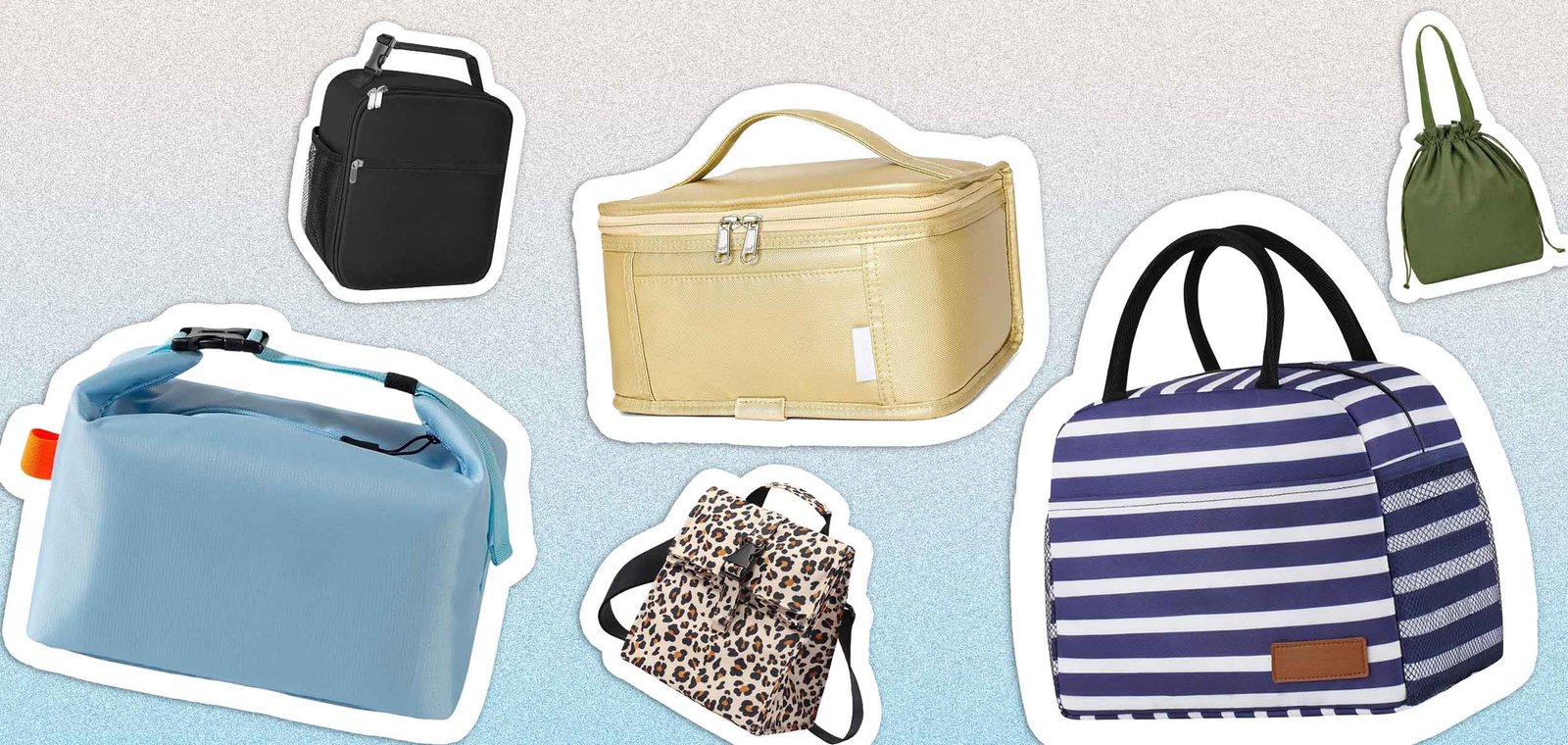
Buyers often choose lunch bags by size charts and thick foam claims. Then complaints come later. The bag does not fit real meals, feels bulky, or misses insulation expectations.
The specs that matter most are the ones that match real use: what must fit inside, how long the food needs help staying cool or warm, and how the user will carry the bag every day.
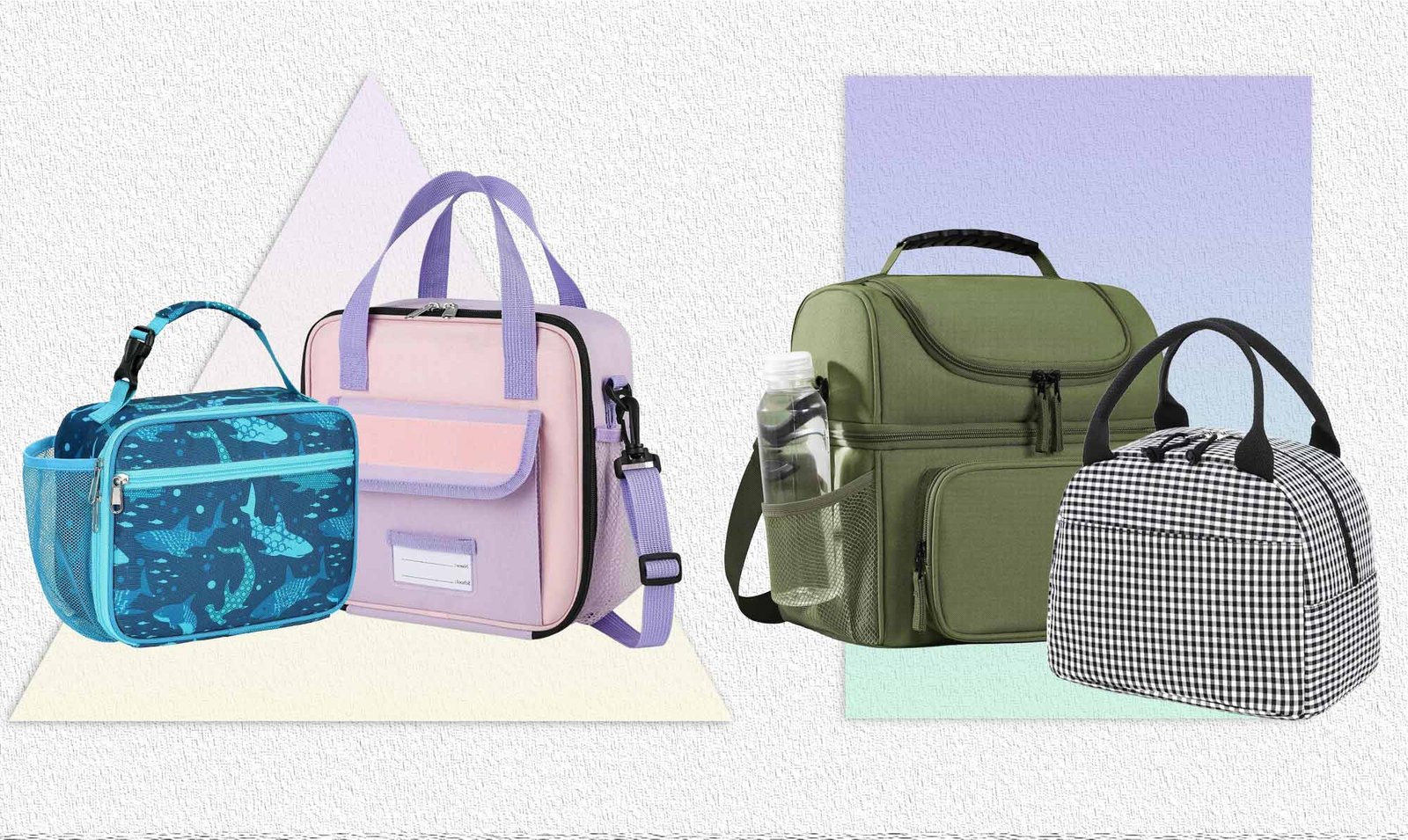
When customers ask me about insulated lunch bag specs, I do not start with material thickness or a generic capacity number. I first ask three simple questions. What do users need to pack? How long does it need to stay insulated? How will they carry it? I use these questions because I have seen the same problem many times. A sample can look great on the table, but fail in real daily use. That is why I always treat specs as a matching job, not a feature race.
What Size Lunch Bag Works for School and Office Use?
Many buyers think a larger lunch bag is safer. Then users find it hard to carry, hard to place in a backpack, or too loose for the food containers inside.
The right lunch bag size is the one that fits the actual lunch set well: meal box, bottle, fruit, snack, and utensils. Good fit matters more than a big capacity number alone.
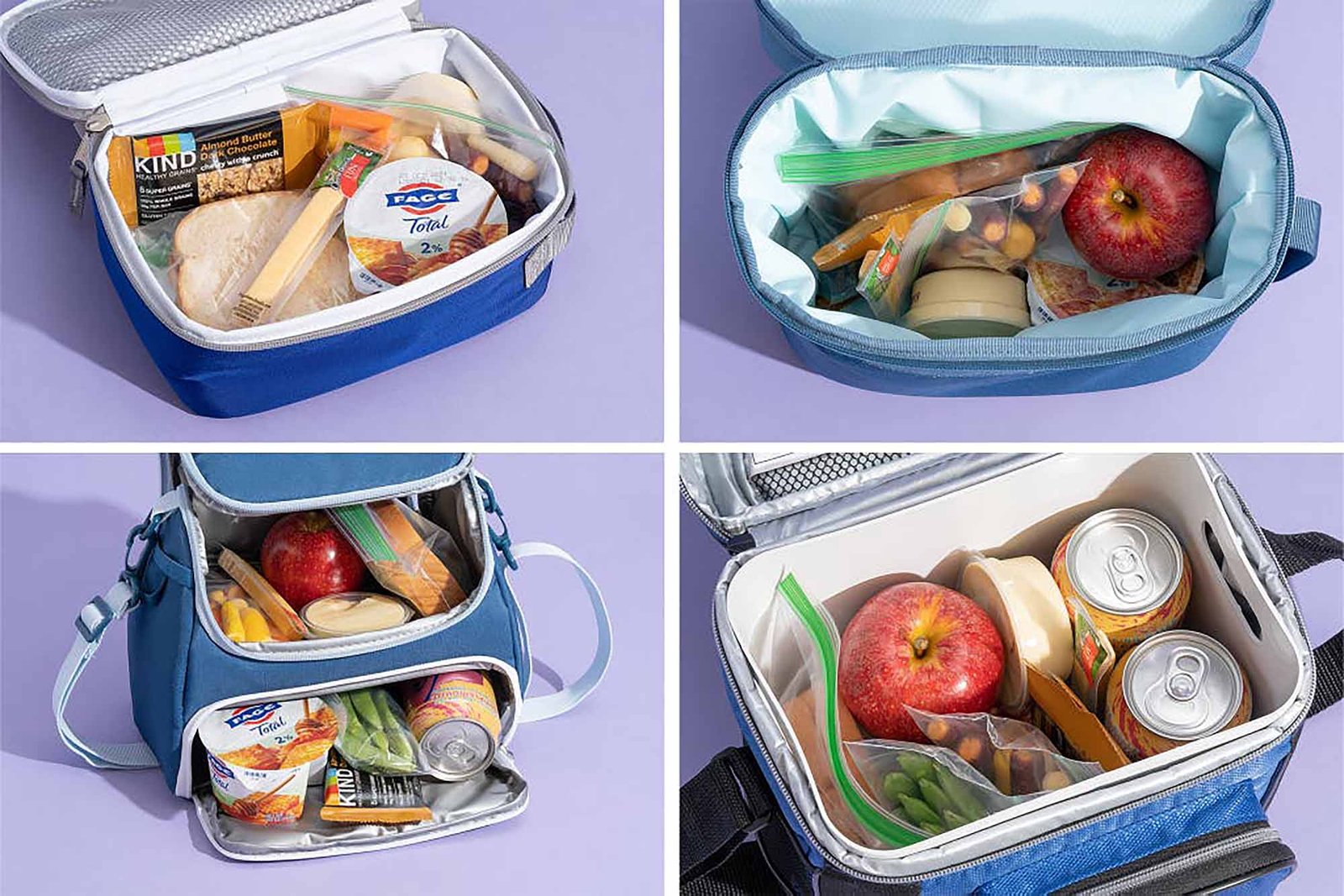
When I discuss size with buyers, I usually move away from liters first. I ask for the real packing list. A lunch bag is not bought to carry “capacity.” It is bought to carry a lunch routine. A student may need one food box, a juice box, and a spoon. An office user may need two containers, one bottle, and a fruit cup. These are very different packing tasks. If the bag is too small, the zipper strains and the shape deforms.1 If the bag is too big, items move around and the bag feels awkward in daily carry.2
I have found that a simple packing map helps a lot during sampling. Buyers can list the must-fit items and the nice-to-fit items. This reduces sample mistakes and later complaints.
| Use case | Typical contents | Size focus | Common risk |
|---|---|---|---|
| School | 1 lunch box, snack, drink, utensils | Compact and easy to carry | Too bulky for small hands or school bag |
| Office | 1-2 meal containers, bottle, fruit, cutlery | Stable shape and better organization | Looks roomy but bottle does not fit upright |
| Promo/Gift | Mixed user habits | Flexible middle size | Generic size fits nobody well |
I also tell buyers to check shape, not just dimensions. A bag can look large on paper but waste space because of poor bottle placement or a low top opening. A good size choice reduces three risks at once: poor fit in real packing, bad user comfort, and low repeat orders.
Which Linings Are Easier to Wipe Clean?
A lunch bag can look fine at first, but daily use brings spills, oil marks, sauce drops, and moisture. If the lining is hard to clean, users notice fast.
The easiest lunch bag linings to wipe clean are smooth, coated surfaces with fewer texture grooves.3 Buyers should also check seam finishing, corner shape, and how the lining behaves after repeated wiping.
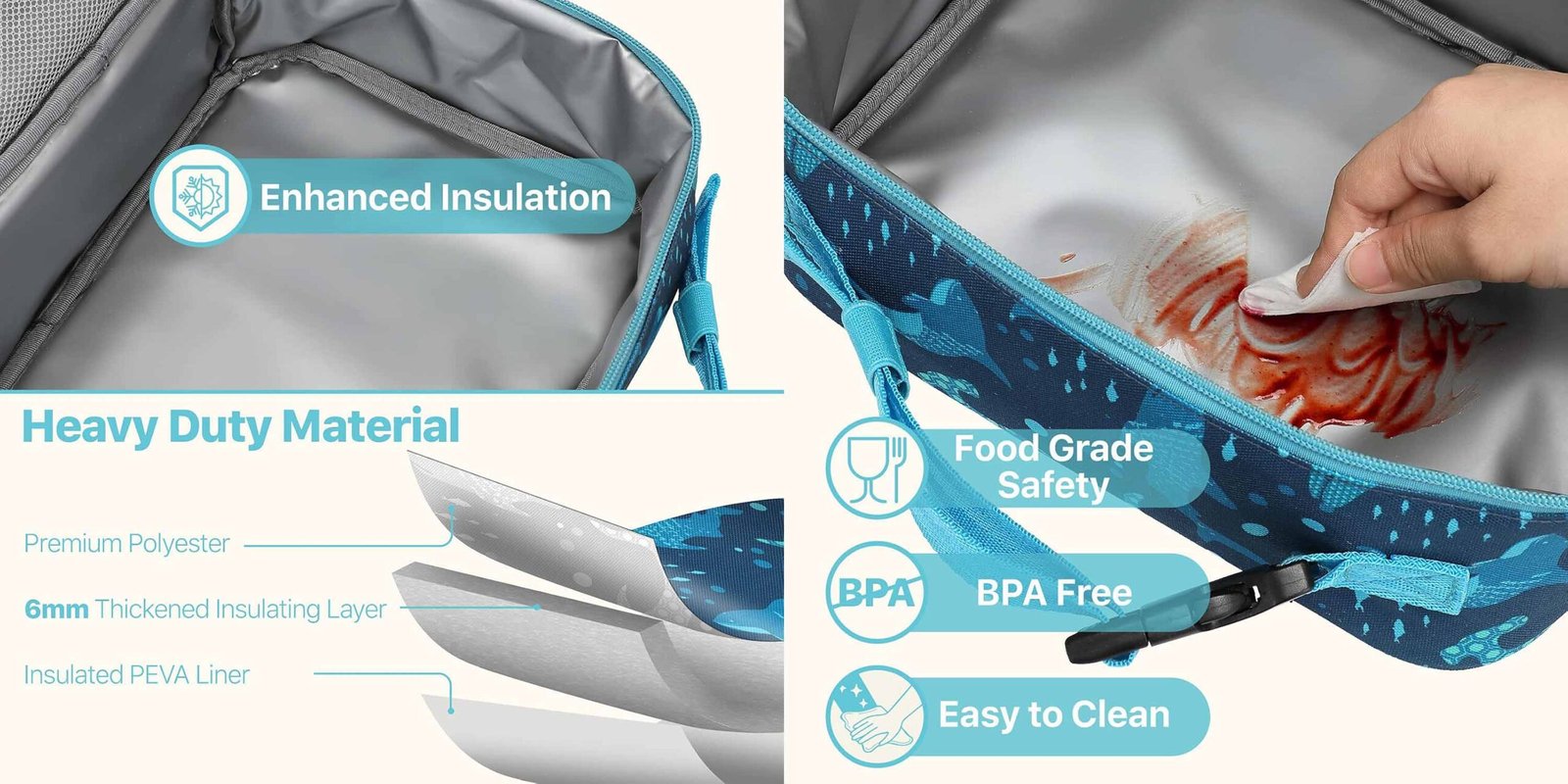
In sample talks, lining choice often gets less attention than outer fabric color. I think that is a mistake. For office and school lunch bags, inside cleaning matters a lot because users repeat the same habit every day. If a yogurt cup leaks or a lunch box sweats, the lining becomes part of the product experience. A lining that wipes clean in one pass feels much better than one that traps crumbs or moisture in folds.
I usually tell buyers to look at four things. First, is the lining surface smooth or textured? Smooth surfaces are often easier to wipe. Second, are the inside corners tight and deep? Sharp corners can trap food bits.4 Third, are the seams exposed in a way that catches liquid? Fourth, does the lining stay flat after use, or wrinkle too much? Wrinkles make wiping harder.5
| Lining factor | Why it matters | What buyers should check |
|---|---|---|
| Surface smoothness | Affects wiping speed | Test with wet cloth and light sauce mark |
| Corner structure | Traps crumbs and liquid | Look inside at bottom edge shape |
| Seam finish | Affects leak and cleaning feel | Check exposed stitches and tape finish |
| Material feel after wiping | Impacts long-term use | Repeat wipe test several times |
I do not present one lining as perfect for all cases. I have seen buyers choose a nice-looking lining that later made cleaning harder in actual use. So I suggest a basic test during sampling: put in a little water, a small sauce mark, and a few crumbs. Then wipe. This tells more than a catalog line ever will.
How Should Buyers Compare Insulation Claims?
Many lunch bag listings use bold insulation claims. Buyers may compare bags by one promised number, but real use is not that simple.
Buyers should compare insulation by expected use conditions: hold time, hot or cold food, use of ice packs, bag structure, fill level, and carrying environment. One claim alone does not tell the full story.6
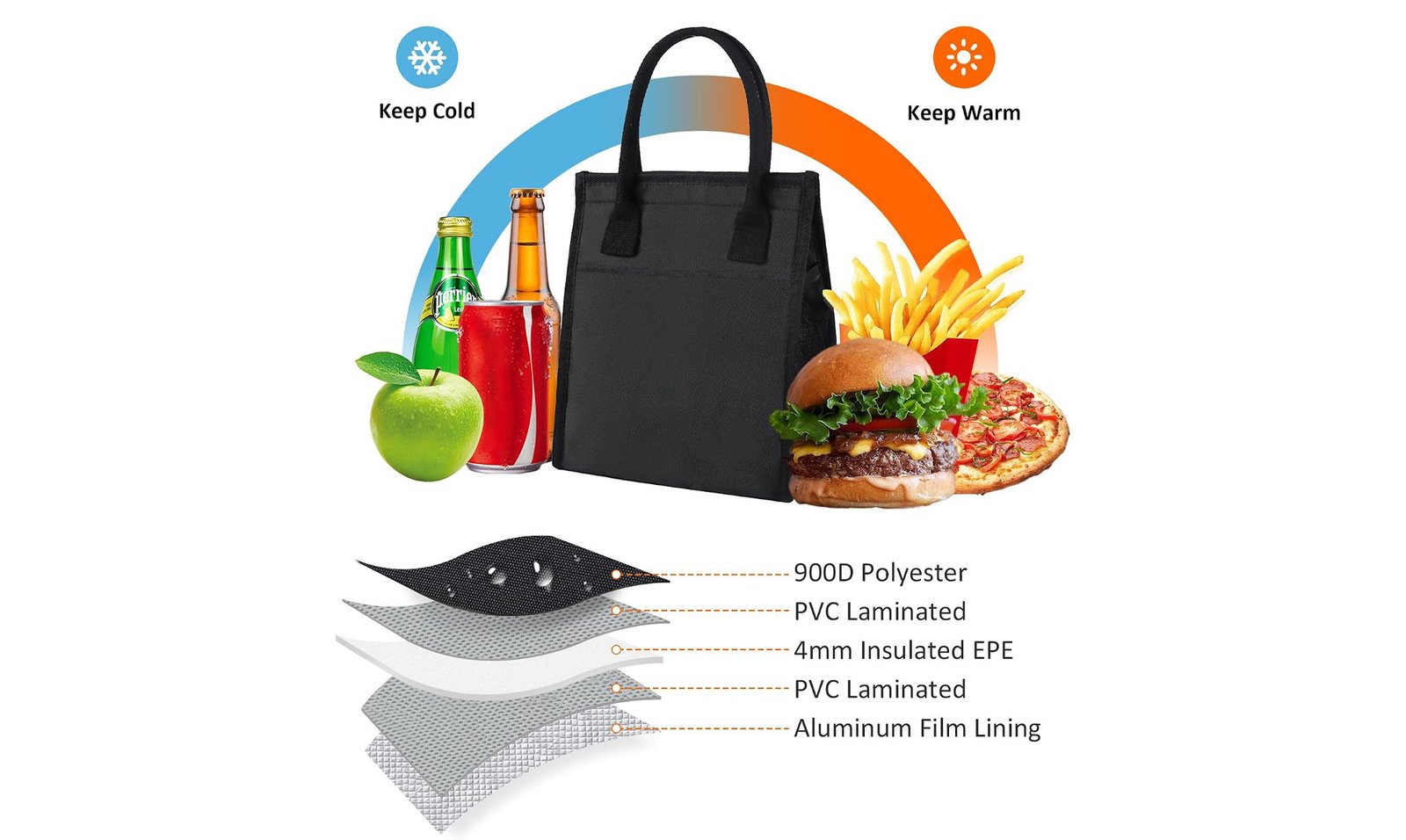
This is one area where I try to slow the conversation down. I do not like treating insulation as a magic number. When customers ask, “How many hours can it keep food cold?” I usually answer with more questions. Is the user carrying chilled food or room-temperature food? Will they use an ice pack? Will the bag stay indoors, in a car, or in the sun? Is the bag full or half empty? These details change the result a lot.7
I have seen buyers choose a thicker bag because they assume thicker means better. Sometimes that helps. But not always in a useful way. A thicker bag may become bulky for commuting. A larger bag with empty space may also lose practical performance because the packed contents do not fill it well.8 The structure of the bag, the closure, the fit of the contents, and how often the bag is opened all matter in real use.9
| Comparison point | Why it matters | Better buyer question |
|---|---|---|
| Claimed insulation hours | Often lacks use context | Under what conditions was this estimated? |
| Foam thickness | Not the whole story | Does thickness improve use without adding too much bulk? |
| Bag size vs packed contents | Empty space affects use | What is the real fill condition during daily carry? |
| Closure and opening style | Heat/cold loss during use | How often will users open it? |
| Use of ice pack | Changes cooling result | Is the bag designed around this use? |
I think buyers get better results when they define a target use case instead of chasing the biggest claim. For example: “The bag should help keep a packed lunch in reasonable condition from home to lunchtime during a normal school morning.” That is a more useful buying standard.
What Handles and Closures Work for Daily Carry?
A lunch bag may pass the size and lining check, but daily carry can still fail. Bad handles, awkward closures, or poor opening design create user complaints very fast.10
For daily use, buyers should choose handles and closures based on how the bag will be carried: by hand, inside a backpack, or during commuting. Comfort, access, and durability should all match the use case.
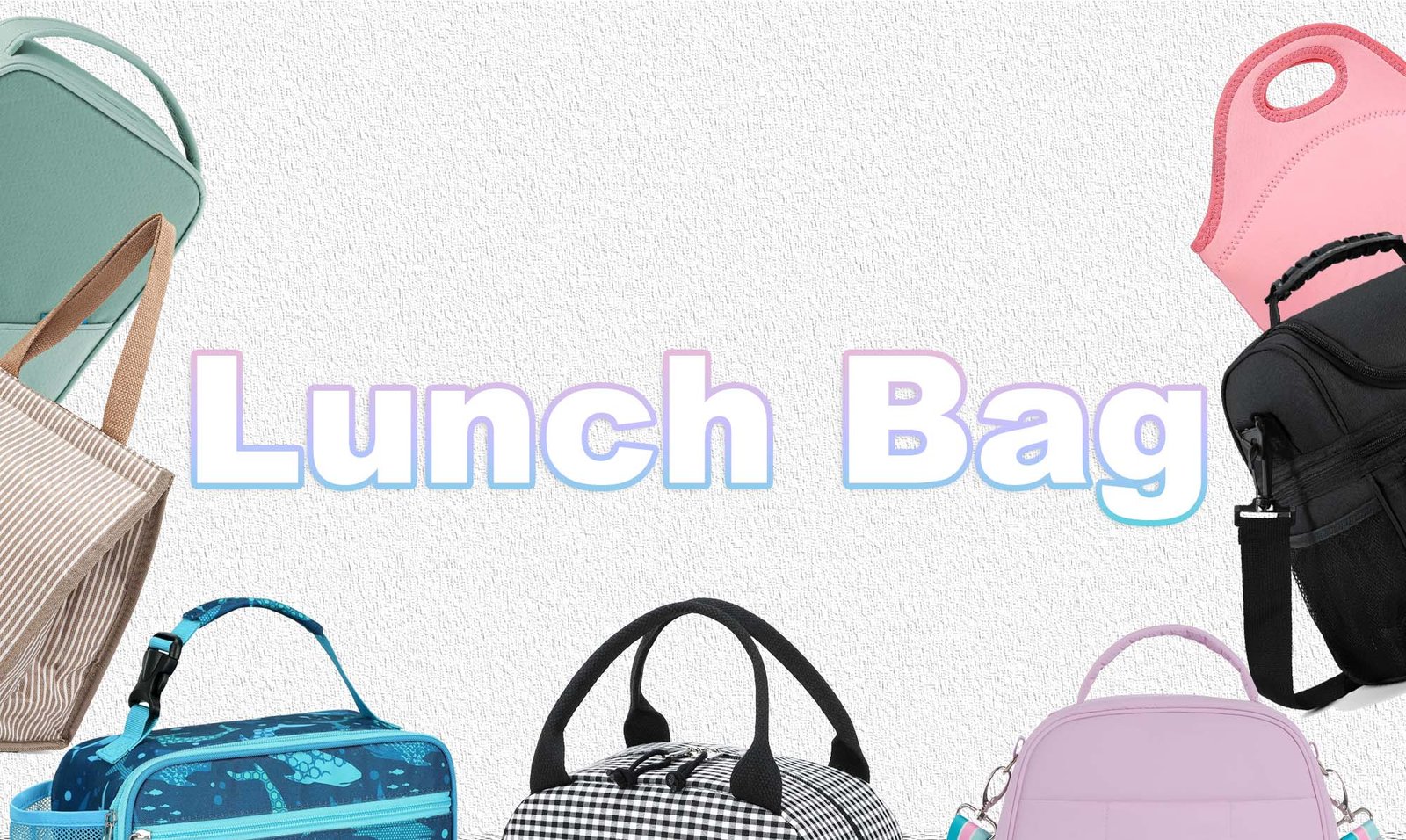
I have noticed that carry details are often treated as minor trim parts. In real use, they are not minor at all. A school child may need a soft top handle that is easy to grab quickly. An office user may want a cleaner look, a secure zipper, and a shape that sits neatly in a tote or backpack. If the handle digs into the hand, or if the zipper catches at the corner every day, the bag feels worse than its material spec suggests.
I usually break carry hardware into use habits. Will the user carry the lunch bag alone? Will they place it inside another bag? Will they open it one-handed at a desk? These habits affect what works best. A double zipper can help wider access. A hook-and-loop closure may be fast, but some buyers may not like the sound or lint issue.11 A simple top handle can work well, but handle drop and stitching strength still matter for comfort.
| Carry detail | Best for | Watch-out point |
|---|---|---|
| Short top handle | School and simple office use | Handle width and comfort |
| Dual zipper opening | Better access and packing | Corner smoothness |
| Hook-and-loop flap | Fast open-close use | Noise and wear over time |
| Wide opening top | Easier container loading | May affect shape retention |
| Extra front pocket | Utensils or napkins | Can add bulk if oversized |
I tell buyers to test carrying in motion, not just on the sample table. Put real weight inside. Walk with it. Open and close it several times. Place it inside a backpack or under a desk. These small checks often reveal more than a long spec sheet.
What Should Be Included in a Lunch Bag RFQ?
Many RFQs ask for material, size, and logo only. Then suppliers quote on incomplete information, and the sample round gets slow and messy.
A good lunch bag RFQ should include packing needs, target use time, carry method, preferred structure, cleaning expectations, and quantity details. This helps suppliers quote and sample more accurately.12

I think a strong RFQ is one of the easiest ways to reduce mistakes. When I receive a lunch bag inquiry with only a photo and approximate size, I know there will be many follow-up questions. The issue is not that the supplier cannot quote. The issue is that the first quote may not match the real use target. For insulated lunch bags, this matters even more because the right spec mix depends on use. A school lunch bag and an office lunch bag can look similar but need different priorities.
I suggest buyers include both product specs and use specs. Product specs are things like dimensions, outer fabric direction, printing method, closure type, lining preference, and handle style. Use specs explain the real task: what goes inside, how long the food needs help staying cool or warm, and how the user carries the bag. These details help suppliers suggest better options and reduce the chance of a good-looking but poor-fitting sample.
| RFQ item | Why include it | Example |
|---|---|---|
| Intended user | Clarifies product direction | Primary school student / office staff |
| Packing list | Defines real size need | 1 container, 1 bottle, utensils |
| Carry method | Affects handle and shape | Hand carry / fits inside backpack |
| Expected use duration | Helps discuss insulation level | Morning to lunch |
| Lining preference | Impacts cleaning experience | Smooth wipe-clean lining |
| Closure style | Changes access and sealing | Top zipper / flap |
| Branding details | Needed for quoting | Logo print, label, hangtag |
| Order quantity | Affects pricing and setup | 3,000 pcs |
| Packaging need | Impacts cost and shipping | Individual polybag / barcode |
| Testing or compliance need | Important for some markets | Buyer standard or market request |
If I could ask every buyer to add one more thing, it would be this: send the dimensions of the actual lunch container and bottle. This single detail often saves a lot of time. It turns a vague inquiry into a useful one. It also makes sample feedback much more objective.
Conclusion
The best lunch bag specs are not the biggest or thickest ones. They are the ones that fit real meals, realistic insulation needs, and comfortable daily carry.
"[PDF] An Approach to the Design of Shouldered Personal Load-Carrying ...", http://etd.auburn.edu/bitstream/handle/10415/3764/Livaudais_Matthew_Thesis.pdf?sequence=2&isAllowed=y. Engineering and textile references on zipper mechanics and load distribution indicate that overfilling soft containers can increase stress at the closure and distort the surrounding material, which is consistent with the risk of zipper strain and shape deformation in undersized lunch bags. Evidence role: mechanism; source type: education. Supports: that overpacking flexible textile containers increases stress on closures and can deform the product body. ↩
"Comparison of features, usability, and load carrying design of ...", https://dr.lib.iastate.edu/etd/15904/. Ergonomic studies of carried loads report that unstable contents and poor load distribution can reduce comfort and handling efficiency, supporting the practical concern that an oversized lunch bag may feel awkward when items move during daily use. Evidence role: general_support; source type: research. Supports: that unstable or shifting loads can reduce carrying comfort and usability. Scope note: The support is contextual from carried-load ergonomics rather than studies specific to lunch bags. ↩
"This Simple Switch Saved My Back from the Pain of Scrubbing the ...", https://rnojournal.binghamton.edu/plugins/generic/pdfJsViewer/pdf.js/web/viewer.html?file=%2Findex.php%2Findex%2Flogin%2FsignOut%3Fsource%3D%2Eleruru%2Ecom%2Fcbd%2Fthree%2F&id=8ypCGn6u. Food-safety and sanitation guidance commonly notes that smooth, nonabsorbent surfaces are easier to clean effectively than rougher or more irregular ones, which supports the preference for smooth, coated lunch-bag linings when wipe-clean performance is important. Evidence role: mechanism; source type: government. Supports: that smoother, less porous or less textured surfaces are generally easier to clean. Scope note: Such guidance usually addresses cleanability in general or food-contact settings rather than lunch-bag linings specifically. ↩
"[PDF] usda guidelines for the sanitary design and fabrication of dairy ...", https://www.ams.usda.gov/sites/default/files/media/DairyEquipmentReviewGuidelines.pdf. Sanitary-design references explain that sharp corners, crevices, and inaccessible junctions can retain food residues and make cleaning less effective, supporting the claim that tight interior corners in a lunch-bag lining may trap food bits. Evidence role: mechanism; source type: institution. Supports: that corners, crevices, and hard-to-reach geometries can retain food residues and impede cleaning. Scope note: The evidence usually comes from hygienic equipment or surface-design guidance rather than consumer lunch bags. ↩
"[PDF] Monitoring and improving the effectiveness of surface cleaning and ...", https://cdr.lib.unc.edu/downloads/df65vf66q. Studies and hygiene guidance on surface cleanability indicate that folds, creases, and other irregularities can shield residues from wiping and reduce cleaning efficiency, which is consistent with the observation that wrinkled linings are harder to wipe clean. Evidence role: mechanism; source type: research. Supports: that folds, creases, or uneven surfaces reduce cleaning efficiency compared with smooth flat surfaces. Scope note: The support is based on general surface-cleaning principles rather than lunch-bag-specific testing. ↩
"Research on Thermal Insulation Performance and Impact on Indoor ...", https://pmc.ncbi.nlm.nih.gov/articles/PMC10419949/. Thermal-performance literature and test standards treat temperature retention as condition-dependent, with results varying by ambient environment, starting temperatures, load, and test setup; this supports the statement that a single advertised insulation-duration claim does not fully describe real use performance. Evidence role: expert_consensus; source type: research. Supports: that insulation performance figures depend on conditions such as ambient temperature, starting temperature, fill level, and test method. ↩
"Outdoor Action Guide to Hypothermia & Cold Weather Injuries", https://www.princeton.edu/~oa/safety/hypocold.shtml. Basic heat-transfer references and applied studies on insulated containers show that temperature retention depends on external temperature, radiant heat exposure, starting load temperature, internal air volume, and supplemental cooling such as ice packs, supporting the claim that these details substantially affect practical insulation results. Evidence role: mechanism; source type: education. Supports: that ambient conditions, solar exposure, use of ice packs, and fill state influence temperature retention in insulated containers. ↩
"[PDF] Performance Comparison of Thermal Insulated Packaging Boxes ...", https://digitalcommons.calpoly.edu/cgi/viewcontent.cgi?article=1043&context=it_fac. Thermal studies of insulated containers indicate that fill level and internal air space affect heat exchange and temperature stability, which supports the practical point that an oversized lunch bag with unused space may perform less effectively in everyday conditions. Evidence role: mechanism; source type: research. Supports: that larger internal air volume or poor fill can worsen temperature stability in insulated containers. Scope note: The effect size varies with container geometry, insulation quality, and opening frequency. ↩
"[PDF] Frequency and Phase Response of a Resonantly-Coupled Alpha ...", https://ir.library.oregonstate.edu/downloads/6q182p256. Research on insulated storage and transport shows that seal quality and repeated opening events can accelerate temperature gain or loss, supporting the statement that closure design and opening frequency materially affect real-world lunch-bag performance; content fit is relevant insofar as it changes internal air space and heat exchange. Evidence role: mechanism; source type: research. Supports: that seal quality, fit, and repeated opening contribute to temperature loss in insulated containers. Scope note: The support is partly contextual because many studies examine coolers or insulated containers more broadly rather than lunch bags alone. ↩
"[PDF] User-packaging interaction (UPI)", https://www.imse.iastate.edu/files/2018/04/MumaniAhmad-dissertation.pdf. Usability and ergonomics research consistently finds that discomfort in carrying interfaces and friction in routine access tasks can quickly reduce user satisfaction, supporting the claim that poor handles and awkward closures are likely to generate complaints in everyday use. Evidence role: general_support; source type: research. Supports: that comfort and ease of use are major determinants of user satisfaction in carried products. Scope note: The evidence is general to usability and carrying ergonomics rather than a survey of lunch-bag complaints specifically. ↩
"Velcro - Wikipedia", https://en.wikipedia.org/wiki/Velcro. Reference descriptions of hook-and-loop fasteners note that their hooked surfaces can collect fibers and debris and that separation produces a characteristic sound, supporting the article’s observation that lint and noise may be drawbacks of this closure type. Evidence role: definition; source type: encyclopedia. Supports: that hook-and-loop fasteners work by mechanical engagement and are associated with lint accumulation and audible opening noise. ↩
"[PDF] Reducing Throughput Time during Product Design", https://user.eng.umd.edu/~jwh2/papers/jms2001/paper.pdf. Procurement and project-definition guidance commonly states that complete, unambiguous requirements improve supplier understanding and reduce errors, revisions, and mismatched deliverables, which supports the claim that a more detailed lunch-bag RFQ can improve quotation and sampling accuracy. Evidence role: expert_consensus; source type: government. Supports: that clear and complete requirement specifications improve vendor understanding and reduce errors or rework in procurement and production. Scope note: The support is drawn from general procurement and specification practice rather than lunch-bag sourcing specifically. ↩