Many buyers start with style first. That often leads to a bag that looks good in photos but feels wrong in hand and weakens the gift moment.
To choose the right corporate gift bag in the Middle East, I start with three things: who will receive it, where it will be given, and what brand feeling it should show. Then I match bag type, material, structure, and logo method to that use.
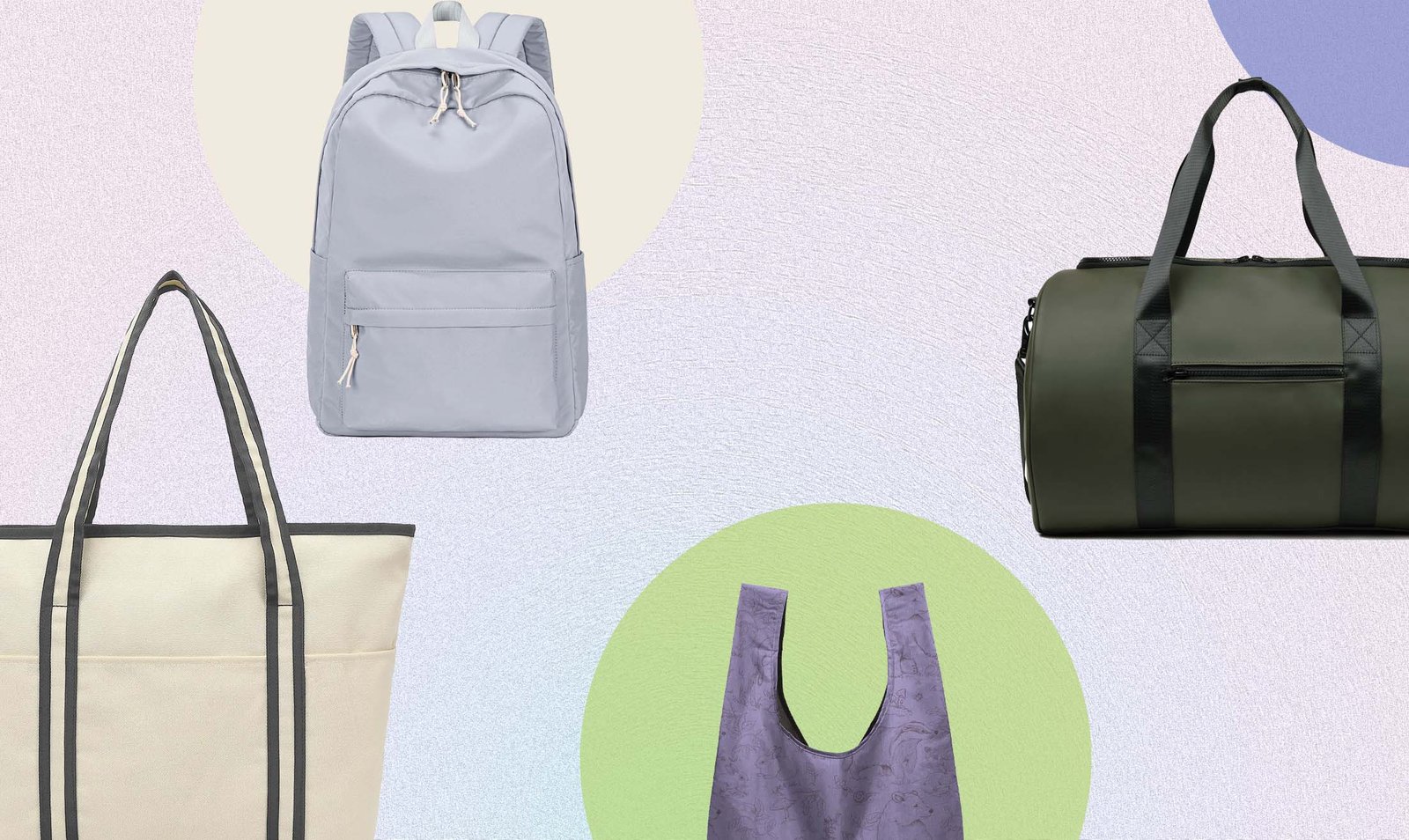
I have handled many bag inquiries where the first message was very short. A buyer would ask for a “luxury tote” or a “premium travel bag” and send one reference photo. That sounds clear, but it is not enough. I learned that the real answer only appears after we talk about the recipient, the event, the packing weight, the budget range, and the brand image. A bag is not just a bag in this case. It is part of the brand story.1 That is why I never treat this kind of project as a simple style choice.
Which Bag Types Work Best for Premium Corporate Gifts?
Many premium gift bag projects fail because the buyer picks a fashionable shape first. Then the bag does not fit the gift set, the audience, or the setting.
The best bag type for premium corporate gifts depends on the use case. Structured totes suit events and gift sets. Duffles suit VIP travel gifting. Compact travel bags fit practical executive use. The right choice comes from recipient, setting, and brand message.
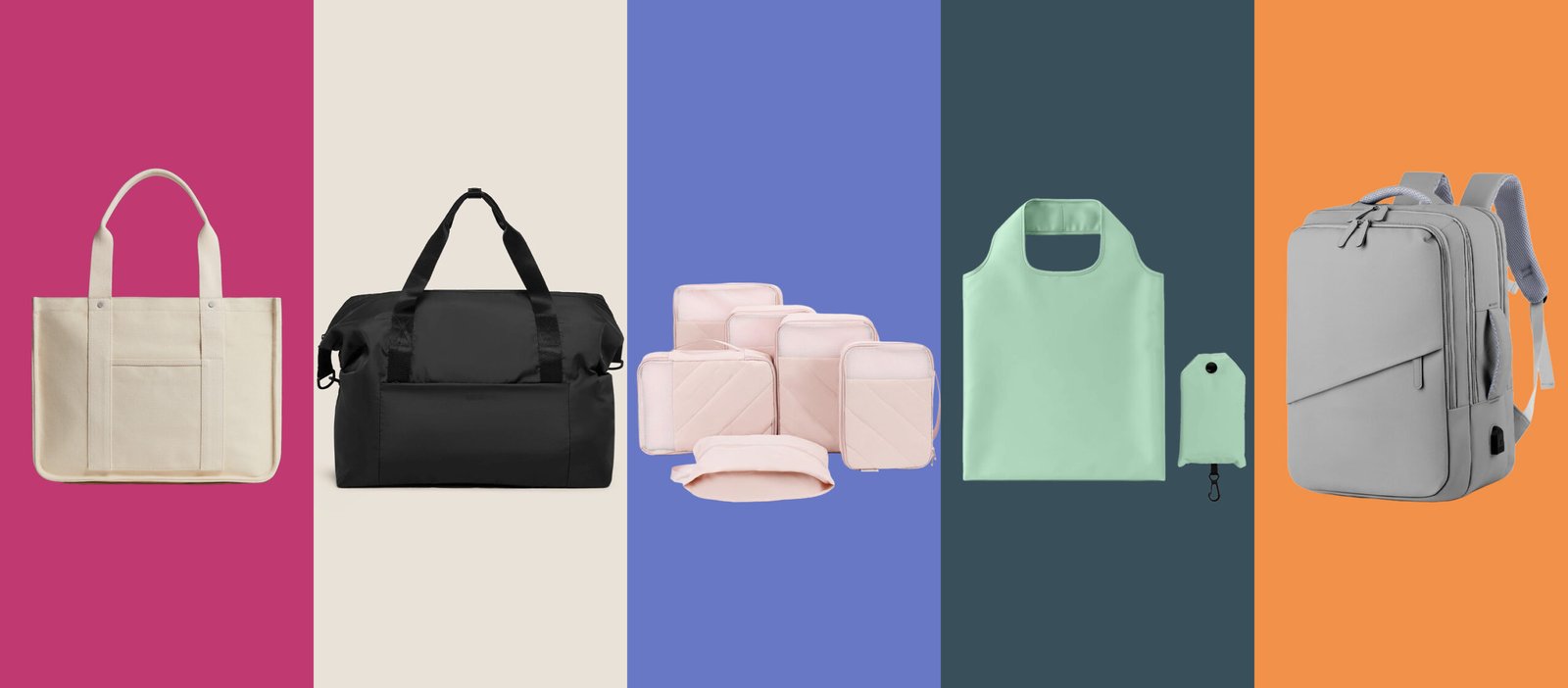
When I speak with buyers, I usually find that “premium” means different things to different teams. One team wants a clean tote for conference giveaways. Another wants a travel duffle for top clients. Another wants a multi-use bag that feels useful after the event. So I do not treat premium as a fixed bag type. I treat it as a result.
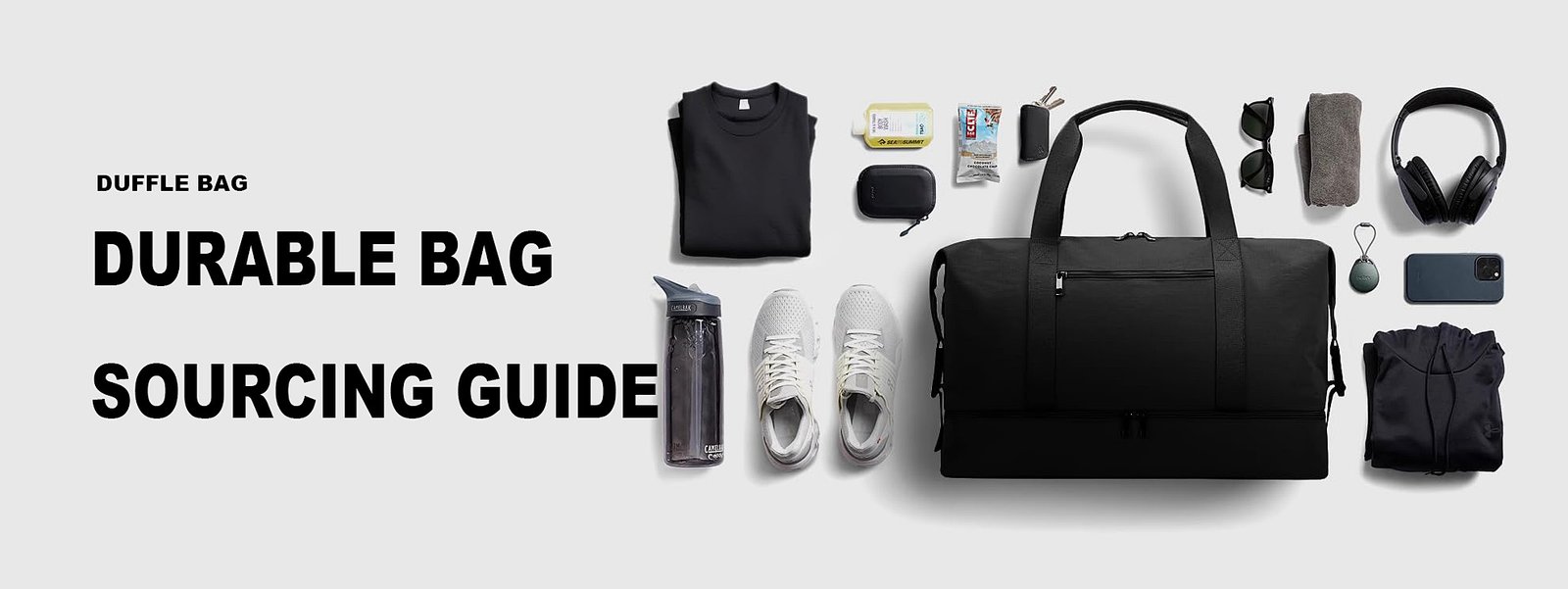
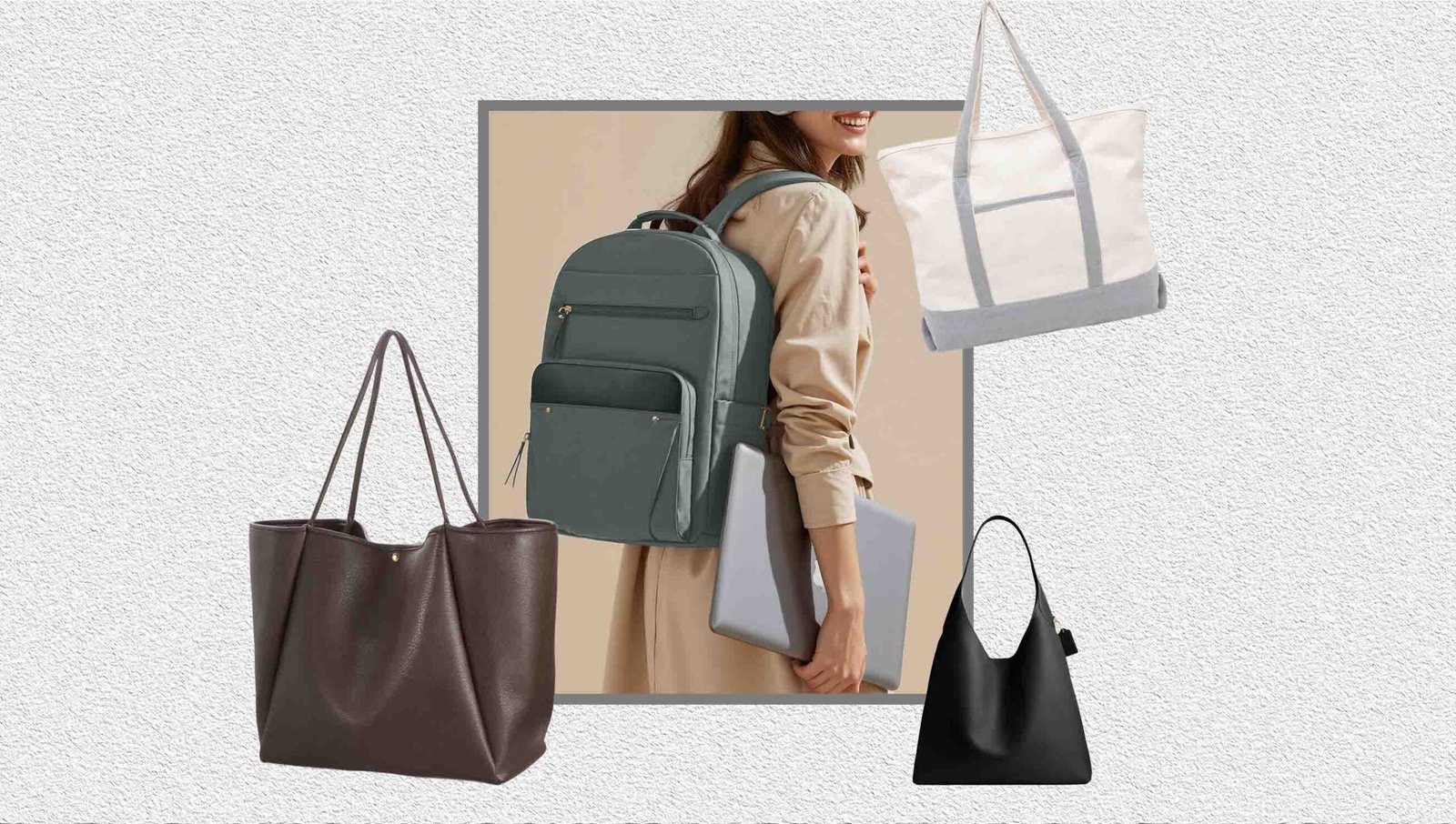
A structured tote often works well when the gift is given at exhibitions, company events, or formal business meetings. It stands upright better.2 It presents the logo well. It also gives a neat first look when the recipient gets the bag. A duffle works better when the gift should feel more valuable and lasting. It suggests travel, movement, and personal use. A compact travel bag can work for executive gifting because it feels functional, not wasteful.
I often compare options with buyers like this:
| Use case | Best bag type | Why it works | Risk if chosen wrong |
|---|---|---|---|
| Event giveaway | Structured tote | Easy to carry, good branding area | May feel too basic if material is weak |
| VIP client gift | Duffle bag | Strong value feel, long-term use | Can look bulky if size is off |
| Executive gift set | Travel bag | Practical and refined | May not fit all gift items |
| Retail promo gift | Tote or shopper | Cost control with usable design | Can feel low-end if structure is soft |
I have seen buyers change direction after sampling. A tote looked “luxury” on screen, but the real sample collapsed too much. I have also seen a simple duffle become the better option once we upgraded the fabric, zipper, and handle construction. That is why I always say this: style starts the conversation, but structure finishes it.
How Can Buyers Make Branding Look Subtle and High-End?
Many corporate bags become too loud. The logo gets too big, the color is too sharp, and the result feels more like promotion than a premium gift.
To make branding look subtle and high-end, I use smaller logo placement, tone-on-tone colors, and print methods that match the material. A refined brand effect usually comes from restraint, not from a large visible mark.3
This is one of the most common issues I see in real projects. A buyer wants a high-end look, but the artwork file and logo request say something else. The logo may be large, centered, and printed in a bright color on a soft fabric. That usually creates a mismatch. The bag may still be usable, but it will not feel refined.
I often suggest that buyers think about the brand impression first. Do they want the bag to say “this is from our company” in a direct way? Or do they want it to say “our company has taste” in a quiet way? Those are two different goals. For premium gifting, the second goal often works better.
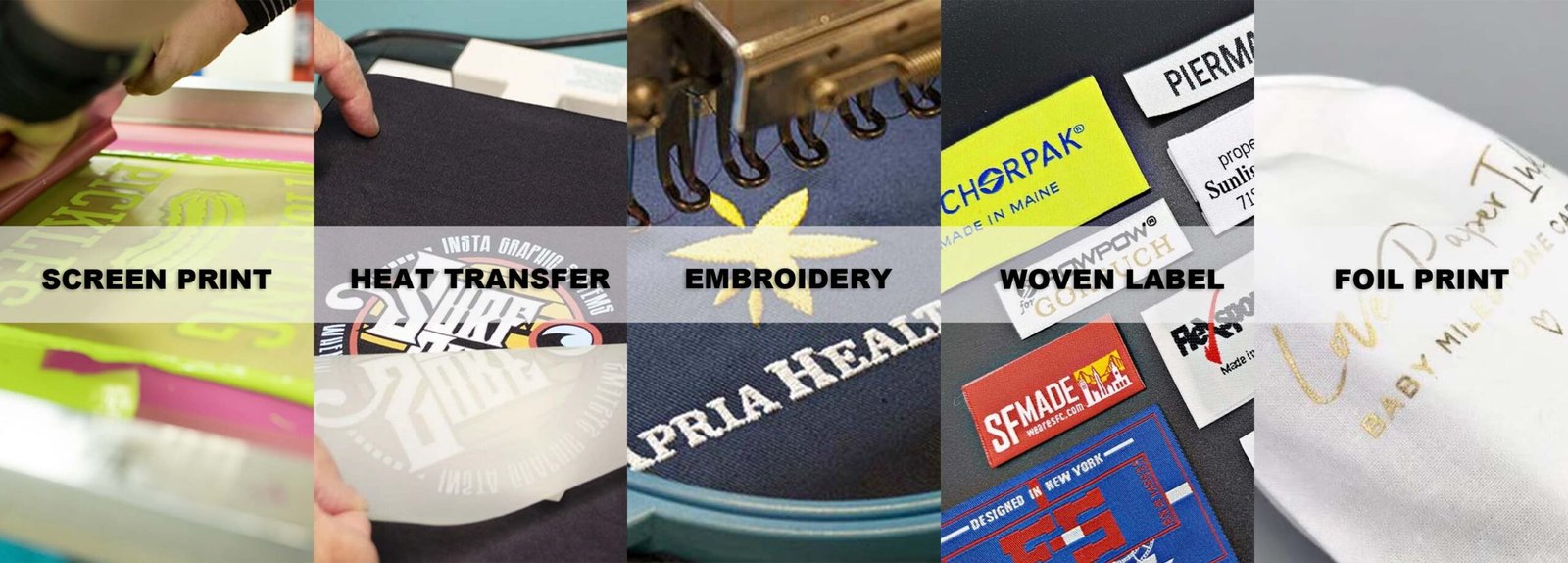
The branding method should match the material. Screen print can look clean on canvas or polyester, but it can also look too flat if the fabric is meant to feel rich. Embroidery adds texture, but it can distort lightweight fabric.4 Metal logo plates can feel premium, but only if the hardware quality is good. Debossed PU patches can create a quiet and polished look.
Here is how I usually break it down:
| Branding choice | Best effect | Best for | Common mistake |
|---|---|---|---|
| Small screen print | Clean and simple | Canvas, cotton, polyester | Logo too large |
| Embroidery | Textured and durable | Heavy fabric bags | Too much detail in logo |
| Metal plate | Premium and formal | PU, structured bags | Cheap-looking hardware finish |
| Debossed patch | Quiet luxury look | PU, hybrid materials | Weak contrast, hard to read |
I once worked on a project where the first design had a large gold logo across the front panel. The buyer said it should feel premium. I suggested moving the logo to the top corner, reducing the size, and using a matching dark metallic finish. The whole feel changed. The bag became calmer. It looked more expensive. In many cases, less branding gives more brand value.
What Materials Create a Better First Impression?
A bag can have a nice shape and still disappoint the moment someone touches it. That first hand-feel can damage the whole gift impression.
Materials create a better first impression when they match the gifting level and bag purpose.5 Heavy canvas, quality PU, and well-finished recycled fabrics often feel stronger than thin low-density fabric. Texture, thickness, and finish matter as much as appearance.
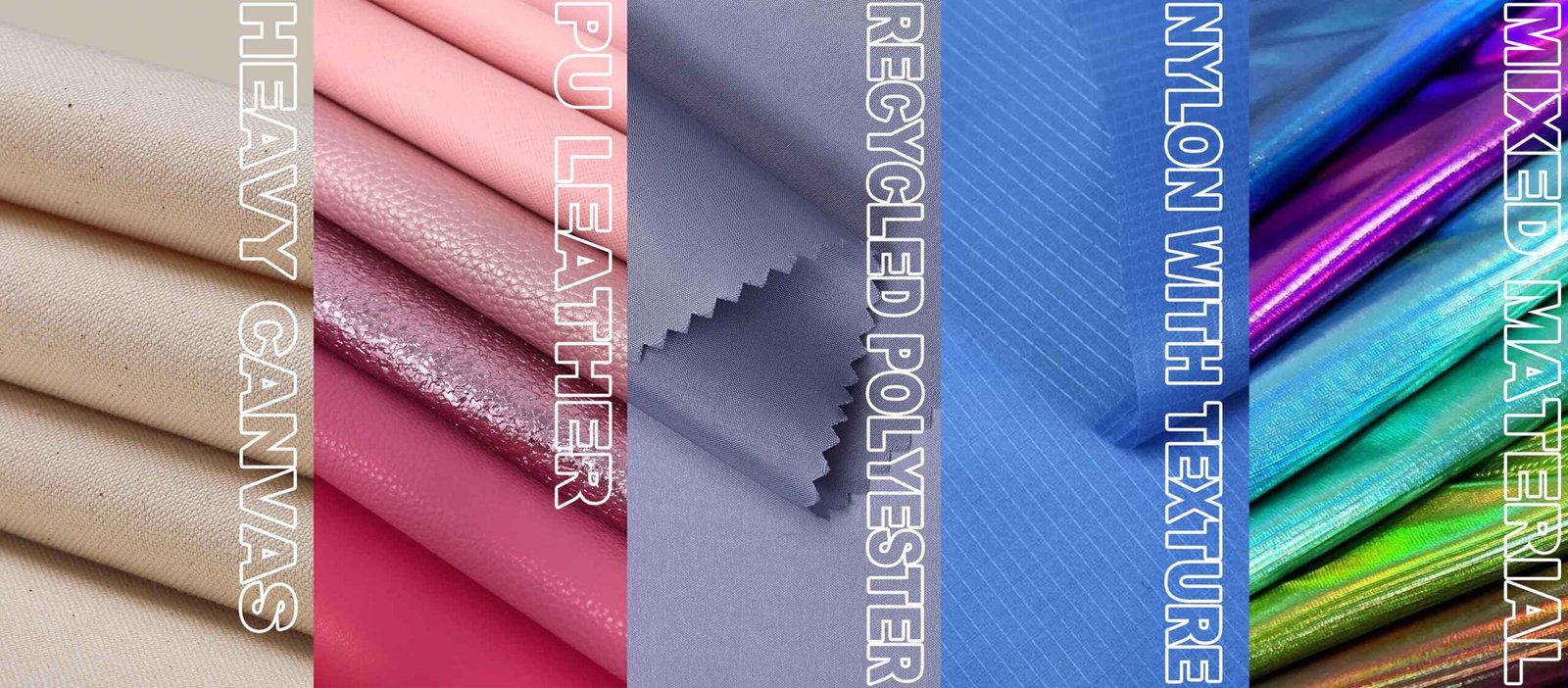
I have learned that photos hide many material problems. A bag can look smooth and expensive in a mockup, but the real sample may feel thin, noisy, or weak. In corporate gifting, that first touch matters a lot. If the bag feels cheap, the gift inside loses value too.6
I do not think there is one “best” material. I think there is a better material for each use. Canvas can feel honest, practical, and solid.7 It works well for event gifts, lifestyle branding, and reusable premium totes. PU can create a polished and formal look, especially for executive gifts or travel use. Recycled materials can also work very well, but only when the surface, thickness, and finish are chosen carefully. A recycled story alone does not create a premium result.
Buyers should not ask only for material name. They should ask for actual effect. I usually guide them through these points:
| Material | First impression | Best use | Watch out for |
|---|---|---|---|
| Heavy canvas | Solid, natural, reusable | Totes, event gifts | Too soft without structure |
| PU leather | Smooth, formal, giftable | Duffles, travel bags | Cheap shine or bad smell8 |
| Recycled polyester | Modern, responsible | Branded promos, travel use | Thin feel if GSM is low |
| Nylon with texture | Light and practical | Travel and duffles | Can feel too basic |
| Mixed material | Layered and custom | Premium custom projects | Design can become messy |
I often ask buyers to compare three things during sampling: how the material looks from one meter away, how it feels in hand, and how it behaves when the bag is filled. This tells much more than a spec sheet alone. A premium first impression comes from the whole package. Surface, weight, stitching, lining, zipper, and handle all work together.
Should Corporate Buyers Choose Totes, Duffles, or Travel Bags?
Buyers often compare bag categories as if one is better than the others. That leads to confusion and slow decisions.
Corporate buyers should choose totes, duffles, or travel bags based on gift purpose and after-use value. Totes fit broad distribution. Duffles fit higher-value gifting. Travel bags fit practical executive use. The best option is the one recipients will keep using.9
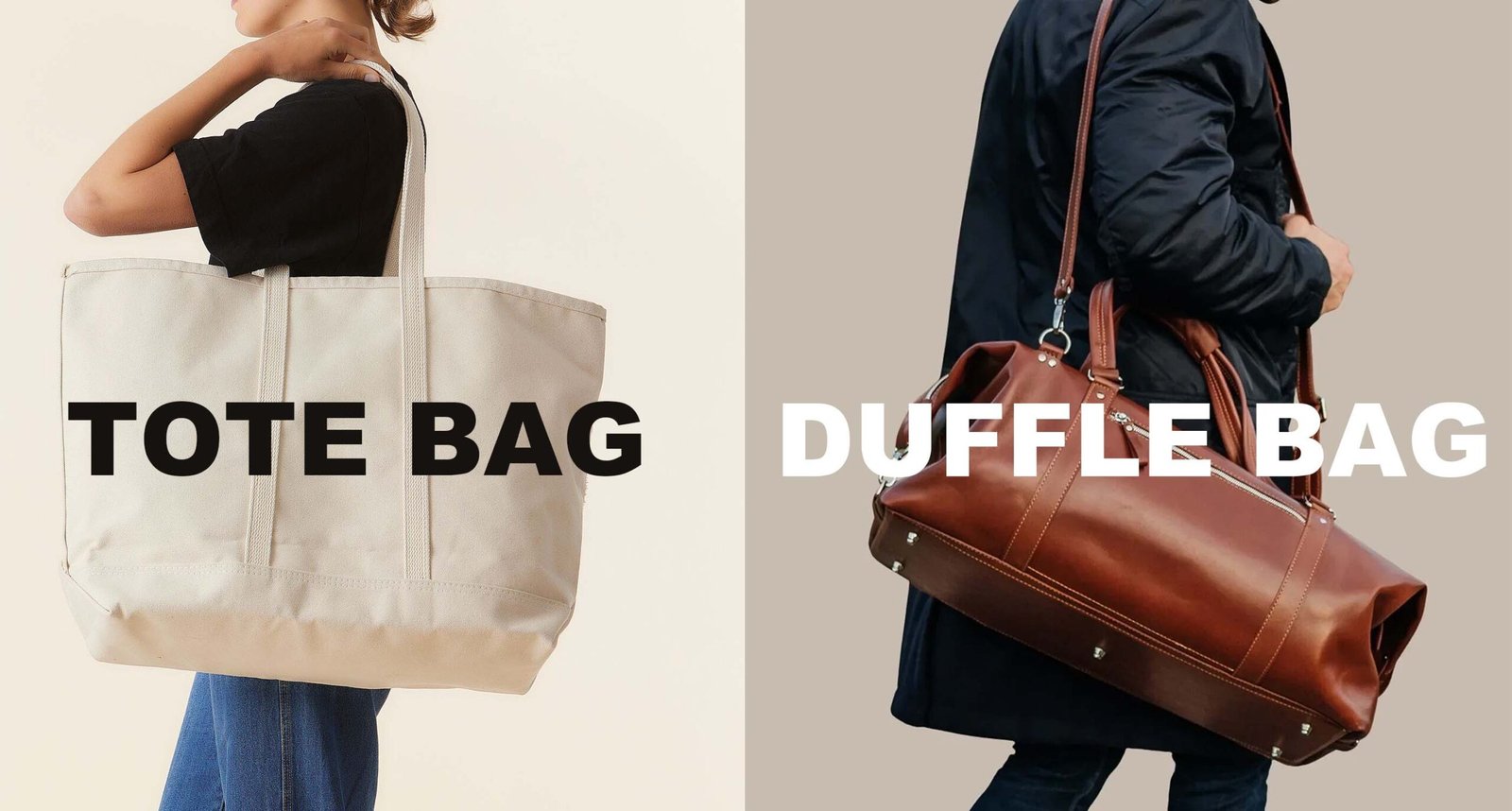
I have seen many teams ask this question too early. They ask, “Which one is better?” My answer is always, “Better for what?” A tote is not weaker than a duffle. A travel bag is not more premium by default. The bag only works if it matches the moment and the person receiving it.
Totes are often the safest choice when the gift goes to a wide group. They are easy to produce, easy to carry, and easy to pair with many gift sets. They also give a large area for branding. But a tote can feel ordinary if the fabric is too thin or the shape is too loose.
Duffles fit cases where the gift should feel more substantial. They are useful for VIP gifting, loyalty rewards, or executive events. They also have a stronger “kept and reused” value.10 Still, they need better structure, better hardware, and more careful sampling. If those parts are weak, the bag loses its value fast.
Travel bags sit in the middle. They feel practical and modern. They can suit managers, business travelers, and premium event guests. They can also avoid the problem of looking too promotional.
I often share this simple comparison:
| Bag type | Best for | Brand effect | Cost and development level |
|---|---|---|---|
| Tote | Large distribution, events, gift packs | Visible and flexible | Easier and lower risk |
| Duffle | VIP gifts, premium sets, travel themes | High value and lasting | Higher spec control needed |
| Travel bag | Executive gifts, practical use | Smart and useful | Medium to high complexity |
In my experience, the best corporate gift bags are the ones that survive after the event. If the recipient keeps using the bag, the brand stays present in a natural way.11 That is a better result than a bag that looks impressive for one day only.
What Details Should Be Confirmed Before Sampling?
Sampling often goes wrong because the buyer confirms style but not the details that change the real result. Then time and money are lost in revision.
Before sampling, buyers should confirm size, material, structure, logo method, color standard, hardware, packing weight, and use scenario. These details decide whether the sample reflects the real project or just a rough idea.
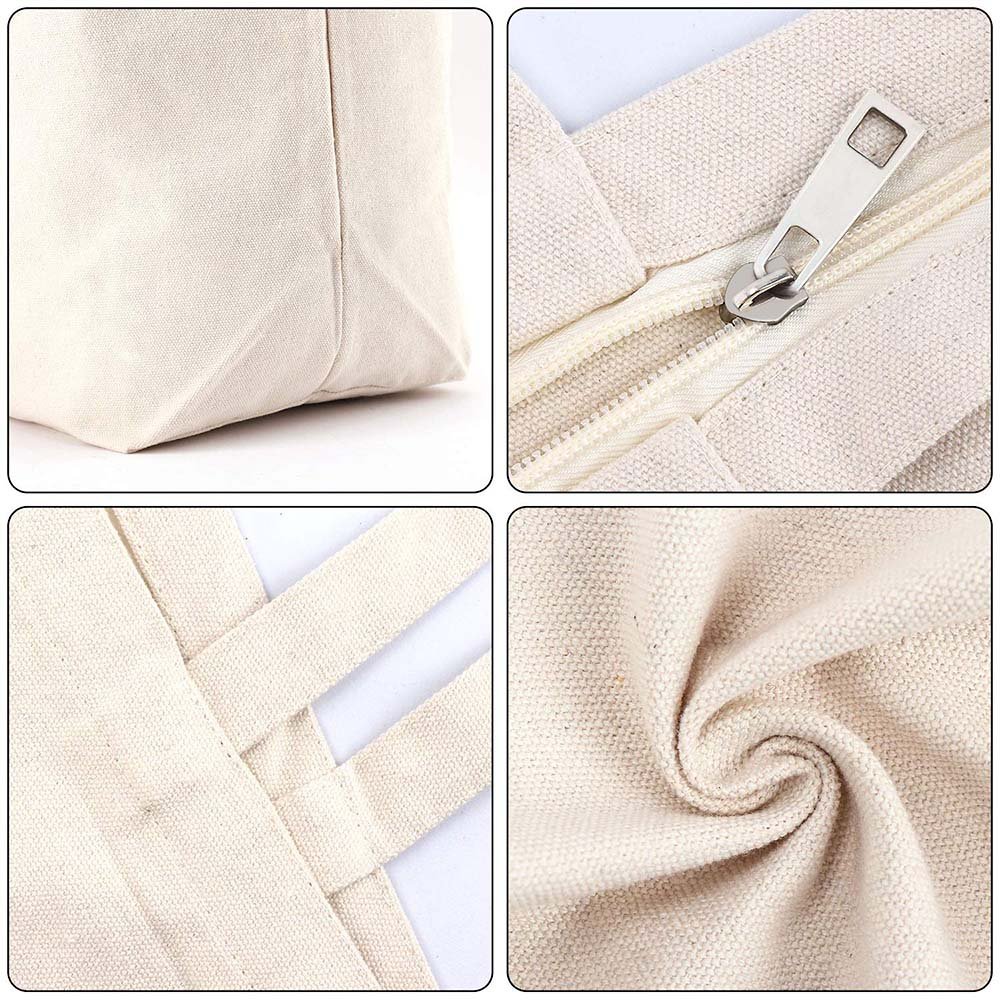
This is where many problems begin. A buyer may think the supplier already understands the request because a reference image was shared. In reality, one image leaves many open questions. If those questions stay open, the sample becomes a guess. Then everyone loses time.
When I handle sampling, I always try to move the conversation from vague style words to clear working specs. “Premium.” “Luxury.” “Elegant.” These words are useful, but they are not enough for production. We need actual dimensions, actual material options, actual logo size, and actual construction points.
The most important thing is to confirm the use scenario. Will the bag hold documents, clothing, gift boxes, or mixed items? Will people carry it for ten minutes at an event or keep using it for months? That affects handle length, bottom support, zipper choice, and even packaging.
Here is the checklist I usually use before sample approval:
| Detail to confirm | Why it matters | What can go wrong if unclear |
|---|---|---|
| Bag size | Must fit real gift content | Bag looks good but cannot hold items |
| Material and thickness | Controls feel and shape | Sample feels too cheap or too soft |
| Structure | Supports premium look | Bag collapses or loses form |
| Logo method and size | Affects brand effect | Branding looks loud or weak |
| Color reference | Keeps brand consistency | Production color mismatch |
| Hardware and zipper | Impacts quality feel | Cheap accessories ruin the bag |
| Handle length and width | Changes comfort and look | Bag is awkward to carry |
| Inner details | Adds use value | Missing pockets or poor lining |
| Packing and carton plan12 | Protects shipped goods | Bags arrive creased or damaged |
I always tell buyers that sampling is not just to see if the bag looks nice. Sampling is where we test if the idea can survive real use, real handling, and real brand expectations. A sample should answer questions, not create new ones. If the details are clear before sampling, the project moves much faster and with much less risk.
Conclusion
I choose corporate gift bags by use case first, then by material, structure, and branding, because the right bag must feel right in hand and fit the gifting moment.
"Brand - Wikipedia", https://en.wikipedia.org/wiki/Brand. Studies in consumer behavior and packaging design report that packaging elements shape brand perception and communicate symbolic brand meanings, supporting the view that a gift bag can function as part of the brand narrative rather than only as a utilitarian container. Evidence role: general_support; source type: paper. Supports: Research should show that packaging and design cues influence brand perception and can function as part of brand communication.. ↩
"Bag Design & Construction - Course Catalog | The New School", https://courses.newschool.edu/courses/PSOF2015/. Product design guidance for soft goods indicates that reinforced panels, base boards, and stiffer constructions improve shape retention and upright stability, which contextually supports the claim that a structured tote stands more neatly than an unstructured bag. Evidence role: mechanism; source type: education. Supports: A design or product-engineering source should explain that reinforcement panels, base inserts, and structured construction improve shape retention and upright stability.. Scope note: This would support the mechanism of structured construction rather than proving performance for every tote model. ↩
"Quiet luxury - Wikipedia", https://en.wikipedia.org/wiki/Quiet_luxury. Research on luxury signaling finds that understated branding and restrained design cues can be associated with higher perceived prestige among some consumers, lending support to the claim that a refined premium effect may come from restraint rather than a highly prominent logo. Evidence role: expert_consensus; source type: paper. Supports: Sources should show that understated design cues and restrained signaling are associated with perceived prestige or luxury in some consumer segments.. Scope note: The relationship varies by market segment and brand strategy, so the evidence is contextual rather than universal. ↩
"Embroidery Actuator Utilizing Embroidery Patterns to Generate ...", https://arxiv.org/html/2510.23188v1. Textile and embroidery guidance notes that dense stitching, thread tension, and inadequate stabilizing can cause puckering or distortion in lightweight fabrics, supporting the statement that embroidery may deform thin bag materials. Evidence role: mechanism; source type: education. Supports: A textile source should explain that embroidery can cause puckering or distortion in lightweight or unstable fabrics due to stitch density, tension, and insufficient stabilization.. ↩
"Effects of Design Aesthetics on the Perceived Value of a Product", https://pmc.ncbi.nlm.nih.gov/articles/PMC8359925/. Studies on haptic and visual product cues report that material texture, weight, and surface finish influence perceived quality and first impressions, supporting the claim that material selection materially affects how a gift bag is received. Evidence role: mechanism; source type: paper. Supports: Research should show that tactile and visual material cues influence perceived quality and first impressions of products or packaging.. ↩
"The Impact of Visual Elements of Packaging Design on Purchase ...", https://pmc.ncbi.nlm.nih.gov/articles/PMC11851823/. Consumer research on packaging cues shows that container and presentation quality can alter perceived product value, supporting the statement that a cheap-feeling bag may lower the perceived worth of the gift inside. Evidence role: mechanism; source type: paper. Supports: A source should show that packaging quality cues influence judgments of the product or gift inside.. ↩
"Unpacking the effects of brand authenticity on consumer trust ... - PMC", https://pmc.ncbi.nlm.nih.gov/articles/PMC12827155/. Reference descriptions of canvas characterize it as a heavy-duty plain-woven fabric used where durability is important, which supports the association of canvas with practical and solid product impressions. Evidence role: definition; source type: encyclopedia. Supports: A reference source should describe canvas as a heavy-duty woven fabric associated with durability and utility.. Scope note: This would support the material’s durable character; the descriptors 'honest' and similar aesthetic interpretations remain contextual. ↩
"Synthetic leathers as a possible source of chemicals and odorous ...", https://ui.adsabs.harvard.edu/abs/2023RvAMS..62..132C/abstract. Materials studies report that synthetic polymers may release odor-causing volatile compounds, and design research finds that surface gloss can affect perceived quality; together these findings support the caution that overly shiny or odorous PU may be judged as lower-end. Evidence role: general_support; source type: paper. Supports: Sources should support that synthetic materials can emit odor from volatile compounds and that surface gloss influences quality perception.. Scope note: The evidence would be indirect because odor and gloss depend on specific formulations, finishes, and manufacturing quality. ↩
"How are brands associated by users in short videos—A study ... - PMC", https://pmc.ncbi.nlm.nih.gov/articles/PMC11723608/. Research on utilitarian promotional items suggests that products retained and repeatedly used can generate repeated brand exposure and stronger recall, supporting the claim that a keep-using outcome is a meaningful criterion in gift-bag selection. Evidence role: general_support; source type: paper. Supports: A source should show that useful, retained branded items generate repeated exposure or stronger recall than short-lived items.. Scope note: This supports the strategic rationale for reuse, but 'best' remains a value judgment that may depend on campaign goals. ↩
"Behavioral spillover between the use of reusable shopping bags ...", https://pmc.ncbi.nlm.nih.gov/articles/PMC12338783/. Behavioral research on product retention indicates that durable items with clear practical utility are more likely to be kept and reused, which contextually supports the idea that a well-made duffle may have higher reuse value than a simpler giveaway bag. Evidence role: general_support; source type: paper. Supports: Evidence should indicate that higher-utility or higher-durability items are more likely to be retained and reused by recipients.. Scope note: This would support the utility-based mechanism rather than directly proving that duffles always outperform totes in reuse. ↩
"Taking repeated exposure into account: An experimental study of ...", https://pmc.ncbi.nlm.nih.gov/articles/PMC9479315/. Marketing and psychology research on repeated exposure shows that recurring encounters with a name or symbol can increase familiarity and recall, supporting the statement that repeated use of a branded bag can keep the brand present in a low-friction way. Evidence role: mechanism; source type: paper. Supports: A source should show that repeated exposure to a brand increases familiarity or recall.. ↩
"Corrugated board packaging with innovative design for enhanced ...", https://bioresources.cnr.ncsu.edu/resources/corrugated-board-packaging-with-innovative-design-for-enhanced-durability-during-transport/. Packaging engineering guidance and transport-testing standards indicate that appropriate carton selection, unitization, and internal packing reduce compression damage, abrasion, and deformation during transit, supporting the need to confirm packing and carton plans before production. Evidence role: mechanism; source type: research. Supports: A packaging or transport source should explain that appropriate carton design and packing configuration reduce transit damage such as crushing, abrasion, and deformation.. ↩