Buyers often lose time on “country taste” guesses. The real pain starts when a nice sample does not match the store, price, or user, and then the whole buying plan gets stuck.
From my inquiry experience, buyers in Japan, Korea, and Singapore usually want bags that match their sales channel, target user, and retail price1. The best-selling choice is rarely about nationality alone.2 It is about fit, function, margin, and low sell-through risk.
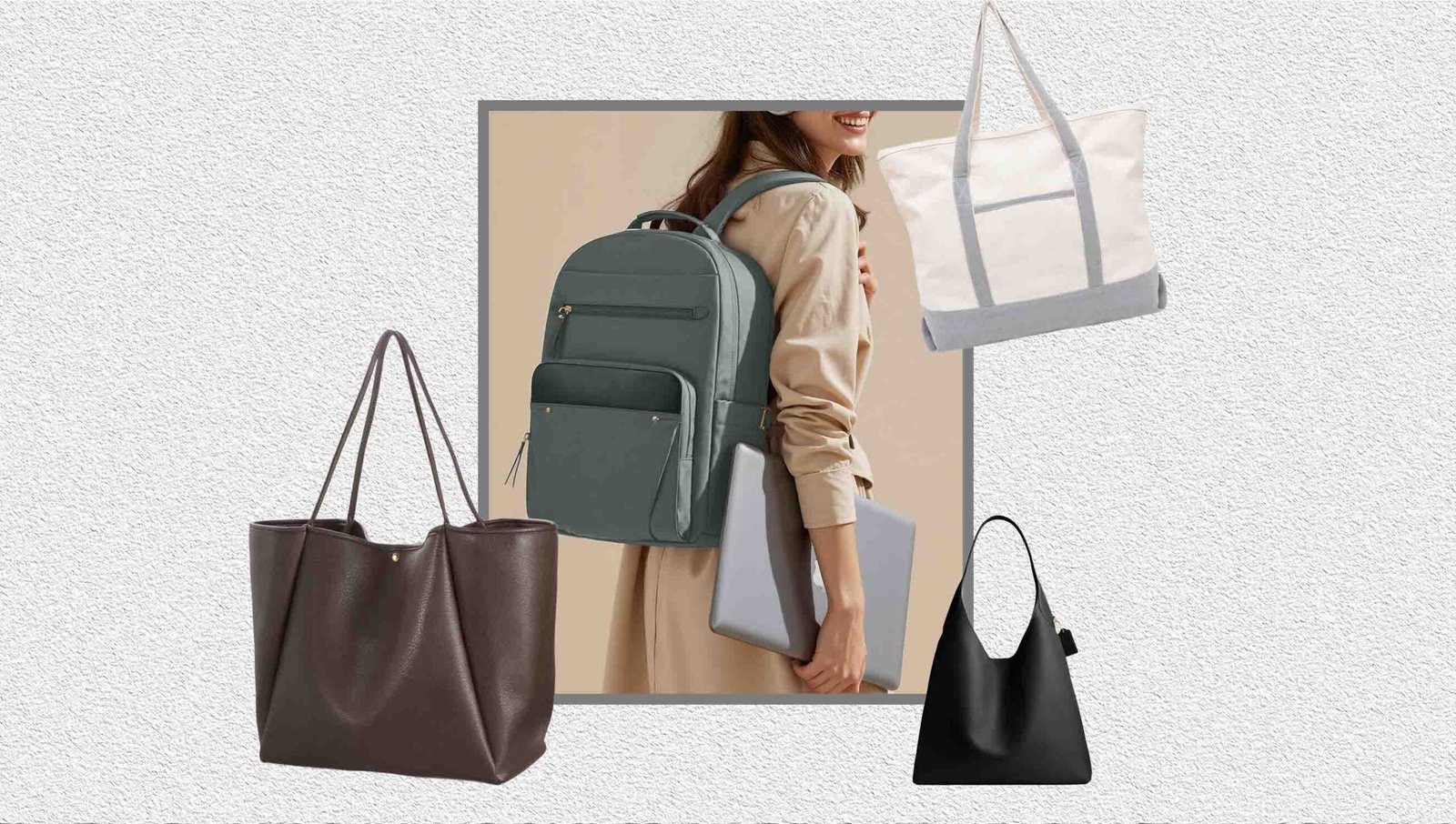
When I speak with buyers from these markets, I almost never start with “What style does your country like?” I start with “Where will you sell it, who will carry it, and what retail price do you need?” That one change makes the discussion much more useful. I have seen many samples look great on a table and fail in a real retail setting. I have also seen very simple bags win repeat orders because the style, function, and price were in the right place. That is why I think the smart question is not about country labels. The smart question is about channel fit.
What Makes a Bag Practical for Dense City Commuting?
City users deal with crowded trains, short walks, office buildings, and quick daily movement.3 A bag that looks good but feels awkward in busy streets will not last long in the market.
A practical commuting bag is compact, light, easy to carry, and organized inside.4 In our inquiry experience, buyers often ask for clean shape, quick-access pockets, laptop protection, and comfort for daily train or bus use.
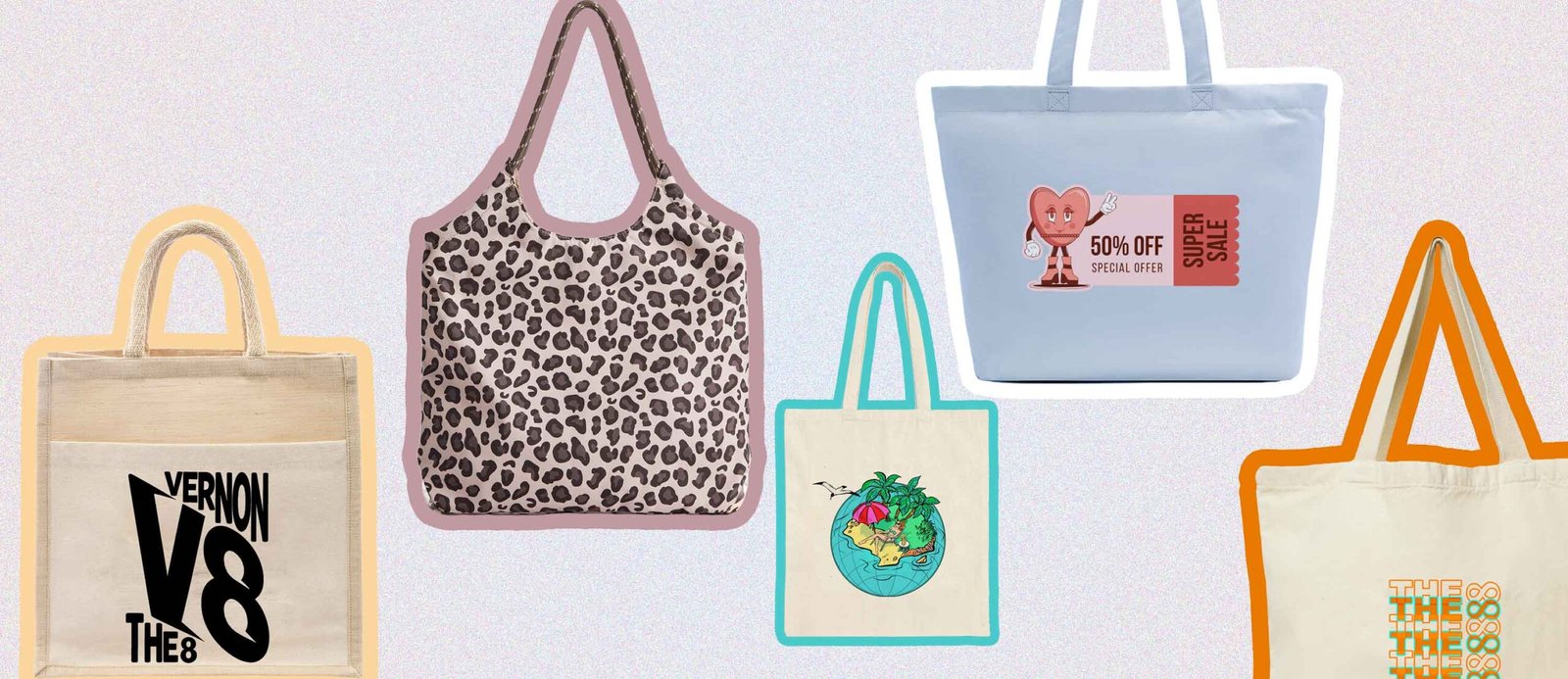
In my daily work, I often hear buyers ask for “practical but not bulky.” That phrase comes up a lot with office and retail buyers who sell into busy city use. Dense commuting changes what “good design” means. A large bag may look useful, but if it hits other people on a train, users will not love it5. A soft bag may feel light, but if it cannot hold shape when packed, it becomes annoying in real use. So I usually break commuting practicality into a few simple parts: size, weight, access, and carry comfort.
I have found that many buyers want a bag that can move between office, café, train, and short outdoor walking without looking too sporty or too formal. This middle zone matters a lot.
| Practical factor | Why buyers care | Common request in inquiries |
|---|---|---|
| Compact profile | Easier in crowded transport | Slim width, controlled depth |
| Light weight | Better for daily carry | Lighter fabric, simpler structure |
| Easy access | Faster use in transit | Top zip, front pocket, side pocket |
| Stable shape | Looks neat in office use | Padded panels, structured base |
| Carry comfort | Reduces daily strain | Soft straps, balanced handle drop |
Among the buyers we have worked with, practical does not mean plain. It means every detail has a job. If a pocket, strap, or panel adds cost but not daily value, many buyers remove it fast.
Should Buyers Choose a Tote, Backpack, or Hybrid Design?
Many buyers get stuck here. They want one bag that pleases many users. That sounds good, but a confused design can weaken the product story and hurt sales.
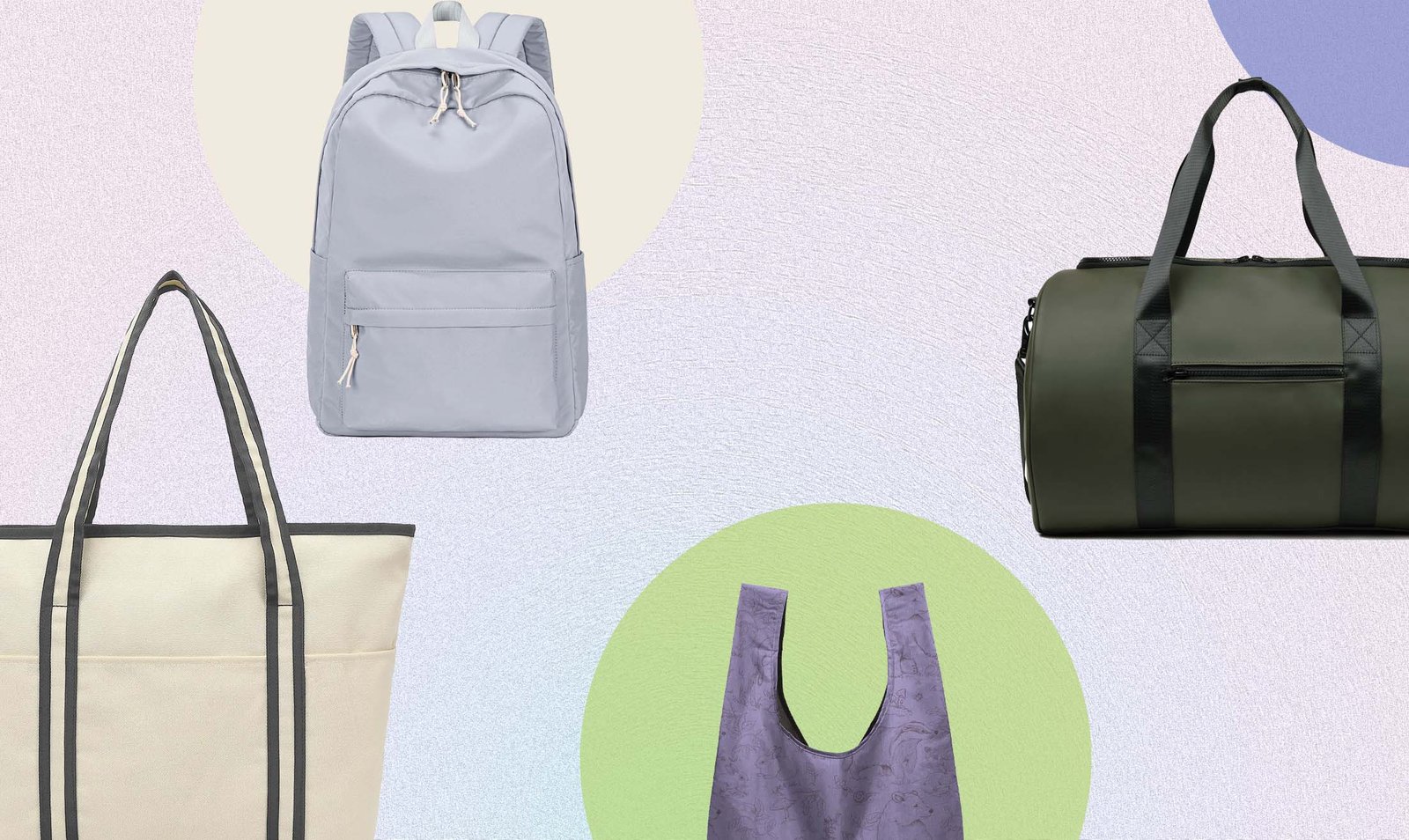
Buyers should choose tote, backpack, or hybrid design based on channel and user need. In my experience, totes fit office and retail gifting well, backpacks fit commuting and tech use6, and hybrids work when the conversion feature is truly useful.
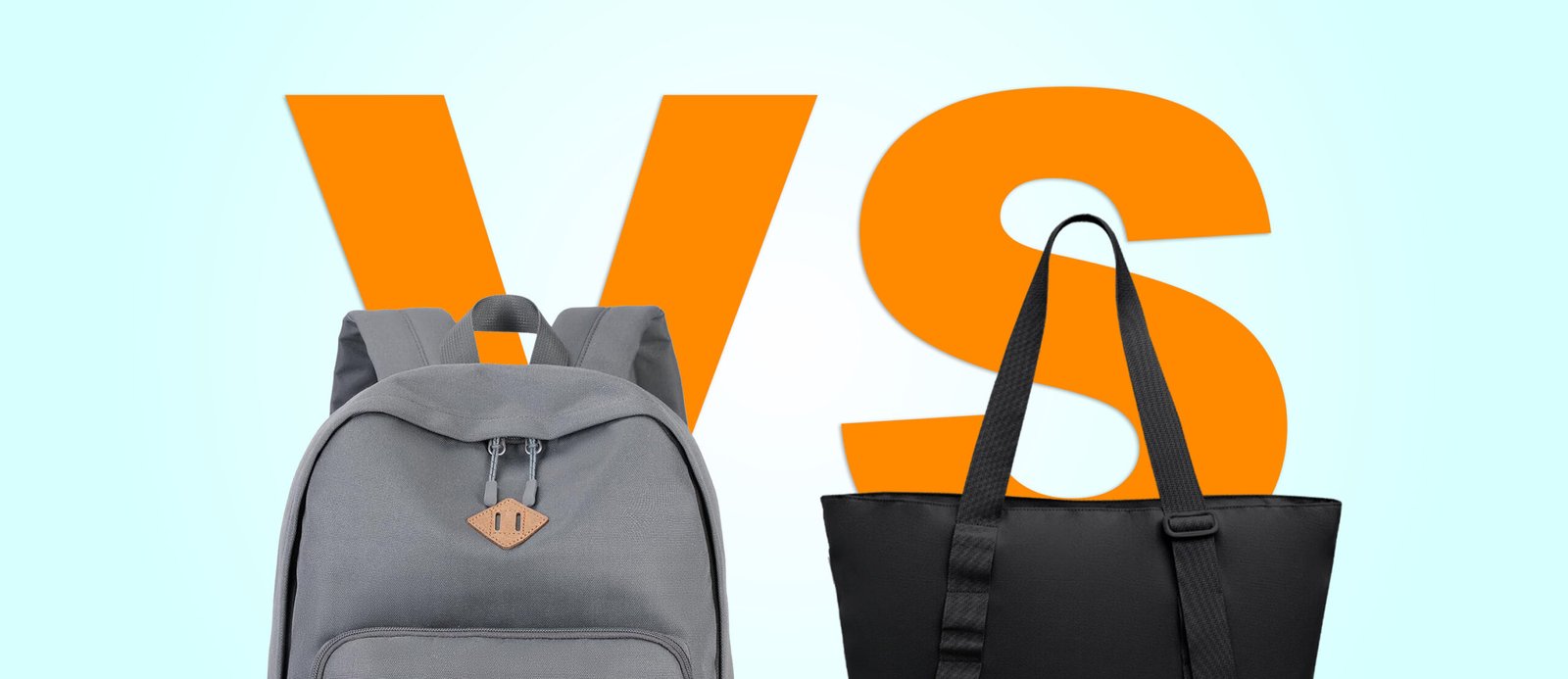
I have handled many discussions where a buyer first asks for a “fashionable city bag,” and then the real need appears later. Sometimes the end user is an office worker who carries documents and a laptop. Sometimes it is a chain-store customer who wants an easy gift item. Sometimes the bag must sit in a mid-price retail zone where too many features will push the price too high. That is why I do not think one shape wins by itself. The better shape depends on how the product will be sold.
A tote is often easier to merchandise. It looks simple. It shows color and material well. It also works for office, shopping, and light commuting. A backpack usually gives stronger function. It feels safer for laptop carry and better for longer movement. A hybrid sounds attractive, but it only works when the conversion is smooth and the form still looks clean in both modes. If the bag looks awkward as both tote and backpack, then the idea hurts more than it helps.
| Design type | Best fit | Main strength | Main risk |
|---|---|---|---|
| Tote | Office retail, gifting, lifestyle | Clean look, easy display | Shoulder comfort may be limited |
| Backpack | Commute, tech, everyday carry | Better weight balance | Can look too casual for some channels |
| Hybrid | Multi-use urban channel | Flexible story for buyers | Extra complexity and cost |
In several sample rounds, I have seen buyers move from hybrid back to tote or backpack because the product story became clearer. Clear products are easier to sell.
How Can Lightweight Bags Still Protect a Laptop?
Buyers often want low weight and low cost at the same time. Then they also want laptop safety. If the structure is too weak, return risk and customer complaints go up.
Lightweight bags can still protect a laptop by using smart padding placement, raised bottom design, secure closures, and stable compartments.7 Good protection does not always need heavy construction, but it does need correct structural choices.
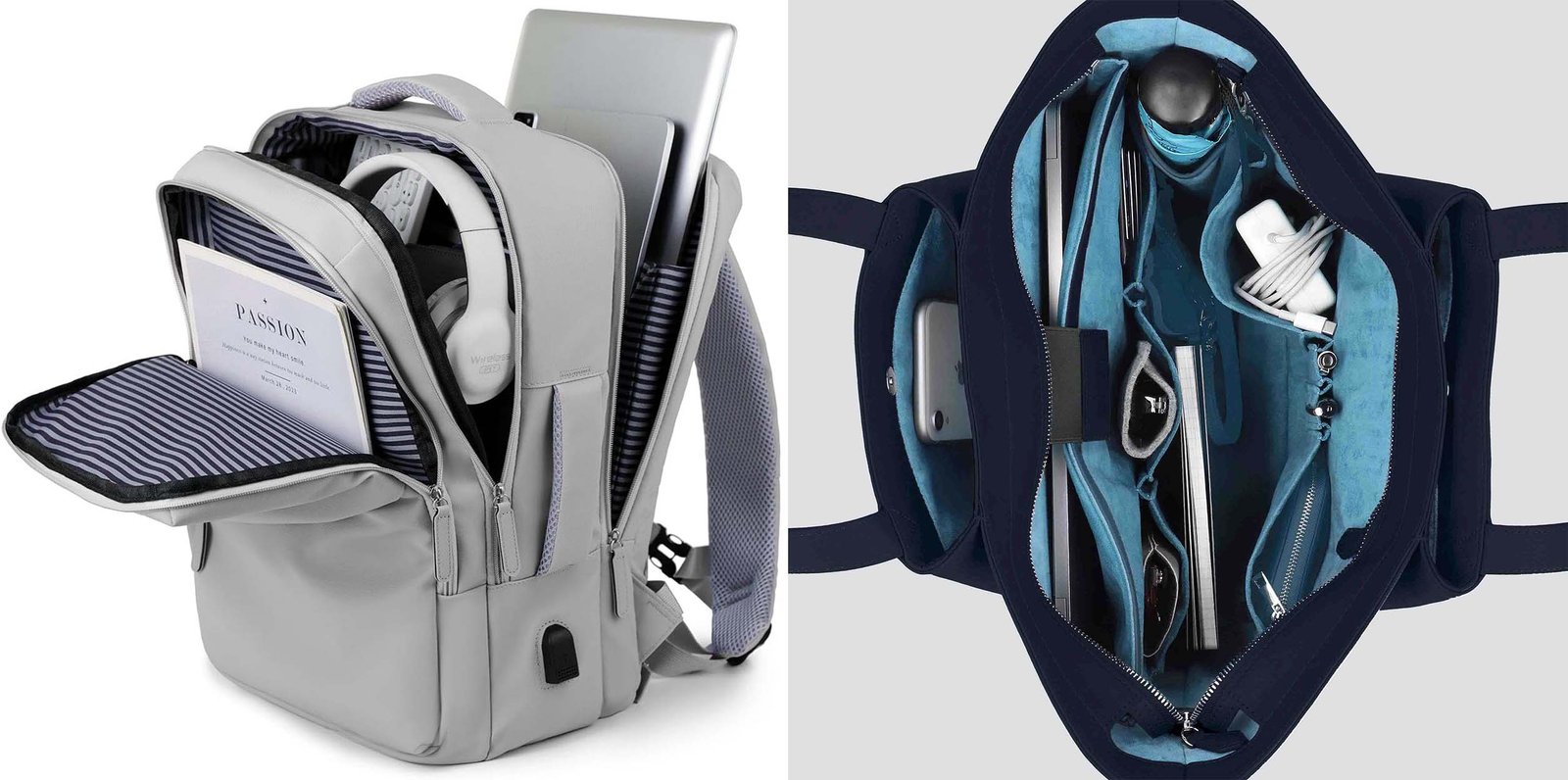
This is one of the most common real-life questions I get from procurement teams. They do not want a heavy bag because daily users notice that fast. At the same time, they cannot accept a bag that leaves a laptop loose inside. So the answer is not “add more foam everywhere.” The answer is “put structure in the right places.” In our sample work, the most useful changes are often small ones: a suspended laptop sleeve, a slightly padded base, denser foam in back panel areas, and fabric that does not collapse too easily.
I usually tell buyers to think about risk points. Where does impact happen? Most often it is the bottom, corners, and inner movement during walking.8 So the protection plan should focus there. A lightweight bag can still perform well if the laptop compartment holds the device away from the base and keeps it from sliding side to side. Zipper quality also matters because users trust closure first. If the top opens too wide or feels weak, the whole product feels unsafe.
| Protection method | Benefit | Weight impact |
|---|---|---|
| Suspended laptop sleeve | Reduces bottom shock | Low |
| Thin high-density foam | Keeps shape with less bulk | Low to medium |
| Reinforced base panel | Adds support and durability | Medium |
| Secure zipper closure | Improves carry confidence | Low |
| Internal fixing strap | Limits laptop movement | Low |
I have seen some buyers overbuild laptop bags and lose the city-light feel they wanted. A better result comes from balanced protection, not heavy protection.
Which Interior Pockets Matter for Office Users?
Too many pockets can make a bag expensive and messy.9 Too few pockets make the bag frustrating. Buyers need the right pocket plan, not the longest feature list.
For office users, the most useful interior pockets are a laptop sleeve, document section, phone or charger pocket, bottle or umbrella holder, and small zip pocket10. The best layout supports fast access without clutter.
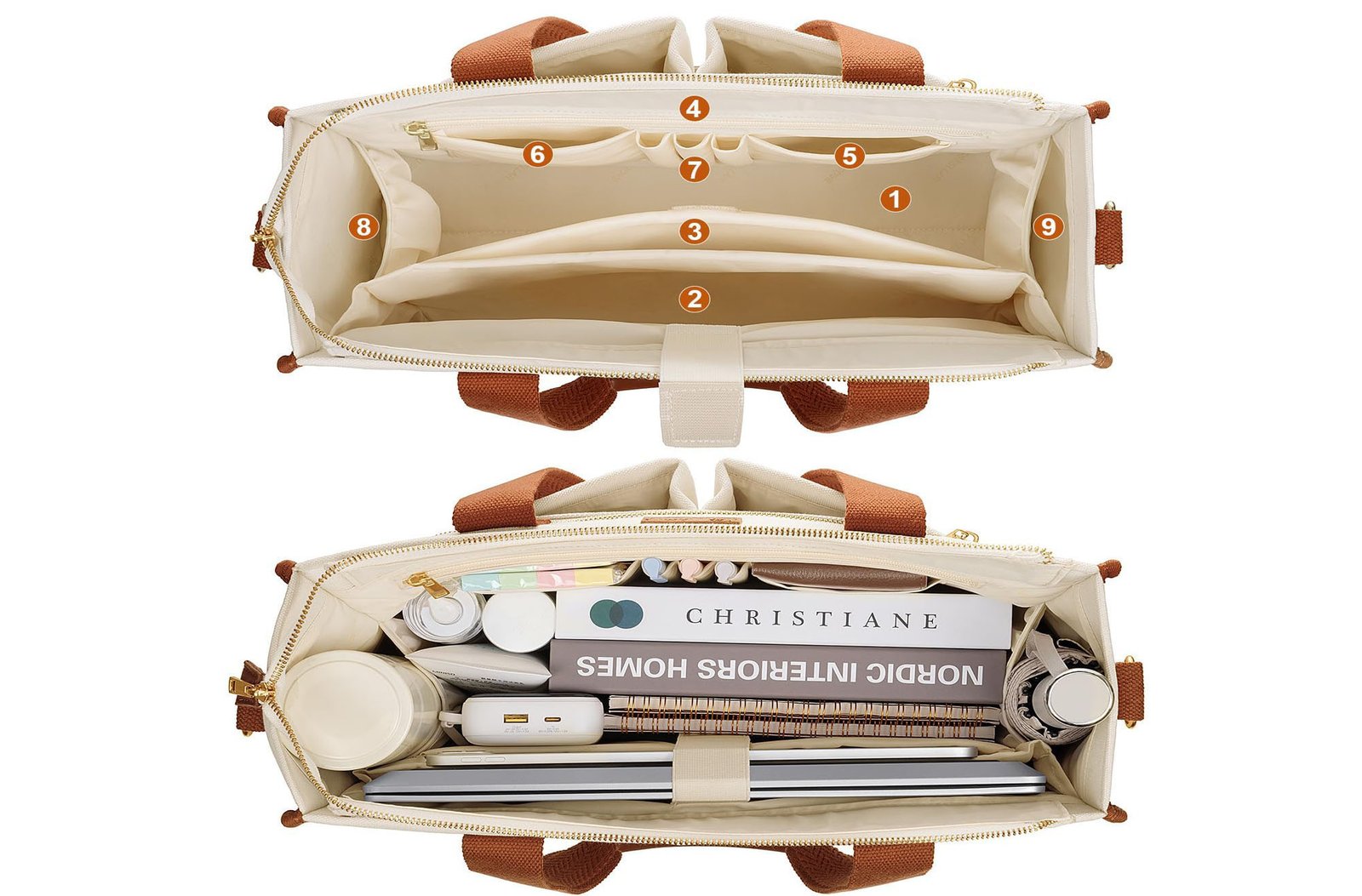
I have reviewed many tech packs where interior organization grew too far. On paper, ten pockets can look impressive. In real use, they confuse the user, raise sewing cost, and reduce usable space. Office users usually want order, but they do not want to search through a maze. So when I speak with buyers, I often ask one direct question: what must the user reach fast, and what can stay hidden? That question helps cut unnecessary details.
Among the buyers we have worked with, the core set is usually very stable. First, the laptop needs its own section. Second, papers or a slim folder need a flat space so they do not bend. Third, chargers, mouse, and cables need one or two controlled pockets. Fourth, a zip pocket is still useful for cards, keys, or small valuables. In some markets and channels, a bottle holder matters. In others, buyers would rather keep the inside cleaner and use a simpler wall pocket. The key is not to treat every office bag the same. A gift channel, a chain-store channel, and a branded tech-accessory channel may each want a different level of organization.
| Pocket type | Why it matters | Best use case |
|---|---|---|
| Laptop compartment | Main protection and structure | Office commute |
| Flat document sleeve | Keeps papers neat | Admin, business users |
| Small tech pocket | Holds charger and mouse | Laptop-based work |
| Zip pocket | Stores small valuables | Daily commuting |
| Bottle or umbrella slot | Supports long day use | Transit-heavy users |
I have found that clean layout often sells better than “feature overload.” Buyers usually appreciate that once they compare sample costs side by side.
What Materials Create a Clean Minimal Look?
Many buyers ask for a minimal look, but that phrase can mean very different things. If the material is wrong, the bag can look cheap, flat, or too technical for the channel.
Materials that create a clean minimal look usually have smooth surface, stable shape, low visual noise, and consistent color.11 In our inquiry experience, matte nylon, polyester blends, canvas with refined finish, and soft PU are common options.
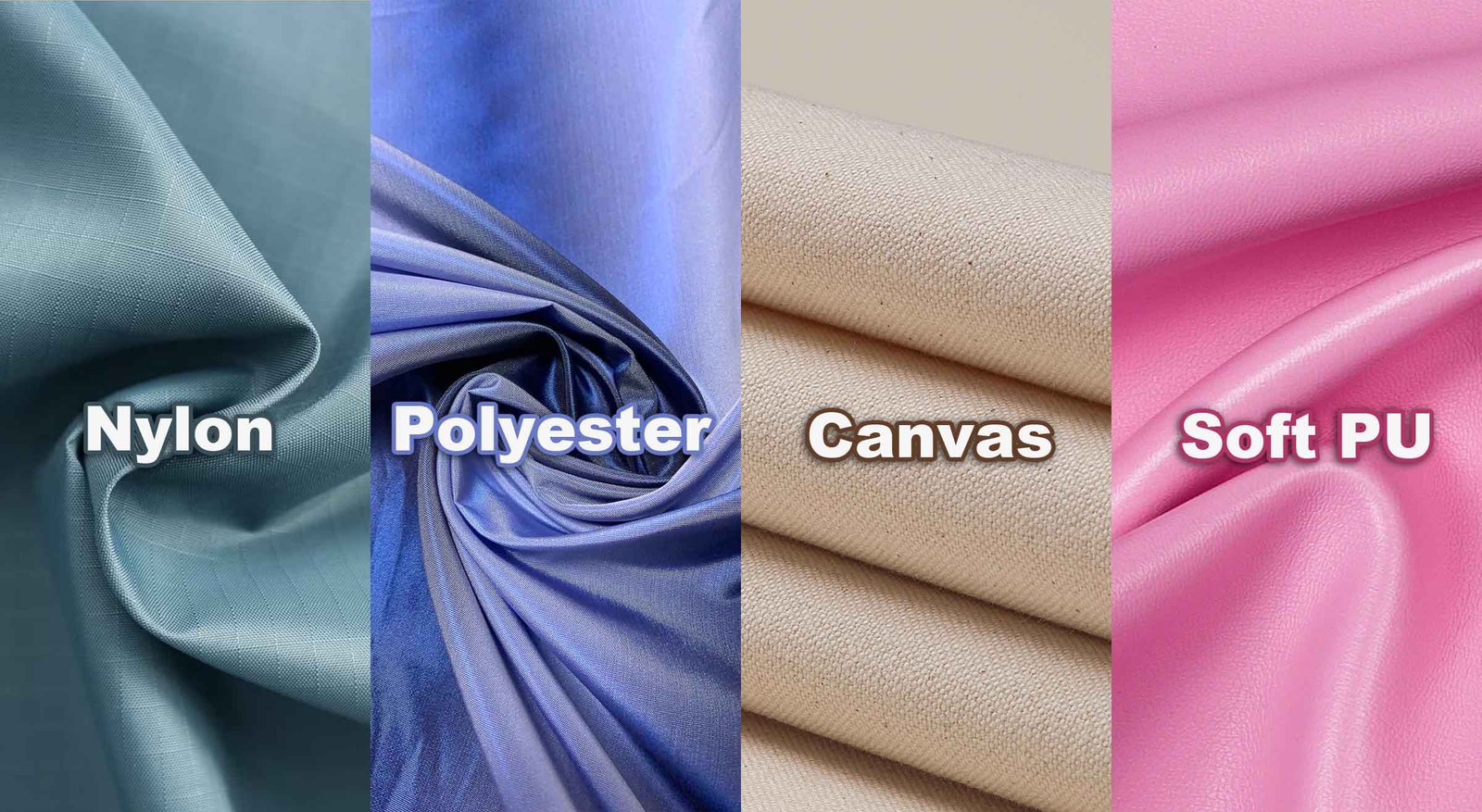
This is the area where many people focus only on color. I think that is too narrow. A clean minimal look comes from the full combination of material, structure, hardware, stitching visibility, and logo treatment. I have seen a simple black bag look premium in one fabric and low-end in another. The reason is not black itself. The reason is how the material reflects light, holds shape, and works with the product’s intended retail price.
For example, matte nylon often gives a modern and light look. It works well when buyers want daily function without too much shine. Polyester can also work well if the weave is fine and the coating is not too plastic-looking. Canvas can look clean too, but only when the weight, finishing, and panel construction are controlled. Soft PU may suit channels that want a more polished office feel, but the grain, hand feel, and edge finishing need to be right. Minimal does not mean empty. It means controlled.
| Material | Visual effect | Best fit | Watch-out point |
|---|---|---|---|
| Matte nylon | Modern, light, clean | Urban commute, office casual | Can look too technical if overbuilt |
| Refined polyester | Simple and cost-friendly | Mid-price retail | Surface can look flat if quality is low |
| Finished canvas | Natural and neat | Lifestyle and gift channels | Too rough can feel less office-ready |
| Soft PU | Smooth and polished | Office and fashion retail | Poor finish looks cheap fast |
In sample reviews, I usually ask buyers to judge the material under store lighting12, not only in the meeting room. That small step changes decisions more often than people expect.
Conclusion
From what I have seen, buyers in Japan, Korea, and Singapore want bags that fit channel, price, and daily use first. Good sourcing starts with sell-through logic, not country stereotypes.
"Consumer policy - OECD", https://www.oecd.org/en/topics/policy-issues/consumer-policy.html. Comparative retail and consumer-market analyses for Japan, South Korea, and Singapore indicate that product assortment and purchasing decisions are commonly structured around channel positioning, target customer segment, and price architecture rather than nationality alone. Evidence role: general_support; source type: institution. Supports: Comparative market or consumer research should show that purchasing and merchandising decisions in these markets are strongly shaped by channel positioning, target segment, and price point.. Scope note: Such sources usually describe market patterns in aggregate and may not directly measure bag buyers' decision processes. ↩
"Health and Non-Health Determinants of Consumer Behavior toward ...", https://pmc.ncbi.nlm.nih.gov/articles/PMC8834960/. Consumer-behavior and retail-merchandising research generally treats product success as a function of segmentation, perceived utility, price, and presentation, with nationality alone offering limited explanatory power for sales outcomes. Evidence role: expert_consensus; source type: paper. Supports: Research should support the view that product success is multi-factorial and influenced by segmentation, utility, price, and merchandising variables rather than nationality as a standalone determinant.. Scope note: This provides contextual support for the argument about sales drivers, not direct proof for any specific bag category or market. ↩
"[PDF] Household transport choices (EN) - OECD", https://www.oecd.org/content/dam/oecd/en/publications/reports/2024/07/household-transport-choices_eebe3445/0e8469ed-en.pdf. Official urban-transport statistics for major East Asian cities such as Tokyo, Seoul, and Singapore show high public-transport dependence and dense commuter flows, providing context for bag designs intended for crowded daily travel. Evidence role: statistic; source type: government. Supports: Official transport or urban mobility data should show high public-transport use and dense commuting patterns in major cities such as Tokyo, Seoul, and Singapore.. Scope note: These data typically refer to city-level commuting conditions and do not directly establish user preferences for bag features. ↩
"School Bag Design and Weight: A Narrative Review of Their Impact ...", https://pmc.ncbi.nlm.nih.gov/articles/PMC12812241/. Ergonomics and product-usability literature identifies load weight, ease of access, carrying comfort, and functional organization as key dimensions in the practical performance of everyday carry products. Evidence role: definition; source type: research. Supports: Usability or ergonomics literature should support compactness, weight control, carry comfort, and organization as relevant dimensions of practical load-carrying design.. Scope note: Most studies focus on backpacks or load carriage generally rather than all commuter bag formats. ↩
"Railway Etiquette in Japan: Boarding and Getting Off a Train", https://japanrailandtravel.com/topics/explaining-railway-rules-boarding-and-getting-off-a-train/. Public-transport etiquette guidance in dense rail systems commonly advises passengers to manage backpacks and bulky bags carefully to avoid obstructing or inconveniencing others in crowded cars. Evidence role: case_reference; source type: government. Supports: Official transit etiquette guidance should show that large bags or backpacks can inconvenience others in crowded rail settings.. Scope note: Etiquette guidance documents social norms and operational concerns rather than measuring consumer affection for specific bag sizes. ↩
"Effect of backpack position on foot weight distribution of school-aged ...", https://pmc.ncbi.nlm.nih.gov/articles/PMC4395706/. Ergonomic guidance commonly notes that backpacks distribute loads across both shoulders and can improve carrying stability, which helps explain their suitability for commuting and laptop transport. Evidence role: mechanism; source type: education. Supports: Ergonomic sources should support that backpacks distribute load more evenly and are therefore well suited to commuting and carrying laptops or other equipment.. Scope note: This is a functional rationale; it does not directly prove superior sales performance for backpacks in every retail channel. ↩
"A backpack that protects my laptop from putting it on the ground too ...", https://www.reddit.com/r/backpacks/comments/1hdq1i6/a_backpack_that_protects_my_laptop_from_putting/. Protective-design literature shows that impact mitigation depends on material placement, energy absorption, and separation from likely contact zones, supporting the use of suspended sleeves and reinforced bases in lightweight laptop bags. Evidence role: mechanism; source type: paper. Supports: Design or protective-packaging research should support the principle that cushioning and structural separation at impact zones can improve protection without requiring maximum material mass.. Scope note: Such evidence is often derived from packaging or protective-case principles rather than direct testing of all bag constructions. ↩
"Shock Absorption Systems in Laptop Bags Explained", https://szoneierfabrics.com/shock-absorption-systems-in-laptop-bags/. Studies on the protection of portable electronics commonly identify bottom impacts, corner loading, and repeated internal movement as important damage mechanisms, which is why these zones are often prioritized in protective designs. Evidence role: mechanism; source type: research. Supports: Impact and protective-packaging research should show that edges, corners, and repeated shock or movement are important contributors to damage risk in portable electronics.. Scope note: The evidence is usually general to portable devices and may not isolate laptop-in-bag incidents specifically. ↩
"Human Factors in Product Design", https://productsofdesign.sva.edu/blog/human-factors-product-design. Manufacturing logic indicates that extra compartments add materials and sewing operations, while usability research on feature overload suggests that additional functions can reduce clarity and increase perceived complexity. Evidence role: general_support; source type: paper. Supports: Manufacturing and usability sources should support that additional components increase assembly complexity and that excessive features can create cognitive or practical clutter.. Scope note: The relationship between pocket count and usability may vary by user group and task rather than following a single threshold. ↩
"What are good work bags for carrying laptops and office essentials?", https://www.facebook.com/groups/umclergy/posts/10161876518762257/. User studies of work-related everyday carry commonly report the need to organize laptops, documents, chargers, hydration items, and small valuables, which supports the practical relevance of these compartment categories for office bags. Evidence role: general_support; source type: research. Supports: User surveys or observational studies should show that office users commonly carry laptops, documents, chargers, bottles, and small valuables, making these compartment types functionally relevant.. Scope note: Such studies typically support common item categories rather than proving that this exact pocket configuration is optimal for all office users. ↩
"Minimalism - Wikipedia", https://en.wikipedia.org/wiki/Minimalism. Design scholarship on minimalism commonly associates the style with reduced ornamentation, controlled form, visual simplicity, and restrained variation in surface and color treatment. Evidence role: definition; source type: paper. Supports: Design theory or visual-aesthetics sources should connect minimalism with simplicity, reduced ornamentation, controlled form, and restrained visual variation.. Scope note: This establishes an aesthetic framework and does not directly evaluate any particular bag material. ↩
"The Eye of the Beholder: How Lighting Affects Our Color Perception", https://www.nist.gov/blogs/taking-measure/eye-beholder-how-lighting-affects-our-color-perception. Research on visual perception and retail lighting shows that illumination conditions can change the perceived color, gloss, and texture of materials, which helps explain why in-store evaluation may differ from meeting-room assessment. Evidence role: mechanism; source type: paper. Supports: Visual-perception or retail-lighting research should support that illumination conditions alter perceived color, gloss, texture, and product quality impressions.. Scope note: These findings are contextual and concern perception under lighting conditions rather than the intrinsic quality of the material itself. ↩