Many gift bags get used once and forgotten fast. I see buyers worry about wasted budget, weak brand impact, and items that make their company look cheap.
Gift buyers are choosing retail-style bags in 2026 because these bags are more likely to be kept and reused1. That means better brand exposure2, better user experience, and less risk of the bag feeling like a throwaway giveaway.
When I speak with corporate gift buyers, I hear the same concern again and again. They do not just want a bag that fits the budget. They want a bag that still matters after the event ends. That is why this topic matters. The real choice is not about chasing a trend. The real choice is about what kind of brand memory the bag leaves behind.
Why Are Buyers Choosing Better Promotional Products?
Buyers feel pressure when cheap gifts fail. I often hear them say the product met the cost target, but did not help the brand at all.
Buyers are choosing better promotional products because they want items people will actually use. A useful product lasts longer, creates more brand exposure3, and avoids the low-value feeling of disposable giveaways.
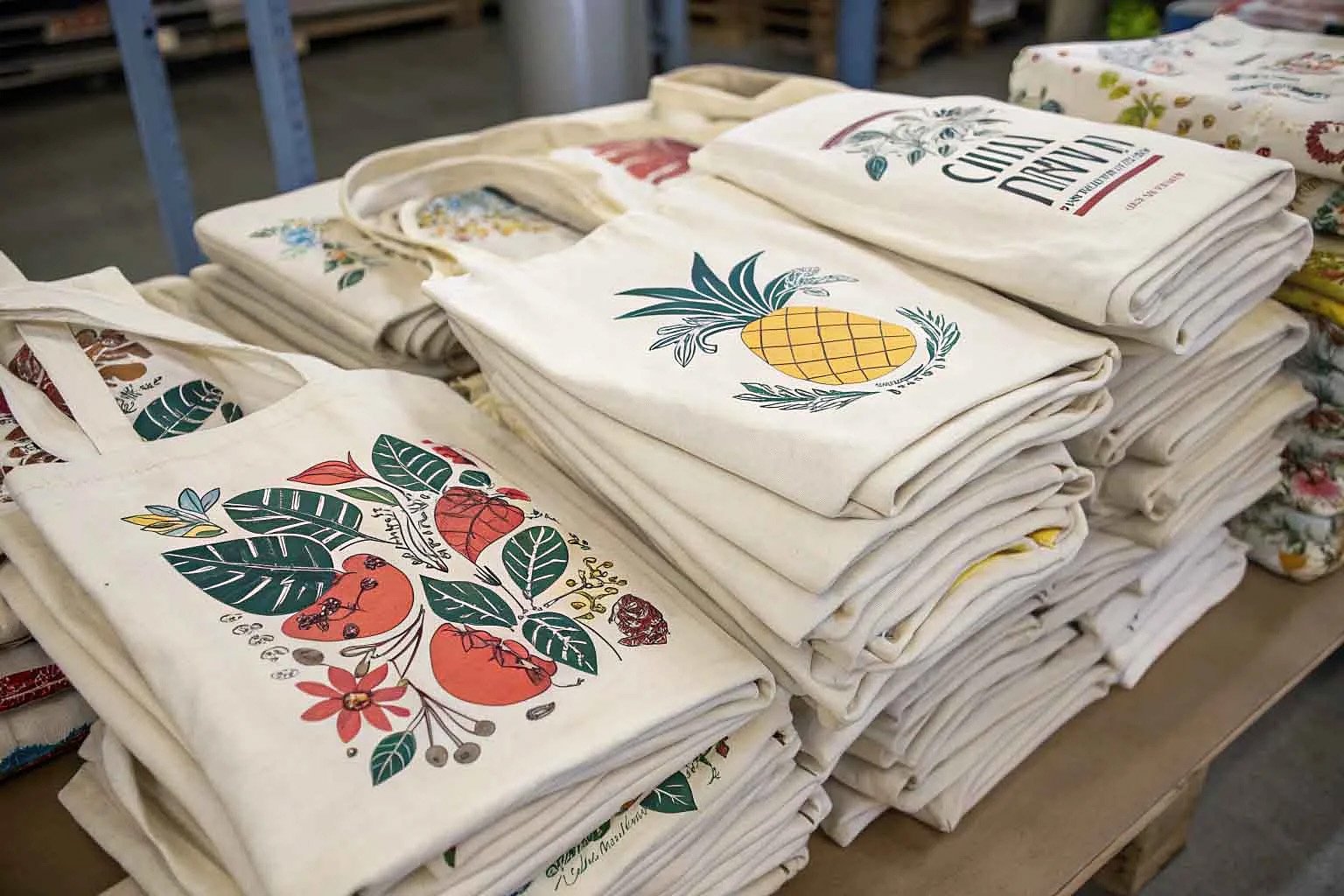
In buyer conversations, I often see a shift in the first question. A few years ago, many buyers started with price. Now many of them start with use.4 They ask me, “Will people keep this?” That question changes everything. If the answer is no, the item is just event filler. If the answer is yes, the item becomes part of daily life, and that gives the brand more chances to be seen.
I do not think this means every project needs a more refined bag. Some projects are still short-term by nature. A roadshow giveaway may need reach more than long-term use. But for many gift projects, buyers want a better result after the handout moment. They want the product to stay in the car, on the desk, or by the door at home.
I often break the choice into a simple table for buyers:
| Buyer goal | Better choice | Reason |
|---|---|---|
| Fast event distribution | Basic promo bag | Low cost and wide reach |
| Client welcome gift | Retail-style bag | Better first impression |
| Staff gifting | Retail-style bag | More daily use |
| Product-with-purchase | Depends on product value | Bag should match brand level |
| Seasonal campaign | Mixed approach | Tier by audience and budget |
I also ask a few basic questions before I recommend anything:
| Question I ask | Why I ask it |
|---|---|
| Who will receive the bag? | User type affects material and shape |
| How long should they use it? | This decides if low-cost is enough |
| Does the bag represent your brand directly? | If yes, cheap feel creates risk |
| Is the goal reach or retention? | This is the main decision point |
| What is the real budget range? | I can balance function and cost |
This is why better promotional products are getting more attention. Buyers are not only buying items. They are buying outcomes.
What Makes a Bag Feel Retail-Ready Instead of Cheap?
A bag can look fine in a photo and still feel disappointing in hand. I see this problem often when buyers focus only on price and basic appearance.
A bag feels retail-ready when it looks useful, feels solid, and shows care in details like fabric, shape, stitching, handles, and printing5. It should feel like something worth keeping, not just accepting for free.
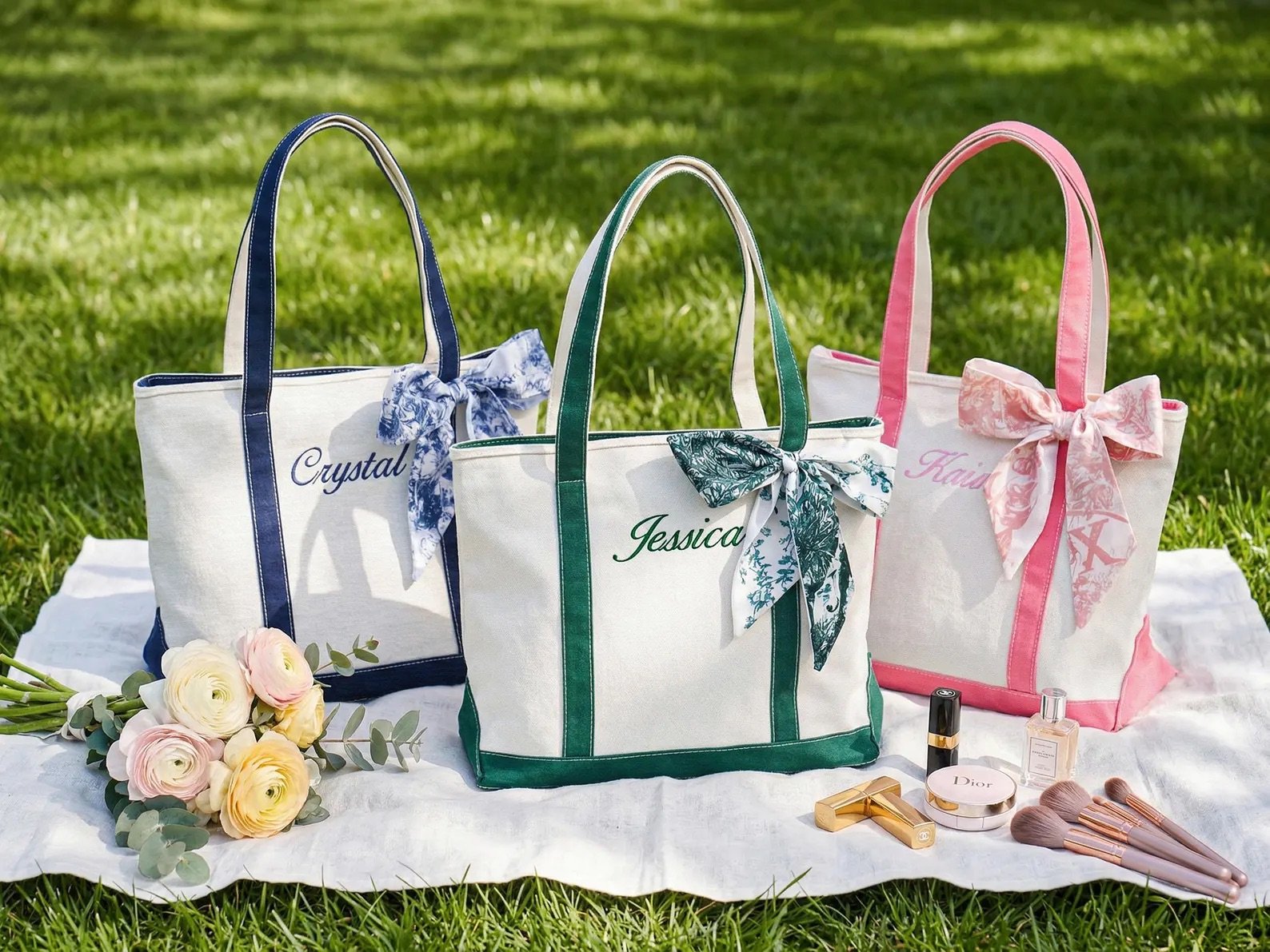
When buyers ask me this question, I do not answer with “make it more premium.” That phrase is too vague. I try to bring it back to daily use. A retail-ready bag feels like it belongs in normal life. It should not look like it was made only for one event and then forgotten. The user should feel comfortable carrying it into a store, office, gym, or weekend outing.
In practice, the difference often comes from small choices. Fabric matters a lot. If the material is too thin, the bag feels weak right away.6 Structure matters too. If the bag collapses badly or loses shape fast, users read it as cheap. Handles matter more than many buyers expect. A rough handle can ruin the whole experience.
Here is how I usually explain it:
| Bag element | Cheap feel | Retail-ready feel |
|---|---|---|
| Fabric | Too thin, noisy, weak | Balanced weight, stable hand feel |
| Shape | Flat and floppy | Clean form, usable depth |
| Stitching | Uneven or exposed poorly | Neat and consistent |
| Handles | Narrow, uncomfortable | Strong, easier to carry |
| Printing | Oversized and loud | Clear and controlled |
| Color use | Harsh mismatch | Simple and coordinated |
I also remind buyers that “retail-ready” does not mean expensive. It means thoughtful. A simple tote can feel much better than a badly designed complex bag. I have seen low-cost projects improve a lot just by adjusting handle width, logo size, and fabric weight. In many cases, the issue is not that the budget is too small. The issue is that the budget is used in the wrong places.
So when I judge whether a bag feels cheap, I ask one simple question: would someone carry this even if there were no logo on it? If the answer is yes, the design is usually moving in the right direction.
Which Bag Types Work Best for Corporate Gifting?
Buyers often choose a bag type too early. Then later they find out it does not match the recipient, the setting, or the way the gift will actually be used.
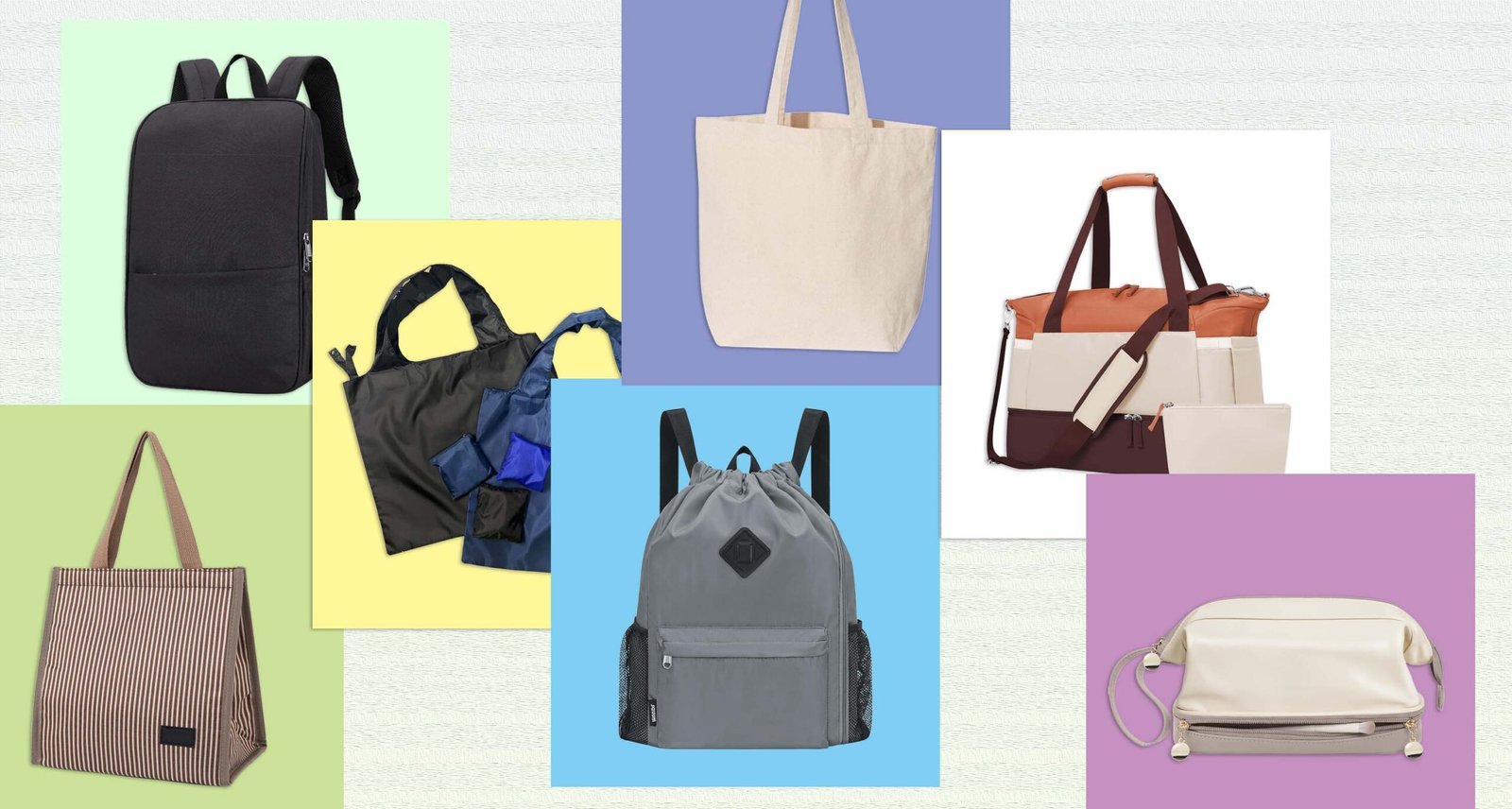
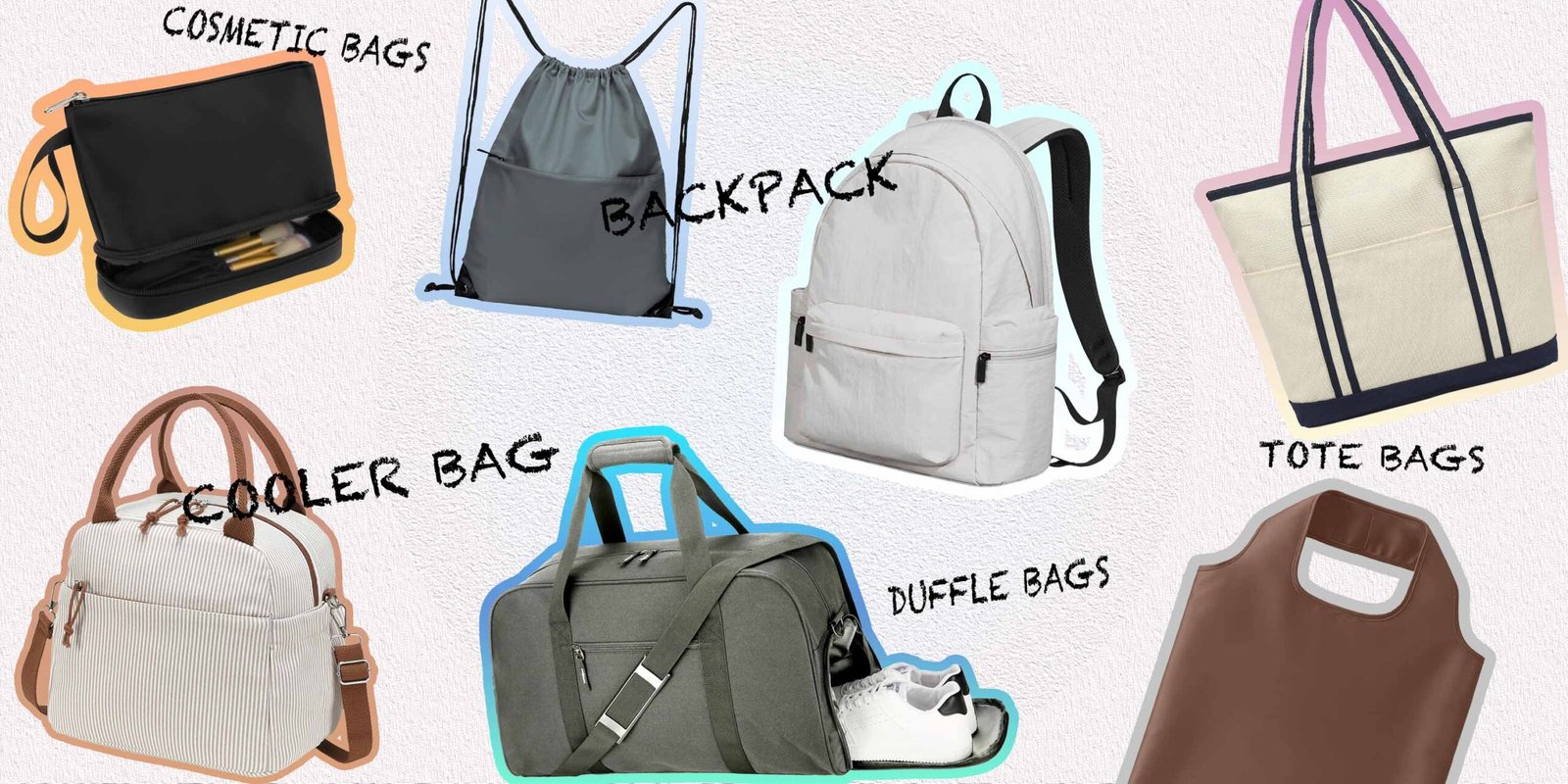
The best bag types for corporate gifting are totes, backpacks, duffle bags, cooler bags, and cosmetic bags7, but the right one depends on user habits, gift context, and how long the buyer wants the bag to stay in use.
I always tell buyers not to start from the catalog page. I ask them to start from the user. A bag works best when it fits a real part of daily life.8 If the recipient can use it without changing habits, the bag has a much better chance of staying around. That is the whole point of choosing a more retail-style direction.
For many projects, the tote bag is still the safest option. It is simple, useful, and easy to customize. But not every tote is equal. A tote for a supermarket promotion is not the same as a tote for a client onboarding gift. The fabric, shape, and branding approach should change.
Here is the way I often guide buyers:
| Bag type | Best for | Main strength | Main caution |
|---|---|---|---|
| Tote bag | Events, retail, client gifts | Easy daily use | Can feel generic if overbranded |
| Backpack | Employee gifts, tech brands, travel use | High perceived usefulness | Higher cost and fit complexity |
| Duffle bag | Fitness, travel, premium gifting | Strong use value | Needs good structure |
| Cosmetic bag | Beauty, personal care, kit packaging | Compact and practical | Brand fit must be clear |
| Cooler bag | Food, summer campaigns, family use | Reuse potential is strong | Must look neat, not bulky |
I also think audience level matters. Senior clients may respond better to a cleaner, more subtle tote or duffle. Staff gifts may work better with backpacks if the company wants daily visibility. A product launch may use a cosmetic bag or cooler bag if the format matches the contents.
One thing I often see is buyers choosing a bag because it seems more impressive, not because it fits the use case. That can backfire. A backpack that does not fit the campaign budget well may force cuts in material or finishing. Then the final bag feels worse than a simpler tote would have felt. So the best bag type is not the most exciting one. It is the one that balances use, budget, and brand role.
How Subtle Should Logo Placement Be?
Many buyers worry that if the logo is too small, the branding gets lost. At the same time, they know a large logo can make the bag look like ad space.
Logo placement should be visible but not dominant. For many gift projects, a smaller and cleaner logo helps the bag feel more usable9, which often leads to more repeat use and better long-term brand exposure10.
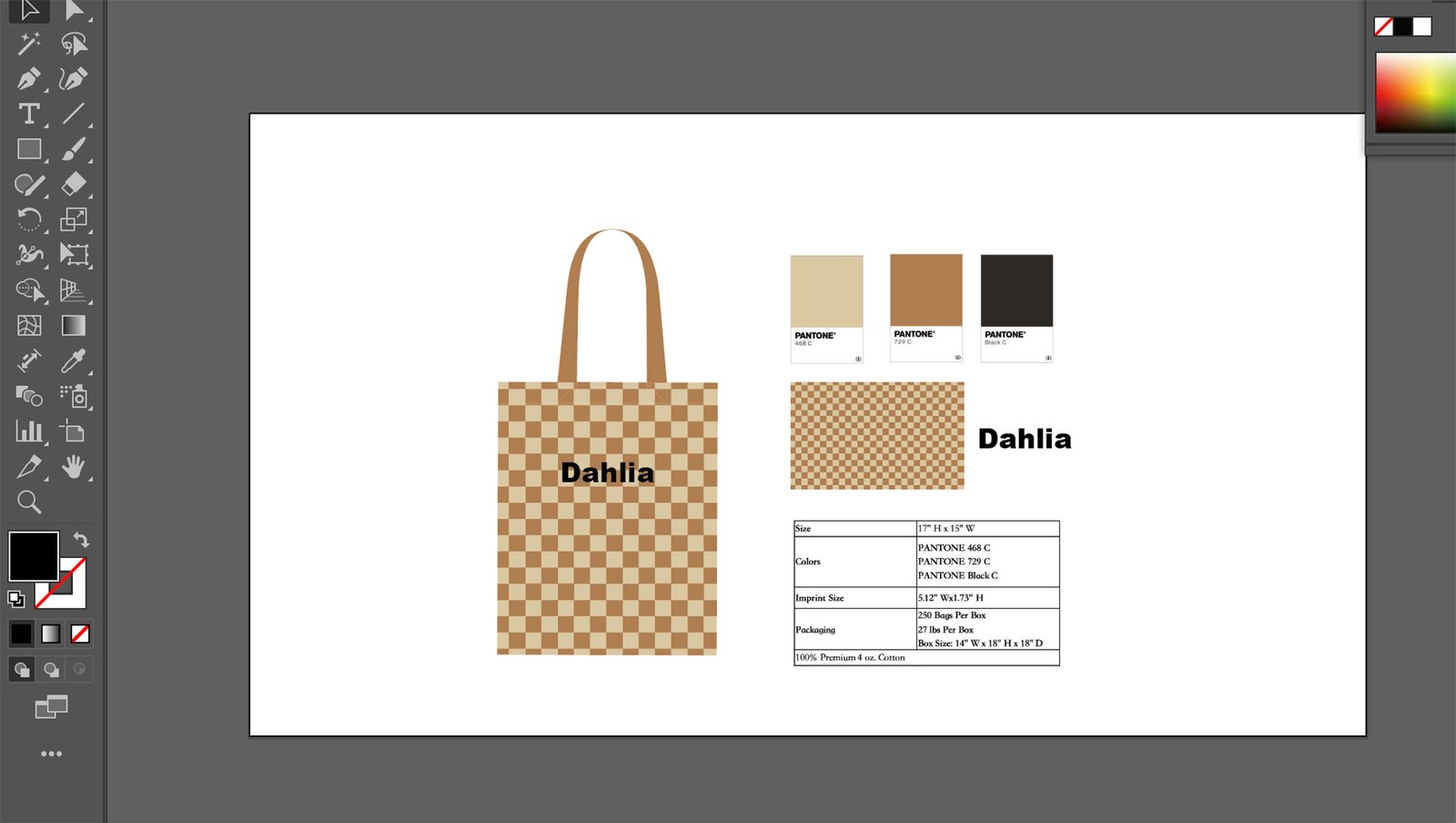
This is one of the most common buyer debates I handle. The sales team wants visibility. The brand team wants the bag to look good. The procurement team wants to keep printing simple and cost under control. I usually tell them that logo size should follow bag purpose. If the goal is one-time event visibility, a bigger logo may be fine. If the goal is long-term use, subtle branding usually works better.
I have seen many bags fail because the logo took over the whole design. The user feels like they are carrying an ad, not a useful item. That reduces reuse. When reuse drops, brand exposure drops too. So a loud logo can actually weaken branding over time.
I often suggest these options:
| Branding style | Best use case | Effect on reuse |
|---|---|---|
| Large front logo | Short-term events, public campaigns | Lower for daily personal use |
| Small centered logo | General gifting | Balanced |
| Corner logo | Retail-style gifts | Higher reuse potential |
| Tone-on-tone logo | Premium or minimal branding | Very good for repeat use |
| Woven label or patch | Casual lifestyle projects | Good if design fits brand |
Placement matters as much as size. A logo near the top corner often feels calmer than one printed across the center. Color matters too. High contrast can work, but too much contrast can make the bag feel promotional in the wrong way.
I usually ask buyers one direct question: do you want the recipient to notice the logo once, or carry the logo fifty times? That helps them think beyond the first impression. In many gift projects, the better branding result comes from restraint, not from scale.
How Should Buyers Build Entry, Mid, and Premium Bag Tiers?
Buyers often struggle when one campaign serves different audiences. If every recipient gets the same bag, the budget may stretch too far or the gift may not fit the relationship level.
Buyers should build bag tiers by matching audience value, usage goals, and budget. Entry tiers focus on function, mid tiers balance feel and cost, and premium tiers add stronger materials, cleaner branding, and better presentation.11
I like tier planning because it solves a real problem. Not every recipient needs the same experience. Many buyers know this, but they are not always sure how to structure it without making the program messy. I suggest keeping the framework simple. One campaign can still feel consistent while using different bag levels.
The first step is to define who gets what. I usually group recipients into broad types such as mass event audience, standard client group, and top account or internal leadership group. Then I match bag type and detail level to each group. The point is not to create luxury for its own sake. The point is to avoid overbuying for one group and underdelivering for another.
Here is a simple tier model:
| Tier | Typical audience | Bag direction | Main focus |
|---|---|---|---|
| Entry | Events, giveaways, broad reach | Simple tote or basic cooler bag | Cost and basic usefulness |
| Mid | Clients, staff kits, channel partners | Better tote, cosmetic bag, or simple backpack | Daily use and cleaner presentation |
| Premium | Key accounts, executive gifting, curated sets | Structured tote, duffle, or upgraded backpack | Retention, brand feel, presentation |
I also tell buyers where to spend and where not to spend:
| Tier | Spend more on | Keep simple on |
|---|---|---|
| Entry | Basic durability, print clarity | Extra pockets, complex trims |
| Mid | Fabric hand feel, handle comfort, shape | Overly bold graphics |
| Premium | Material, finishing, packaging, subtle branding | Unneeded features that add bulk |
This approach helps buyers make smarter budget choices. It also supports brand logic. A premium recipient should feel care, not just higher cost. An entry-level recipient should still receive something usable. If the lowest tier feels too disposable, the whole campaign can lose strength. If the top tier is too flashy, it may feel forced. Good tiering is about fit. I find that buyers get better results when they think in levels of usefulness and retention, not just levels of price.
Conclusion
Gift buyers are choosing retail-style bags because reuse matters more than short-term impact12, and the best bag choice depends on user value, campaign goal, and smart budget control.
"Reusable shopping bag - Wikipedia", https://en.wikipedia.org/wiki/Reusable_shopping_bag. Studies on reusable bag adoption and repeated use indicate that carry items perceived as functional and durable are more likely to be retained and reused than disposable alternatives; while such research does not test this article’s exact product category, it provides contextual support for the claim that a more retail-like bag can remain in use longer. Evidence role: general_support; source type: paper. Supports: Evidence that reusable bags or more functional carry products are retained and reused more often than disposable or low-utility alternatives.. Scope note: Support is contextual rather than a direct comparison between retail-style corporate gift bags and standard promotional bags. ↩
"An experimental study of direct-to-consumer prescription drug ...", https://pmc.ncbi.nlm.nih.gov/articles/PMC9479315/. Research on repeated brand exposure and promotional merchandise suggests that branded items used repeatedly can generate recurring impressions and improve brand familiarity or recall, supporting the mechanism behind the claim that reused bags may extend brand exposure. Evidence role: mechanism; source type: paper. Supports: Evidence that repeated encounters with branded objects can increase impressions, familiarity, or recall.. Scope note: The evidence generally concerns branded merchandise or repeated exposure effects, not necessarily bags alone or all corporate gifting contexts. ↩
"Promotional Product Effectiveness - Brand Guidelines", https://brand.missouri.edu/apply-the-brand/apparel-merchandise-promo-items/promotional-product-effectiveness/. Studies of promotional merchandise and consumer product use indicate that items perceived as useful are more likely to be retained for longer periods, and longer retention increases the number of opportunities for branded exposure over time. Evidence role: mechanism; source type: paper. Supports: Evidence that perceived usefulness is associated with longer retention and that longer retention can increase exposure opportunities for a brand.. Scope note: The relationship is typically inferred from retention and use data rather than directly measuring exposure in every setting. ↩
"The Effectiveness of Price Promotions in Purchasing Affordable ...", https://pmc.ncbi.nlm.nih.gov/articles/PMC8904412/. Industry and survey research on promotional products commonly finds usefulness to be a major criterion in product selection and recipient satisfaction, which supports the article’s broader characterization of a shift toward utility-focused buying decisions. Evidence role: historical_context; source type: institution. Supports: Survey-based evidence that buyers or recipients place high value on usefulness when selecting or evaluating promotional products.. Scope note: Such surveys may show the importance of usefulness without directly proving a year-over-year decline in price-first decision making. ↩
"Effects of Design Aesthetics on the Perceived Value of a Product", https://pmc.ncbi.nlm.nih.gov/articles/PMC8359925/. Consumer-perception research shows that users commonly judge product quality from visible and tactile cues such as material weight, construction quality, finishing, and design consistency, supporting the article’s description of how a bag may come to feel more retail-ready. Evidence role: expert_consensus; source type: paper. Supports: Evidence that consumers infer product quality from observable extrinsic and intrinsic cues including material, finish, construction, and design coherence.. Scope note: The literature often addresses consumer goods generally rather than corporate gift bags specifically. ↩
"How perceived sustainability influences consumers' clothing ... - PMC", https://pmc.ncbi.nlm.nih.gov/articles/PMC11576948/. Research on material perception and textile hand indicates that thickness and weight can function as cues of durability and quality, which supports the claim that very thin bag materials may be read as weak on first handling. Evidence role: mechanism; source type: paper. Supports: Evidence that material thickness or weight influences perceived durability, strength, or quality.. Scope note: Perception of weakness does not always equal actual measured structural performance. ↩
"Custom duffel bags - Promotions Now", https://www.promotionsnow.com/browse/custom-duffel-bags-and-promotional-duffel-bags_13813. Category reports on promotional products commonly list totes, backpacks, duffels, cooler bags, and personal-care pouches among widely used bag formats, supporting the article’s selection of these types as standard options in corporate gifting. Evidence role: general_support; source type: institution. Supports: Evidence that totes, backpacks, duffels, cooler bags, and cosmetic or personal-care bags are common or established categories within promotional gifting.. Scope note: Category prevalence does not by itself prove that these are the best choices for every campaign. ↩
"Old habits can affect the use of new products - USC Today", https://today.usc.edu/old-habits-can-affect-the-adoption-of-new-products/. Behavioral and product-adoption research indicates that products fitting existing routines and contexts of use are more likely to be adopted and used consistently, which supports the article’s argument that bag choice should reflect daily life rather than catalog appeal alone. Evidence role: mechanism; source type: paper. Supports: Evidence that products compatible with existing routines or habits are adopted and used more consistently.. Scope note: The evidence is general to habit-compatible product use and may not isolate bag gifting decisions specifically. ↩
"Neuroscientific Analysis of Logo Design: Implications for Luxury ...", https://pmc.ncbi.nlm.nih.gov/articles/PMC12024241/. Consumer research on brand prominence finds that, for some products and audiences, less conspicuous logos are associated with more favorable aesthetic judgments and greater willingness to use the item in ordinary settings, supporting the article’s claim about cleaner logo treatments. Evidence role: mechanism; source type: paper. Supports: Evidence that lower brand prominence can improve aesthetic evaluation or willingness to use certain products in everyday settings.. Scope note: Effects vary by product category, audience, and signaling motives, so the relationship is not universal. ↩
"[PDF] Signaling Status with Luxury Goods: The Role of Brand Prominence", https://msbfile03.usc.edu/digitalmeasures/jnunes/intellcont/Brand%20Prominence%201-12-10-1.pdf. Studies of brand prominence suggest that highly conspicuous branding can deter use in some social contexts, whereas more restrained branding may increase willingness to carry or wear an item repeatedly; this provides contextual support for the claim that subtle logo placement can improve long-term exposure through greater reuse. Evidence role: mechanism; source type: paper. Supports: Evidence that lower brand prominence may reduce social or aesthetic resistance to use, thereby increasing opportunities for repeated exposure.. Scope note: Direct evidence specific to promotional bags and measured exposure over time may be limited. ↩
"The Power of Tiers: Upgrading Your Pricing Strategy – Wharton", https://executiveeducation.wharton.upenn.edu/thought-leadership/wharton-at-work/2025/04/the-power-of-tiers/. Merchandising and marketing literature commonly describes a good-better-best or entry-mid-premium structure in which lower tiers emphasize core function and affordability, while higher tiers add quality cues, features, and presentation, supporting the article’s tiering logic. Evidence role: expert_consensus; source type: education. Supports: Evidence from merchandising or marketing literature that product assortments are often structured into good-better-best or entry-mid-premium tiers with differentiated feature and quality levels.. Scope note: This supports the general framework rather than proving the exact bag features that should define each tier. ↩
"Gifts for Men: 2026's Only Data-Backed Guide to No-Regret Presents", https://mlfp.soceco.uci.edu/sites/default/files/news.html?p=gifts-for-men-2026-s-only-data-backed-guide-to-no-regret-presents-6a21b4cdb6d98. Recent survey and institutional reporting on gifting and promotional-product selection often identifies reusability, practical utility, and reduced disposability as important buyer criteria, which supports the article’s broader conclusion that reuse has become more salient than purely short-term impact in many programs. Evidence role: historical_context; source type: institution. Supports: Evidence that buyer priorities in gifting and promotional products increasingly include reusability, practical use, or sustainability-related longevity.. Scope note: Available trend reports may not isolate 'retail-style bags' specifically or establish that reuse outweighs short-term goals in every segment. ↩