Bulk tote bag quality can fail quietly. One approved sample looks fine. Bulk goods may still have color, size, logo, stitching, or strength problems.
I guarantee quality for bulk tote bags through staged control, not final inspection alone1. I confirm the sample, check incoming materials, inspect production steps, and review finished goods before shipment. This helps me catch problems early and reduce rework, delays, and buyer complaints.2
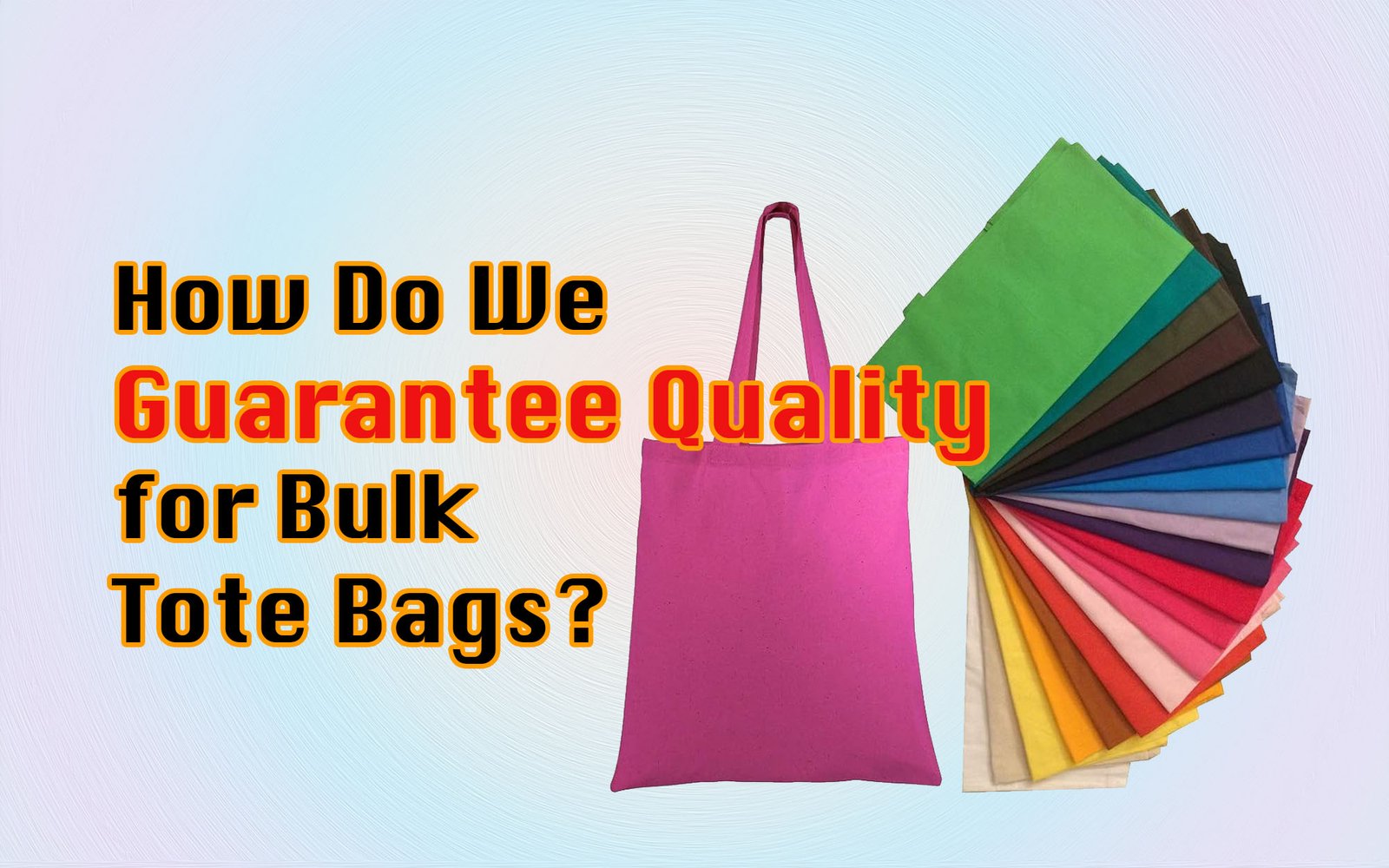
I often tell buyers one clear thing. A good sample is the start, not the finish. Bulk production has many moving parts. Fabric may come from another batch.3 Webbing may feel different. Printing may shift. Stitching tension may change when the order moves fast. If I only wait until the cartons are packed, I may find the problem too late. That is why I treat tote bag quality as a process. I check before production. I check during production. I check again before shipment. This way, I can protect the buyer’s order before small issues become expensive problems.
What Quality Checks Are Used for Bulk Tote Bags?
Bulk tote bag defects create real risk. A weak handle or wrong logo can lead to returns, lost sales, and damage to a retail brand.4
I use staged quality checks for bulk tote bags. I confirm the production sample, inspect materials, check cutting, printing, sewing, size, packing, and final appearance. I also review load-bearing points based on the bag’s use and the buyer’s market needs.
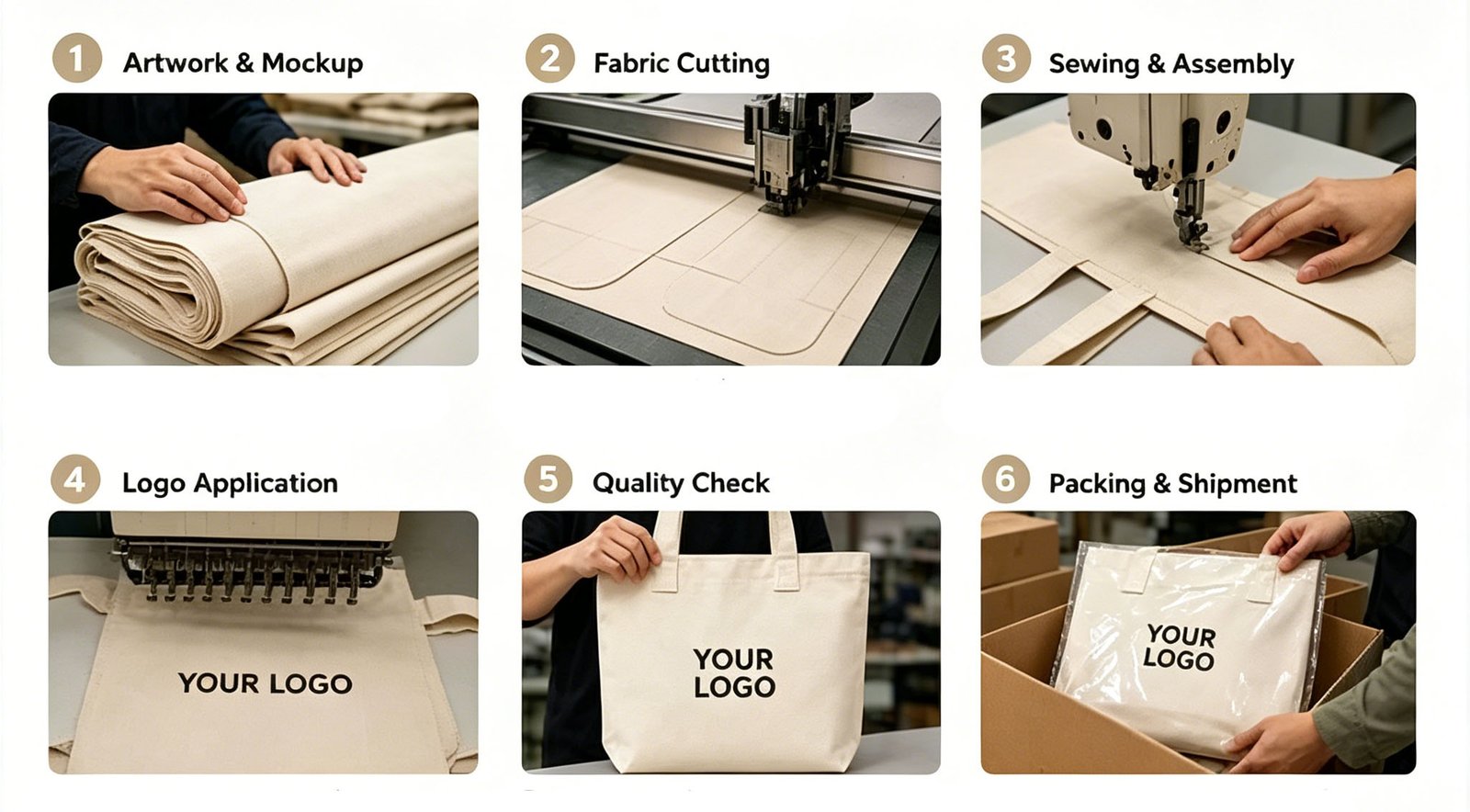
I do not rely on one inspection point
In bulk orders, I usually divide quality control into several stages. Each stage has a clear purpose. The first stage is pre-production confirmation. I compare the approved sample with the order details. I check size, fabric, color, logo, handle length, stitching style, label, packing, and carton mark. I do this because a sample can be correct, while the production instruction can still miss one detail.
The second stage is incoming material inspection. I check fabric, webbing, zipper if used, label, hangtag, polybag, and carton. The third stage is in-process inspection. I check cutting size, printing position, sewing quality, and shape during production. The fourth stage is final inspection before shipment. I check finished bags after packing but before the goods leave the factory.
| Quality Stage | What I Check | Why It Matters |
|---|---|---|
| Pre-production | Sample, size, logo, materials, packing | I reduce misunderstanding before mass production |
| Incoming materials | Fabric, webbing, labels, cartons | I stop wrong materials before cutting |
| In-process | Cutting, printing, sewing, handle strength | I catch problems before they spread |
| Final inspection | Appearance, quantity, packing, carton marks | I reduce shipment and retail risk |
I connect checks with buyer usage
I ask buyers how the tote bag will be used. A supermarket promotion bag is not the same as a premium brand tote. A gift bag may focus more on logo and appearance. A shopping bag may need stronger handles and better load support. When I know the usage, I can set the right focus. I do not want to inspect only what is easy to see. I want to inspect what may create complaints later.
How Do We Inspect Tote Bag Materials Before Production?
Material problems are hard to fix after cutting.5 One wrong fabric batch can affect color, feel, strength, cost, and delivery time.
I inspect tote bag materials before production by checking fabric type, color, weight, feel, surface condition, width, webbing, labels, and packaging materials. I compare them with the approved sample and order requirements before I allow cutting.
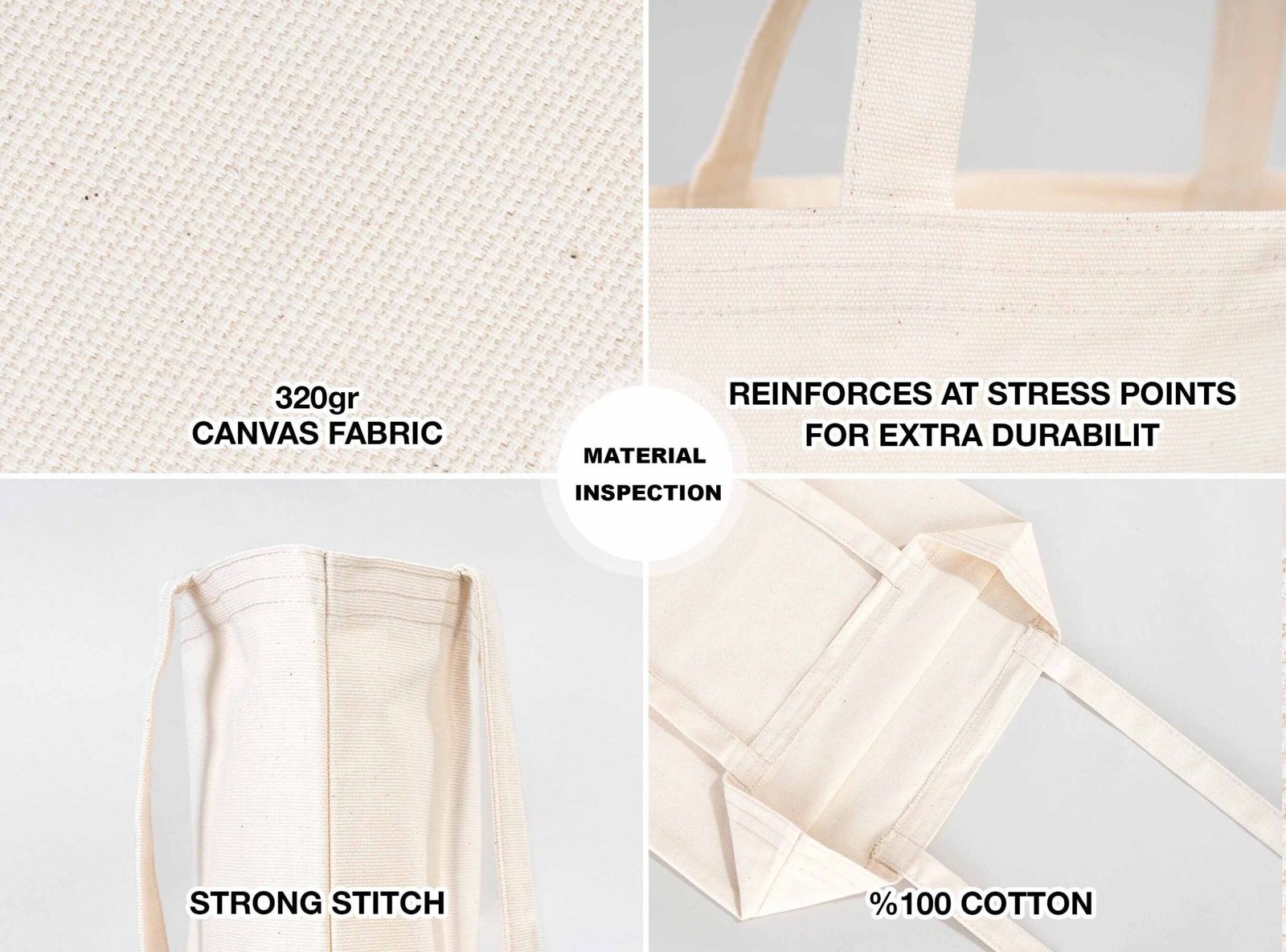
I treat incoming materials as the first real production risk
I have seen buyers approve a nice tote bag sample, then face a bulk order that feels different. This can happen when fabric comes from another batch or another supplier. It can also happen when the sample used a small piece of material, while bulk production uses a full roll. I do not see this as a small issue. I see it as a sourcing risk.
Before production, I place the approved sample beside the incoming materials. I check the fabric color under normal factory lighting. I check the hand feel by touch. I check if the surface has stains, wrinkles, broken yarn, coating marks, or shade difference. I also check the fabric width because wrong width can affect cutting layout and cost6. If the bag uses webbing handles, I check webbing width, thickness, color, and texture. I also check labels, hangtags, care labels, polybags, and cartons if they are part of the order.
| Material Item | My Check Point | Common Risk |
|---|---|---|
| Main fabric | Color, weight, surface, width | Shade difference or wrong material |
| Webbing | Width, feel, strength point | Handle mismatch or weak handle |
| Printing material | Ink, screen, logo color | Wrong logo color or poor coverage |
| Label and tag | Text, size, placement | Brand error or retail complaint |
| Packaging | Polybag, carton, mark | Wrong packing or shipment confusion |
I ask buyers to confirm what cannot be guessed
I cannot guess every buyer’s market standard. Some buyers sell to supermarkets. Some buyers sell to gift channels. Some buyers sell to fashion brands. Each channel has a different tolerance. I ask buyers to confirm the target use, loading need, color standard, logo file, label content, and packaging style before bulk production. If a buyer wants a close color match, I ask for a clear reference. If a buyer needs the bag to carry heavy goods, I ask for the expected weight. This helps me choose better fabric, sewing structure, and handle reinforcement.
How Do We Control Stitching Quality in Tote Bag Manufacturing?
Bad stitching often looks small at first. It can become a broken handle, open seam, uneven shape, or customer complaint after use.
I control stitching quality by checking sewing tension, stitch density, seam position, handle attachment, reinforcement, thread trimming, and bag shape during production. I inspect work in progress so I can correct sewing problems before many bags are finished.
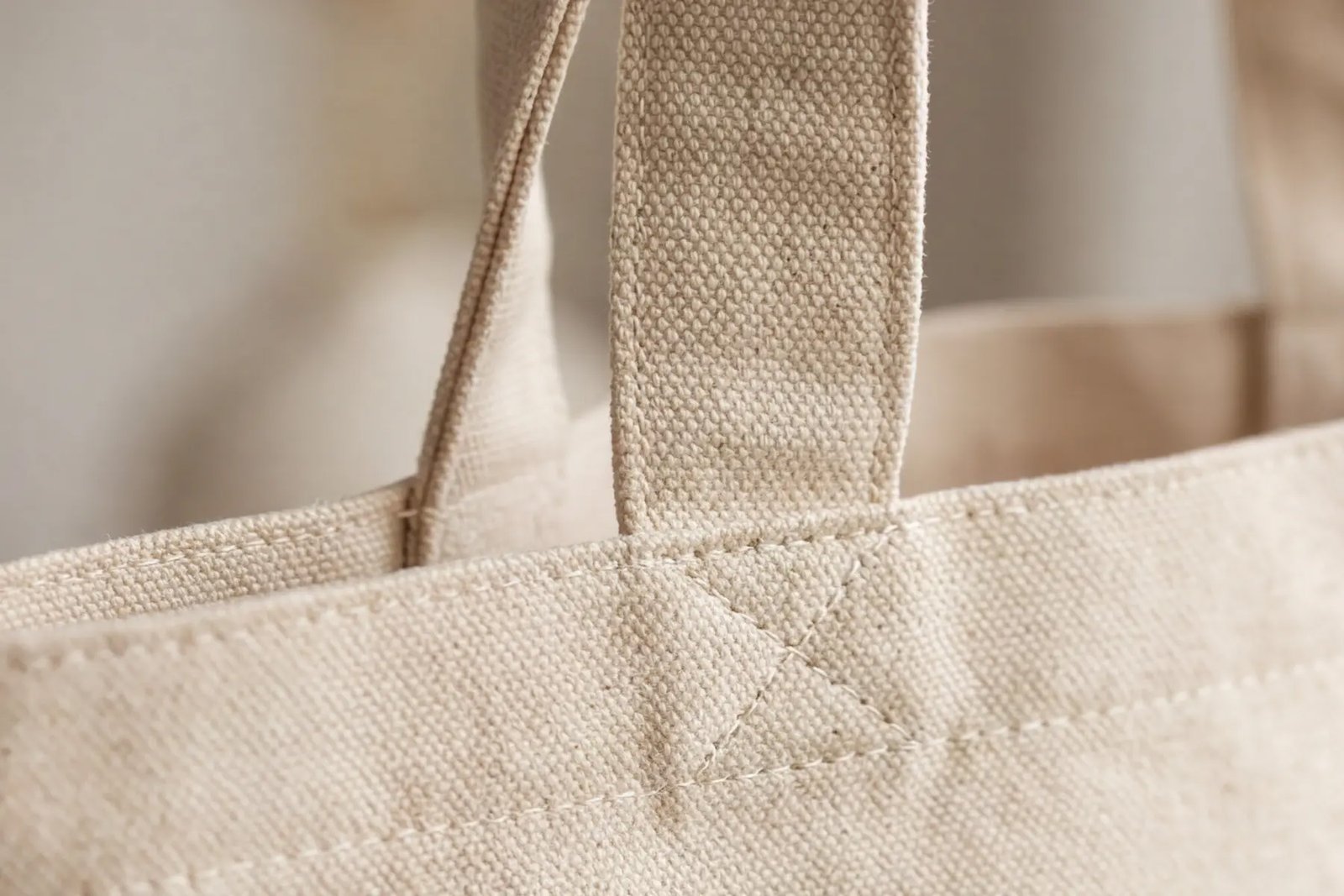
I check sewing while the line is still running
In tote bag production, stitching is one of the most important control points. A tote bag may look simple, but it often carries weight through a few key seams7. The handle area is especially important. If the stitch is too loose, the handle may pull out. If the stitch is too tight, the fabric may pucker or tear.8 If the seam is not straight, the bag may look cheap even when the material is good.
During production, I check the first pieces from the sewing line. I compare them with the approved sample. I check the bag size, handle position, seam allowance, stitch length, thread color, and reinforcement style. I then continue line inspection. I do not wait until all pieces are done. When I find a problem, I stop and adjust the sewing method, machine tension, or worker instruction.
| Stitching Area | What I Check | What Can Go Wrong |
|---|---|---|
| Side seam | Straightness and seam allowance | Uneven shape or open seam |
| Bottom seam | Strength and alignment | Weak loading area |
| Handle joint | Box stitch, cross stitch, or bar tack | Handle failure |
| Top edge | Folding and stitching line | Poor appearance |
| Thread end | Trimming and cleanliness | Messy finish |
I use production inspection to stop repeated defects
A common production-stage risk is repeated error. One wrong instruction can create hundreds of bad pieces.9 I remember one anonymized order where the tote bag looked correct at the sample stage. During production inspection, I found that the handle stitching position had shifted a little. One bag was still usable, but the full order would look inconsistent. I asked the line to stop. I checked the sewing guide. I corrected the handle position and asked the team to re-check the finished pieces from that batch. This did not feel dramatic at the time. It was just normal factory control. But this kind of inspection helps avoid bigger cost later. The buyer did not need to discover the issue after shipment.
How Are Custom Tote Bags Checked Before Shipment?
Final inspection is important, but it can be too late. Packed goods may already carry hidden defects, wrong labels, or costly rework risk.
I check custom tote bags before shipment by reviewing finished bag appearance, size, logo, stitching, quantity, packing, carton marks, and order details. I use final inspection as the last gate, not the only quality control step.
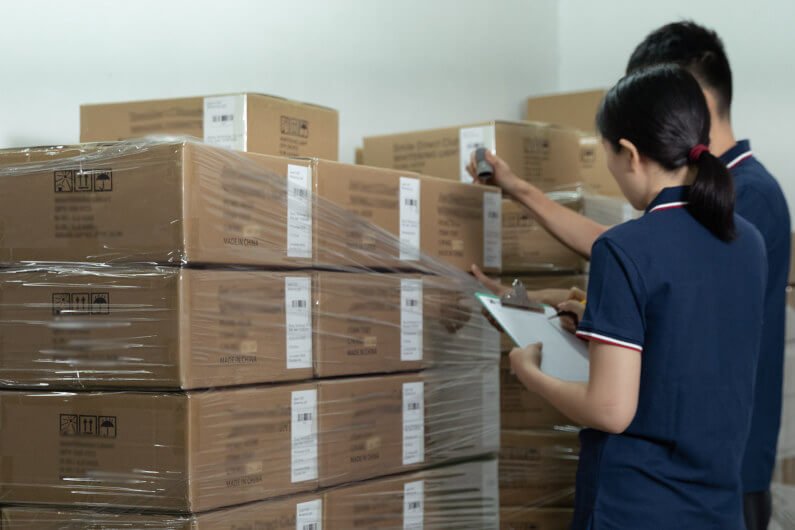
I use final inspection to confirm the full order
Before shipment, I check finished tote bags against the approved sample and the buyer’s order details. I look at the front, back, inside, handles, bottom, logo, and packing. I check if the color and appearance match the confirmed standard. I check the logo size, logo position, print clarity, embroidery if used, label placement, and any custom detail. I also check size. A small size difference may be acceptable for some orders, but it can be a problem for retail display or packaging.
I also review packing. This step matters more than many buyers expect. A good bag can still create trouble if it is packed with the wrong label, wrong barcode, wrong carton mark, or wrong quantity per carton10. For B2B buyers, packing errors can slow warehouse receiving and damage trust with downstream customers11.
| Final Check Item | My Focus | Buyer Risk Reduced |
|---|---|---|
| Appearance | Stain, wrinkle, shape, loose thread | Retail complaint |
| Logo | Size, color, position, clarity | Brand image risk |
| Size | Length, width, handle drop | Product mismatch |
| Packing | Polybag, carton, quantity | Warehouse problem |
| Carton mark | PO, item number, destination | Shipment confusion |
I do not pretend final inspection can fix everything
Final inspection is necessary, but it is not magic. If a logo color is wrong on all finished bags, final inspection can only find the problem. It cannot prevent the time loss. If the wrong fabric was cut, final inspection may lead to rework or replacement. This may delay the shipment. That is why I use final inspection as the last confirmation after earlier control steps.
I also ask buyers to give clear standards before production. I need correct logo files. I need Pantone color or clear color reference when color is important. I need packing requirements, barcode files, and label artwork before we start. If the buyer has a retail manual, I ask for it early. When I have clear information, I can set the final inspection checklist in a practical way. I can also train the production team to look for the right details before the goods reach the packing area.
Why Is Factory Quality Control Important for Tote Bag Buyers?
A buyer may save time by trusting the sample only. That shortcut can create rework, late shipment, chargebacks, and brand damage.
Factory quality control is important because bulk tote bag quality depends on repeated process control. I use factory-side checks to keep materials, sewing, logo work, packing, and shipment details consistent with the approved sample and buyer requirements.
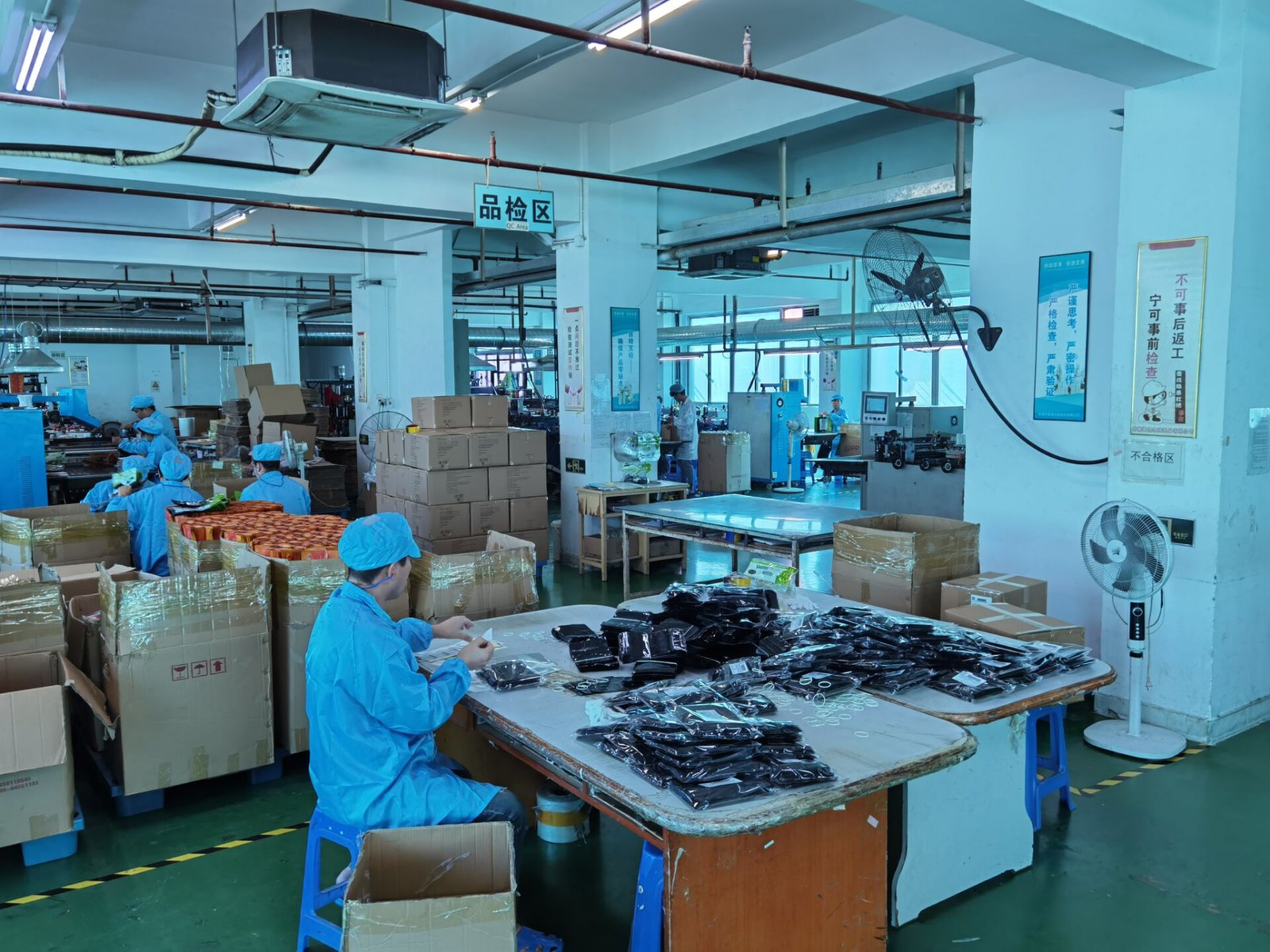
I see quality control as sourcing-risk control
For many buyers, the main question is not only whether the supplier can make a nice sample. The real question is whether the supplier can repeat that sample in thousands or tens of thousands of pieces. This is where factory quality control matters. Bulk production needs stable materials, clear instructions, trained workers, in-process inspection, and final review.12 If one of these points is weak, the buyer may face delay, extra cost, or customer complaints.
At Coraggio, I work from the factory side. I think about quality in a practical way. I do not say quality is guaranteed only because I have experience. I try to show the process. We have our own production management, design support, and quality control flow for OEM and ODM bag orders. This helps me support buyers who need private label tote bags, supermarket promotional bags, gift bags, and retail-channel products.
| Buyer Concern | Factory QC Response | Result for Buyer |
|---|---|---|
| Sample differs from bulk | Pre-production confirmation | Lower mismatch risk |
| Color or material changes | Incoming material check | Better consistency |
| Sewing weakness | In-process inspection | Fewer functional defects |
| Wrong logo or label | Production and final review | Lower brand risk |
| Shipment delay from rework | Early defect control | More stable delivery plan |
I help buyers take part in the quality result
Quality is not only the factory’s job after the order is placed. The buyer also affects the result through clear information. I always prefer when a buyer tells me the target market, use case, loading need, design purpose, and packing method. If the bag will be used for groceries, I need to understand the expected weight. If the bag will be sold as a premium item, I need to focus more on appearance, stitching neatness, and logo finish. If the order will go to a supermarket, I need clear barcode and carton rules.
I also ask buyers to confirm small details early. These details include handle drop, fabric weight, logo color, print method, label position, polybag style, carton quantity, and delivery schedule. A buyer may see these as basic details. In bulk production, these details guide the whole line. When I receive clear information, I can reduce guessing. When I reduce guessing, I reduce risk. This is the most direct way I can protect quality for bulk tote bag orders.
Conclusion
I guarantee bulk tote bag quality through early confirmation, material checks, production inspection, and final review, so buyers receive more consistent and safer goods.
"Understanding ISO 9001 in Inspection - LinkedIn", https://www.linkedin.com/pulse/understanding-iso-9001-inspection-tkzyc. Quality-management guidance treats product conformity as the result of controlled processes, monitoring, and verification activities throughout production, not merely as an outcome of final inspection. Evidence role: expert_consensus; source type: institution. Supports: A quality-management standard or institutional source should support the principle that quality is controlled through planned production processes, monitoring, and verification rather than final inspection alone.. Scope note: This would support the general quality-control principle, not prove this specific factory's tote-bag results. ↩
"Process improvement | NIST", https://www.nist.gov/process-improvement. Manufacturing quality-control research shows that detecting nonconformities earlier in the production process can reduce rework and downstream disruption compared with discovering defects after completion. Evidence role: general_support; source type: paper. Supports: A manufacturing quality-control study should support that earlier defect detection and process control can reduce rework, scrap, and downstream disruption.. Scope note: The evidence would be general manufacturing evidence rather than tote-bag-specific proof. ↩
"Causes and Remedies of Batch to Batch Shade Vvariation in Dyeing ...", https://www.academia.edu/28447579/Causes_and_Remedies_of_Batch_to_Batch_Shade_Vvariation_in_Dyeing_Textile_Floor. Textile dyeing and finishing literature documents lot-to-lot variation in fabric shade and properties, which can make bulk material differ from an approved sample made from another batch. Evidence role: mechanism; source type: paper. Supports: A textile source should explain that fabric lots or dye batches can vary in shade, hand feel, or other properties because of production and dyeing variables.. Scope note: The support would explain a common textile-production mechanism rather than verify variation in any particular order. ↩
"[PDF] Determining the Effect of the Returns Management Experience on ...", https://trace.tennessee.edu/cgi/viewcontent.cgi?referer=&httpsredir=1&article=2592&context=utk_chanhonoproj. Consumer and retail research links product quality failures with higher return risk, lower customer satisfaction, and negative effects on brand perception. Evidence role: general_support; source type: research. Supports: Research should support that product quality failures can increase returns, reduce customer satisfaction, and harm brand perception or loyalty.. Scope note: The source would support the general retail effect of defects, not quantify losses for tote bags specifically. ↩
"Defects and its rectification methods in garment production", https://www.academia.edu/82496974/Defects_and_its_rectification_methods_in_garment_production. Apparel manufacturing guidance emphasizes fabric inspection before cutting because defects incorporated into cut components can require re-cutting, rework, or replacement later in production. Evidence role: mechanism; source type: education. Supports: An apparel manufacturing or textile education source should support that inspecting fabric before cutting helps prevent defective material from entering production, where correction is more difficult and costly.. Scope note: This supports the production logic generally and may not be specific to tote bags. ↩
"(PDF) Garment Marker Planning – A Review - Academia.edu", https://www.academia.edu/64214105/Garment_Marker_Planning_A_Review. Apparel cutting-room literature explains that fabric width is a key input in marker planning and material utilization, so width deviations can change cutting efficiency and cost. Evidence role: mechanism; source type: education. Supports: A garment manufacturing source should support that fabric width affects marker layout, material utilization, and cutting efficiency.. Scope note: The source would support the mechanism, not provide a cost estimate for this article's factory. ↩
"How to Reinforce Stitching for Strength! - YouTube", https://www.youtube.com/watch?v=DDu1xrbeegs. Research and test methods for stitched seams treat seam strength as a critical performance property where loads are transferred through sewn joints. Evidence role: mechanism; source type: paper. Supports: A textile mechanics or seam-strength source should support that stitched seams are critical load-bearing points in sewn textile products.. Scope note: The source would support the structural importance of seams in sewn products, not test the specific tote-bag design described. ↩
"assessment of seam puckering on different types of fabric", https://www.academia.edu/30987622/ASSESSMENT_OF_SEAM_PUCKERING_ON_DIFFERENT_TYPES_OF_FABRIC. Textile engineering literature on stitched seams identifies thread tension and stitch formation as factors affecting seam strength, seam puckering, and fabric damage. Evidence role: mechanism; source type: paper. Supports: A textile engineering paper or seam-testing standard should support the relationship between stitch tension, seam strength, seam puckering, and fabric damage.. Scope note: The source may address stitched textiles broadly rather than tote-bag handles specifically. ↩
"Statistical process control - Wikipedia", https://en.wikipedia.org/wiki/Statistical_process_control. Manufacturing process-control literature notes that undetected process errors or incorrect work instructions can generate repeated nonconforming outputs until the process is corrected. Evidence role: mechanism; source type: research. Supports: A manufacturing process-control source should support that systematic process or instruction errors can create repeated nonconforming units until detected and corrected.. Scope note: This would support the general mass-production risk rather than the anonymized example in the article. ↩
"Guide to GS1 Barcodes for Warehouse Professionals - SphereWMS", https://spherewms.com/blog/guide-to-gs1-barcodes-for-warehouses. Supply-chain identification standards emphasize accurate barcodes, shipping labels, and package markings to support correct identification, receiving, and movement of goods. Evidence role: expert_consensus; source type: institution. Supports: A supply-chain standards source should support that accurate barcodes, labels, shipping marks, and quantities are important for product identification, receiving, and logistics handling.. Scope note: The source would support the logistics function of accurate labeling, not document this factory's packing performance. ↩
"Development of an improvement framework for warehouse ... - PMC", https://pmc.ncbi.nlm.nih.gov/articles/PMC10112039/. Logistics research associates inaccurate package identification and documentation with receiving inefficiencies, exception handling, and downstream service disruptions. Evidence role: general_support; source type: paper. Supports: A logistics or supply-chain paper should support that inaccurate packaging information can reduce receiving efficiency and create downstream service problems.. Scope note: The evidence would be contextual for B2B logistics and may not directly measure customer trust. ↩
"[PDF] NOAA HACCP Quality Managment Program", https://seafood.oregonstate.edu/sites/agscid7/files/snic/noaa-haccp-quality-management-program.pdf. Quality-management standards identify controlled production conditions, competent personnel, documented requirements, monitoring, and verification as elements that support consistent conformity of products. Evidence role: expert_consensus; source type: institution. Supports: A quality-management standard should support that controlled production, competent personnel, documented requirements, monitoring, and inspection are core elements of consistent output.. Scope note: This supports the general management-system principle rather than proving consistency for any specific tote-bag supplier. ↩