The tote bag market looks crowded. Many buyers worry margins will shrink, quality will slip, and stock will sit. I have seen those risks, but I have also seen real profit.
Yes, wholesale tote bag business1 can still be profitable in 2026. Global demand is strong, reusable bag use keeps rising, and gross margins often reach 40%–50%2, with higher upside in custom and private label bulk orders3.

I have worked with bag buyers who thought tote bags were too common to make money. I had the same doubt at one point. Then I looked at what was really happening in the market. Stores still need practical products. Brands still want low-cost items with logo space. Supermarkets still want reusable bag options. Event companies still need bulk gifts. So the question is not whether tote bags can make money. The real question is how to build the right sourcing model, cost structure, and product mix so the business stays profitable.
What Is the Profit Margin on Wholesale Tote Bags?
Thin margins can destroy a wholesale business. Many buyers focus only on unit price, then lose money on defects, delays, and weak packaging. I have seen that happen too many times.
Wholesale tote bags often carry gross margins of 40%–50%. Profit can go higher when I use custom printing, private label packaging, better fabric positioning, and tight factory cost control on large-volume orders.
When I look at tote bag profit, I do not start with selling price alone. I break the margin into parts. I check fabric cost, printing cost, sewing cost, packing cost, freight, defect rate, and sales channel markup. A simple cotton tote may look cheap, but the final profit can still be solid if I buy in volume and keep the design standard. A custom tote with logo print often gives even better room because buyers pay for brand value, not just for fabric and stitching.
I have found that the biggest margin mistake is ignoring hidden cost. A bag that is $0.08 cheaper at the factory can become more expensive if it has unstable size, bad print alignment, or late delivery. In B2B, one bad shipment can erase the profit of several good orders4. That is why I care about total landed cost, not just ex-factory price5.
Here is how I usually think about margin:
| Cost/Value Item | Low-End Standard Tote | Custom/Private Label Tote | Margin Impact |
|---|---|---|---|
| Fabric and accessories | Lower | Medium to higher | Base cost driver |
| Printing/logo work | Basic | Higher | Raises selling price more than cost |
| Packaging | Simple bulk pack | Custom insert or label | Adds brand value |
| Quality control | Often minimal | More important | Protects repeat orders |
| MOQ leverage | High importance | Very high importance | Better MOQ lowers cost |
| Buyer resale value | Limited | Stronger | Improves final margin |
In my experience, standard products help cash flow, but custom products build better profit6. I have seen buyers earn average returns on plain totes and much better returns on branded promotional totes, retail-ready canvas totes, and eco-positioned reusable shopping bags7. So yes, the margin is there. But I only capture it when sourcing, positioning, and quality control all work together.
How Much Do You Need to Start a Tote Bag Wholesale Business?
Many people enter wholesale with the wrong budget. They think low-cost products need very little capital. Then sampling, freight, packaging, and failed orders eat the cash too fast.
A small tote bag wholesale business may start with a few thousand dollars8, but a stable B2B model usually needs enough capital for sampling, MOQs, quality checks, shipping, and at least one full reorder cycle.
I always tell people that startup cost depends on the business model. If I act like a trader and test small orders, I can begin with less money. If I want to serve supermarkets, chains, or larger distributors, I need more working capital from day one. Tote bags themselves are not expensive, but wholesale business is not only about buying goods. I must pay for development, communication, shipping, and risk.
In one early sourcing case, I focused too much on factory price. I did not set enough budget for pre-production samples and carton testing9. I saved a little at first, but I paid much more later because I had to correct packaging and remake labels. That lesson stayed with me. A real startup budget must include room for mistakes.
Here is a simple cost view I use:
| Startup Item | Typical Need | Why It Matters |
|---|---|---|
| Product samples | Essential | Confirms quality, size, print, and fabric |
| Deposit for production | Essential | Factories often require upfront payment |
| MOQ inventory10 | High | Unit cost improves with volume |
| Packaging and labels | Often missed | Needed for private label and retail use |
| Freight and customs11 | Essential | Can change profit fast |
| Quality inspection | Strongly advised | Reduces defect risk |
| Marketing/sales | Needed | Website, trade show, B2B platform, outreach |
| Cash for reorder | Critical | Prevents stock gaps after first sales |
If I want a basic start, I may test 1–3 styles with simple customization and keep the MOQ under control. If I want better bargaining power, I need a larger first order. In 2026, I think the smart move is not to spend blindly. I should start with focused SKUs, clear target buyers, and a supplier that accepts practical MOQ terms. That gives me more control and lowers waste. So the answer is not one fixed number. The right amount is enough to survive the full order cycle and still have room to scale.
Which Tote Bag Materials Sell Best for Bulk Orders?
Choosing the wrong material can slow sales and create complaints. Buyers want low cost, but end users still care about look, strength, and eco value. I have had to balance those needs many times.
Canvas, cotton, non-woven, recycled PET, and jute12 are among the best-selling tote bag materials for bulk orders. The best choice depends on price target, use case, print need, and eco positioning.
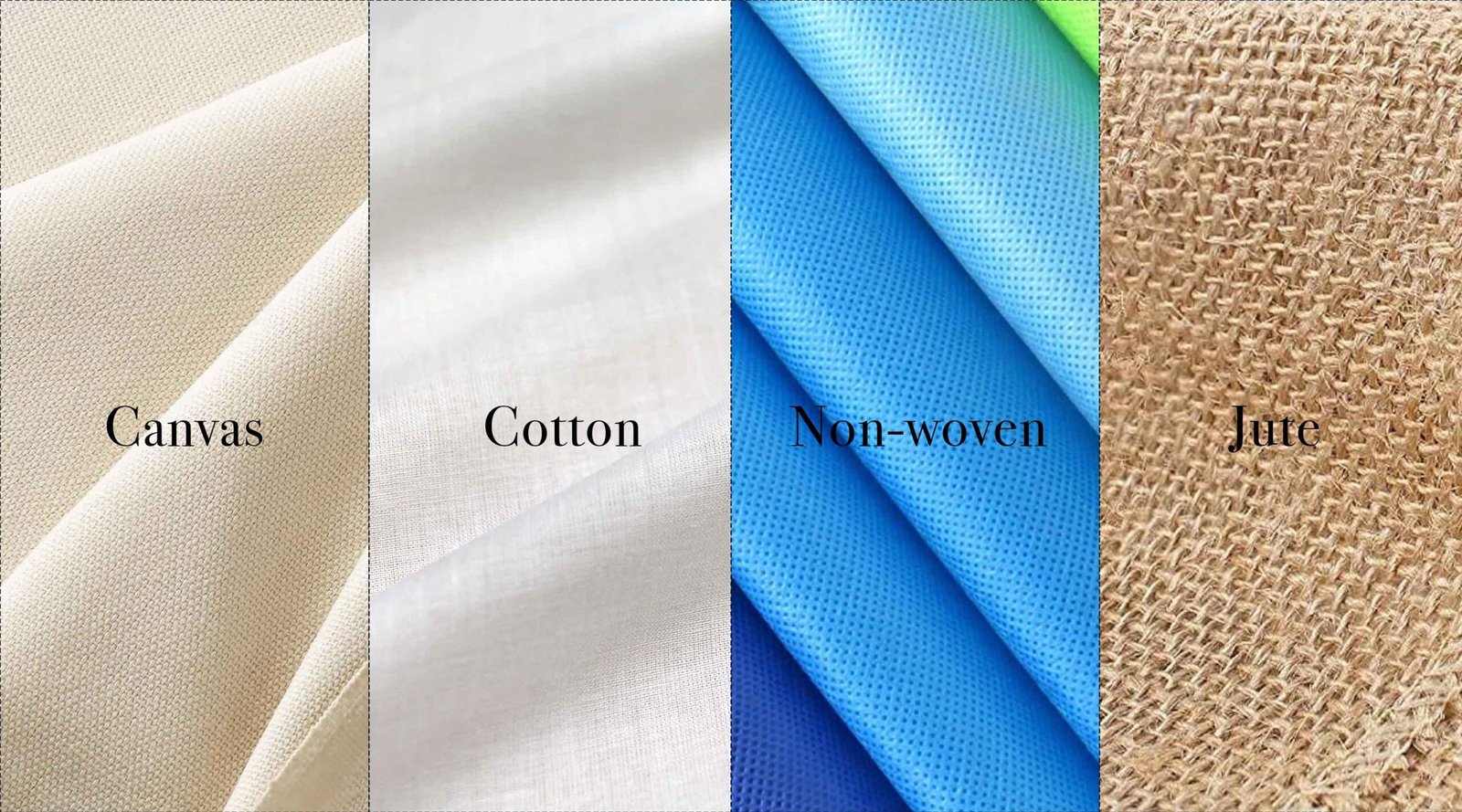
When I review bulk tote bag demand, I do not ask which material is best in general. I ask which material is best for the buyer’s market. If the order is for supermarket promotions, non-woven or laminated reusable materials may work better because price matters most. If the order is for retail brands, gift shops, or premium events, canvas and heavier cotton often sell better because the hand feel is stronger and the product looks more valuable. If the buyer wants a stronger eco story, recycled PET and certified materials gain more attention.
I have seen many buyers choose fabric only by weight. That is not enough. Weight matters, but so do print performance, stitching strength, shrinkage, color fastness, and storage volume13. A material that looks good in a sample can become a problem if it wrinkles too much, prints poorly, or takes too much space in shipping.
This is the material map I often use:
| Material | Main Strength | Main Weakness | Best Bulk Use |
|---|---|---|---|
| Cotton | Natural look, good print | Higher cost than non-woven | Promotions, retail, gifts |
| Canvas | Strong, premium feel | Heavier and costlier | Brands, bookstores, lifestyle retail |
| Non-woven PP | Low price, high volume use | Less premium image | Supermarkets, events, campaigns |
| Recycled PET | Eco story, durable | Can cost more | Eco brands, corporate buyers |
| Jute | Rustic and natural image | Rough feel, less fine print | Specialty retail, seasonal programs |
In 2026, I see eco-friendly and reusable materials staying strong. Plastic reduction policies still support demand. Consumers also want bags they can use again and again. That is why canvas, cotton, and recycled materials have a good future. But I still think non-woven will remain a volume winner in price-sensitive wholesale channels. The best-selling material is not always the most stylish one. It is the one that fits the buyer’s profit model.
How Do Big Buyers Find Reliable Tote Bag Suppliers?
Large buyers face real risk when they choose the wrong supplier. One weak factory can cause delays, claims, and damaged customer trust. I have seen buyers lose more from bad supply than from bad sales.
Big buyers find reliable tote bag suppliers14 by checking factory capacity, quality systems, communication speed, customization ability, compliance records, and delivery performance15 before placing large orders.
I believe reliable sourcing is not luck. It is a process. Big buyers do not choose a tote bag supplier because the catalog looks nice. They verify how the factory works. They ask if the supplier is a real manufacturer or only a trading company16. They ask about production lines, worker count, sample speed, past export markets, and audit history. They test communication. They compare quotations in detail. They ask hard questions about lead time and defect handling.
I often tell buyers that the lowest quote is not proof of strength. Sometimes it is proof that the supplier left out something important. A reliable supplier gives clear answers. A reliable supplier can explain fabric choices, logo methods, carton specs, and inspection steps in simple terms. That matters a lot for buyers who know sales well but do not want technical surprises later.
This is the screening logic I use:
| Check Point | What I Look For | Why It Matters |
|---|---|---|
| Factory identity | Real factory, not only middleman | More control over price and delivery |
| Production capacity | Lines, workers, output ability | Supports large repeat orders |
| Customization skill | Fabric, logo, packaging options | Needed for OEM/ODM growth |
| QC process | Inline checks, final inspections | Reduces claims and returns |
| Compliance/certification | Market-specific standards | Helps entry into major markets |
| Communication | Fast, clear, accurate replies | Prevents costly misunderstanding |
| Delivery record | Real lead times and shipment history | Protects buyer schedule |
| After-sales handling | Problem solving method | Important when issues happen |
In my own work, I trust suppliers more when they are open about both strengths and limits. If a factory tells me what it can do and what it cannot do yet, I see that as a good sign. Big buyers do not need perfect promises. They need stable execution. That is why factory-direct sourcing, sample approval, and QC planning are still the safest path in tote bag wholesale.
Is Custom Tote Bag Wholesale Worth It for Large-Volume Buyers?
Custom orders can seem risky. They need more setup, more approvals, and more planning. Many buyers worry that customization will slow the order and reduce flexibility.
Yes, custom tote bag wholesale is often worth it for large-volume buyers17 because it improves brand value, increases resale margin, supports differentiation, and builds stronger long-term customer loyalty.
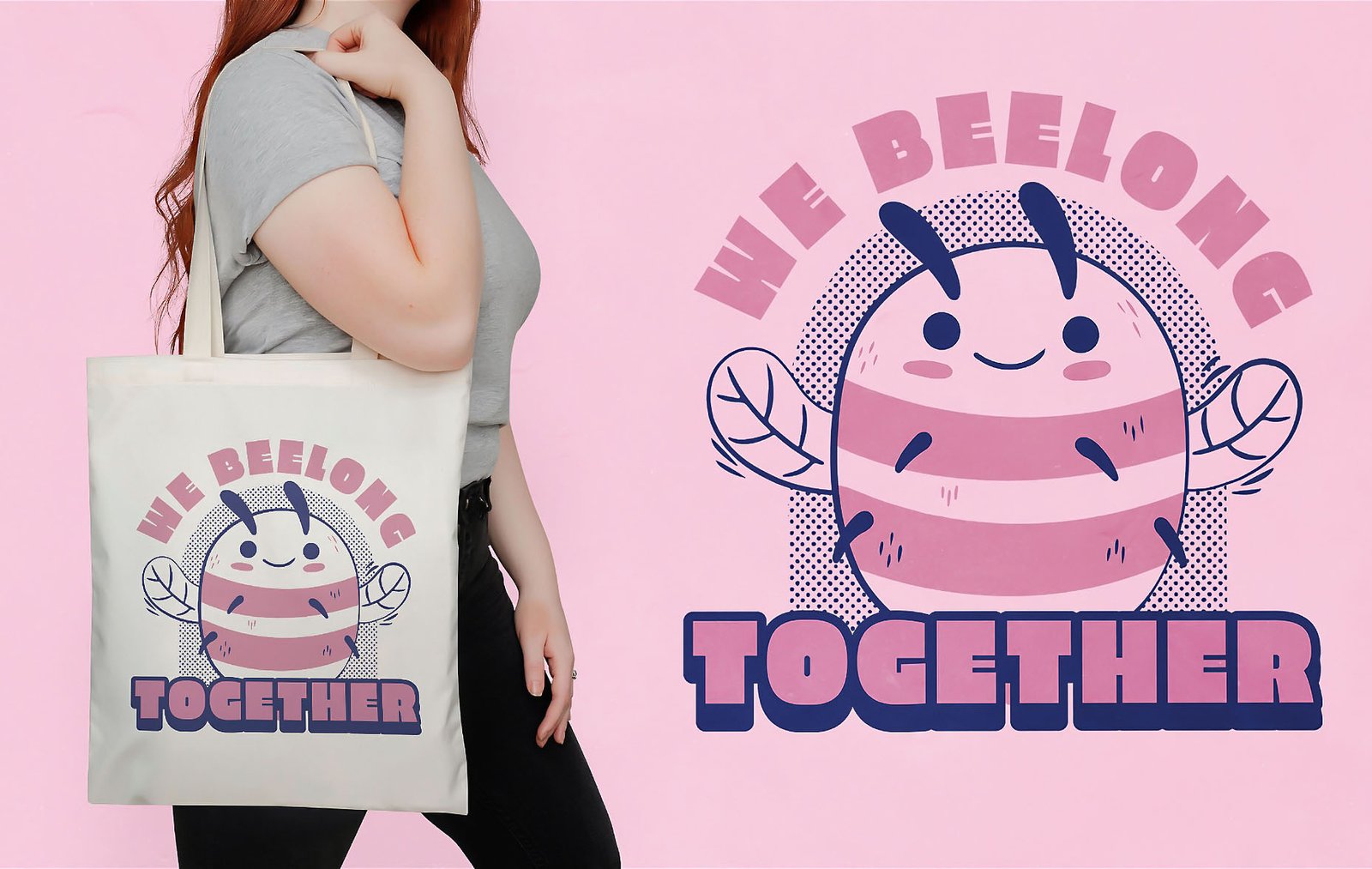
I think custom tote bags are where wholesale gets more interesting. Plain stock bags can move fast, but they are easy to compare and easy to replace. That means price pressure is always there18. A custom tote bag gives the buyer more control. The buyer can choose fabric, color, logo, handle, inner pocket, zipper, label, and packaging. Those details help create a product that is harder to copy and easier to sell at a better margin.
I have worked on projects where the custom change looked small. It might only be a woven label, a better handle length, or a cleaner retail tag. Still, that small change made the product fit the customer’s market much better. It also reduced direct price comparison. That is a big advantage in B2B.
Here is how I compare stock and custom wholesale:
| Factor | Stock Tote Bags | Custom Tote Bags |
|---|---|---|
| Unit price | Lower | Usually higher |
| Setup time | Faster | Longer |
| Brand value | Low | Higher |
| Price comparison | Easy | Harder |
| Customer loyalty | Weaker | Stronger |
| MOQ need | Lower in some cases | Often higher |
| Margin potential | Moderate | Higher |
For large-volume buyers, customization often makes more sense because MOQ becomes less of a barrier. Once volume rises, setup cost spreads across more units. That lowers the custom cost per bag. At the same time, the buyer gets a product that supports private label, seasonal campaigns, supermarket promotions, or retail collections19. In my view, custom wholesale is worth it when the buyer has a clear target market and a supplier that can manage production well. If the factory has good control, custom tote bags can turn a common product into a more profitable business line.
Conclusion
Yes, wholesale tote bags can still be profitable in 2026, but I believe real profit comes from smart sourcing, strong suppliers, the right materials, and useful customization20.
Shows if the model you’re considering still makes sense, with updated demand, pricing trends, and competitive benchmarks. ↩
Helps you compare your planned margins with industry benchmarks so you can spot pricing or cost-structure problems early. ↩
Explains how branding and private label programs can justify higher prices and deepen B2B relationships. ↩
Helps you set up QC and logistics safeguards so a single mistake doesn’t wipe out months of earnings. ↩
Prevents margin surprises by teaching you to include all hidden costs from factory to warehouse in your pricing. ↩
Clarifies how to balance fast-moving basics with higher-margin custom SKUs in your assortment strategy. ↩
Helps you decide whether to lean into eco branding and certifications to win more retail and corporate buyers. ↩
Gives you real-world budget ranges and helps avoid underfunding your first production and reorder cycle. ↩
Shows how a small investment in testing prevents expensive rework, returns, and packaging failures later. ↩
Helps you avoid overstock and still secure good pricing by choosing realistic MOQs and SKU counts. ↩
Teaches you to forecast landed cost swings, choose shipping methods, and avoid customs delays and fees. ↩
Guides you in matching materials to price points, durability needs, and sustainability expectations. ↩
Shows you which technical specs to check so your bags perform well in real-life use and transport. ↩
Reveals the sourcing due-diligence steps used by major retailers so you can copy their risk controls. ↩
Gives you a checklist for supplier screening to avoid factories that can’t handle your quality or volume. ↩
Helps you weigh price, flexibility, and risk so you choose the right partner type for your business stage. ↩
Clarifies when customization pays off and how volume spreads setup costs to lift net margin. ↩
Shows strategies to escape pure price wars through differentiation, bundling, and value-added offers. ↩
Inspires practical programs and use cases that can significantly boost your bulk order volumes. ↩
Helps you build a complete strategy instead of relying only on low prices or random product choices. ↩