Buyers often lose time on fabric choices1. A wrong choice can bring shape loss2, weak branding, and customer complaints. I have seen this happen, and it is costly.
For most bags that need strength, shape, and clear logo printing, woven fabric is the better choice3. Knit fabric works better for soft, light, flexible bags4, but it is less stable under weight.
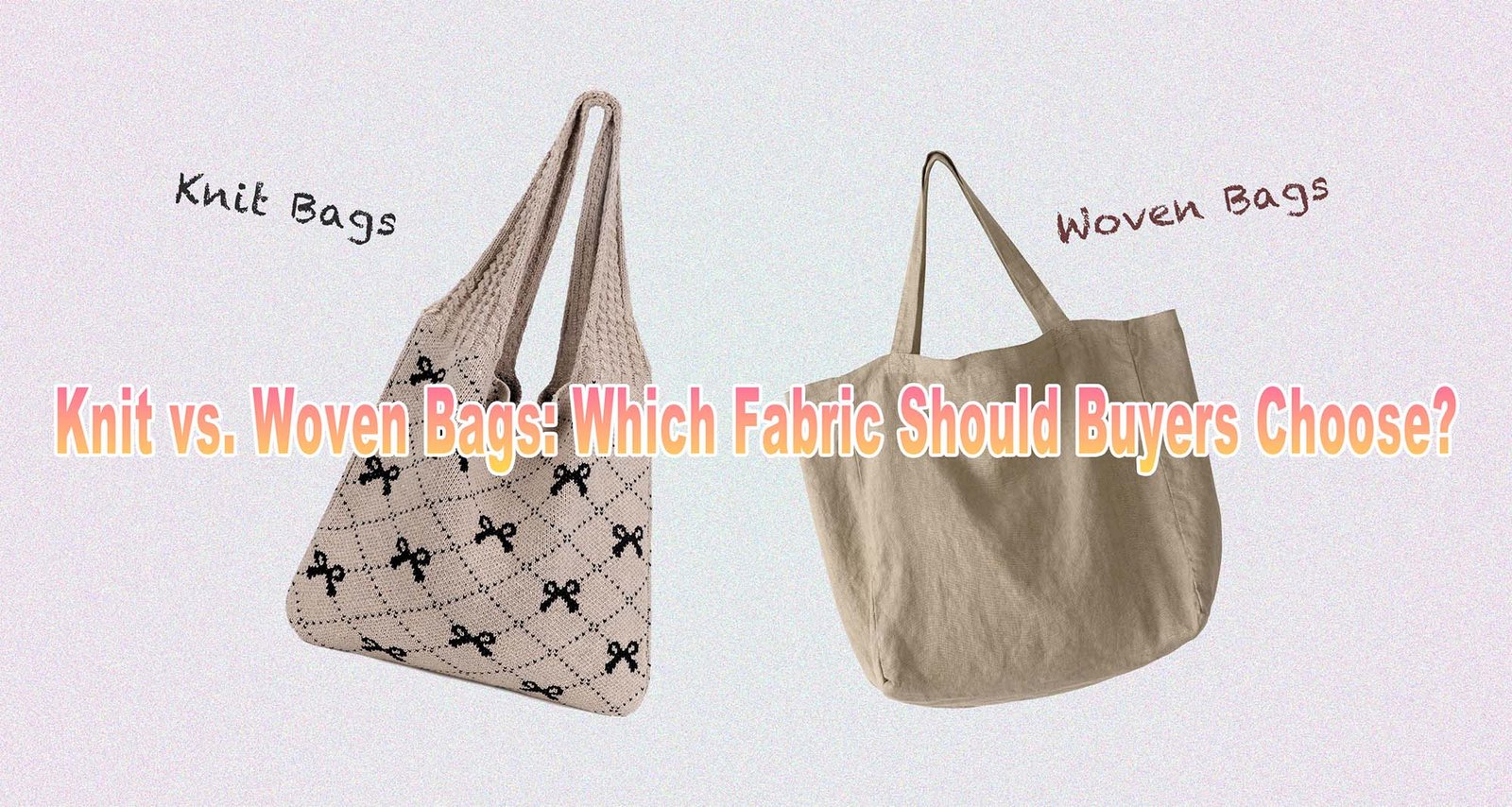
When I talk with buyers, I hear the same question again and again. They want the best fabric, but they also want low cost, stable quality, and fewer problems after delivery. I understand that pressure. In my work with custom bag production, I have found that this choice becomes much easier once I match fabric behavior with the bag’s real job5. If a bag must carry weight, hold shape, and show a brand logo well, the answer is usually clear. If a bag only needs to be soft, light, and easy to fold, the answer can change. That is why this topic matters so much for bag buyers.
What Is the Difference Between Knit and Woven Fabric in Bags?
Many buyers hear these two words but still feel unsure. That small doubt can lead to the wrong sample, the wrong cost plan, and the wrong final product.
Woven fabric is made by crossing yarns over and under each other, which gives it more structure and stability. Knit fabric is made by looping yarns together, which makes it softer, stretchier, and less rigid.
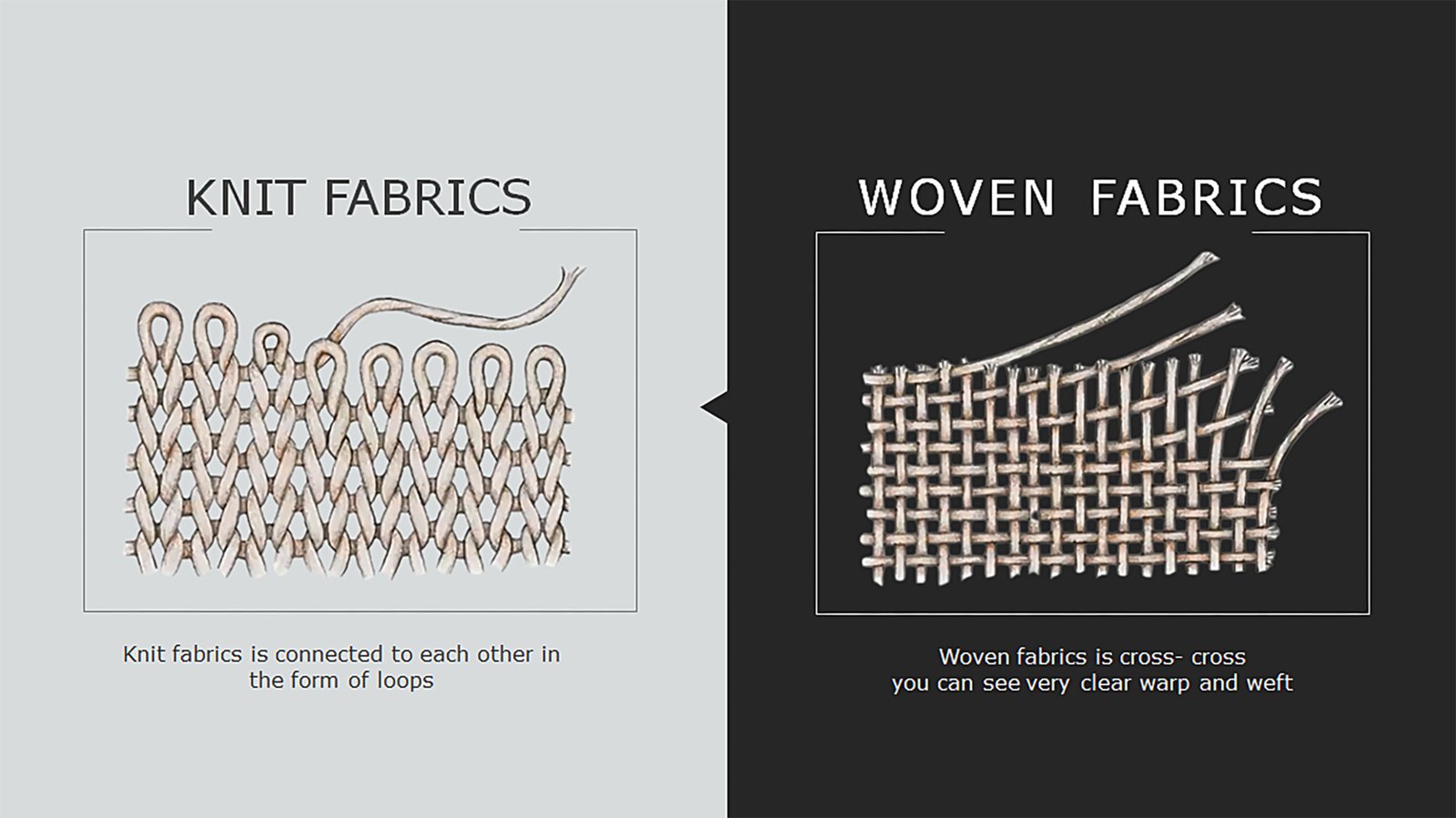
When I explain this to buyers, I like to keep it simple. The real difference is in how the yarns are built together. Woven fabric has a grid-like structure6. The yarns go up and across. This makes the fabric feel firmer. It also helps the fabric keep its shape. Knit fabric is built from loops. Those loops give the material natural stretch7. That is why knit feels softer in the hand.
For bags, this difference changes everything. A bag is not just a piece of cloth. It has to carry items, show shape, and often represent a brand. If the fabric stretches too much, the bag can sag. If the fabric is too soft, the printing area may not stay flat. I once worked on a project where a buyer first asked for a soft fabric because it felt premium. After testing, the logo looked less sharp and the bag body looked loose when filled. We changed to woven fabric, and the whole product improved.
Here is a simple comparison:
| Point | Woven Fabric | Knit Fabric |
|---|---|---|
| Structure | Tight and stable | Soft and looped |
| Stretch | Low | Higher |
| Shape retention | Strong | Weaker |
| Surface for printing | Flatter | Less even |
| Common bag use | Tote, shopping, business bags | Drawstring, foldable, light bags |
For me, the choice starts with function. If the customer wants a bag that stands up well and carries daily use, woven is usually the safer option.
Which Fabric Is More Durable for Bag Production: Knit or Woven?
A bag that looks good at first can still fail later. Buyers do not just buy appearance. They buy performance over time, and that is where many fabric choices1 are tested.
Woven fabric is usually more durable for bag production because it resists stretching, deformation, and wear better than knit fabric. Knit fabric can work for light use, but it is less suitable for heavy loads.
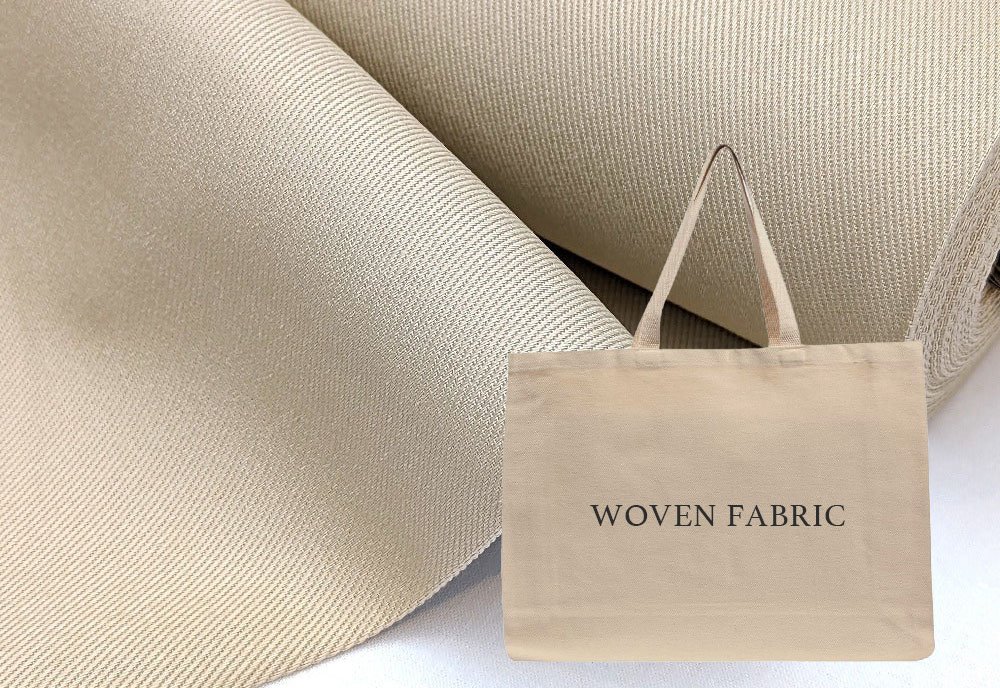
Durability is one of the first things I look at when I discuss a bag project. A buyer may focus on cost at the start, which makes sense. But if the bag loses shape, stretches out, or wears badly after short use, the lower cost means very little. In most cases, woven fabric gives better long-term value.
The reason is simple. Woven fabric holds tension better. Its yarn structure does not open up as easily when the bag carries weight. This matters a lot for tote bags, shopping bags, cooler bags, and business bags. These products often hold books, food, documents, or daily goods. They need body and support. Knit fabric can feel nice at first, but it tends to stretch under load. Over time, that stretch can become permanent.
I remember one bulk inquiry from a buyer who wanted a promotional carry bag with a very soft hand feel. The first knit-based sample looked fine when empty. Once we loaded it with standard weight, the sides pulled out and the shape changed. The customer quickly saw the issue. We moved to woven fabric, and the second sample passed much better.
Here is how I compare durability in sourcing:
| Durability Factor | Woven Fabric | Knit Fabric |
|---|---|---|
| Resistance to stretching | Strong | Moderate to weak |
| Shape after repeated use | More stable | Easier to deform |
| Heavy load suitability8 | Good | Limited |
| Seam stability | Better | Can pull under strain |
| Service life in daily use9 | Longer | Shorter in heavy-use cases |
If I am advising a buyer who needs large-volume custom bags, I usually say this: if your end user may carry weight, choose woven first. It reduces risk.
How Can You Identify Knit vs. Woven Fabric by Touch or Sight?
Many buyers are good at sales and sourcing, but they are not textile experts. That gap can lead to mistakes, especially when a sample photo does not tell the full story.
You can often identify woven fabric by its firm feel10, visible crisscross yarn pattern, and low stretch. Knit fabric usually feels softer, looks looped or textured, and stretches more when pulled.
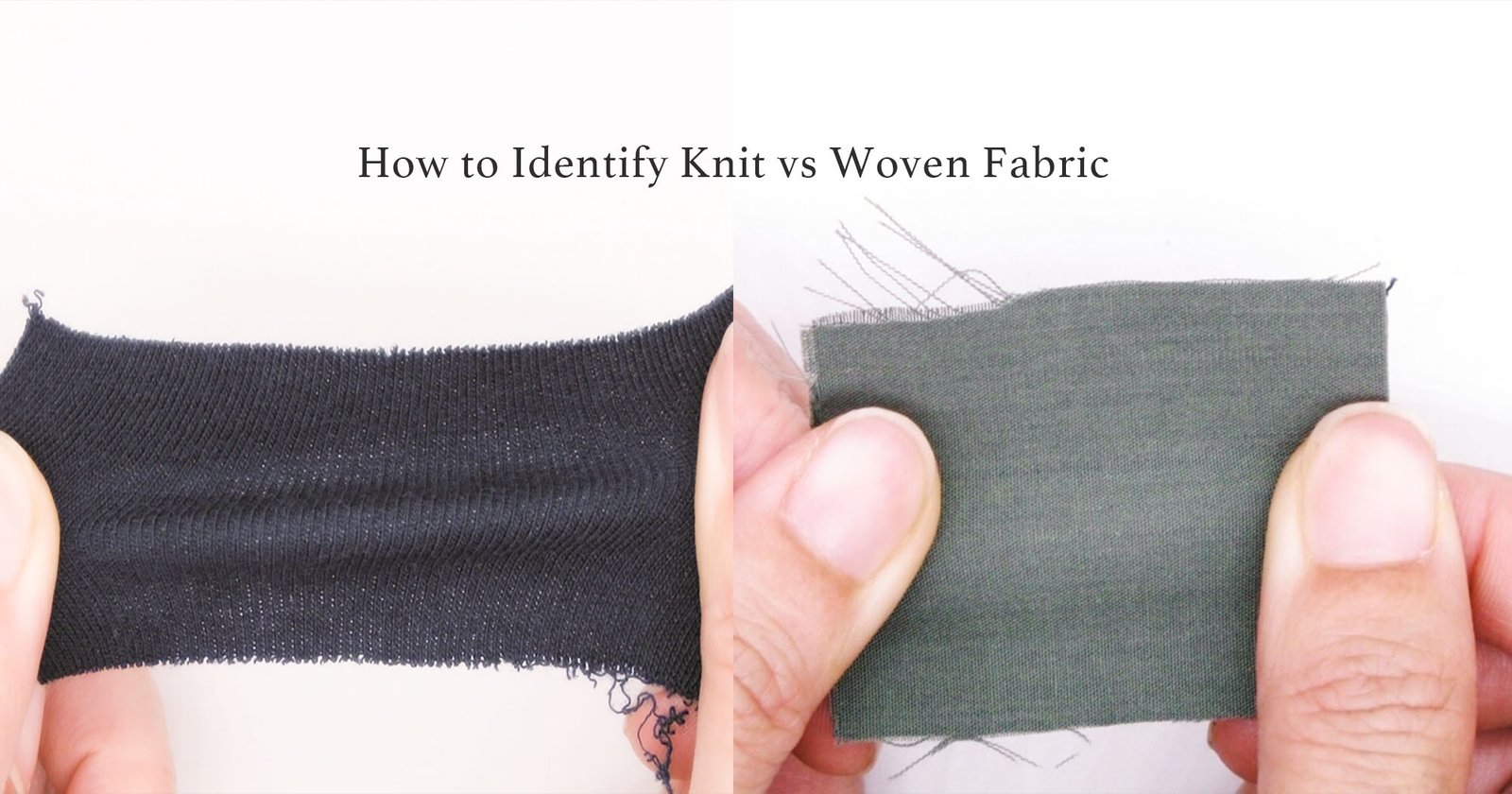
I think this is one of the most useful skills for buyers. You do not need to be a fabric engineer. You just need a few simple checks. When I receive fabric options, I usually test them with my eyes and hands first. That quick habit saves time.
Start with touch. Woven fabric often feels tighter and firmer. It has less give when you pull it. Knit fabric feels softer and more flexible. If you stretch it lightly with both hands, it often moves more. Then look closely at the surface. Woven fabric usually shows a clear crossing of yarns. It can look like a tiny grid. Knit fabric often shows small loops or a less rigid texture.
You can also test shape recovery11. Hold a part of the fabric and pull it a bit. Knit often stretches and may not fully return right away. Woven usually stays more stable. For buyers working by video call or sample review, I often suggest asking suppliers for close-up fabric photos and short videos of the fabric being pulled.
Here is a fast check table:
| Check Method | Woven Fabric Sign | Knit Fabric Sign |
|---|---|---|
| Hand feel | Firm, crisp | Soft, flexible |
| Surface look | Grid or straight yarn crossing | Looped or elastic look |
| Pull test | Little stretch | More stretch |
| Shape after pull | Holds form | May loosen |
| Best use clue | Structured bags | Soft, casual bags |
I always tell buyers to trust simple testing. A few seconds of checking can prevent a full production mistake.
What Types of Bags Are Best Made With Woven Fabric?
Many bag projects fail because the fabric does not match the bag style12. A beautiful sample means little if the finished bag collapses, wrinkles badly, or wears out too soon.
Woven fabric is best for tote bags, shopping bags, business bags, cooler bags, and other styles that need structure, weight-bearing ability13, and a neat surface for branding14.
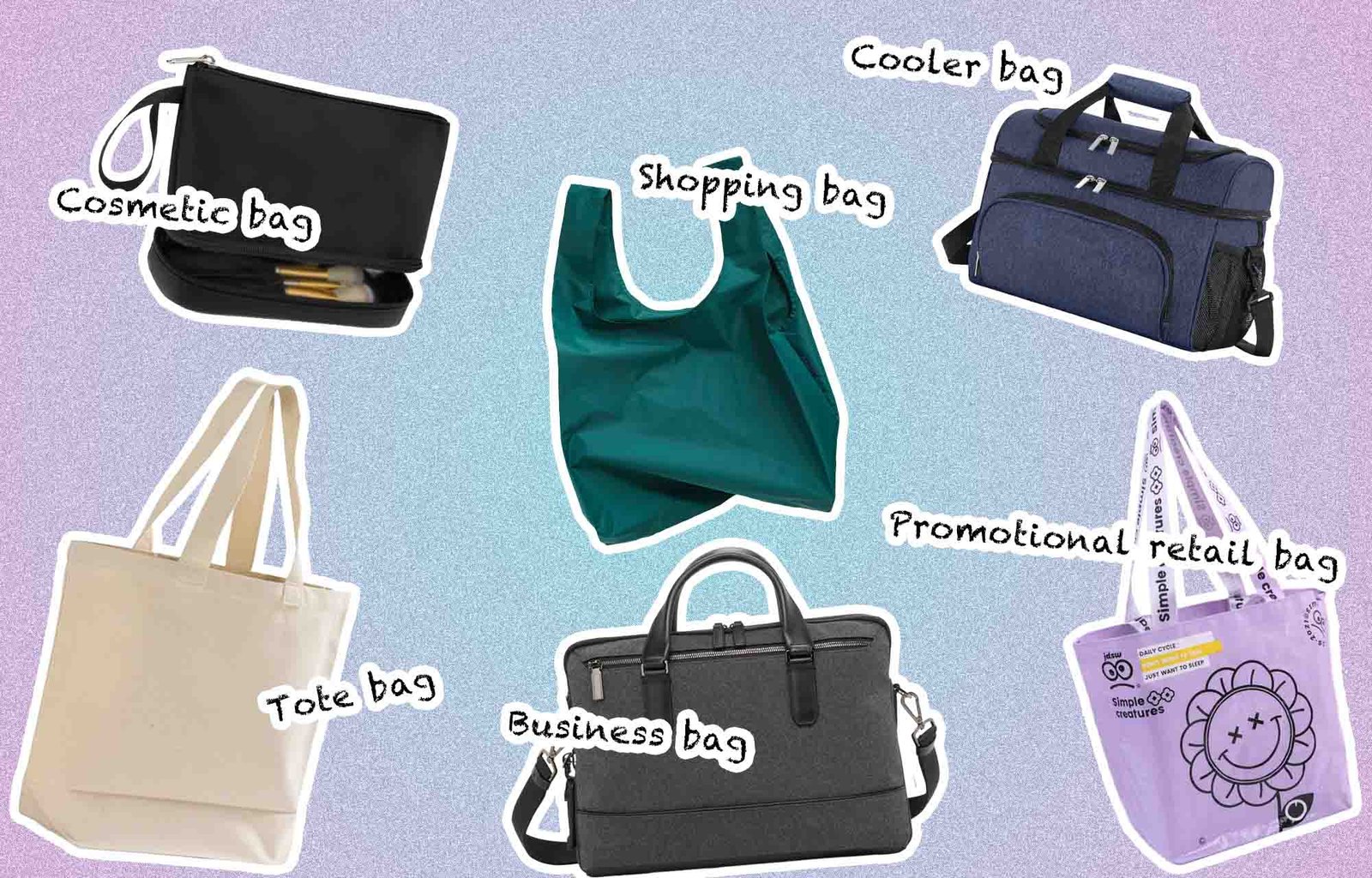
This is where the choice becomes practical. In my experience, woven fabric is the better fit for most mainstream bag categories in B2B custom production. Buyers often need bags that can be stacked, shipped, displayed15, and used many times. They also want the product to look consistent across large orders. Woven material helps with all of that.
Tote bags are a clear example. They need side support and bottom strength. Shopping bags also need to carry weight without stretching out too much. Business bags need a clean shape because shape itself affects the product image. Cooler bags need structure because insulation layers work better when the shell stays stable. Even cosmetic bags often perform better with woven outers if the design needs firmness.
Knit fabric still has uses. I would consider it for drawstring bags, soft gift pouches, or compact foldable bags where flexibility matters more than structure. But that is a narrower use case.
Here is how I usually match woven fabric with bag types:
| Bag Type | Why Woven Works Well |
|---|---|
| Tote bag | Holds shape and handles weight |
| Shopping bag | Better for repeated carrying |
| Business bag | Gives a cleaner and more premium structure |
| Cooler bag | Supports layered construction |
| Cosmetic bag | Helps maintain form |
| Promotional retail bag | Good surface for logos and stable look |
If a buyer asks me for one safe fabric direction for most custom bag programs, I usually start with woven. It fits more product goals with less risk.
Does Fabric Type Affect Bag Printing and Logo Quality?
A bag can be strong and useful, but weak branding can still make it a poor product. Buyers who need private label bags must think about how fabric affects print sharpness and logo presentation.
Yes, fabric type strongly affects printing and logo quality16. Woven fabric usually gives sharper printing, cleaner embroidery, and more stable logo placement, while knit fabric can distort prints because of its stretch and soft surface.
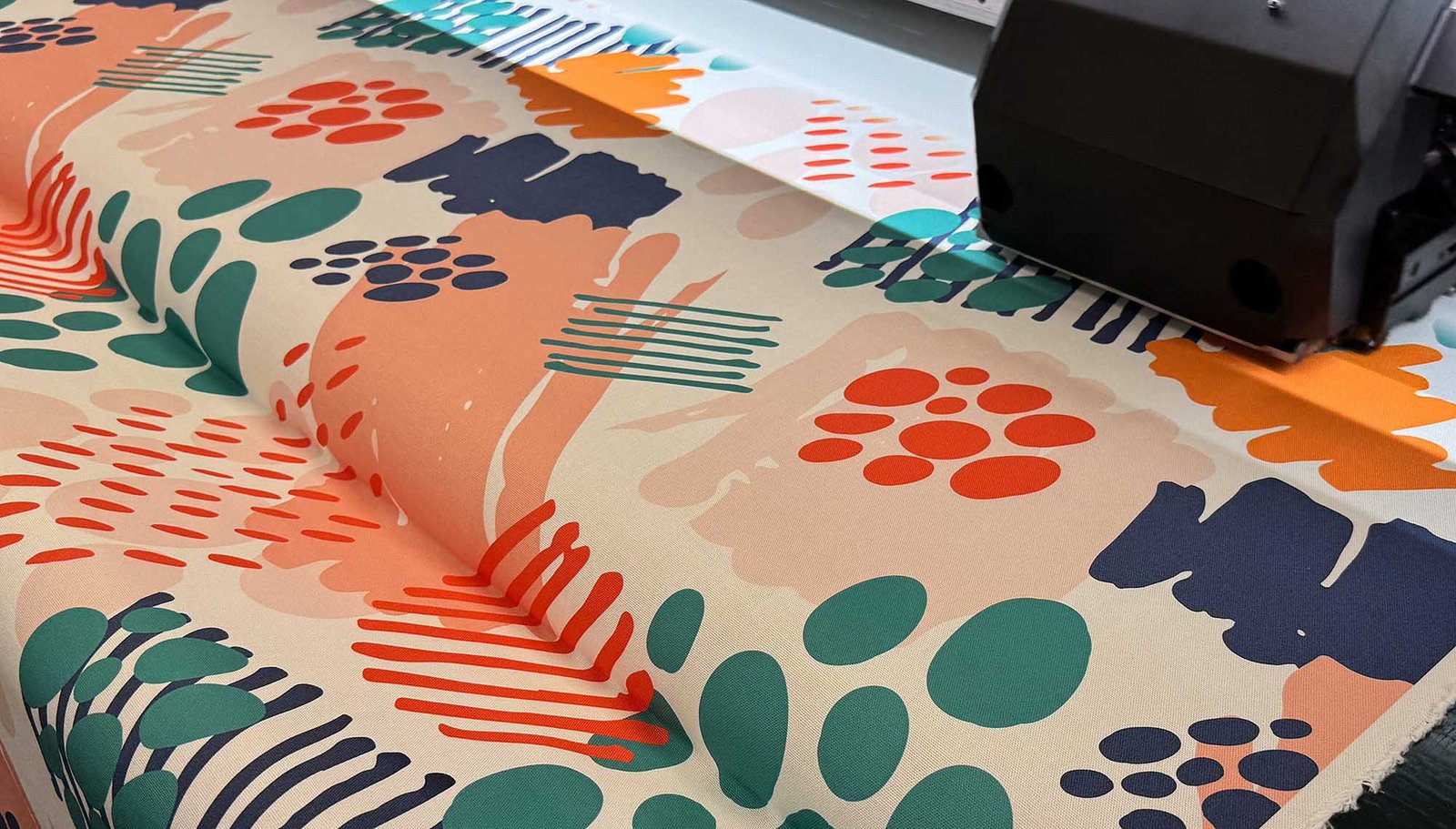
For many buyers, logo quality is not a small detail. It is the face of the product. If the logo looks blurred, uneven, or stretched after use, the whole bag feels cheaper. That is why I pay close attention to fabric surface before any printing method is chosen.
Woven fabric usually has a flatter and more stable surface. This helps screen printing, heat transfer, embroidery, and label attachment. The artwork sits on a more controlled base. The result is often cleaner lines and better logo consistency from piece to piece. This matters a lot in bulk production, especially for supermarket buyers, retail brands, and promotional campaigns.
Knit fabric creates more challenges. Because it stretches, the print area can move. Fine text can lose sharpness. Embroidery can pull the surface and cause slight waves. This does not mean branding is impossible on knit fabric, but it often needs more testing and may still give less precise results.
I once handled a custom order where the buyer wanted a detailed logo with thin lines17. The first soft fabric option looked attractive, but the logo lost edge definition. We changed to woven material, and the logo became much clearer.
A simple comparison helps:
| Branding Factor | Woven Fabric | Knit Fabric |
|---|---|---|
| Print sharpness | Better | Less stable |
| Embroidery result | Cleaner | Can pucker |
| Logo position stability | Strong | Easier to shift |
| Fine detail display | Good | Limited |
| Bulk consistency | Higher | Lower |
If branding quality is a top priority, I almost always guide buyers toward woven fabric first.
Conclusion
I choose woven fabric for most durable, structured, logo-focused bags. I use knit fabric for soft, light styles. The right choice depends on what the end customer values most.
Understanding fabric choices helps you avoid costly mistakes in durability, branding, and customer satisfaction for your bag projects. ↩
Knowing what leads to shape loss lets you avoid returns, complaints, and weak shelf appeal in your finished bag products. ↩
Learning why woven wins in many cases will guide you toward safer, more reliable decisions in bulk bag sourcing and production. ↩
Exploring this will help you design comfortable, portable bags without overpaying for unnecessary structure or weight capacity. ↩
This helps you align material performance with end-use needs so your bags work well in real customer scenarios, not just in samples. ↩
Understanding this structural detail clarifies why some bags stay firm and others sag, especially under long-term use and heavy loads. ↩
Learning about natural stretch will help you decide when softness is an advantage and when it becomes a risk for your bag design. ↩
Understanding heavy load suitability helps you avoid fabric failures when customers use your bags for books, food, or daily goods. ↩
This guides you toward materials that extend product lifespan, improving customer satisfaction and reducing replacement costs. ↩
Mastering quick identification lets you evaluate samples on the spot without needing a textile lab or advanced equipment. ↩
Learning about shape recovery helps you predict how bags will look after stretching, loading, and repeated daily handling. ↩
This insight prevents mismatches that cause sagging, wrinkling, or early wear, saving you from costly reworks and returns. ↩
Evaluating weight-bearing ability helps you design bags that safely handle real-world loads without tearing or deforming. ↩
This ensures your logos and campaigns appear professional, supporting your marketing goals and brand consistency at scale. ↩
Understanding this will improve logistics and merchandising, ensuring bags still look premium when they reach retail shelves. ↩
Exploring this helps you choose the right material-print combo so your artwork remains sharp both after production and in use. ↩
This helps you protect fine design elements, ensuring high-end, precise branding even in large production runs. ↩