When I talk to buyers about sourcing removable clear leakproof makeup bags, most start by asking for the lowest price. But the real question they should ask first is: will this bag actually prevent spills in my customer's luggage?
The core challenge is not finding a cheap bag—it is finding the right bag that matches how your customer will use it. Leakproof performance, clear material transparency1, and removable structure all depend on your specific use case, not on generic product features. Without clarity on these three factors, you risk ordering 5,000 units that do not solve your market's actual problem.
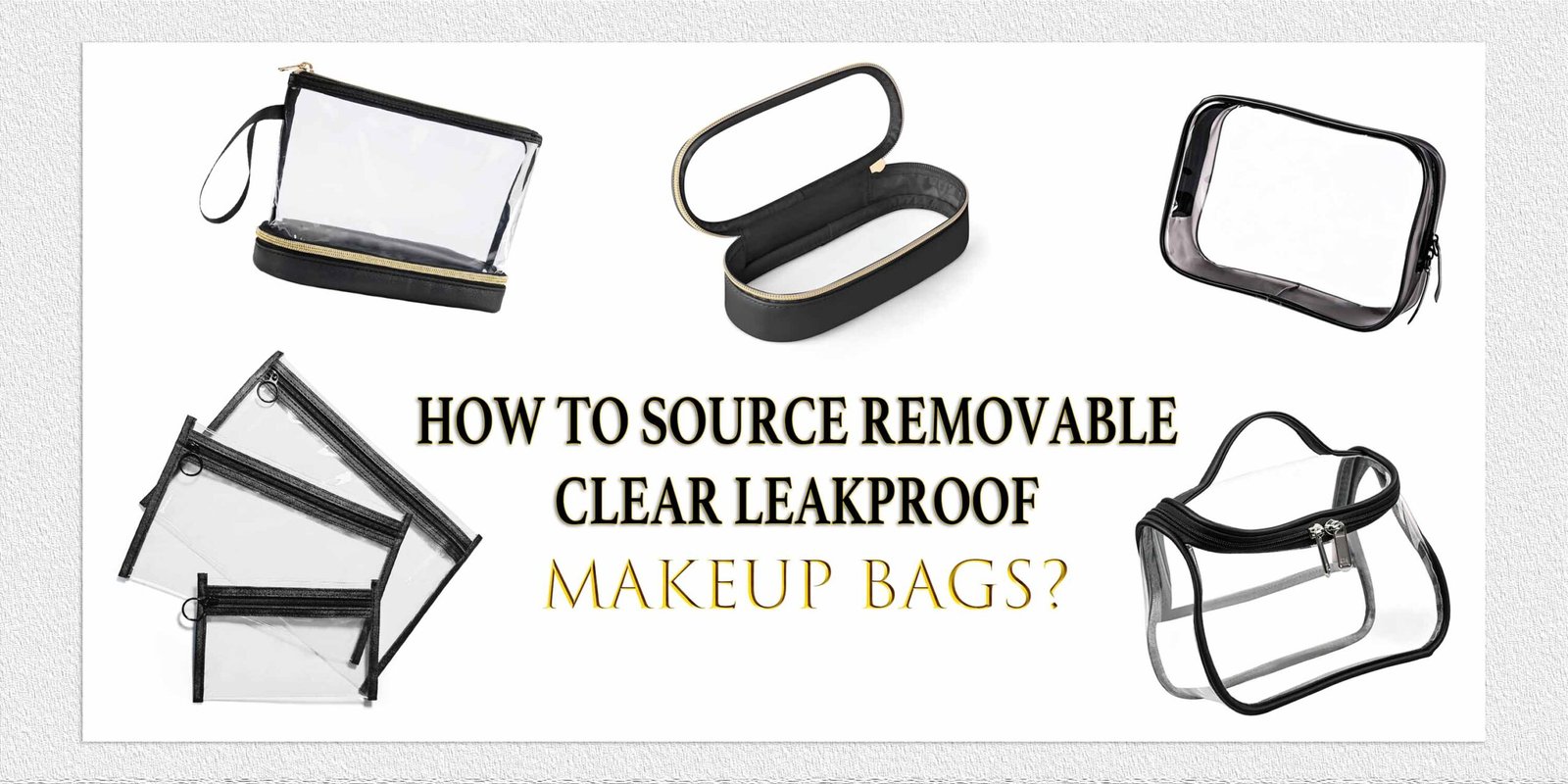
I have seen buyers commit to bulk orders based on sample promises, only to discover that their customers' liquid products still leak2. I have also watched confusion over which clear material meets market compliance, and confusion over whether a removable pouch will stay attached during rough airport handling. These are not surprises—they are sourcing decisions that can be made clear before the sample arrives. Let me walk you through how.
What Travel Problems Should a Makeup Bag Solve First?
A makeup bag is not just decoration. It is solving a specific problem for your end customer: keeping liquids, creams, and powders organized while they travel, without damaging clothes or other luggage contents.
Before you choose a supplier or a design, you must know: what liquid risk am I protecting against? Is it a foundation bottle with a loose cap? Is it a cream jar that sweats in humid airports? Is it a powder that spills if the lid pops off? Each scenario needs a different solution.
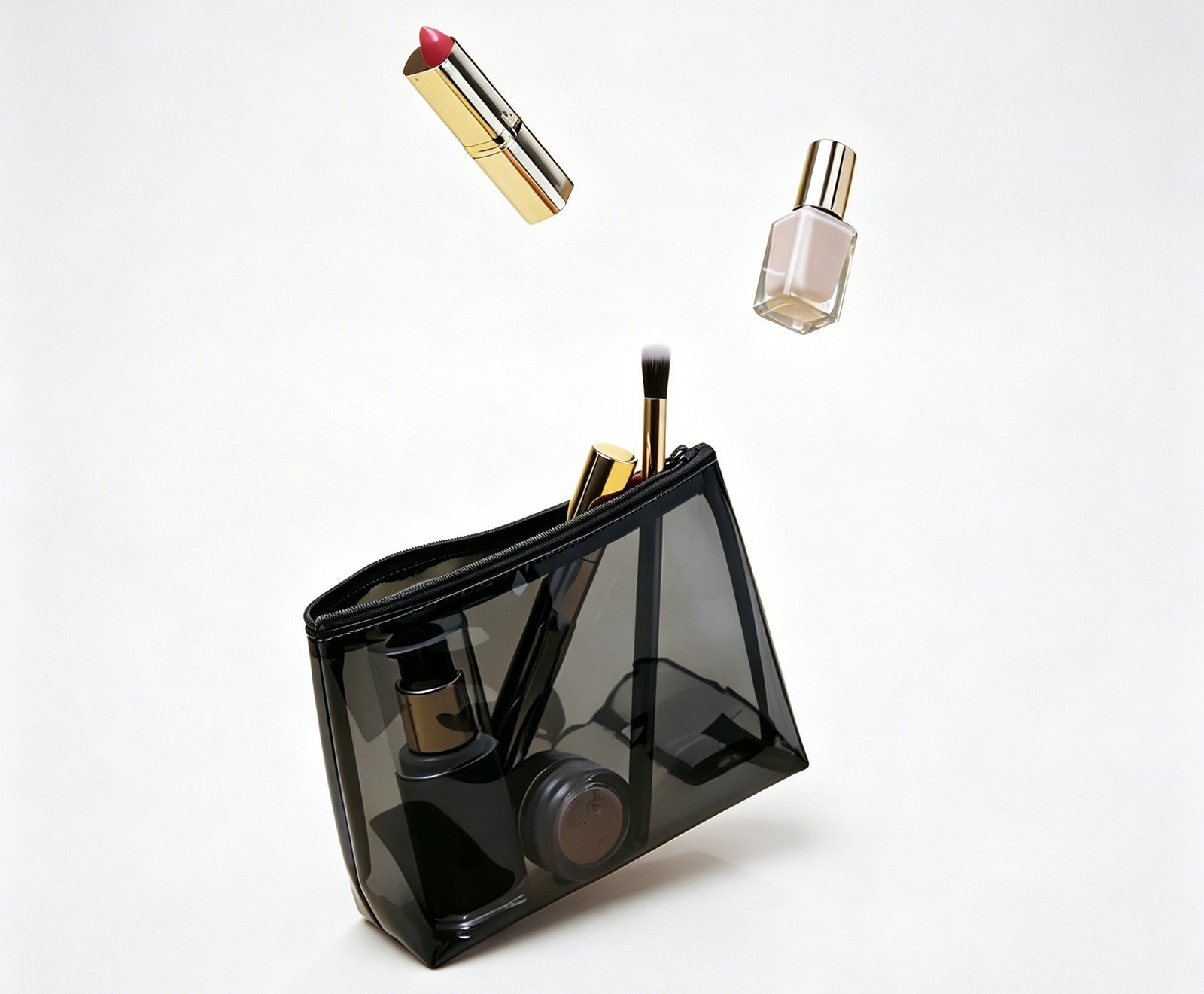
When I speak to buyers, they often describe their target customer as "someone who travels." That is too broad. A business traveler on a three-day trip has different needs than a beach vacation customer or a long-haul flight passenger. A business traveler may carry one or two small bottles and needs something compact and quick to grab. A beach customer may carry heavier sunscreen bottles and needs robust side seals. A long-haul traveler may pack for two weeks and needs maximum capacity without weight.
Your sourcing decision should start here. Ask yourself: what is my customer doing when a liquid spills? Are they at the airport security line, where a leak ruins their entire bag? Are they in a hotel bathroom, where a spill is messy but contained? Are they stuffing the makeup bag into a backpack with a laptop, where leakage damage is expensive?
Once you know the scenario, you can work backward to material choice, closure type, and removable structure. If your customer travels light and needs fast TSA screening3, you need a clear bag with a simple, reliable seal and minimal bulk. If your customer packs heavy and travels long, you need a bag that stays waterproof even when other luggage presses against it.
When Is a Removable Clear Pouch Useful for Carry-On Travel?
Removable pouches are trending in makeup bags. Brands like them because they look modern and modular. But removable is only useful if it solves a real travel problem.
A removable clear pouch is useful when your customer needs to quickly grab just their liquids at airport security, or when they want to swap the pouch for different trip purposes. Without a clear reason to remove it, removable structure adds complexity and cost without benefit.
I have worked with buyers who wanted removable pouches because they sound nice. But when we dug into their actual customer journey, the removable feature was not solving any real pain. The customer packed once, opened the bag at the hotel, and never removed the pouch again. In that case, a simple solid outer bag with a built-in clear pouch was simpler, cheaper, and just as good.
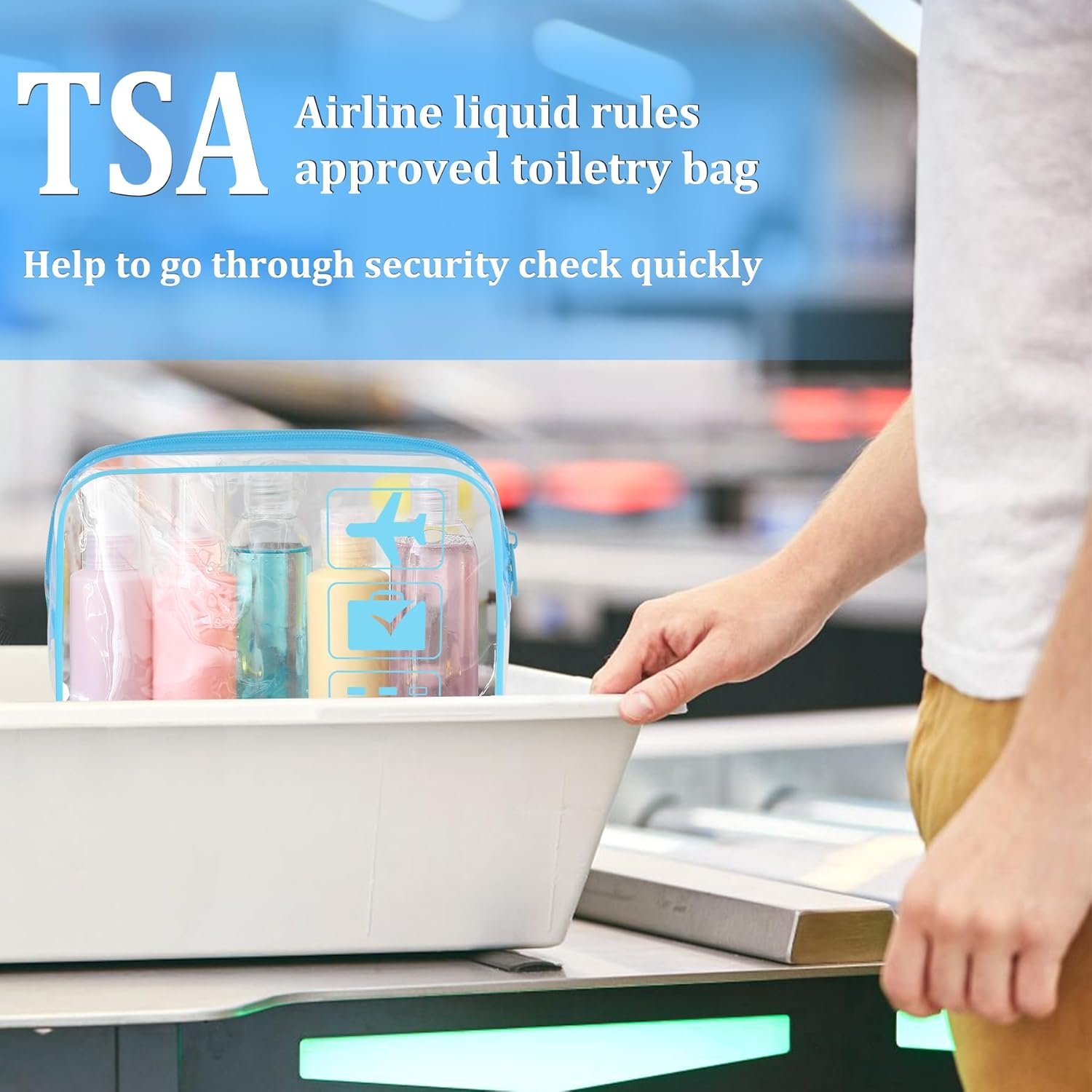
Removable makes sense in two scenarios. First: TSA compliance. If you are selling to US markets, your customer must show clear liquid containers at security. A removable clear pouch means they pull out just the liquids, show them in the clear bag, and keep the rest of the luggage closed.4 This saves time and reduces the chance of a TSA agent digging through everything. Second: trip-specific packing. If your customer does different trip types—a beach weekend, a business trip, a gym session—they might use the same outer bag but swap different pouches based on what they need to carry. This is real value, and it justifies the extra cost.
If your use case matches one of these two scenarios, sourcing a removable pouch is worth the added complexity. You will need to confirm how the pouch attaches—does it snap? Does it zip? Does it friction-fit into elastic slots? And you will need to test whether the attachment fails after 20 trips through an airport. If your use case does not match, save the cost and complexity by using a solid integrated design.
Which Linings Are Easier to Wipe Clean After Spills?
Even leakproof bags sometimes leak. A cap comes loose. A lid cracks. A bottle tips. When that happens, your customer needs to clean the bag quickly without it staining or absorbing liquid permanently.
The lining material matters more than most buyers realize. A smooth, sealed lining wipes clean in seconds. A porous or unsealed lining absorbs liquid, stains, and grows bacteria.5 Choosing the right lining is the difference between a bag your customer cleans with one tissue, and a bag that smells bad after one trip.
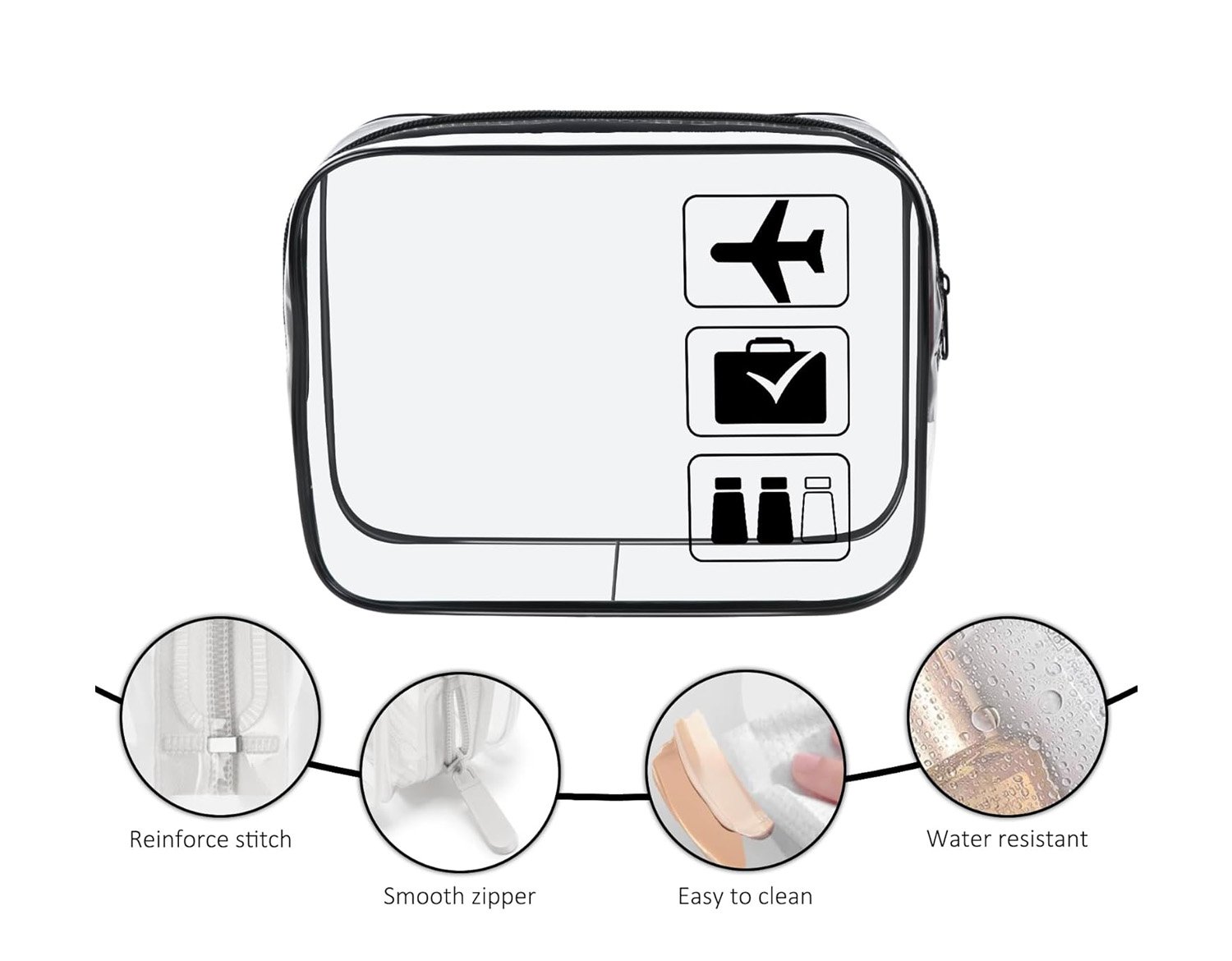
There are three common lining choices. First: polyurethane or PU-coated fabric. This is smooth and wipeable. Liquid sits on top, does not absorb, and wipes away cleanly. PU linings are common in good-quality makeup bags because they are cheap to source, reliable, and effective.6 The downside is that after several years of folding and cleaning, the PU can crack or peel7. Second: plastic film or PEVA (polyethylene vinyl acetate). This is completely waterproof and wipeable. Nothing absorbs. It wipes the cleanest of all options. But it can feel cheap to your customer, and some markets restrict PEVA due to vinyl concerns8. You need to check your target market's regulations. Third: mesh or breathable fabric with a waterproof backing. This looks and feels nicer than plastic, but if the backing has small holes or seams, liquid can seep through.
When you sample, ask the supplier to test the lining: pour a small amount of foundation or liquid product into the bag, seal it, let it sit for one hour, then wipe it clean. A good lining shows no stain or absorbed color after wiping. A poor lining leaves marks or feels wet after wiping. This single test tells you whether your customer will have a clean, usable bag or a stained mess after the first trip.
For removable pouches, this matters even more. If the pouch is removable and the lining absorbs liquid, your customer has to remove the pouch to clean it, and if the pouch absorbs the liquid, it may leak onto the outer bag during removal. Make sure the removable pouch has a sealed, wipeable lining that stands alone.
Should Buyers Choose a Flat Pouch, Boxy Case, or Hanging Organizer?
Shape is not just about looks. The shape of your makeup bag controls how liquids stay inside when the bag moves, how much fits inside, and how your customer actually uses it.
There are three basic shapes: flat pouches, which are slim and pack easily into luggage; boxy cases, which hold more and stand upright; and hanging organizers, which attach to a hook or rail. Choose based on how your customer packs and where they put the bag during their trip.
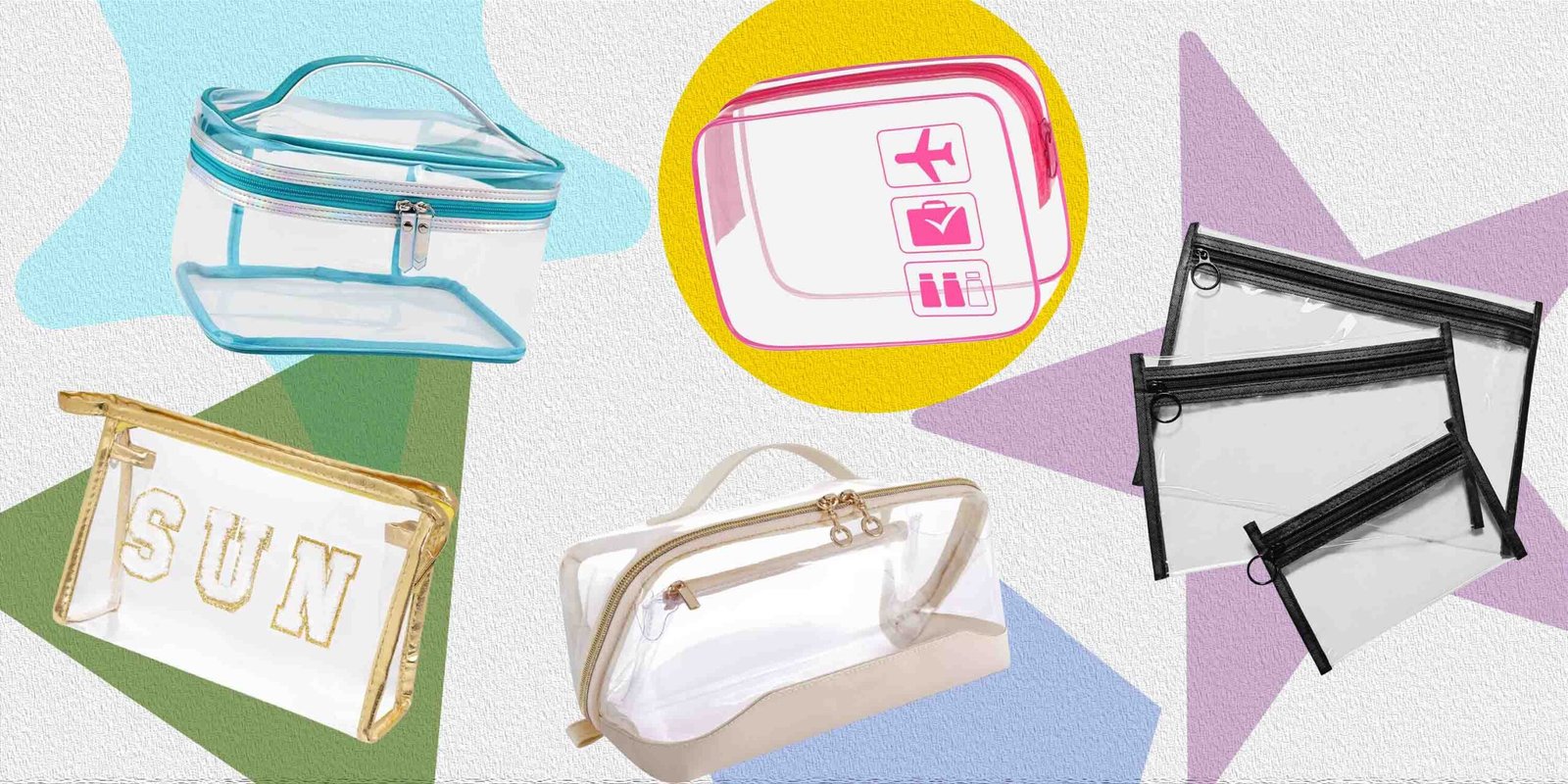
A flat pouch is thin and slides into a carry-on bag without adding bulk. It is perfect for a customer who packs light and wants the makeup bag to disappear into their luggage. The downside: a flat pouch holds less and puts pressure on liquid bottles if other items are packed around it. If your customer is a business traveler or a minimalist packer, flat is right. If your customer travels for two weeks or packs a lot of products, flat is frustrating.
A boxy case is rectangular and sits upright. It holds much more and distributes pressure more evenly, which is better for leakproof performance because bottles are less likely to be crushed. A boxy case is easier to organize because the customer can see everything at once and access items from the top. The downside: a boxy case takes up more space and is harder to pack into an overhead bin or a tight luggage corner. If your customer packs for longer trips or carries many products, boxy is right.
A hanging organizer attaches to a hotel bathroom hook or a luggage handle. It is perfect for a customer who sets up in a hotel and wants everything visible and accessible during the stay. The downside: hanging organizers do not work in all hotels or Airbnbs, and they are awkward to pack. If your target customer is a vacation traveler who stays in nice hotels, hanging is an add-on option. If your customer travels for business or uses budget hotels, hanging is not as useful.
When sourcing, decide: what does my customer value most—space, simplicity, or convenience? The answer determines the shape. And shape affects which materials and seals work best, so do not skip this step and then choose materials randomly.
How Can Brands Build a Good-Better-Best Cosmetic Bag Range?
If you are a brand or a supermarket buyer, you often do not want one product. You want a range: a basic version for budget customers, a mid-tier version for most buyers, and a premium version for customers who will pay more.
Building a good-better-best range9 means keeping your suppliers, materials, and base structure consistent, but changing specific features to match price and performance tiers. This reduces sourcing complexity and gives you flexibility to match customer budget.
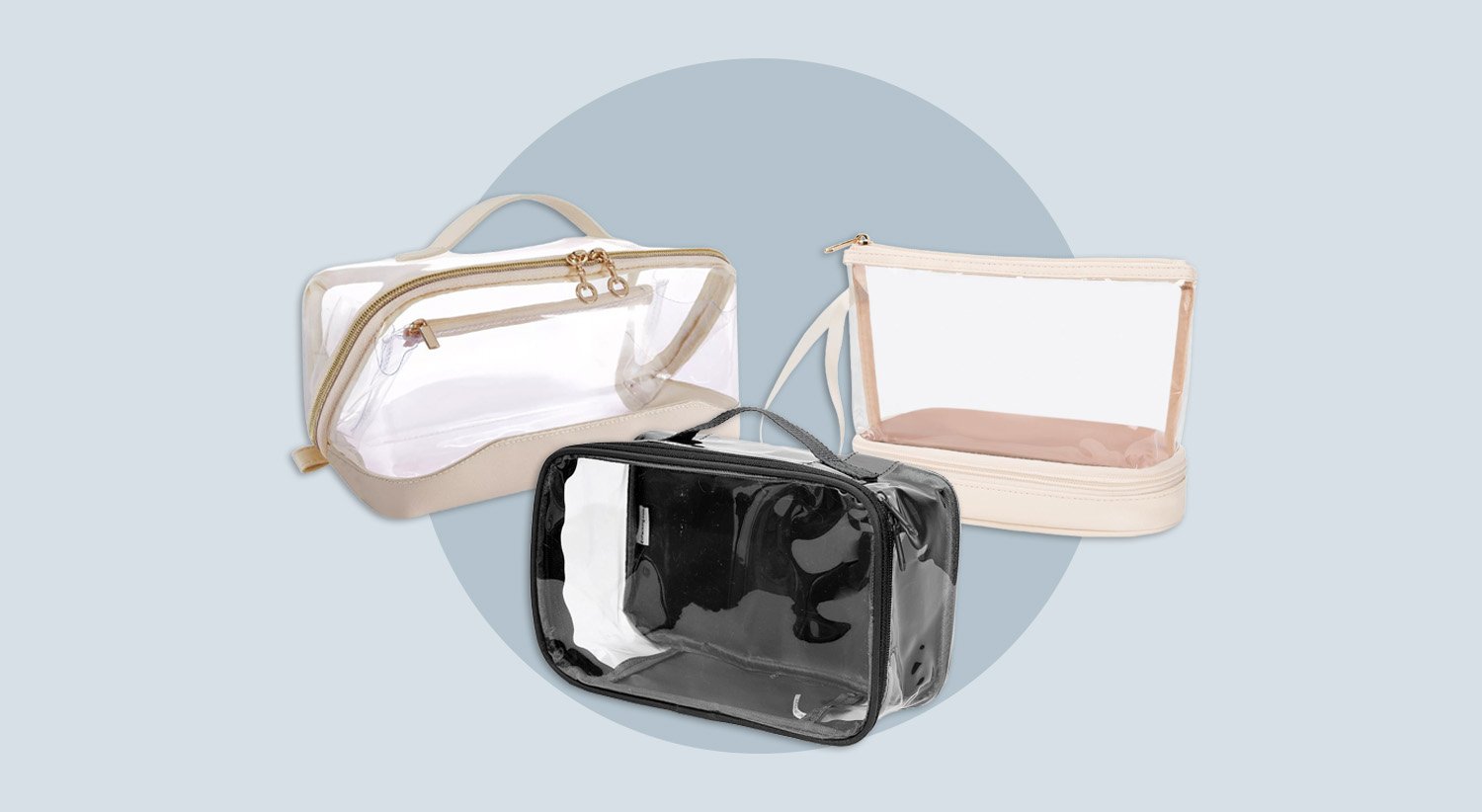
Here is how the tiers typically work. Good: flat pouch, solid external fabric, built-in (non-removable) clear internal pocket, basic PU lining, simple zip closure, no extra features, lowest price. This appeals to the customer who wants a functional bag without frills. Better: boxy case, better external fabric with texture or pattern, removable clear pouch, sealed PU lining that is thicker and more durable, smooth metal zip with a pull tab, extra interior slots or pockets, mid-range price. This appeals to the customer who wants durability and some style. Best: premium boxy case, high-quality external fabric with luxury feel, removable clear pouch with reinforced edges, premium lining that resists staining, premium metal hardware, multiple pockets and organization features, highest price. This appeals to the customer who wants quality and is willing to pay.
To source this range, start with a supplier who can handle all three versions. Ask them to quote the good version first, confirm it meets your leakproof and wipedown requirements, then ask them to quote the better and best versions with specific upgrades. This way you avoid switching suppliers midway and you keep your supply chain simple.
The key to this range is consistency. All three versions should use the same external material supplier (but different quality grades)10, the same clear material for the pouch, and the same basic closure mechanism. This keeps your sourcing stable. The differences are in details: lining thickness, hardware quality, number of pockets, and final finish. When you order, you order all three versions from one factory, one production schedule, one quality control process.
What Details Should Be Confirmed Before Sampling?
Most buyers make a mistake here. They give a supplier a rough idea—"I want a clear leakproof makeup bag"—and wait to see what the supplier sends. This almost never works. When the sample arrives, it does not match the buyer's real needs because the details were not clarified first.
Before you ask for a sample, you should confirm twelve specific details with your supplier. This takes one conversation, but it saves weeks of sample back-and-forth and avoids ordering the wrong bulk quantity.

Here are the twelve details. First: use case. What is your end customer doing when they use this bag? Are they traveling by air, car, or staying local? Second: liquid scenario. What type of liquids will go inside? Are they thin liquids like makeup remover, or thick creams? Third: seal type. Do you want a zip closure, a snap, a fold-and-velcro, or a magnetic closure? Different closures have different leakproof performance. Fourth: clear material. What material should the clear pouch be? Clear PEVA, clear PVC, clear TPU, or clear vinyl? Each has different compliance in different markets. Fifth: external material. What should the outer bag feel like? Lightweight nylon, canvas, or something premium?
Sixth: removability. Is the clear pouch removable or fixed? If removable, how does it attach? Seventh: size. How many milliliters or ounces should it hold? Eighth: lining material. PU-coated fabric, PEVA plastic, or something else? Ninth: seal strength. Does the customer need to pass TSA quart-size rules, EU airline rules, or something else? Tenth: color and design. Do you want a specific color, pattern, or printed logo? Eleventh: certification. Does the bag need to pass any market-specific tests like EU toy safety, REACH, CPSIA, or formaldehyde limits? Twelfth: quantity and lead time. How many units do you need and when?
When you send this list to your supplier, you are not asking them to guess. You are asking them to build a sample that tests the exact solution you need. This sample will tell you whether the design works, whether the leakproof performance is real, whether the clear material is transparent enough, and whether the removable structure holds up.
Ask the supplier to also provide a written spec sheet with the sample. The spec sheet should list all twelve details plus the material sourcing, the closure mechanism specs, the lining thickness, and the seal type. This document becomes your reference for the bulk order. When the bulk order arrives three months later, you can check that it matches the spec sheet.
Do not skip this step. I have seen buyers order 10,000 bags based on a sample that was never properly specified. When the bulk order arrived, the bags did not match the sample because the supplier interpreted the details differently each time. A spec sheet prevents this.11
Conclusion
Sourcing removable clear leakproof makeup bags is not about finding the cheapest supplier. It is about defining your customer's scenario, confirming material and structure details before sampling, and testing real performance before bulk order. This process saves cost and complaints.
"Toiletry bag - Wikipedia", https://en.wikipedia.org/wiki/Toiletry_bag. Transportation security guidance for carry-on liquids requires travelers to separate liquid containers and present them for screening, supporting the practical value of transparent pouches because they make contents easier to inspect, although the guidance does not itself compare transparency levels across materials. Evidence role: general_support; source type: government. Supports: Airport security procedures for liquids commonly rely on visible containers and accessible presentation, which supports the practical importance of transparent materials in travel pouches.. Scope note: Support is contextual rather than a direct test of optical transparency performance. ↩
"Liquids, Aerosols, and Gels Rule - TSA", https://www.tsa.gov/travel/security-screening/liquids-aerosols-gels-rule. Studies and technical explanations of pressure changes during flight indicate that trapped air in partially filled liquid containers expands as cabin pressure decreases, creating conditions that can force product out of closures and contribute to leakage in luggage. Evidence role: mechanism; source type: research. Supports: Changes in cabin pressure and handling during air travel can cause sealed containers to leak or release contents.. Scope note: This evidence explains a travel-related leakage mechanism rather than measuring leak frequency for makeup products specifically. ↩
"Liquids, Aerosols, and Gels Rule - TSA", https://www.tsa.gov/travel/frequently-asked-questions/liquids-aerosols-and-gels-rule. U.S. Transportation Security Administration guidance states that carry-on liquids, aerosols, gels, creams, and pastes must fit in a single quart-size bag and be separated for screening, supporting the claim that a dedicated clear liquid pouch can facilitate airport processing. Evidence role: definition; source type: government. Supports: TSA requires carry-on liquids to be in a quart-size bag and presented separately for screening.. ↩
"Liquids, Aerosols, and Gels Rule - TSA", https://www.tsa.gov/travel/security-screening/liquids-aerosols-gels-rule. Airport security guidance in multiple jurisdictions instructs travelers to place liquid containers in a separate resealable bag and present that bag for inspection, supporting the functional rationale for a removable pouch even though the rules do not specifically discuss modular cosmetic-bag construction. Evidence role: general_support; source type: government. Supports: Security rules commonly require liquid items to be removed or presented separately, which supports the usefulness of a removable pouch.. Scope note: The source supports separate presentation of liquids, not the superiority of removable pouches over fixed designs. ↩
"The Bacterial Life Cycle in Textiles is Governed by Fiber ... - PMC - NIH", https://pmc.ncbi.nlm.nih.gov/articles/PMC8515937/. Materials and hygiene literature generally distinguishes porous from nonporous surfaces by their greater tendency to absorb liquids and retain residues; that retention can make cleaning less effective and can support microbial persistence when moisture remains, although actual bacterial growth depends on contamination, temperature, and time. Evidence role: mechanism; source type: paper. Supports: Porous materials retain moisture and residues more readily than nonporous surfaces, which can increase staining and create conditions favorable to microbial persistence.. Scope note: The support is mechanistic and conditional rather than a direct test of cosmetic-bag linings. ↩
"Development of Breathable Waterproof Polyurethane-Coated Cotton ...", https://pmc.ncbi.nlm.nih.gov/articles/PMC12509000/. Textile engineering references describe polyurethane-coated fabrics as providing a continuous surface that improves water resistance and cleanability, which supports their use as wipeable bag linings; however, such sources typically address material properties rather than prevalence in the makeup-bag market. Evidence role: mechanism; source type: education. Supports: Polyurethane-coated fabrics are commonly described as water-resistant, smooth-surfaced, and easy to clean, making them suitable as wipeable linings.. Scope note: The source would support functional suitability, not the claim that PU is common because it is inexpensive. ↩
"Micromechanisms of fatigue crack growth in polycarbonate ...", https://pubmed.ncbi.nlm.nih.gov/29358150/. Polyurethane materials are known to undergo aging mechanisms such as hydrolysis and flex-fatigue damage, which can cause coating embrittlement, cracking, or peeling over time; this supports the caution that PU linings may lose performance after extended use. Evidence role: mechanism; source type: paper. Supports: Polyurethane coatings can deteriorate through hydrolysis, aging, and repeated flexing, leading to cracking or delamination.. Scope note: Durability depends on formulation, coating thickness, storage conditions, and cleaning chemistry. ↩
"Phthalates and Their Impacts on Human Health - PMC - NIH", https://pmc.ncbi.nlm.nih.gov/articles/PMC8157593/. European and other consumer-product regulations restrict several phthalates and related substances often associated with flexible vinyl applications, supporting the article’s broader point that material selection for clear pouches can raise market-specific compliance questions, although PEVA itself is distinct from PVC and may not be restricted on the same basis. Evidence role: historical_context; source type: government. Supports: Regulatory scrutiny in major markets has focused on certain additives commonly associated with flexible vinyl products, making material selection for consumer goods a compliance issue.. Scope note: The support is contextual and addresses vinyl-related regulatory concerns rather than a direct prohibition of PEVA. ↩
"Pricing Policies for New Products (HBR Classic)", https://hbsp.harvard.edu/product/76604-PDF-ENG. Marketing and merchandising literature commonly describes a good-better-best architecture as a tiered assortment strategy that segments customers by willingness to pay and desired features, supporting the article’s framing of a three-level cosmetic-bag range. Evidence role: historical_context; source type: education. Supports: Good-better-best is a recognized approach for structuring product assortments or price-quality tiers.. Scope note: Such sources support the general strategy rather than the specific feature tiers proposed for makeup bags. ↩
"Supplier Consolidation: What It Is, Benefits, and Risks", https://www.componentsolutionsgroup.com/blog/supplier-consolidation-what-it-is-benefits-and-risks/. Operations-management research on supplier-base rationalization finds that reducing supplier complexity can improve coordination, standardization, and quality oversight, which supports the claim that using the same supplier across grades may stabilize sourcing. Evidence role: general_support; source type: paper. Supports: Supplier consolidation or reduced supplier variety can improve coordination and consistency in procurement and quality management.. Scope note: The evidence is general to procurement strategy and does not guarantee better outcomes for every factory or material category. ↩
"Developing Specifications | Procurement Services", https://procurement.colostate.edu/developing-specifications-2/. Quality-management literature treats documented specifications as a basic control mechanism for communicating requirements and reducing process variation, supporting the claim that a spec sheet can reduce mismatches between approved samples and bulk production. Evidence role: expert_consensus; source type: paper. Supports: Clear written specifications are a standard quality-management tool for reducing variation and misunderstanding between buyer requirements and production output.. Scope note: A specification document lowers risk but does not by itself prevent nonconforming production without verification and inspection. ↩