I see buyers lose time when one word is unclear. They ask for PFAS-free, expect waterproof, then face sample delays and price changes.
Sports buyers should discuss PFAS-free water-resistant bags early, but they should verify the use case, water-resistance level, bag construction, and documents before sampling and bulk orders. PFAS-free does not mean waterproof.1 It only describes the chemical direction of the treatment or material.

I handle sports and outdoor bag inquiries from overseas buyers in our OEM/ODM factory in China. I often see the same problem. A buyer wants an eco-friendly bag, a strong water-resistant function, a nice retail price, and fast delivery. Each point sounds simple. The risk starts when the buyer and supplier use the same words but mean different things. I will break this down from the supplier side, so you can ask clearer questions before you approve a sample.
What Does PFAS-Free Mean for Bag Buyers?
I see confusion when buyers treat PFAS-free as a performance grade. That mistake can create wrong samples, weak claims, and long approval cycles.
PFAS-free means the selected material or treatment is intended to avoid PFAS chemistry.2 It does not automatically prove waterproof performance, long-term rain protection, or legal compliance in every market3. I always suggest buyer-side verification and third-party confirmation4.
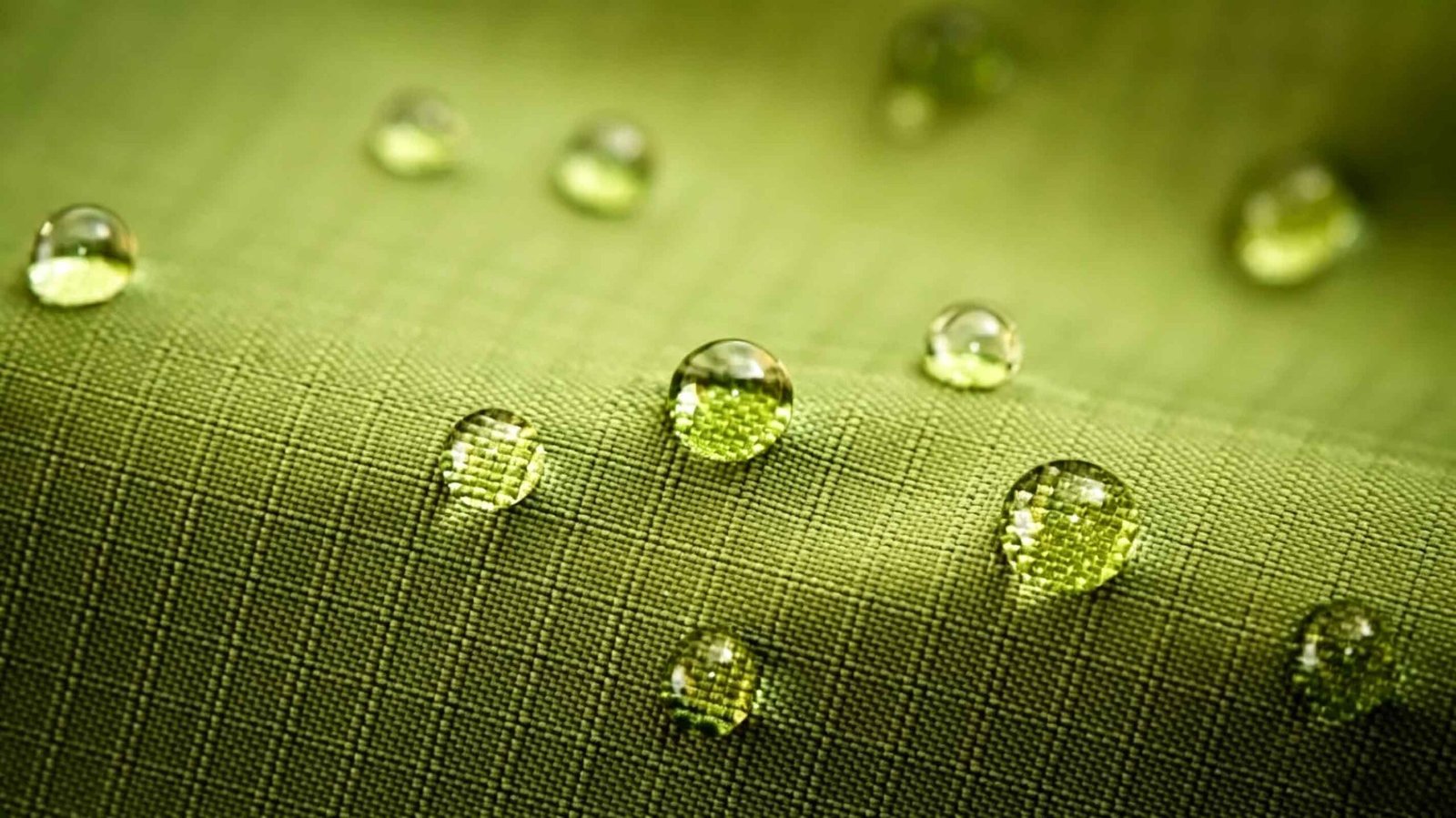
I look at PFAS-free as a sourcing requirement, not as a full product promise. When a sports buyer sends me a brief, I first separate three things. The first one is the chemical direction. The second one is the water performance level. The third one is the finished bag structure. These three points connect, but they are not the same.
How I separate the terms
| Term I hear from buyers | What I usually clarify | What I do not assume |
|---|---|---|
| PFAS-free | The material or finish should avoid PFAS chemistry | It is waterproof |
| Water-repellent | Water can bead on the fabric surface5 | Water cannot enter through seams |
| Water-resistant | The bag can resist light rain or splashes for a time6 | It can handle long rain or immersion |
| Waterproof | The bag needs stronger material and sealed construction7 | A normal stitched bag can reach it easily |
I have had inquiries where a buyer asked for a “PFAS-free waterproof duffle” but showed a normal gym duffle with regular zipper, open stitching, and soft lining. I knew the risk was not only in the coating. The water could enter through zipper teeth, seam holes, and needle points.8 So I asked about the real use. Was the bag for walking from a car to a gym? Was it for team travel? Was it for wet outdoor sports? The answer changed the whole material plan.
For me, a good PFAS-free sourcing brief should say: “I need PFAS-free material direction, light rain resistance, and no waterproof claim on hangtag unless test support is available.” That sentence is much safer than “I need eco waterproof bag.”
Can Water-Resistant Bags Be Made Without PFAS?
I see buyers worry that removing PFAS will destroy water resistance. That fear is understandable, but the real answer depends on the use case.
Yes, water-resistant bags can be made without PFAS, but the performance must be matched to the real use. A PFAS-free finish may work for light rain, gym use, travel, and retail sports bags when construction and testing are planned.
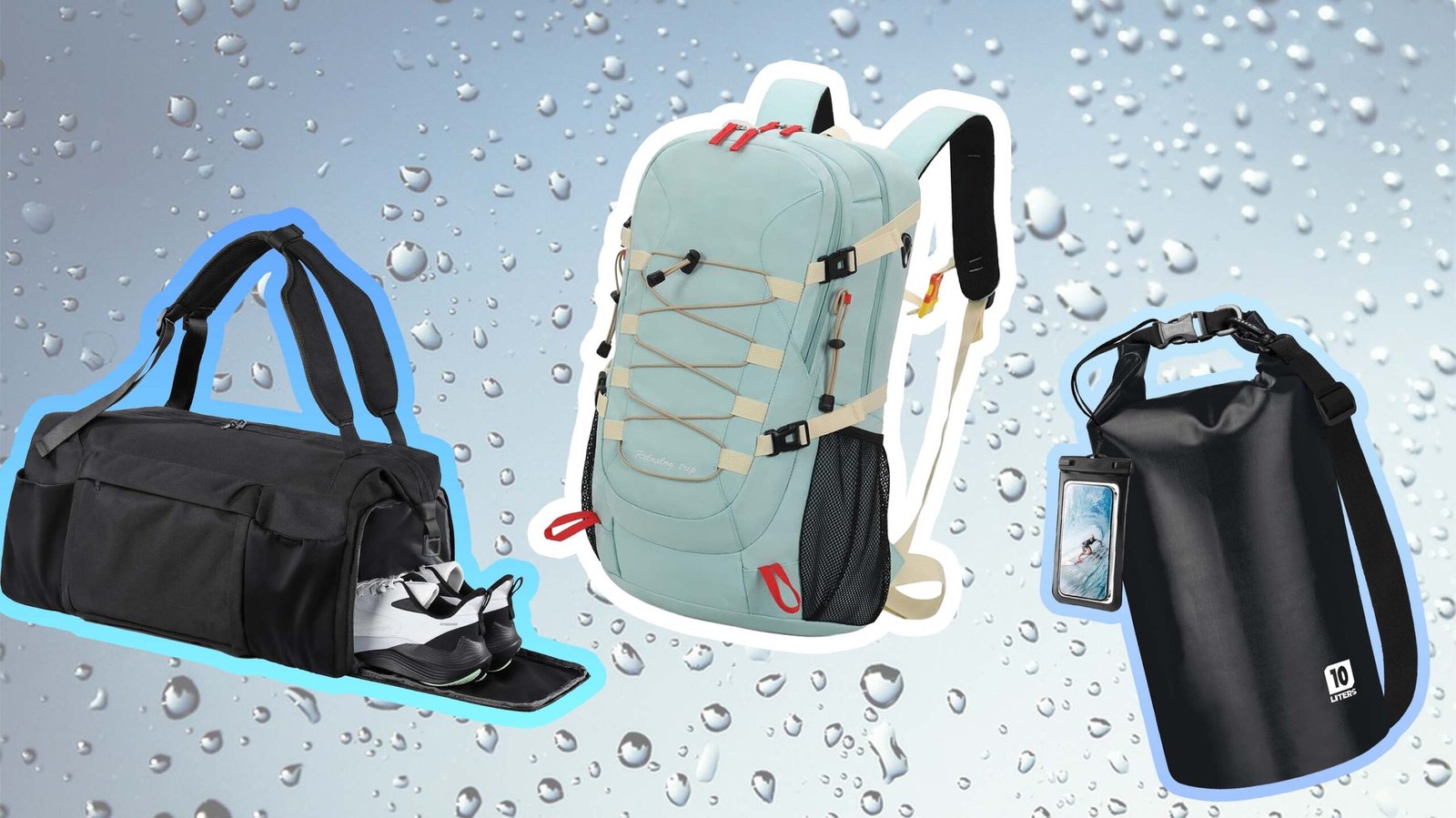
I do not tell buyers that PFAS-free is always better. I also do not tell them that traditional water-repellent treatment is always needed. I prefer to ask what the bag must survive in daily use. A sports bag for a school team does not need the same structure as a waterproof dry bag. A retail cooler bag does not face the same rain exposure as a hiking backpack. A gym tote needs a different answer than a marine gear bag.
How I ask about the use
| Use scenario | Common buyer expectation | My sourcing focus |
|---|---|---|
| Gym and training | Handles splashes and wet clothes | Fabric finish, lining, easy cleaning |
| Team travel | Handles light rain and rough handling | Strong fabric, zipper quality, bottom panel |
| Retail outdoor | Looks eco and performs in short rain | PFAS-free fabric direction, clear claim wording |
| Long outdoor exposure | Resists longer rain and wet ground | Coating, seam method, zipper, test plan |
| Water sports | Strong waterproof need may appear | Different construction, sealed seams, special closure |
I also remind buyers that water resistance is a system9. The coating matters, but it is only one part. The base fabric matters. The lining matters. The zipper matters. The seam tape, binding, stitch density, and bag shape matter. If the fabric is good but the zipper is weak, the finished bag can fail. If the fabric beads water but the bottom seam sits in puddles, the buyer may still receive complaints.
In our sample room, I have seen one small change make a big difference. A buyer once wanted a soft sports backpack with a clean retail look. The material had water-resistant treatment, but the front pocket zipper had no cover. I explained that the front pocket would likely be the first weak point in rain. We changed the zipper design and added a flap. The bag still was not “waterproof,” but the expected use became more realistic.
So my answer is yes. PFAS-free water-resistant bags are possible.10 But I need the buyer to define the rain level, the end user, the selling claim, and the acceptable test method before I quote with confidence.
Which Bag Categories Need Extra Chemical Attention?
I see chemical requirements become serious when bags touch food, skin, children, or outdoor retail claims11. These categories need clearer sourcing control.
Sports buyers should pay extra attention to cooler bags, children’s sports bags, cosmetic bags, outdoor backpacks, and retail private-label bags. These products often face closer claim checks, material questions, or consumer concern. I suggest document review before sampling.
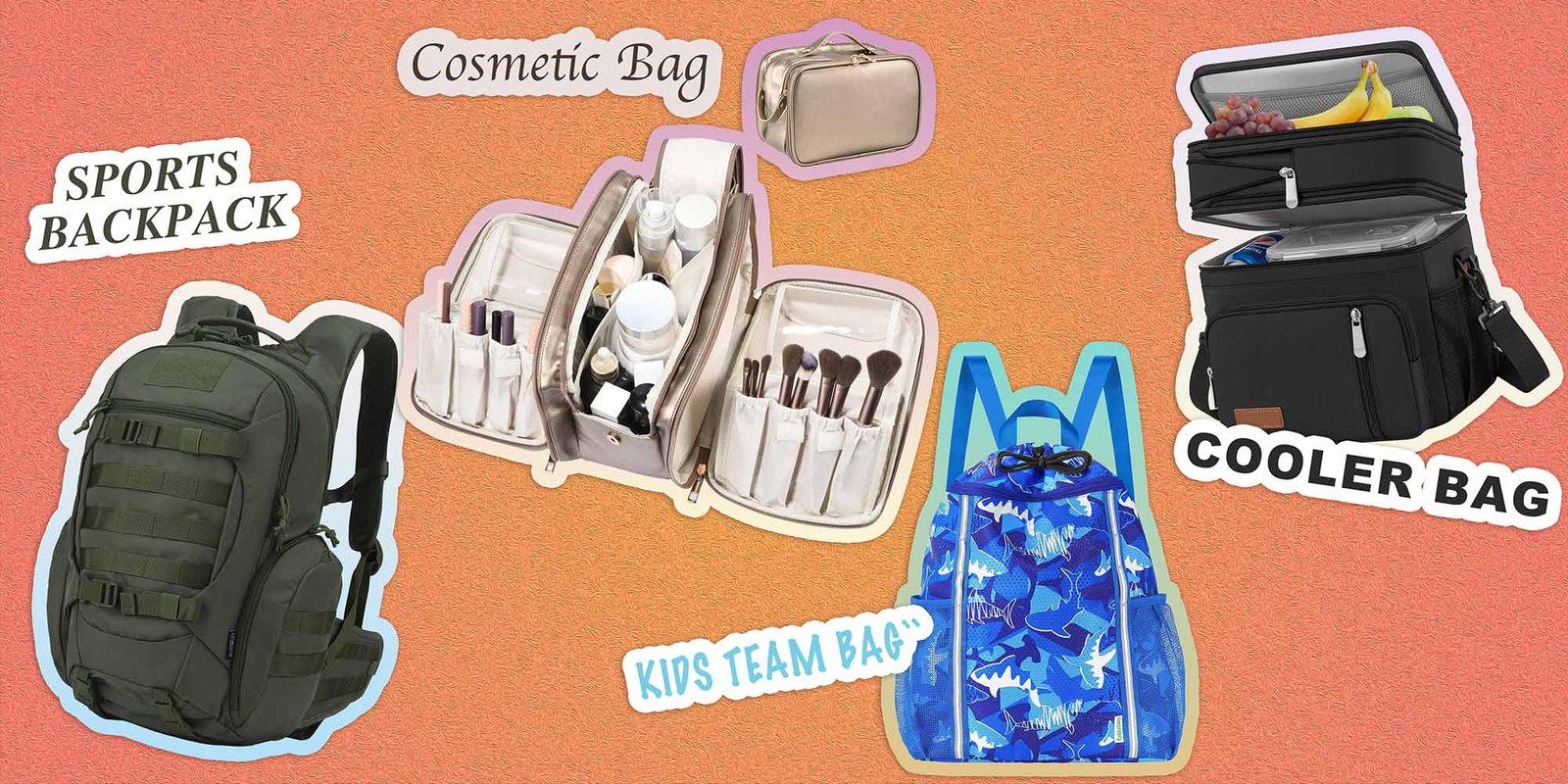
I do not treat every bag category with the same risk level. Some bags are simple promotional bags. Some bags carry food. Some bags are used by children. Some bags sit on a supermarket shelf with eco claims printed on tags. The more public the claim is, the more careful I become.
Bag categories I check more carefully
| Bag category | Why I pay more attention | What I ask the buyer to confirm |
|---|---|---|
| Cooler bag | It may contact food packaging and moisture | Food-contact concern, lining choice, odor control |
| Sports backpack | It may face rain, sweat, and daily friction | Water level, fabric strength, claim language |
| Kids team bag | Parents and retailers may ask more questions | Age group, chemical policy, market rules |
| Cosmetic bag | It may touch skin-care products and liquids | Lining, coating, stain resistance |
| Outdoor duffle | It may carry stronger performance claims | Seam design, zipper, bottom panel, test support |
I also consider how the bag is sold. A bag used as a low-cost giveaway may not carry a strong hangtag claim. A private-label outdoor bag in retail may say “PFAS-free water-resistant fabric” on packaging. That claim needs more support. I am not a legal expert, so I do not decide market rules for the buyer. I can help organize material options and supplier documents. The buyer should confirm the final claim with their compliance team or a third-party lab.
I also see risk when buyers mix several eco ideas into one sentence. They may ask for recycled polyester, PFAS-free water resistance, low price, nice hand feel, strong color, and fast lead time. Each request is possible in some cases, but each one affects cost, MOQ, color selection, and delivery time. If the buyer adds a special lining, custom zipper, and special print, the supply chain must be checked again.
For this reason, I like to start with the bag category. A cooler bag needs a different discussion from a drawstring sports bag. A premium outdoor backpack needs a different plan from a supermarket tote. When the category is clear, I can select the right materials and avoid false confidence.
What Supplier Documents Should Buyers Request?
I see buyers trust a nice sample too quickly. A sample can look right, but documents and repeat checks reduce bulk order risk.
Buyers should request material specifications, PFAS-related statements, test reports when available, coating information, production batch control notes, and finished-sample testing plans. They should confirm which documents need third-party verification for their target market.

I always tell buyers that a sample is only the first proof. It shows shape, color, hand feel, and basic workmanship. It does not prove stable bulk performance by itself. A fabric may perform well in the first sample. Then the next material batch may vary if there is no control. A coating may look good on day one. Then friction, folding, rain, or washing may change the result.
Documents I suggest discussing early
| Document or record | Why I ask for it | What the buyer should not assume |
|---|---|---|
| Material specification | It shows fabric, weight, coating, backing | It proves all chemical claims |
| PFAS-related supplier statement | It shows the material direction | It replaces lab testing |
| Existing test report | It gives a reference point | It applies to all future batches |
| Color and coating batch record | It helps track production consistency | It prevents all variation |
| Finished sample test plan | It checks the real bag, not only fabric | It covers every use scenario |
| Packaging claim review | It controls retail wording | It replaces legal review |
I prefer to discuss documents before sampling, not after bulk production. If a buyer needs a specific document, the supplier must confirm whether the selected material can support it. Some fabrics have ready documents. Some need new testing. Some special colors or coatings need extra lead time. If this is known early, the buyer can plan cost and timing better.
I also suggest testing the finished bag when the claim is about the finished bag. Fabric testing is useful, but the final bag includes seams, zippers, lining, handles, and labels. If the retail claim says “water-resistant bag,” then the whole construction matters. If the claim says “PFAS-free fabric,” then the buyer should make sure the wording does not imply more than the evidence supports.
From the factory side, I can support sample records, material source details, and production control steps. But I do not want a buyer to rely only on my words. For important markets, I suggest buyer-side review and third-party confirmation. This protects both sides. It also keeps the project away from last-minute panic.
How Should Brands Avoid Overclaiming PFAS-Free Performance?
I see brands create risk when marketing language runs ahead of the product. One strong word can turn a good bag into a complaint.
Brands should use narrow and accurate claims12. “PFAS-free water-resistant fabric” is safer than “eco waterproof bag” if waterproof construction and test evidence are not confirmed. Buyers should match wording to documents, use case, and finished-bag performance.
I understand why buyers want strong claims. Retail space is crowded. Sports shoppers like eco ideas. Category managers need clear selling points. But a claim should not create an expectation that the bag cannot meet. If a normal stitched backpack says “waterproof,” the end user may expect it to protect electronics in heavy rain. If the same bag says “water-resistant for daily use,” the expectation is more realistic.
Claim wording I like to review
| Risky claim | Safer direction | What I would verify |
|---|---|---|
| Waterproof sports bag | Water-resistant sports bag | Finished-bag construction and rain level |
| 100% PFAS-free product | PFAS-free fabric or treatment, if supported | Scope of material and test basis |
| Eco waterproof coating | PFAS-free water-resistant finish, if supported | Coating statement and performance test |
| Rainproof for all outdoor use | Designed for light rain exposure | Use scenario and warranty wording |
| Chemical-free bag | Avoid this wording | No product is literally chemical-free |
I also tell buyers to align the sales team, design team, and sourcing team. I have seen projects where the sourcing team asked for one level, but the sales team wanted a stronger package claim later. That creates trouble. The supplier may have priced a normal water-resistant construction. The marketing team may then ask for waterproof wording. At that point, the cost, material, zipper, seam process, and test plan may all need to change.
A practical way to avoid this is to write the claim before the sample is made. I ask buyers to send the claim they plan to use on the hangtag, website, or retail carton. Then I can check whether the material and construction direction match that claim. If the claim is too broad, I will suggest weaker wording. This is not to reduce the product value. It is to protect the brand from returns and complaints.
I also suggest field thinking. A bag may pass a simple water spray check in the office, but real use is harder. The user may drag it on wet ground. The zipper may be opened in rain. The fabric may rub against uniforms, shoes, or equipment. The bag may be folded many times in transit. So the brand should not build a claim only from a perfect sample on a clean table.
When I work with sports buyers, I try to bring the discussion back to daily use. What will the customer do with this bag? What will the store label say? What proof will the buyer keep on file? What happens if the first bulk shipment is used in bad weather? These questions are simple, but they prevent many problems.
Conclusion
I believe sports buyers should source PFAS-free water-resistant bags, but only after they verify use, structure, documents, and claim wording before production.
"PFAS Explained | US EPA", https://www.epa.gov/pfas/pfas-explained. The U.S. Environmental Protection Agency defines PFAS as a class of per- and polyfluoroalkyl substances, which supports treating a PFAS-free claim as a chemical-composition statement rather than as evidence of waterproof performance; the source does not test the specific bags discussed here. Evidence role: definition; source type: government. Supports: PFAS are a class of fluorinated chemicals, while waterproofness is a separate performance property measured by water-penetration or resistance tests.. Scope note: Contextual support: the source defines PFAS but does not evaluate bag waterproofness. ↩
"Per and poly-fluorinated chemicals (PFAS) - OECD", https://www.oecd.org/en/topics/sub-issues/risk-management-risk-reduction-and-sustainable-chemistry/per-and-poly-fluorinated-chemicals.html. The OECD definition of PFAS as fluorinated substances containing specified carbon-fluorine structures supports the article’s use of PFAS-free as a claim about avoiding PFAS chemistry in materials or treatments. Evidence role: definition; source type: institution. Supports: PFAS refers to a defined family of fluorinated substances, so a PFAS-free material direction is a claim about avoiding that chemical family.. ↩
"Per and poly-fluorinated chemicals (PFAS) - OECD", https://www.oecd.org/en/topics/sub-issues/risk-management-risk-reduction-and-sustainable-chemistry/per-and-poly-fluorinated-chemicals.html. International and regional PFAS regulatory summaries, such as those from the OECD or ECHA, show that PFAS controls differ across jurisdictions and product uses, supporting the caution that a PFAS-free statement is not proof of compliance in every market. Evidence role: historical_context; source type: institution. Supports: PFAS restrictions and reporting requirements vary by jurisdiction and product category, so a single PFAS-free statement is not proof of universal compliance.. Scope note: Contextual support: regulatory summaries show variation in rules but do not assess the compliance status of any specific bag. ↩
"Third Party Testing Guidance | CPSC.gov", https://www.cpsc.gov/Business--Manufacturing/Testing-Certification/Third-Party-Testing. ISO/IEC 17025 establishes competence and impartiality requirements for testing laboratories, supporting the article’s point that significant chemical or performance claims may require third-party confirmation rather than supplier statements alone. Evidence role: expert_consensus; source type: institution. Supports: Independent or accredited testing provides a recognized basis for evaluating product claims and laboratory competence.. Scope note: Contextual support: laboratory accreditation supports reliability of testing processes but does not guarantee that any particular product will pass. ↩
"Water Repellent Coating in Textile, Paper and Bioplastic Polymers", https://pmc.ncbi.nlm.nih.gov/articles/PMC11479018/. AATCC water-repellency test descriptions evaluate how water wets or beads on fabric surfaces, supporting the article’s explanation that water-repellent fabric can cause water to bead rather than immediately soak in. Evidence role: mechanism; source type: institution. Supports: Water repellency is commonly evaluated by observing whether sprayed water wets, clings to, or beads on a textile surface.. ↩
"AATCC 35-00Water Resistance Rain Test - YouTube", https://www.youtube.com/watch?v=Dz8rkzDiGIU. Textile rain and water-resistance test methods, such as AATCC 35 or comparable ISO methods, support distinguishing limited resistance to rain exposure from a broader waterproof claim. Evidence role: definition; source type: institution. Supports: Textile water-resistance tests address limited resistance to rain or water penetration, which is distinct from an absolute waterproof claim.. Scope note: Contextual support: the standards describe test concepts and do not define performance for every bag design or consumer use. ↩
"(PDF) A STUDY OF WATERPROOF SEAMS - Academia.edu", https://www.academia.edu/124375232/A_STUDY_OF_WATERPROOF_SEAMS. Research on waterproof textile assemblies shows that seams and closures can become water-entry points unless they are sealed or otherwise engineered, supporting the article’s statement that waterproof bags require both suitable materials and sealed construction. Evidence role: mechanism; source type: paper. Supports: Waterproof performance depends on both material resistance and construction details that prevent water entry at seams and openings.. Scope note: Contextual support: studies often focus on garments or textile assemblies rather than the exact sports-bag models discussed. ↩
"(PDF) A STUDY OF WATERPROOF SEAMS - Academia.edu", https://www.academia.edu/124375232/A_STUDY_OF_WATERPROOF_SEAMS. Textile-engineering studies of seam leakage and water penetration identify stitch holes, seam structures, and closure areas as potential pathways for water ingress, supporting the article’s warning about zipper teeth and needle points. Evidence role: mechanism; source type: paper. Supports: Sewing perforations, seams, and closures can compromise water resistance by creating pathways for water penetration.. Scope note: Contextual support: the mechanism is general to sewn textile products and should be verified for a specific bag through finished-product testing. ↩
"(PDF) A STUDY OF WATERPROOF SEAMS - Academia.edu", https://www.academia.edu/124375232/A_STUDY_OF_WATERPROOF_SEAMS. Studies of water-resistant and waterproof textile assemblies show that fabric coatings, seams, closures, and construction details jointly influence water penetration, supporting the article’s description of water resistance as a system. Evidence role: mechanism; source type: paper. Supports: Water resistance in finished textile products is affected by the interaction of fabric, coating, seams, closures, and construction details.. Scope note: Contextual support: most available evidence concerns textile assemblies or apparel, so finished bags still require product-specific testing. ↩
"[PDF] Alternatives to perfluoroalkyl and polyfluoro- alkyl substances (PFAS ...", https://legislature.vermont.gov/Documents/2020/WorkGroups/House%20Human%20Services/Bills/S.295/Witness%20Testimony/S.295~Elena%20Mihaly~DK-PFAS-AlternativesTextiles15~6-24-2020.pdf. Reviews of PFAS alternatives in textile finishing report that non-fluorinated durable water-repellent systems can provide water repellency, supporting the feasibility of PFAS-free water-resistant bags while noting that performance depends on the application and test conditions. Evidence role: expert_consensus; source type: paper. Supports: Non-fluorinated water-repellent finishes exist and can provide water repellency, though performance varies by application and may not match all properties of fluorinated finishes.. Scope note: Contextual support: the evidence supports feasibility of PFAS-free water repellency in textiles, not guaranteed performance for every finished bag. ↩
"Children's Products | CPSC.gov", https://www.cpsc.gov/Business--Manufacturing/Business-Education/Childrens-Products. Government product-safety and marketing frameworks, including CPSC rules for children’s products, FDA food-contact guidance, and FTC environmental-claim guidance, support closer compliance review when bags involve children, food-contact contexts, skin-adjacent use, or public retail claims. Evidence role: general_support; source type: government. Supports: Food-contact materials, children's products, and environmental marketing claims are subject to specific safety or substantiation expectations, justifying closer review for those bag categories.. Scope note: Contextual support: these frameworks justify heightened review but do not determine the legal status of every cooler, cosmetic, or sports bag. ↩
"[PDF] Part 260 – Guides for the Use of Environmental Marketing Claims", https://www.ftc.gov/sites/default/files/attachments/press-releases/ftc-issues-revised-green-guides/greenguides.pdf. The FTC Green Guides state that environmental marketing claims should be clear, specific, and supported by evidence, supporting the article’s recommendation to use narrow and accurate wording for PFAS-free and water-resistance claims. Evidence role: expert_consensus; source type: government. Supports: Environmental claims should be specific, truthful, and substantiated, and broad claims may mislead consumers if not adequately qualified.. ↩