Travel jewelry bags look simple, but buyers often choose the wrong style when they focus only on appearance. That creates a bigger problem: the bag may photograph well, yet feel cheap, tangle jewelry, or miss the brand’s gifting goal. I usually find the best answer in the balance between presentation, protection, and cost.
Gift and beauty buyers usually customize travel jewelry bags in soft fabric, suede-touch, or velvet-style formats because these styles balance brand feel, gift presentation, light protection, and pricing1. In my buyer conversations, the right choice depends less on trend and more on perceived value, logo effect, internal structure, and the exact travel use case.
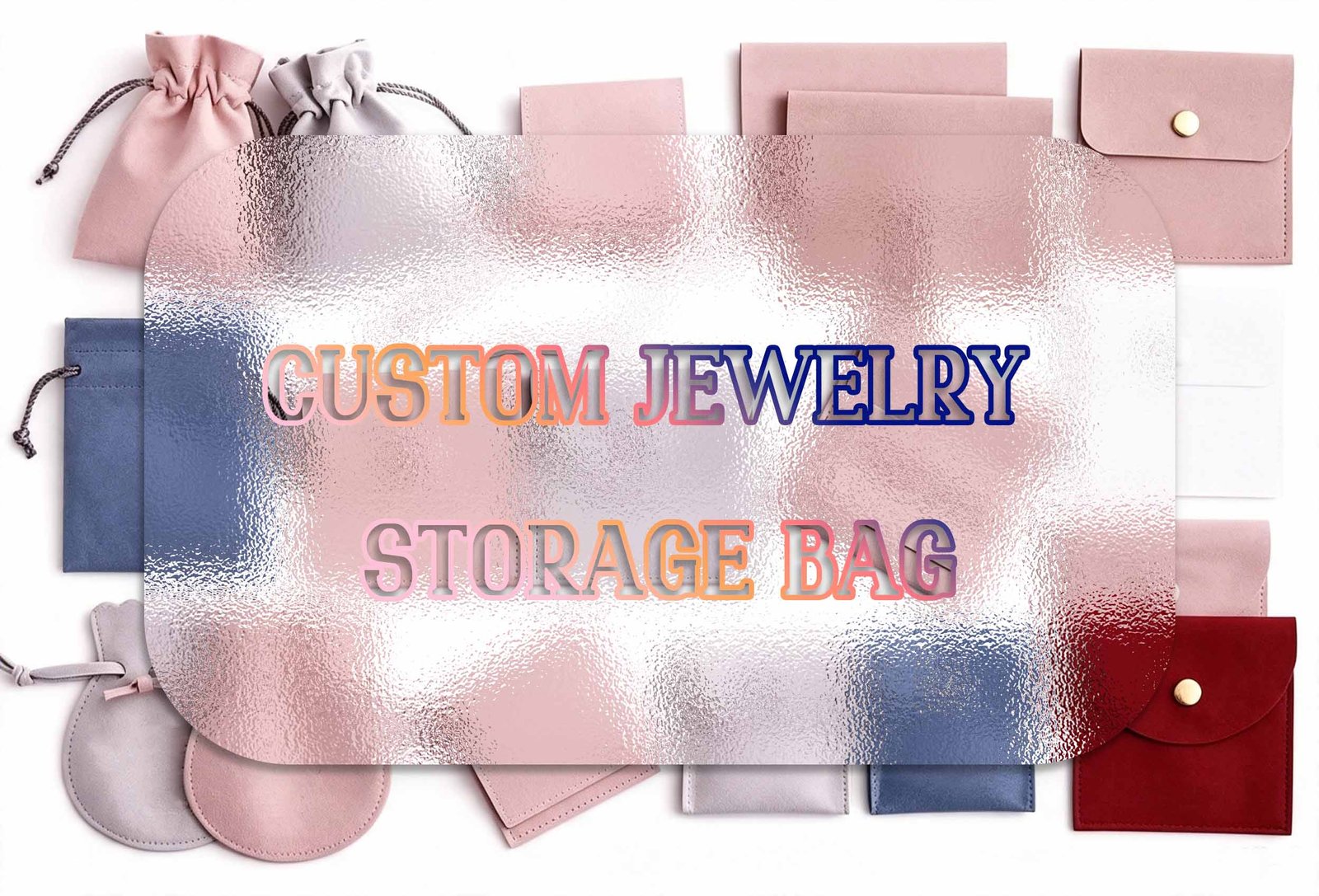
When I speak with procurement teams, I notice the same pattern. Many buyers start by asking for the “most popular” option. Then, after sample review, they realize they actually need a travel jewelry bag that fits a very specific packaging plan, customer price point, and jewelry type. That is where the real decision begins.
What Is a Travel Jewelry Organizer Bag?
A travel jewelry organizer bag sounds like a small accessory, but buyers often treat it like a simple pouch and miss how much structure matters. That creates trouble later. A bag that looks premium in a mockup may fail in actual travel use. I usually tell buyers to define the function first.
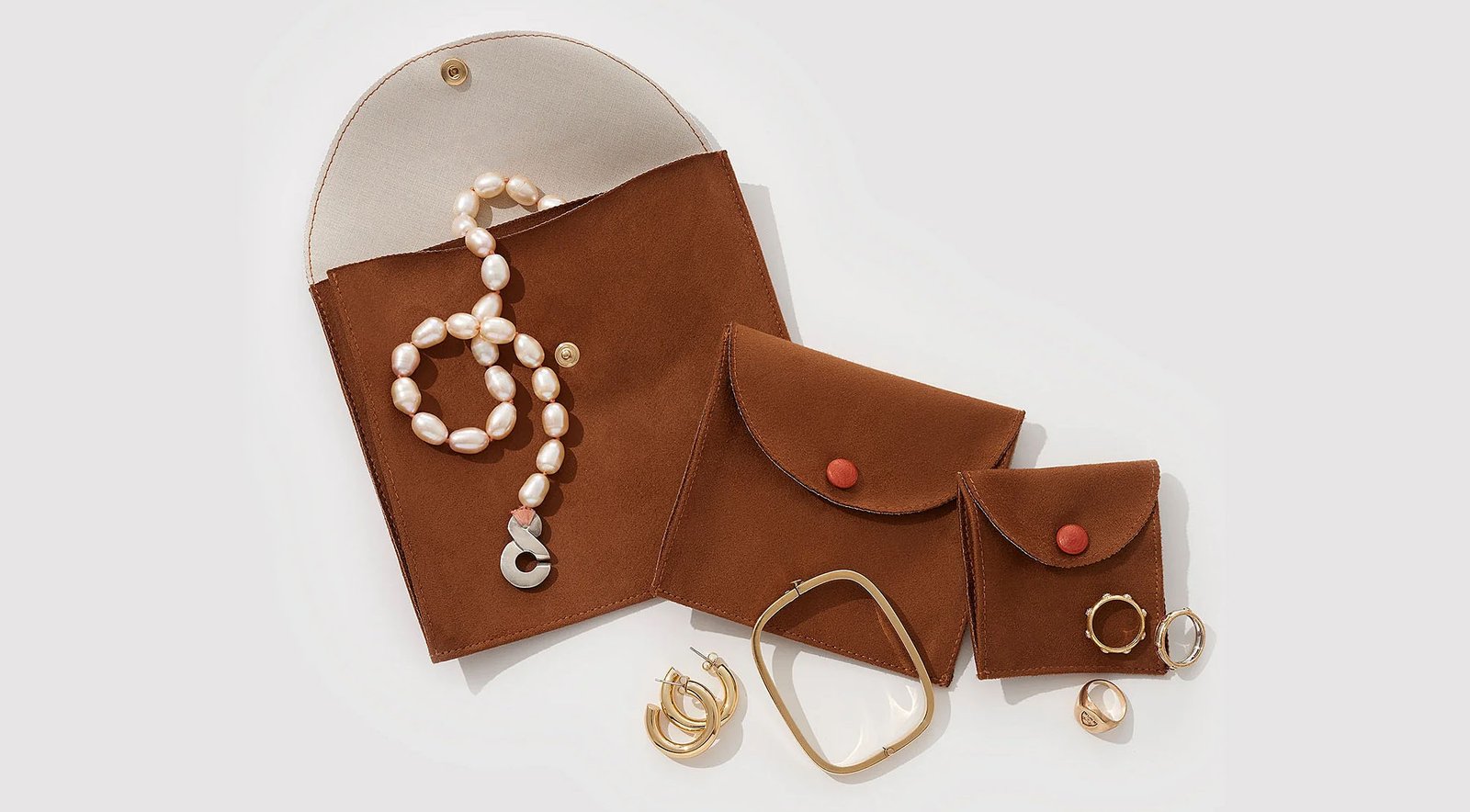
A travel jewelry organizer bag is a compact soft or semi-structured bag designed to store rings, earrings, necklaces, or bracelets during travel. In B2B custom projects, it often combines branding space, light protection, and organized storage rather than acting as a heavy-duty protective case.
Why buyers ask for a bag instead of a hard case
In my experience, gift buyers and beauty buyers do not approach this product in the same way.
Gift buyers usually care about:
- Perceived value at first sight
- Soft hand feel
- Elegant branding
- Packaging compatibility
- Reasonable unit price for larger volumes
Beauty buyers often care about:
- Fit inside a beauty set or travel kit
- Lightweight construction
- Clean brand aesthetic
- Compact size
- Easy inclusion in promotional bundles
That is why many inquiries land on soft travel jewelry bags instead of molded boxes. A hard case can protect more2, but it can also:
- Raise shipping cost3
- Take more space in gift sets
- Reduce flexibility in pack-out
- Feel too bulky for a beauty program
Common travel jewelry organizer bag formats
In actual sampling conversations, I see these formats most often:
| Format | Typical Look | Strength | Limitation |
|---|---|---|---|
| Drawstring pouch | Soft and simple | Low cost, easy branding | Weak organization |
| Foldable roll bag | Panel-based layout | Better necklace separation | More sewing complexity |
| Zip jewelry pouch | Compact and familiar | Good retail feel | Needs smart inner layout |
| Envelope flap pouch | Elegant gifting style | Premium presentation | Less secure for mixed items |
| Small organizer set | Multiple mini pouches | Flexible gift concept | More components to manage |
What buyers often misunderstand
I often hear: “We just need a nice velvet pouch.” That sounds easy, but the request is incomplete. A nice pouch for what?
A travel jewelry organizer bag only works well when these points are clear:
- What jewelry will go inside?
- Is the bag mainly for gifting or repeated travel use?
- Does the buyer want visual luxury or actual compartment logic?
- Will the bag be sold alone or packed with another item?
- What level of protection is expected?
In our buyer conversations, the best custom result usually comes when the buyer describes the end use, not just the style reference.
A soft pouch can be exactly right. Still, it is not right because it is trendy. It is right when it supports the brand story and the user experience without overbuilding the product.
Which Compartments Prevent Necklaces and Earrings from Tangling?
Many travel jewelry bags fail for one reason: they do not separate items properly4. Buyers may approve a beautiful sample, then discover that chains knot together and earrings scratch each other. That weakens the customer experience fast. I always push buyers to review the interior before the outer material.
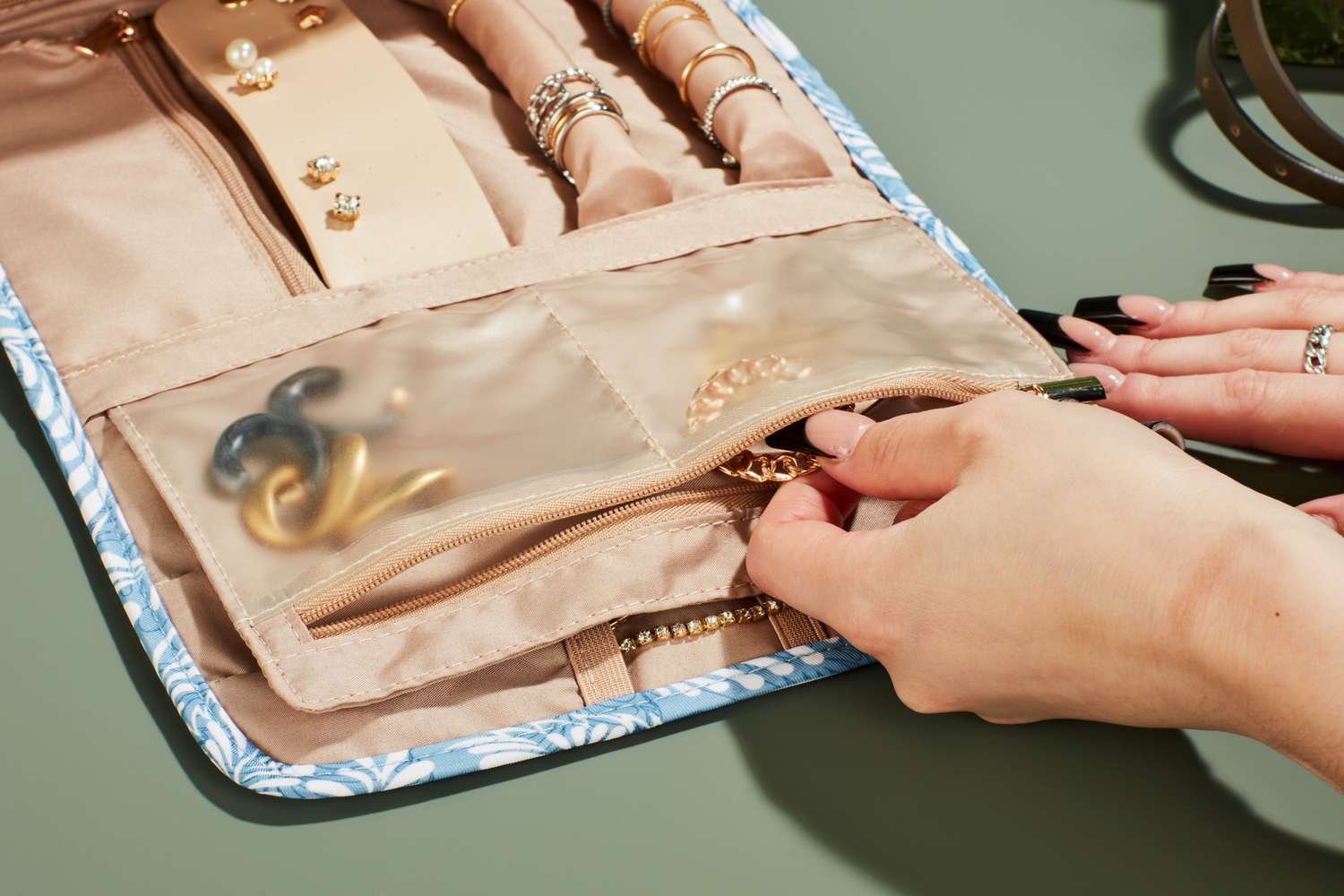
The compartments that help most are necklace hooks or loops, elastic slip pockets, earring panels, ring rolls, and divided sections5. The goal is not maximum complexity. The goal is enough separation to reduce friction, tangling, and movement during travel.
The simplest interior logic that actually works
In many projects, buyers do not need a highly engineered interior. They need a practical one. For a small custom travel jewelry bag, these features usually offer the best balance:
1. Necklace loops or snap tabs
These keep chains in place at one end. A small pocket below catches the pendant or chain body.
This setup helps because:
- It reduces free movement
- It lowers knot risk
- It adds visible function without major cost increase
2. Earring panel
A perforated or stitched earring holder works well for studs and small drops.
This is useful when:
- The customer carries matching jewelry sets
- The brand wants a “complete organizer” impression
- The bag is not large enough for boxes
3. Ring roll
A padded ring bar adds strong perceived value6. It looks organized and premium, even in a soft bag.
4. Zipped divider or slip pocket
This separates bracelets, hair accessories, or larger pieces from delicate items.
Why too many compartments can also be wrong
I have seen buyers ask for every possible feature in a mini bag. That usually causes two problems:
- The bag becomes too thick or expensive
- The user experience becomes awkward in a small footprint
A better question is: Which jewelry types matter most?
If the customer usually travels with:
- 1–2 necklaces: prioritize loops and a catch pocket
- Stud earrings: add an earring panel
- Rings: include one ring roll
- Mixed accessories: use one divider section
A practical compartment guide
| Jewelry Type | Best Compartment | Why It Helps |
|---|---|---|
| Necklaces | Loop + lower pocket | Reduces tangling |
| Earrings | Earring card/panel | Prevents pair loss |
| Rings | Ring roll | Holds shape and organizes |
| Bracelets | Separate slip pocket | Limits scratches |
| Small mixed items | Zipper pocket | Keeps loose pieces contained |
What I usually tell buyers during sample review
I often ask buyers to place actual jewelry into the sample, not just inspect the bag empty. That one step changes the conversation. A bag that seems elegant on the table may fail once a chain, hoop earrings, and a ring set are inside.
In my experience, the best travel jewelry bags do not have the most compartments. They have the right interior logic for the intended jewelry mix. That is a much better buying standard than copying a trendy sample from the market.
What Materials Protect Jewelry During Travel?
Material choice in travel jewelry bags matters more than many buyers expect. A soft, beautiful fabric can still be the wrong choice if it sheds, scratches plated pieces, or feels too thin for the price point. I usually ask buyers to think in layers: shell, lining, padding, and closure all affect protection.
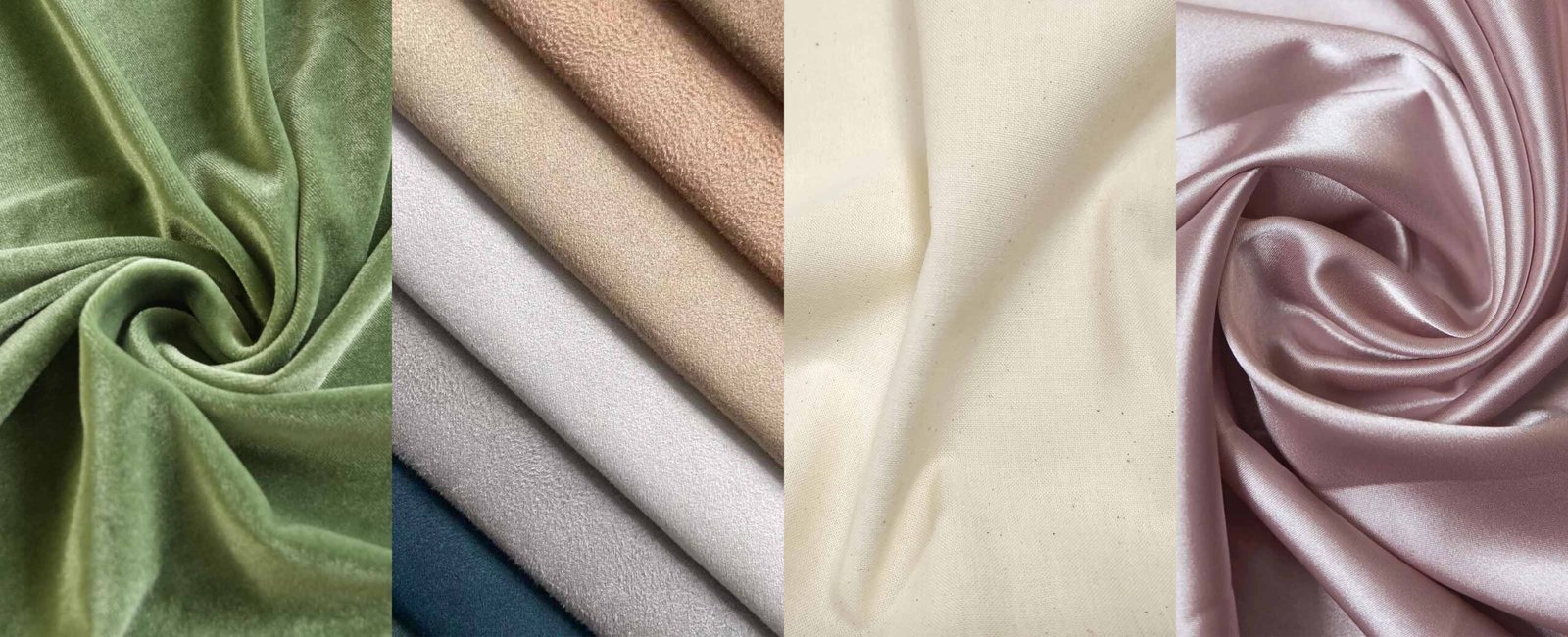
The best materials for travel jewelry bags are usually soft-touch fabrics with smooth linings and light internal structure. Velvet-look fabric, suede-touch microfiber, cotton blends, and polyester shells can all work well when matched with the right lining, padding, and intended use.
Outer material is about more than looks
In buyer conversations, these material directions come up often:
Velvet-style fabric
Pros:
- Rich gift presentation
- Soft hand feel
- Strong premium impression
Cons:
- Can attract dust
- Not always ideal for a very modern beauty brand
- Surface quality varies a lot by supplier
Suede-touch microfiber
Pros:
- Smooth and refined
- Good for logo effect
- Feels more controlled and modern
Cons:
- Usually costs more than basic polyester
- Color consistency needs checking
Cotton or canvas blends
Pros:
- Good for natural or eco-focused branding
- Easy to print
- Familiar gifting look
Cons:
- Less luxurious visually
- May need better lining to feel premium
Polyester fabric
Pros:
- Cost effective
- Flexible in color and finish
- Good for larger volume programs
Cons:
- Needs careful finishing to avoid a cheap look
Buyers sometimes spend all their attention on the outer shell. I think the lining deserves equal attention. A rough or low-grade lining can:
- Increase scratch risk
- Reduce premium feel
- Make the bag feel noisy or stiff
- Hurt user satisfaction
A smoother inner surface usually works better for plated accessories and fashion jewelry. For added structure, light foam or interlining can improve shape without making the bag bulky7.
Material selection should match product positioning
| Buyer Goal | Better Fit Material Direction | Why |
|---|---|---|
| Elegant gift promotion | Velvet-style or suede-touch | Strong presentation |
| Beauty set inclusion | Lightweight microfiber or polyester | Compact and efficient |
| Eco-leaning concept | Cotton blend with soft lining | Supports brand story |
| Budget-driven volume order | Polyester with smart interior layout | Better cost control |
A realistic warning from sample work
I have seen buyers approve a very soft material because it feels luxurious by hand. Then the logo disappears visually, or the bag collapses too much when filled. I have also seen the opposite: a stiffer fabric looks neat but feels less giftable.
So I usually frame the decision this way:
- Presentation value
- Protection level
- Brand match
- Production feasibility
- Target cost
That helps buyers avoid treating material as a fashion-only choice. In most custom travel jewelry bag projects, the winner is not the fanciest fabric. It is the one that delivers the right perceived value and enough protection for the real use case.
How Can Gift Shops Customize Small Organizer Sets?
Small travel jewelry bags are attractive for gift shops because they are flexible, easy to bundle, and easier to brand than larger storage products8. Still, many gift buyers overcomplicate the concept. That leads to extra components, higher packing cost, and slower approvals. I usually recommend building the set around the sales story first.
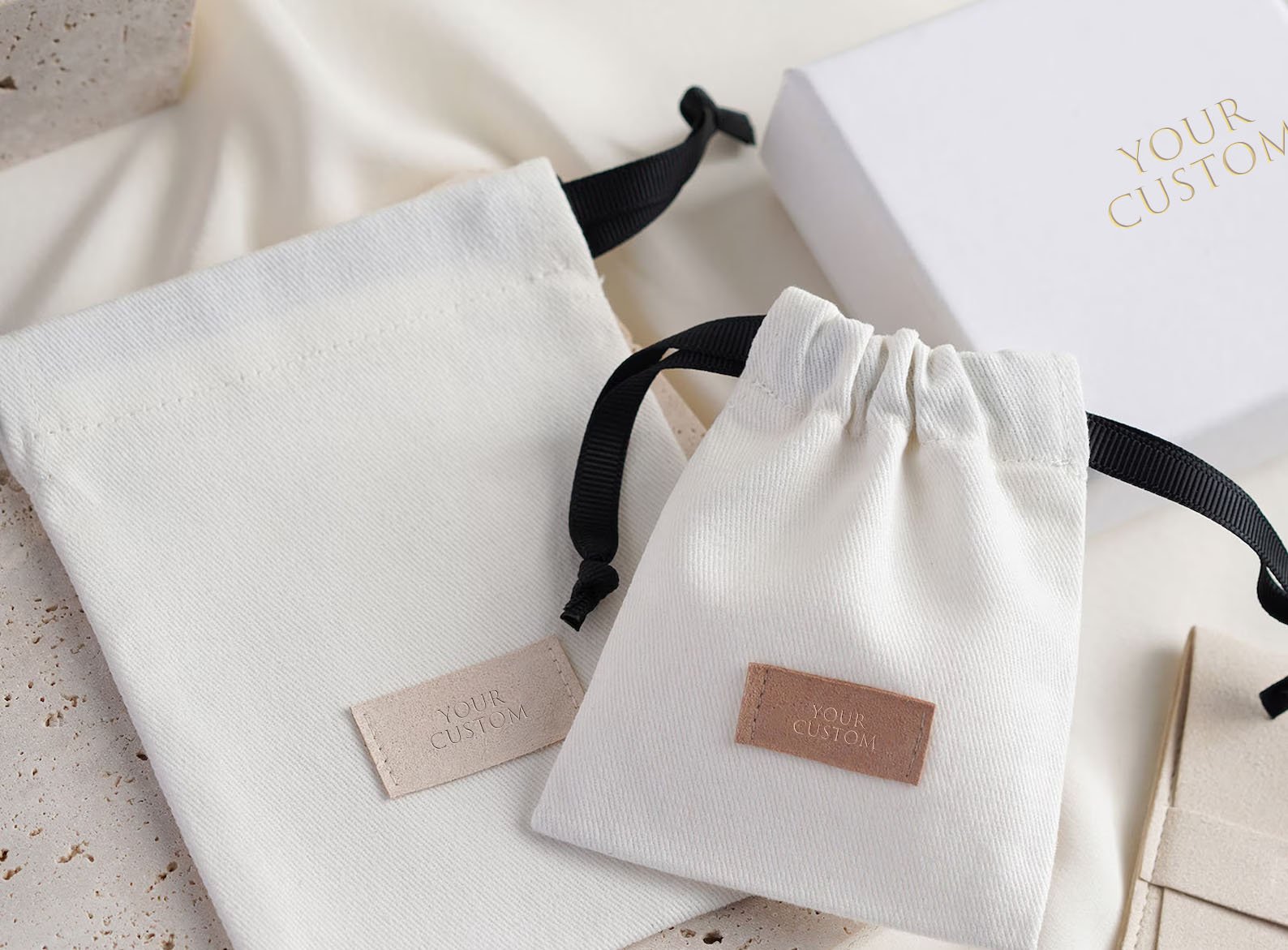
Gift shops can customize small organizer sets by combining one main travel jewelry bag with one or two simple supporting pieces, then aligning fabric, logo method, color palette, and packaging with the intended retail or promotional theme.
What a “small organizer set” usually means
In actual projects, a small organizer set may include:
- One jewelry pouch or zip organizer
- One mini drawstring bag
- One mirror or accessory pouch
- One gift box or printed card
- One branded outer sleeve or polybag
This works well for gift channels because the set feels complete without becoming expensive to ship or difficult to merchandise9.
Custom options that matter most
Logo method
The logo changes the whole perception of the bag.
Common options include:
- Screen print
- Foil print
- Embroidery
- Debossed patch
- Woven label
For gift shops, I often see foil print and embroidery discussed most because they add perceived value. Still, the right choice depends on the fabric surface and target price.
Color strategy
A small organizer set usually works best when the buyer chooses:
- One hero color
- One neutral lining
- One accent for trims or pullers
This keeps the collection clean and brandable.
Packaging match
Gift shops should think about how the bag appears at the point of sale:
- Hanging display
- Window box
- Flat insert card
- Seasonal gift set bundle
A smart way to avoid overdesign
I often suggest buyers start with this framework:
- Define the selling channel
- Decide if the bag is a standalone gift or an add-on
- Choose one premium signal, not five
- Keep internal organization useful but simple
- Test logo visibility on actual fabric
That is because small organizer sets can lose margin quickly when too many details are added.
Example buyer thinking
A gift buyer may say:
“I need it to look elegant and gift-ready at a supermarket price.”
That usually points toward:
- Soft fabric pouch
- Light internal divider
- Foil logo
- Compact box or header card
A beauty buyer may say:
“I need it to fit inside a skincare travel set.”
That often points toward:
- Slim zip format
- Clean silhouette
- Printed logo
- Lightweight fabric and packing
These are not the same project, even if both use a travel jewelry bag. That distinction matters when customizing for real commercial use.
What Should Buyers Check Before Approving Samples?
Sample approval for travel jewelry bags often goes wrong when buyers focus on color and logo first, then leave function for later. That creates expensive revisions. I always encourage buyers to treat sample review like a use-case test, not just a visual sign-off.
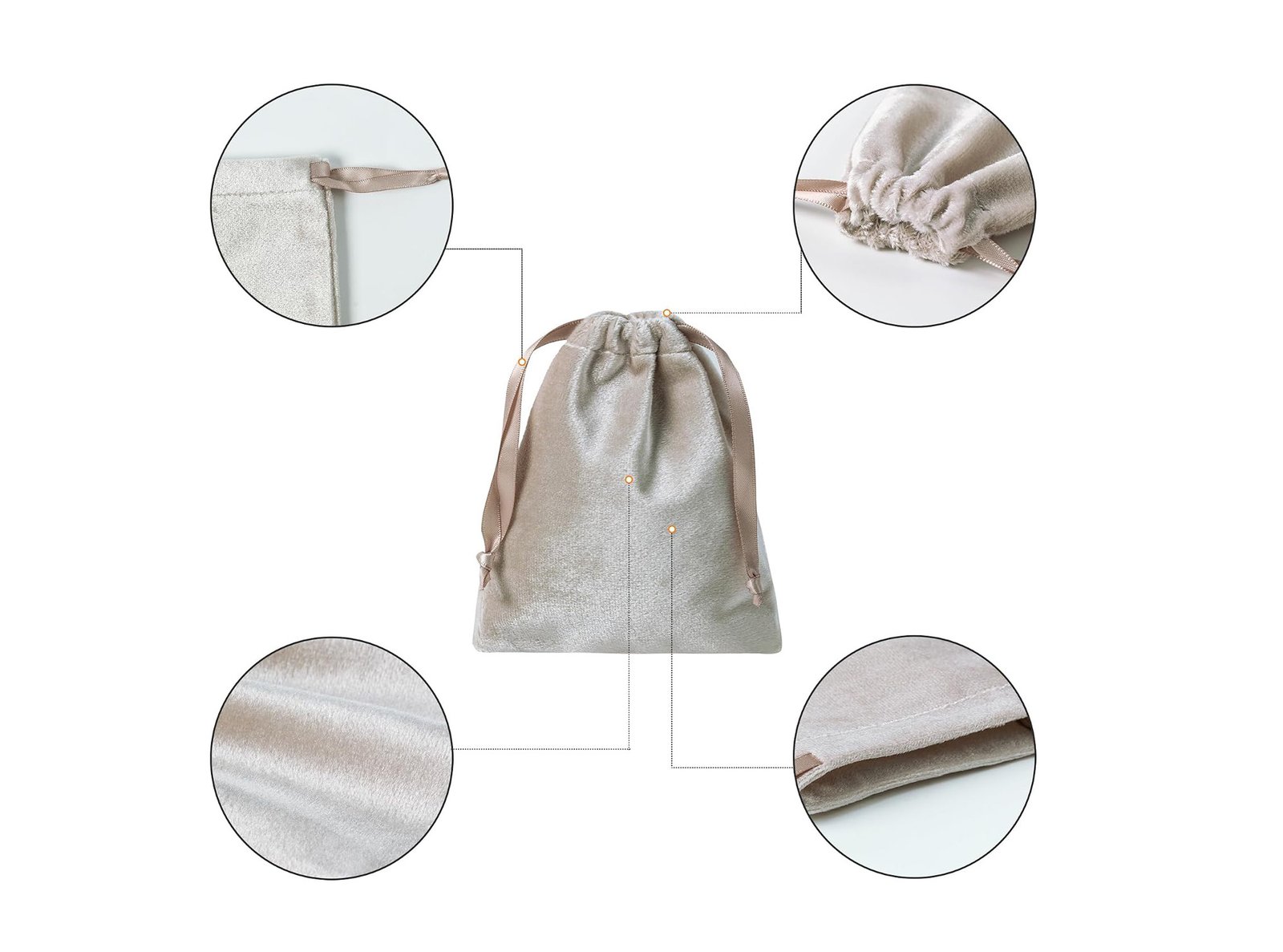
Before approving samples, buyers should check size, internal layout, material feel, logo clarity, closure reliability, stitching quality, and fit with actual jewelry items. They should also confirm the bag matches the target brand position and packaging plan.
My practical sample checklist
1. Put real jewelry inside
This is the most important step.
Check:
- Do necklaces tangle?
- Do earrings stay in place?
- Does the bag close easily when filled?
- Do pieces rub against each other?
2. Review the structure honestly
Ask:
- Is the bag too floppy?
- Is it overbuilt for the price level?
- Does it feel giftable?
- Does it actually travel well?
3. Evaluate material and lining together
A good outer shell with a poor lining is still a weak sample.
Check:
- Surface feel
- Lint or dust pickup
- Inner smoothness
- Shape retention
4. Look at the logo on the actual production fabric
Artwork can look perfect on screen and weak on fabric.
Confirm:
- Size
- Contrast
- Placement
- Readability
- Luxury effect versus budget effect
5. Inspect workmanship
Even a simple pouch should be clean.
Focus on:
- Stitch straightness
- Loose threads
- Corner finishing
- Zipper movement
- Drawstring consistency
A simple approval table
| Check Point | Why It Matters | Common Buyer Mistake |
|---|---|---|
| Real jewelry fit test | Confirms practical function | Reviewing empty sample only |
| Material + lining combo | Impacts protection and feel | Looking only at outer fabric |
| Logo result | Affects brand perception | Approving based on mockup |
| Internal layout | Prevents tangling and scratches | Choosing style over logic |
| Packing method | Impacts retail presentation | Deciding too late |
One mistake I see again and again
Buyers sometimes ask for “premium” and “lowest cost” in the same sample without defining what premium actually means. In most projects, premium comes from one or two well-chosen details:
- Better touch
- Cleaner lining
- Sharper logo execution
- Smarter interior layout
It does not always come from more layers, more compartments, or more accessories.
In our sampling discussions, the strongest approvals happen when the buyer asks one core question: Does this travel jewelry bag deliver the right value for the end customer? That is the standard that keeps projects on track.
Frequently Asked Questions
Are soft travel jewelry bags better than hard jewelry cases?
Not always. Soft travel jewelry bags are often a better fit for gift and beauty programs because they are lighter, easier to brand, and easier to pack. Hard cases can offer more protection, but they may raise cost and take up more space.
What logo method works best on travel jewelry bags?
It depends on the fabric and brand position. Foil print, embroidery, woven labels, and screen print are all common. I usually advise buyers to test the logo on the real material because the same artwork can look very different across fabrics.
Can small travel jewelry bags still prevent tangling?
Yes, if the interior is designed well. A small bag can still reduce tangling with necklace loops, a lower catch pocket, earring holders, and a ring section. Size matters less than the internal logic.
What is the most common custom style for gift buyers?
In my buyer conversations, soft fabric or velvet-style travel jewelry bags are commonly requested10 because they feel giftable and brand-friendly. Still, the right style depends on the retail channel, price point, and how much protection the customer expects.
What should beauty buyers prioritize most?
Beauty buyers usually benefit from compact size, lightweight construction, clean branding, and packaging compatibility. They should also check whether the bag fits neatly into the broader beauty set, rather than judging it as a standalone product only.
Conclusion
The right travel jewelry bags for gift and beauty buyers are usually not the ones with the loudest trend story. In my experience, the best custom choice is often a soft, brandable bag with enough internal structure to protect jewelry and support the intended customer experience. If you are sourcing custom travel jewelry organizers for gifting, retail, or beauty kits, I can help you evaluate materials, structure, and OEM/ODM options clearly. Reach out to Coraggio at info@coraggiobag.com or visit https://coraggiobag.com/ to discuss your next project.
""Consumer Perception of Tactile Packaging: A Research Study on ...", https://repository.rit.edu/japr/vol7/iss1/1/. Studies in packaging and haptic perception report that material feel and surface texture can shape consumers’ judgments of quality and gift suitability; packaging research also describes trade-offs among protection, presentation, and cost in selecting soft versus rigid formats. Evidence role: general_support; source type: research. Supports: Research on packaging materials and haptic perception should support that soft-touch materials can influence perceived quality and gift appeal, while packaging design studies may contextualize trade-offs between protection, cost, and presentation.. Scope note: Support is contextual because it may address packaging and tactile perception broadly rather than travel jewelry bags specifically. ↩
"Understanding Soft Cases: Features, Benefits, and Applications", https://royalcase.com/blog-posts/understanding-soft-cases-features-benefits-and-applications. Packaging engineering literature describes rigid containers as providing greater resistance to compression and impact than flexible pouches, which helps explain why hard cases typically offer higher protective performance for delicate items. Evidence role: mechanism; source type: paper. Supports: Packaging engineering sources should explain that rigid structures generally better resist compression and impact than soft pouches, improving protection of fragile contents.. Scope note: This evidence supports the protection mechanism generally and does not prove performance for every jewelry case design. ↩
"Package Dimensions, Size Limits and Weight Guide", https://www.ups.com/us/en/support/shipping-support/shipping-dimensions-weight. Logistics guidance on parcel pricing shows that shipping charges depend on actual weight and package dimensions, including dimensional-weight rules; as a result, bulkier rigid packaging can increase transport cost relative to smaller flexible formats. Evidence role: mechanism; source type: institution. Supports: Carrier or logistics references should show that shipping charges are influenced by package dimensions and weight, which makes bulkier rigid packaging potentially more expensive to ship.. Scope note: The support is indirect because the cost effect depends on carrier tariff structure, destination, and final package dimensions. ↩
"Jewelry Storage: What You Should And Shouldn't Do", https://www.youtube.com/watch?v=cch3uAyMyg8&vl=en. Conservation and jewelry-care guidance recommends storing chains and small pieces separately to limit knotting, abrasion, and loss, supporting the design principle that internal separation improves functional performance in travel organizers. Evidence role: mechanism; source type: institution. Supports: Museum conservation or jewelry-care sources should support that storing chains and small items separately helps reduce knotting, abrasion, and pair loss.. Scope note: The evidence is based on storage best practice and does not test a specific commercial bag model. ↩
"How do you stop your jewelry from becoming a tangled mess?", https://www.reddit.com/r/jewelry/comments/1gpp4vs/how_do_you_stop_your_jewelry_from_becoming_a/. Jewelry storage guidance explains that anchoring chains at one end and isolating small pieces in separate holders reduces movement and contact, which in turn lowers the risk of tangling and surface abrasion during transport. Evidence role: mechanism; source type: education. Supports: Educational or conservation sources should explain that anchoring chains and isolating jewelry pieces reduces movement and contact, thereby lowering tangling and scratching risk.. Scope note: Support is mechanistic and may not mention every compartment style named in the article. ↩
"The Impact of Visual Elements of Packaging Design on Purchase ...", https://pmc.ncbi.nlm.nih.gov/articles/PMC11851823/. Consumer-behavior research indicates that orderly presentation and premium design cues can raise perceived quality and value, which is consistent with the use of structured inserts such as padded ring holders in small organizers. Evidence role: general_support; source type: research. Supports: Consumer research should support that structured presentation and premium visual cues can increase perceived quality or value in retail products.. Scope note: The evidence is contextual because it addresses perceived value from presentation cues generally rather than ring bars specifically. ↩
"A Review of Fusible Interlinings Usage in Garment Manufacture - PMC", https://pmc.ncbi.nlm.nih.gov/articles/PMC6290625/. Textile construction references describe interlinings and lightweight foam as methods for adding body and dimensional stability while limiting added thickness, which supports their use in soft organizer bags that need modest structure. Evidence role: mechanism; source type: education. Supports: Textile education sources should explain that interlinings and light foam are used to add body and shape stability while minimizing added thickness compared with heavier structural components.. Scope note: This is a general textile-construction principle and does not quantify bulk for a specific bag design. ↩
"Bundling Retail Products: Models and Analysis", https://www.anderson.ucla.edu/documents/areas/fac/dotm/bio/pdf_KM11.pdf. Retail merchandising research and packaging practice indicate that small accessory items are often favored for bundling and co-packing because they occupy less space and can be integrated more readily into branded sets. Evidence role: general_support; source type: research. Supports: Retail and merchandising sources should support that smaller accessory-format products are commonly used in bundles and offer more flexibility for co-packing and branding applications.. Scope note: The support is contextual and may address small accessories broadly rather than travel jewelry bags alone. ↩
"More Expensive, More Attractive? The Effect of Pricing on Gift Evaluation", https://pmc.ncbi.nlm.nih.gov/articles/PMC9005789/. Studies of product bundling show that curated sets can increase perceptions of completeness and gift readiness; logistics and merchandising guidance further indicate that compact packages are typically easier to ship and display than larger formats. Evidence role: general_support; source type: research. Supports: Consumer and retail research should support that bundled sets can increase perceived completeness or gift readiness, while logistics references can contextualize why compact sets are easier to ship and display.. Scope note: The support combines related evidence streams and does not directly test jewelry organizer sets in gift shops. ↩
"Effects of multisensory packaging on taste perception, emotional ... - PMC", https://pmc.ncbi.nlm.nih.gov/articles/PMC12595072/. Trade and consumer-preference sources on jewelry and gift packaging frequently associate soft-touch and velvet-like materials with premium or gift-oriented presentation, which provides context for their recurring use in gift-focused organizer formats. Evidence role: general_support; source type: other. Supports: Trade or consumer preference sources should support that soft-touch and velvet-like materials are associated with gift-oriented or premium jewelry presentation.. Scope note: This support is directional and may not quantify request frequency among B2B gift buyers specifically. ↩