Summer orders often fail for one simple reason. Buyers trust a cold-retention claim, place a bulk order, and then find the real performance does not match the promise.
Buyers should check insulation test conditions, inner lining safety certificates, material specs, and supplier verification documents before ordering summer cooler backpacks. A low price means little if the bag cannot hold cold properly or pass market compliance.
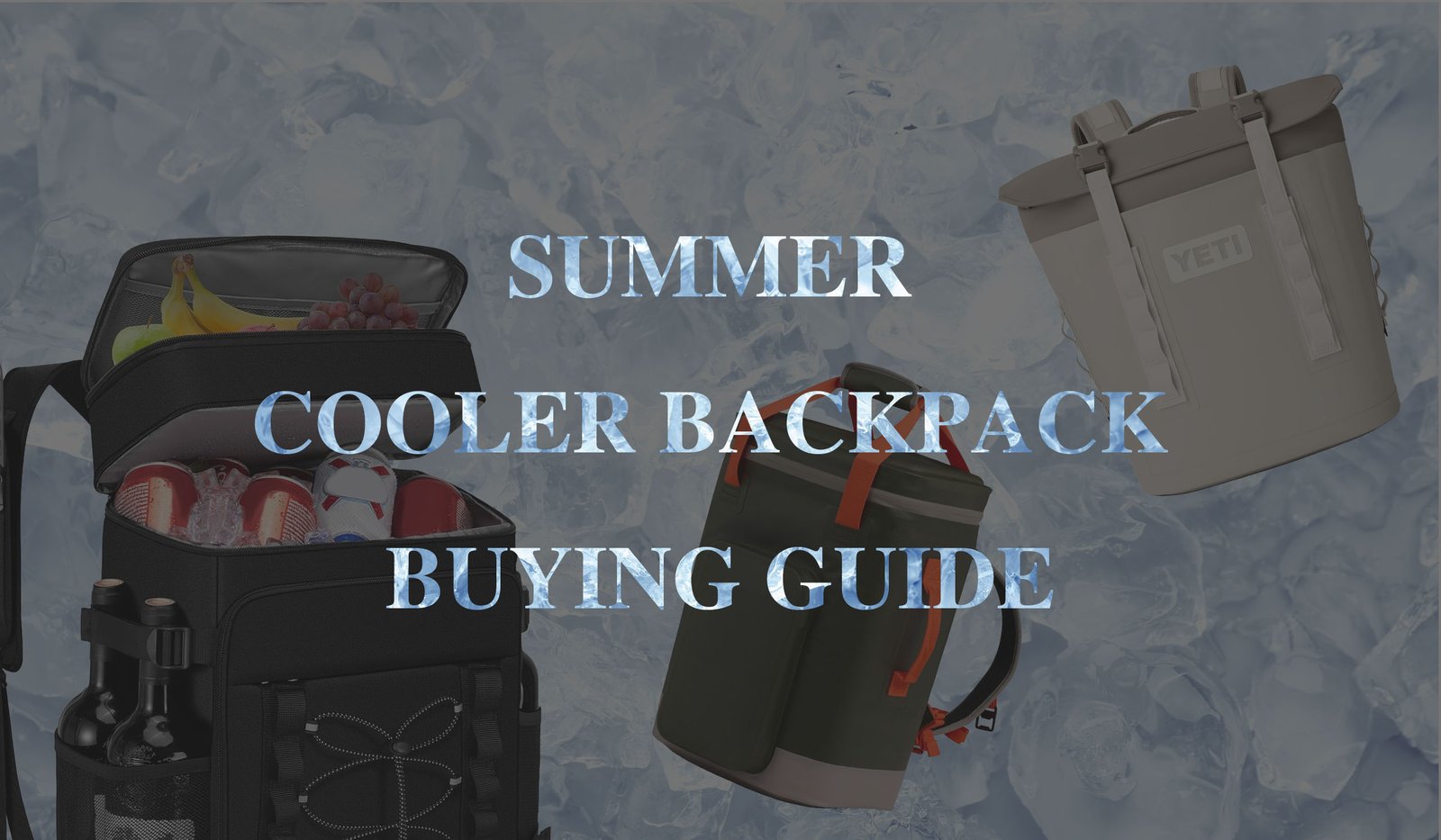
I have handled many cooler backpack inquiries over the years. I have also heard the same complaint more than once after goods arrived. The sample looked fine, the price looked good, but the insulation result in real use was weaker than expected.1 That is why I think this is not mainly a style question. It is a verification question. If a buyer does not ask for clear test conditions and safety documents early, the risk moves straight into the bulk order.
What Makes a Cooler Backpack Suitable for Summer Use?
In summer, many buyers focus on appearance first. Then they find out too late that a nice-looking cooler backpack does not keep food and drinks cold in actual outdoor use.
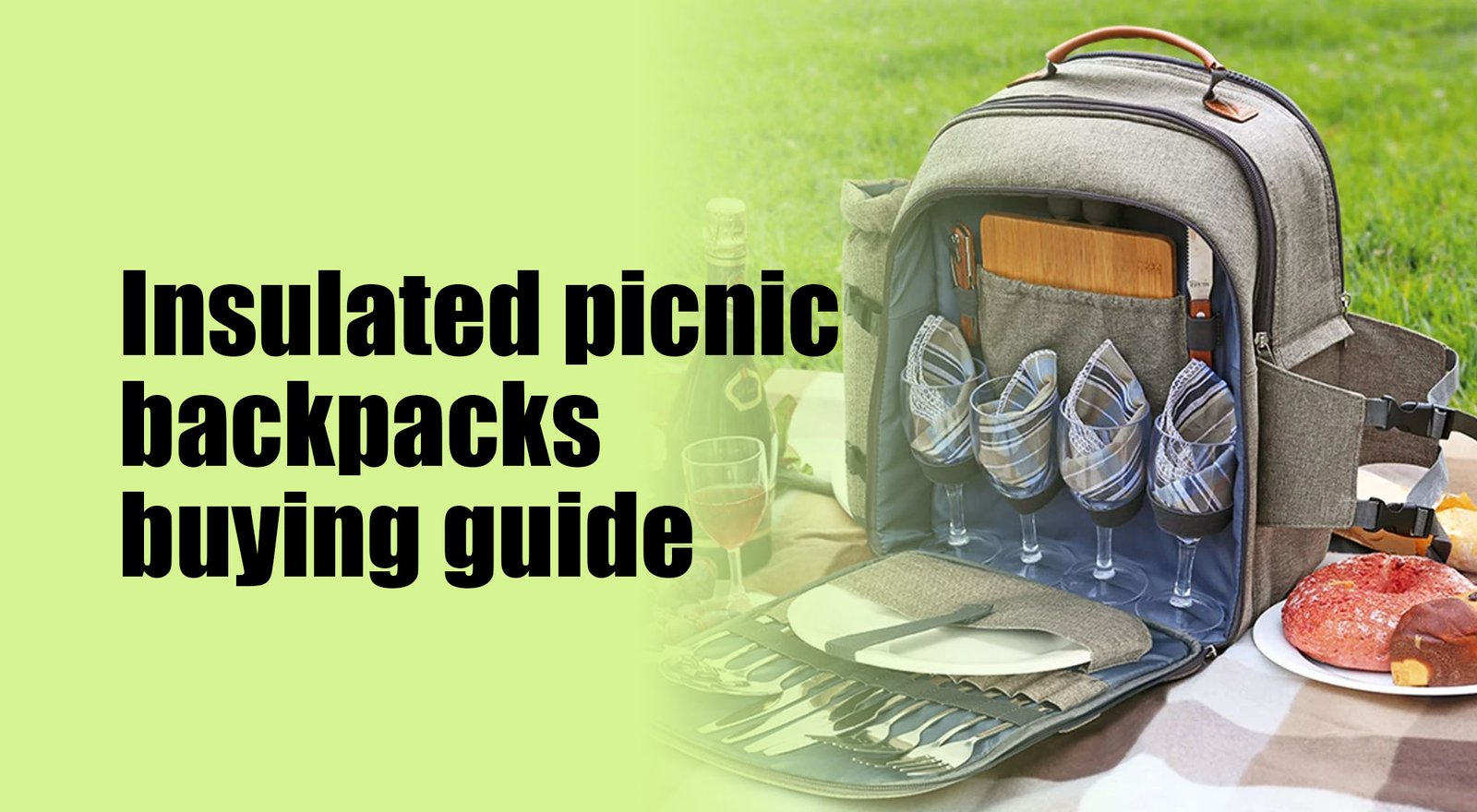
A summer cooler backpack is suitable only when its insulation claim is backed by clear test conditions, its lining is safe for food contact2, and its material structure matches the intended use scenario.
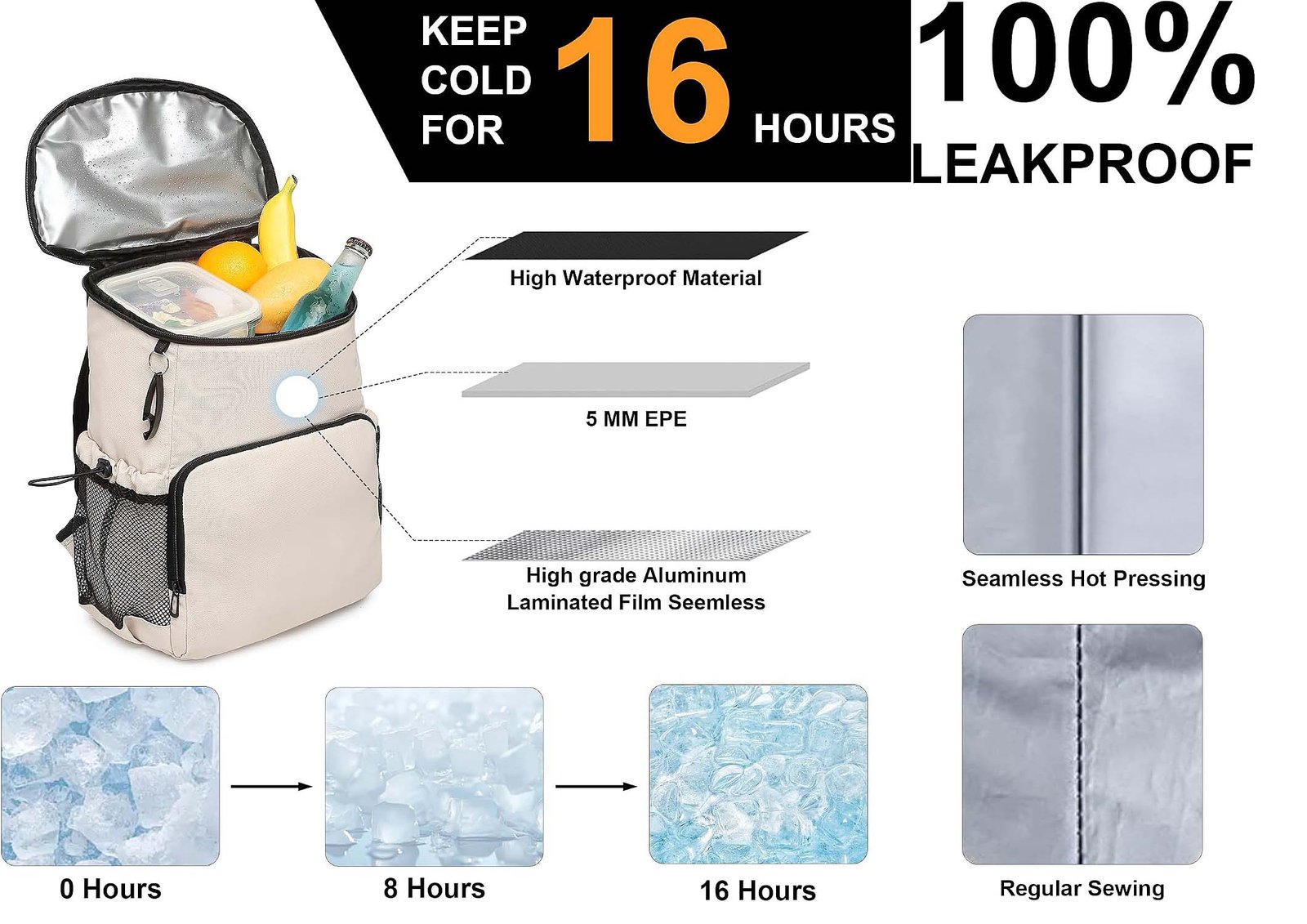
When I review buyer requests, I start with one basic point: summer use is harder than normal use. The bag may sit in a hot car, on a beach, at a park, or in direct sunlight. So a supplier claim like “keeps cold for 24 hours” means very little by itself. I always suggest asking what that claim actually means. A buyer should request the ambient temperature used in the test, the amount of ice used, the ratio of ice to contents, the bag size tested, and the insulation layer thickness or structure. If the supplier cannot answer clearly, I treat that as a warning sign.
I also look at lining safety early. Many buyers ask about outer fabric but forget the inner lining touches food packaging, drinks, and ice melt. If the target market is Europe or North America, I would ask for food-contact related documents before moving ahead.3 A simple structure like this helps me keep the discussion clear:
| Check Point | What I Ask the Supplier | Why It Matters |
|---|---|---|
| Insulation claim | Under what conditions was it tested? | A number alone is not useful |
| Ice ratio | How much ice and how much product were inside? | Hold time changes a lot by load |
| Bag spec | What capacity and insulation thickness were used? | Different constructions perform differently |
| Lining material | Is the PEVA/EVA/foil lining food-grade certified? | Retail compliance and safety risk |
| Use case | Was the bag tested for summer outdoor conditions? | Real use may be harsher than sample use |
This is the point many buyers miss. A cooler backpack for summer is not just a bag with a foil lining. It is a product that must perform under heat. That performance must be explained, not just promised.
How Long Should a Summer Cooler Backpack Keep Food and Drinks Cold?
Many buyers ask for a target hold time first. That sounds simple, but the answer becomes misleading when no one defines the test method behind the number.
A summer cooler backpack should keep items cold for the buyer’s real use case, but any hold-time claim must be reviewed with full test conditions, because the same bag can show very different results under different setups4.
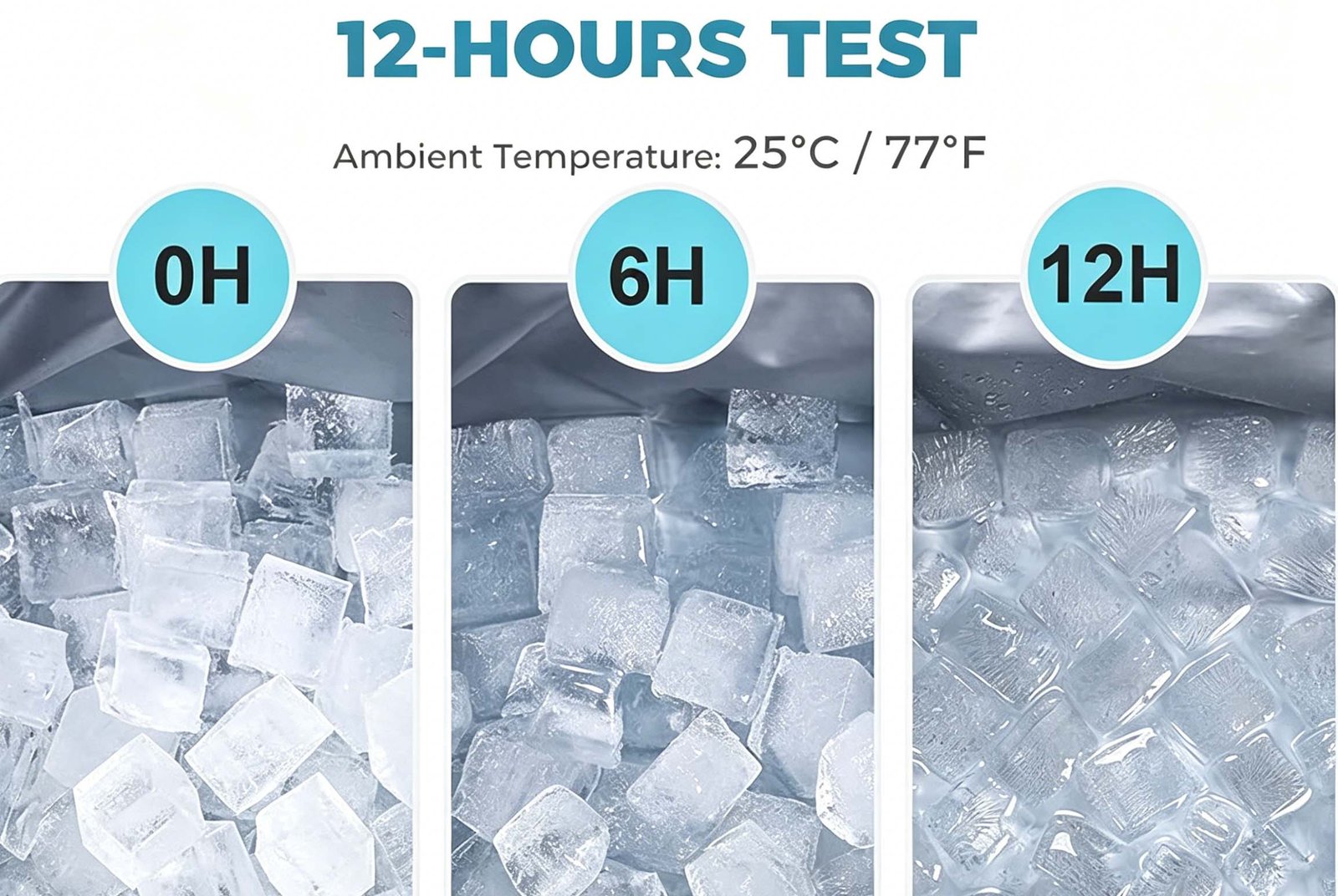
I have seen buyers compare suppliers by one line only: “12 hours” versus “24 hours.” I think this is where many mistakes begin. In our experience handling buyer inquiries, the biggest failure point is not always poor production. It is poor definition. One supplier may test with a high ice ratio in a controlled room. Another may describe expected use, not actual measured performance. Then the buyer compares both numbers as if they mean the same thing.
So I would not start with “How many hours?” I would start with “For what use?” Is the bag for a supermarket summer promotion, a beverage brand gift program, a picnic retail line, or a worksite meal solution? Then I would ask the supplier for the exact claim basis. If they say “to be confirmed,” that is acceptable only if they are honest and willing to verify it before order confirmation. What is not acceptable is a strong claim with no explanation.
Here is the checklist I would use:
| Question | What I Need |
|---|---|
| Ambient temperature | Exact test environment, to be confirmed if not available |
| Ice amount | Weight or percentage used in the test |
| Content load | Empty bag, partial load, or full load |
| Bag size used | Sample size or production size |
| Measurement endpoint | What counted as “still cold”? |
| Insulation structure | Foam type, thickness, and lining structure |
I learned this the hard way through buyer feedback. A buyer may say, “The supplier told me 24 hours, but my customer says it is not even close.” In many cases, the problem starts before production. The claim was never tied to one method. That is why I think buyers should buy against a documented test setup, not a sales phrase.
What Materials Should Buyers Choose for a Durable Cooler Backpack?
A cheap cooler backpack may look fine at first. Then the stitching opens, the lining cracks, or the insulation performance drops because the material structure was too weak for real summer handling.
Buyers should choose cooler backpacks based on insulation layer structure, lining safety certification, seam quality, and outer material durability, not just fabric appearance or unit price.
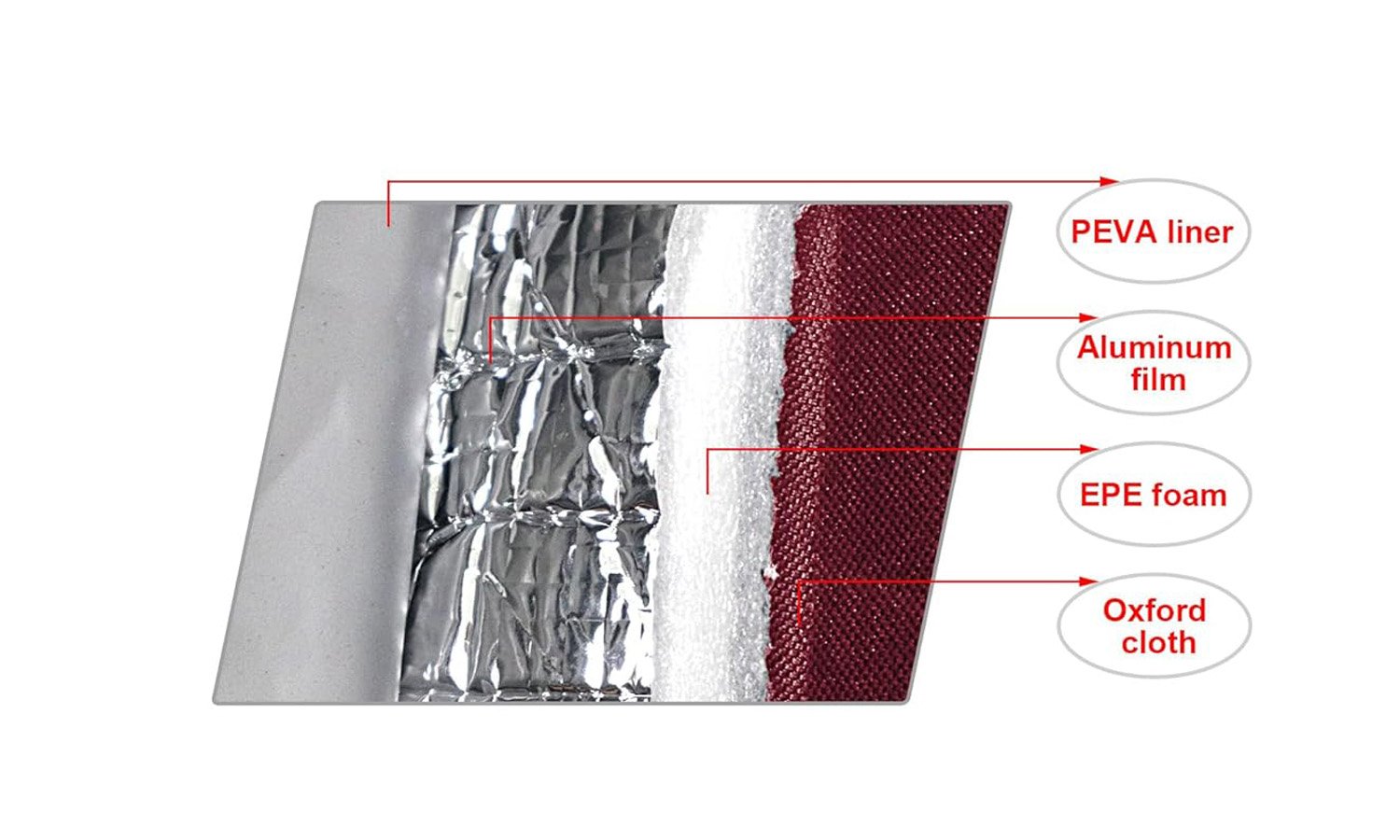
When I speak with procurement teams, I often notice that material discussions stay too general. Buyers ask for “strong fabric” or “good lining,” but that does not protect them much in a real order. I prefer very direct questions. What is the outer fabric? What is the insulation layer type and thickness? What is the inner lining material? Is it PEVA, EVA, foil, or another option? Is it food-grade certified for the target market? Can the supplier provide LFGB, FDA, REACH, or other relevant documents5 based on destination requirements?
I also think durability is linked to insulation. If the lining punctures easily or seams fail, cold retention drops fast.6 So I do not treat durability and insulation as separate topics. They are connected. A buyer should ask for the construction detail, especially at stress points and sealing areas.
This table shows the material review I would use:
| Material Area | What to Confirm | Risk if Skipped |
|---|---|---|
| Outer fabric | Type, weight, coating, water resistance | Fast wear, poor look, customer complaints |
| Insulation layer | Material type and thickness spec | Weak cold retention |
| Inner lining | Food-grade status and certification | Compliance failure, recall risk |
| Seams and sealing | Stitching method and leak resistance | Melt leakage, insulation loss |
| Zipper/closure area | Closure structure around insulated opening | Heat enters faster |
For Europe and North America, inner lining safety is a silent risk.7 Many buyers never ask. Then later they face customs questions, retailer compliance checks, or internal legal review. I think this is one of the most avoidable problems in sourcing. A low-cost bag that cannot support the needed documents is not really low cost. It becomes expensive after delays, rework, and lost trust.
Which Features Make Cooler Backpacks More Convenient for Outdoor Activities?
Many sourcing lists get distracted by color, pockets, or small styling details. That can hide the features that actually affect outdoor use and customer satisfaction.
The most useful outdoor features are the ones that protect insulation performance and reduce failure risk, such as leak-resistant construction, stable carrying structure, easy-clean lining, and closures that limit heat entry.
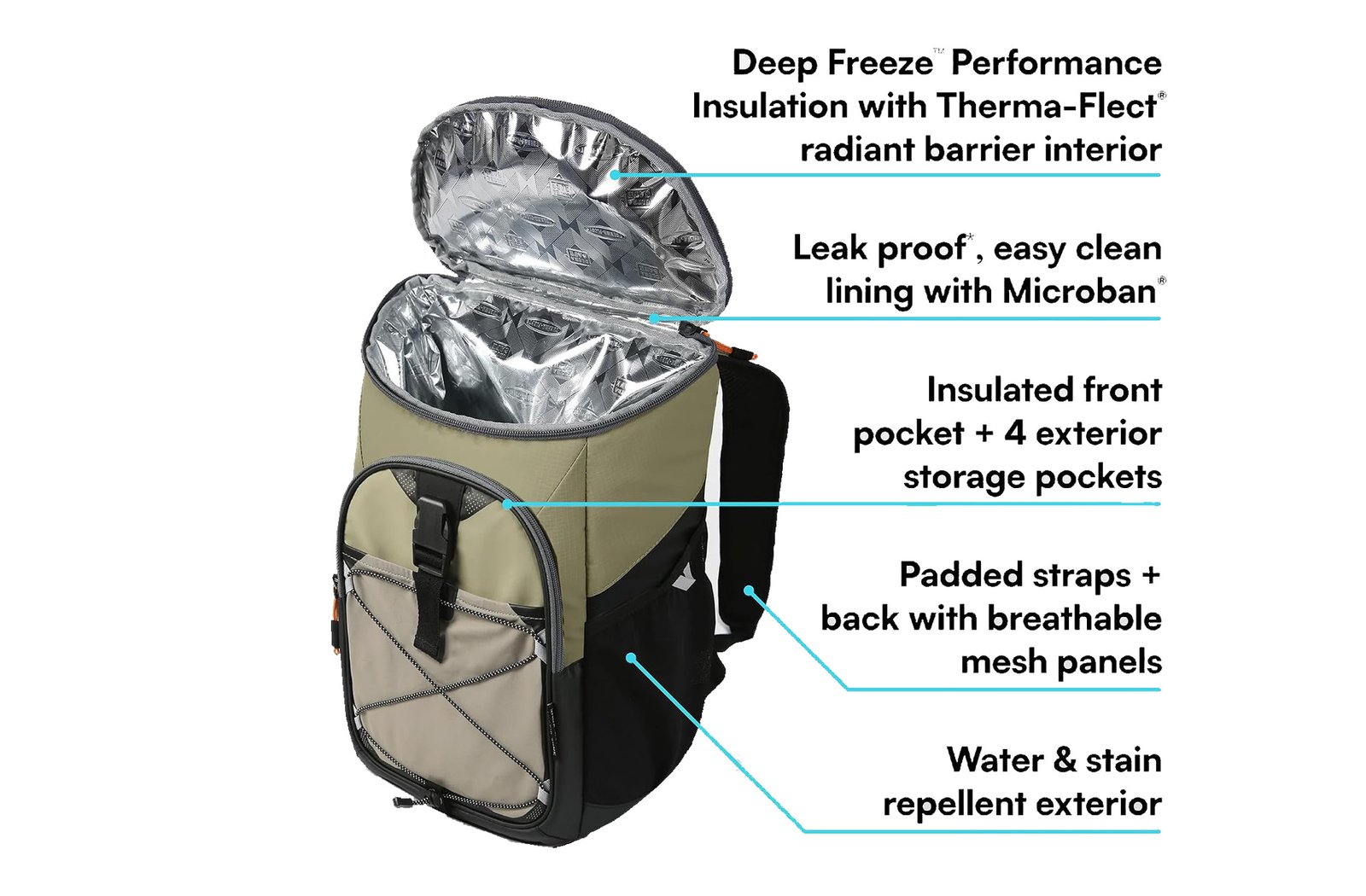
I do not think buyers should ignore convenience. I just think they should define it in a practical way. For outdoor activities, convenience is not mainly about decorative extras. It is about whether the bag works well during transport, loading, unloading, and cleaning. If a closure leaks cold air too easily, if the opening design lets warm air rush in8, or if the inner lining is hard to wipe clean after melted ice, the end user will notice quickly.
I also pay attention to how the bag carries weight. A cooler backpack often carries drinks, ice, and food. That means the load is heavier than a basic daypack.9 If the structure does not support that weight well, the user experience drops. I would not turn this into a fashion checklist. I would turn it into a function checklist tied to use.
Here is how I would review convenience for outdoor use:
| Functional Area | What I Ask | Why It Helps |
|---|---|---|
| Opening design | Does it minimize heat loss during access? | Better real-use insulation |
| Leak resistance | How is leakage risk controlled? | Cleaner use and fewer complaints |
| Lining cleanability | Is the lining easy to wipe and maintain? | Better hygiene and lower return risk |
| Carry structure | Can straps and body support heavier cold loads? | Better comfort and product life |
| Stability | Does the bag hold shape when filled? | Easier packing and handling |
I have seen buyers approve a sample because it “looks premium,” but that is not enough for a summer cooler backpack. I would always connect convenience back to use performance. If the feature does not help cold retention, cleaning, carrying, or reliability, I would not let it lead the buying decision.
How Can Buyers Choose the Right Cooler Backpack for Retail or Custom Branding?
Many buyers choose by quotation sheet alone. Then they discover too late that the product cannot support their retail standard, compliance needs, or branding plan.
Buyers should match the cooler backpack to the sales channel by checking test methodology, compliance documents, branding method suitability, MOQ flexibility, and inspection standards before bulk production.
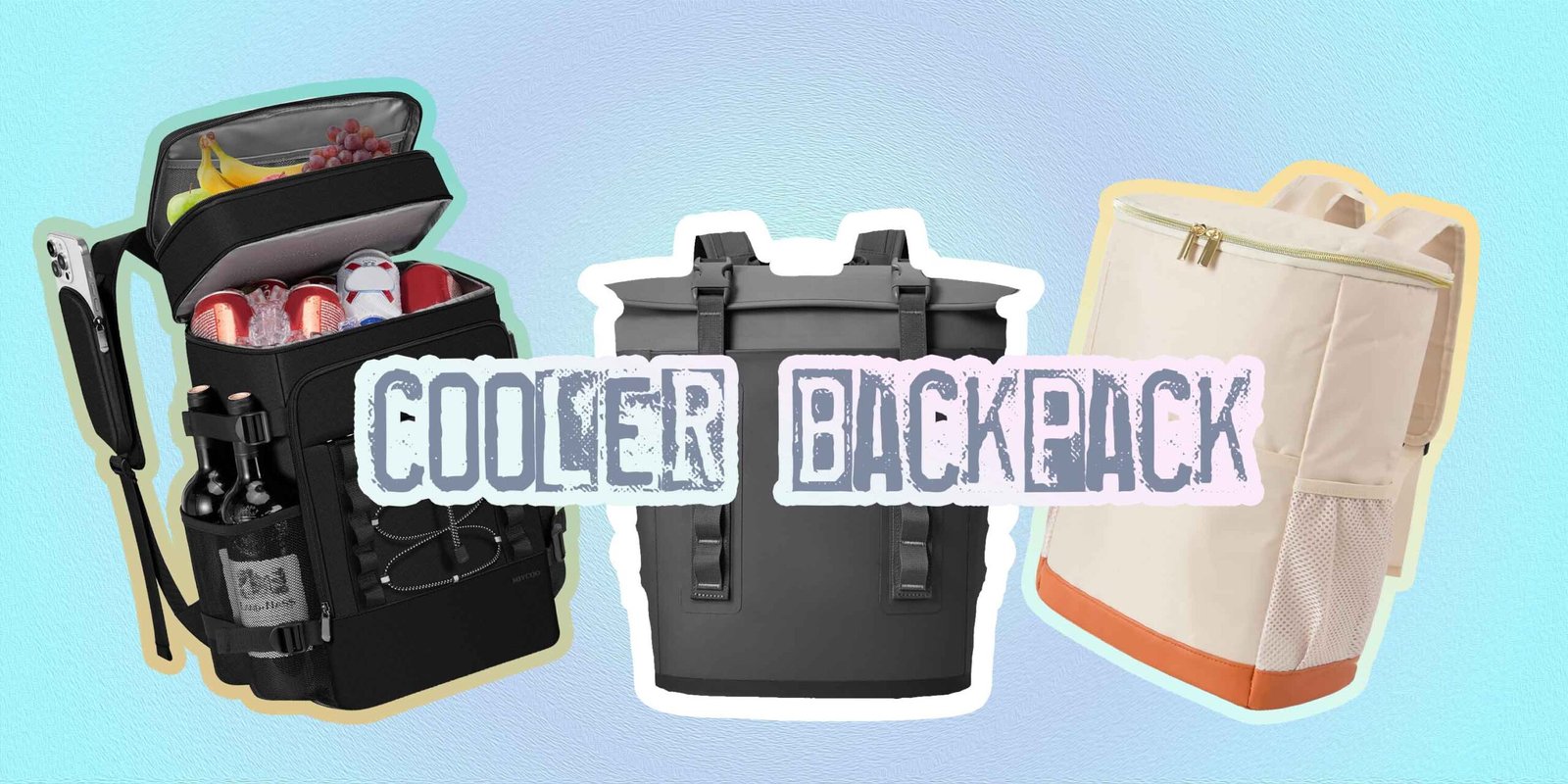
Retail and custom branding need a different kind of buying discipline. I say this because I have seen buyers focus on logo size, print color, and target price first. Those points matter, but they do not save a bad product. For retail, the bag must survive compliance review, customer use, and after-sales pressure. For custom branding, the bag must also reflect the brand promise. If the product says “summer fresh” but performs poorly in the field, the brand damage is much bigger than the unit savings.
So I would build the decision around documents and approval steps. I would ask for test methodology on insulation claims. I would ask for lining safety documents for the target market. I would ask whether the branding method affects the material or structure. I would also ask how the supplier handles pre-production samples, in-line inspection, and final inspection. At Coraggio, with our OEM and ODM background, this kind of question comes up often, and I think it is one of the most useful parts of supplier communication.
A simple sourcing framework can help:
| Buying Area | What to Request | Why It Protects the Order |
|---|---|---|
| Retail compliance | LFGB, FDA, REACH, or relevant documents | Avoid blocked entry or recall risk |
| Insulation claim | Full test method, not just a result | Prevent expectation gaps |
| Branding compatibility | Print/label method on chosen material | Reduce logo quality problems |
| Sampling | Pre-production sample approval process | Catch issues before bulk run |
| QC | Inspection points for lining, seams, and insulation build | Lower defect risk |
| MOQ and order planning | Flexibility for trial orders if needed | Safer market testing |
I think the biggest hidden cost in this category is not a few cents on the unit price. It is failure after delivery. Returns, claim handling, bad reviews, and re-sourcing cost far more.10 That is why I would always choose a supplier conversation with hard questions over a fast quote with easy promises.
Conclusion
Summer cooler backpack sourcing should start with proof, not promises. I would verify insulation conditions, material safety, and QC documents first, because that is what protects the order.
"Evaluating functional clothing in climatic chamber tests versus field ...", https://pubmed.ncbi.nlm.nih.gov/9802249/. Methodological research across product testing emphasizes that results obtained under controlled or limited conditions may not generalize to field use, which supports the article’s claim that an acceptable sample can still disappoint under real summer-use conditions. Evidence role: general_support; source type: research. Supports: That product performance observed under limited or non-representative conditions may differ from performance in actual use environments.. Scope note: This evidence is contextual and not specific to cooler backpacks unless a domain-specific source is located. ↩
"Food Packaging & Other Substances that Come in Contact with Food", https://www.fda.gov/food/food-ingredients-packaging/food-packaging-other-substances-come-contact-food-information-consumers. EU and U.S. food-contact materials guidance states that materials intended to contact food must comply with applicable safety requirements, supporting the article’s assertion that cooler-bag lining materials should be evaluated for food-contact suitability. Evidence role: expert_consensus; source type: institution. Supports: That materials intended to contact food are subject to safety requirements and documentation expectations in major markets.. ↩
"Food Packaging & Other Substances that Come in Contact with Food", https://www.fda.gov/food/food-ingredients-packaging/food-packaging-other-substances-come-contact-food-information-consumers. Regulatory guidance in the European Union and the United States describes compliance obligations and supporting documentation for food-contact materials, which contextualizes the article’s recommendation to request relevant documents before ordering for those markets. Evidence role: historical_context; source type: institution. Supports: That major Western markets maintain formal food-contact compliance frameworks that often require supporting documentation.. Scope note: The exact documents required depend on product design, intended contact, and the destination market’s applicable rules. ↩
"Insulated shipping container - Wikipedia", https://en.wikipedia.org/wiki/Insulated_shipping_container. Thermal-performance studies and test standards for insulated containers report that hold-time results depend on specified conditions such as ambient temperature, initial contents, fill level, and endpoint temperature; this supports the article’s point that nominal hour claims are not directly comparable without a shared test method. Evidence role: mechanism; source type: paper. Supports: That thermal-retention outcomes for insulated containers depend on controlled variables including ambient conditions, contents, and measurement criteria.. ↩
"Food Packaging & Other Substances that Come in Contact with Food", https://www.fda.gov/food/food-ingredients-packaging/food-packaging-other-substances-come-contact-food-information-consumers. Authoritative summaries from German, EU, and U.S. regulatory bodies identify LFGB-related food-contact testing, FDA food-contact rules, and REACH chemical regulation as recognized compliance frameworks for materials used in consumer goods, supporting the article’s use of these documents as due-diligence references. Evidence role: definition; source type: government. Supports: That LFGB-related testing, U.S. FDA food-contact rules, and the EU REACH framework are established regulatory or compliance references relevant to consumer product materials.. Scope note: These frameworks address different regulatory questions, so relevance depends on the product’s materials and destination market. ↩
"[PDF] High-R Walls Case Study Analysis - Department of Energy", https://www.energy.gov/sites/prod/files/2014/05/f16/high-r_value_walls_case_study_2011.pdf. Thermal-insulation research shows that discontinuities, leaks, and barrier damage can increase heat transfer and reduce effective insulating performance; by analogy, this supports the article’s claim that failed seams or punctured liners can degrade cold retention. Evidence role: mechanism; source type: research. Supports: That breaches, air leakage, or compromised barriers reduce effective insulation performance.. Scope note: Most published literature addresses insulation systems generally rather than cooler backpacks specifically. ↩
"Food Packaging & Other Substances that Come in Contact with Food", https://www.fda.gov/food/food-ingredients-packaging/food-packaging-other-substances-come-contact-food-information-consumers. Regulatory enforcement records and product-safety notifications document non-compliance issues involving food-contact materials, supporting the article’s characterization of lining safety as a sourcing risk that may surface during import or retail review. Evidence role: case_reference; source type: government. Supports: That food-contact material non-compliance is a recognized regulatory and market-access issue.. Scope note: Such records demonstrate the existence of compliance risk but may not quantify how common the problem is specifically for cooler backpacks. ↩
"[PDF] Energy Requirements of Refrigerators Due to Door Opening ...", https://docs.lib.purdue.edu/cgi/viewcontent.cgi?article=1835&context=iracc. Studies of refrigerated and insulated enclosures show that opening events permit warm-air infiltration and increase heat gain, supporting the article’s claim that opening design affects real-use cold-retention performance. Evidence role: mechanism; source type: paper. Supports: That opening an insulated compartment allows warm-air infiltration and accelerates temperature rise.. Scope note: Evidence is commonly drawn from refrigerated cabinets or transport enclosures rather than consumer cooler backpacks. ↩
"STYLES AND FEATURES OF BACKPACKS USED BY ...", https://journal.parker.edu/article/78053-styles-and-features-of-backpacks-used-by-chiropractic-students. Ergonomic research on backpack use finds that increased carried load affects comfort, posture, and strap forces, which supports the article’s point that bags intended to carry food, drinks, and ice require more robust carrying structure than lighter day-use packs. Evidence role: general_support; source type: education. Supports: That backpack comfort and durability are sensitive to carried load, making structural support more important when loads are heavier.. Scope note: Such studies typically measure load effects on users rather than the average payload of cooler backpacks as a product category. ↩
"[PDF] Reducing the Costs of Poor Quality: A Manufacturing Case Study", https://scholarworks.waldenu.edu/context/dissertations/article/6608/viewcontent/Faciane_waldenu_0543D_20845.pdf. Quality-management literature on the cost of poor quality and total cost of ownership finds that defects, returns, complaints, and rework can outweigh modest upfront price savings, supporting the article’s claim that post-delivery failure may be more expensive than a slightly higher unit cost. Evidence role: expert_consensus; source type: institution. Supports: That downstream quality failures generate significant costs beyond initial purchase price.. Scope note: Most sources present general management evidence rather than cost data specific to cooler backpacks. ↩