Hydration sports backpacks often look simple on paper, but many buyers run into the same problem: they ask for a price too early, receive quotes based on different assumptions, and then lose time in revisions. I have seen this happen often. The fix is simple: define the use scenario first, then the hydration and storage needs.
Hydration sports backpacks should be specified by use scenario first, not by price or generic size. Buyers should clarify the activity type, hydration setup, storage needs, comfort expectations, materials, and pre-production checkpoints before requesting samples or quotations. This approach creates more accurate pricing, fewer revisions, and a product that actually fits the intended market.
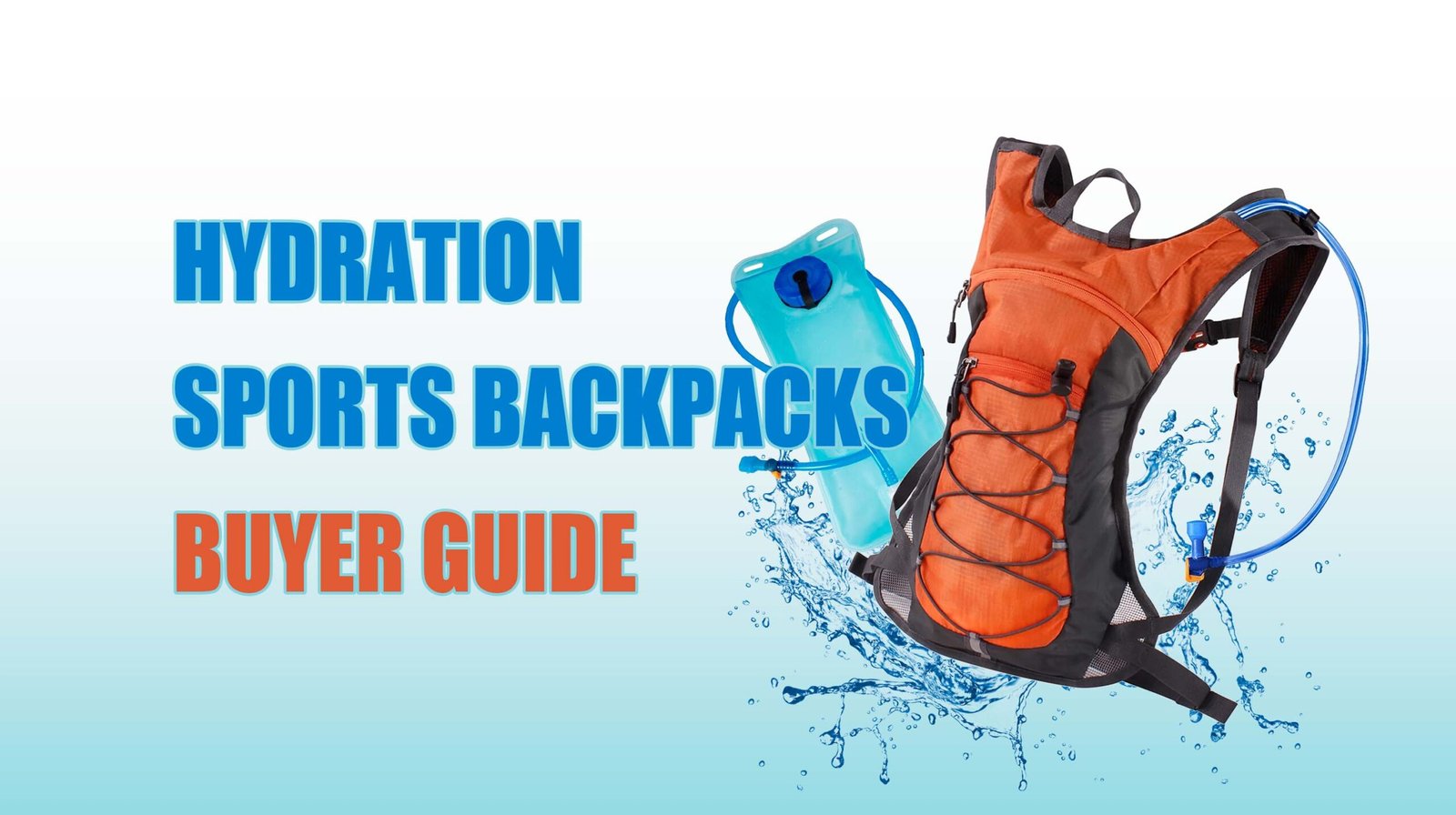
When I talk with buyers, I notice the same pattern. A team wants a hydration pack, but the brief stays too broad. Then the supplier fills in the blanks with assumptions. That is where confusion starts. So below, I will break this down from a manufacturing and briefing perspective.
What Is a Hydration Sports Backpack?
A lot of buyers use the term loosely, and that creates trouble fast. The product sounds familiar, but the actual construction, function, and target use can vary a lot. That gap leads to mismatched samples, unclear quotes, and avoidable development rounds.
A hydration sports backpack is not just a normal backpack with a water bladder added. It is a carry system designed around hydration access during movement, with pack structure, tube routing, pocket layout, and fit all shaped by the intended activity1.
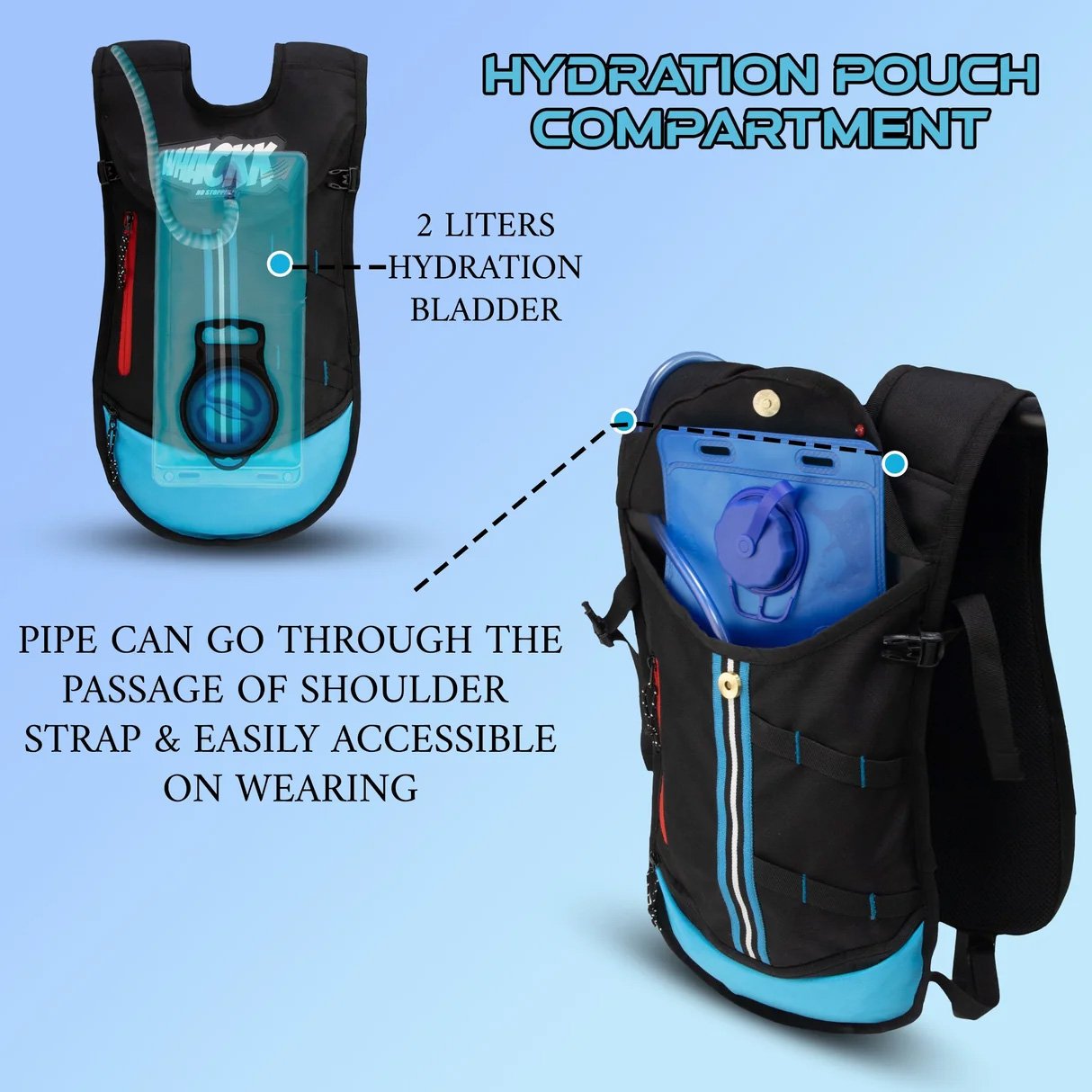
Based on the OEM/ODM inquiries we have handled, this is the first place where buyers need to slow down and define terms. From a manufacturing and briefing perspective, a hydration pack has a different logic than a standard daypack or promo backpack.
Why the definition matters
If a buyer simply says, “We need a hydration backpack,” I still do not know several key things:
- Is the bag for cycling, trail running, hiking, or a branded event giveaway?
- Will the pack include a hydration bladder, or only a bladder compartment?
- What bladder volume is expected: 1L, 1.5L, 2L, or 3L?
- Does the customer need light storage only, or room for extra layers and gear?
- Is the product meant for retail sale or for promotional distribution?
Those details change the bag itself. They affect:
- Pattern design
- Shoulder strap construction
- Back panel shape
- Stability requirements
- Trim and accessory choices
- Final cost
A hydration product is a system
I think buyers get better results when they treat hydration sports backpacks as a small system, not one item. That system includes:
| Component | Questions buyers should ask |
|---|---|
| Pack body | How much cargo must it carry? |
| Hydration compartment | Is a bladder included, and what size? |
| Tube routing | Left side, right side, or both? |
| Drinking access | Bite valve style, fixing loop, cover needed? |
| Stabilization | Chest strap only, or chest + waist support? |
| Storage layout | Phone, keys, tools, snacks, jacket? |
This matters because product failure in sourcing often starts at the briefing stage, not the factory floor. If the brief stays vague, every supplier may quote a different interpretation2. Then buyers compare prices that are not truly for the same product.
My practical view
I have seen buyers focus on liters or fabric too early. But the better question is always: What job should this hydration sports backpack do? Once that answer is clear, the product definition becomes much easier, and the rest of the spec starts to make sense.
Which Features Matter for Cycling, Hiking, and Running Events?
Many buyers ask for a “best” feature list. I understand the instinct, but that usually leads to overbuilt or underbuilt products. The right features depend on movement intensity, hydration frequency, storage load, and how stable the pack must stay on the body.
For hydration sports backpacks, cycling, hiking, and running events need different feature priorities. Running packs need low bounce and quick access3. Cycling packs need stability and streamlined profile4. Hiking packs usually need more storage, comfort, and load distribution5.
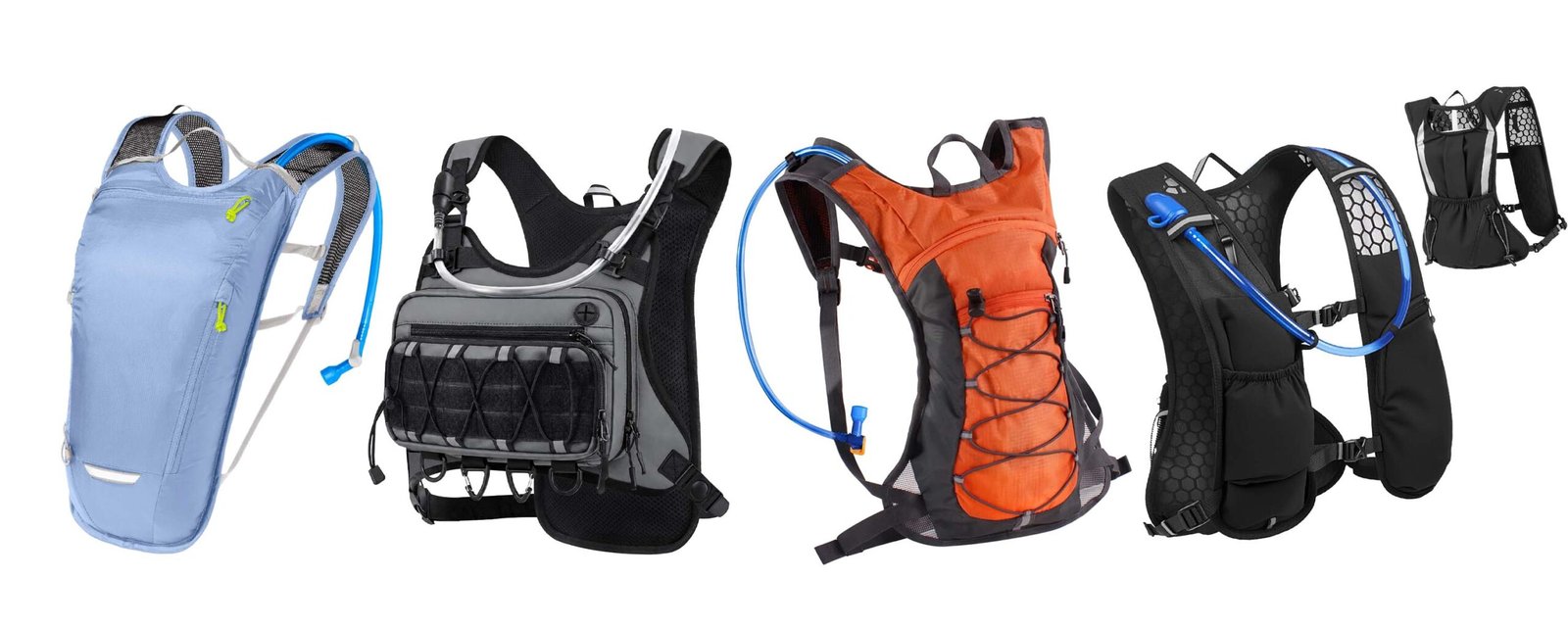
From a supplier communication angle, this is where a lot of buyers save or lose time. If the use scenario is not specific, the sample may look acceptable but still be wrong for the market.
Running events
Running-oriented hydration sports backpacks usually need:
- Light weight
- Slim body shape
- Minimal bounce
- Fast drinking access
- Compact storage
For this category, I would usually ask buyers to specify:
- Expected event distance
- Whether the user carries only water and phone, or extra items
- Whether vest-like straps are preferred
- Whether reflective trim is needed
A running pack is often less forgiving. If storage is overloaded, the bag may shift too much. If the shoulder construction is wrong, the pack can feel unstable.
Cycling use
Cycling briefs often focus on a balanced mix of hydration, aerodynamics, and essential carry. Buyers in this category should clarify:
- Helmet-friendly profile
- Tool pocket requirements
- Space for mini pump or repair kit
- Tube routing preference
- Back ventilation expectations
A cycling hydration backpack may need a slightly more structured back panel than a running pack, depending on the target market. Some buyers also want a clean external shape for branding, especially for club, event, or retail programs.
Hiking or outdoor day use
Hiking usually changes the product most clearly. The pack often needs:
- More cargo volume
- Better load distribution
- Room for a light jacket
- More organized compartments
- More comfort focus than pure speed
That means the product may need wider straps, more back padding, or a more supportive shape. A buyer who only says “2L bladder backpack” may miss the fact that the real requirement is closer to a lightweight hiking daypack with hydration compatibility.
Promotional and custom event use
This category gets overlooked. Some buyers do not need technical performance at the highest level. They need:
- Controlled cost
- Good visual branding area
- Simple hydration function
- Reliable construction for campaign use
That is why I do not believe all specs matter equally. A chain retailer, a sports brand, and a promotional gift buyer should not ask for the same product.
The best brief is not the longest brief. It is the brief that matches the use scenario clearly.
How Should Buyers Choose Capacity and Compartments?
Buyers often start with capacity because it feels measurable. But capacity alone does not define the right bag. A 5L pack can work well for one program and fail badly for another if the compartment layout does not match the real carry needs6.
For hydration sports backpacks, buyers should choose capacity only after defining the activity, hydration volume, and non-water items to be carried. Compartments are part of the core specification because they affect usability, pack balance, pattern design, and cost.
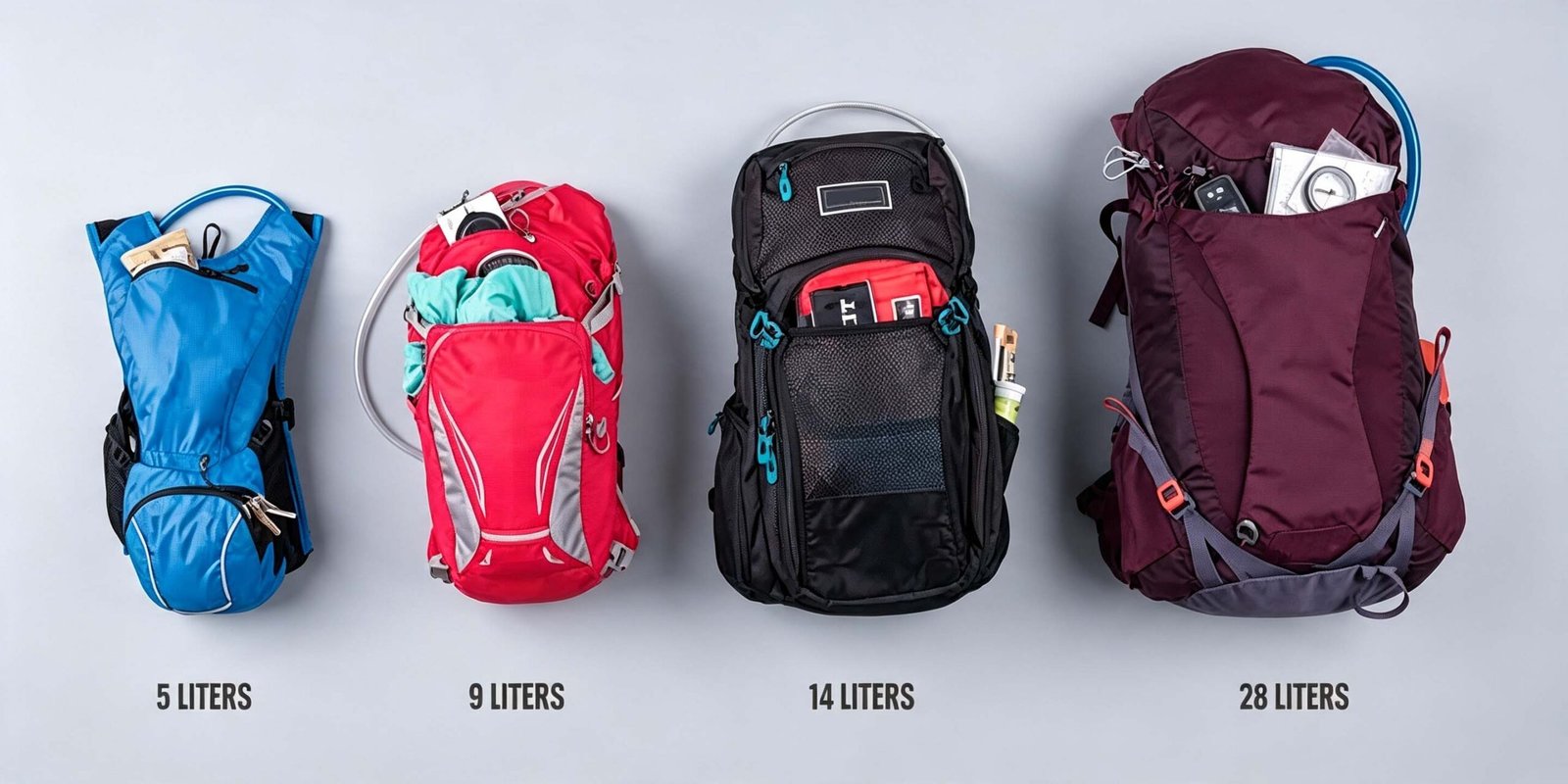
From a manufacturing perspective, I always want buyers to list the carry items first. That simple step avoids many revisions.
Start with the carry list
I suggest buyers answer these questions:
- Will the pack carry only a bladder and phone?
- Does it need space for keys, gels, wallet, and earphones?
- Will users carry a light jacket?
- Is there a need for tools, patch kit, or pump?
- Does the product need an internal organizer?
- Should there be a separate wet/dry area?
This is much more useful than just saying “medium size.”
Common capacity logic
Here is a simple B2B-friendly way to think about it:
| Use scenario | Typical pack capacity direction | Notes |
|---|---|---|
| Running event | 2L–5L | Focus on low bounce and essentials |
| Cycling | 3L–8L | Needs room for tools and small extras |
| Short hiking/day use | 6L–12L | More flexible storage matters |
| Promotional use | Varies | Cost and branding may matter more than technical optimization |
This is not a fixed rule. It is a briefing shortcut.
Compartment design affects balance
A hydration sports backpack must carry water plus other items. Water weight shifts how the bag sits7. So storage layout is not decorative. It affects comfort and stability.
Key compartment decisions include:
- Main compartment size
- Dedicated hydration sleeve
- Zipper pocket placement
- Front stretch pocket or not
- Phone access location
- Bottom or side stash options
If a buyer wants to carry both a bladder and a jacket in a small-volume pack, the construction may become tight or awkward. If a buyer wants very clean branding, external utility pockets may need to be reduced.
A practical mistake I see often
One common omission is not defining whether the supplier should quote:
- bag only
- bag + bladder
- bag + bladder + accessories packaging
That sounds basic, but it changes cost and sourcing coordination. It also changes compartment design if the bladder size is not fixed.
So when I review a brief, I ask for a simple packing logic:
- What water capacity?
- What gear list?
- What access frequency?
- What shape priority: slim, balanced, or roomy?
That sequence produces much better samples.
What Materials Help Reduce Weight and Improve Comfort?
Material questions matter, but I do not think they should come first. Buyers often ask for the lightest fabric or the cheapest option before the product logic is clear. That usually creates the wrong conversation too early.
For hydration sports backpacks, materials should support the intended use scenario, target price level, weight goal, and comfort expectations. Buyers should review fabric, mesh, foam, webbing, and lining as a system rather than choosing body fabric alone.
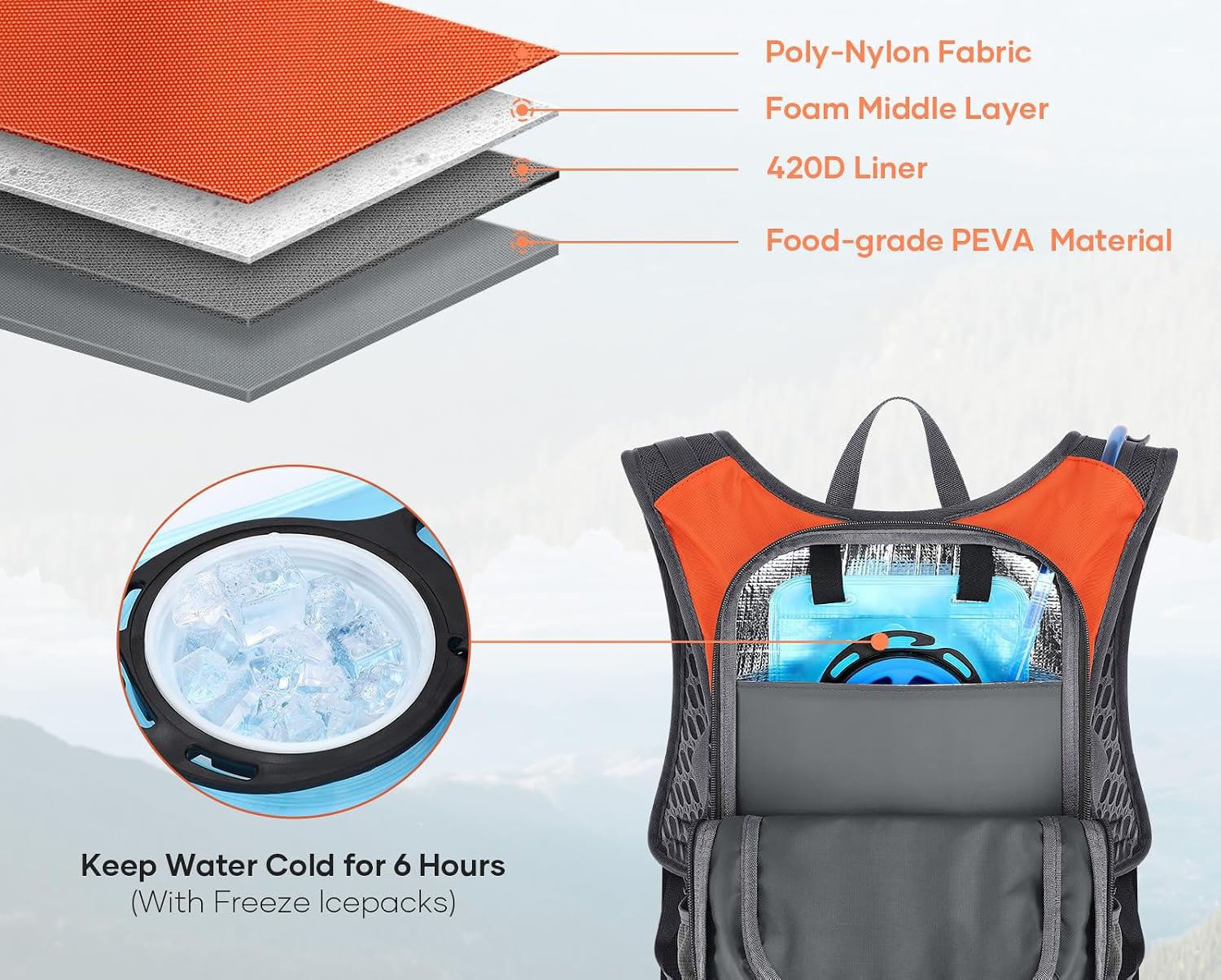
Based on OEM/ODM inquiry patterns, fabric-first buying often leads to weak results. Two bags may use similar outer fabric but feel very different because the comfort system is different.
Material categories that matter
Body fabric
Common directions include:
- Lightweight polyester
- Ripstop polyester
- Nylon options for a more technical feel
- Recycled fabric options for eco-focused programs
Body fabric affects:
- Weight
- Hand feel
- Durability impression
- Printability
- Cost
Mesh and contact areas
Comfort often depends more on the parts touching the body8:
- Air mesh on straps
- Sandwich mesh on back panel
- Soft edge binding
- Breathable lining selections
Foam and structure
Foam choices influence:
- Cushioning
- Shape retention
- Perceived quality
- Load comfort
A very light pack with poor support may not feel comfortable once filled. So “lightweight” must be balanced against “usable.”
Comfort is built, not added
I think buyers should look at comfort through these details:
- Shoulder strap width
- Strap contour
- Chest strap adjustability
- Waist support, if any
- Back panel breathability
- Edge finishing to reduce rubbing
These choices are not identical across all hydration sports backpacks. A running-focused bag may need a softer, body-hugging approach. A hiking-oriented bag may need more support. A promotional item may need simpler construction to stay within target cost.
Material choice and business reality
For B2B projects, material decisions also connect to:
- MOQ
- lead time
- color availability
- certification needs
- logo method
- target market expectations
For example, a buyer selling into Europe may care more about recycled content or compliance documentation9. A supermarket buyer may care more about cost control and delivery timing.
So I would not ask, “What is the best material?” I would ask, “What material system matches this product’s use, price, and market?” That is a much more useful sourcing question.
What Should Be Checked Before Bulk Production?
This is where many sourcing problems can still be prevented. A sample may look good enough in photos, but the real production risk often hides in details that were never written down clearly. I have learned that the pre-production stage is where buyers protect both schedule and margin.
Before bulk production of hydration sports backpacks, buyers should confirm the approved use scenario, measurements, hydration setup, pocket layout, materials, logo execution, testing expectations, packaging, and quality standards in writing. Clear confirmation reduces misunderstandings and improves quote comparability10.
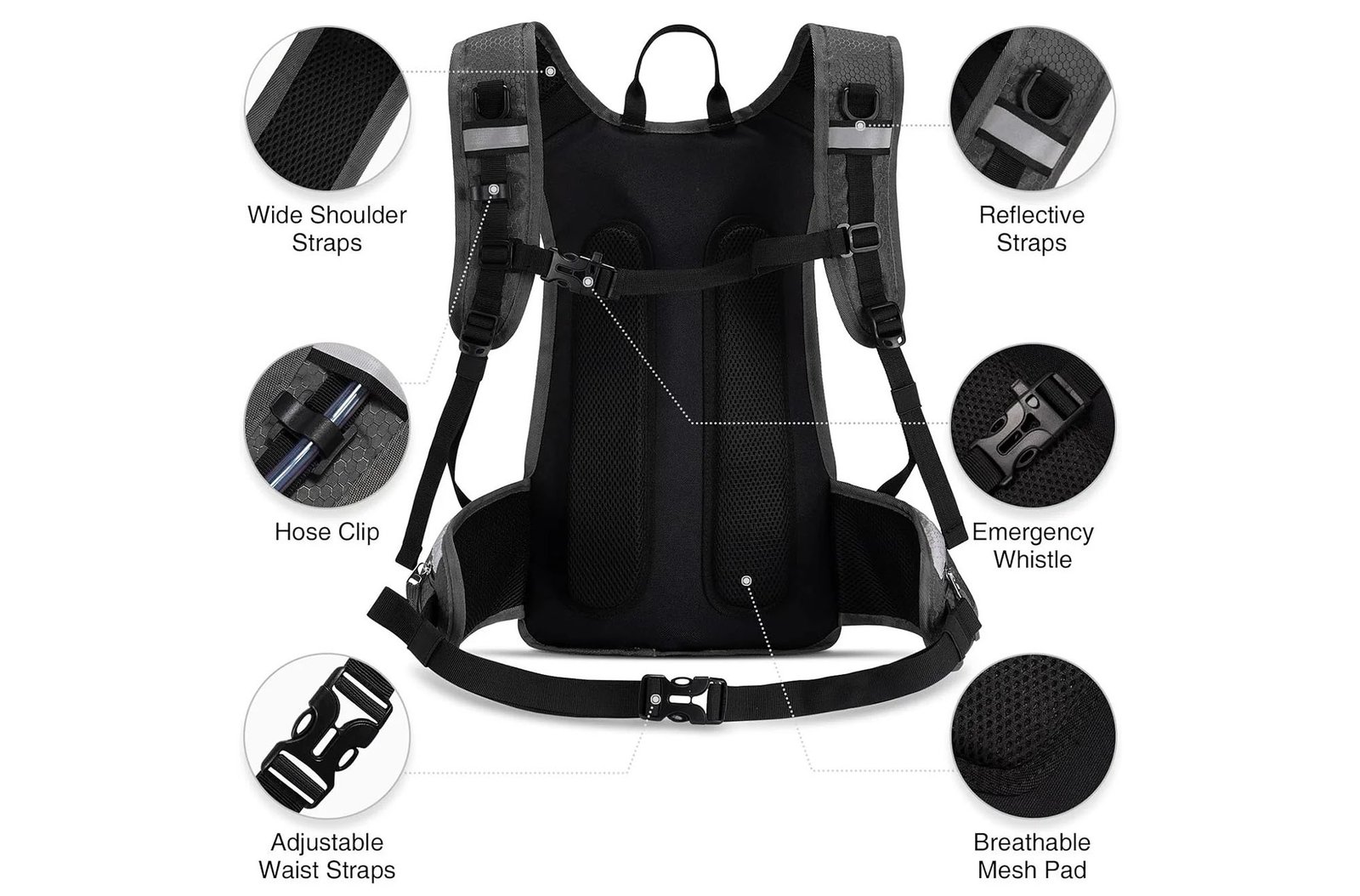
From a manufacturing and briefing perspective, this stage matters more than many buyers expect. If the product assumptions still differ between buyer and factory, bulk production can drift from the sample.
Core pre-production checklist
I recommend confirming these points:
Use scenario
- Running, cycling, hiking, or promotional?
- Retail sale or campaign giveaway?
Hydration system
- Bladder included or not?
- Bladder capacity?
- Tube route and bite valve details?
Dimensions and capacity
- Finished bag size
- Usable cargo space
- Tolerance expectations
Compartments
- Pocket quantity
- Pocket placement
- Zipper direction
- Internal organizer details
Materials and color
- Main fabric
- Mesh
- foam
- lining
- webbing
- color references
Branding
- Print, embroidery, badge, or label
- Logo size and position
Packaging
- Polybag, insert card, hangtag, carton standard
Approvals buyers should not skip
A few points deserve extra attention:
| Checkpoint | Why it matters |
|---|---|
| Wear fit review | Strap spacing and pack balance may look different in flat photos |
| Bladder compatibility | Wrong sleeve size causes functional issues |
| Tube exit position | Small detail, but very visible in use |
| Pocket access | Easy to miss until the bag is loaded |
| Carton plan | Impacts freight cost and delivery planning |
Price comes after clarity
This is one of my strongest views on this topic: pricing only becomes meaningful after the brief is clear11. Otherwise, suppliers are quoting assumptions. One quote may include a bladder, another may not. One may assume lightweight basic mesh, another may assume more padded straps. Those are not equal comparisons.
When buyers provide a solid brief before bulk approval, they usually gain:
- faster communication
- fewer revisions
- more reliable timelines
- better cost transparency
That is not theory. I see it in real project flow.
Frequently Asked Questions
Should buyers request a price for hydration sports backpacks before finalizing specs?
I do not recommend it. An early rough quote can be useful, but it is only a reference. If the use scenario, hydration setup, and storage layout are unclear, suppliers may quote different assumptions, and the comparison becomes unreliable.
Do all hydration sports backpacks need to include a water bladder?
No. Some buyers want the bladder included, while others only need bladder compatibility. This should be stated clearly at the start because it affects cost, sourcing scope, compartment sizing, and packaging.
What is the most common mistake buyers make with hydration sports backpacks?
The most common mistake is skipping the use scenario. Buyers often ask about capacity or price first. But without knowing whether the pack is for running, cycling, hiking, or promotion, the supplier cannot define the right product accurately.
Are lightweight materials always better for hydration sports backpacks?
No. Lightweight materials can help, but they are not automatically better. The right material choice depends on the activity, target cost, support needs, and expected loading. Comfort and structure matter as much as fabric weight.
What should buyers send suppliers before requesting samples?
I suggest sending a short but clear brief: intended use, target user, bladder requirement, capacity direction, carry item list, preferred materials, branding needs, and target quantity. That usually improves sample accuracy and reduces back-and-forth.
Conclusion
Hydration sports backpacks should never be specified as generic bags. I believe buyers get better results when they define the use scenario first, then confirm hydration setup, storage requirements, comfort direction, and pre-production details. That sequence creates clearer quotes and fewer surprises. If you are developing an OEM or ODM hydration pack program, I can help you turn a rough idea into a production-ready brief. Reach out to Coraggio at info@coraggiobag.com or visit https://coraggiobag.com/ to discuss your project.
"Impact of Backpacks on Ergonomics: Biomechanical and Physiological ...", https://pmc.ncbi.nlm.nih.gov/articles/PMC9180465/. Ergonomic and sports-equipment research indicates that movement pattern, load stability, and access needs differ across activities such as running, cycling, and hiking, providing a mechanism for why pack structure, hose routing, storage arrangement, and fit are typically tailored to intended use rather than treated as uniform features. Evidence role: mechanism; source type: research. Supports: Sport-specific movement demands influence backpack fit, stability, and access features, which in turn affect hydration pack design choices.. Scope note: The literature may discuss load carriage and sports ergonomics more generally rather than commercial hydration-pack specifications in exactly these terms. ↩
"Competition under Incomplete Contracts and the Design of ...", https://www.stern.nyu.edu/sites/default/files/assets/documents/CGLW_Competition_3_3_22.pdf. Procurement guidance from public-sector and international bodies states that precise technical specifications are required to obtain comparable bids and reduce ambiguity in supplier responses, supporting the claim that vague briefs lead to quotations based on differing assumptions. Evidence role: general_support; source type: government. Supports: Procurement guidance emphasizes that clear specifications are necessary for suppliers to submit comparable offers and for buyers to evaluate bids fairly.. Scope note: This support comes from procurement practice broadly and is not specific to backpacks or soft-goods manufacturing. ↩
"Impact of Backpacks on Ergonomics: Biomechanical and ...", https://pmc.ncbi.nlm.nih.gov/articles/PMC9180465/. Biomechanical studies of load carriage during running report that load displacement and instability contribute to discomfort and can impair running efficiency, while hydration research supports easy access to fluids during prolonged exercise; together these findings support the emphasis on low-bounce construction and rapid drinking access in running-oriented packs. Evidence role: mechanism; source type: paper. Supports: Research on load carriage in running shows that load movement and poor stability increase discomfort and can affect running economy, making low-bounce design a relevant priority; hydration-access studies support the value of accessible drinking systems during endurance activity.. Scope note: The evidence is often indirect, combining load-carriage biomechanics with hydration-access considerations rather than testing commercial running packs as a product category. ↩
"Impact of Backpacks on Ergonomics: Biomechanical and ...", https://pmc.ncbi.nlm.nih.gov/articles/PMC9180465/. Sports-ergonomics research on cycling posture and load carriage indicates that equipment carried on the back should remain stable and close to the body to limit movement-related discomfort and interference, which supports the preference for stable, streamlined pack designs in cycling applications. Evidence role: mechanism; source type: research. Supports: Cycling posture and repetitive motion create ergonomic reasons to favor stable, close-fitting, low-profile load carriage.. Scope note: Direct evidence may come from broader cycling ergonomics or load-carriage studies rather than a controlled comparison of hydration-pack silhouettes. ↩
"Impact of Backpacks on Ergonomics: Biomechanical and ...", https://pmc.ncbi.nlm.nih.gov/articles/PMC9180465/. Load-carriage studies show that as carried load and duration increase, comfort and effective load distribution become more important determinants of usability, which supports the article’s characterization of hiking-oriented packs as typically requiring more storage capacity and greater emphasis on comfort features. Evidence role: mechanism; source type: paper. Supports: Load-carriage research supports the importance of load distribution, comfort, and supportive design as carried weight and trip duration increase, which is consistent with hiking use cases.. Scope note: The evidence supports the functional rationale for hiking-pack priorities but may not directly compare all hiking, cycling, and running hydration products in a single dataset. ↩
"Impact of Backpacks on Ergonomics: Biomechanical and ...", https://pmc.ncbi.nlm.nih.gov/articles/PMC9180465/. Human-factors and product-usability research indicates that storage systems are evaluated not only by total capacity but also by organization, accessibility, and fit to user tasks, supporting the claim that a given pack volume may succeed or fail depending on compartment layout. Evidence role: general_support; source type: research. Supports: Human-factors research supports the idea that usability depends not only on total volume but also on access, organization, and task fit.. Scope note: This is contextual support from general usability principles rather than direct experimental proof about 5-liter hydration packs specifically. ↩
"Relationship between backpack load location, sex, anthropometric and ...", https://pmc.ncbi.nlm.nih.gov/articles/PMC10575324/. Biomechanical studies of backpack load carriage report that added mass changes body posture, center of mass, and load distribution, supporting the statement that the weight of water influences how a pack sits and feels during use. Evidence role: mechanism; source type: paper. Supports: Backpack loads alter body mechanics, center of mass, and perceived stability, which supports the statement that carried water affects how a pack sits on the body.. ↩
"The effect of shoulder strap width and load placement on ...", https://pubmed.ncbi.nlm.nih.gov/29254136/. Ergonomic studies on backpacks and load carriage show that interface factors such as strap geometry, padding, pressure distribution, and back-contact materials are major contributors to perceived comfort, supporting the article’s emphasis on body-contact components rather than outer fabric alone. Evidence role: mechanism; source type: paper. Supports: Comfort in load carriage is influenced by interface pressure, strap design, padding, and back-contact materials.. Scope note: The claim that these factors matter 'more' than body fabric is often supported indirectly through comfort measures rather than through direct head-to-head ranking of every material variable. ↩
"Textiles Strategy - Environment - European Commission", https://environment.ec.europa.eu/strategy/textiles-strategy_en. European Union policy and regulatory frameworks on chemicals, product documentation, and environmental claims provide context for why buyers selling into Europe often place greater emphasis on compliance records and substantiation of recycled-content or sustainability-related claims. Evidence role: historical_context; source type: institution. Supports: EU regulatory and policy frameworks create market attention to chemical compliance, product documentation, and environmental claims, including recycled-content representations.. Scope note: This support is contextual: it explains why these concerns arise in the European market but does not prove that every European buyer prioritizes them equally. ↩
"Part 6 - Competition Requirements", https://www.acquisition.gov/far/part-6. Quality-management and procurement guidance consistently emphasizes documented and agreed requirements as a means to reduce misunderstanding, control variation, and enable like-for-like comparison of supplier offers, supporting the value of written pre-production confirmation. Evidence role: expert_consensus; source type: institution. Supports: Quality-management and procurement standards emphasize documented requirements to reduce errors and improve consistency across supplier quotations and production outcomes.. Scope note: The support reflects widely accepted management practice rather than a study focused specifically on hydration-pack manufacturing. ↩
"Subpart 15.4 - Contract Pricing", https://www.acquisition.gov/far/subpart-15.4. Public procurement guidance states that price comparison is meaningful only when bidders respond to the same well-defined technical requirements, supporting the article’s position that unclear briefs produce prices based on different assumptions rather than equivalent products. Evidence role: expert_consensus; source type: government. Supports: Procurement authorities hold that meaningful price comparison depends on suppliers bidding against the same clearly defined requirements.. Scope note: The evidence comes from procurement principles in general and is not limited to consumer bags or OEM soft-goods sourcing. ↩