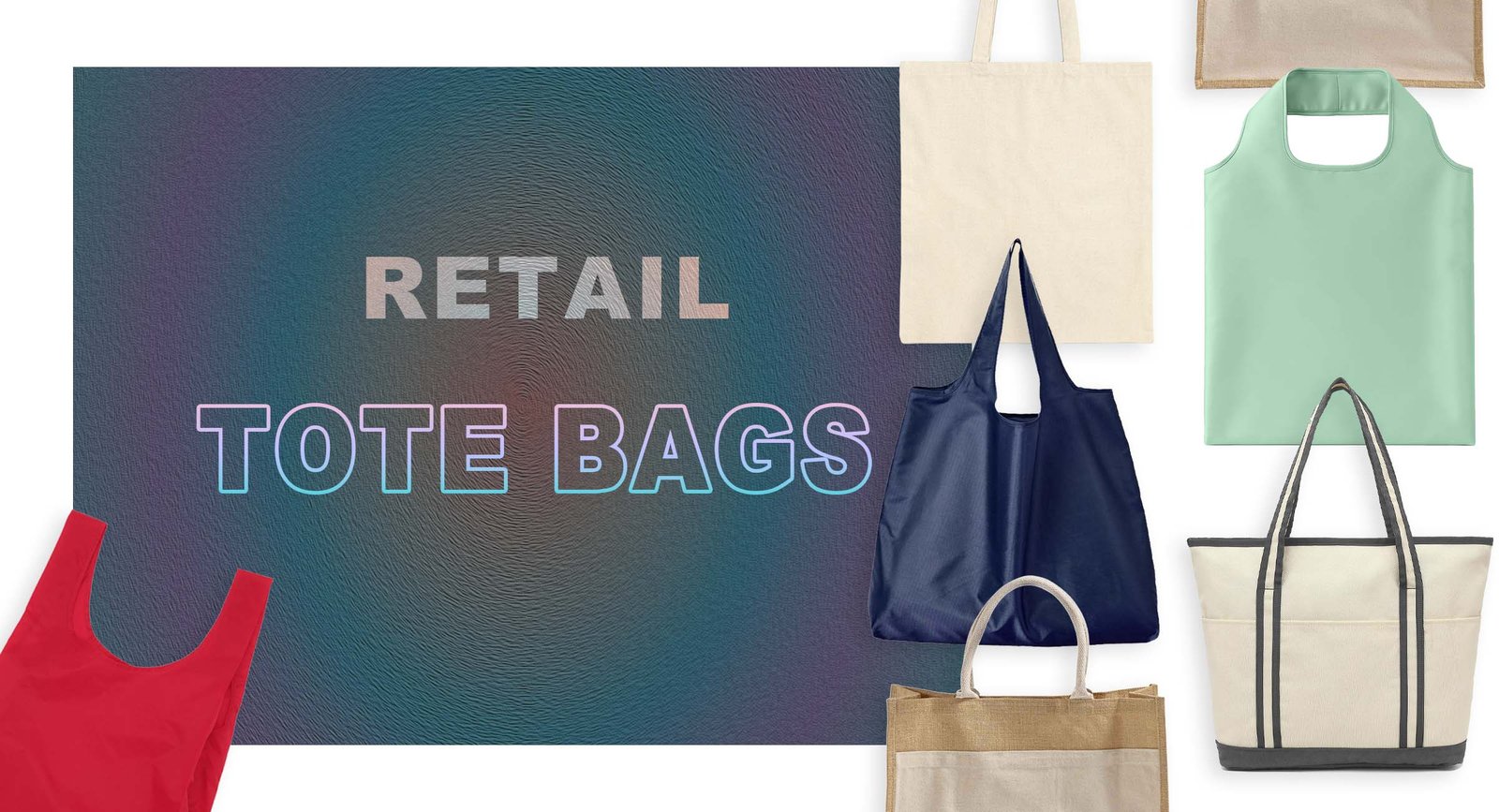
I see many buyers choose a pretty tote first, then face complaints about weight, laptop fit, and weak structure later.
In 2026, I think buyers will want work totes that balance capacity, clean style, light weight, stable structure, smart pockets, and easy customization1. The best design is not only fashionable. It must work in daily office use and stay consistent in bulk production.
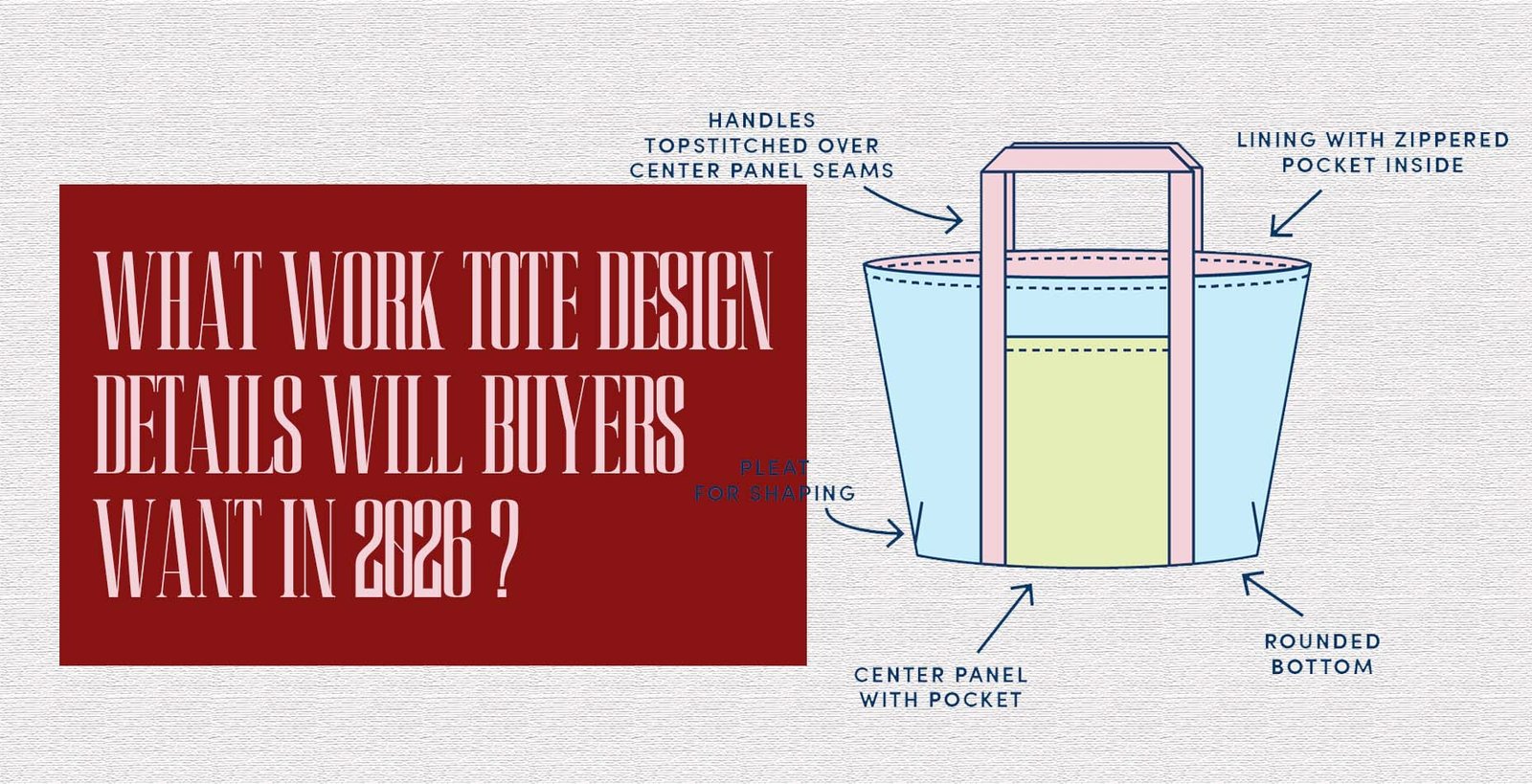
I use one simple rule when I discuss work tote projects with overseas buyers. I first ask what the end user carries on a normal workday. A laptop, charger, notebook, wallet, bottle, cosmetics, keys, and small tech items create very clear design needs. I also ask how the bag will be sold. A retail brand, a corporate gift project, and a supermarket private-label program do not need the same details. I have seen buyers start with color, shape, and logo position. I have also seen the same buyers return to capacity, material support, pocket cost, and production risk during sampling. This is where the real product decision starts.
Why are oversized work totes trending again?
I see oversized totes return because many office users carry more items2, yet they still want one clean bag for work.
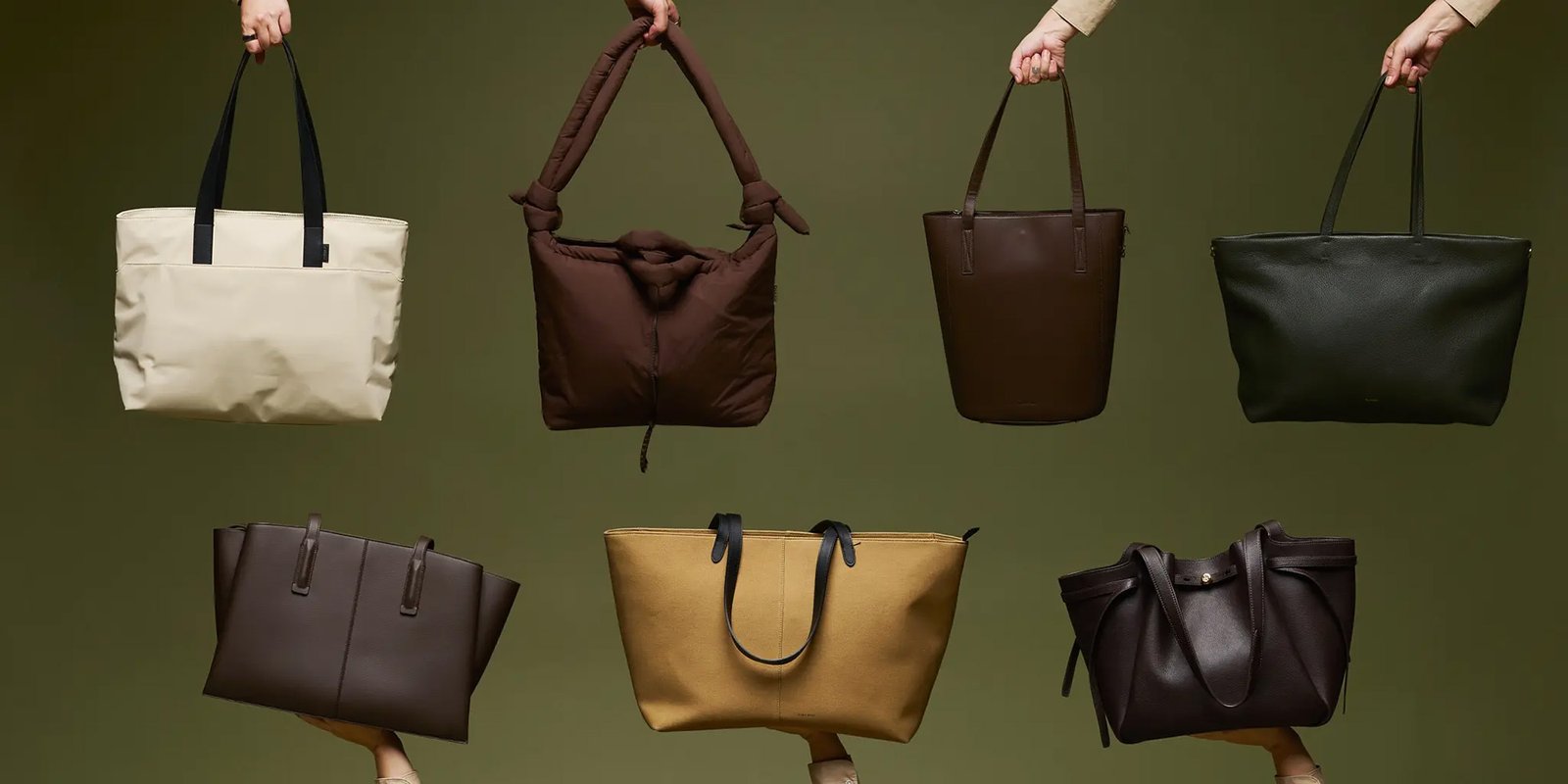
Oversized work totes are useful when they hold laptops, documents, bottles, and personal items without looking like travel bags. I think buyers should check size, weight, handle comfort, and shape control before they approve a large tote.
My practical view on large capacity
I do not treat oversized design as a fashion word. I treat it as a capacity decision. A larger tote can raise perceived value, but it can also create higher material cost, weaker structure, and higher shipping volume. I often see buyers ask for a “large office tote” during the first inquiry. When I ask about the laptop size, document folder, bottle height, and zipper opening, the design direction becomes much clearer.
| Oversized detail | What I check first | Buyer risk if ignored |
|---|---|---|
| Main body width | I check laptop and folder fit | The bag looks big but fails office use |
| Bottom gusset | I check standing shape | The tote collapses when filled |
| Handle drop | I check shoulder comfort | The end user feels pressure when commuting |
| Top closure | I check security needs | The open top may feel unsafe3 |
| Weight | I check fabric, lining, and hardware | The large tote becomes too heavy |
I also look at visual proportion. A work tote should not look like a beach bag unless that is the brand direction. I normally suggest a slightly wider body, a stable base, and a clean top line. This gives the user room without making the bag look oversized in a careless way. For B2B buyers, this balance matters because a large tote must look good in photos, feel good in hand, and stay stable after mass production.
What makes a handbag functional for commuting?
I believe a commuting handbag becomes functional when it helps the user move fast, carry safely, and find small items without stress.
A functional commuting tote should have comfortable handles, secure closure, light structure, quick-access pockets, and enough space for work items. I think buyers should test the bag with real daily items, not only with empty sample photos.
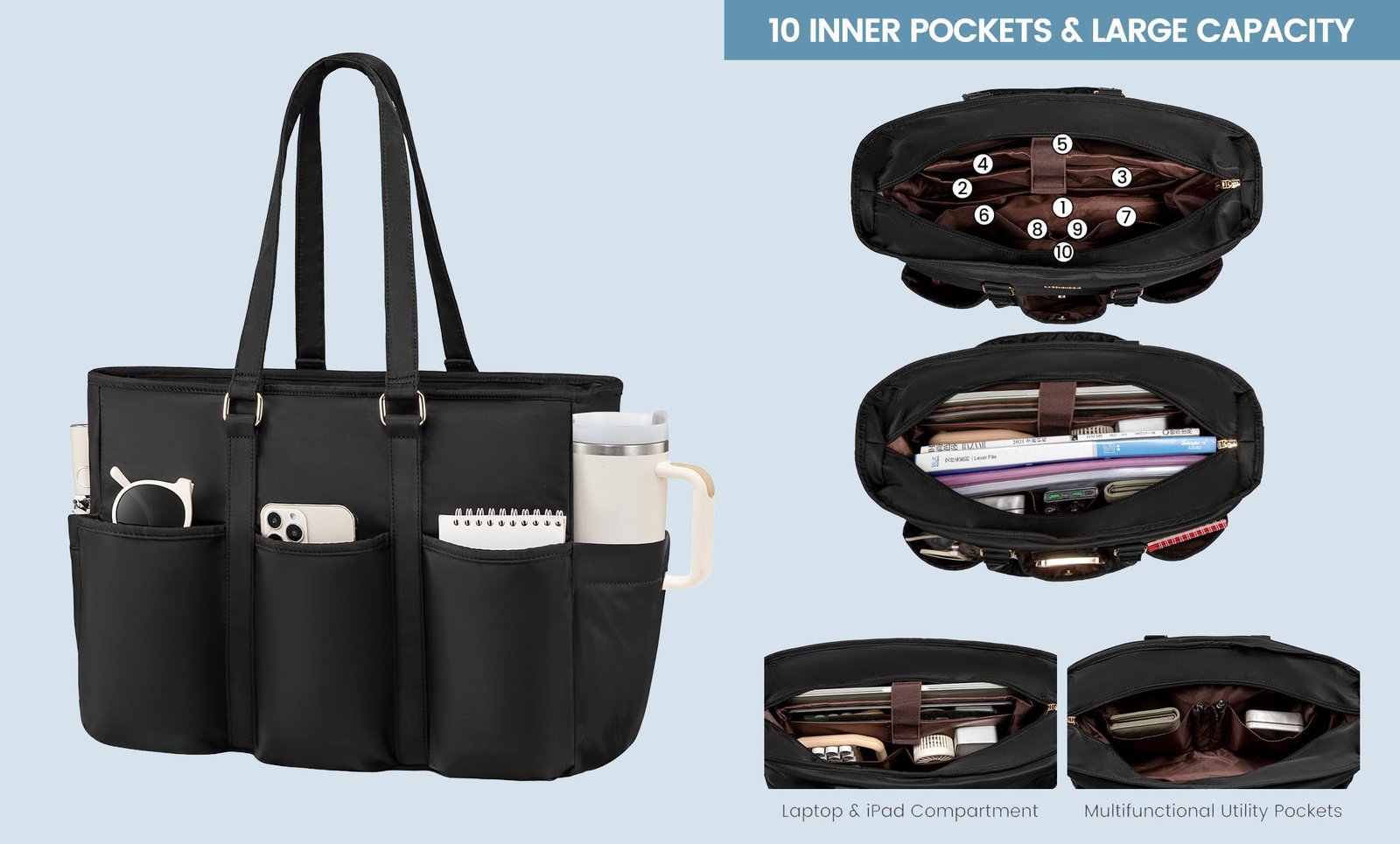
My checklist for daily movement
I often remind buyers that commuting is not a product photo scene. A person may stand on a train, walk through rain, pass security, enter a meeting, and carry coffee at the same time.4 The handbag must support this normal movement. It should not only sit nicely on a table.
| Commuting need | Design detail I consider | Simple reason |
|---|---|---|
| Fast access | Front slip pocket or back zipper pocket | The user can reach phone or card fast |
| Safe storage | Top zipper or magnetic closure | The user feels more secure in public |
| Shoulder comfort | Wider strap or soft handle edge | The user carries weight for longer time |
| Weather support | Coated fabric or easy-clean surface | The bag handles light rain and dirt |
| Office look | Clean hardware and neat stitching | The bag still fits meetings |
I have seen some samples look stylish but feel awkward when carried with a laptop. I have also seen buyers reject a good-looking design because the handle drop was too short for a winter coat. This small point can affect real use in Canada, Europe, Japan, and other cold markets.5 I also pay attention to the opening width. A laptop tote may have enough body size, but the top opening can still be too narrow. That creates daily frustration. I think a good commuting tote should make normal movement easier, not more complicated.
How can buyers balance structure and softness?
I think buyers should choose controlled softness, because a work tote needs comfort, but it also needs enough support to protect the shape.
The best balance comes from material choice, lining, bottom support, seam design, and light reinforcement.6 I do not suggest making every tote very stiff. I suggest making key parts stable while keeping the hand feel soft.
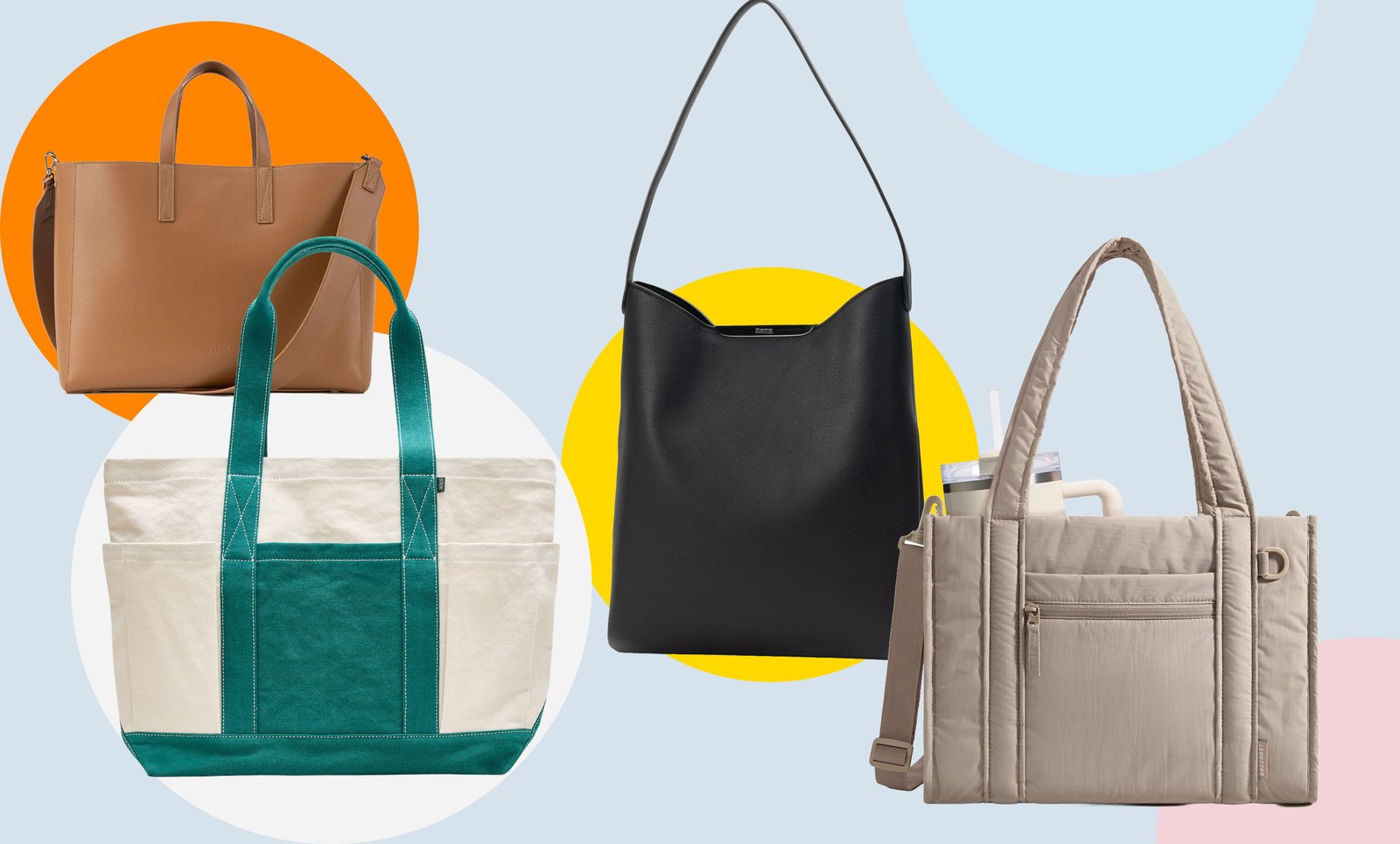
My way to compare hand feel and support
I often see buyers ask for a tote that is soft, light, and structured. This sounds simple, but it is a trade-off. A very soft tote may feel premium in hand, but it may collapse when empty. A very stiff tote may stand well, but it may feel heavy or formal. I usually compare the target user, price level, and display method before I suggest structure.
| Design area | Softer choice | More structured choice | My buying note |
|---|---|---|---|
| Outer fabric | Soft PU, nylon, canvas | Thicker PU, coated fabric | I check weight and fold marks |
| Body panel | Light lining only | Added foam or board | I check shape and cost |
| Bottom | Flexible base | Reinforced bottom plate | I check standing stability |
| Handle | Soft padded handle | Firmer handle with edge paint | I check comfort and finish |
| Side seam | Natural drape | Piped or reinforced seam | I check visual sharpness |
As an OEM/ODM factory, I evaluate both sample appearance and bulk stability. A sample can look excellent because one worker carefully shapes it. Bulk production needs repeatable results.7 If a design depends on very precise folding, difficult edge painting, or hard-to-control material tension, I will point out the risk early. I prefer to build support into the right areas. I may add bottom reinforcement, use a slightly stronger lining, or adjust the seam position. This way, the tote can feel soft in use but still hold a clean office shape.
Which interior pockets matter for laptop, wallet and cosmetics?
I think interior pockets matter most when they match real daily items, not when they create a long feature list.
A work tote should usually include a laptop sleeve, zipper pocket, slip pockets, bottle space, and small cosmetic area. I think buyers should avoid too many pockets because they raise cost, weight, and production difficulty8.
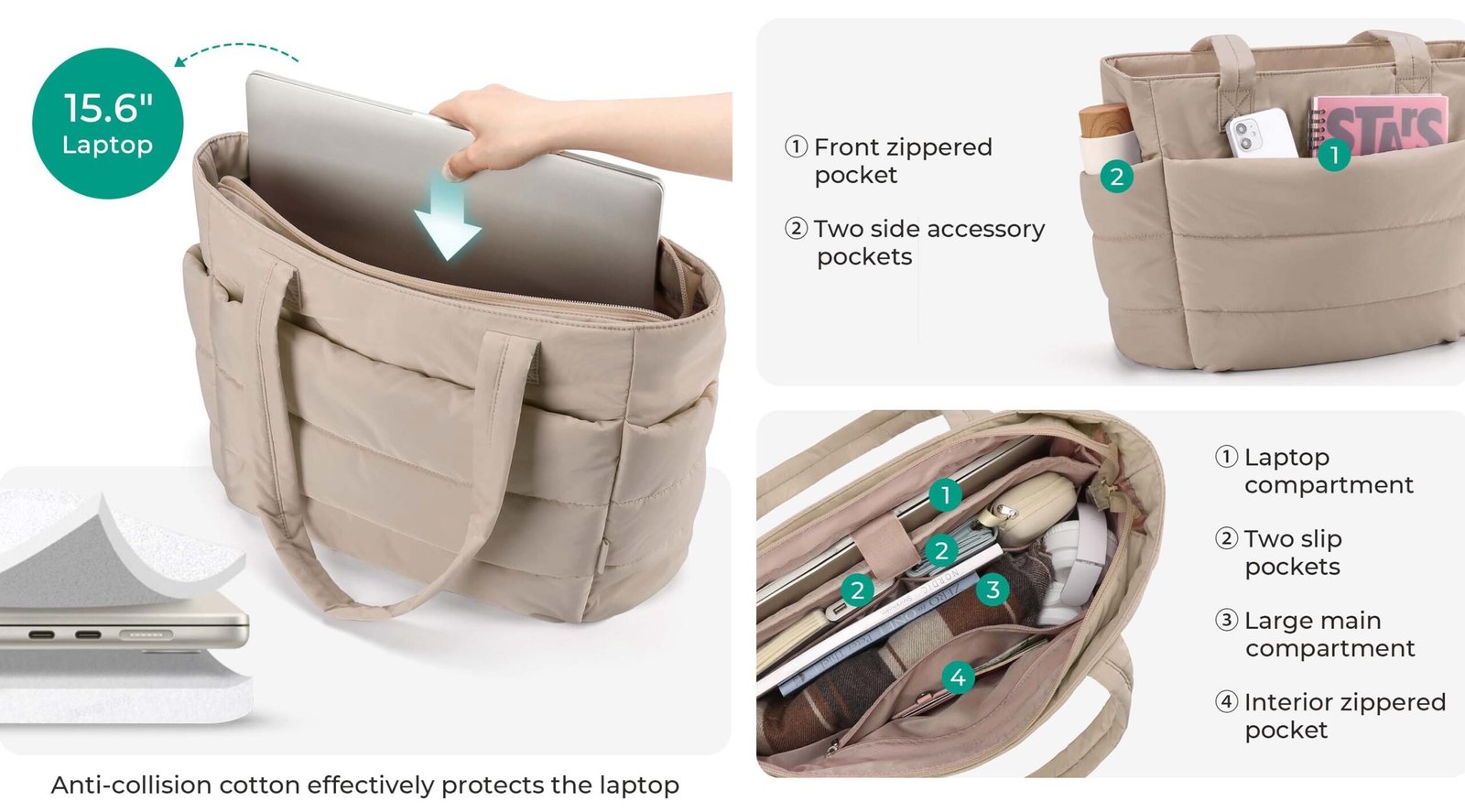
My pocket planning method
I treat pocket layout as a purchasing decision. Each pocket adds labor, material, and quality control points. A pocket can improve the user experience, but it can also increase cost and make the inside look crowded. I often ask buyers to divide items into three groups: protected items, fast-access items, and small loose items.
| Item type | Pocket solution | My reason |
|---|---|---|
| Laptop | Padded sleeve with elastic or Velcro tab | I want protection and stable position |
| Wallet | Inner zipper pocket | I want security for valuable items |
| Cosmetics | Small pouch pocket or removable pouch | I want easy cleaning and flexible use |
| Phone and card | Slip pocket near top opening | I want quick access |
| Bottle | Side elastic pocket or divider space | I want fewer spills inside |
| Charger and cable | Mesh or small slip pocket | I want less tangling |
I do not always suggest a full laptop compartment for every tote. A corporate gift buyer may need a simple sleeve because the price target is tight. A premium private-label brand may need a more refined padded section with binding and matching lining. I also look at pocket depth. If a pocket is too shallow, items fall out. If it is too deep, the user cannot find them quickly. I also consider lining color. A dark lining hides dirt, but it makes small items hard to see. A lighter lining feels clean, but it may show stains. These small choices affect how the tote feels after daily use.
I think buyers can create a premium look with smart material matching, not only with expensive fabric.
A premium wholesale tote can use good PU, recycled polyester, canvas, nylon, metal hardware, neat lining, and controlled stitching. I think the key is to spend cost where the user sees and touches the bag most.
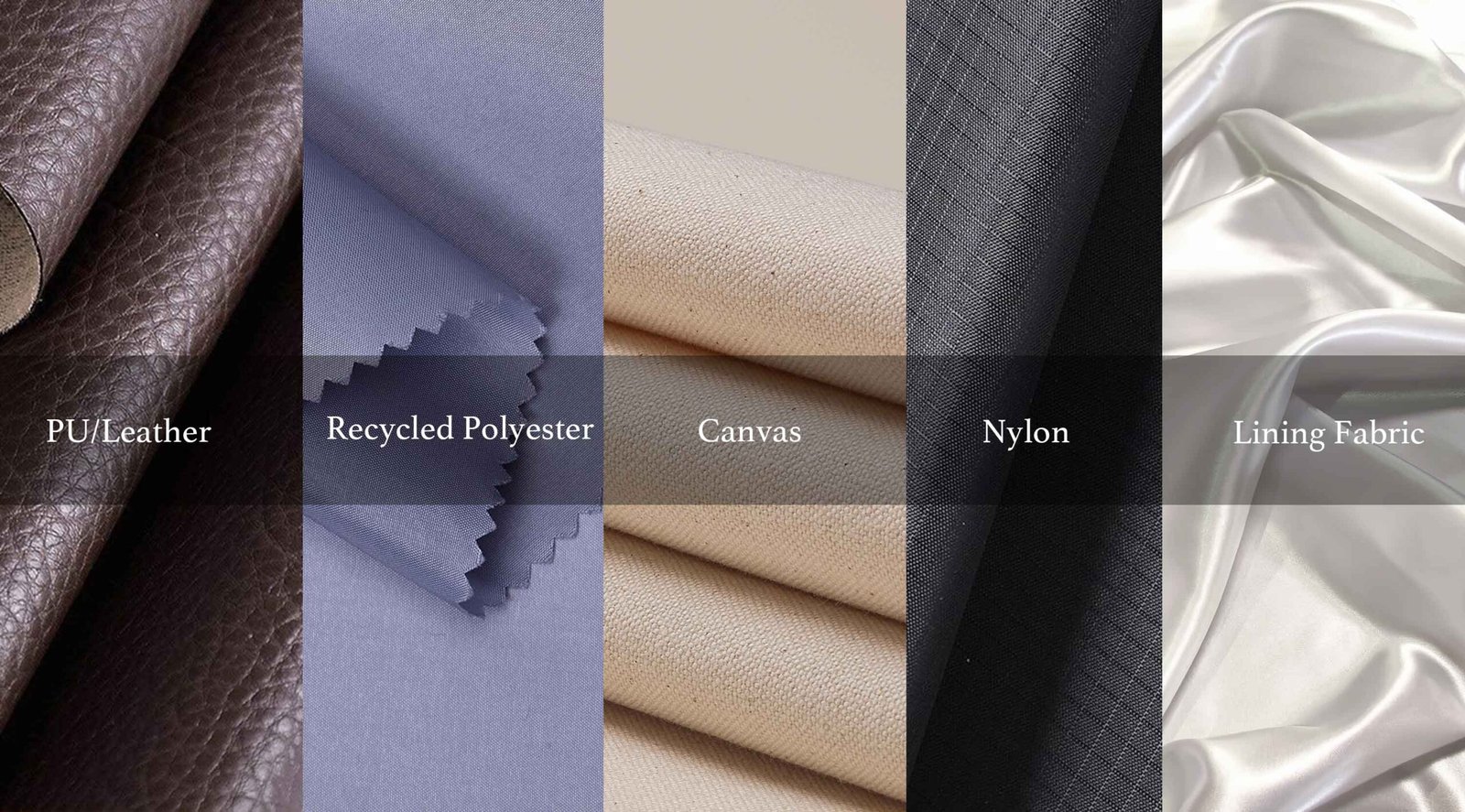
My cost and appearance trade-off
I have many sampling talks where buyers want the bag to look high-end but remain suitable for wholesale pricing. I understand this need. The final customer sees surface texture, shape, hardware, stitching, logo, and lining. The buyer also sees unit cost, MOQ, lead time, and defect risk. I try to connect these two sides.
| Material choice | Premium effect | Cost control idea |
|---|---|---|
| Smooth PU | Clean office look | I use stable thickness and simple panels |
| Saffiano PU | Scratch-resistant look9 | I keep shape simple to avoid waste |
| Recycled polyester | Eco-friendly story | I match it with clean hardware |
| Heavy canvas | Casual strong feeling | I control weight with lighter lining |
| Nylon twill | Modern and light | I add structure through lining or foam |
| Metal hardware | Better perceived value10 | I limit hardware to key points |
| Custom lining | Strong brand detail | I use repeatable print colors |
I also care about consistency. A material may look beautiful in one sample, but it may have shade variation in bulk. Some soft PU materials show wrinkles easily. Some coated fabrics can show needle marks. Some recycled fabrics may have color limitations. I do not see these points as problems. I see them as decisions that must be made before the order. If a buyer wants a premium look at a wholesale cost, I usually suggest a clean body shape, one strong texture, neat stitching, and a small number of well-placed custom details. This is often better than adding many decorations that raise cost but do not improve daily use.
How can private-label brands test trend styles with lower risk?
I think private-label brands can lower risk by testing trend details through controlled sampling, limited colors, and stable core structures.
A lower-risk test starts with one proven tote body, then changes color, logo, lining, hardware, or pocket layout. I think buyers should avoid testing too many new elements in one first order.
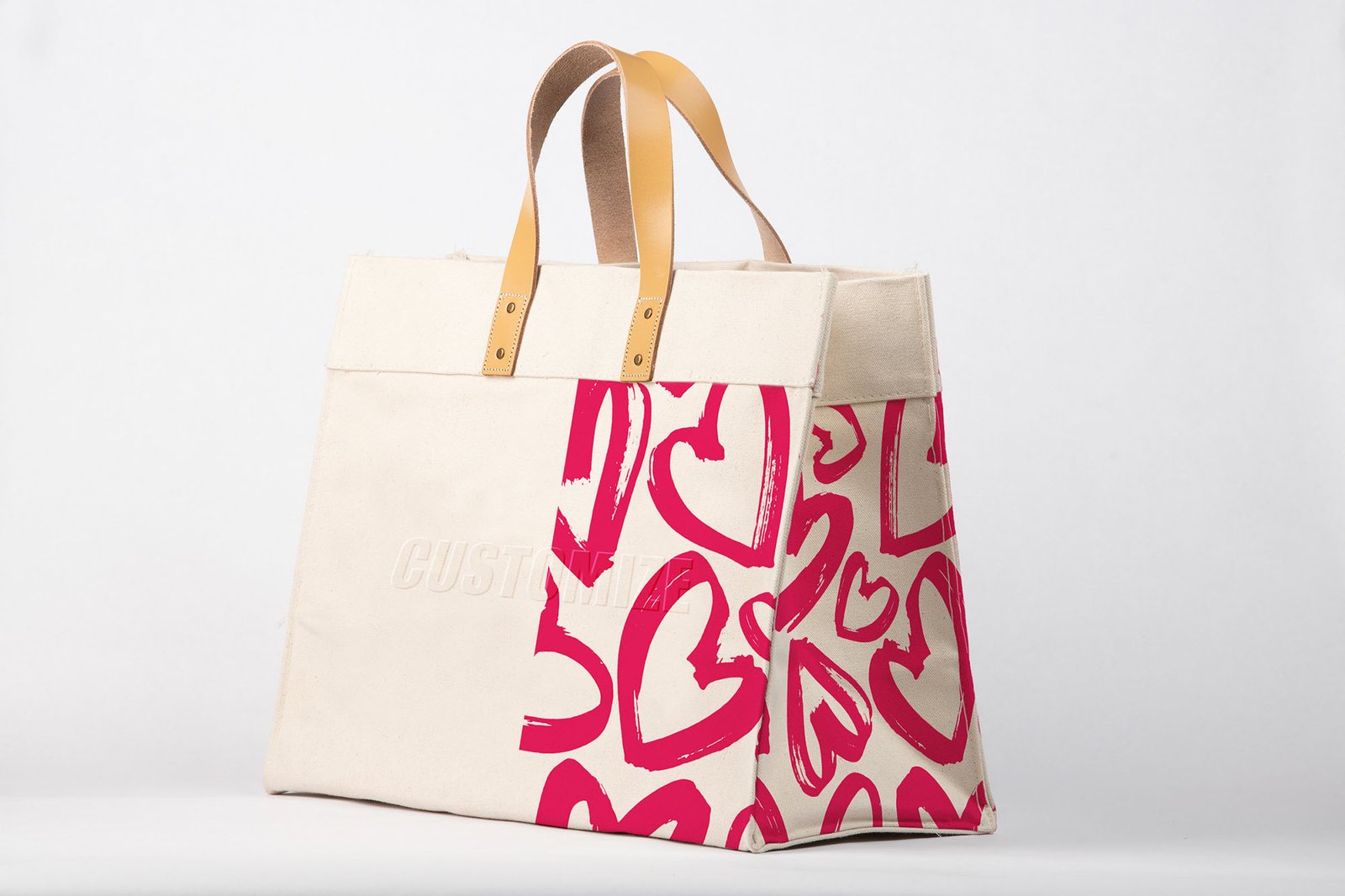
My low-risk development path
I have worked with buyers who wanted to move fast because a trend looked attractive. I understand this pressure. Still, I prefer to separate the stable parts from the test parts. A tote body can stay reliable while the brand tests a new color, trim, or interior idea. This helps control cost, sampling time, and production risk.
| Testing element | Lower-risk method | Higher-risk method |
|---|---|---|
| Shape | I use a proven tote body | I create a complex new structure |
| Color | I test two or three colors | I launch many colors at once |
| Logo | I test embossing or patch | I use several logo techniques together |
| Hardware | I choose one finish | I mix many custom hardware parts |
| Lining | I use one custom print | I use many lining designs |
| Pocket layout | I adjust one section | I redesign the full interior |
For private-label projects, I often suggest a small decision map. First, I define the target price. Second, I choose the must-have use case, such as laptop commuting or office gifting. Third, I lock the main body structure. Fourth, I test visible brand details. Fifth, I review the sample with real items inside. This keeps the project practical. A trend style should not become a production trap. A buyer may love a special handle shape in the sample, but that handle may slow production or create uneven results in bulk. I would rather help the buyer test one trend detail well than produce a complicated bag that creates complaints later.
Conclusion
I believe the best 2026 work tote will look current, work daily, protect cost, and stay stable in bulk production.
"Tote bag - Wikipedia", https://en.wikipedia.org/wiki/Tote_bag. Consumer trend reports on everyday bags and accessories describe sustained demand for products that combine utility features such as capacity and organization with lightweight construction and professional styling; such sources provide contextual support for the stated 2026 design priorities, though they do not independently verify a specific forecast for all buyers. Evidence role: general_support; source type: institution. Supports: Recent consumer or market research indicating that buyers value capacity, organization, weight, and style in everyday work bags.. Scope note: Support is contextual rather than direct proof of 2026 preferences. ↩
"50 Eye-Opening Remote Work Statistics for 2024", https://www.uscareerinstitute.edu/blog/50-eye-opening-remote-work-statistics-for-2024. Commuter and workplace surveys commonly report that daily office carry includes laptops, chargers, documents, water bottles, and personal items, which supports the article's premise that many office users need bags with higher carrying capacity. Evidence role: general_support; source type: research. Supports: Survey evidence that commuters or office workers commonly carry multiple daily-use items such as laptops, chargers, bottles, and personal accessories.. Scope note: These sources typically document common carried items rather than proving a long-term increase over time. ↩
"Security In Transit: Airplanes, Public Transport, and Overnights - OSAC", https://osac.gov/Content/Report/cd703eb6-3b31-4662-a6d5-15f4ae32abd1. Travel and public-safety guidance commonly advises keeping bags closed, ideally zipped, in crowded public environments to reduce opportunistic theft, supporting the article's point that open-top designs may feel less secure for commuting use. Evidence role: general_support; source type: government. Supports: Public-safety guidance that closed or zippered bags reduce opportunistic access to belongings in public settings.. Scope note: Such guidance addresses security practice and perceived risk rather than measuring tote-specific user sentiment. ↩
"Do commuters adapt to in-vehicle crowding on trains? - PMC - NIH", https://pmc.ncbi.nlm.nih.gov/articles/PMC7386388/. Urban mobility and public-transport studies describe commuting as a multi-stage activity that often includes walking, standing in crowded vehicles, transfers, and exposure to weather, which supports the article's emphasis on functionality during real daily movement. Evidence role: general_support; source type: institution. Supports: Transport or urban mobility research showing that commuting often involves crowding, walking segments, weather exposure, and transfers.. Scope note: The source would support the general commuting context, not every listed activity in every market. ↩
"Cold weather and the rage of a crossbody over a coat : r/handbags", https://www.reddit.com/r/handbags/comments/19915ms/cold_weather_and_the_rage_of_a_crossbody_over_a/. Ergonomic considerations in wearable products indicate that thicker clothing layers can change fit clearance and carrying comfort, providing contextual support for the claim that handle drop becomes more important in colder markets where coats are common. Evidence role: mechanism; source type: research. Supports: Ergonomic or apparel-fit evidence that added clothing layers reduce effective strap clearance and can affect shoulder carrying comfort.. Scope note: Support is indirect unless the source specifically studies handbags or tote-handle dimensions. ↩
"[PDF] SOFT GOODS Course Description - The University of Utah", https://class-tools.app.utah.edu/syllabus/1264/6219/Soft+Goods_Syllabus+DES+3810+Spring+2026.pdf. Soft-goods design references explain that a bag's hand feel and shape retention are determined jointly by shell material, lining, reinforcement elements, and seam construction, which supports the article's explanation of how structure and softness are balanced. Evidence role: mechanism; source type: education. Supports: Technical explanation that shape retention and hand feel in soft goods depend on fabric properties, interfacing or reinforcement, lining, and seam construction.. ↩
"On the issue of reliability and repeatability of analytical ... - PMC - NIH", https://pmc.ncbi.nlm.nih.gov/articles/PMC10546893/. Quality-engineering literature distinguishes one-off sample performance from process capability in production and emphasizes repeatability and reproducibility as prerequisites for consistent bulk output, supporting the article's point about mass-production stability. Evidence role: expert_consensus; source type: government. Supports: Quality-management guidance that manufacturing performance depends on repeatable, reproducible processes rather than one-off sample outcomes.. ↩
"Evaluating sewing operation complexity and its influence on ... - PMC", https://pmc.ncbi.nlm.nih.gov/articles/PMC10006435/. Design-for-manufacture research consistently finds that increasing the number of components and assembly steps raises labor content, complexity, and defect opportunities; by analogy, additional interior pockets would be expected to increase cost and production difficulty in tote construction. Evidence role: mechanism; source type: paper. Supports: Design-for-manufacture evidence that additional components and operations generally increase assembly time, cost, and complexity.. Scope note: The support is based on general manufacturing principles unless the source specifically addresses bag assembly. ↩
"(PDF) Influence of surface texturing on scratch/mar visibility ...", https://www.academia.edu/103226113/Influence_of_surface_texturing_on_scratch_mar_visibility_for_polymeric_materials_a_review. Reference descriptions of Saffiano identify it as a crosshatched, coated finish whose texture is commonly associated with resistance to visible scuffing and scratching compared with smoother finishes, supporting the article's characterization of its scratch-resistant look. Evidence role: definition; source type: encyclopedia. Supports: The defining crosshatch texture of Saffiano and its association with improved visible wear resistance compared with smoother surfaces.. Scope note: The source may describe appearance and typical wear characteristics rather than provide standardized performance data for PU variants. ↩
"Toward Sustainable Food and Packaging Choices: Consumer ...", https://pmc.ncbi.nlm.nih.gov/articles/PMC12511835/. Studies on material perception in product design report that consumers often associate metal components with greater durability, quality, and value, which supports the article's statement that metal hardware can improve perceived value. Evidence role: mechanism; source type: paper. Supports: Consumer-research evidence that material cues such as metal components are often associated with higher perceived quality or value than less substantial alternatives.. Scope note: Perception effects vary by product category, finish quality, and overall design context. ↩