If I choose the wrong tote bag material for a bulk order, I can lose money, face complaints, and hurt my brand image in a very short time.
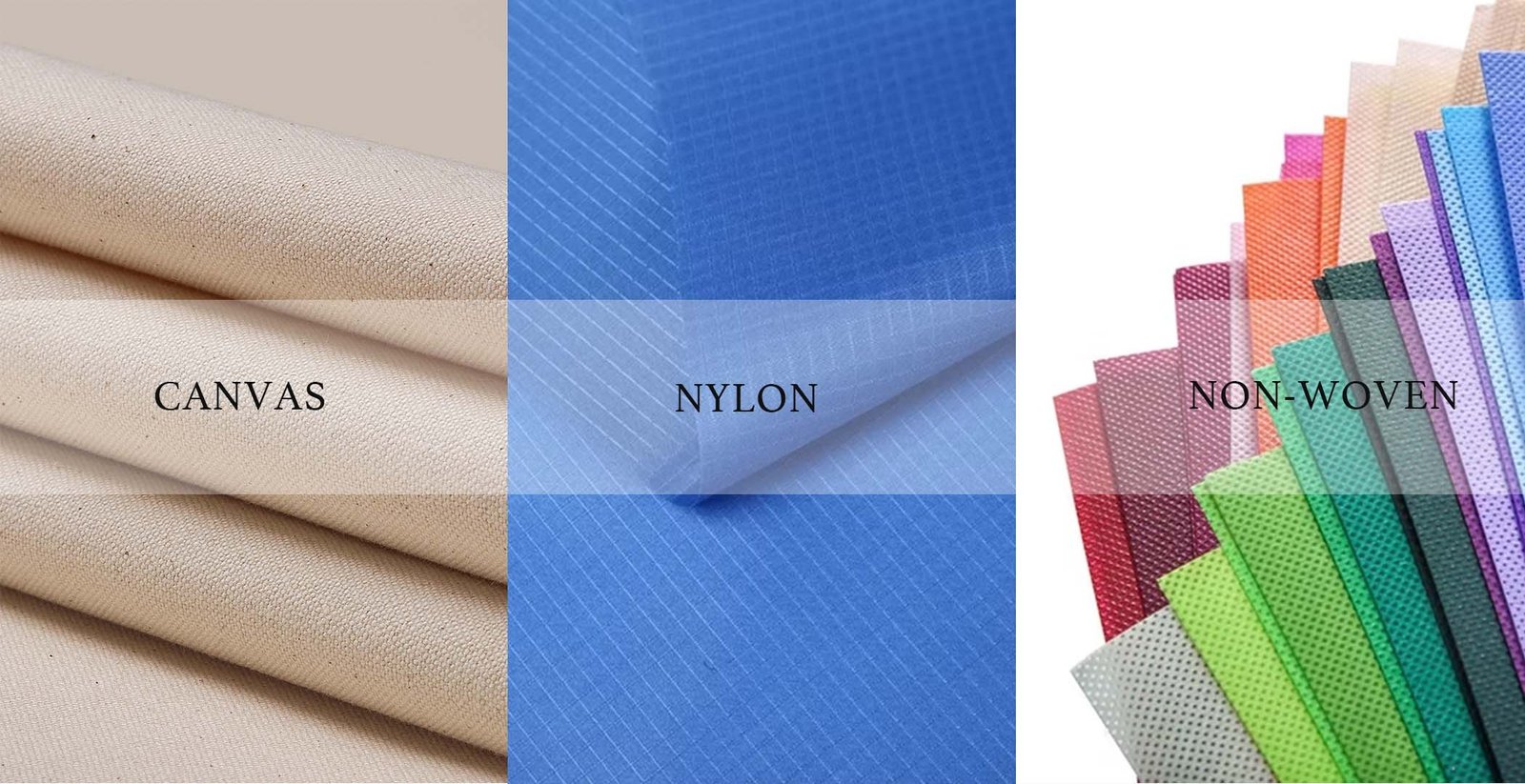
For bulk tote bag orders, canvas and nylon usually last the longest. Heavy canvas, especially 12oz or above, resists wear for years. Nylon is strong, light, water-resistant, and tear-resistant1. Polypropylene non-woven bags cost less2, but they are better for short-term promotion than long-term use.
When I talk with buyers, I often find that they do not just want a low price. They want fewer returns, better repeat orders, and fewer sourcing risks3. That is why material choice matters so much. A tote bag may look good in a photo, but bulk buyers need to know how it performs after months of real use4. I have seen this issue come up again and again. A bag that fails too early becomes expensive5, even if the unit price looked cheap at the start. So I always come back to one simple question: what material truly lasts?
What Is the Most Durable Tote Bag Material for Everyday Use?
When a tote bag is used every day, weak fabric shows problems fast. I have seen handles stretch, seams open, and corners wear out much earlier than buyers expected.
For everyday use, heavy canvas and quality nylon are the most durable tote bag materials. Canvas handles abrasion and daily load well. Nylon adds water resistance and tear strength. For frequent use, both outperform low-cost non-woven polypropylene in long-term durability.
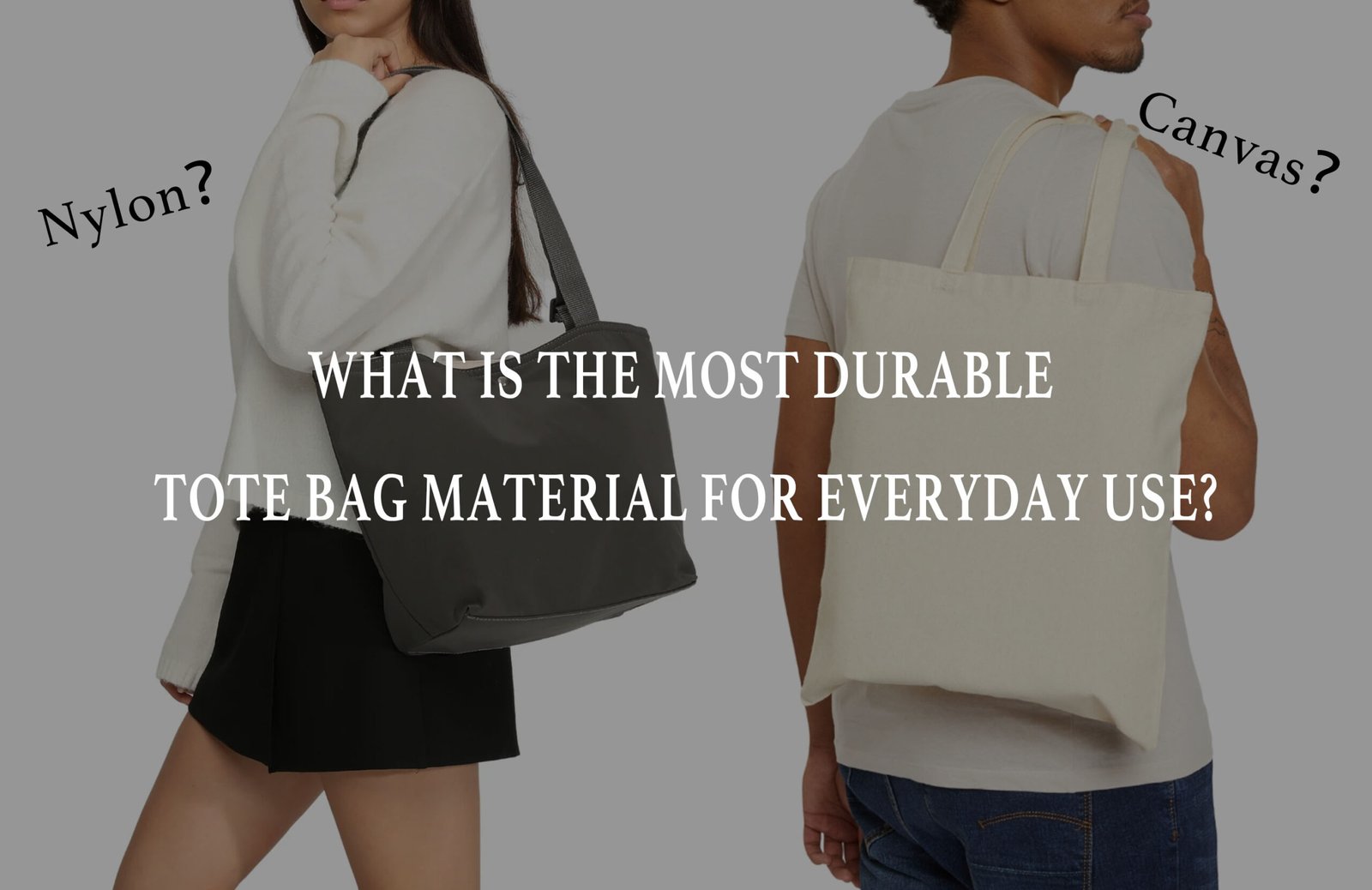
When I judge everyday durability, I do not look at fabric alone. I look at the whole bag system. The body fabric matters. The handle construction matters. The stitching matters. The bag shape matters too. A strong material can still fail if the sewing is poor. Still, fabric is the base.
Canvas is one of the safest choices for daily use. Heavy cotton canvas, especially 12oz and above6, feels thick and stable in hand. It handles friction well. It keeps shape better than many light fabrics. It also gives a more premium look over time. I often say canvas ages with character7. Many users like that natural worn-in look.
Nylon is also strong, but in a different way. It is lighter. It is easier to carry. It resists tearing well. It also works better in wet or outdoor settings. If the end user may carry groceries, gym gear, or travel items8, nylon can be a smart choice.
Here is how I compare common options for daily use:
| Material | Daily Wear Resistance | Water Resistance | Weight | Best Use |
|---|---|---|---|---|
| Heavy Canvas 12oz+ | High | Low | Medium to Heavy | Retail, grocery, work, lifestyle |
| Nylon | High | High | Light | Outdoor, travel, sports, washable use |
| Cotton Lightweight | Medium | Low | Light | Casual use, low-load use |
| Non-woven Polypropylene9 | Low to Medium | Low | Very Light | Short-term promotion |
If I need a tote bag for true daily use, I usually narrow the choice to canvas or nylon first.
Canvas vs. Nylon Tote Bags: Which One Lasts Longer?
Buyers often ask me this because both materials have a good name. The problem is that they last longer in different ways, and that can confuse sourcing decisions.
Canvas usually lasts longer against abrasion and daily heavy carrying, especially in thick weights like 12oz or 16oz10. Nylon usually lasts longer in wet, washable, and outdoor conditions because it resists water and tearing better. The better choice depends on the use case.
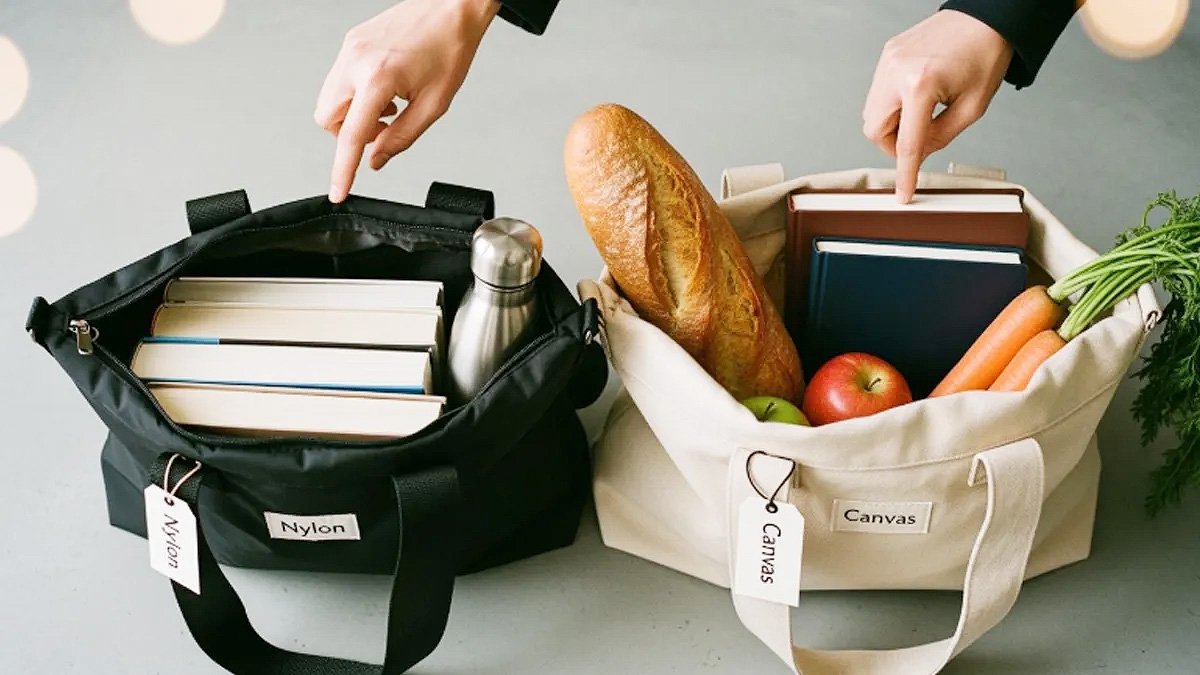
I do not think this question has a one-word answer. I think it depends on what kind of stress the bag will face. If the user carries books, groceries, catalogs, or work items every day, thick canvas often wins. The fabric is dense. It stands up well to rubbing and heavy contact. It also keeps the tote bag feeling firm and solid after long use.
If the bag will be used in rain, outdoors, at the beach, at sports events, or in travel, nylon may last longer in real life. Water can weaken the user experience11 even when it does not break the bag. A wet canvas bag gets heavier and can feel dirty faster12. Nylon dries quickly and is easier to clean.
I usually compare them like this:
| Factor | Canvas | Nylon |
|---|---|---|
| Abrasion resistance | Very good | Good |
| Tear resistance | Good | Very good |
| Water resistance | Weak unless coated | Strong |
| Shape retention | Strong | Medium |
| Washability | Moderate | Good |
| Premium natural look | Strong | Moderate |
| Outdoor use | Moderate | Strong |
I remember a buyer once asked me for a “long-lasting promo tote.”13 At first, he wanted the cheapest bag. Then we discussed who would use it. The bags were for a retail loyalty program. Customers would reuse them weekly for shopping. We changed the plan from low-grade non-woven to 12oz canvas. The unit cost was higher, but the value was better. Complaints went down. Repeat demand improved. That is why I always match durability with actual use, not just fabric reputation.
How Many Years Does a Canvas Tote Bag Last?
Many buyers want a simple lifespan number. They need it for product planning, branding, and cost control. I understand that, but real life depends on fabric weight and use intensity.
A good canvas tote bag can last from 2 to 5 years or more with regular use. Heavy canvas, such as 12oz to 16oz, usually lasts longer than light canvas. Lifespan also depends on load weight, stitching quality, washing method, and handle reinforcement.
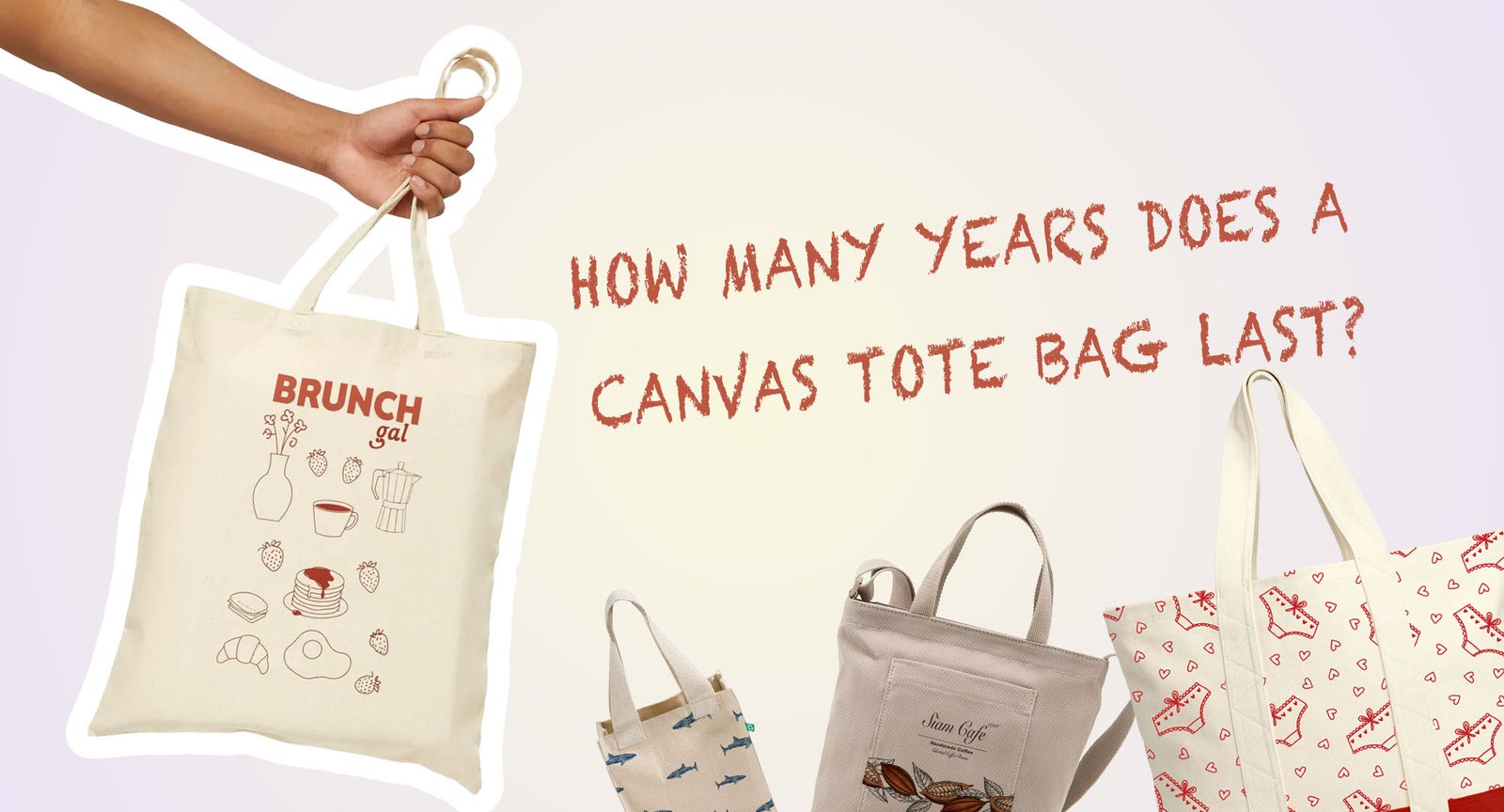
When I estimate canvas tote lifespan, I start with weight and construction. A lightweight cotton tote may look like canvas in online listings, but it does not perform like real heavy canvas. That difference matters a lot in bulk buying. If I choose 6oz or 8oz fabric for a bag that will carry heavy retail goods, I should not expect multi-year durability.
Here is a simple way I think about it:
| Canvas Weight | Typical Use Level | Expected Lifespan |
|---|---|---|
| 6oz–8oz | Light use | 6 months to 2 years |
| 10oz | Medium use | 1 to 3 years |
| 12oz–16oz | Heavy daily use | 2 to 5+ years |
This table is not a promise. It is a practical guide. The sewing can extend life or shorten it. Box stitching on handles helps a lot14. Reinforced bottom panels help too. Inner binding can improve seam stability. If I skip these details to save cost, the fabric may still be strong, but the bag can fail at the stress points.
I also tell buyers to think about care. Canvas can last a long time, but rough machine washing and overloading can reduce its life. If the bag is meant for supermarkets, bookstores, or lifestyle retail, heavy canvas is often a strong long-term choice. If the buyer wants a durable private label item, this material gives a good balance of cost, quality, and brand feel. In many of my projects, 12oz canvas has been the safest middle ground.
What Tote Bag Material Is Best for Wholesale and Bulk Buying?
A bulk buyer does not only buy fabric. I always say that we buy performance, delivery stability, and total cost over time. That changes the best material choice.
For wholesale and bulk buying, the best tote bag material is usually heavy canvas for long-term reusable value, or nylon for lightweight and outdoor use. Non-woven polypropylene is best only when low cost matters more than long service life.
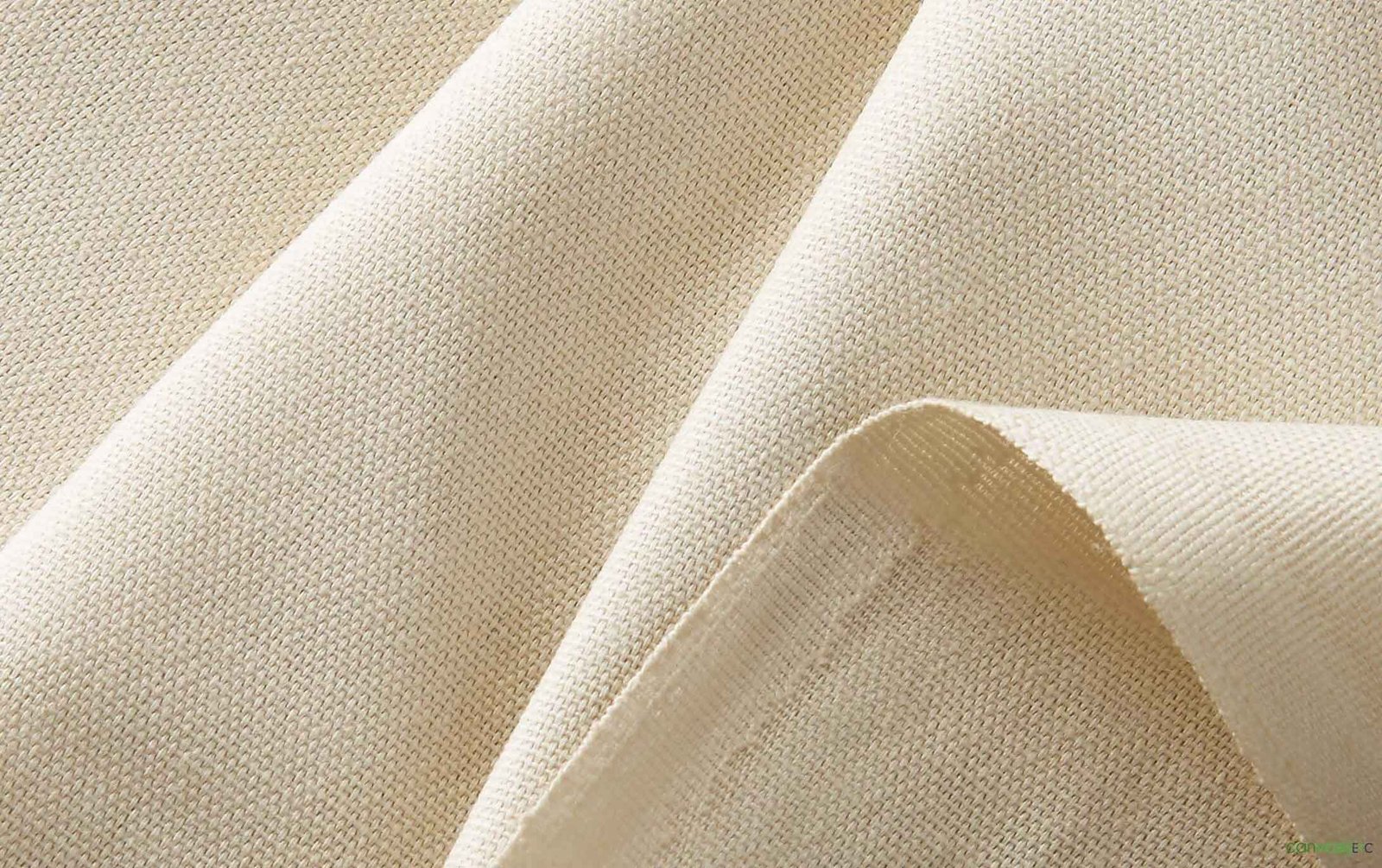
When I look at wholesale value, I ask four questions. What is the target price? What is the expected bag lifespan? What brand image does the buyer want? What use scenario will the end customer have? These four points usually make the answer clear.
Heavy canvas works very well for retailers, supermarket programs, premium giveaways15, bookstore chains, and lifestyle brands. It supports custom printing, woven labels, embroidery, and private label packaging. It also feels more substantial, which helps perceived value.
Nylon works well for sports brands, travel promotions, outdoor campaigns16, and buyers who need easy cleaning or weather resistance. It is also efficient for packing and shipping because it is light.
Non-woven polypropylene still has a place in the market17. I do not reject it. I just think it should be used for the right purpose. If I need a very large quantity for a short event, trade show, or low-cost promotional activity, it makes sense. If I need long-term reuse, it is usually not the best choice.
Here is the wholesale view I use:
| Material | Unit Cost | Durability | Brand Feel | Best Bulk Use |
|---|---|---|---|---|
| Heavy Canvas | Medium | High | Premium, natural | Reusable retail bags, branded programs |
| Nylon | Medium | High | Functional, modern | Outdoor, travel, sports, wash-friendly use |
| Non-woven PP | Low | Low to Medium | Basic | Events, promotions, short-term campaigns |
In my experience, many buyers focus too much on first cost18. Then they pay later through complaints, weak user experience, or poor repeat orders. For bulk buying, the best material is the one that fits the product goal without creating future problems.
Is Nylon or Cotton Better for Long-Lasting Tote Bags?
This question comes up a lot because many buyers use “cotton” and “canvas” as if they are the same. I think that causes mistakes during sourcing.
Nylon is better for water resistance, tear resistance, and outdoor durability. Cotton canvas is better for abrasion resistance, structure, and long-term daily carrying when the fabric is heavy enough. For long-lasting tote bags, heavy cotton canvas and nylon are both good, but for different needs19.
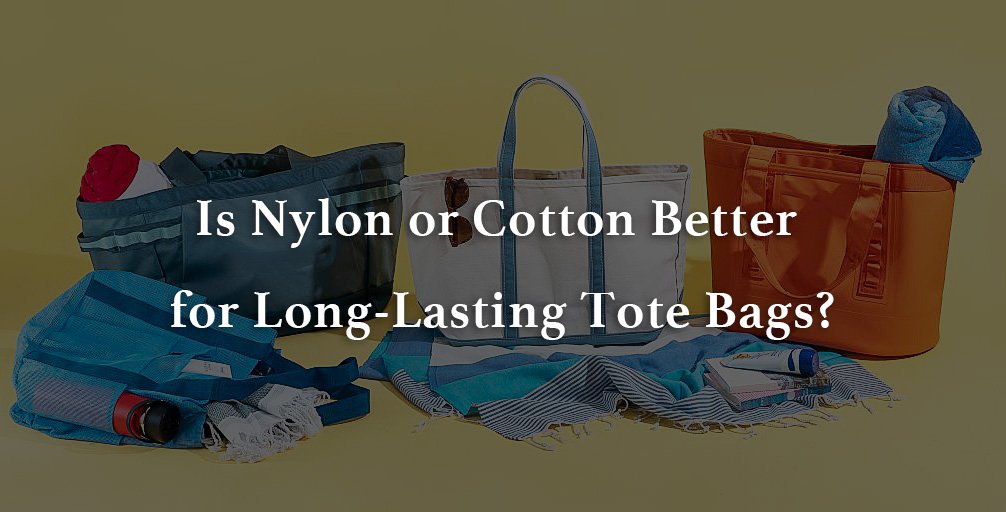
I always clarify one point first. Cotton by itself does not tell me enough. A thin cotton tote and a heavy cotton canvas tote are very different products. If a buyer says “cotton tote,” I ask about fabric weight, weave, handle style, and intended load. Without that, I cannot judge durability.
If I compare standard nylon with heavy cotton canvas, I see two strong choices with different strengths. Nylon is great when the user wants a light bag that can handle weather and frequent cleaning. It also resists tearing well, so it is good for active use. Cotton canvas is better when the user wants a more natural look and a bag that feels strong and steady under load.
This side-by-side view helps:
| Feature | Nylon | Cotton Canvas |
|---|---|---|
| Water resistance | Excellent | Poor unless treated |
| Tear resistance | Excellent | Good |
| Abrasion resistance | Good | Excellent |
| Natural feel | Low | Excellent |
| Printing appearance | Good | Excellent |
| Daily heavy carrying | Good | Excellent |
| Outdoor use | Excellent | Moderate |
I often tell buyers this in plain words: if the bag will face rain, movement, and rough outdoor use, I lean toward nylon. If the bag will carry products every day in shops, offices, schools, or markets, I lean toward heavy canvas. If the buyer wants low cost only, then neither nylon nor heavy canvas may be chosen, but that means durability will also drop. In bulk orders, that trade-off should be discussed clearly from the start.
Conclusion
For bulk orders, I trust heavy canvas for daily long-term use and nylon for wet or outdoor use. I use non-woven polypropylene only when low cost matters more than durability.
See real performance tests and fabric specs so you can judge if nylon fits your outdoor or travel-focused tote projects. ↩
Learn where cheap non-woven bags make sense and where they quietly damage brand image and user experience. ↩
Connect material choice with financial outcomes so you can justify higher-spec bags to stakeholders or clients. ↩
Look at long-term wear studies and user reviews to avoid materials that fail after the first season. ↩
Understand hidden lifetime costs—complaints, replacements, and damage to your brand—that don’t show in unit price. ↩
See side-by-side fabric comparisons so you don’t confuse flimsy cotton with true heavy canvas in sourcing. ↩
Explore how patina and wear can actually increase perceived value for lifestyle and retail tote programs. ↩
Match material to real usage scenarios so your bags feel practical, not just pretty, in everyday life. ↩
Clarify the correct use cases for non-woven so you avoid over-promising durability on low-cost promos. ↩
Fine-tune your spec: see how stepping up from 12oz to 16oz affects weight, durability, and user comfort. ↩
Learn how rain, spills, and washing change the feel and usability of different bag materials over time. ↩
Discover coatings, linings, or alternative fabrics that solve the “heavy, dirty” wet-canvas problem. ↩
Identify the specs and construction details that turn giveaways into high-value, reusable promo items. ↩
See construction diagrams that show how stitch patterns prevent handle failures in real-world use. ↩
Check case studies where heavy canvas bags increased reuse, loyalty, and perceived brand quality. ↩
Understand how nylon supports active lifestyles, easy cleaning, and compact packing for these sectors. ↩
See market data on where non-woven thrives so you can use it strategically instead of by default. ↩
Learn procurement frameworks that balance price with durability, complaints, and brand impact. ↩
Get a clear decision framework to select the right material based on environment, load, and brand feel. ↩