A bag can leave the factory in great shape and still arrive crushed, bent, or scratched. I have seen good products lose value because the box design ignored real shipping risk.
Bag brands can design boxes that ship safely by matching the box structure, size, packing quantity, and internal protection to the bag type and transport method. In my shipment experience, fit matters more than simply choosing a thicker carton1.
When I talk with buyers, I often hear the same question: should we just use a stronger carton? I understand why they ask that. Damage complaints feel urgent. But in real shipments, the problem is often not only board strength. The problem is the whole packing plan. I have seen cartons fail because the box was too large, the empty space was too much, the quantity per carton was too high, or metal parts pressed into soft bag panels during transit. That is why I always look at box design as a risk-control job, not just a material choice.
What Is a Product Presentation Box for Ecommerce?
Many brands want a box that looks nice for the customer. But a pretty box can become a weak point if it is not built for storage, stacking, and long travel.
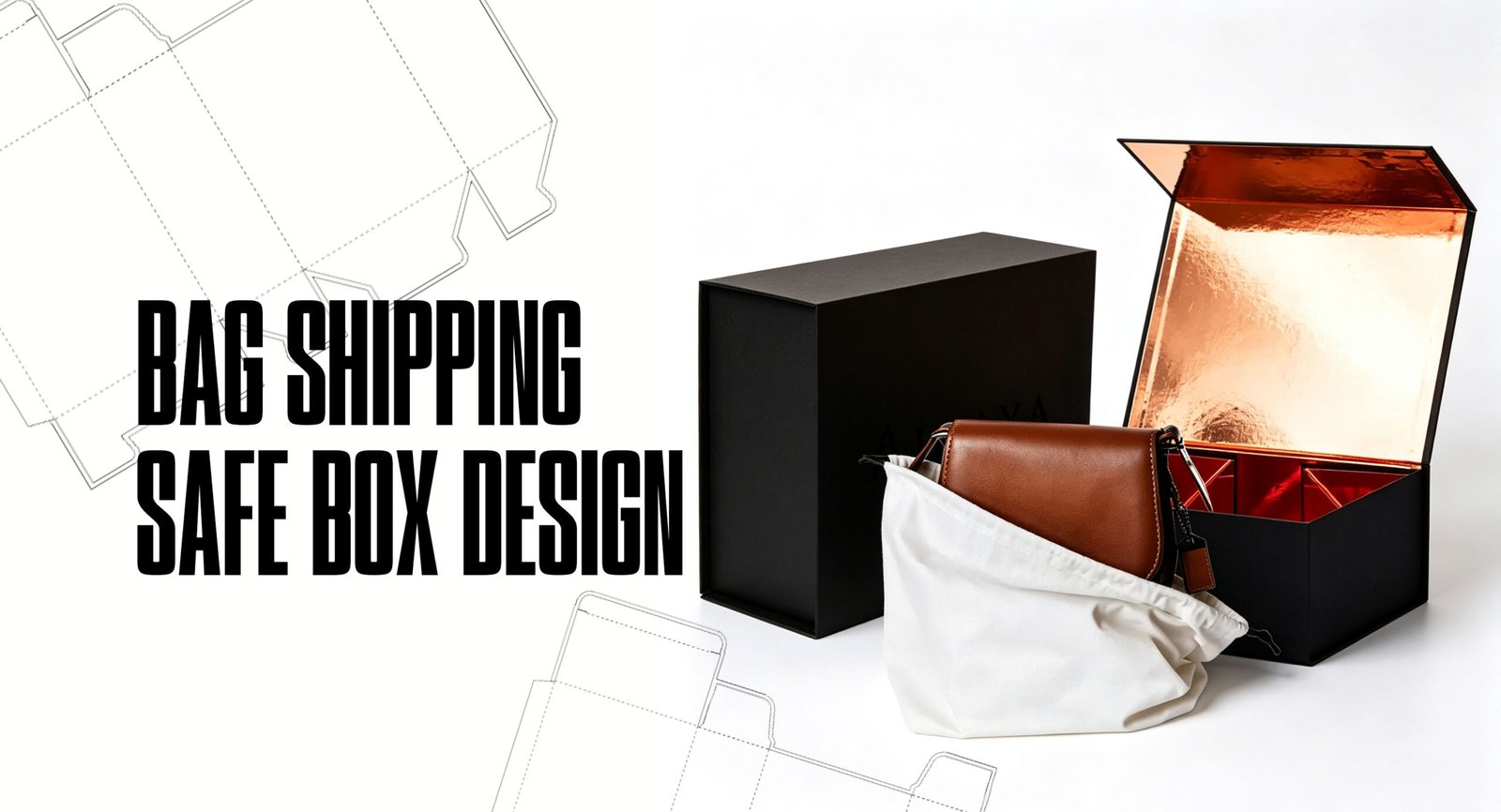
A product presentation box for ecommerce is the packaging that holds and presents the bag to the end customer, but it also needs to protect the product during shipping2. In practice, it should support both brand image and transit safety.

In my work, I usually separate two ideas first: the presentation box and the shipping carton. Some buyers want one box to do both jobs. That can work, but not always. A retail-style box may look clean and premium, but it may not survive container stacking or courier handling if the structure is too weak.3 I have seen this issue more with soft tote bags and fashion backpacks, where buyers focus on the unboxing feel first. Then the corners collapse, or the bag shifts inside.
I think a presentation box for ecommerce should answer four basic questions:
| Question | Why it matters | What I usually check |
|---|---|---|
| Does the box match the bag shape? | Poor fit allows movement | Length, width, height vs bag profile |
| Does it control pressure points? | Hardware can mark the bag | Buckles, zippers, logo plates |
| Can it handle outer shipping pressure? | Stacking can deform the box | Structure, wall strength, packing count |
| Does it still look good on arrival? | End customer sees the box first | Corner condition, print scratches, dents |
For example, a cosmetic bag with soft walls may accept a simple folding box. A structured backpack with metal trims may need better inside support. A duffle bag may need shape control at the sides to stop collapse. So when I hear “presentation box,” I do not think only about appearance. I think about whether that box can still present the bag well after real transport. In our shipment experience, that is the point many teams miss at the start.
How Can One Box Work for Shipping and Unboxing?
Many buyers want to save cost and avoid double packing. That makes sense. But one box for both shipping and unboxing only works when the bag and route allow it.
One box can work for shipping and unboxing if the box fits the bag closely, limits movement, protects hardware, and can handle stacking pressure.4 It is possible, but it is not the right choice for every bag style or shipping route.

I have helped customers try this many times. Sometimes it works very well. Sometimes we change it after the first shipment because the return from the market is clear. The key is not whether the idea is good. The key is whether the bag category supports it.
A simple way I look at it is this:
| Bag type | Risk level in one-box packing | Main concern | Packing note |
|---|---|---|---|
| Flat tote bag | Low to medium | Folding marks, handle pressure | Keep fit tight, avoid extra empty space |
| Backpack | Medium to high | Shape loss, buckle marks | Support front panel and top shape |
| Duffle bag | Medium to high | Side collapse, zipper pressure | Control both ends and center pressure |
| Cosmetic bag | Low | Surface scratches | Use soft wrap, compact fit |
| Cooler bag | Medium | Panel dents, insulation compression | Protect corners and keep shape |
I do not believe in one universal carton plan. A soft canvas tote and a structured business backpack should not be packed the same way. I learned this from customer feedback after long-distance exports. One buyer told me the outer cartons looked fine, but the bags inside had dent marks from metal logo plates pressing against neighboring units. The issue was not the carton paper alone. The issue was unit arrangement and quantity.
So if one box has to do both jobs, I check three things first. First, I check if the bag shape needs support. Second, I check if hardware can create pressure points. Third, I check the transport path. Sea shipment, warehouse stacking, parcel delivery, and final-mile handling all add stress.5 If the route is harsh, I may suggest a cleaner inner presentation box plus a stronger outer shipper. If the route is simpler, one well-designed box may be enough. I prefer making that choice before production, not after a complaint.
What Tests Help Reduce Shipping Damage?
Buyers often ask for drop tests or compression tests. I think tests are useful, but only if they match the real risk and are tied to the actual packing method.
Tests that help reduce shipping damage include basic drop, stacking, vibration, and trial shipment checks.6 Based on our shipment experience, the most useful test is the one that reflects the real bag type, carton size, quantity, and transport route.
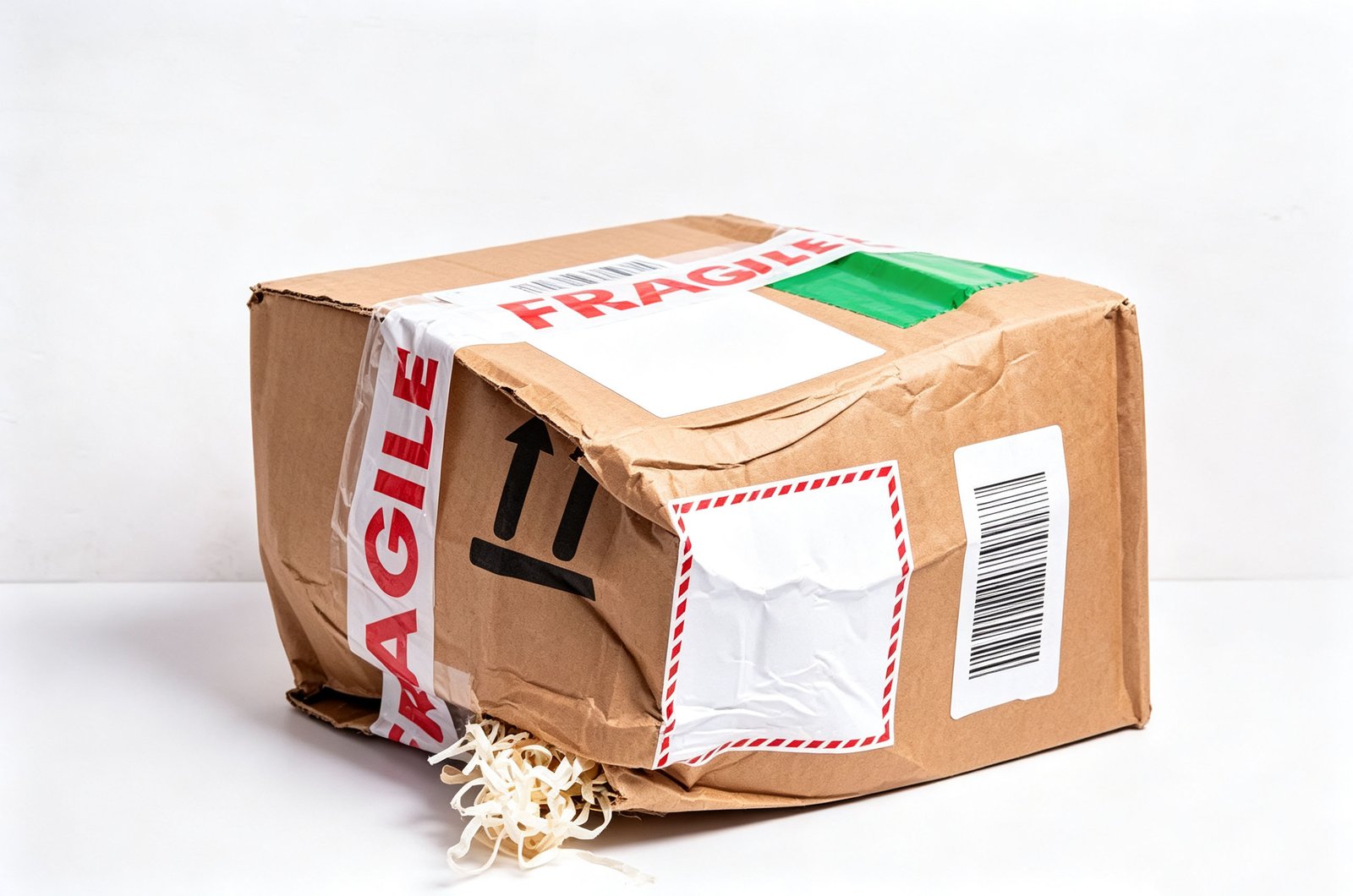
I want to be careful here. I am not writing as a lab engineer. I am writing from factory and shipment experience. In our work, formal test standards may be required by some customers, and those should always be confirmed by the right testing party if needed. But before that stage, I still find practical tests very helpful.
These are the checks I value most:
| Test or check | What it shows | My practical use |
|---|---|---|
| Drop check | Corner and edge weakness | Good for courier and small carton risk |
| Stacking check | Carton collapse risk | Important for sea freight and warehouse storage |
| Vibration check | Internal movement | Helps find rubbing and hardware marks |
| Trial pack review | Fit and quantity logic | Helps us stop overpacking early |
| Trial shipment | Real-world feedback | Best proof if timing allows |
A test is only meaningful if the sample pack is real. I have seen buyers test one bag in a carton, then ship twelve units in production. That test result means very little. I have also seen a carton pass a simple drop check but still fail in shipment because the box was too tall and the top layer carried too much empty space. So I always connect testing with actual pack-out details.
I also think customer feedback is part of testing. If a buyer says, “The bags arrived with bent top panels after 35 days by sea,” that is useful data. Then I go back and review carton height, fill ratio, and support points. In many cases, the adjustment is not dramatic. We may reduce quantity per carton, change bag orientation, add internal support, or revise the box proportions. That is often more effective than just moving to heavier board and hoping for the best.
How Do Inserts Improve Product Protection?
A box alone does not solve all problems. Inserts matter because they control movement, pressure, and contact between the bag and the inside of the box.
Inserts improve product protection by holding the bag in place, reducing empty space, supporting shape, and separating hardware from delicate surfaces.7 In many shipments, the right insert prevents damage that a thicker box cannot stop8.
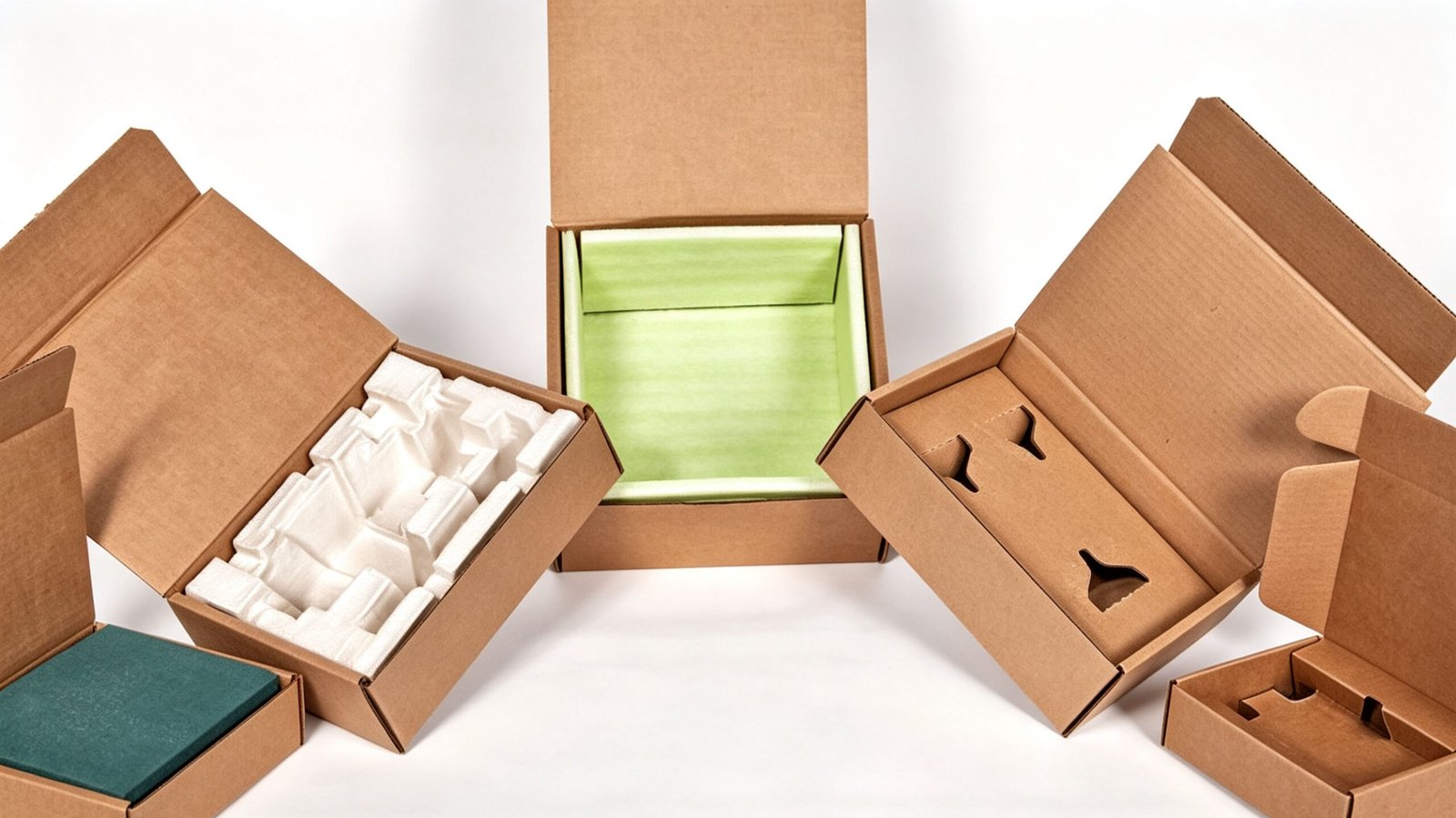
I like inserts because they solve specific problems. I do not like them when they are added without a clear reason. In bag packing, the best insert is often a simple one. It may be a support board, divider, tissue wrap, air fill, or shaped paper part. The goal is not to make the pack look complex. The goal is to stop movement and pressure damage.
Here is how I think about common insert jobs:
| Insert type | Best use | Main benefit | Common risk if missing |
|---|---|---|---|
| Tissue or poly wrap | Surface protection | Reduces rubbing and dust | Scratches and friction marks |
| Support board | Base or side shape | Keeps structure stable | Panel bending |
| Divider | Multiple bags per carton | Stops hardware contact | Logo or buckle pressure marks |
| Corner support | Box edge stability | Helps with stacking | Crushed corners |
| Fill material | Empty space control | Limits shifting | Product movement and dents |
For example, backpacks often need support in the front panel or top area. Duffle bags may need side support so the body does not collapse inward. Tote bags may need much less, but they still benefit from clean folding and hardware separation. I once handled a shipment where the customer chose high carton strength but skipped simple dividers between units. The metal zipper pullers left marks on nearby bags. The cartons looked strong. The product still had a problem.
So I tell buyers this: inserts are not extra decoration. They are part of the protection system. If the bag has soft body panels, sharp trims, or a retail-ready look to maintain, inserts can be the small detail that saves a shipment. In our experience, they also help keep quality more consistent from carton to carton.
Many packing mistakes start because the supplier gets only the bag size and the order quantity. That is not enough for a safe packaging plan.
Buyers should share the bag type, dimensions, structure, hardware details, target carton size, packing quantity, shipping method, and damage concerns. The more clearly these points are aligned before order confirmation, the lower the packing risk later.9
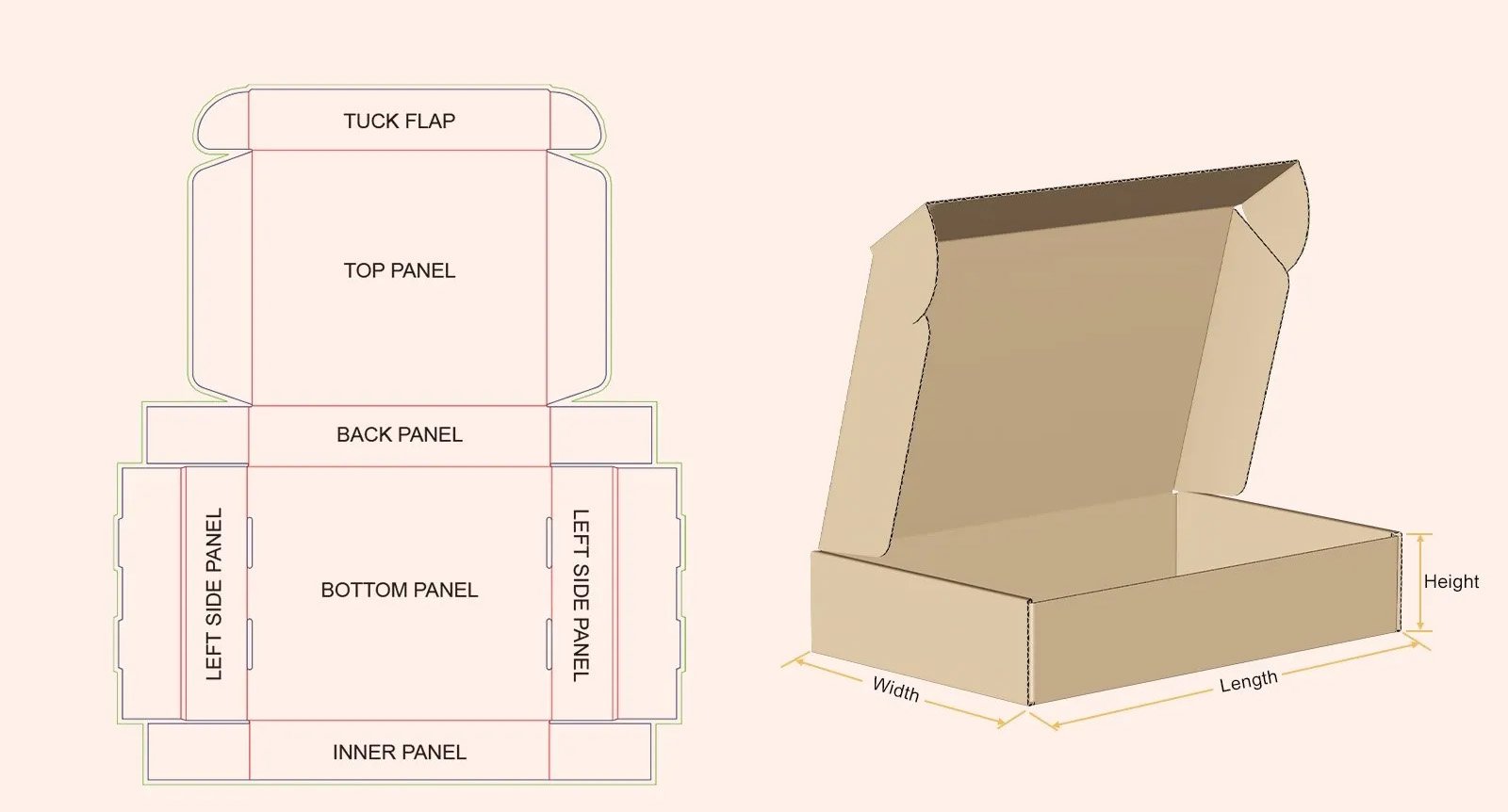
I always get better results when the buyer shares full context early. If I only receive a tech pack and a target price, I can make a box that fits. But I may not make the best box for transit. That is where problems start. A bag that “fits” is not always a bag that “ships safely.”
Before order confirmation, I think buyers should share this checklist:
| Item to share | Why I need it | Risk if missing |
|---|---|---|
| Bag type and structure | Different bags react differently to pressure | Wrong packing style |
| Full dimensions | Box fit depends on real shape, not rough size | Too much empty space |
| Hardware details | Metal parts create point pressure | Surface marking and dents |
| Quantity per carton target | Impacts stacking and weight | Overpacking |
| Shipping method | Sea, air, parcel, and warehouse handling differ | Wrong box strength choice |
| Brand unboxing goal | Affects presentation needs | Poor customer experience |
| Known past damage issues | Helps avoid repeat problems | Same complaint again |
I also want photos or physical samples when possible. A drawing tells me size. A sample tells me behavior.10 I can feel if the bag body is soft, if the flap lifts easily, or if a buckle sits in a risky position. That helps a lot.
If I were advising a buyer like Mark Porter, I would keep it simple: before you lock the order, confirm bag type, carton size, packing quantity, and shipping method with the supplier. Then ask how the bag will sit inside the box and where pressure points may happen. That short discussion can prevent a lot of trouble later. I have seen it save time, claims, and repacking cost more than once.
Conclusion
Safe box design is not just about thicker cartons. It is about fit, quantity, structure, inserts, and shipping method working together11 before the goods leave the factory.
"Packaging design, fill rate and road freight decarbonisation", https://www.sciencedirect.com/science/article/pii/S2772390922000397. Packaging research and transport test guidance indicate that product-package fit, restraint of movement, and control of void space are major determinants of transit performance; stronger corrugated board may improve compression resistance but does not by itself prevent damage caused by internal shifting, concentrated loads, or contact between components. Evidence role: mechanism; source type: research. Supports: Sources should show that package-product fit, movement control, and void management materially affect transit damage, and that board strength alone does not address all failure modes.. Scope note: Support is mechanistic and contextual rather than a direct universal ranking of fit over carton thickness in every shipment. ↩
"Packaging - Wikipedia", https://en.wikipedia.org/wiki/Packaging. Standard packaging literature defines packaging as serving multiple functions, including containment, protection, handling, and communication; in ecommerce and distribution contexts, protective performance during storage and transport is a core requirement alongside presentation. Evidence role: definition; source type: education. Supports: Sources should define packaging functions to include protection during handling, storage, transport, and delivery in addition to presentation or communication.. ↩
"49 CFR Part 173 -- Shippers—General Requirements for Shipments ...", https://www.ecfr.gov/current/title-49/subtitle-B/chapter-I/subchapter-C/part-173. Distribution packaging guidance and transport test protocols describe warehouse stacking, parcel handling, vibration, and impact as routine hazards; packaging designed primarily for retail presentation may therefore be inadequate unless its structure is engineered for those loads. Evidence role: general_support; source type: institution. Supports: Sources should show that distribution environments involve stacking, impacts, and vibration, and that packaging intended mainly for retail display may require additional transport protection.. Scope note: This support establishes the hazard profile and packaging principle, not the performance of every retail-style box. ↩
"Why Smart Packaging is Reshaping E-Commerce and Sustainability", https://designcentral.com/news/packaging-design-e-commerce-and-sustainability-with-SIOC. Research on e-commerce and ship-in-own-container systems shows that dual-purpose packaging can be viable when the package closely matches product geometry, minimizes internal movement, protects vulnerable features from contact stress, and maintains sufficient compression strength for stacking and handling loads. Evidence role: mechanism; source type: research. Supports: Sources should support the idea that close fit, immobilization, protection from component contact, and compression resistance are key design factors for single-package shipping systems.. Scope note: The evidence is design-principle support and does not prove suitability for every bag type or route. ↩
"[DOC] DOC - National Institute of Standards and Technology", https://www.nist.gov/document/00-20-h133-ch1final-9docx-0. Packaging and transport institutions characterize the distribution environment as involving repeated mechanical stresses, including shock from handling, vibration during transport, and compression from stacking in storage and transit, across parcel, freight, and warehouse operations. Evidence role: mechanism; source type: institution. Supports: Sources should document that distribution systems expose packages to shock, vibration, compression, and handling stresses across transportation and warehousing stages.. ↩
"Package Vibration Testing", https://unitload.vt.edu/facilities/distribution-packaging-lab/package-vibration-testing.html. Established package-testing frameworks such as those used in transport packaging evaluation include drop, compression, and vibration tests as standard methods for assessing a package’s ability to withstand distribution hazards; trial shipments can complement laboratory testing by capturing route-specific conditions. Evidence role: expert_consensus; source type: institution. Supports: Sources should show that recognized package testing commonly includes drop, compression/stacking, and vibration methods to assess transport performance.. Scope note: Trial shipment checks are practical validation tools rather than a formal standardized test category. ↩
"Sustainable Packaging Design for Molded Expanded ... - PMC", https://pmc.ncbi.nlm.nih.gov/articles/PMC9965373/. Protective packaging literature describes inserts, dunnage, and separators as mechanisms for immobilizing products, reducing void space, supporting vulnerable shapes, and preventing abrasion or concentrated contact between hard components and sensitive surfaces. Evidence role: mechanism; source type: research. Supports: Sources should explain that inserts or dunnage reduce movement, manage voids, distribute loads, and prevent contact damage between products or components.. ↩
"Compressive Strength of Corrugated Paperboard Packages ...", https://pmc.ncbi.nlm.nih.gov/articles/PMC10054506/. Packaging studies distinguish between external-load failures and internal damage mechanisms: increasing carton strength can improve resistance to compression and handling loads, but inserts and separators are needed to control movement, abrasion, and point-pressure damage within the package. Evidence role: mechanism; source type: research. Supports: Sources should show that some damage modes arise from internal movement, abrasion, and point loading, which are addressed by inserts rather than by carton strength alone.. Scope note: The support is mechanistic and does not imply inserts are always more important than board strength. ↩
"How to Comply with Federal Hazardous Materials Regulations", https://www.fmcsa.dot.gov/regulations/hazardous-materials/how-comply-federal-hazardous-materials-regulations. Quality-planning and packaging-development literature indicates that early clarification of product requirements, handling conditions, and packaging specifications reduces the likelihood of downstream nonconformities, redesign, and transport-related failures. Evidence role: general_support; source type: research. Supports: Sources should support the broader principle that early specification clarity and cross-party alignment reduce downstream quality and logistics failures.. Scope note: This support is process-based and contextual rather than direct proof for every packaging order workflow. ↩
"Novice designers' use of prototypes in engineering design - PMC", https://pmc.ncbi.nlm.nih.gov/articles/PMC5793937/. Engineering and design-validation guidance commonly notes that physical prototypes and samples reveal material behavior, assembly interactions, and fit issues that are not fully apparent from drawings or dimensional data alone. Evidence role: general_support; source type: education. Supports: Sources should support the engineering principle that prototypes or physical samples reveal material behavior, fit, and interaction effects not fully captured by drawings or nominal dimensions.. Scope note: The evidence supports the general prototype principle rather than bag-specific packaging decisions. ↩
"Packaging Systems and Design Major - Sustainable Biomaterials", https://sbio.vt.edu/undergraduate/packaging-systems-design-major.html. Protective-packaging literature treats transit safety as a systems problem in which product fragility, package geometry, cushioning or inserts, packing configuration, and the distribution environment jointly determine damage risk; material thickness alone is only one design variable within that system. Evidence role: expert_consensus; source type: research. Supports: Sources should support a systems view of protective packaging in which package performance depends on product characteristics, packaging design, packing configuration, and distribution conditions together.. ↩