A cheap lunch bag can fail fast. I see buyers lose margin when weak lining, poor stitching, or late delivery reaches the market.
I source insulated lunch bags by matching the use case with materials, size, closure, testing, customization, and delivery control. I do not start with the lowest price. I start with the target market, product structure, compliance documents, sample approval, QC points, and shipment deadline.
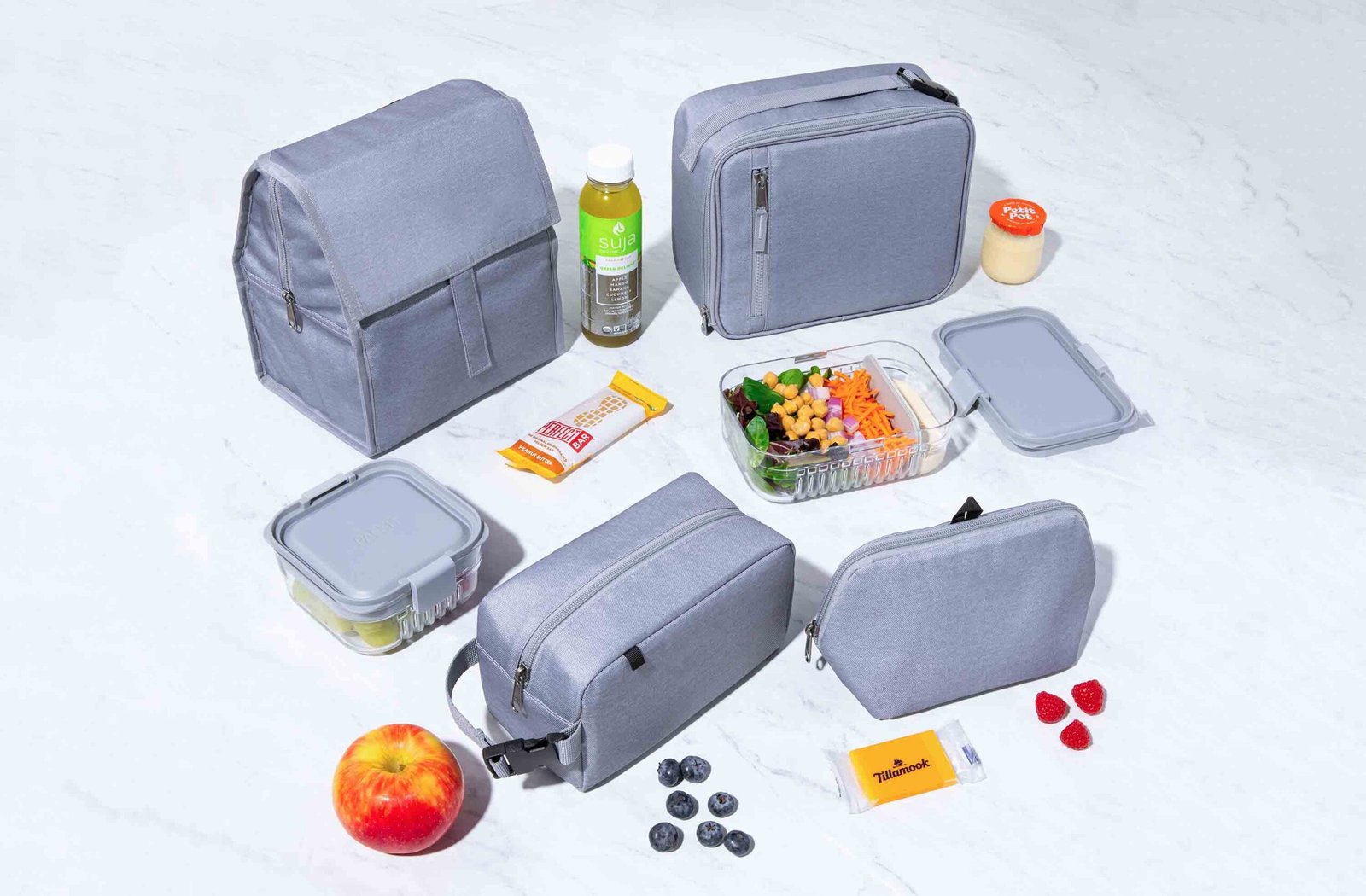
I have learned one clear lesson from factory-side work. The risky order is not always the cheapest order. The risky order is the order where the buyer, supplier, and factory all understand the product in different ways. I keep reading the specification first, because this is where most sourcing problems start.
What insulation material keeps lunches fresh longer?
Poor insulation makes a lunch bag look fine but work badly. I often see buyers focus on fabric color while the inner layer decides real user satisfaction.
Insulation materials such as EPE foam, PE foam, and thicker padded layers can help lunches stay fresh longer, but performance depends on thickness, lining, bag size, closure, and test conditions1. I ask for material details and test results before I compare prices.

I first separate the lunch bag from the cooler bag. A lunch bag is usually for a few hours of daily use. A cooler bag often needs stronger insulation and a larger structure. I do not use one material answer for every program, because retail, school, office, and promotion orders have different cost limits.
Common insulation layers I review
| Insulation layer | Common use | Main benefit | Main sourcing risk |
|---|---|---|---|
| EPE foam | Lunch bags and promo cooler bags | Light, affordable, easy to shape | Thin foam may collapse or feel weak |
| PE foam | Mid-range lunch bags | Better body feel and structure | Cost changes with thickness |
| Pearl cotton | Daily lunch bags | Soft hand feel and common supply | Bulk thickness must match the sample |
| EVA foam | Higher structure products | Stronger support and better shape | Higher cost and heavier weight |
I always ask the supplier to list the outer fabric, insulation layer, lining, and total thickness. I do this because a quote can look cheap when the foam is reduced by only one or two millimeters. The buyer may not see that change in photos, but the user may feel it in daily use. I also ask for the insulation test method if the buyer needs a performance claim. The result depends on starting temperature, outside temperature, ice pack use, and test time.2 I do not treat a simple claim as proof.
Are PEVA and foil linings safe for food contact?
A shiny lining can look clean, but looks do not prove safety. I see buyers forget documents until the goods are almost ready to ship.
PEVA and aluminum foil linings can be used for insulated lunch bags, but buyers should verify food-contact requirements through supplier documents and third-party test reports3. I check the target market, test standard, material name, report date, and whether the report matches the actual bulk material.
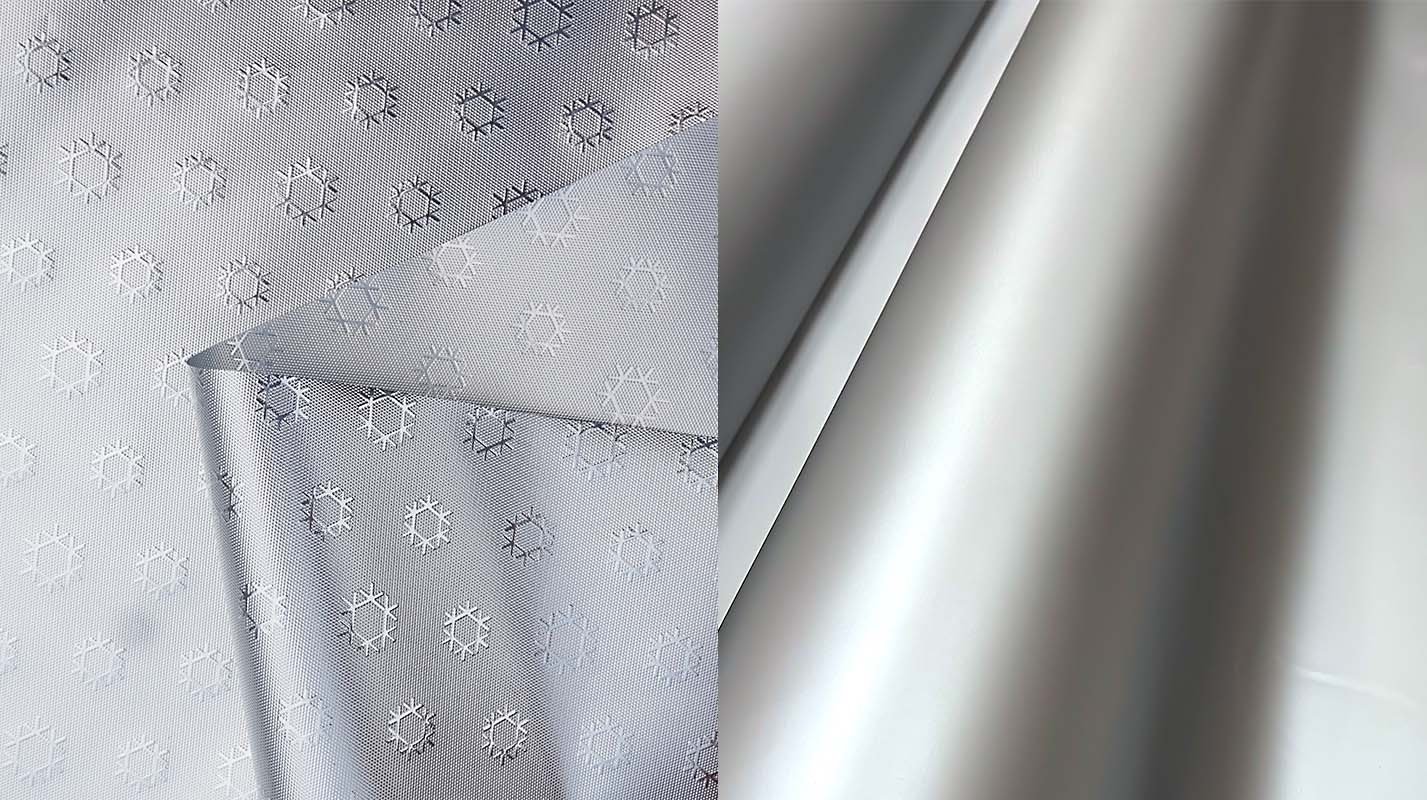
I do not say a lining is safe only because it is called PEVA or foil. I treat lining safety as a document and material control issue. The same name can cover different grades, different coatings, and different supply sources.4 This is why I ask for the real material specification before the sample stage.
Lining choices I usually compare
| Lining type | Common reason to use it | Buyer should verify | Practical note |
|---|---|---|---|
| PEVA lining | Soft, flexible, easy to clean | Food-contact report for target market | It should be checked for smell and sealing quality |
| Aluminum foil lining | Bright look and common cooler style | Report for coating and contact layer | It can wrinkle if the structure is weak |
| PVC lining | Lower cost in some cases | Market restriction and buyer policy | Many buyers avoid it for eco or compliance reasons5 |
| TPU or other films | Higher-end or special programs | Material grade and test report | It can raise cost and MOQ |
I ask buyers to share the destination market before I confirm lining options. Europe, North America, Japan, and other markets may ask for different proof.6 I am not a lab, and I do not replace legal review. I only help buyers prepare the right document request. I also check if the test report belongs to the same supplier, same material, and recent production. A report with a different material name does not help much. In bulk production, I also ask the QC team to compare lining color, thickness, smell, bonding, and seam finish against the approved sample.
What size works for school, office and meal prep programs?
The wrong size creates silent failure. I see a bag pass inspection but fail the market because it cannot fit the real lunch box.
The best lunch bag size depends on the user group and the packed items.7 I confirm whether the bag is for school lunch boxes, office meals, bottles, fruit, ice packs, or meal prep containers before I set dimensions and capacity.
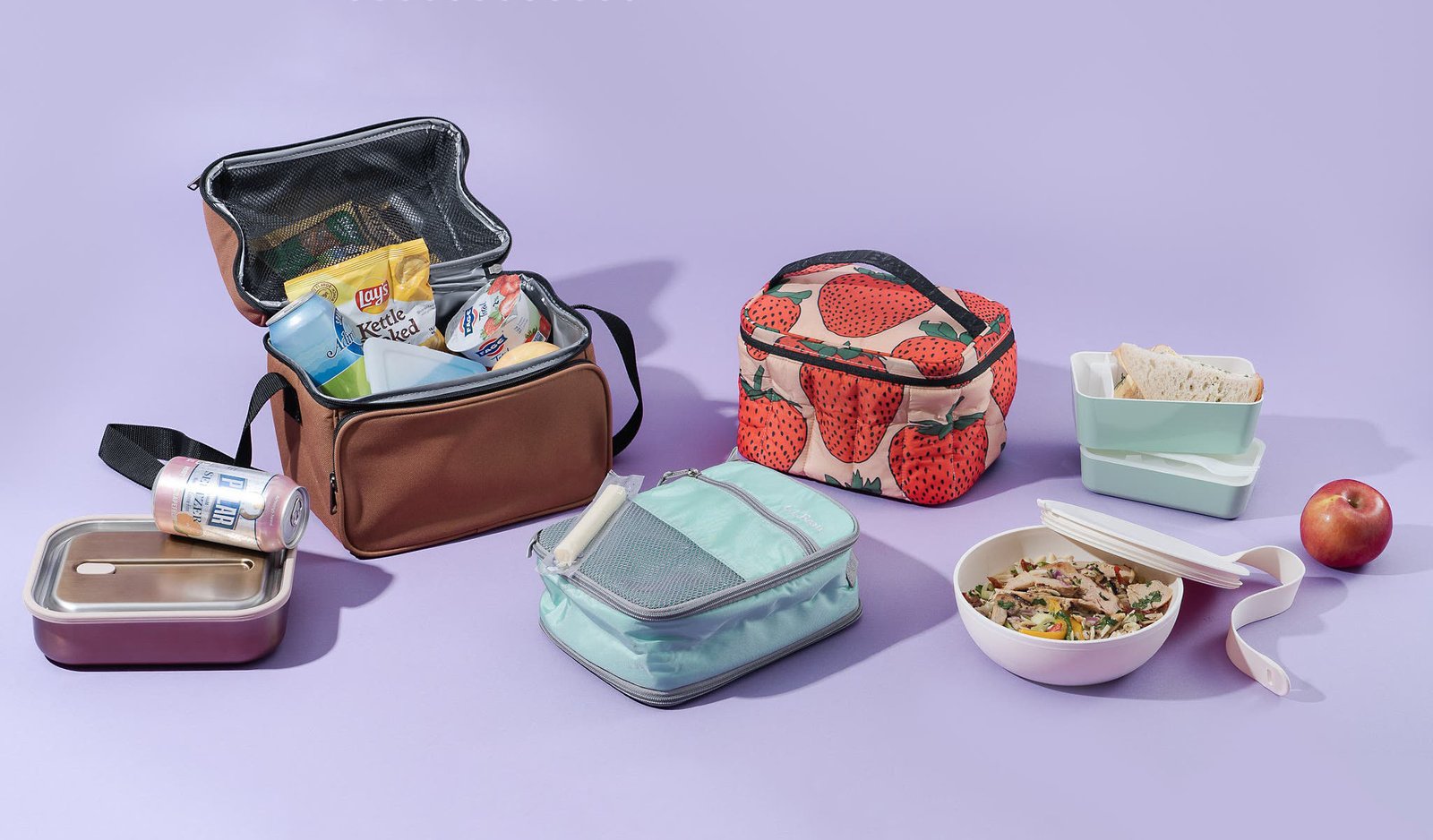
I start size discussion with the packed items, not with the outside dimension. This small change prevents many problems. A buyer may ask for a 10-liter bag, but the market may need two meal containers, one bottle, and one ice pack. The bag must fit the real shape, not only the volume number.
Size planning by program type
| Program type | Common user need | Size logic I use | Risk if size is wrong |
|---|---|---|---|
| School lunch bag | Lunch box, snack, small bottle | Compact body with easy handle | Children may not close it well |
| Office lunch bag | Meal box, fruit, drink | Clean shape and stable base | The bag may look too casual |
| Meal prep bag | Multiple containers | Wide opening and stronger side walls | Containers may not stack neatly |
| Promotional cooler bag | Simple food or drink use | Low cost and clear logo area | Bag may feel too thin |
| Supermarket program | Broad user group | Balanced size and shelf-friendly packing | Carton and shelf cost may rise |
I also check how the bag will be sold. Retail packaging may need a hangtag, belly band, insert card, or individual polybag. A supermarket program may need shelf size control. A distributor may care more about carton quantity and shipping space. These details change the best size. A bigger bag is not always better, because it raises fabric use, lining use, insulation use, carton volume, and freight cost.8 I usually suggest that buyers prepare one or two target lunch boxes and bottles during sampling. The sample should be tested by putting those items inside. This is a simple check, but it saves many changes before bulk production.
How do zipper, Velcro and roll-top closures compare?
A weak closure can ruin a good bag. I see complaints start at the opening because users touch that part every day.
Zippers give better daily closure and a cleaner retail feel. Velcro is simple and low cost, but it can wear and catch fabric.9 Roll-top closures can add style and flexible capacity, but they need stronger structure and clear user design.
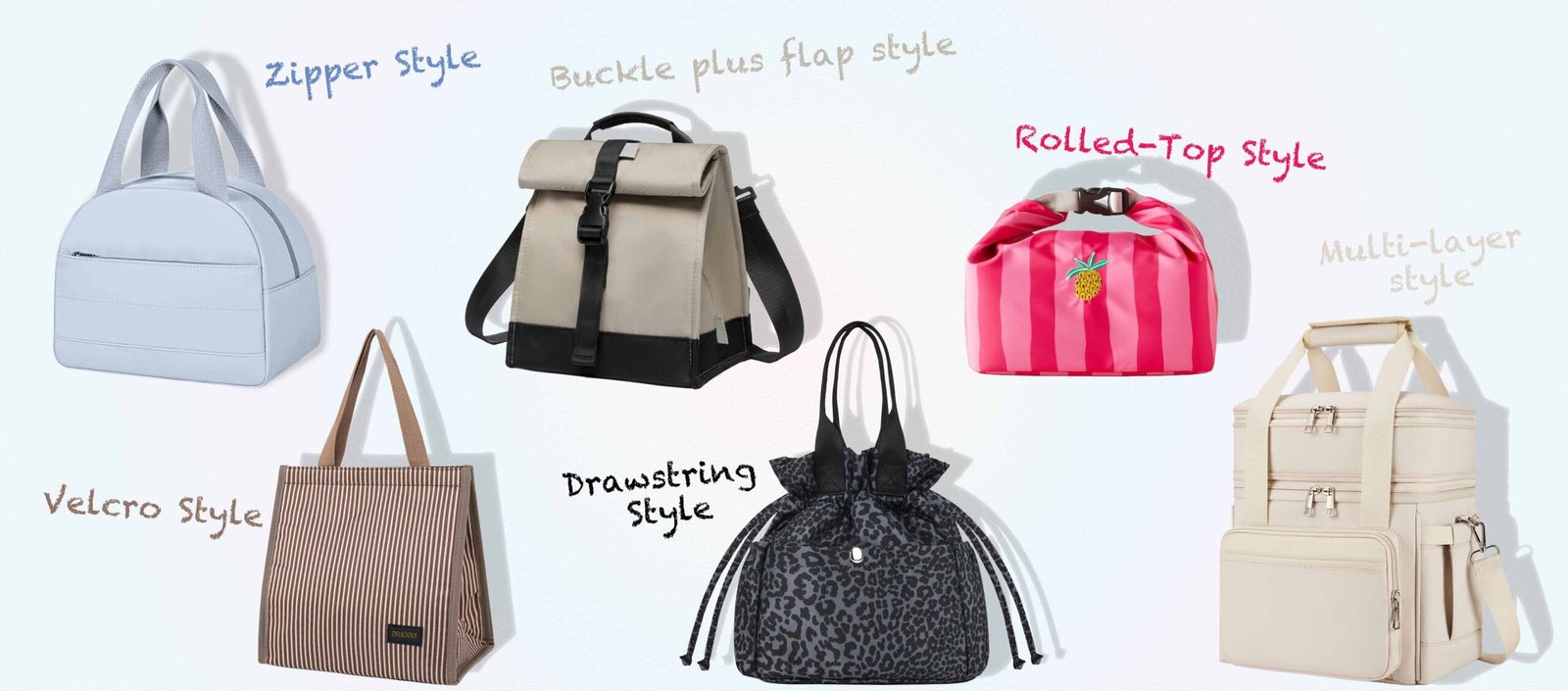
I treat the closure as a working part, not a small accessory. A lunch bag can have good fabric and good lining, but a poor zipper can make the whole product feel cheap. The closure also affects insulation. A large gap near the top can reduce the product experience, even when the foam is good.10
Closure comparison for B2B orders
| Closure type | Best fit | Main benefit | Main concern |
|---|---|---|---|
| Zipper | Retail, office, school, private label | Clean look and good user control | Cheap zipper may jam or break |
| Velcro | Promotion and simple school styles | Low cost and easy use | It can collect lint and lose grip |
| Roll-top | Outdoor, casual, modern designs | Flexible volume and strong style | It needs good pattern work |
| Drawstring | Soft casual lunch pouches | Simple and light | It may not close tightly |
| Buckle plus flap | Outdoor or brand style bags | Strong visual identity | More parts increase cost |
I usually ask how many times the bag may be opened each day. A school bag may be handled roughly. An office bag may need a cleaner look. A promotional bag may need a lower price, but it still should not fail after a few uses. I also check zipper size, zipper puller, slider quality, end stitching, and binding finish. For roll-top styles, I check the folding height and the side seam strength. A roll-top design can look good in a photo, but it can be hard to close if the fabric is too stiff or the height is too short. I also ask for a real sample test with packed items inside, because an empty bag does not show closure problems clearly.
What testing should buyers request before bulk orders?
Many problems are born after sample approval. I see the biggest risk in the gap between the approved sample and mass production.
Buyers should request material checks, size checks, logo checks, workmanship checks, color checks, lining inspection, basic performance tests, packaging review, and final inspection. I also suggest that buyers confirm food-contact or other compliance documents before bulk production starts.
I do not treat one nice sample as a full guarantee. A sample is made in small quantity. Bulk production uses rolls of fabric, batches of lining, many workers, and a fixed production schedule. This is why I make the approved sample and the written specification work together.
Testing and inspection points I ask buyers to confirm
| Check point | What I verify | Why it matters |
|---|---|---|
| Material specification | Fabric, lining, foam, webbing, zipper | It keeps bulk materials close to the sample |
| Dimension check | Length, width, height, handle length | It protects packing fit and user function |
| Logo check | Size, color, position, method | It protects brand image |
| Workmanship check | Stitching, binding, seam strength | It reduces returns and complaints |
| Lining check | Smell, sealing, wrinkles, damage | It affects food use and cleaning |
| Color check | Fabric color and logo color | It avoids mixed shade in one order |
| Packaging check | Polybag, carton, label, insert | It supports retail and warehouse needs |
| [Final inspection | AQL or agreed standard | It gives the buyer a shipment decision point](https://chemistry.unt.edu/~tgolden/courses/iso2859-1.pdf)%%%FOOTNOTE_REF_11%%% |
I also ask buyers to define the performance tests they need. A buyer may ask for insulation time, but I need to know the test method. I need the starting temperature, room temperature, product size, ice pack use, and test duration. I also ask if the buyer needs color fastness, zipper strength, handle loading, carton drop, or transit packing checks. Some buyers also need REACH, LFGB, FDA-related food-contact reports, or other market documents.12 I do not promise these documents without checking the exact material and supplier source. I prefer to confirm them before the deposit or before bulk material purchase. This gives both sides more control.
How can brands customize lunch bags without raising cost too much?
Customization can look simple at first. I see costs rise fast when every detail changes at the same time.
Brands can control customization cost by keeping the same bag body, using standard materials, choosing simple logo methods, limiting custom colors, using common packaging, and confirming details before sampling. I focus custom money on the parts that customers see most.
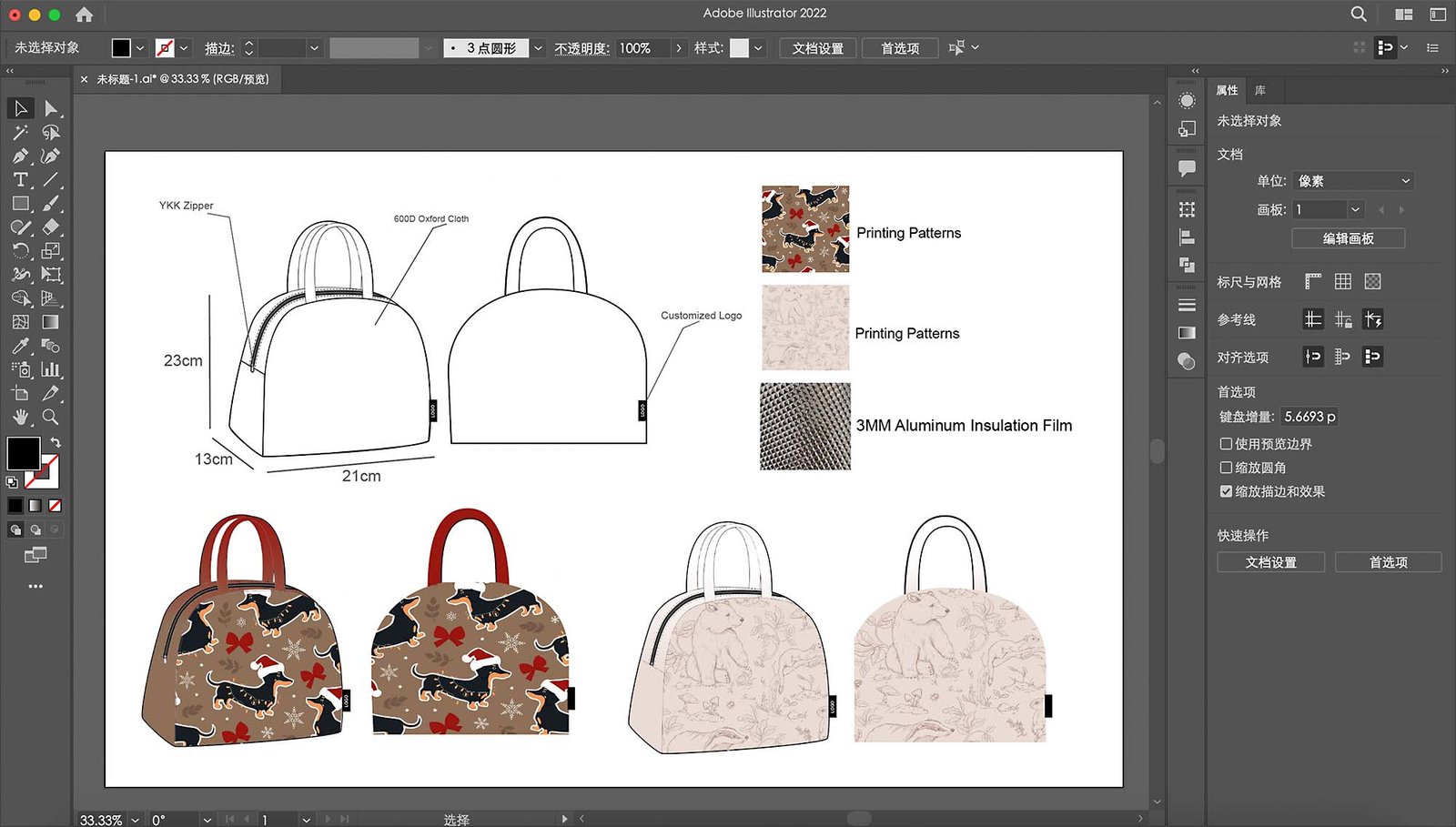
I like practical customization. A buyer does not always need a new mold, special fabric, custom zipper, unique lining, and full retail box at the same time. That approach may work for a premium line, but it can make a promotion or supermarket program too expensive. I usually ask which part creates the most sales value.
Cost-friendly customization choices
| Custom area | Lower-cost choice | Higher-cost choice | My practical view |
|---|---|---|---|
| Logo | Silk print, heat transfer, woven label | Embroidery, rubber patch, metal badge | I match the logo method with the target price |
| Fabric color | Stock color | Custom dyed color | I use stock color when MOQ or time is tight |
| Body shape | Existing pattern | New structure | I change the pattern only when the market needs it |
| Lining | Standard PEVA or foil option | Special lining or special color | I check documents before I confirm |
| Packaging | Polybag and hangtag | Color box or display tray | I choose packaging based on sales channel |
| Zipper puller | Standard puller | Custom puller | I use custom puller for brand value when budget allows |
I also watch MOQ. A custom fabric color may require higher material MOQ. A special zipper tape color may add time. A custom printed lining may look nice, but it may create extra testing and waste risk. I often suggest that buyers start with a strong logo area, a good outer fabric, and clean packaging. This can make the product look branded without changing every component. I also ask buyers to approve a pre-production sample before bulk production. The sample should include the final logo, final lining, final zipper, final label, and final packaging. This is the best way to reduce surprise cost and quality gaps.
Before I contact any supplier for an insulated lunch bag order, I prepare a clear inquiry checklist. I include the intended use, target market, order quantity, size or capacity, outer material, lining, insulation layer, closure type, logo method, packaging, required testing, required documents, sample needs, delivery deadline, and inspection expectations. This simple list makes the quotation more accurate. It also helps me compare suppliers by real capability, not only by unit price.
Conclusion
I source better lunch bags when I define use, materials, testing, customization, and delivery before price talks begin.
"[PDF] STEADY HEAT CONDUCTION", http://cecs.wright.edu/~sthomas/htchapter03.pdf. Engineering heat-transfer references describe insulation performance as a function of thermal resistance, material properties, thickness, exposed area, and temperature boundary conditions; this supports the article’s general sourcing principle but does not directly test any specific lunch bag. Evidence role: mechanism; source type: education. Supports: A university or engineering heat-transfer source should support the general mechanism that insulation performance varies with material properties, thickness, geometry, and temperature conditions.. Scope note: Contextual support only; it does not prove the performance of EPE, PE, or any named lunch bag construction. ↩
"Cold chain time- and temperature-controlled transport of vaccines", https://pmc.ncbi.nlm.nih.gov/articles/PMC7024728/. Thermal-performance test protocols for insulated containers specify controlled starting temperatures, ambient temperatures, coolant conditions, and measurement intervals, indicating that test results are conditional on the test setup rather than universal product properties. Evidence role: mechanism; source type: institution. Supports: A standards body or institutional testing protocol should show that thermal performance tests specify initial temperature, ambient conditions, coolant use, and elapsed time.. Scope note: The support is by analogy from insulated-container testing; it may not be a lunch-bag-specific standard. ↩
"Food Packaging & Other Substances that Come in Contact with Food", https://www.fda.gov/food/food-ingredients-packaging/food-packaging-other-substances-come-contact-food-information-consumers. Food-contact material regulations in major markets require materials intended to contact food to comply with applicable safety rules, and compliance is commonly demonstrated through supplier declarations, specifications, or test evidence. Evidence role: expert_consensus; source type: government. Supports: Government food-contact material guidance should support that food-contact materials are regulated and require evidence of compliance for the intended market.. Scope note: The exact documentation required varies by jurisdiction, material, and product use. ↩
"Regulatory Status of Components of a Food Contact Material - FDA", https://www.fda.gov/food/packaging-food-contact-substances-fcs/determining-regulatory-status-components-food-contact-material. Food-contact material guidance treats compliance as dependent on the specific substance, formulation, coating, and intended conditions of use, supporting the distinction between a generic material name and the actual approved material construction. Evidence role: definition; source type: government. Supports: A food-contact regulatory source should support that compliance depends on the specific material formulation, coatings, additives, and conditions of use.. Scope note: This supports the compliance logic generally and does not identify which PEVA or foil formulations are acceptable. ↩
"[PDF] Phthalates - EPA", https://www.epa.gov/sites/default/files/2017-08/documents/phthalates_updates_live_file_508_0.pdf. Chemical-safety authorities have identified restrictions and health concerns for certain phthalates historically used as plasticizers in PVC consumer articles, providing a regulatory context for buyer avoidance of PVC in some programs. Evidence role: general_support; source type: government. Supports: Government or international chemical-safety sources should support that PVC-related additives, especially certain phthalates, have been restricted or scrutinized in consumer products.. Scope note: This does not show that all PVC linings are noncompliant or that all buyers avoid PVC. ↩
"Food Packaging & Other Substances that Come in Contact with Food", https://www.fda.gov/food/food-ingredients-packaging/food-packaging-other-substances-come-contact-food-information-consumers. Official food-contact material frameworks differ across jurisdictions, including EU framework rules, U.S. FDA food-contact substance requirements, and Japan’s positive-list system, supporting the article’s statement that proof must be matched to the destination market. Evidence role: historical_context; source type: government. Supports: Official regulatory sources should show that the EU, United States, and Japan have separate food-contact material frameworks and documentation expectations.. Scope note: The cited regulations would establish regional differences but would not provide a complete compliance checklist for every lunch bag component. ↩
"What is Human-Centered Design? Definition & Process", https://ischool.syracuse.edu/what-is-human-centered-design/. Human-centered design standards emphasize identifying users, tasks, and context of use before setting design requirements, supporting the article’s approach of sizing lunch bags around actual packed items and user groups. Evidence role: expert_consensus; source type: institution. Supports: A human-centered design standard or university design source should support that product specifications should be derived from user needs, tasks, and context of use.. Scope note: The source would support the design method generally rather than provide lunch-bag-specific dimensions. ↩
"What is Dimensional Weight & How is it Calculated? [+ DIM Calculator]", https://dclcorp.com/blog/shipping/dimensional-weight/. Carrier dimensional-weight rules calculate billable weight partly from package volume, supporting the claim that larger product and carton dimensions can increase freight cost even when physical weight changes modestly. Evidence role: mechanism; source type: institution. Supports: A logistics or carrier source should support that package dimensions and volume can affect freight cost through dimensional weight calculations.. Scope note: Carrier rules support the freight-cost mechanism but do not quantify fabric, lining, or insulation consumption for a specific bag pattern. ↩
"Who Invented Velcro - Face Surgery", https://face.meei.harvard.edu/who-invented-velcro. Descriptions of hook-and-loop fasteners explain that fastening depends on engagement between small hooks and loops, and that wear or accumulated lint and debris can reduce holding performance. Evidence role: mechanism; source type: encyclopedia. Supports: An encyclopedia or technical source should support that hook-and-loop fasteners rely on small hooks and loops that can lose effectiveness with wear or contamination by lint and debris.. Scope note: This supports the general closure mechanism and does not compare the cost of Velcro with zippers for lunch bags. ↩
"[PDF] NUMERICAL SIMULATION OF THE HEAT LEAKAGE AT THE ...", https://tigerprints.clemson.edu/cgi/viewcontent.cgi?article=3038&context=all_theses. Energy-efficiency guidance explains that air leakage through gaps can increase heat transfer and reduce the effectiveness of insulation, providing a physical basis for concern about poorly sealed lunch bag closures. Evidence role: mechanism; source type: government. Supports: A government or educational energy-efficiency source should support that gaps and air leakage increase convective heat transfer and reduce insulation effectiveness.. Scope note: The source would be a general insulation principle, not a direct lunch bag laboratory test. ↩
"[PDF] ISO 2859-1 - UNT Chemistry", https://chemistry.unt.edu/~tgolden/courses/iso2859-1.pdf. Acceptance-sampling standards such as ISO 2859-1 and ANSI/ASQ Z1.4 define AQL-based sampling plans for lot inspection, supporting the use of final inspection as a structured shipment acceptance decision point. Evidence role: definition; source type: institution. Supports: An ISO or ANSI/ASQ source should support that AQL sampling plans are used for lot-by-lot inspection and acceptance decisions.. Scope note: AQL inspection estimates lot quality from samples and does not guarantee that every unit in the shipment is defect-free. ↩
"Food Packaging & Other Substances that Come in Contact with Food", https://www.fda.gov/food/food-ingredients-packaging/food-packaging-other-substances-come-contact-food-information-consumers. Official regulatory sources identify REACH as an EU chemicals framework, LFGB as part of German food and consumer-goods law, and FDA requirements as relevant to U.S. food-contact substances, supporting the need to match compliance reports to the destination market. Evidence role: general_support; source type: government. Supports: Official sources should support that REACH governs chemicals in articles in the EU, LFGB relates to German food and consumer goods law, and FDA regulates food-contact substances in the United States.. Scope note: The presence of these regimes does not mean every insulated lunch bag requires all listed reports. ↩