Beauty buyers often chase the nicest-looking bag first. I see the problem later. The bag does not fit the products, costs too much, or feels hard to use.
The best travel cosmetic bag design starts with use, not style.1 I first check what products it must hold, how the user will open it, and what price and sales channel it must fit. That is what usually decides the right size, structure, material, and finish.
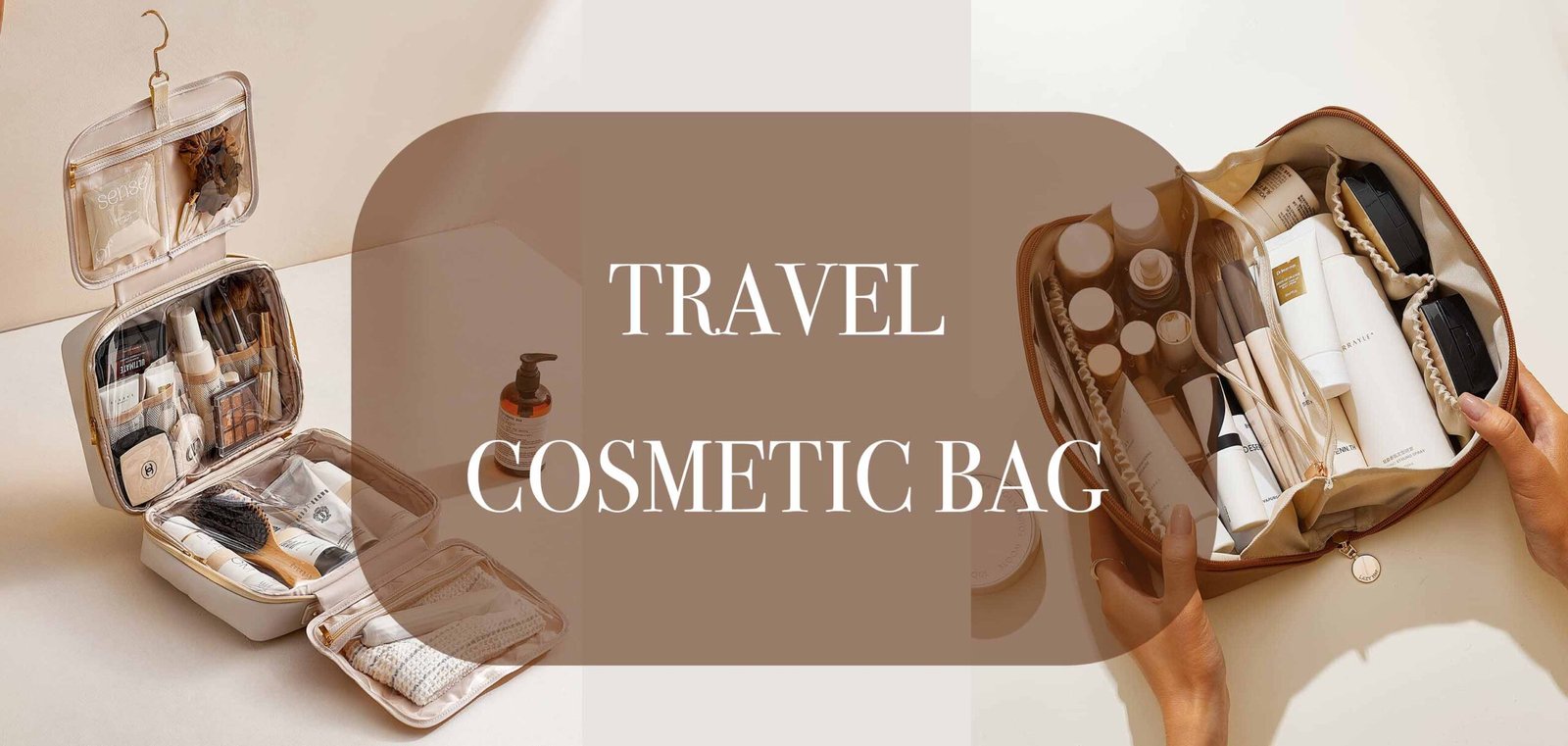
When I speak with beauty buyers, I do not begin with color or shape. I begin with simple questions. I ask what items will go inside. I ask if they are full-size or travel-size. I ask if the user wants the bag to stand up on a counter or open flat in a suitcase. I ask where the bag will be sold and at what price. These questions sound basic. Still, they usually decide whether a design works in real life. I have seen nice concepts fail because the structure did not match the task. I have also seen very simple bags sell well because they were easy to use, easy to clean, and right for the price.
What Size Cosmetic Bag Works Best for Travel Retail?
A cosmetic bag can look right on paper and still fail in use. I often see buyers choose size by eye. Then samples arrive, and the bag fits less than expected.
The best size depends on what the user carries and where the bag is sold. Travel retail usually works best when the bag fits key items clearly, stays easy to pack, and does not waste material or shelf space.2
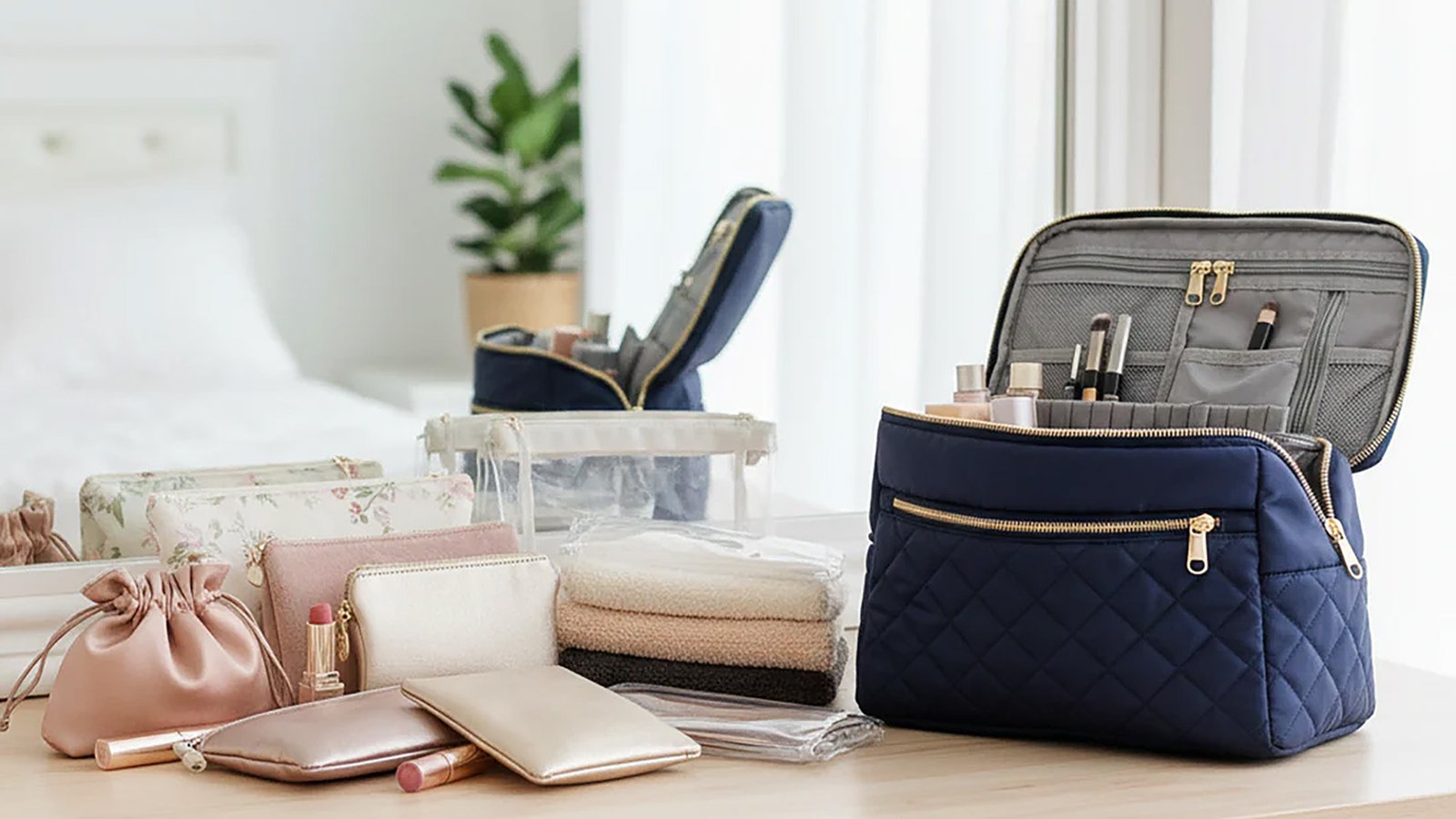
When I discuss size with a buyer, I do not ask for “small,” “medium,” or “large.” I ask for the actual item list. That list tells me more than any mood board. A bag for a mini skincare set is very different from a bag for full-size bottles, brushes, and tools. I also ask how the user will reach the products. If the user wants quick access in a hotel bathroom, a wider opening and lower profile may work better. If the user wants bottles to stay upright, height matters more.
I have learned that the “best” size is often the one that feels obvious after use. It should hold the needed products without forcing them in. It should not feel too empty either. Empty space can make the bag look cheap or awkward.
Here is how I usually break it down:
| Use case | Size focus | Common risk |
|---|---|---|
| Travel-size skincare set | Compact footprint | Too small for zipper clearance |
| Full-size beauty products | More height and base depth | Bag becomes bulky in luggage |
| Gift-with-purchase set | Visual balance with product count | Looks underfilled or overpacked |
| Airport or travel retail | Easy to carry and display | Size does not match shelf needs |
I also think about shipping and display. A very large bag adds cost fast.3 A very structured bag may pack less efficiently. If the bag is for a value-driven retail channel, too much volume can hurt the final price. So I try to balance item fit, user comfort, display effect, and landed cost. That balance matters more than picking a trendy silhouette.
Which Materials Make Makeup Bags Easier to Clean?
A bag may look premium at first glance. Then a little foundation, powder, or lotion gets inside. The user wipes it once, and the surface still looks dirty.
Materials that are easier to clean usually have smoother surfaces, better water resistance, and lower stain hold.4 In many cases, coated fabrics, TPU, PU, or wipeable linings are easier to maintain than highly absorbent textiles.5
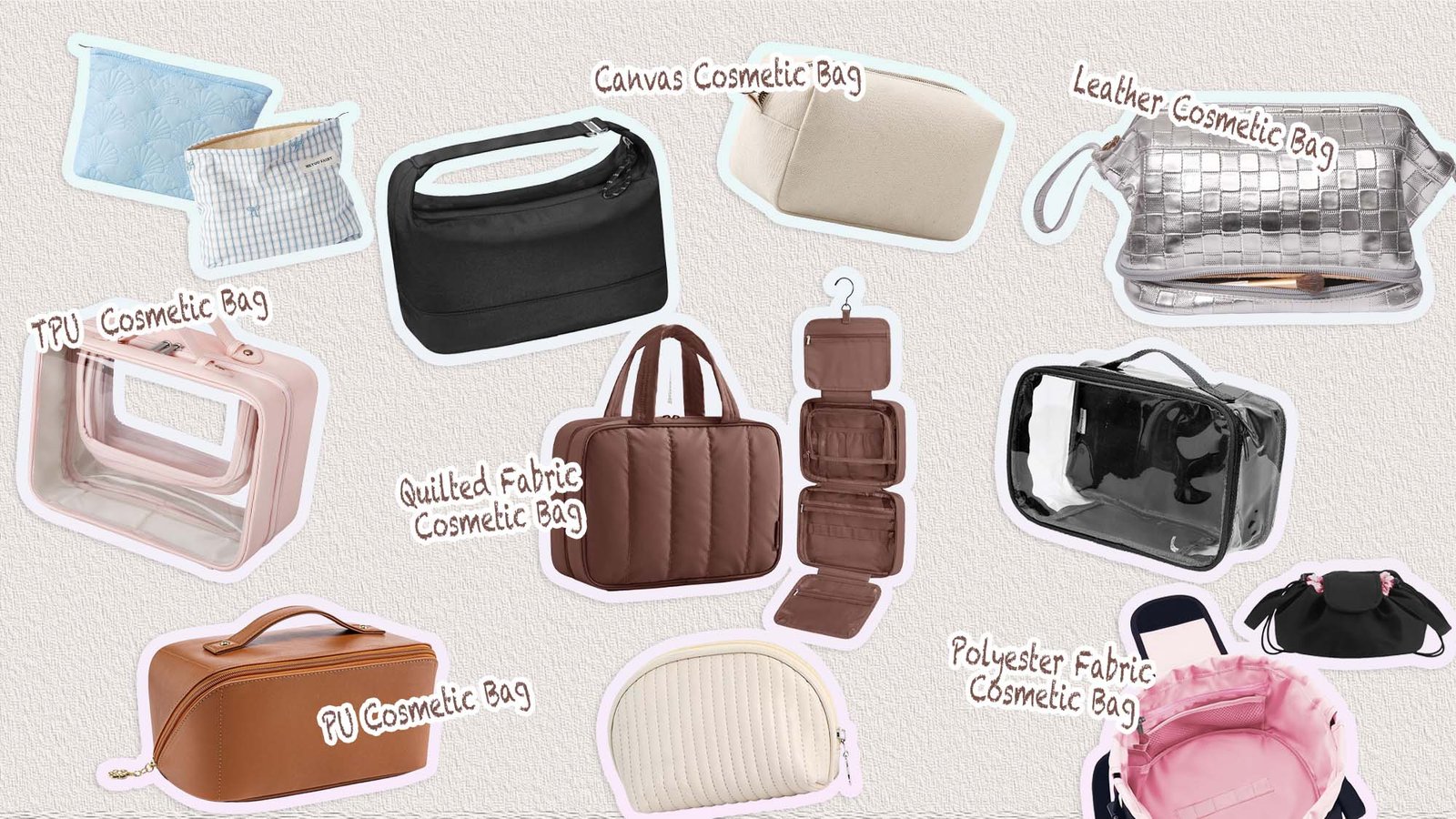
I have seen many buyers focus on appearance first. I understand why. Beauty products need attractive packaging and accessories. Still, for travel cosmetic bags, cleanability matters a lot. If a user gets makeup marks inside the bag on the first trip, the whole product can feel disappointing. That affects repeat orders and product reviews, even if the bag looked great when it launched.
I usually look at four practical points: surface texture, water resistance, stain tolerance, and shipping behavior. A soft brushed fabric may feel nice, but it can catch powder and hold stains. A smooth coated fabric may look simpler, yet it often wipes down faster. That does not mean one material is always better. It means the material must fit the channel and user expectation.
This is the simple way I think about it:
| Material type | Cleaning ease | Travel use note |
|---|---|---|
| PU / coated surface | Usually easy to wipe | Good visual finish, watch for surface wear |
| TPU / PVC clear film | Easy to see and clean | Useful for travel, needs good thickness choice |
| Canvas | Harder to clean | Better for dry items or casual look |
| Quilted fabric | Depends on face fabric | Looks soft, seams can trap residue |
| Polyester with wipeable lining | Good inside protection | Practical for daily use and sets |
I also pay attention to the inside, not just the outside. A buyer may choose a nice shell material, but if the lining absorbs spills, the user still has a bad experience. So I often suggest starting from the most likely mess. Is it liquid leakage? Powder dust? Wet bathroom use? Once that is clear, the material choice becomes much easier.
Should Beauty Brands Choose Clear, Quilted, or Canvas Cosmetic Bags?
Many buyers ask me which style is best. I think that question is too broad. Clear, quilted, and canvas bags each solve a different problem.
Beauty brands should choose clear, quilted, or canvas cosmetic bags based on use, price, and sales channel. Clear bags support visibility and travel use6, quilted bags feel softer and more giftable7, and canvas bags fit casual or value-focused positioning.
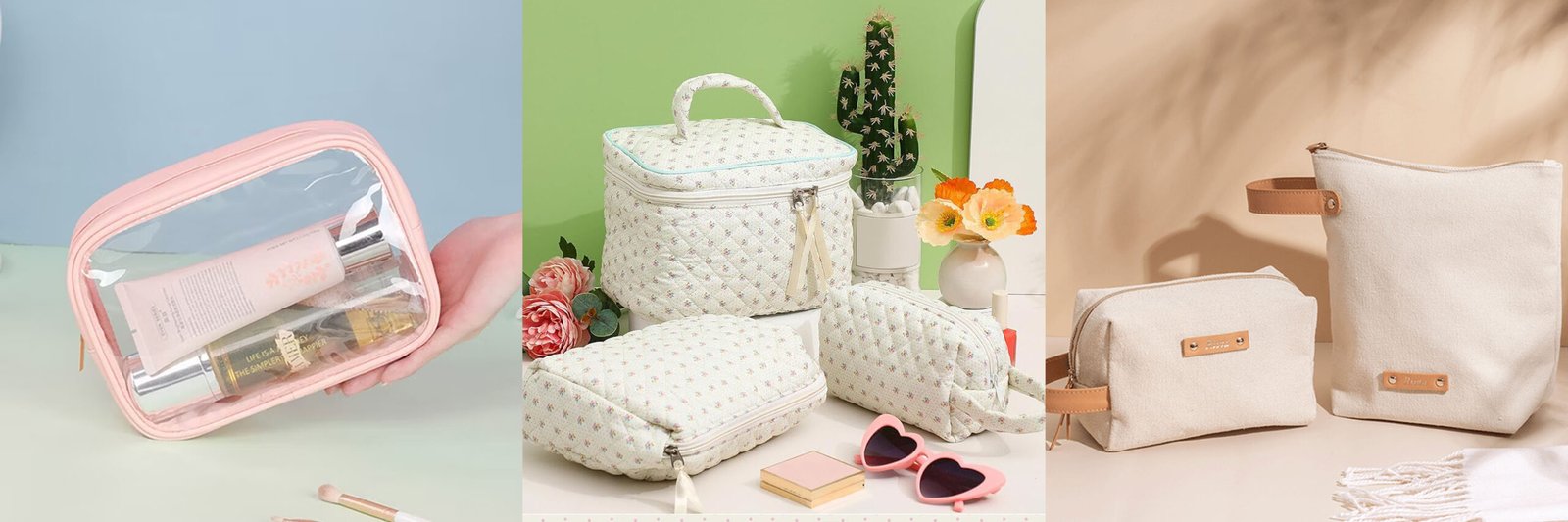
I do not treat these three options as fashion choices only. I treat them as business choices. A clear cosmetic bag can make sense when the user wants to find items fast or when the set should show product colors. It can also help in travel-related use cases. But clear materials need the right thickness, the right edge finish, and good construction. If not, the bag can crease badly or feel cheap.
Quilted bags give a softer and more premium feel. They work well for gift sets, seasonal launches, and beauty lines that want a warmer look. Still, quilting adds process steps. It can increase cost.8 It can also create extra seams and shape variation in production. So I usually check if the price band can support it.
Canvas bags often look simple and natural. They may fit eco-minded branding or entry-level price goals. Yet canvas is not always the easiest to clean, and it does not always feel right for wet bathroom use. That is why I do not recommend it by image alone.
Here is my quick comparison:
| Option | Best for | Main caution |
|---|---|---|
| Clear | Visibility, travel, modern look | Creasing, edge quality, feel |
| Quilted | Gift sets, soft premium feel | Higher cost, more production steps |
| Canvas | Casual look, simple branding | Stain risk, less bathroom-friendly |
In real projects, I often ask one extra question: what should the bag say about the brand when the customer touches it for the first time? That answer helps narrow the choice fast. Then I check if that choice still works for cost, packing, and production.
How Can Cosmetic Bags Be Customized for Gift Sets?
Gift set bags often look special in concept drawings. Then the real products go in, and the set looks crowded, loose, or hard to repack. That is a common mistake.
Cosmetic bags for gift sets should be customized around the exact product mix, display goal, and target price. Good customization means the bag supports the set clearly without adding unnecessary structure, weight, or cost.
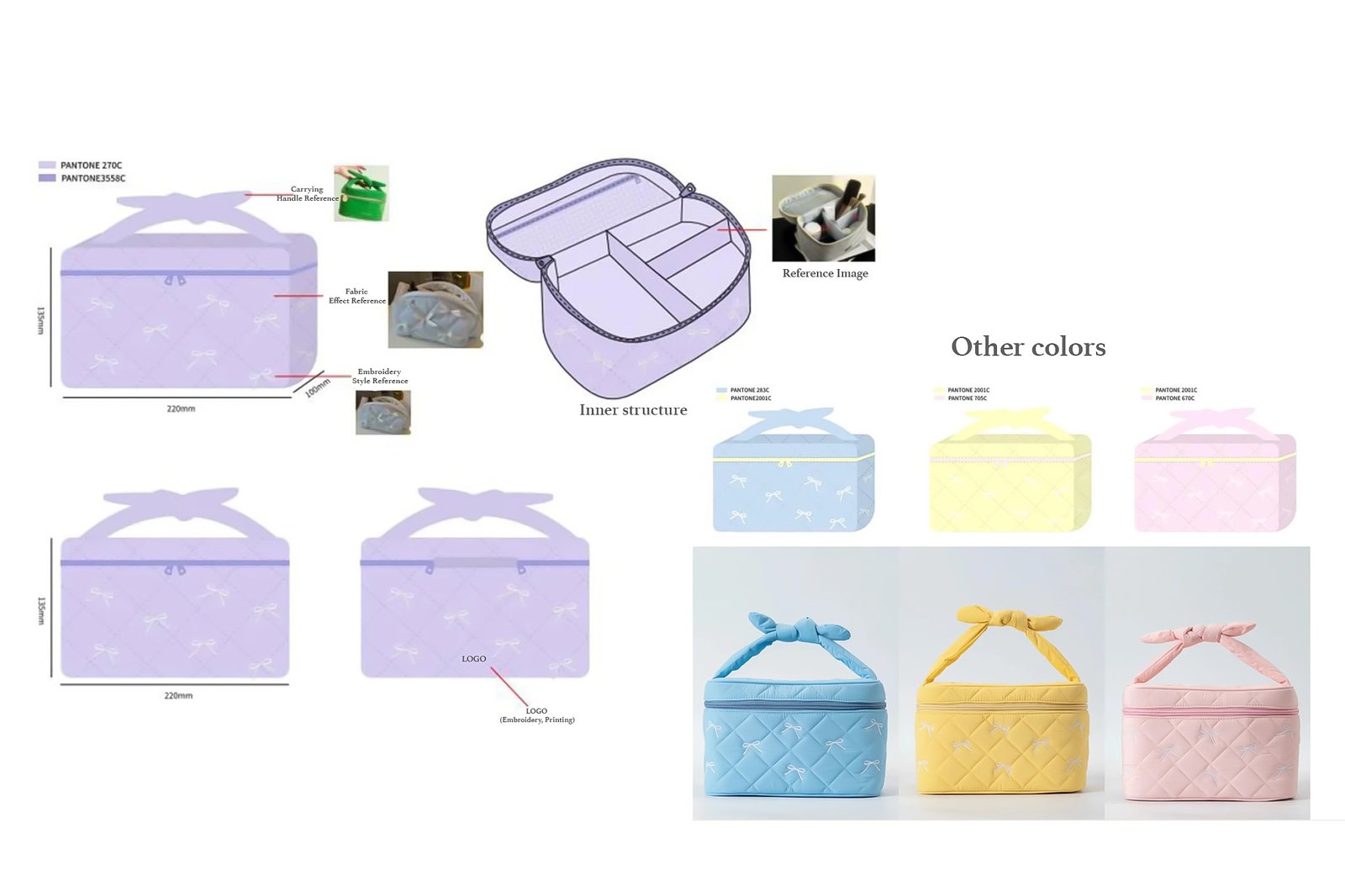
When I work on gift set projects, I always try to keep customization practical. Buyers sometimes think customization means adding many pockets, handles, panels, or special trims. In my experience, that is not always the best move. More details can make the bag feel more “designed,” but they can also create more cost, more sample rounds, and more production risk.9 In some cases, they make the user experience worse.
I prefer to begin with the product arrangement. I ask which items must be visible. I ask whether the bag is a part of the gift presentation or mainly a useful extra after purchase. Those are different goals. If the bag is part of the visual story, window placement, print area, and shape balance matter more. If the bag is meant for later travel use, then opening shape, zipper path, and storage logic matter more.
This is the checklist I often use:
| Custom area | Why it matters | Common mistake |
|---|---|---|
| Bag dimensions | Matches exact item set | Chosen before final product list |
| Opening style | Affects repacking and use | Opening too narrow for bottles |
| Branding method | Supports retail look | Logo process not fit for material |
| Interior design | Helps hold key items | Too many compartments |
| Color and trim | Connects with collection | Nice look but weak stain tolerance |
I have found that simple customization often works best. A clean print, the right zipper color, a matching lining, and a useful shape can do more than a complicated structure. The bag should support the set, not compete with it. That is usually where strong commercial design comes from.
What Should Buyers Check in Pre-Production Samples?
A lot can go wrong after a nice first sample. Buyers sometimes approve a sample based on appearance alone. Later, problems show up in packing, sewing, or daily use.
In pre-production samples, buyers should check fit, opening function, material behavior, stitching, logo placement, and packing results. The goal is to confirm the bag can be produced consistently, not just that one sample looks good.10
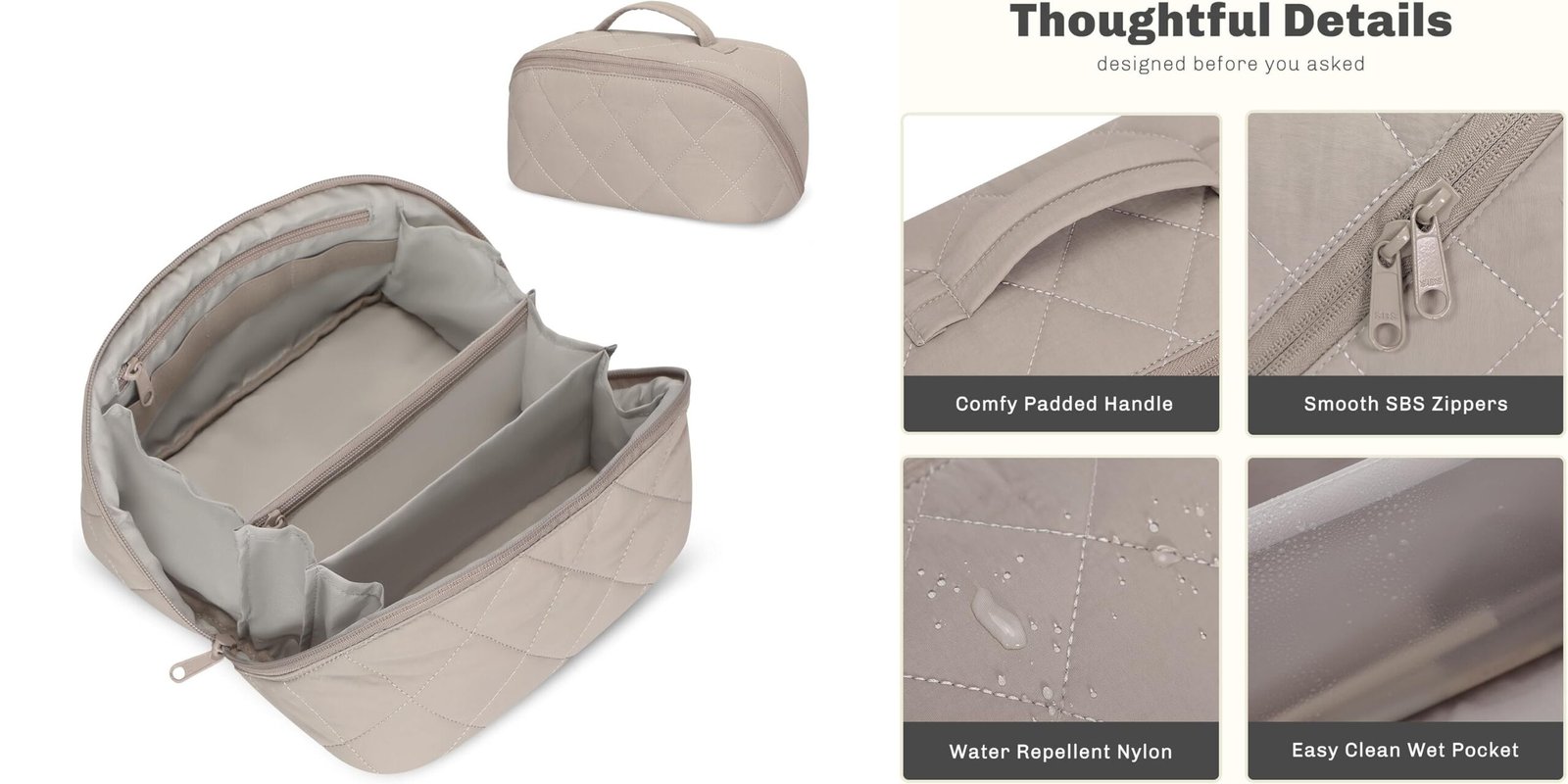
This step matters more than many buyers expect. I have seen projects where the sample looked good on a table, but once the real products were packed inside, the zipper dragged, the side panel bulged, or the bag lost its shape. That is why I always suggest testing the sample in the closest real-use way possible.
First, I check product fit with the actual items, not substitute items. A few millimeters can change the whole experience. Second, I check the opening. Can the user see and reach the products easily? Third, I check material feel after handling. Does the surface scratch, crease, or mark too fast? Fourth, I look at sewing balance. Uneven stitching may seem minor, but it often points to difficulty in bulk production.
I also check packing method because shipping affects how the bag arrives. A good sample can still fail if the packed shape looks bad after transport.
My normal review table looks like this:
| Check point | What I look for | Why it matters |
|---|---|---|
| Product fit | Real items inside the bag | Confirms size is truly correct |
| Zipper and opening | Smooth use and enough access | Affects daily experience |
| Material response | Crease, stain, wipe, shape | Helps judge long-term satisfaction |
| Construction | Stitching, binding, symmetry | Shows production control level |
| Branding details | Logo size, color, position | Avoids visual inconsistency |
| Packing test | Flat pack or stuffed pack result | Reduces shipping and display issues |
I also like to ask one final question before approval: if I saw this bag in the target store with the target price, would it feel right? That question helps bring everything back to channel fit. A cosmetic bag should not be judged in isolation. It should be judged as part of a real product offer.
Conclusion
I believe beauty buyers want travel cosmetic bag designs that match real use, real price, and real channels. That is how a bag looks right, works well, and sells better.11
"What is Human-Centered Design? Definition & Process", https://ischool.syracuse.edu/what-is-human-centered-design/. Human-centred design standards and reference overviews describe design development as beginning with users, tasks, and context of use rather than surface appearance, supporting the article’s framing that function and use requirements should guide design decisions first. Evidence role: expert_consensus; source type: institution. Supports: Human-centered design frameworks emphasize starting from user needs, tasks, and context of use when defining product requirements.. Scope note: These sources establish a general design principle rather than proving that every travel cosmetic bag performs better when designed this way. ↩
"An Exploratory Study on Shelf Ready Packaging Design Solutions", https://www.academia.edu/117688592/An_Exploratory_Study_on_Shelf_Ready_Packaging_Design_Solutions. Retail merchandising and packaging studies commonly treat package dimensions as a trade-off among product fit, packability, and shelf efficiency, which provides contextual support for the article’s claim that travel-retail bag size should be judged by both use and space efficiency. Evidence role: general_support; source type: research. Supports: Retail and packaging research can support the importance of matching package dimensions to product contents while considering display efficiency and packability.. Scope note: Relevant studies often concern packaged goods broadly rather than cosmetic bags specifically. ↩
"Costs, Benefits, and Adoption of Additive Manufacturing - PMC - NIH", https://pmc.ncbi.nlm.nih.gov/articles/PMC5524380/. Packaging and logistics references explain that larger package dimensions typically require more material and can increase transportation charges, especially where dimensional-weight pricing applies, supporting the article’s statement that larger bags can raise total cost rapidly. Evidence role: mechanism; source type: education. Supports: Larger package dimensions generally raise material consumption and may also increase freight charges through dimensional-weight pricing.. Scope note: The magnitude of the cost increase depends on material specification, packing density, and the transport mode used. ↩
"Development of Efficient In-Situ Cleaning Methods for Stained ...", https://pmc.ncbi.nlm.nih.gov/articles/PMC12564396/. Textile and surface-science literature indicates that cleanability is affected by factors including surface roughness, liquid absorption, and repellency; less absorbent, smoother, and more water-resistant surfaces generally retain less residue and are easier to wipe clean. Evidence role: mechanism; source type: paper. Supports: Surface properties such as absorbency, roughness, and water resistance influence how easily soils can be removed from materials.. Scope note: Cleanability also depends on the specific contaminant, coating chemistry, and cleaning method. ↩
"Coating of TPU-PDMS-TMS on Polycotton Fabrics for Versatile ...", https://pmc.ncbi.nlm.nih.gov/articles/PMC6418616/. Research on coated textiles shows that polymer coatings such as polyurethane-based layers can reduce liquid penetration and improve surface wipeability relative to untreated absorbent fabrics, supporting the article’s comparison between coated and highly absorbent materials. Evidence role: general_support; source type: paper. Supports: Textile coatings and polymer-film surfaces can improve water and stain resistance relative to uncoated absorbent fabrics, making routine cleaning easier.. Scope note: Performance varies by coating formulation, fabric construction, and wear over time; the support is comparative rather than universal for all TPU or PU products. ↩
"Travel Checklist | Transportation Security Administration - TSA", https://www.tsa.gov/travel/travel-tips/travel-checklist. Airport security guidance for carry-on liquids commonly requires or recommends transparent, resealable bags so that contents can be seen during inspection, which supports the article’s statement that clear bags aid visibility and have a practical travel-use advantage. Evidence role: case_reference; source type: government. Supports: Transparent bags are used in air-travel liquid screening because they allow contents to be viewed and inspected more easily.. Scope note: Such guidance concerns airport screening for liquids rather than cosmetic-bag design in all travel contexts. ↩
"Effects of multisensory packaging on taste perception, emotional ...", https://pmc.ncbi.nlm.nih.gov/articles/PMC12595072/. Consumer-behavior and haptic-perception studies report that tactile cues such as softness and padded texture can influence perceived quality and emotional warmth, offering contextual support for the article’s characterization of quilted bags as softer and more giftable. Evidence role: mechanism; source type: paper. Supports: Tactile softness and surface texture can influence perceived quality, warmth, and gift appropriateness in consumer products.. Scope note: The evidence is about consumer perception of texture generally and does not directly test quilted cosmetic bags. ↩
"[PDF] The Shadow of Fast Fashion: The Quilting Industry", https://encompass.eku.edu/cgi/viewcontent.cgi?article=1951&context=honors_theses. Textile-construction references describe quilting as a process that joins multiple layers through additional stitching or bonding operations, indicating extra labor and materials relative to a simple unquilted panel and thereby supporting the article’s cost claim. Evidence role: mechanism; source type: education. Supports: Quilting involves extra layers and stitching operations that can add labor, materials, and production time.. Scope note: Actual cost impact depends on scale, machinery, stitch pattern, and material selection. ↩
"Design for Manufacturing Cost Reduction: Strategic Decisions That ...", https://www.modusadvanced.com/resources/blog/design-for-manufacturing-cost-reduction-strategic-decisions-that-transform-bottom-lines. Design-for-manufacture and product-complexity literature commonly associates increased part, process, or feature complexity with higher development effort, greater manufacturing variability, and higher cost, which supports the article’s caution about adding unnecessary bag details. Evidence role: expert_consensus; source type: paper. Supports: Manufacturing and product-development literature generally links greater design complexity with higher cost and greater production difficulty.. Scope note: The literature is usually general to manufactured products and does not isolate cosmetic bags specifically. ↩
"Quality Assurance in Research - Research Data Services", https://researchdata.wisc.edu/uncategorized/quality-assurance-in-research/. Manufacturing quality-control references emphasize that pre-production approval is intended to assess whether specified quality can be reproduced consistently in full-scale production, not merely whether an isolated sample appears acceptable. Evidence role: expert_consensus; source type: education. Supports: Quality assurance practice emphasizes that sample approval should address repeatability and production consistency, not only appearance of a single unit.. Scope note: Terminology and formal procedures vary by industry and supplier quality system. ↩
"The Impact of Visual Elements of Packaging Design on Purchase ...", https://pmc.ncbi.nlm.nih.gov/articles/PMC11851823/. Marketing and consumer-research literature generally finds that stronger alignment between product attributes, target-user needs, and market positioning is associated with higher purchase intention or better market performance, lending contextual support to the article’s statement that appropriate design choices can improve sales outcomes. Evidence role: general_support; source type: paper. Supports: Research can support the broader proposition that alignment between product attributes, user needs, and market positioning is associated with better purchase response.. Scope note: This evidence is contextual and probabilistic; it does not directly demonstrate sales effects for travel cosmetic bags alone. ↩