Retail buyers often pick trendy giveaways fast. Then the item gets noticed once, used a few days, and forgotten1. That means the brand exposure ends much sooner than expected.
Yes, a crossbody phone bag can help a retail campaign, but only when the goal is repeated use after the event2. I have seen buyers get better campaign fit when they judge carry frequency, audience habits, and daily usefulness, not just trend appeal.
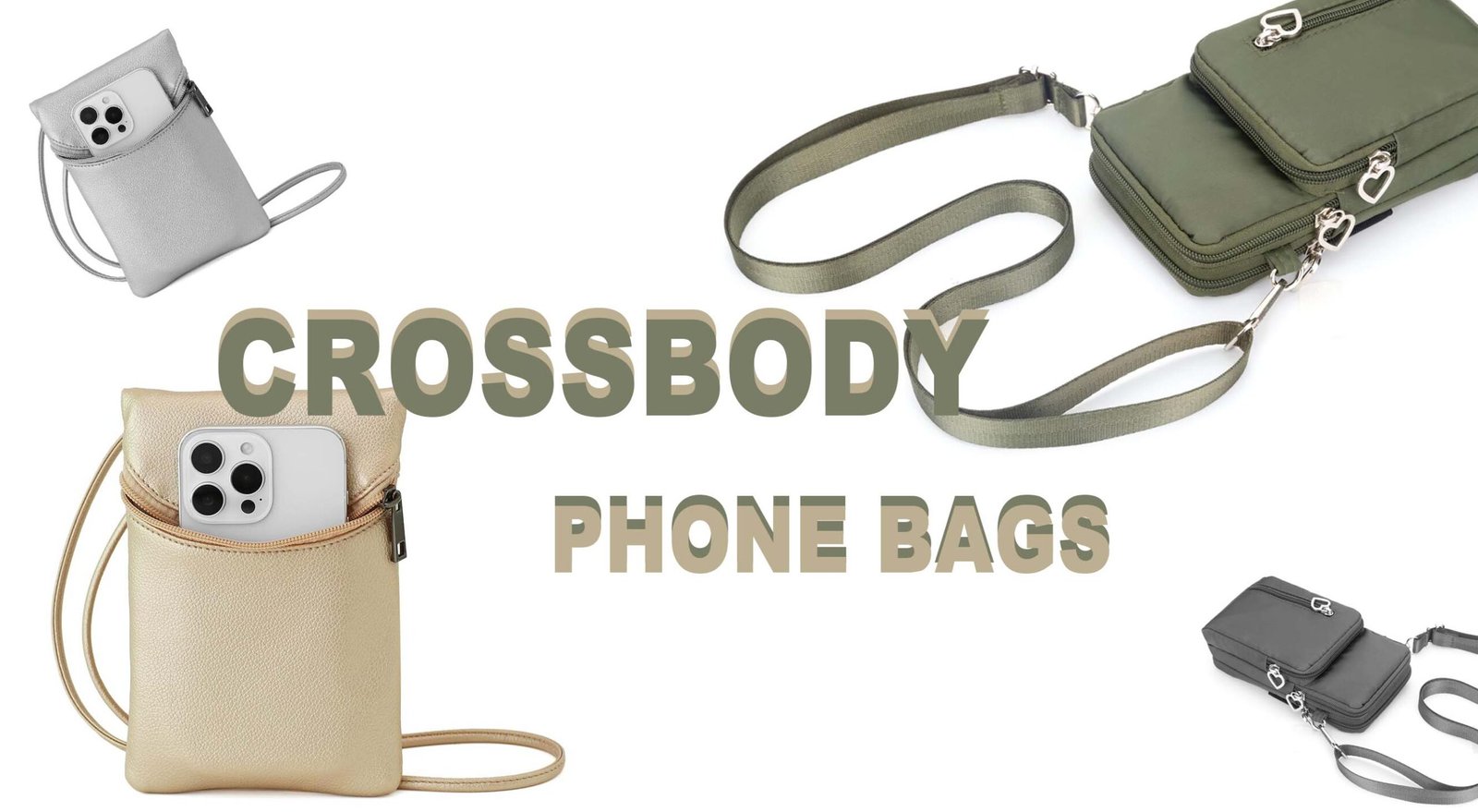
When I speak with buyers about promotional bags, I often notice the same starting point. They ask if the item looks current. They ask if it holds a phone. Those are fair questions. But they are not the main questions. I have learned that the better question is simple: will people actually keep carrying it after the campaign ends? That is where a crossbody phone bag either becomes a strong brand touchpoint or just another short-life giveaway.
What Are Crossbody Phone Bags Used For?
Many buyers see a neat, compact bag and assume it will work for any campaign. I have seen that idea cause weak item selection and short brand exposure.
A crossbody phone bag is mainly used for carrying a phone and a few small essentials while keeping hands free3. It fits campaigns aimed at shoppers, commuters, event visitors, and mobile users4 who value light, easy daily carry.
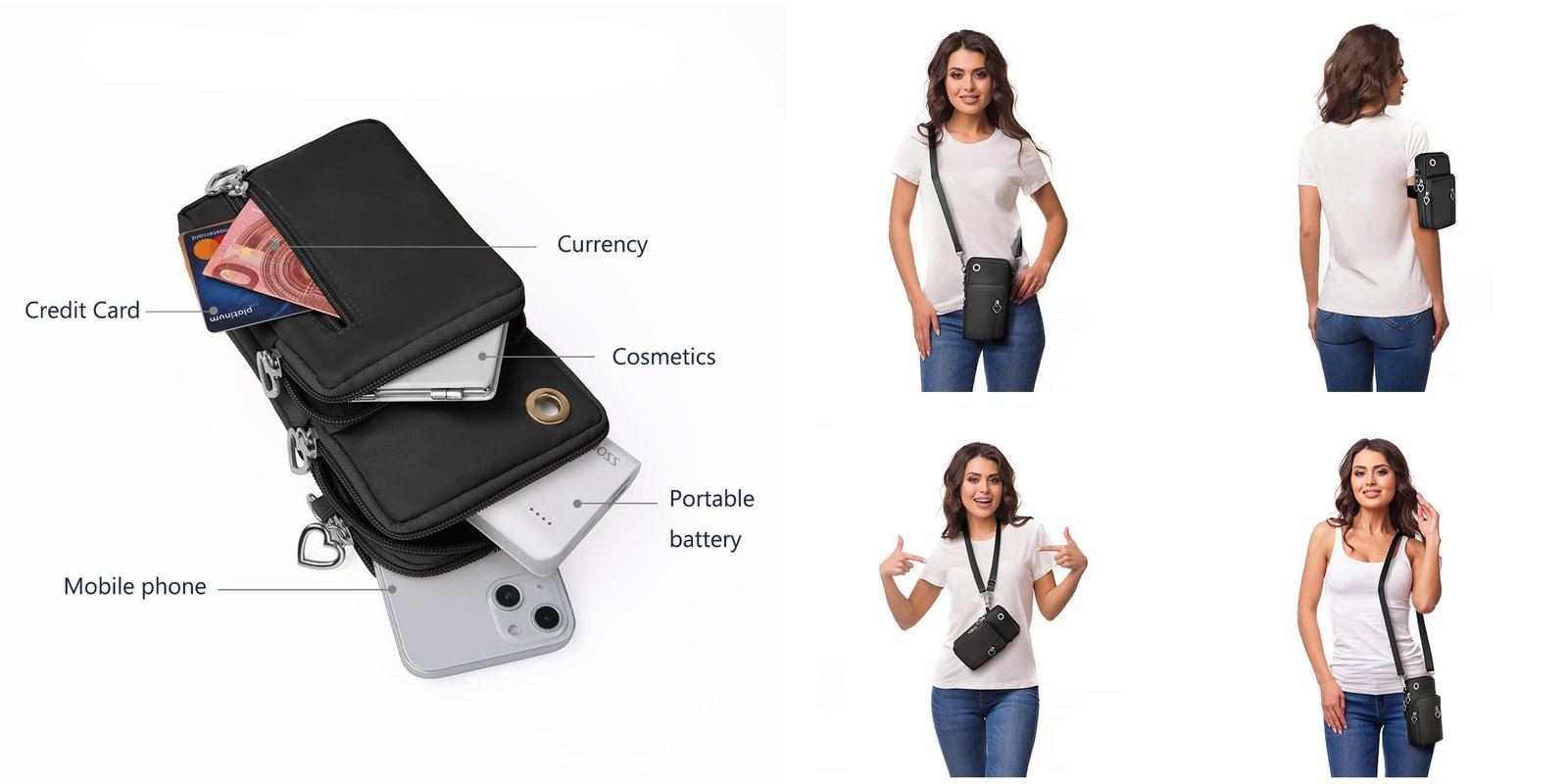
When I talk with customers during sampling, I usually hear one of two goals. Some want a giveaway that attracts attention on the table. Some want an item that stays in use for weeks or months. A crossbody phone bag is better for the second goal, but only when the user habit matches the item.
I think this is where many buyers make the wrong call. They focus on basic usefulness. Yes, a phone bag can hold a phone. Yes, it looks practical. But campaign fit needs a more careful view. I usually look at how the end user moves through the day. Do they walk stores often? Do they attend outdoor events? Do they need hands-free access? Do they dislike carrying a large handbag or backpack for short trips? If the answer is yes, the bag has a stronger reason to stay in use.
Here is the simple lens I use when discussing campaign fit with buyers:
| Decision point | Strong fit | Weak fit |
|---|---|---|
| User movement | On-the-go, active, commuting | Mostly desk-based |
| Carry habit | Minimal daily carry | Prefers larger bags |
| Campaign purpose | Repeated brand exposure | One-time event giveaway |
| Audience type | Mobile shoppers, event visitors, travelers | Broad general crowd with mixed habits |
| Item role | Practical daily touchpoint | Short-term novelty |
I have also seen buyers use this bag well for store opening gifts, loyalty programs, themed seasonal promotions, and branded add-on sales. In those cases, the product has a clear use scene. That matters a lot. If the use scene is vague, the item may look good at first and then disappear into a drawer.
What Size Should a Phone Bag Be?
A phone bag that looks compact can still fail if the size is wrong. I have seen samples rejected because the phone fit was too tight or the shape felt awkward in use.
A practical phone bag should fit common smartphone sizes5 plus a few small essentials like cards, keys, or lipstick6. In most projects, buyers should confirm internal dimensions, opening width, and pocket layout before approving production.
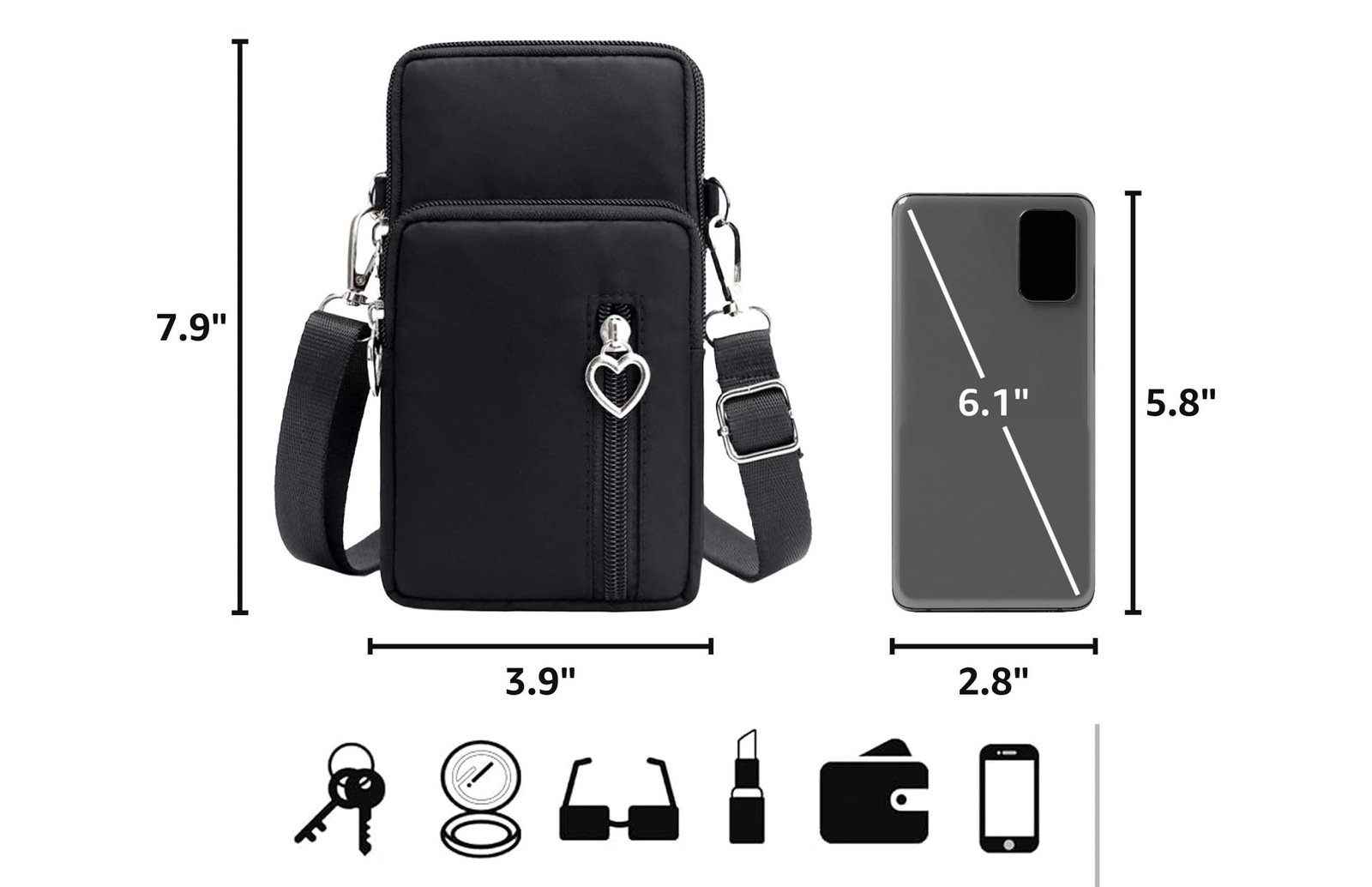
Size sounds basic, but I have learned that it affects campaign value more than many buyers expect. If the bag is too small, people stop using it fast. If it is too big, it loses the simple carry appeal that made it attractive in the first place. I often tell buyers not to approve a size by visual impression alone. A photo can be misleading. Even a sample can feel different once a real phone, case, cards, and keys are inside.
In most discussions, I suggest starting from actual user carry habits. Some campaigns only need the bag to hold a phone and card set. Some need room for power bank, sunglasses, or cosmetics. The target user changes the ideal size. I have also noticed that opening style matters as much as body size. A narrow zipper opening can make a bag annoying even if the phone technically fits.
This is the checklist I like to use:
| Size factor | Why it matters | What I usually ask |
|---|---|---|
| Internal height and width | Must fit common phones with case | Which phone models are most common in your market? |
| Depth or gusset | Adds room for extras | Is this for phone only or for small daily essentials too? |
| Opening width | Affects ease of access | Can users remove the phone quickly? |
| Pocket structure | Changes real usable space | Do you want separate card or coin storage? |
| Bag weight | Affects carry comfort | Is this meant for daily use or occasional use? |
From my side, I always prefer that buyers test at least one real device inside the sample. That simple step prevents many complaints later. A good size is not the biggest one. It is the one people will keep using without thinking about it.
Which Materials Work for Retail Phone Bags?
A bag can look good in a photo and still fail in a campaign if the material feels weak or wrong for the retail setting. I have seen this happen in sample reviews.
The best material depends on the campaign goal, price target, and brand image. In my experience, polyester, nylon, canvas, PU, and recycled fabrics are common options7, and each works differently for durability, cost, print effect, and perceived value.
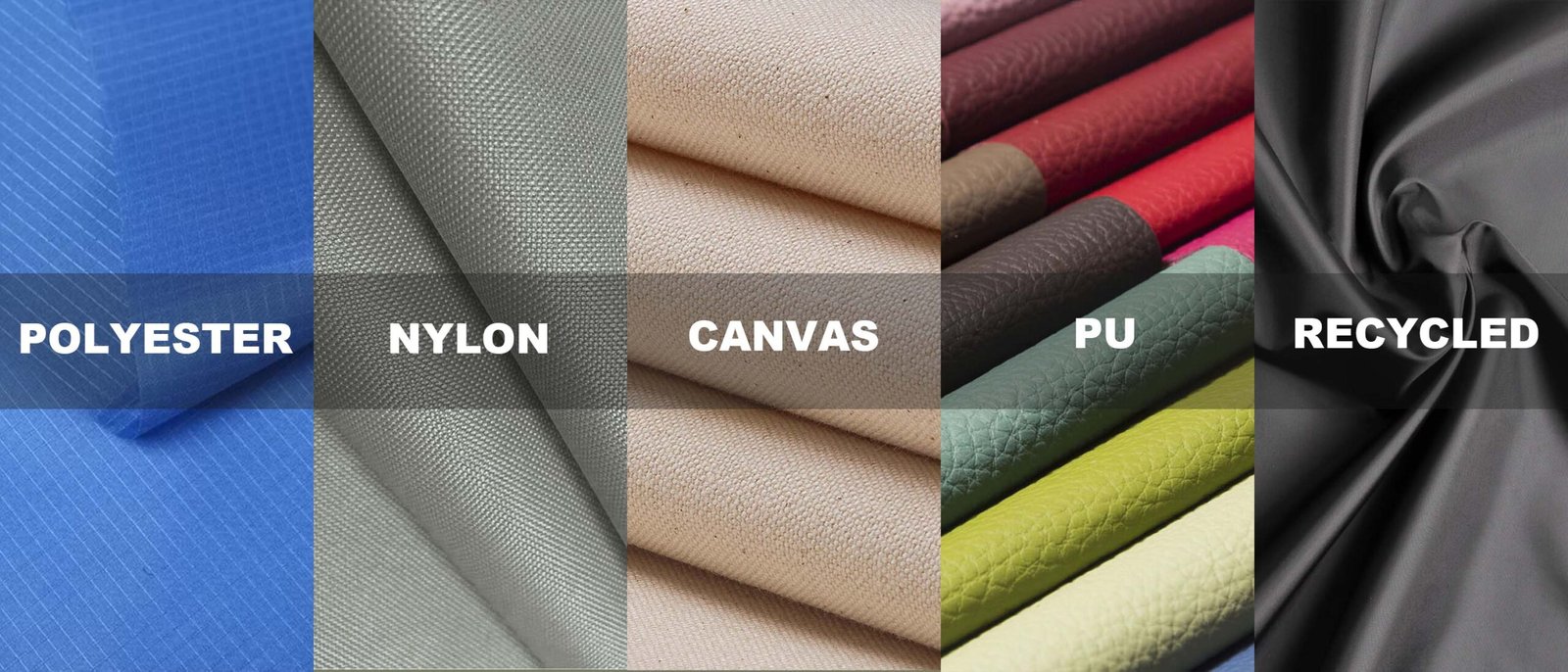
When buyers ask me for material advice, I do not start with trend. I start with use scene. A low-cost mass giveaway needs a different material from a gift-with-purchase item for a premium retail brand. I have seen buyers improve selection when they define three things first: expected usage period, target price, and brand feeling.
Polyester and nylon are common because they are practical and cost friendly8. They can work well for large retail campaigns. Canvas gives a more casual and solid feel. It can support a simple brand image well. PU can look more polished, but the exact quality level matters a lot, so sample approval is important. Recycled materials are now a serious option9 when the brand wants to connect the giveaway to an eco message. Still, I always think the sustainability story needs to be matched by real carry use. If the item is not used, the message becomes weak.
Here is how I usually explain the trade-offs:
| Material | Main strength | Main risk | Best fit |
|---|---|---|---|
| Polyester | Low cost, flexible, easy for bulk orders | Can feel ordinary if finish is basic | Large volume promotions |
| Nylon | Light, durable, smooth touch | May seem too plain for some brands | On-the-go and sports retail use |
| Canvas | Strong structure, casual value feel | Heavier and bulkier | Lifestyle or natural style campaigns |
| PU | Better fashion look | Quality varies a lot | Premium look campaigns |
| Recycled fabric | Supports eco message | Needs clear quality control | Sustainability-focused retail programs |
In real buyer talks, material choice also affects logo method, color accuracy, and strap design. So I never treat it as a stand-alone choice. It is part of the full campaign fit.
How Can Brands Customize Straps and Logos?
A phone bag without the right branding details can become just another plain bag. I often see buyers realize late that logo placement and strap design shape the whole campaign effect.
Brands can customize straps and logos through printing, woven labels, embroidery, patches, debossing, and branded webbing. The best option depends on budget, material, visibility needs, and whether the brand wants subtle identity or strong repeated exposure.
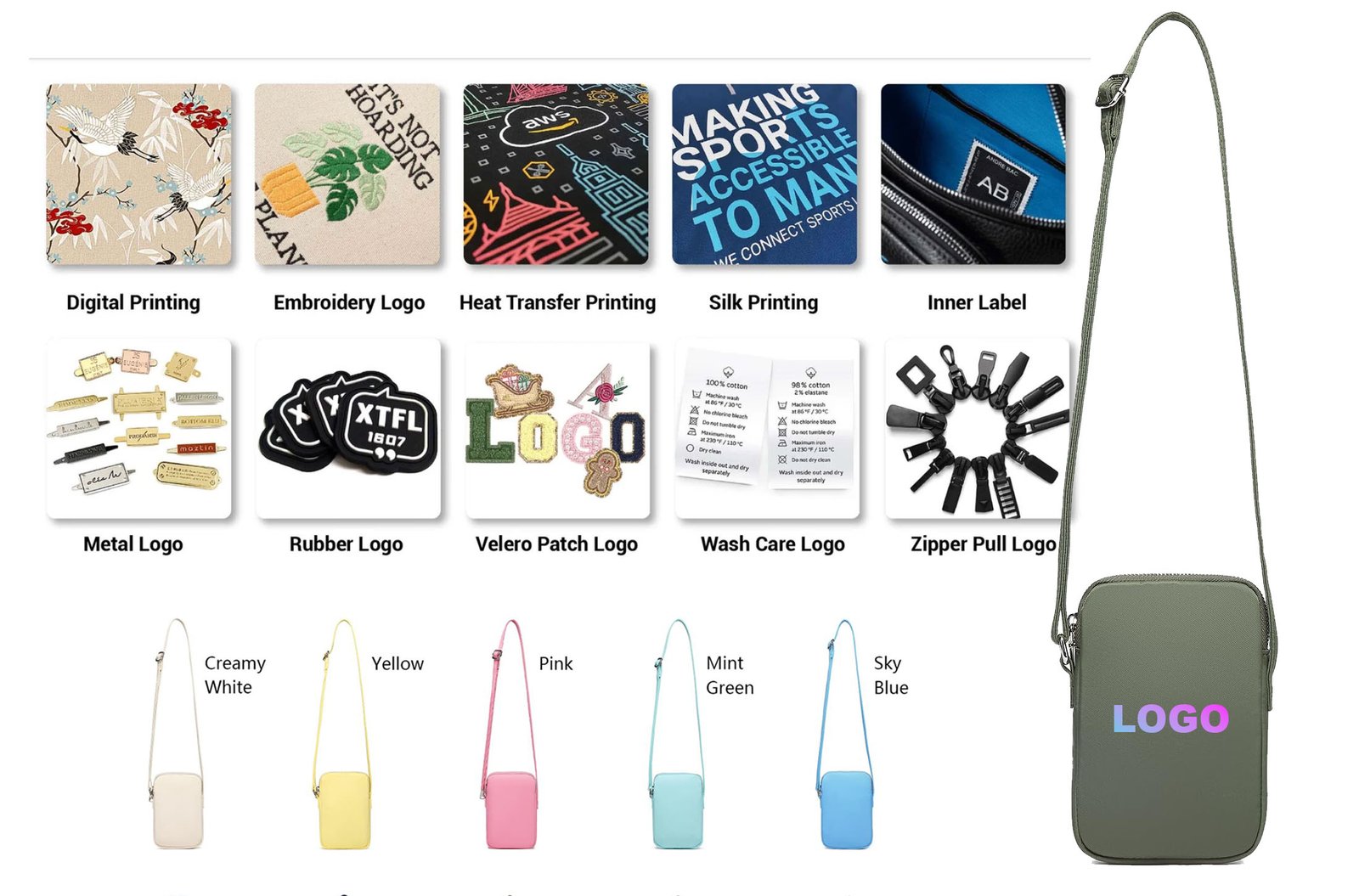
This is one of the most practical parts of the project, and it is also where small decisions change the result a lot. I have been in many conversations where the first idea was only to add a front logo. Then we reviewed the actual use case and found that strap branding might create more visible exposure during real use10. Of course, that does not mean bigger is always better. Some buyers want a cleaner look because they want people to keep using the bag in daily life. I think that is often the right instinct.
A bag that feels too promotional can lose carry appeal11. A bag that is too subtle may not support brand recognition enough. So I usually help buyers balance brand visibility and user willingness. The strap is important because it stays visible while the bag is worn. The front panel is important because it supports brand recognition at the shelf or giveaway point.
These are the usual choices:
| Custom part | Option | Best use |
|---|---|---|
| Front panel logo | Screen print, heat transfer, embroidery, patch | Main brand recognition |
| Strap | Jacquard webbing, repeated print, contrast color | Repeated visible exposure while worn |
| Zipper puller | Custom pull tab, molded logo piece | Small premium detail |
| Lining | Printed lining, brand color | Internal brand story, better finish |
| Label | Woven label, rubber badge | Subtle but durable branding |
I often remind buyers to think about the campaign audience. If the item goes to supermarket shoppers, a clean logo and easy-match strap may improve actual use. If it goes to a youth event, a louder strap may be better. I have seen the best results come from simple branding that people do not mind carrying again and again.
What Should Buyers Confirm Before Bulk Production?
A nice sample can still turn into a poor bulk order if key details are not locked. I have seen buyers run into avoidable problems because they approved too fast.
Before bulk production, buyers should confirm size, material, logo method, color, strap details, hardware, workmanship standards, packaging, testing needs, and production timeline. A clear pre-production checklist reduces quality risk and delivery surprises12.

This is the part I care about most, because many campaign problems start here, not after shipping. In my daily work, the most common issues are not dramatic ones. They are small mismatches. The strap width changes slightly. The phone fits tightly because a case was not considered. The logo color is close, but not exact. The zipper pull feels lighter than the approved sample. Each issue looks minor. Together, they can weaken the whole project.
I always tell buyers that bulk production is not the time to assume. It is the time to document. A good supplier should help organize these points clearly. I have found that experienced buyers usually ask more detailed questions earlier, and that helps everyone.
My standard confirmation list looks like this:
| Item to confirm | Why it matters |
|---|---|
| Final dimensions | Prevents phone fit or storage complaints |
| Material code and thickness | Keeps bulk quality close to sample |
| Logo artwork and method | Avoids appearance differences |
| Color standard | Reduces shade disputes |
| Strap length and width | Affects comfort and wearability |
| Hardware finish | Changes quality feel and durability |
| Stitching and workmanship standard | Prevents weak construction |
| Packaging method | Affects retail use and shipping cost |
| Testing or compliance needs | Important for some markets and retailers |
| Production and shipping schedule | Protects campaign timing |
I also suggest one simple habit. I ask buyers to imagine the end user opening the package, wearing the bag, and using it on day seven, not just day one. That view often changes decisions. In my experience, a crossbody phone bag works best when the product details support repeated use. That is the whole point. The campaign value is not in the item category alone. The value is in whether people keep it, carry it, and let the brand stay visible over time.
Conclusion
A crossbody phone bag can support a retail campaign when daily carry is likely, audience fit is clear, and production details are controlled from sample stage to bulk order.
"Do Promotional Products Work? - American Marketing Association", https://www.ama.org/marketing-news/why-do-promotional-products-work/. Consumer research on promotional products reports that retention and repeated use depend strongly on perceived usefulness, with less useful items more likely to receive limited use after receipt; this supports the article's concern that some giveaways are noticed briefly and then abandoned. Evidence role: general_support; source type: research. Supports: Survey or industry research should document that promotional items vary widely in retention and that items with low utility are more likely to see short-term use.. Scope note: Most available evidence is survey-based and may not measure the exact duration of use for crossbody phone bags specifically. ↩
"Taking repeated exposure into account: An experimental study of ...", https://pmc.ncbi.nlm.nih.gov/articles/PMC9479315/. Research on advertising frequency and branded merchandise indicates that repeated exposure can strengthen brand recall and prolong message contact, which provides a mechanism for why continued use after an event would increase campaign value. Evidence role: mechanism; source type: paper. Supports: Evidence should show that repeated exposure or repeated interaction with branded items can improve recall or extend advertising impressions over time.. Scope note: Such studies generally support the exposure principle rather than proving that every crossbody phone bag campaign will outperform short-term giveaways. ↩
"Handbag", https://en.wikipedia.org/wiki/Handbag. General references define a crossbody bag as a bag worn with a strap across the torso, leaving the hands free while carrying small personal belongings such as a phone, cards, or keys. Evidence role: definition; source type: encyclopedia. Supports: A neutral reference should define crossbody bags as bags worn across the body for hands-free carrying of personal items.. ↩
"Lifting and Material Handling - Environment, Health and Safety", https://ehs.unc.edu/topics/ergonomics/lifting-and-material-handling/. Consumer and ergonomics research commonly finds that hands-free carry options are valued in mobile settings such as commuting and travel, supporting the article's identification of shoppers, commuters, and event visitors as plausible target users. Evidence role: general_support; source type: research. Supports: Relevant sources should support the idea that hands-free carrying is preferred in mobile contexts such as commuting, travel, or event attendance.. Scope note: Support is contextual because many studies concern bags or personal-carry behavior generally rather than crossbody phone bags alone. ↩
"Smartphone", https://en.wikipedia.org/wiki/Smartphone. Current smartphone model specifications show that mainstream devices cluster within a limited but significant size range, so a phone bag intended for broad use should be dimensioned to fit common handsets rather than a single model. Evidence role: general_support; source type: research. Supports: A source should summarize the size range of mainstream smartphones, showing why a phone bag must allow for common handset dimensions.. Scope note: This evidence supports the sizing principle but does not identify one universal bag size because device dimensions vary across brands and models. ↩
"Top 10 Everyday Carry EDC Essentials - Thread Wallets", https://www.threadwallets.com/blogs/thread-wallets/top-10-everyday-carry-edc-essentials?srsltid=AfmBOoqPC6JvVRFrVaNoVDWXo3fy3rOJqR55YHYSyQV_10IV1u2i9dCT. Surveys of everyday personal-carry habits consistently identify phones, cards or wallets, and keys among the most commonly carried items, supporting the recommendation that a practical phone bag should allow room for these essentials. Evidence role: general_support; source type: research. Supports: A consumer survey should indicate that phones, cards or wallets, and keys are among the most commonly carried everyday items.. Scope note: Cosmetic items such as lipstick may vary more by user segment and are less universal than phones, cards, and keys. ↩
"The Best Bag Material: A Guide to Fabrics and Textiles", https://www.chicobag.com/articles/best-bag-material. Textile and fashion references list polyester, nylon, canvas, polyurethane-based synthetic leather, and recycled fibers among the standard materials used in bags and small accessories, supporting the article's material overview. Evidence role: definition; source type: education. Supports: Textile or fashion education sources should identify polyester, nylon, canvas, polyurethane-based synthetic leather, and recycled fabrics as standard materials in bag construction.. ↩
"Nylon vs Polyester Bags: Which Fabric Is Best for Your Custom Bag?", https://www.fieldtexcases.com/blog/nylon-vs-polyester-bags/. Textile engineering references describe polyester and nylon as durable, lightweight synthetic fibers that are widely used in bags because they offer functional performance at comparatively low manufacturing cost. Evidence role: mechanism; source type: education. Supports: A textile source should describe polyester and nylon as lightweight, durable synthetic fibers commonly chosen for their performance and economical production.. Scope note: Relative cost depends on fabric grade, coating, and market conditions, so sources usually support a general tendency rather than a fixed price ranking. ↩
"Reusable Shopping Bag Market Growth & Trends 2035", https://www.businessresearchinsights.com/market-reports/reusable-shopping-bag-market-106362. Industry and sustainability reports document substantial growth in the use of recycled fibers, particularly recycled polyester, in apparel and accessory supply chains, providing context for the claim that recycled materials are now a serious option for bag production. Evidence role: historical_context; source type: institution. Supports: Industry or international sources should show increased adoption of recycled fibers, especially recycled polyester, in apparel and accessories.. Scope note: This evidence is sector-wide and does not directly measure the share of recycled materials used specifically in crossbody phone bags. ↩
"Neuroscientific Analysis of Logo Design - PMC - NIH", https://pmc.ncbi.nlm.nih.gov/articles/PMC12024241/. Visual attention and advertising research indicates that message placement on outward-facing, repeatedly visible surfaces can increase opportunities for incidental exposure, which supports the rationale for considering strap branding on a worn bag. Evidence role: mechanism; source type: paper. Supports: Relevant studies should support the idea that branding placed on outward-facing or repeatedly visible surfaces can increase opportunities for visual exposure.. Scope note: The support is inferential because most studies address visibility principles broadly rather than testing crossbody bag straps against front-panel logos directly. ↩
"Neuroscientific Analysis of Logo Design - PMC - NIH", https://pmc.ncbi.nlm.nih.gov/articles/PMC12024241/. Consumer research on logo prominence and conspicuous branding finds that highly visible branding can reduce product appeal for some users, supporting the article's view that a bag perceived as too promotional may see lower everyday use. Evidence role: general_support; source type: paper. Supports: A source should show that logo prominence or conspicuous branding can affect product preference and willingness to use an item publicly.. Scope note: Preferences differ by audience segment and product category, so branding intensity does not have the same effect in every market. ↩
"Guide to Manufacturing Daily Pre-production Checklist - DataMyte", https://datamyte.com/blog/how-to-create-a-manufacturing-daily-pre-production-checklist/. Quality management and manufacturing control literature widely supports the use of documented specifications, pre-production review, and checklist-based verification to reduce defects, miscommunication, and schedule disruption. Evidence role: expert_consensus; source type: research. Supports: Quality management literature should support the use of standardized pre-production controls, specifications, and checklists to reduce errors and variability.. Scope note: Such evidence generally supports checklist discipline as a risk-reduction practice rather than guaranteeing on-time delivery or defect-free output in every order. ↩